
Review · NEPAL
Everest Base Camp Trek: A short EBC Trek to Iconic Himalaya
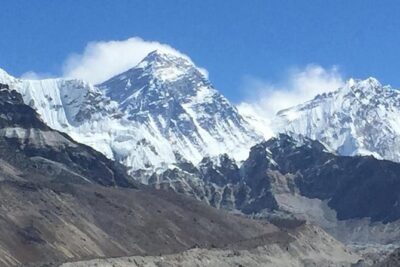
Everest Base Camp is the main event, but the approach is what gives this trek its power. You walk from Lukla through Sherpa villages, rhododendron forests, suspension bridges, and high mountain valleys before reaching the Khumbu Glacier at 5,364 meters. The reward is a front-row view of Everest, Lhotse, Nuptse, and the Khumbu Icefall.
I like the strong cultural side of this route, especially time in Namche Bazaar and the visit to Tengboche Monastery. I also like that the company can provide a guide, porter, sleeping bag, down jacket, duffle bag, and trekking poles, which cuts down on the gear you need to buy.
The main caution is the schedule. Nine days is fast for a trek reaching above 5,000 meters, and the itinerary does not include full rest days at Namche or Dingboche. You should be fit, comfortable walking 4 to 5 hours a day at altitude, and strongly consider adding one or two acclimatization days.
Key points to know before booking
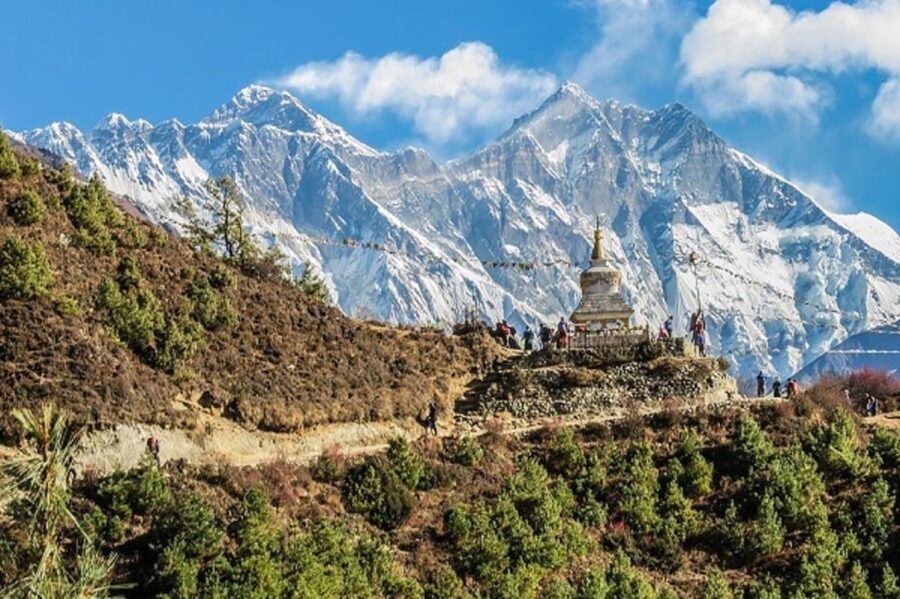
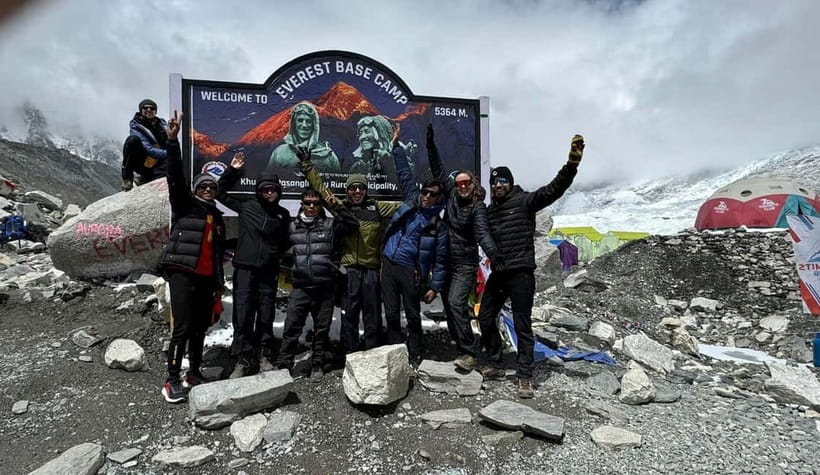
- Reach Everest Base Camp at 5,364 meters: The trek follows the Khumbu Glacier to the foot of the world’s highest mountain.
- Start with a flight to Lukla: Mountain weather can affect flights, and some departures use Ramechhap, about four hours from Kathmandu by road.
- See Everest from Kala Patthar: The early morning hike reaches 5,545 meters and offers the trip’s best Everest panorama.
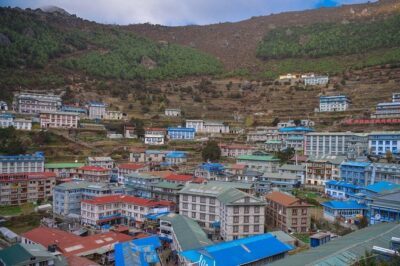
- Meet the Sherpa culture of the Khumbu: Namche Bazaar, Tengboche, and other villages make this more than a mountain walk.
- Expect a quick itinerary: The route covers about 130 kilometers round trip, with several 5 to 8 hour walking days.
- The $681 price is not all-inclusive: Flights, Kathmandu hotels, drinks, personal gear, and porter costs are extra unless separately arranged.
What the $681 price really covers
At $681 per person, this trek offers reasonable value if you want the main services arranged for you. The price covers airport transfers connected with the trek, standard trekking lodges, breakfast, lunch, and dinner during the walking portion, seasonal fruit, an English or other listed-language guide, national park and local entrance fees, TIMS, taxes, and company service charges.
You also receive the use of a sleeping bag, down jacket, duffle bag, and trekking pole if needed. A T-shirt or cap and a trip certificate are included, along with a cultural show and farewell dinner in Kathmandu.
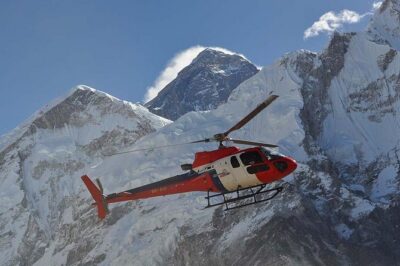
The important catch is the flight. The cost includes arranging the Kathmandu to Lukla and Lukla to Kathmandu flight, or a helicopter if needed by request, but the airfare itself is listed separately under exclusions. Kathmandu hotels before and after the trek are also extra. So the advertised price is a base trekking cost, not your final trip budget.
You should also allow for drinks, bottled water, tea, coffee, laundry, phone service, personal equipment, and porter service. A porter can be arranged on request, but that cost is not included in the stated price.
For the money, the useful part is having one company handle permits, transfers, a guide, food, and lodge arrangements. You still need to budget carefully for the air ticket and for a possible extra night in Kathmandu if mountain weather delays your return.
More Everest Base Camp treks around Nepal:
- Everest Base Camp Trek – 14 Days
★ 5.0 · 1,499 reviews - Everest Base Camp Trek
★ 5.0 · 842 reviews - Everest Base Camp Trekking
★ 5.0 · 485 reviews
Day 1: Lukla to Phakding begins with a mountain flight
The trip starts with an early flight from Kathmandu to Lukla. The short air journey is part of the drama, but it is also one of the least predictable parts of the trip. High air traffic or poor mountain weather can change the departure point or timing.
Sometimes the flight leaves from Ramechhap instead of Kathmandu. In that case, you travel by road for about four hours before flying to Lukla. Your pickup time depends on your hotel location and flight schedule, and you need to be at the airport at least one hour before departure.
From Lukla, you walk about three hours to Phakding at 2,610 meters. This is a sensible opening day because it gets you moving without forcing an immediate long climb. The first trail section introduces the rhythm of the trek: walk, stop, eat, rest, and repeat.
Phakding is a practical overnight stop rather than a major sight. Its value is that you begin sleeping along the route and give your body a little time to adjust before the higher sections.
Day 2: Namche Bazaar brings the first serious climb
The walk from Phakding to Namche Bazaar takes about 6 to 7 hours and reaches 3,440 meters. This is one of the first days when the route feels demanding, with a clear gain in altitude and a longer walking time.
Namche is the main trading center of the Khumbu region and one of the most important places on the trek. It is a good place to slow down, organize your pack, and pay attention to how your body feels. The schedule describes acclimatization at Namche, but the nine-day plan does not provide a separate full rest day here. That distinction matters.
If you have limited high-altitude experience, adding a day at Namche is one of the best changes you can make. The company specifically recommends one or two extra days for acclimatization, and this is where that extra time begins to pay off.
Day 3: Tengboche combines mountain views and Sherpa culture
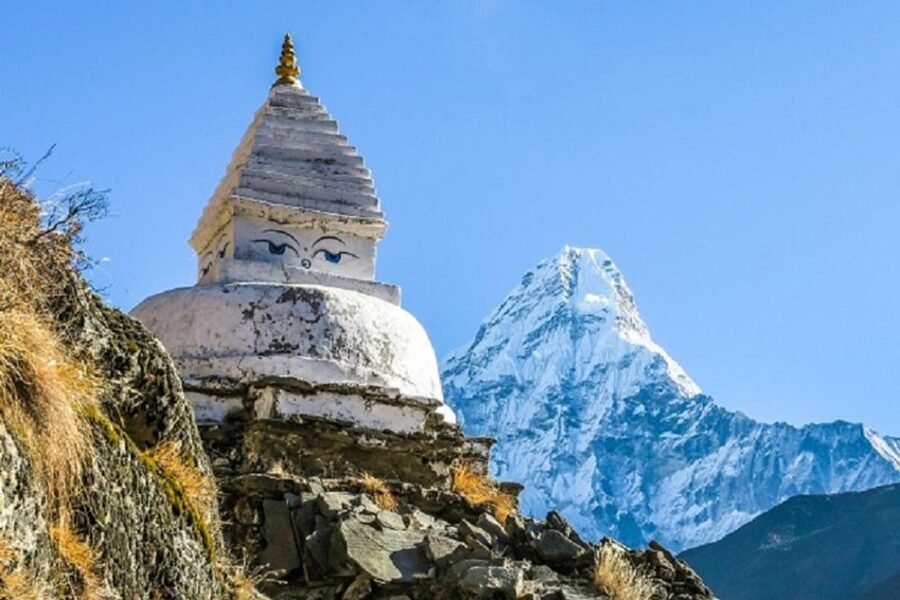
From Namche, you walk 5 to 6 hours to Tengboche at 3,860 meters. The route gives you broad views of Himalayan peaks including Ama Dablam, Lhotse, and Nuptse. The scenery changes as you move through forest and open mountain country.
The highlight is Tengboche Monastery. This visit gives the trek a spiritual and cultural dimension that a simple point-to-point hike would miss. You are not just ticking off altitude markers. You are passing through a living Sherpa region where Buddhist practice remains part of daily life.
Tengboche is also a demanding overnight stop because the altitude keeps rising. Keep your pace steady and resist the urge to race ahead. At this height, a slow walker who feels well is in a better position than a fast walker who has pushed too hard.
More treks around Nepal:
- Annapurna Circuit Trek with Tilicho Lake
★ 5.0 · 368 reviews - Everest Base Camp Trekking – 13 Day
★ 5.0 · 365 reviews - Everest Base Camp Trek
★ 5.0 · 350 reviews - Everest Base Camp Trek -14 Days
★ 5.0 · 321 reviews
Day 4: Dingboche marks the serious altitude zone
The trail from Tengboche to Dingboche takes about 5 to 6 hours and reaches 4,410 meters. Dingboche is where the air begins to feel noticeably thinner for many people. Even ordinary tasks can take longer.
The itinerary refers to an acclimatization day in Dingboche, but the nine-day schedule moves onward the next day. If you want the safest and more comfortable version of this trek, add a rest day here. You can use it to take a short local walk, rest, eat well, and watch for signs of altitude sickness.
This is one of the points where the trip’s physical requirements become real. You should be able to walk 4 to 5 hours a day at high altitude, and several days on this route run longer. Fitness helps, but it does not replace acclimatization.
Day 5: Lobuche leads into a colder, barer world
The walk to Lobuche takes 5 to 6 hours and reaches 4,910 meters. By now, the vegetation is much less important than rock, ice, and wide mountain views. The air is colder and the overnight conditions can feel more basic.
Lobuche is a staging point for the hardest section of the trek. You should keep your evening quiet, drink the permitted fluids available at the lodge, and prepare clothing for an early start. Drinks and water are not included, so you need to budget for these daily purchases.
The standard lodge accommodation is practical rather than luxurious. Expect a trekking guesthouse setting, shared travel routines, and simple meals. Breakfast, lunch, and dinner are included during the trek, with one food item at each meal according to the package details. If you need snacks or special drinks, bring extra money.
Day 6: Everest Base Camp is the long-awaited goal
This is the biggest day on the way up. You walk from Lobuche to Gorak Shep at 5,140 meters, then continue to Everest Base Camp at 5,364 meters. The total takes about 7 to 8 hours, and you return to Gorak Shep to sleep.
The trail follows the Khumbu Glacier, with dramatic views of ice and high peaks. The route can feel slow because of the altitude. You may be walking at a pace that would seem frustratingly easy at home, but here it is the sensible way to move.
Everest Base Camp itself is a major achievement, though it is worth keeping expectations clear. The famous summit view is not always the best from Base Camp itself. The surrounding glacier, ice formations, and view toward the Khumbu Icefall are the main visual rewards.
The Khumbu Icefall is one of the most striking features of this part of the route. It is a huge, broken glacier system used by climbers heading toward the summit. You see the setting without joining a technical climbing expedition.
Sleeping at Gorak Shep after this long day is demanding. This is another reason I would favor adding time to the itinerary if your schedule allows. The ascent is quick, and the return journey is still ahead.
Day 7: Kala Patthar supplies the best Everest view
The early morning hike to Kala Patthar reaches 5,545 meters. This is actually higher than Everest Base Camp and is usually the trip’s finest viewpoint for Mount Everest. The sunrise timing means an early start and another hard climb when you are already tired.
From the top, you can see Everest, Lhotse, Nuptse, and the surrounding peaks in a wide Himalayan panorama. The cold can be sharp, so warm clothing, gloves, socks, thermal layers, and a proper jacket are not optional comforts. They are basic equipment.
After Kala Patthar, you descend to Pheriche at 4,371 meters in about 7 to 8 hours. Descending gives your body some relief from altitude, but it does not make the day easy. Your knees and feet may feel the strain after the long climb and descent.
Pheriche is a useful overnight stop because it lowers your sleeping altitude. On a fast itinerary, this day is especially full. If you add an acclimatization day earlier, you will still have a demanding day here, but you should handle it more comfortably.
Day 8: The return to Namche feels faster, but not easy
The walk from Pheriche to Namche takes about 6 to 7 hours. Much of the route is familiar in reverse, but descending and retracing steps can feel different. Your body is tired, and the trail still has ups and downs.
Namche is a welcome return to a lower altitude and a more established village setting. It gives you one final night in the main Khumbu center before the push to Lukla. This is a good evening to check your belongings, settle any remaining expenses, and prepare for the final walking day.
The trek’s route is not a simple downhill march. Nepal’s mountain trails rise and fall, even when you are generally losing altitude. Plan on a full day rather than assuming the return will be easy.
Day 9: Lukla and the flight back to Kathmandu
The final walk from Namche to Lukla takes about 6 to 7 hours. It is a long finish, followed by the flight back to Kathmandu. This makes day nine logistically tight, especially if the flight schedule changes.
You should not plan an international departure on the same day as the Lukla flight. Mountain weather can delay aircraft, and the trip information specifically advises allowing at least one buffer day before your international flight. That extra day is not wasted. It protects the rest of your journey.
Airport transfers connected with the trekking trip are included, but flight costs are not. Confirm exactly what is arranged and what you must pay before departure, especially if a helicopter or Ramechhap transfer becomes part of the plan.
Guides, porters, and the human side of the trek
A guide is included throughout the trek, with service available in English, Chinese, Korean, Russian, Traditional Chinese, or Japanese. Recent trips have been led by guides including Ramesh and Palden, while Sobit has handled coordination from Kathmandu. You should confirm who will lead your departure because guide assignment can change.
The human support is an important part of a high-altitude trek. A good guide helps manage pace, route decisions, lodge stops, and problems when the weather turns. A porter can also be arranged, but that service is separate from the advertised price.
You should pack with respect for the porter system. Keep your personal daypack light, but do not treat porters as a reason to bring an oversized wardrobe. Warm layers, hiking shoes, gloves, socks, hiking pants, thermal clothing, and a jacket are listed as essential items.
Who this nine-day trek suits best
This version suits a physically fit person who wants a direct route to Everest Base Camp and has limited time. It also suits someone who values having permits, meals, accommodation, transfers, and a guide organized in advance.
It is less suitable if you are new to high-altitude walking and cannot add extra days. Beginners should plan additional time, especially at Namche Bazaar and Dingboche. The company itself advises this, and I agree.
The trek is not suitable for wheelchair users, babies under one year, or people over 95. Those restrictions do not describe every possible visitor, but they make the operating limits clear.
The three available rating records give the experience a perfect 5 rating, and the strongest praise centers on the staff. Ramesh is described as attentive, Palden as kind and capable, and Sobit as exceptionally helpful with coordination from Kathmandu. Those names are useful when you ask about guide availability, but you should not assume a particular guide is guaranteed.
Booking flexibility and final practical checks
You can cancel up to 24 hours in advance for a full refund, and the reserve-now, pay-later option keeps you from paying at the time of booking. Availability and departure times still need to be checked for your dates.
Before paying, ask for a written breakdown of the flight cost, hotel cost, porter charge, and any additional permit or transport expenses. Confirm whether the return flight is scheduled for the same day as the walk into Lukla, and keep a spare day before your international departure.
Also ask about extra acclimatization days. One additional day may help, but two extra days are the better choice if you are new to altitude or want a less rushed trip.
Should you book the Everest Base Camp Trek?
Book it if you want a tightly organized, nine-day route with a guide, lodge accommodation, meals, permits, and the major sights of the Khumbu. The combination of Everest Base Camp, Kala Patthar, Tengboche Monastery, Sherpa villages, and the Khumbu Icefall gives you a lot in a short time.
Take a different approach, or add days, if your main goal is comfort and careful acclimatization. The schedule is ambitious, the return day is long, and the flight arrangements require flexibility.
For a fit walker who can add one or two days, budget for the excluded costs, and accept basic mountain accommodation, this is a strong way to reach Everest Base Camp without arranging every detail alone.
FAQ
How long is the Everest Base Camp Trek?
The listed duration is 9 days. The route covers about 130 kilometers round trip, beginning with a flight to Lukla and ending with a flight back to Kathmandu.
What is the highest point on the trek?
Everest Base Camp reaches 5,364 meters. Kala Patthar is higher, at 5,545 meters.
Is the flight from Kathmandu to Lukla included in the price?
The company arranges the Kathmandu to Lukla and Lukla to Kathmandu flight upon request, but the airfare is not included in the stated price.
Could the flight leave from Ramechhap?
Yes. Due to high air traffic, flights may depart from Ramechhap instead of Kathmandu. The road journey from Kathmandu to Ramechhap takes about four hours.
Are Kathmandu hotels included?
No. Hotels in Kathmandu before and after the trek are not included, but they can be arranged upon request.
Are meals included during the trek?
Yes. Breakfast, lunch, and dinner are included during the trekking portion, with one food item provided at each meal. Drinks, tea, coffee, and water are extra.
Is a guide included?
Yes. An experienced trekking guide is included throughout the trek. Guide service is available in English, Chinese, Korean, Russian, Traditional Chinese, and Japanese.
Can a porter be arranged?
Yes. Porter service can be arranged upon request, but it is not included in the stated cost.
Should I add acclimatization days?
Adding one or two days in Namche Bazaar and Dingboche is recommended, especially if you are new to high altitude. Beginners are advised to plan extra days.
What should I bring?
Bring warm clothing, hiking shoes, a jacket, gloves, socks, hiking pants, and thermal clothing. The company can provide a sleeping bag, down jacket, duffle bag, and trekking pole if needed.
New treks around Nepal
- Pokhara: Poon Hill Trek★ 5.0 · 3 reviews
- Pokhara: 9-Day Annapurna Base Camp Trek with Poon Hill★ 5.0 · 6 reviews
- Pokhara: 7 Day Annapurna Base Camp Trek★ 4.9 · 38 reviews
- Pokhara: 5-Day Trek to Annapurna Base Camp and Hot Springs★ 5.0 · 4 reviews
- Pokhara: Amazing 7-Day ABC Trek with Natural Hot Spring★ 5.0 · 5 reviews
- Pokhara: Majestic Mardi Base Camp Guided Trek with HotSpring★ 5.0 · 6 reviews
- Pokhara: 5-Day Annapurna Base Camp Trek with Hot Spring★ 5.0 · 3 reviews
- Pokhara: 5-Day Ghorepani and Poon Hill Private Trek★ 5.0 · 4 reviews
Everest Base Camp Treks, side by side.
Everest Base Camp Trek with Helicopter Return from Gorakshep to Lukla
Read our review →
Trekking in Annapurna/Langtang/Everest/Upper Mustang regions
Read our review →Lists this trek appears in