
Review · KATHMANDU
Everest Base Camp Trek
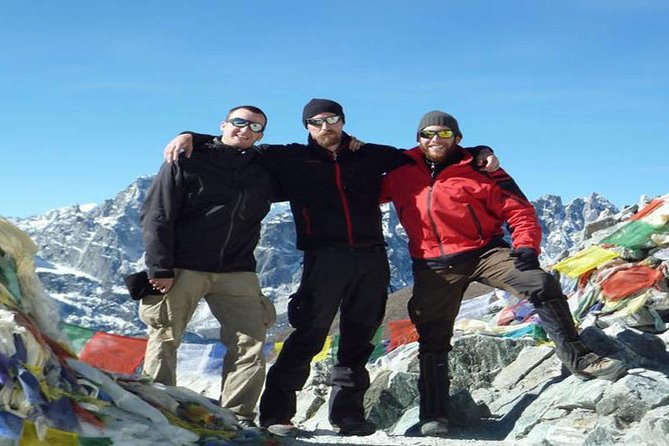
Walking to Everest Base Camp is less about reaching a single point than earning your way through the Khumbu, one uphill day at a time. This 12-day guided trek includes the key pieces that make the route workable: flights between Kathmandu and Lukla, permits, lodge accommodation, meals, acclimatization days, and a local guide.
I like the careful rhythm of the schedule, especially the rest days around Namche Bazaar and Dingboche. I also like the personal support built into the trip. Guides including Nima, Ramesh, Madan, Manoj, and Pralhad are repeatedly praised for encouragement and for adjusting plans when altitude causes trouble.
The main catch is that this is a serious high-altitude trek, not a sightseeing walk. Long days, rough ground, cold conditions, flight delays, and altitude sickness are all real concerns. Porters, tipping, insurance, and personal expenses cost extra, so the advertised price is not the full trip budget.
At a glance
- Lukla flights are included: The trek begins and ends with the short flight between Kathmandu and Lukla, saving you the trouble of arranging this important part yourself.
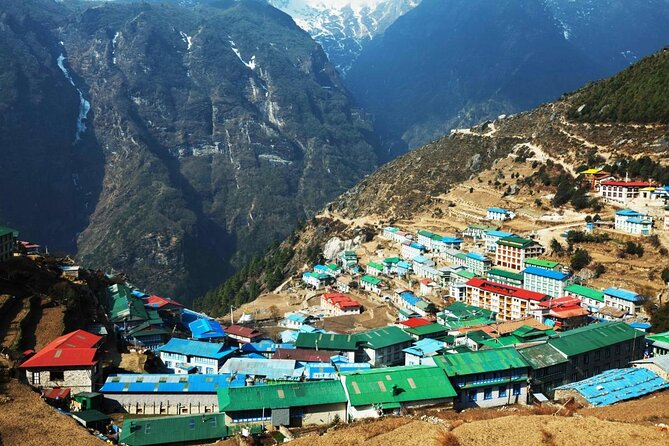
- Two acclimatization days: You spend a day around Namche Bazaar and another around Dingboche, giving your body time to adjust before the highest sections.
- Everest Base Camp and Kala Patthar: You reach Base Camp on Day 8, then climb to Kala Patthar the next morning before descending.
- Small maximum group: The group is limited to 12 people, a useful size for managing pace and guide attention.
- Meals and accommodation are covered: Breakfast, lunch, and dinner are included for the 11 trekking days, along with trek accommodation.
- Guides matter here: Past departures have included guides such as Nima, Ramesh, Madan, Manoj, Purna, and Pralhad, with special praise for encouragement and altitude support.
Why the Everest Base Camp route still earns its fame
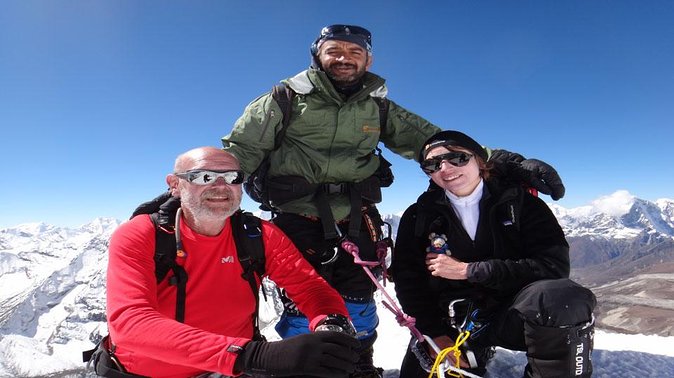
The famous name is not the whole story. You walk through Sherpa communities, prayer-filled mountain settlements, steep river valleys, and high passes of bare rock and snow. The mountain views are a reward, but the daily movement through the Khumbu is what gives the trip its character.
This version keeps the classic route fairly tight at about 12 days. That is efficient, but it also means you must arrive ready to walk. The schedule allows acclimatization, yet it leaves little spare time if you are slow, unwell, or delayed by weather.
The group size helps. A maximum of 12 people is small enough for a guide to notice who is struggling, while still giving you company on long walking days. The supplied information names no single permanent guide, so your guide will depend on the departure. The company has used guides including Nima, Ramesh, Madan, Manoj, Purna, and Pralhad.
That matters more than fancy extras. At altitude, a calm guide who watches your pace and listens to your symptoms is far more useful than a polished brochure. One account describes a guide changing the plan when two people developed altitude problems. Another describes a second Sherpa walking with one person when a friend needed to slow down. Those are the kinds of practical decisions that can protect the whole group.
More Everest Base Camp treks around Kathmandu:
- Everest Base Camp Trek – 14 Days
★ 5.0 · 1,499 reviews - Everest Base Camp Trek
★ 5.0 · 842 reviews - Everest Base Camp Trekking
★ 5.0 · 485 reviews
Day 1: Lukla to Phakding begins the real work
Your day starts early, with a 5:15 am meeting time. After the flight from Kathmandu to Lukla, you begin walking toward Phakding, a route of about three and a half hours.
Lukla is not a gentle arrival point. You go from city travel straight into mountain walking, though this first day is relatively short compared with what follows. It gives you a first taste of the trail without demanding the longest effort immediately.
The flight is included in the price, which is useful because Lukla transport is an important part of the route. It is also a weak point in the schedule. Mountain flights can be affected by weather, and the trip information makes clear that the trek operates in all conditions. Keep your plans around the trek flexible, and do not schedule an important onward connection too tightly.
Phakding is your first night on the route. Accommodation is included, but you should expect practical mountain lodging rather than city-hotel comfort. The value here is convenience: the operator handles the basic arrangements while you concentrate on walking and adjusting to the new environment.
Days 2 and 3: Namche Bazaar and the first altitude test
The second walking day takes you to Namche Bazaar. The schedule allows up to eight hours, with dirty, rocky ground and plenty of uphill walking. This is where the trek begins to feel demanding.
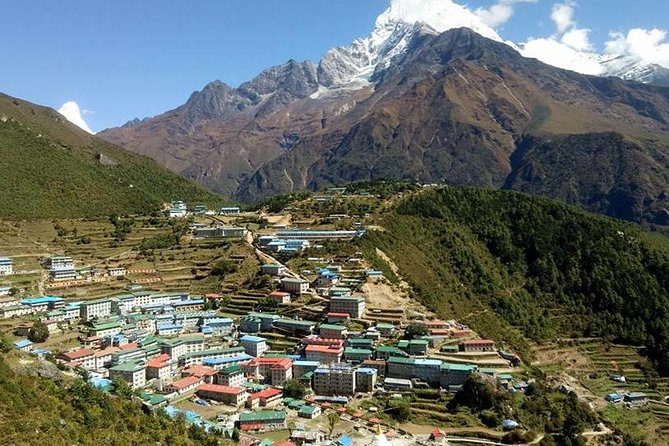
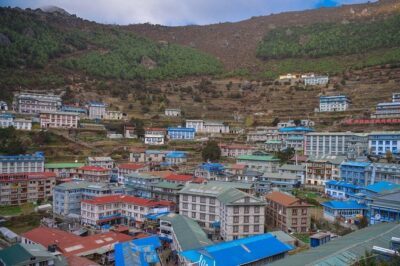
Namche is more than a place to sleep. It is the main hub of the route, with a colorful town atmosphere in the middle of the mountains. You gain elevation, but you also get a useful change of scene from the lower trail. The climb can feel long because your body is still learning how to work at altitude.
Day 3 is set aside for acclimatization. You make a day trip around Namche, including the Everest View Hotel. This is exactly the sort of pause the route needs. You are still active, but you are not simply charging upward every day.
I like this part of the plan because it gives you a chance to look around instead of treating Namche as a quick overnight stop. Take the day seriously. Walk at the group pace, drink what your guide recommends, and tell the guide promptly if you develop a headache, nausea, unusual tiredness, or breathing trouble.
The itinerary does not promise a specific number of hours for the acclimatization walk, so your actual route may depend on the group and conditions. That flexibility is sensible. High-altitude schedules need room for judgment.
Day 4: A monastery stop adds a cultural pause
Day 4 is described as a trip to a monastery. The exact monastery is not specified, so do not book this expecting a named landmark or a fixed sightseeing program.
Still, the stop gives the trek a welcome cultural dimension. You are not simply passing through scenery. The Khumbu is shaped by Sherpa Buddhist traditions, and a monastery visit offers a quiet break from the physical work of the trail.
This day also helps break up the uphill progression. By this point, you have walked from Lukla and climbed to Namche. A cultural stop can give your legs a less punishing day before the route heads higher.
The quality of this part will depend on the guide, timing, and weather. Ask your guide what the visit involves, and dress respectfully. The supplied details do not promise a formal teaching session, so treat it as a meaningful stop rather than a guaranteed lecture or ceremony.
More treks around Kathmandu:
- Annapurna Circuit Trek with Tilicho Lake
★ 5.0 · 368 reviews - Everest Base Camp Trekking – 13 Day
★ 5.0 · 365 reviews - Everest Base Camp Trek -14 Days
★ 5.0 · 321 reviews - Manaslu Circuit Trek
★ 5.0 · 292 reviews
Days 5 and 6: Dingboche brings thinner air
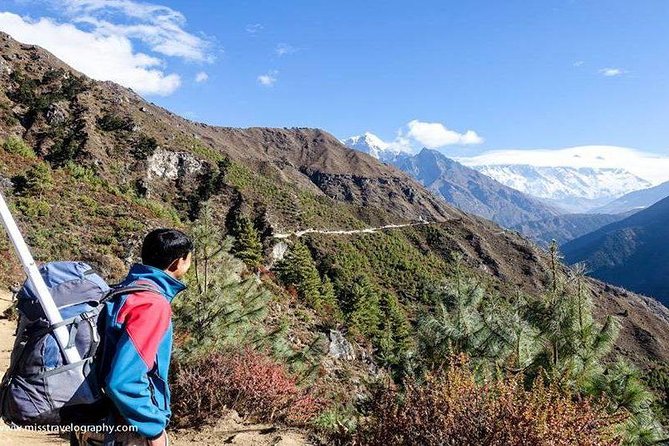
Day 5 takes you to Dingboche, again with a walking time listed at about eight hours. This is another long day, and the higher you go, the more every incline asks from you.
Dingboche is important because the next day is used for acclimatization. You are now preparing for the more exposed and demanding part of the route. The scenery becomes increasingly stark as the elevation rises, with mountain views taking over from lower valleys and settled areas.
Day 6 is a day trip around Dingboche. This is not a day off in the ordinary sense. You continue walking so your body can adjust, then return to the same lodging instead of gaining another large amount of elevation overnight.
That pattern is one of the strongest features of the trip. The schedule does not try to rush you from Kathmandu to Base Camp in one continuous push. It places rest and adjustment days where they are needed most. Even so, acclimatization days do not remove altitude risk. Strong fitness helps, but it cannot guarantee that you will feel well.
The company asks for a strong physical fitness level, and that wording should be taken seriously. You should be comfortable walking for many hours on rocky, uphill ground. You also need mental patience. Some days feel slow because altitude makes ordinary walking harder.
Days 7 and 8: Lobuche and the push to Base Camp
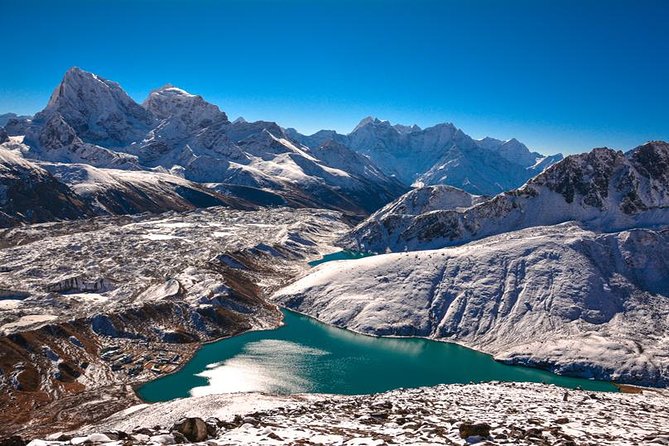
Day 7 takes you to Lobuche. The details do not give a walking time, but this is one of the higher sections of the route. Conditions can feel colder and more severe, and you should expect the group to move carefully.
Day 8 is the main objective: walking to Everest Base Camp and returning to Gorakshep. This is not a quick photo stop. You walk out to Base Camp, spend time at the destination, and then continue back to Gorakshep for the night.
The Base Camp section is meaningful because the route has built toward it over many days. You have crossed from lower valleys through Namche and Dingboche, adjusted to altitude, and followed the trail deeper into the Khumbu. The achievement comes from the whole progression, not just the sign or viewpoint at the end.
It is also the point where support from the guide matters most. The company’s past guides have been praised for encouragement and for helping people manage difficult days. Pralhad, Madan, Manoj, and Nima are among the names connected with especially positive experiences, but your own guide may be different.
Do not assume that reaching Base Camp means the hardest work is over. You still need to return to Gorakshep, then climb Kala Patthar the next morning. Save energy, eat dinner, and follow the guide’s advice instead of treating Day 8 as a final sprint.
Day 9: Kala Patthar, then the long descent to Pheriche
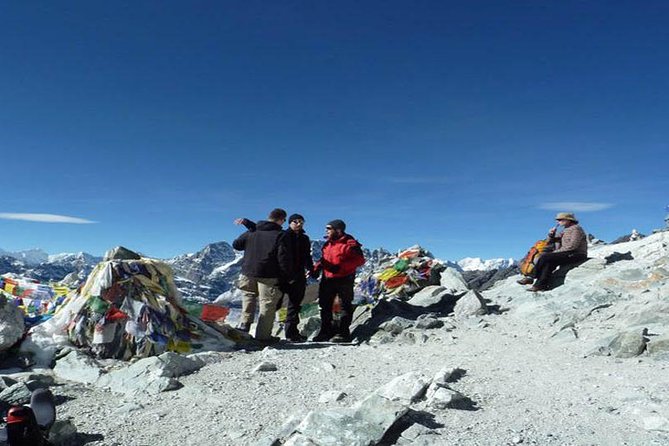
Day 9 begins with a hike to Kala Patthar before you trek down to Pheriche. The high viewpoint is included as part of the route, though the schedule does not provide an exact start time or duration.
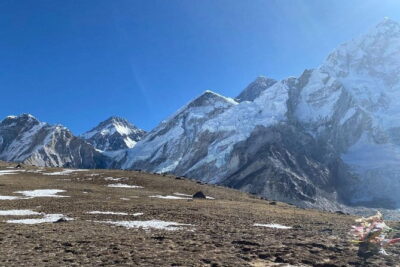
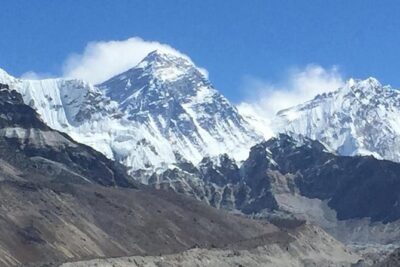
This is a smart addition. Base Camp gives you the destination, but Kala Patthar is the viewpoint walk of the trip. You can expect broad mountain scenery from this high position, though cloud and weather always affect what you see.
The descent to Pheriche is welcome, but it is not effortless. Downhill walking can be hard on knees and ankles, especially after several days of climbing. Use trekking poles if you carry them, keep your pace controlled, and do not race simply because the air gets easier lower down.
The route now turns back toward Namche. The scenery changes as you descend, and the physical rhythm usually becomes more manageable. Still, you have already completed the highest part of the trek, so fatigue can catch up with you.
Days 10 and 11: Retracing the trail to Lukla
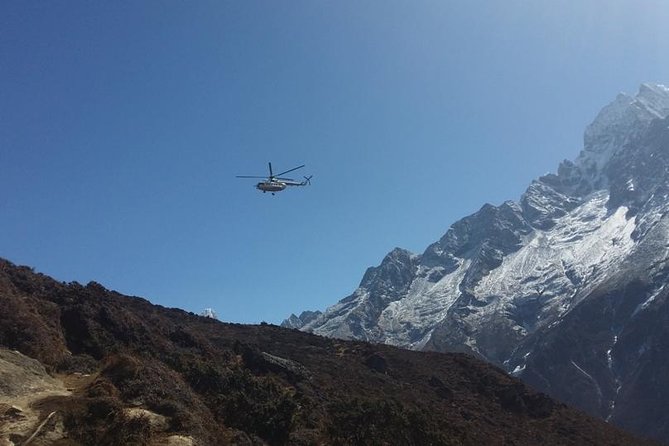
Day 10 returns to Namche Bazaar along the same general trail. Some people enjoy seeing familiar places from a new direction. Others may find retracing the route less exciting than exploring a loop.
The benefit is reliability. You are not adding another remote pass or a new complicated route after Base Camp. You already know the broad pattern of the trail, and your guide knows the route and lodging arrangements.
Day 11 takes you back to Lukla. This is another long walking day, even though the route is mostly downhill or rolling. You need enough energy to finish well, because the following flight depends on being in Lukla.
This part of the trip can feel like a simple return, but it is also where weather and flight uncertainty remain important. The tour includes the flight back to Kathmandu on Day 12, yet the operator cannot control mountain weather. Keep a buffer after the trek if you have an international departure or another fixed commitment.
Day 12: Fly back to Kathmandu
The final day includes the flight from Lukla and a transfer to your hotel in Kathmandu. Pickup is offered, and airport or hotel support is one of the areas the company has emphasized through its service.
The transfer is a useful closing detail. After nearly two weeks of walking, having someone manage the handoff back to your hotel is welcome. You can finish the trip without needing to negotiate every step while tired and carrying trekking gear.
The schedule is approximate, so the exact return timing may change. Flights, weather, and the pace of the group all matter. Think of Day 12 as the planned return day, not an absolute guarantee of a particular hour.
What the $1,445 price really covers
At $1,445 per person, the trip offers solid value if you want the main logistics handled. The price includes round-trip flights between Kathmandu and Lukla, accommodation during the trek, permits, and three meals a day for the 11 trekking days.
That is a useful package. Permits and domestic flights are not minor details, and arranging them independently can add time and stress. Including breakfast, lunch, and dinner also makes budgeting easier while prices and availability change along the trail.
The price does not include travel insurance, personal spending, porter service, or tips. Those exclusions matter. You should buy insurance that covers high-altitude trekking and possible emergency arrangements, though the supplied information does not state a specific altitude or policy requirement.
A porter is not included, so decide before departure how much you are prepared to carry. If you want porter support, ask the operator for the current cost and terms. Also budget for drinks, snacks, charging, souvenirs, and tips, since these fall under personal expenses or tipping.
The group maximum of 12 improves the value compared with a large coach-style trip. You pay for a guided trek, not just a route description. The strongest benefit is the local support when the plan needs to change.
Who should book this trek
I would recommend this trip to a fit person who wants the classic Everest Base Camp route with a local team and straightforward inclusions. It suits you if you prefer a planned group experience, want permits and flights arranged, and appreciate having guides nearby on difficult days.
It is a good match for someone who values support over luxury. The company has received praise for airport assistance, clear communication, flexible planning, and guides who encouraged people through hard stretches. Birthday support, including a cake arranged by guide Manu for one group, shows a willingness to add personal touches, though you should not assume that every special request is included.
I would pause before booking if you dislike early starts, basic accommodation, long uphill walks, or uncertain flight schedules. The tour also requires at least two people per booking, so it is not designed for a solo booking under the stated terms.
You should prepare with regular long walks and uphill training. The operator specifically asks for strong fitness. No training plan is supplied, so you need to judge your own readiness honestly and discuss health concerns with a qualified medical professional before booking.
Practical booking notes
Confirmation is provided when you book, and you must submit each person’s passport name, number, expiry date, and country. Give dietary requirements at booking time so the team can plan meals.
The trek runs in all weather conditions, so proper clothing is essential. The details do not provide a packing list, but you should ask Mosaic Adventure for current clothing and equipment guidance before departure.
Cancellation terms are strict close to departure. Cancel two to six full days before the start for a 50 percent refund, while cancelling less than two full days before the start brings no refund. Changes are not accepted within six full days, and all cutoffs use local time.
FAQ
How long is the Everest Base Camp Trek?
The trek lasts approximately 12 days, beginning and ending in Kathmandu.
Are flights from Kathmandu to Lukla included?
Yes. Round-trip flights from Kathmandu to Lukla are included.
Are meals included?
Yes. Breakfast, lunch, and dinner are included for 11 days.
Is accommodation included?
Yes. Accommodation during the trek is included.
Is a porter included?
No. Porter service is not included in the stated price.
How large is the group?
The activity has a maximum of 12 people, and at least two people are required per booking.
Should you book the Mosaic Adventure trek?
Book it if you want the classic route with the major logistics arranged and a local guide close at hand. The included Lukla flights, meals, permits, accommodation, and acclimatization days make the $1,445 price sensible, provided you add insurance, porter costs if needed, tips, and personal spending.
The best reason to choose this trip is its human support. Guides such as Nima, Madan, Manoj, Ramesh, and Pralhad have helped make difficult days more manageable, and the company has shown flexibility when altitude or group pace required a change.
Do not book it expecting an easy holiday or a guaranteed schedule. You need strong fitness, patience with weather, and enough time to handle delays. If that sounds right, this is a practical and well-supported way to reach Everest Base Camp without arranging every moving part yourself.
New treks around Kathmandu
- Kathmandu or Pokhara: 5-Day Annapurna Base Camp (ABC) Trek★ 4.5 · 2 reviews
- Pokhara: 2 Day Ghorepani & Poon Hill Private Trekking★ 4.9 · 8 reviews
- From Kathmandu: 6-Day Langtang Valley Guided Trek★ 5.0 · 2 reviews
- Pokhara: 5-Day Annapurna Base Camp (ABC) Trek★ 5.0 · 9 reviews
- Kathmandu: Langtang Valley 6-Day all inclusive Guided Trek★ 5.0 · 2 reviews
- Kathmandu: 6 Days Langtang Valley Trek with Kyanjin Ri★ 5.0 · 7 reviews
- Kathmandu: 9- Day Annapurna Circuit Trek★ 5.0 · 2 reviews
- Kathmandu: 6-Day Limitless Langtang Trek★ 5.0 · 21 reviews
Everest Base Camp Treks, side by side.
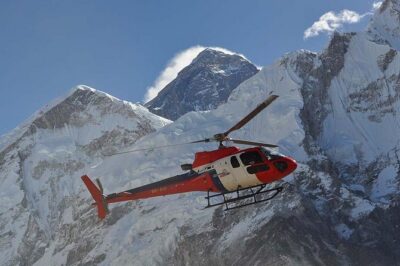
Everest Base Camp Trek with Helicopter Return from Gorakshep to Lukla
Read our review →
Trekking in Annapurna/Langtang/Everest/Upper Mustang regions
Read our review →Lists this trek appears in