
Review · KATHMANDU
Everest Base Camp Trek – 14 Days
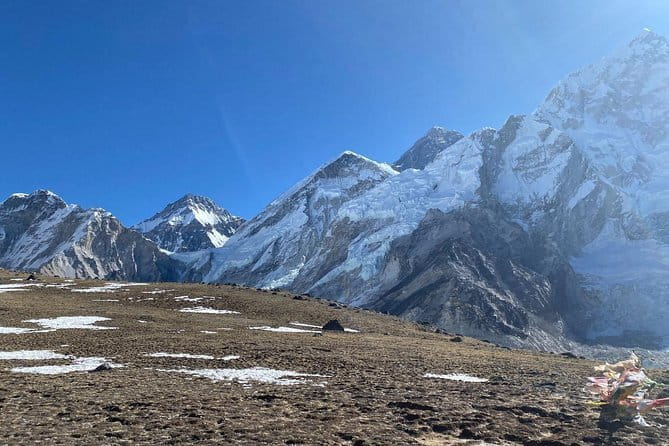
Everest Base Camp is not a quick photo stop. It is a serious high-altitude walk through Sherpa villages, prayer-flag bridges, Buddhist monasteries, and the Khumbu Glacier, with the reward of reaching 5,365 meters. This 14-day plan gives your body time to adjust instead of rushing uphill.
I like the small maximum group of 14, which allows a guide to keep an eye on your pace and health. I also like the practical setup: porters carry most of your luggage, while permits, meals, local flights, and trail accommodation are arranged for you.
The main drawback is the price of $1,800 per person, which does not include international flights, insurance, drinks, personal gear, or tips. Lukla flights can also shift to Manthali Airport during busy trekking months, adding a road transfer from Kathmandu.
Key points before you book
- Two acclimatization days: You pause in Namche Bazaar and Dingboche, with short hikes that help you adjust to thin air.
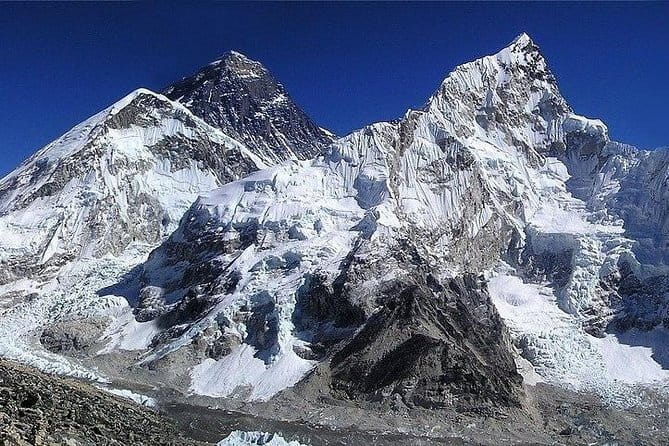
- Kala Patthar is the best view day: The climb reaches 5,555 meters and often provides a stronger mountain panorama than Base Camp itself.
- Porters carry your main bag: One porter is assigned for every two people, with a 15-kilogram domestic flight luggage limit.
- A real high-altitude trek: The route includes long uphill and downhill days, suspension bridges, glacial moraine, and stone trails.
- A well-covered package: Permits, Kathmandu airport transfers, meals on the trail, staff costs, flights, and emergency arrangements are included.
- Guide quality matters: Departures have included guides such as Kishor, Chris, Maddy, and Rajendra Khatry, with porters including Saman and Sher. Your assigned team may differ.
Why this 14-day route works
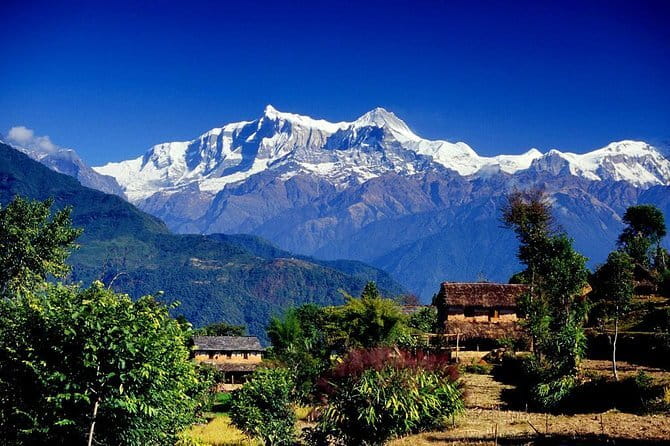
The classic Everest Base Camp route is rewarding because the scenery changes almost every day. You begin with green river valleys and villages, then climb through pine and rhododendron country before reaching the stark world of rock, ice, and high mountain wind.
I like the rhythm here. You fly into Lukla, walk upward in measured stages, spend two separate days adjusting to altitude, then return by the same broad route. It is not a luxury trek, but the planning removes much of the hard work behind the scenes.
The group size is capped at 14 people. That is small enough for a guide to notice if you are struggling, yet large enough to provide company on long trail days. You will still need to carry a daypack, manage your own pace, and accept that the mountains control the schedule.
The package costs $1,800 per person and is based on two people booking. That is a fair value if you want flights, permits, staff, food, accommodation, and transfers bundled together. The price is also valid for one person, but a $250 single surcharge may apply if no group or room-sharing partner is available, or if you request a private departure.
More Everest Base Camp treks around Kathmandu:
- Everest Base Camp Trek
★ 5.0 · 842 reviews - Everest Base Camp Trekking
★ 5.0 · 485 reviews - Everest Base Camp Trekking – 13 Day
★ 5.0 · 365 reviews
Kathmandu arrival and the flight to Lukla
Your first day is deliberately light. An airport representative meets you outside Tribhuvan International Airport and takes you to your Kathmandu accommodation in a private tourist vehicle.
You get two nights in a three-star, twin-share hotel in Kathmandu, with breakfast included. Lunch and dinner in the capital are yours to arrange, giving you a chance to choose your own food before the trek begins.
The flight to Tenzing-Hillary Airport in Lukla is short, about 30 minutes, but it carries practical importance. Lukla is the trailhead, and the small mountain airport puts you right into the walking route.
During March, April, May, October, and November, flights may operate from Manthali Airport in Ramechhap because of congestion at Kathmandu airport. That can mean a road transfer from Kathmandu before the flight. Ask about the departure airport and pickup timing before you go, since this is one of the few parts of the trip that can alter your first morning.
Days 2 to 4: Lukla, river trails, and Namche Bazaar
The first trekking section follows the Dudh Koshi River. You cross suspension bridges decorated with prayer flags and pass through villages on the way toward Sagarmatha National Park.
The trail is not simply a gentle warm-up. It rises and falls, and the repeated bridge crossings and stone steps begin to show you what the next two weeks will demand. Your guide handles the route and the park entry process, while you settle into a slower walking rhythm.
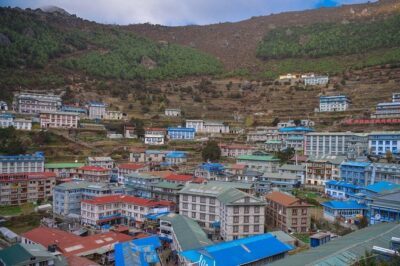
Namche Bazaar is one of the most memorable stops. Built into a steep mountain bowl, it is the main trading center of the Khumbu region and a natural place to pause. The plan allows an acclimatization day here rather than pushing higher immediately.
That rest day includes a short hike to the Sherpa Museum. The museum adds useful context to the people, customs, and mountaineering culture of the area. You are not just walking toward a famous mountain, you are moving through a living Sherpa region with its own traditions and Buddhist symbols.
The itinerary lists the third day as a long trekking stop, so you should expect a demanding day rather than a casual village walk. Namche is also where altitude may begin to affect sleep, appetite, and energy. Take the rest day seriously, drink the filtered water provided, and tell your guide about headaches, nausea, or unusual fatigue.
Days 5 and 6: Tengboche and Dingboche
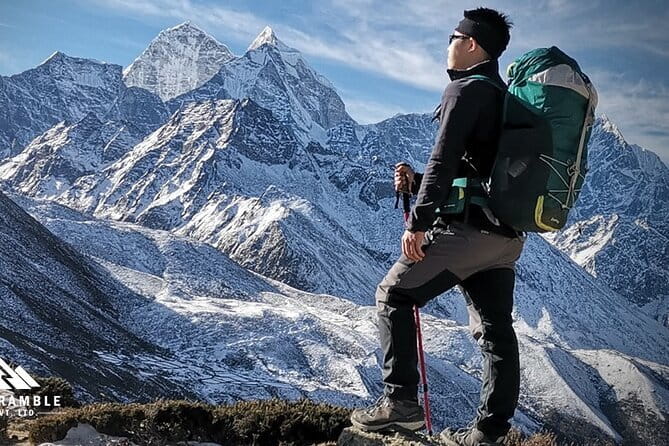
From Namche, the route continues beside the Dudh Koshi and climbs toward Tengboche at about 3,860 meters. The river, mountain views, and changing vegetation make this one of the most attractive sections of the trek.
Tengboche Monastery is the cultural highlight. Prayer flags, mani stones, and Buddhist details become more common as you move higher. The monastery gives the route a sense of place that a simple mountain viewpoint cannot provide.
The trail then drops to Debuche, crosses the Imja Khola, and climbs through Pangboche toward Dingboche. That up-and-down pattern can be frustrating when your goal is higher altitude, but it is normal for this route. You will gain height gradually rather than walking straight up a wall.
Dingboche is a broad mountain settlement and an important base for acclimatization. The air is thinner here, and a moderate fitness level is not just a box to tick during booking. You should be comfortable walking for several hours on uneven ground and handling consecutive days of effort.
More treks around Kathmandu:
- Annapurna Circuit Trek with Tilicho Lake
★ 5.0 · 368 reviews - Everest Base Camp Trek
★ 5.0 · 350 reviews - Everest Base Camp Trek -14 Days
★ 5.0 · 321 reviews - Manaslu Circuit Trek
★ 5.0 · 292 reviews
Day 7: The acclimatization hike above Dingboche
You spend another full day at Dingboche, but this is not a day of sitting indoors. The plan includes a hike to Nangkartshang Peak, a viewpoint above the village.
This is a useful design choice. You gain elevation during the day, then return to sleep at the same altitude. That gives your body a better chance to adjust before the route climbs toward Lobuche and Everest Base Camp.
The hike is also a good test of your condition. If you are struggling badly here, it is better to speak with the guide before going higher. A responsible guide can help you decide how to proceed, while the first-aid-trained staff and emergency evacuation arrangements provide an important safety net.
Those arrangements do not replace insurance. You must carry travel insurance that covers high-altitude emergency rescue and evacuation. Standard travel insurance may not cover this type of trek.
Days 8 and 9: Lobuche and Everest Base Camp
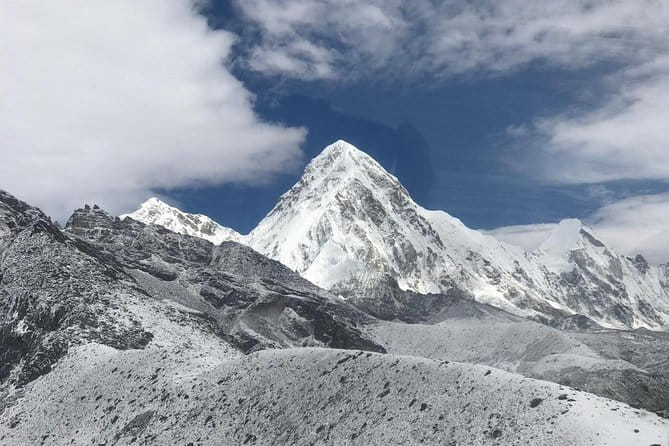
After Dingboche, the route becomes more severe. You follow the lateral moraine of the Khumbu Glacier and pass stone memorials dedicated to climbers who died on nearby peaks.
These memorials are quiet and sobering. They remind you that Everest is not just a scenic destination and that altitude, weather, and exhaustion deserve respect. The guide’s safety decisions matter most in this section.
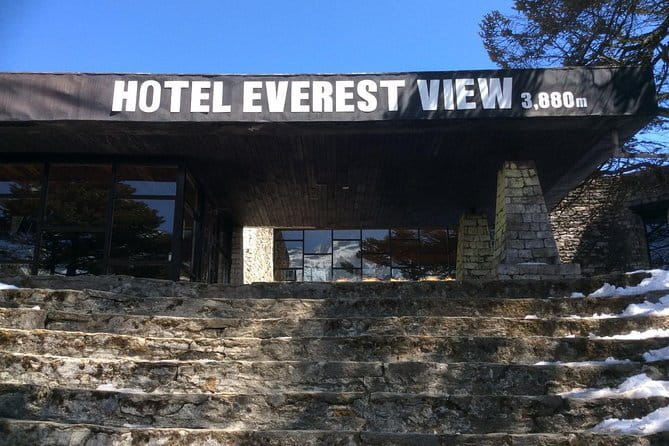
Lobuche is the stopping point before Base Camp. Accommodation on the trail is in guesthouses, with attached toilets specifically included in Lukla, Phakding, and Namche. Conditions higher up can be more basic, and you should not expect hotel comforts throughout the route.
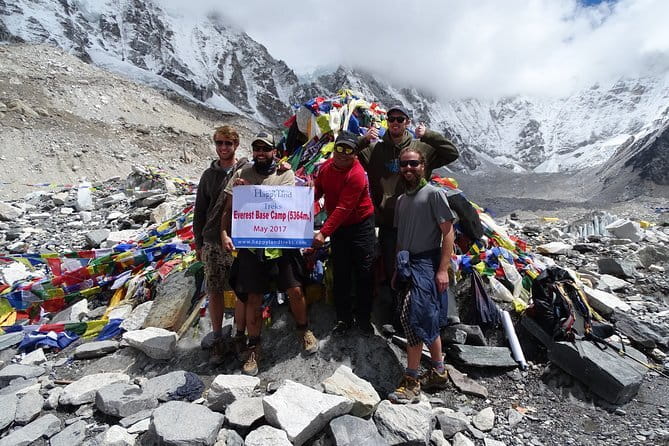
The walk from Lobuche to Everest Base Camp is one of the hardest days. The trail follows the glacier and climbs to 5,365 meters. In spring, Base Camp may show signs of climbing activity, but the exact appearance depends on the season and current expeditions.
Base Camp itself is not the best place for a wide Everest view. It is a meaningful destination because of its role in mountaineering, but the glacier, moraine, and surrounding peaks can make the scene feel rugged rather than postcard-perfect. You usually spend about 30 minutes at the stop before returning toward Gorak Shep and the overnight area described by the local trekking plan.
Pace matters here. Walk slowly, eat even if your appetite is weak, and keep your warm layers easy to reach. The combination of altitude and a long walking day can turn a manageable route into a rough one.
Day 10: Kala Patthar, the visual reward
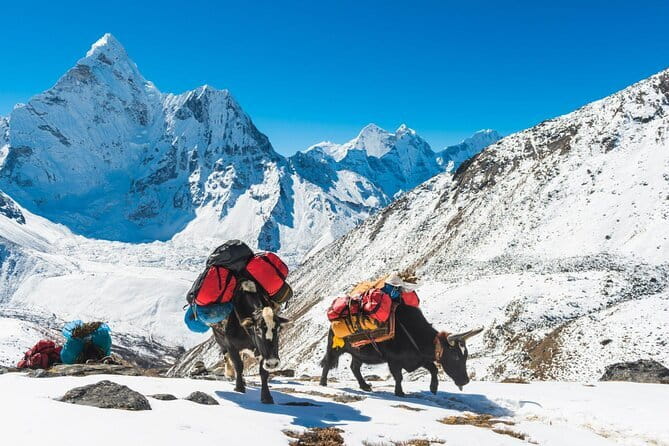
Kala Patthar is the hardest climb for many people, but it is also the day I would most look forward to. The summit reaches 5,555 meters, and the viewpoint is known for broad mountain views, including the Everest region.
The ascent is steep and tiring. You may move slowly, stop often, and feel the altitude with every step. That is normal. The point is not speed, and your guide can help you judge how far to go safely.
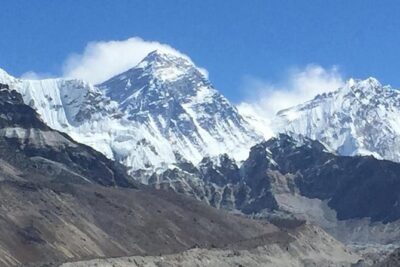
This stop deserves an important distinction: reaching Base Camp is the emotional goal, while Kala Patthar often provides the stronger viewing experience. If you want the classic mountain panorama, do not treat the Kala Patthar climb as an optional extra in your mind.
The day is listed as a short stop at the viewpoint, but the climb itself is demanding. Your legs have already worked hard for several days, and the return journey still lies ahead. Bring patience, warm clothing, water, and a camera battery protected from the cold.
Days 11 and 12: A long descent to Lukla
After Kala Patthar, the route turns back toward Namche Bazaar. You retrace the broad corridor through Pangboche and Tengboche, then reach Namche in the afternoon.
Going downhill is not automatically easy. Stone steps can punish knees, and tired legs are more likely to slip. Trekking poles can help, though personal trekking equipment is not included in the price.
The next day takes you from Namche to Lukla, completing the final full trekking section. The itinerary describes this as a long day, so do not assume the return is a brief stroll. The downhill route still includes climbs, bridges, and uneven trail.
Lukla is a useful place to reflect on the route before your flight. You have crossed the same villages in reverse, but your view of them may feel different after reaching Base Camp and Kala Patthar.
Flights, staff, and what is included
The return flight to Kathmandu takes about 35 minutes when conditions allow. On arrival, an airport representative transfers you back to your Kathmandu accommodation, and the next day includes a private transfer to Tribhuvan International Airport for departure.
The package includes a licensed English-speaking guide who has first-aid training, plus porter service for 11 days. One porter is assigned to two people, and the domestic flight luggage limit is 15 kilograms. Pack carefully and keep your own daypack light.
The company supplies a duffel, trekking map, sun hat, and completion certificate. Food, lodging, salaries, insurance, equipment, and medicine for staff are included, as are park permits and the Pasang Lhamu Rural Municipality fee.
Filtered water is provided on the trail using a Katadyn Pocket Water Filter, and seasonal fruit is included. Standard breakfast, lunch, and dinner are covered during the trek. Alcohol, hot and cold drinks, Kathmandu dinners and lunches, personal equipment, and guide and porter tips are extra.
Tips are expected, so budget for them before departure. International airfare, Nepal visa costs, and your own high-altitude rescue insurance are also outside the tour price.
Who should choose this trek?
This is a good fit if you want Everest Base Camp with the main logistics handled by a local team. You get airport transfers, domestic flights, permits, food, accommodation, a guide, and porters without having to arrange each part separately.
It suits a person with moderate fitness who is prepared for long walking days at high altitude. You do not need mountaineering equipment to reach Base Camp, but you do need patience, stamina, and a willingness to sleep in simple mountain guesthouses.
The trek may not suit you if you want flexible dates, private rooms every night, or a soft adventure with short walks. The small group helps, but it does not change the physical demands of the route.
Guide assignments vary, though departures have included Kishor, Chris, Maddy, and Rajendra Khatry, with porters such as Saman and Sher. The strongest practical feature is not a particular name, but the combination of a licensed guide, emergency planning, staff support, and a route with two acclimatization days.
Should you book the Everest Base Camp Trek?
I would book this trek if you want a structured first visit to the Everest region and value having the difficult details arranged. The $1,800 price covers enough major costs to make comparison shopping worthwhile, especially once you add flights, permits, meals, porters, and staff support separately.
Before paying, confirm the likely Lukla flight airport, the single surcharge, luggage rules, insurance requirements, and what level of guesthouse comfort to expect above Namche. If you are ready for thin air, long days, and basic accommodation, this plan gives you a sensible route to Base Camp, with Kala Patthar as the stronger mountain-view finale.
Cancellation terms are strict close to departure: a full refund is available up to six full days before the start, a 50 percent refund applies two to six days before, and cancellations within two days are not refunded.
FAQ
How long is the Everest Base Camp trek?
The experience lasts approximately 14 days, including arrival and departure transfers, two nights in Kathmandu, the trek from Lukla to Base Camp, the return to Lukla, and domestic flights.
What is the maximum group size?
The group can include up to 14 people.
Are flights between Kathmandu and Lukla included?
Yes. The package includes the Kathmandu to Lukla and Lukla to Kathmandu airfare, including airport departure tax. During busy trekking periods, flights may operate from Manthali Airport instead of Kathmandu Airport.
Are porters included?
Yes. Porter service is included for 11 days, with one porter assigned to every two people.
What is the luggage allowance?
The domestic flight luggage allowance is 15 kilograms. The tour also provides a duffel for the trek.
Are meals included?
Standard breakfast, lunch, and dinner are included during the trek. Lunch and dinner in Kathmandu, alcoholic drinks, and hot and cold drinks are not included.
Do I need travel insurance?
Yes. You need travel insurance that covers emergency high-altitude rescue and evacuation. The tour includes arrangements for emergency medical evacuation, but the insurance itself is not included.
Is a Nepal visa included?
No. You arrange and pay for the Nepal visa on arrival. International airfare is also not included.
New treks around Kathmandu
- Kathmandu or Pokhara: 5-Day Annapurna Base Camp (ABC) Trek★ 4.5 · 2 reviews
- Pokhara: 2 Day Ghorepani & Poon Hill Private Trekking★ 4.9 · 8 reviews
- From Kathmandu: 6-Day Langtang Valley Guided Trek★ 5.0 · 2 reviews
- Pokhara: 5-Day Annapurna Base Camp (ABC) Trek★ 5.0 · 9 reviews
- Kathmandu: Langtang Valley 6-Day all inclusive Guided Trek★ 5.0 · 2 reviews
- Kathmandu: 6 Days Langtang Valley Trek with Kyanjin Ri★ 5.0 · 7 reviews
- Kathmandu: 9- Day Annapurna Circuit Trek★ 5.0 · 2 reviews
- Kathmandu: 6-Day Limitless Langtang Trek★ 5.0 · 21 reviews
Everest Base Camp Treks, side by side.
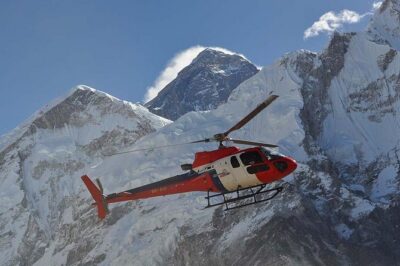
Everest Base Camp Trek with Helicopter Return from Gorakshep to Lukla
Read our review →
Trekking in Annapurna/Langtang/Everest/Upper Mustang regions
Read our review →Lists this trek appears in