
Review · KATHMANDU
Everest Base Camp Trek -14 Days
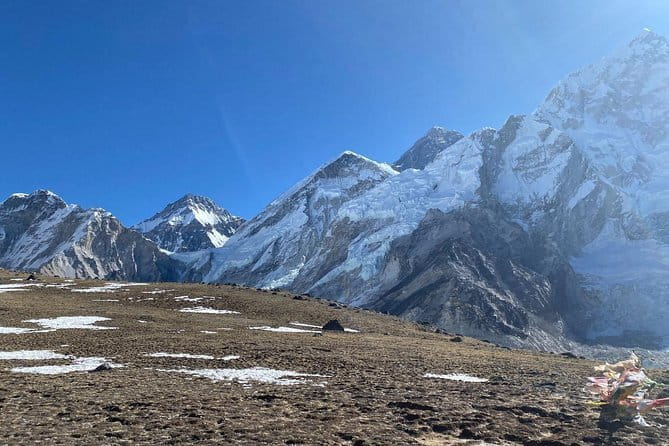
The real prize here is not simply reaching Everest Base Camp at 17,598 feet. It is the gradual change from pine forest and suspension bridges to bare, high Himalayan valleys, with Ama Dablam, Lhotse, Nuptse, and Everest appearing along the way. I like that the route includes acclimatization days at Namche Bazaar and Dingboche, rather than treating this as a race uphill.
I also like the practical package: return flights to Lukla, national park paperwork, a licensed guide, meals, and trekking lodges are included. The group is capped at 12, and guides such as Saugat, Laxman, Ram, Subash, and Nir have been singled out for care and steady support. The catch is that basic extras add up, and the published schedule is called 14 days even though the daily plan ends on Day 13.
Key points to know before booking
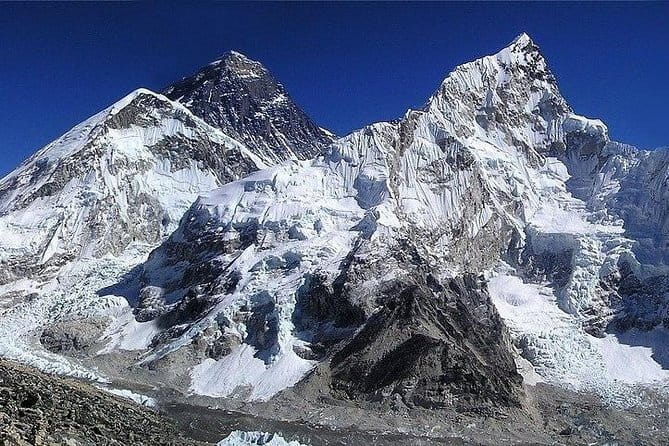
- Reach Everest Base Camp and Kala Patthar: The trek includes the famous base camp and an early climb to Kala Patthar for broad mountain views.
- Fly into Lukla: The 35-minute Kathmandu to Lukla flight saves days of walking, but the mountain airport is part of the adventure and the schedule can feel tight.
- Acclimatization is built in: Rest days at Namche Bazaar and Dingboche give your body time to adjust to increasing altitude.
- Meals and lodges are covered: Breakfast, lunch, dinner, and available trekking-lodge rooms are included during the route.
- Small group format: A maximum of 12 people offers companionship without the feel of a large walking tour.
- Budget for extras: Drinks, bottled water, showers, Wi-Fi, snacks, porters, tips, visas, and pre- or post-trek stays are separate.
What the $1,420 price really covers
At $1,420 per person, this trek offers a useful middle ground between arranging everything yourself and paying for a private luxury expedition. You get the costly essentials handled in advance: domestic flights, guide services, permits, national park and TIMS paperwork, accommodation during the trek, meals, local taxes, and a basic first aid kit.
That matters in the Everest region. The route involves several villages, changing altitudes, limited road access, and flights that need to connect with the walking schedule. Having an agency arrange the main pieces means you can focus on walking rather than negotiating room rates, finding meals, or sorting trekking documents.
The package is not all-inclusive in the usual holiday sense. You pay separately for your Nepal entry visa, international flights, food and accommodation before and after the trek, hot showers, coffee, tea, snacks, water, Wi-Fi, and personal expenses. A porter is also extra if you want one, so check the baggage plan before you arrive.
Tips and gratitude for guides and staff are not included either. The first aid provision includes Diamox for high-altitude sickness, but you should still view that as part of the support system, not a substitute for travel insurance or professional medical advice. Emergency rescue is listed as funded by travel insurance, so proper coverage is essential.
The price looks strongest for someone who wants a guided route with the main logistics bundled together. If you already know Nepal well and plan to arrange every lodge and flight yourself, you may find the premium less attractive. For a first visit to the Khumbu region, the convenience has real value.
More Everest Base Camp treks around Kathmandu:
- Everest Base Camp Trek – 14 Days
★ 5.0 · 1,499 reviews - Everest Base Camp Trek
★ 5.0 · 842 reviews - Everest Base Camp Trekking
★ 5.0 · 485 reviews
Kathmandu arrival and the start of the trip
Your first day begins at Tribhuvan International Airport, where Alpine Ramble Treks staff meet you and transfer you to a Kathmandu hotel. The arrival service is useful after a long international flight, especially if this is your first time in Nepal and you are staying in Thamel, the stated meeting area.
The package description also includes a Kathmandu hotel night and a dinner to celebrate the trek. Accommodation before and after the trek is not generally included, so confirm exactly which Kathmandu night is covered and which nights you must arrange yourself. The written details include breakfast on 12 days and lunch and dinner on 11 days, which helps explain why the meal count does not match a simple 14-night package.
The airport welcome has been a strong feature of the service. One arrival included marigold garlands, and the owner, Dil, is described as quick to answer questions and well organized. That kind of contact can make a difference when you are dealing with flight times, gear, permits, and altitude concerns.
The Lukla flight and first walking day
Day 2 starts with a scenic flight of about 35 minutes from Kathmandu to Lukla. This is one of the most memorable parts of the trip, taking you from the capital to the Khumbu region and the home area of Sherpa communities.
At Lukla, you meet the crew who will carry luggage for the trek. The first walking section includes about two hours of acclimatization, so the opening day is not designed as a hard test. You begin learning the rhythm of the route, with steady walking, simple lodge life, and a much thinner margin for rushing.
You should treat the Lukla flight as a key planning point. The supplied schedule includes a return flight, but no guarantee is given about weather delays or spare days. Ask Alpine Ramble Treks how they handle a delayed flight, since the itinerary has little visible spare time between arrival, trekking, and the flight back to Kathmandu.
Pine forests, rivers, and the first Everest views
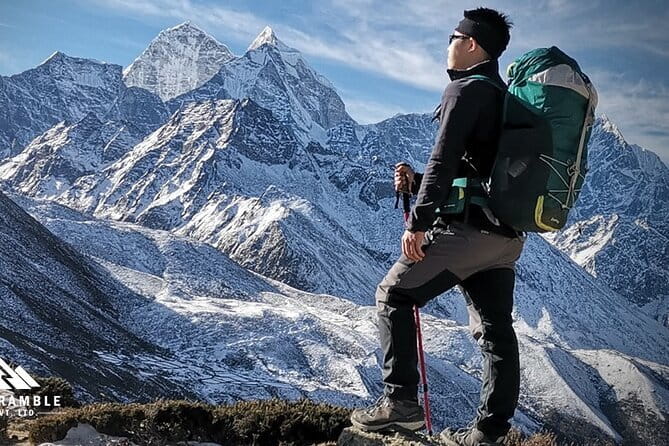
The next stage takes you through lush pine forest and across the Dudh Koshi River. You may see your first views of Everest, along with Kusum Kanguru and other peaks, which gives the walk an early sense of purpose.
This section is appealing because it is not just a march toward a famous sign. The route passes through Sherpa villages and wooded valleys, with suspension bridges and changing river views. The walking remains demanding, but the surroundings shift often enough to keep each day distinct.
The route then reaches Namche Bazaar, the main trading center of the Khumbu. Day 4 is reserved for acclimatization, with an uphill walk to viewpoints for Everest, Lhotse, Cholatse, Thamserku, Kwangde, Ama Dablam, and other mountains.
That rest day does not mean sitting indoors all day. The plan uses a short climb and return to help your body adjust. I consider this one of the most important parts of the trip, even though it may feel slower than you expect. High-altitude trekking rewards patience.
More treks around Kathmandu:
- Annapurna Circuit Trek with Tilicho Lake
★ 5.0 · 368 reviews - Everest Base Camp Trekking – 13 Day
★ 5.0 · 365 reviews - Everest Base Camp Trek
★ 5.0 · 350 reviews - Manaslu Circuit Trek
★ 5.0 · 292 reviews
From Namche to Tengboche
After Namche, the route follows the high trail often called the Everest highway. You descend toward the Dudh Koshi River, then climb through rhododendron forest. This day is known for a noticeable descent followed by a climb, so the mileage alone does not tell you how tiring it will feel.
Tengboche is one of the route’s most memorable stops. The monastery and surrounding peaks look especially striking in the early morning, and the trail continues through forest after breakfast. Ama Dablam is a major visual feature here, and the setting gives you a strong sense of why this route is so popular.
The itinerary uses the word rest in several places, but you should not expect resort comfort. Trekking lodges are practical, local accommodations, and hot showers, drinks, Wi-Fi, and other comforts cost extra. The reward is a closer connection to village life and a simpler daily routine.
Dingboche and the second acclimatization day
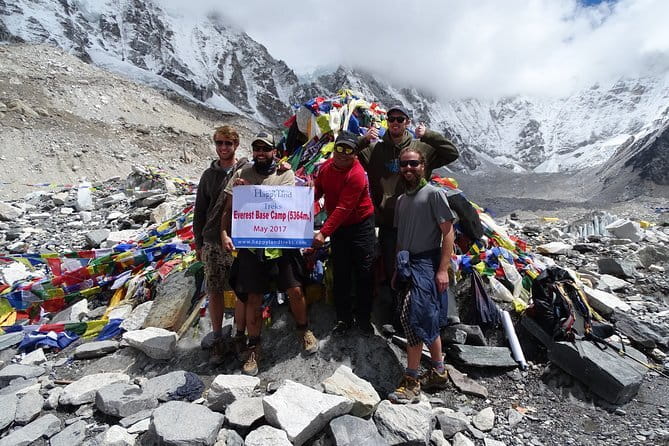
From Tengboche, you continue toward Dingboche, a popular stopping point for people heading toward Everest, Ama Dablam, and Imja Tse. The village sits among fields enclosed by stone walls, a reminder that farming remains part of life even at this height.
Day 7 is another rest and acclimatization day. As at Namche, the point is to gain altitude gradually and give your body a better chance to cope with the thin air. You may find this day physically easier than a full trekking day, but altitude can still affect sleep, appetite, and energy.
This is also the point where the trip becomes more serious. The trees thin out, the air feels colder, and the route is increasingly shaped by rock, ice, and open mountain valleys. Listen to your guide, walk slowly, drink regularly, and report symptoms early.
The package includes a basic first aid box and lists Diamox for altitude sickness. That is useful support, but you remain responsible for having suitable insurance and following medical guidance. Emergency rescue is tied to travel insurance, so this is not a detail to leave until the last minute.
Memorials, glaciers, and the approach to base camp
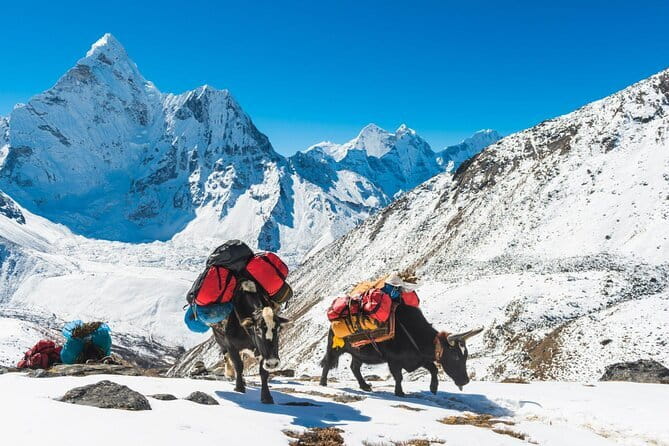
Day 8 takes you gradually up to Duglha, followed by a steep climb to the ridge at Chukpo Lari. Here you pass memorials dedicated to climbers who died on Everest. This is a quiet, serious part of the route, and it adds human weight to what can otherwise seem like a mountain sightseeing trip.
The trail then continues toward Lobuche. The route is high, exposed, and physically demanding, even if the daily distance looks manageable on paper. You are no longer walking through the greener lower valleys, and the cold, wind, altitude, and basic lodges all become more important.
Day 9 is the long-awaited approach to Everest Base Camp. From Lobuche, the route crosses a flat meadow before following the Khumbu Glacier and climbing toward the lateral moraine. The trail can feel rough underfoot, and the glacier country makes this day more about endurance than comfort.
Reaching base camp is a major achievement, but it is worth setting realistic expectations. You will see the glacier, moraine, and the expedition staging area, but Everest itself is not always best viewed from base camp. The broad panorama comes more fully at Kala Patthar the next morning.
Kala Patthar at sunrise
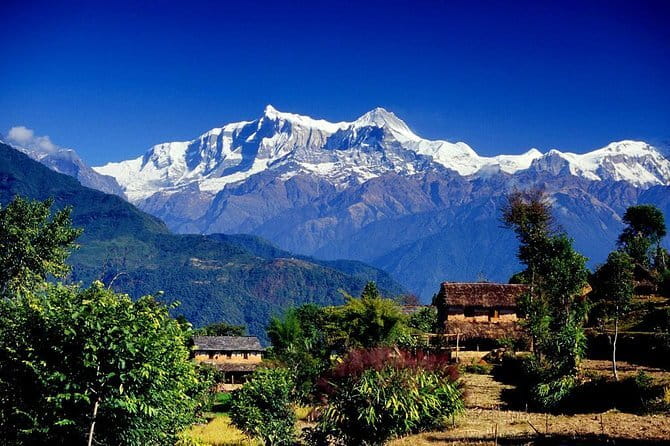
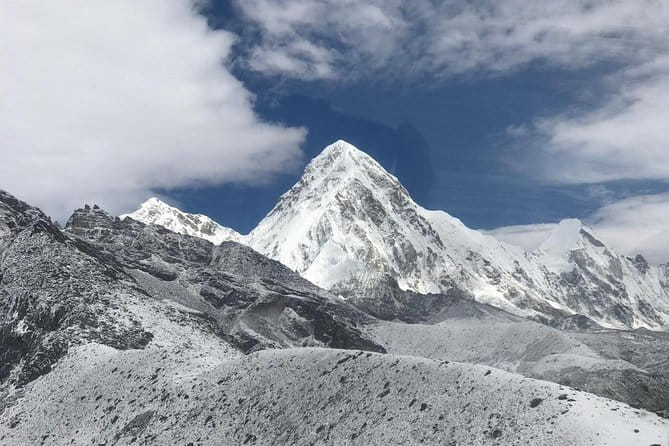
Day 10 begins early with about two hours of climbing to Kala Patthar, below Mount Pumori. This is the visual high point of the trek, with a 360-degree view that includes Everest, Nuptse, Lhotse, and other major Himalayan peaks.
The early start is not for everyone. You will be walking in cold conditions and at high altitude, often with tired legs from base camp the day before. Still, the sunrise viewpoint gives you the clearest chance to appreciate the scale of the Khumbu from one place.
I would rank Kala Patthar as essential rather than optional. Base camp carries the emotional satisfaction of reaching the goal, while Kala Patthar gives you the strongest mountain view. The two stops complement each other.
The long descent through Sherpa villages
After Kala Patthar, the route turns back toward lower ground. You descend through Sherpa villages, return toward the Dudh Koshi River, and pass through areas near Dingboche and Tengboche before continuing down.
Descending is easier for your lungs, but it is not automatically easy on your knees. Steep sections, stone steps, and uneven paths can make the return tiring. Trekking poles and well-broken-in footwear would be sensible choices, though the supplied package does not provide gear.
Day 12 continues downhill through Jorsalle, Manjo, Benkar, Phakding, and smaller villages. You cross several suspension bridges over the Dudh Koshi River and retrace much of the opening route to Lukla.
This return section gives you a chance to notice details you may have missed while heading uphill. It also reminds you that the trek is a cultural route, not only a mountain challenge. Villages, fields, bridges, lodges, and local work remain central to the experience.
Guides, group size, and the human side
A maximum of 12 people is a sensible group size for this route. It gives you company during long walking days without creating the slow, crowded feel of a large coach tour. It also makes it easier to meet other people while still receiving attention from the guide.
The strongest praise has focused on guide care. Laxman was described as especially supportive while leading two teenagers aged 17 and 15. Ram helped a solo trekker manage the route without a porter, while Saugat was praised for looking after every stage from the Kathmandu arrival to the flight home.
Other guide names associated with strong experiences include Sujal, Nir, Amer, Dhower, and Subash. You cannot assume a particular person will lead your departure, so ask for the assigned guide before booking if that matters to you. What you can reasonably expect is a licensed guide and an agency contact, not a private guide guaranteed by name.
Porter service is not included. That keeps the headline cost lower, but it means you need to carry your own luggage unless you pay for local porter support. Clarify the baggage arrangement before flying to Lukla.
Food, lodging, and daily comfort
Full-board meals include breakfast, lunch, and dinner during the trek. The food is described as authentic local fare, with enough structure to keep you fueled through long walking days. Menus can be simple, and one account described repeated choices across the 12-day route, so do not expect restaurant variety.
Accommodation is in the best available trekking lodges. That phrase is important: availability in the mountains affects what you receive. One stay in Lukla was described as below expectations, and conditions can vary from one village to the next.
You pay for hot and cold drinks, tea, coffee, snacks, water, hot showers, and Wi-Fi. Bring enough Nepalese rupees or confirm payment options with the operator, since small costs appear regularly and connectivity may not be consistent.
The lodge experience is part of the appeal for people who want a close look at trekking life. It is less suitable if you need private rooms, reliable hot water, or hotel-level facilities every night.
Who should book this Everest Base Camp trek?
I would recommend this trip to you if you want the classic Everest route, prefer agency support, and have a moderate level of physical fitness. It suits first-time Nepal visitors who want a guide, permits, flights, meals, and lodges arranged in one package.
It also works well for solo bookers who want a small group around them. The guide support described by solo trekkers is particularly useful, and the 12-person maximum gives you a fair chance to form a friendly walking group.
You should think twice if you dislike basic accommodation, long uphill days, high-altitude cold, or extra costs for ordinary comforts. The route is not a casual sightseeing outing, and the altitude cannot be negotiated with enthusiasm alone.
The stated rating is 5 out of 5 from 321 ratings, with 100 percent recommending the experience. That matches the strongest pattern in the feedback: careful organization, responsive leadership, and guides who pay attention to individual needs. At the same time, food variety and lodge quality are not guaranteed to be highlights.
Should you book it?
Book this trek if you want a classic, guided Everest Base Camp route with the major logistics already arranged. The best reasons are the included Lukla flights, acclimatization days, full-board trekking meals, national park paperwork, and strong guide support.
Before paying, confirm the exact day count, Kathmandu hotel nights, flight-delay plan, baggage arrangements, porter cost, and which extras you should budget for. If you accept basic lodges and carry a realistic spending cushion, the $1,420 package offers solid value for a demanding but memorable Himalayan trek.
FAQ
How long is the Everest Base Camp trek?
The experience is marketed as a 14-day trek, while the provided daily schedule runs from Day 1 through Day 13, ending with the return to Kathmandu. Confirm the exact schedule with Alpine Ramble Treks before booking.
Where does the trek start?
The meeting point is in Thamel, Kathmandu 44600, Nepal. The trip begins with airport pickup and transfer to the Kathmandu hotel.
Does the package include flights to Lukla?
Yes. Round-trip flights between Kathmandu and Lukla are included, along with departure taxes.
Are meals included during the trek?
Yes. Breakfast, lunch, and dinner are included during the trekking portion. The listed package provides 12 breakfasts, 11 lunches, and 11 dinners.
Is accommodation included?
Yes. Trekking-lodge accommodation during the route is included. Accommodation and food before and after the trek are not included.
Is a porter included?
No. A local porter is available at an additional cost if you need one.
What is the group size?
The maximum group size is 12 people.
What fitness level is required?
The activity states that you should have a moderate level of physical fitness. The route includes steep climbs, high altitude, long walking days, and a two-hour climb to Kala Patthar.
What costs are not included?
International flights, Nepal entry visa fees, food and accommodation before and after the trek, porter service, drinks, water, snacks, Wi-Fi, hot showers, personal expenses, and tips are not included.
New treks around Kathmandu
- Kathmandu or Pokhara: 5-Day Annapurna Base Camp (ABC) Trek★ 4.5 · 2 reviews
- Pokhara: 2 Day Ghorepani & Poon Hill Private Trekking★ 4.9 · 8 reviews
- From Kathmandu: 6-Day Langtang Valley Guided Trek★ 5.0 · 2 reviews
- Pokhara: 5-Day Annapurna Base Camp (ABC) Trek★ 5.0 · 9 reviews
- Kathmandu: Langtang Valley 6-Day all inclusive Guided Trek★ 5.0 · 2 reviews
- Kathmandu: 6 Days Langtang Valley Trek with Kyanjin Ri★ 5.0 · 7 reviews
- Kathmandu: 9- Day Annapurna Circuit Trek★ 5.0 · 2 reviews
- Kathmandu: 6-Day Limitless Langtang Trek★ 5.0 · 21 reviews
Everest Base Camp Treks, side by side.
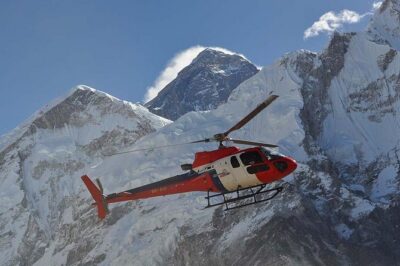
Everest Base Camp Trek with Helicopter Return from Gorakshep to Lukla
Read our review →
Trekking in Annapurna/Langtang/Everest/Upper Mustang regions
Read our review →Lists this trek appears in