
Review · KATHMANDU
Classic Everest Base Camp Trek
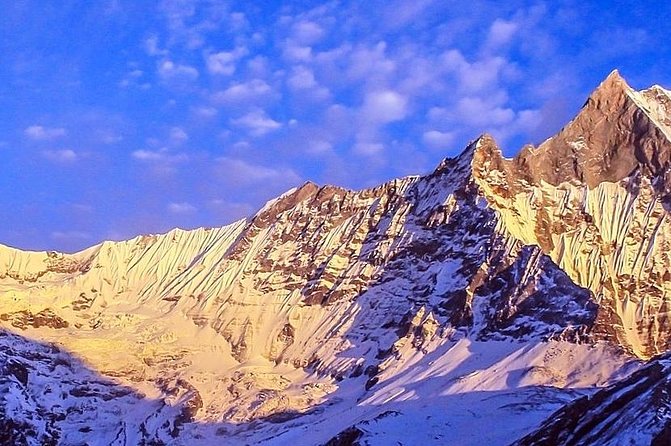
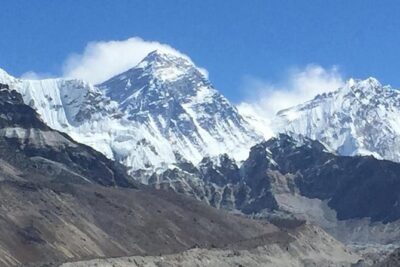
Everest Base Camp is not a quick scenic walk. It is a long, high-altitude trek through alpine forests, glacier rivers, Sherpa villages, and monastery country, with steep climbs and slow, tiring days. The reward is a close look at Himalayan life, prayer flags snapping in the wind, and the huge mountain views that keep pulling you onward.
I like two things here. First, the practical package includes the hard-to-arrange pieces: permits, porters, staff insurance, flights, gear, and lodge rooms. Second, the company puts local guides at the center of the trip. Guides named by past groups include Ram, Pooja, Prakash, Lal Kumar Tamang, Lok, and Nirjala. The main caution is simple: 24 days is a serious commitment, and a moderate fitness level is only the starting point for a trek with many steep ups and downs.
Key points to know before you book
- A full 24-day Himalayan trip: The schedule gives you time for Kathmandu, the trek, mountain lodges, and the return to the capital rather than treating Base Camp as a rushed weekend goal.
- Lukla flights are included: The package covers the Lukla to Kathmandu flight and departure taxes, along with airport transfers and other private ground transport.
- Local support is built in: One guide works with porters, with one porter assigned for every two people. Their food, lodging, pay, equipment, and accidental insurance are included.
- Basic trek gear is supplied: You receive a duffle bag, down jacket, sleeping bag, T-shirt, trekking map, and trip certificate.
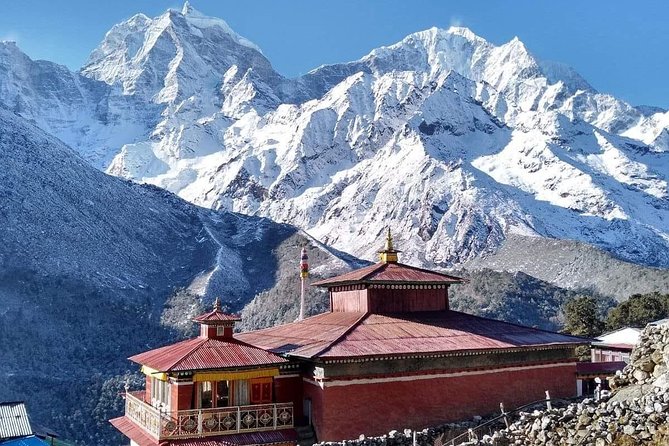
- The cultural side matters: Monasteries, prayer flags, village life, and local hospitality are part of the experience, not filler between mountain views.
- The ratings are unusually strong: The experience is listed at 4.9 out of 5 from 190 ratings, with 98 percent recommending it.
Why the 24-day format makes sense
The great mistake on a trek to Everest Base Camp is thinking only about the destination. Base Camp is the famous label, but the real experience is the gradual change in the trail, the villages, the air, and your own walking rhythm.
This trip gives you about 24 days, which is useful for a high-altitude journey. The supplied details do not provide a precise day-by-day schedule, so you should request the final itinerary before paying. Still, the structure is clear: time in Kathmandu, a flight toward the trailhead at Lukla, a long walk through the Everest region, and a return to Kathmandu.
That extra time matters. You are not simply ticking off a viewpoint. You are adjusting to thinner air, walking several hours at a time, sleeping in basic lodges, and dealing with weather that can affect mountain flights. The schedule also gives the operator room to manage the trek as a real expedition rather than a sightseeing transfer.
The trek is private, meaning only your group participates. That can make a real difference on a difficult day. You are not tied to strangers with different walking speeds, though the size of your own group still matters. Ask how many people are in your booking and how the guide-to-porter arrangement will work.
More Everest Base Camp treks around Kathmandu:
- Everest Base Camp Trek – 14 Days
★ 5.0 · 1,499 reviews - Everest Base Camp Trek
★ 5.0 · 842 reviews - Everest Base Camp Trekking
★ 5.0 · 485 reviews
Kathmandu: a useful start, not just a hotel night
The package includes three nights with breakfast at the deluxe Hotel Ramada Encore Kathmandu. That gives you a comfortable base at the beginning or end of the trip, plus time for airport transfers, preparation, and a pre-trek briefing.
Kathmandu is also where the practical pieces come together. You can sort clothing, check your supplied sleeping bag and down jacket, organize your duffle, and confirm how the porters will carry your main load. I would use this time to ask direct questions about the walking plan, weather delays, meals, water, and what you should keep in your daypack.
The hotel is a useful contrast to the mountain lodges. You will appreciate a more comfortable room and breakfast before the trek, especially if you are arriving after a long international flight. Three nights also give the operator some breathing room if your arrival is delayed.
Private ground transport is included in Kathmandu, including airport transfers. That removes one common travel nuisance: trying to arrange a taxi while jet-lagged in an unfamiliar city. It does not mean every movement in Nepal will be private. The key flight connection to Lukla and the lodge-to-lodge trekking section are separate parts of the journey.
Flying toward Lukla and starting on foot
The Everest trek begins with the move from Kathmandu toward Lukla. The supplied package specifically includes the Lukla to Kathmandu flight, including departure taxes. That wording is worth clarifying before you book, because the outbound flight toward Lukla should also be confirmed in writing as part of your final arrangements.
Mountain flights are weather-sensitive. The cancellation terms say that poor weather can lead to a new date or a full refund for the activity, but a flight delay can still affect your personal travel plans. Leave spare time around the trek if you have a fixed international departure.
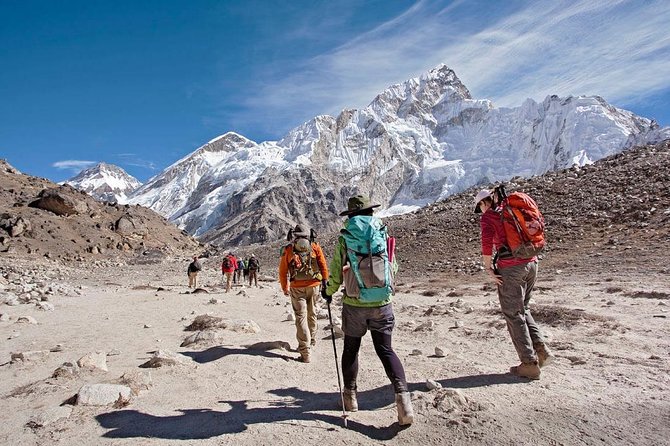
From Lukla, the character of the trip changes quickly. You are no longer touring by road. You are walking along a trail through mountain villages, forests, rivers, and high country. The route includes many climbs and descents, so a short distance on a map does not tell you how hard a day will feel.
This is where the guides matter most. Past groups have singled out guides such as Ram, Pooja, Prakash, Lal Kumar Tamang, Lok, and Nirjala for safety, humor, local insight, and steady support. Names can change with the departure, so ask who is assigned to your group. A strong guide is not just someone who points out peaks. You want clear pacing, sensible decisions, and regular attention to how the group is coping.
The trail through forests, rivers, and mountain villages
The early and middle sections of the trek combine forest walking with increasingly open mountain views. The description points to alpine forests and glacier rivers, which means you get changing scenery rather than one long walk through bare rock.
The forests soften the route. They provide shade, birdsong, and a sense of shelter before the trail rises into more exposed country. River crossings and bridge sections add drama, but they also make the walk feel like travel through a living region rather than a marked exercise course.
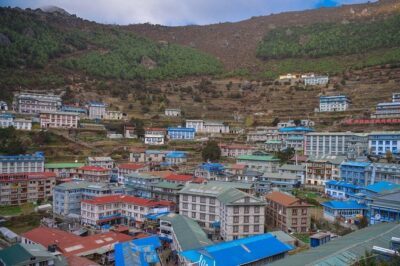
Village life is an important part of this trip. You will see the practical side of living in the mountains, where supplies, buildings, work, and daily routines are shaped by altitude and distance. The package emphasizes interaction with local people, culture, and hospitality. That is valuable because the trek is not only a mountain challenge. It is also a visit to communities whose lives are tied to the route.
You should expect the lodges to be functional rather than luxurious. The package promises the best available twin-sharing lodge-to-lodge accommodation, but it does not promise a fixed standard at every stop. The experience can vary with location, weather, and availability. Bring patience, a warm layer, and realistic expectations about comfort.
WiFi is not included during the trek. Cold drinks, bottled water, snacks, and other extras are also excluded. Those costs can add up over 24 days, so budget for them. The provided details also say that meals not listed in the meal inclusions are excluded. Ask for the exact meal plan before departure rather than assuming every breakfast, lunch, and dinner is covered.
More treks around Kathmandu:
- Annapurna Circuit Trek with Tilicho Lake
★ 5.0 · 368 reviews - Everest Base Camp Trekking – 13 Day
★ 5.0 · 365 reviews - Everest Base Camp Trek
★ 5.0 · 350 reviews - Everest Base Camp Trek -14 Days
★ 5.0 · 321 reviews
Monasteries, prayer flags, and the cultural side of Everest
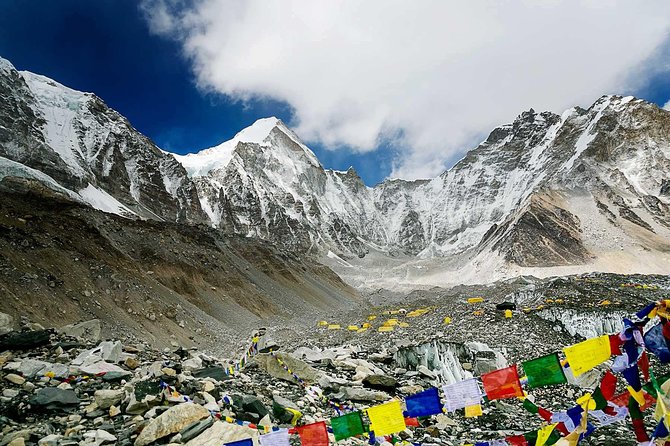
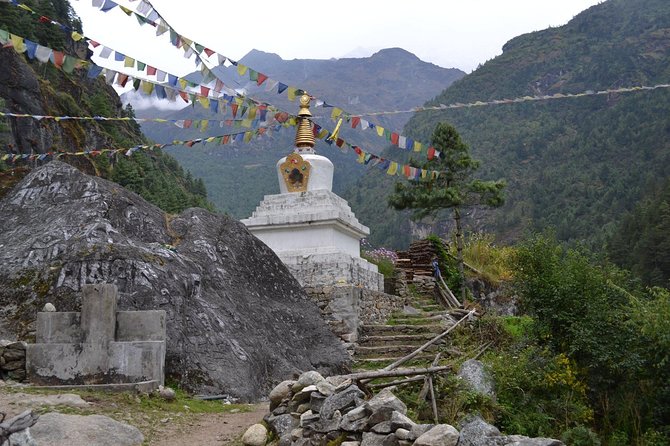
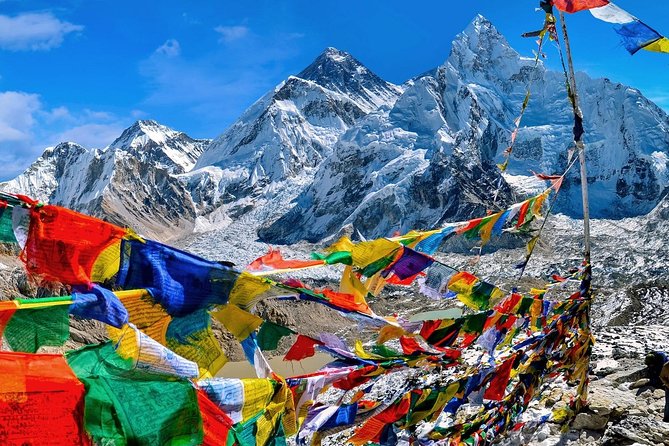
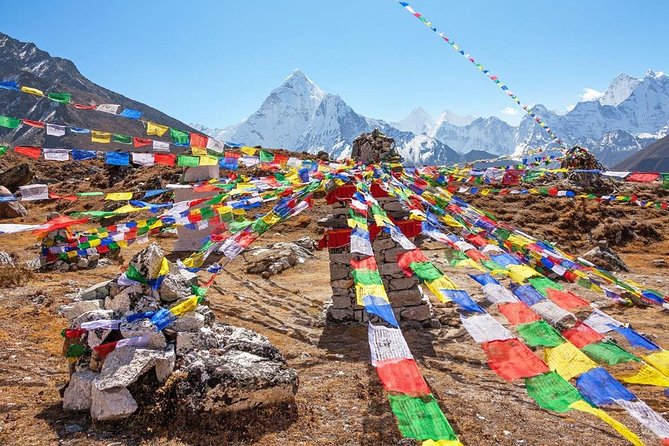
The monasteries and prayer flags along the route give the trek a quiet spiritual dimension. You may see flags moving in the wind, hear local explanations of religious customs, and pass through places that matter to the people living in the region.
This is one of the best reasons to take a guided trek. A guide can explain what you are seeing and help you approach monasteries with suitable respect. The supplied information does not list specific monasteries or entrance arrangements, so do not assume that every religious site includes a formal visit or guided tour.
I like that culture is treated as part of the route instead of a short add-on in Kathmandu. The mountains are spectacular, but the people, buildings, prayer flags, and village routines make the trek feel grounded. Without that human side, Everest Base Camp can become little more than a long march toward a famous sign.
The best approach is to remain curious and modest. Ask before photographing people or religious places. Learn a few basic greetings. Notice how much work goes into moving food and supplies along a high trail. These small details often stay with you longer than the summit-style photographs.
Reaching Everest Base Camp
The final approach to Everest Base Camp is the emotional high point of the trek. By then, you have spent days walking through changing terrain, sleeping in mountain lodges, and adjusting to a demanding routine. The Base Camp stop gives all that effort a clear focus.
You should keep your expectations realistic. Everest Base Camp is famous, but it is not necessarily a grand building or a permanent scenic platform. The appeal is reaching the place associated with expeditions and standing among the mountains after the long approach.
The supplied details do not specify whether your group spends the night at Base Camp, or exactly how long it stays there. One set of comments refers to an overnight trek, but that appears to describe a particular version rather than a guaranteed feature of this package. Confirm the final schedule if an overnight at Base Camp matters to you.
The route is physically demanding even if no technical climbing is involved. You need to be comfortable with repeated uphill and downhill walking, cold conditions, basic lodging, and long days outside. The official guidance calls for moderate fitness, but I would prepare beyond that minimum with regular walking and hill training.
Guides, porters, and the people carrying the trip
The included staff package is one of the strongest practical features. You receive one experienced guide, plus porters at a ratio of one porter for every two people. Their food, accommodation, salary, equipment, and accidental insurance are included.
That arrangement lets you walk with a lighter daypack while local staff carry the main duffle. It also makes the trek possible for people who are fit enough to walk at altitude but do not want to carry every item for several weeks.
Pack responsibly. A porter is not a reason to bring your entire wardrobe. Keep your duffle compact and follow the operator’s weight guidance. Carry daily essentials, valuables, medication, water, layers, and documents yourself.
The named guides in the supplied comments include both men and women, including Pooja and Nirjala. Several trips also included assistant guides and porters such as Dikesh, Sudip, Raj, Prim, Dilli, Baze, Rez, and Pren. The important point is that the company uses a broad local team rather than treating the guide as a background figure.
Safety was a repeated theme in the supplied comments, along with smooth organization and friendly service. That does not remove the risks of altitude or weather. It does suggest that the operator places real value on communication and group care. Still, you should have travel insurance that covers trekking at the relevant altitude, because that coverage is not listed as part of your own package.
What the $1,835.90 price covers
At $1,835.90 per person, this is not a bare-bones trekking permit. The price includes three Kathmandu hotel nights with breakfast, private ground transport, airport transfers, a guide, porters, staff costs, the Lukla to Kathmandu flight, permits, TIMS fees, lodge accommodation, a duffle, down jacket, sleeping bag, first-aid kit, and government taxes.
That is a solid bundle. Buying those pieces separately would take time and would leave you responsible for coordinating transport, permits, porters, and mountain lodging. The included equipment is especially helpful if you do not already own a proper sleeping bag or warm down jacket.
The value is less clear if you already have all your gear and are comfortable arranging trekking logistics yourself. Independent planning may reduce the headline cost, but it also shifts the work and risk to you. Here, you are paying for organization, local staff, and support over a long trip.
Do not treat the listed price as your final spending total. WiFi, cold drinks, bottled water, snacks, and meals outside the stated inclusions are extra. You may also need to account for tips, personal purchases, insurance, and any weather-related changes to your wider Nepal plans.
Who should book this trek
I would recommend this trip to someone who wants a guided Everest Base Camp experience with strong logistical support and a clear cultural component. It suits people who like walking, do not mind basic lodges, and want local guides and porters rather than a self-guided route.
It is also a good fit for families with older children or young adults if everyone understands the physical demands. The supplied experiences include family groups and people celebrating major birthdays, but the operator still requires moderate fitness. A family should discuss altitude, cold, long walking days, and shared rooms before booking.
This is not the right choice if you want a short holiday, hotel comfort every night, guaranteed WiFi, or a tightly controlled sightseeing schedule. It is also not ideal if you need a fixed return date with no room for weather disruption.
The 4.9 rating from 190 ratings and 98 percent recommendation figure are strong signals, especially when paired with repeated praise for guides, safety, organization, and warm treatment. I would still read the inclusions carefully and request the complete day-by-day plan, because the public details do not specify every stop, meal, altitude gain, or acclimatization day.
Should you book the Classic Everest Base Camp Trek?
Book it if you want the full Himalayan journey, not just a quick photo at Base Camp. The price covers many of the expensive and difficult pieces, and the local guide and porter system gives you practical support along a demanding route.
Before committing, confirm the outbound Lukla flight, the exact meal plan, group size, guide assignment, daily walking schedule, altitude strategy, and what happens if weather disrupts the flights. If those answers suit your needs, this is a well-supported way to experience Everest country, with monasteries, mountain communities, rivers, forests, and the steady satisfaction of getting there on foot.
FAQ
How long is the Classic Everest Base Camp Trek?
The trip lasts approximately 24 days. It begins and ends in Kathmandu, with three hotel nights included in the capital.
Where does the experience start?
The meeting point is Kathmandu 44600, Nepal. The listed start time is 6:45 am, and pickup is offered.
Is the Lukla flight included?
The package includes the Lukla to Kathmandu flight and departure taxes. Confirm the full outbound flight arrangement toward Lukla before booking.
Are guides and porters included?
Yes. The package includes one experienced guide and porters at a ratio of one porter for every two people. Staff food, accommodation, salary, equipment, and accidental insurance are included.
What equipment is provided?
You receive a trekking duffle bag, down jacket, sleeping bag, T-shirt, trekking map, and trip achievement certificate.
Can I cancel for a full refund?
Yes, if you cancel at least 24 hours before the experience start time. Cancellations made less than 24 hours in advance are not refunded, and poor-weather cancellations may result in a different date or a full refund.
New treks around Kathmandu
- Kathmandu or Pokhara: 5-Day Annapurna Base Camp (ABC) Trek★ 4.5 · 2 reviews
- Pokhara: 2 Day Ghorepani & Poon Hill Private Trekking★ 4.9 · 8 reviews
- From Kathmandu: 6-Day Langtang Valley Guided Trek★ 5.0 · 2 reviews
- Pokhara: 5-Day Annapurna Base Camp (ABC) Trek★ 5.0 · 9 reviews
- Kathmandu: Langtang Valley 6-Day all inclusive Guided Trek★ 5.0 · 2 reviews
- Kathmandu: 6 Days Langtang Valley Trek with Kyanjin Ri★ 5.0 · 7 reviews
- Kathmandu: 9- Day Annapurna Circuit Trek★ 5.0 · 2 reviews
- Kathmandu: 6-Day Limitless Langtang Trek★ 5.0 · 21 reviews
Everest Base Camp Treks, side by side.
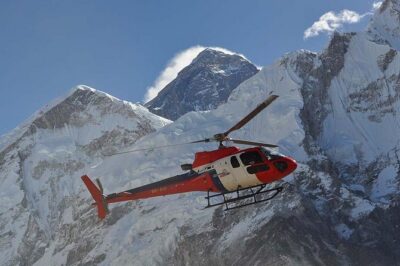
Everest Base Camp Trek with Helicopter Return from Gorakshep to Lukla
Read our review →
Trekking in Annapurna/Langtang/Everest/Upper Mustang regions
Read our review →Lists this trek appears in