
Review · KATHMANDU
Kathmandu or Pokhara: 5-Day Annapurna Base Camp (ABC) Trek
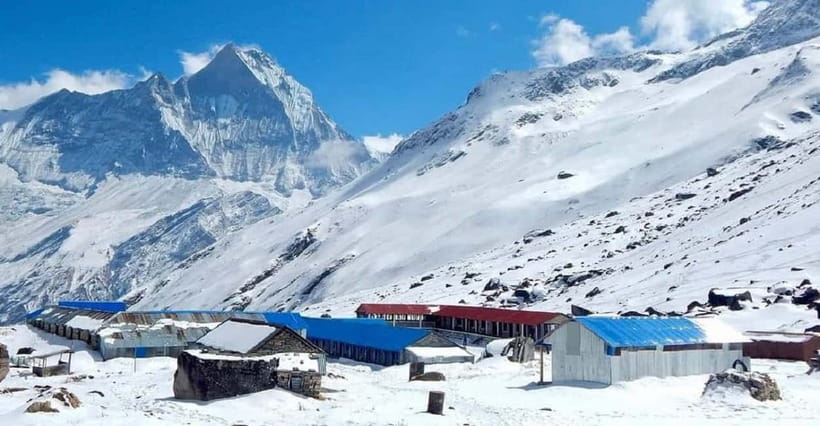
Annapurna Base Camp gives you a rare combination in only five days: high Himalayan views and a trail that begins among rivers, forests, waterfalls, and village life. The final approach through Machhapuchhre Base Camp to ABC, at 4,130 meters, is the main prize, but the changing scenery along the way is what makes the trek feel like a real journey.
I like the practical route, which includes four nights in mountain tea houses and a relaxing stop at Jhinu Danda’s hot springs. I also like having an English-speaking guide who knows the route and can point out small places you might otherwise pass. The main caution is the pace: reaching ABC on day three and walking back down on day four means long, demanding days at high altitude.
Key points at a glance
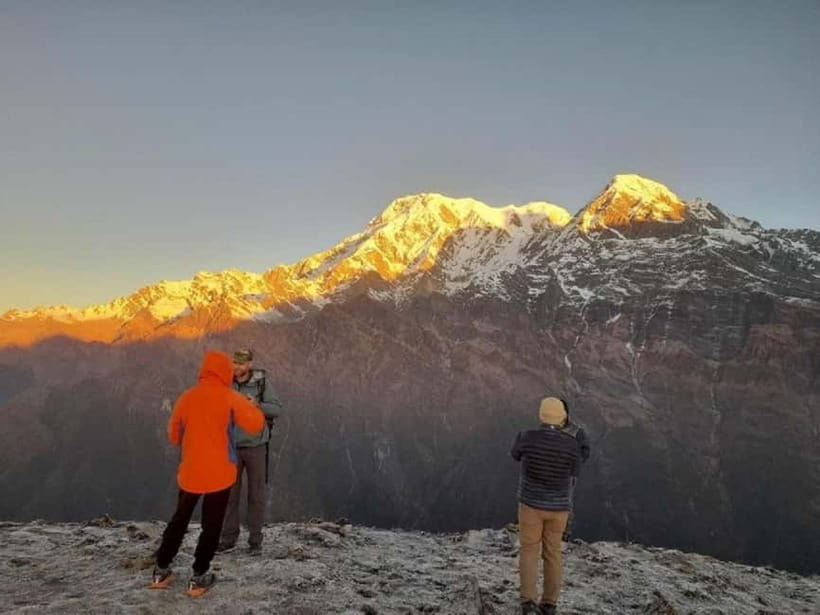
- Reach Annapurna Base Camp at 4,130 meters: The trek enters the Annapurna Sanctuary and ends among some of Nepal’s most impressive peaks.
- Walk through several kinds of scenery: Expect forest paths, rivers, waterfalls, traditional settlements, and high mountain terrain.
- Sleep in four mountain tea houses: Accommodation is practical and basic, with the benefit of staying directly on the route.
- Relax at Jhinu Danda: The hot springs offer a welcome break near the end of the trek.
- Choose carefully between package options: Meals and porter service depend on whether you book the all-inclusive or budget option.
- Start from Kathmandu or Pokhara: Kathmandu departures include a flight to Pokhara if that option is selected, while the road transfer to the trailhead is shared.
Why the five-day ABC route works
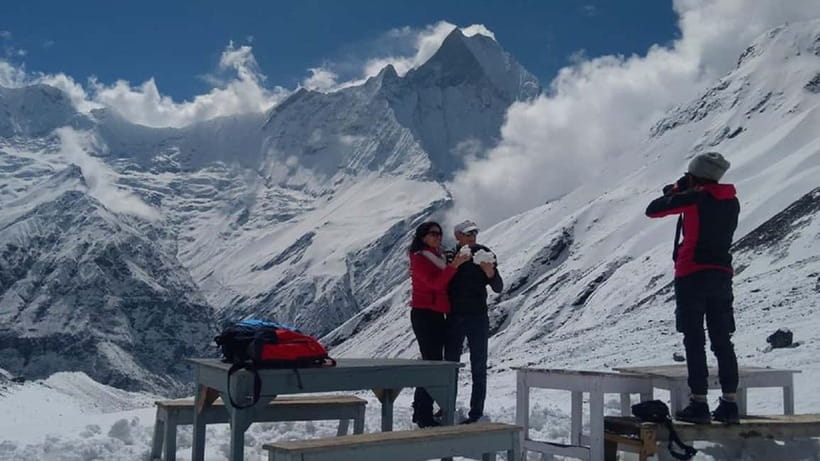
This is a fast version of the Annapurna Base Camp trek. You are not spending a week easing into the mountains. You are moving from Simrung to Sinuwa on the first day, reaching Deurali on the second, ascending to ABC on the third, and returning toward the road on the fourth.
That tight schedule is the biggest appeal for anyone with limited time in Nepal. You still pass through the main sections of the route and spend a night at base camp rather than treating it as a quick out-and-back from lower ground.
It also means you need to arrive in good shape. The walking hours range from four to seven per day, and the third day takes you from Deurali through Machhapuchhre Base Camp to Annapurna Base Camp. The fourth day is another long one, with six to seven hours of downhill walking.
I would view this as a serious mountain trek, not a sightseeing walk with a few scenic sections. The advertised price of $215 per person is attractive, but the value depends on what you add. If you choose the option with meals and a porter, more of your daily logistics are covered. The budget option may cost less up front, but you need to pay for meals and porter service separately if you want them.
More Annapurna treks around Kathmandu:
- Annapurna Circuit Trek with Tilicho Lake
★ 5.0 · 368 reviews - Annapurna base camp trek 5 Days
★ 5.0 · 252 reviews - 14-Day Private Annapurna Base Camp Trek
★ 5.0 · 180 reviews
Day 1: Simrung to Sinuwa through the lower foothills
Your trip begins with hotel pickup in Kathmandu or Pokhara. If you start in Kathmandu and select that departure, the plan includes a roughly 30-minute flight to Pokhara before a two to three-hour drive toward Simrung via Nayapul.
That transfer is a major part of the first day, so keep your expectations realistic. The trek itself takes about four to five hours from Simrung to Sinuwa. You are not walking straight from an airport into a high mountain setting. The day combines air travel or hotel pickup, a road journey, and the first substantial climb.
Sinuwa sits at about 2,340 meters. The trail gives you an early taste of the route’s character, with forest, river scenery, and settlement areas rather than only mountain views. This is useful because you get a gradual visual change before the higher sections arrive.
You spend the night in a mountain guesthouse. Tea houses are functional places to sleep along the trail. They are valuable because they keep the trek moving without requiring camping equipment, but you should not expect hotel-style comfort. Bring warm clothing and a sleeping bag, which is listed as part of the equipment provided.
The road transfer is shared, even though the trekking group is described as private. That distinction matters. You have a private guided trekking arrangement, but the vehicle portion may not be exclusive to your party.
Day 2: Forests, waterfalls, and Deurali at 3,230 meters
The second day takes you from Sinuwa to Deurali in about five to six hours. This is one of the most scenic parts of the lower route, with dense forest, waterfalls, small settlements, and a steady rise in altitude.
The forest gives the trail a different mood from the open mountain views you may expect from Nepal. You hear and see water, pass through shaded sections, and follow a route shaped by the rivers and steep terrain. It is also a day when good footwear matters. Comfortable shoes are specifically recommended, and that is sound advice for uneven paths and long walking hours.
Deurali is at 3,230 meters, so this is the point where cold temperatures and altitude begin to feel more serious. Pack layers rather than relying on one heavy jacket. Conditions can change sharply between lower villages and higher stops, and warm clothing is needed even if the day begins pleasantly.
The guide becomes especially useful here. Route finding is part of the service, but a guide can also help set a sensible pace and direct you toward small scenic spots along the way. The guide speaks English, Hindi, and Nepali. No individual guide is named in the available information, so you should not expect to choose a particular person in advance.
Day 3: Machhapuchhre Base Camp to Annapurna Base Camp
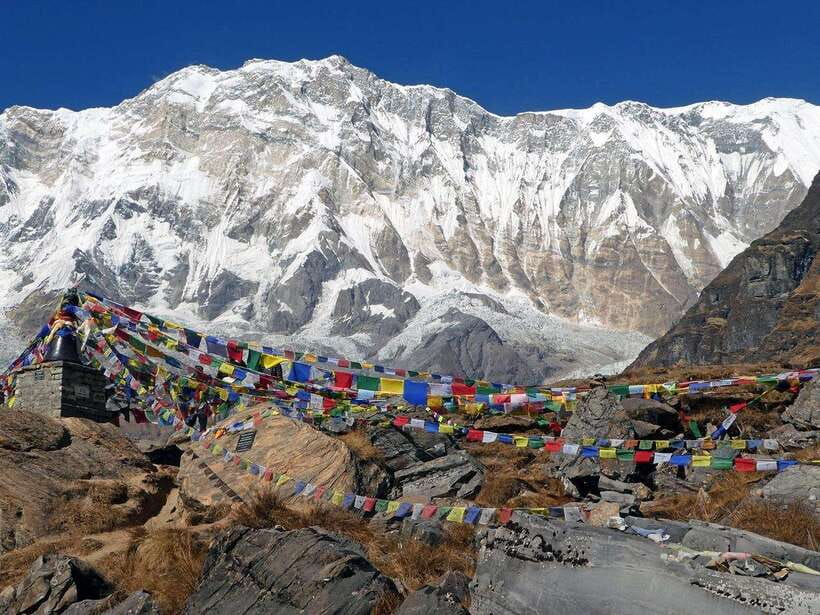
The third day is the heart of the trek. From Deurali, you continue toward Machhapuchhre Base Camp and then walk on to Annapurna Base Camp. The total walking time is about five to six hours.
Machhapuchhre, also called Fishtail, is one of the defining peaks in the area. The route through its base camp marks a clear change from the wooded trail below. You are moving into a more open, exposed mountain setting, with views that become the main reason for the effort.
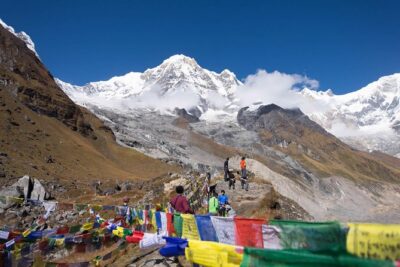
Annapurna I rises to 8,091 meters and is the world’s tenth-highest mountain. ABC sits at 4,130 meters inside the Annapurna Sanctuary, a mountain basin surrounded by major Himalayan peaks. You spend the night in tea houses at base camp, which lets you see the area in the late afternoon and again at sunrise.
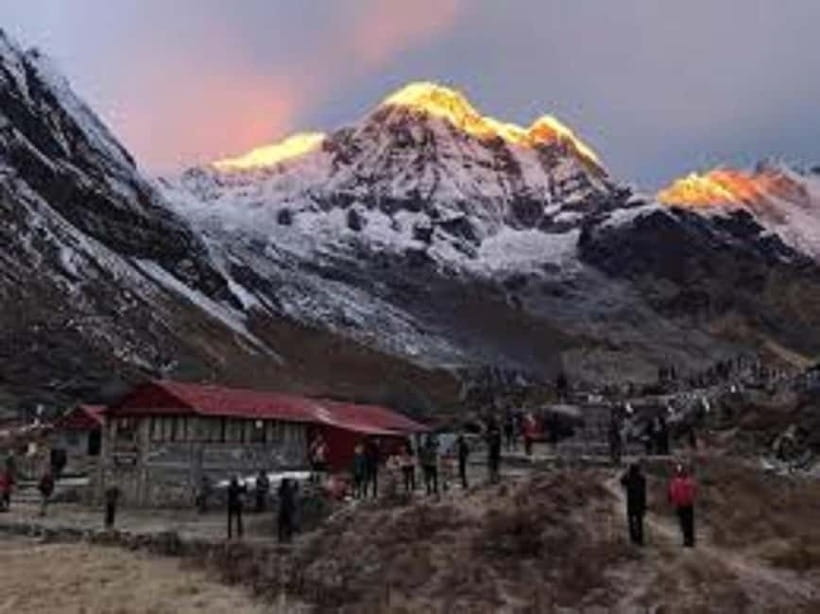
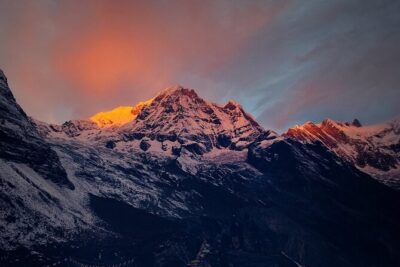
The sunset stop is a strong feature of this schedule. If conditions cooperate, the light over the Annapurna range can be the most memorable part of the trek. Morning is just as important, so have your warm layers ready before bed. At this height, temperatures can be very cold.
This is also the day when altitude deserves your full attention. The itinerary is fixed and ambitious, and the height gain is substantial compared with the opening stages. The experience information advises that you be in good health and have a reasonable level of fitness. Take that seriously. Travel insurance is mandatory for safety, and emergency rescue services are available if required.
More five-day treks around Kathmandu
- Kathmandu to Annapurna Base Camp (ABC) 5-Day Trek
★ 5.0 · 102 reviews - Pokhara: 5-Day Annapurna Base Camp (ABC) Trek
★ 5.0 · 9 reviews - From Kathmandu: 5-Day Gosaikunda Lake Trek
★ 5.0 · 6 reviews - From Kathmandu: 5-Day Everest View Trek
★ 5.0 · 2 reviews
Day 4: Sunrise at ABC and the long return to Bamboo or Sinuwa
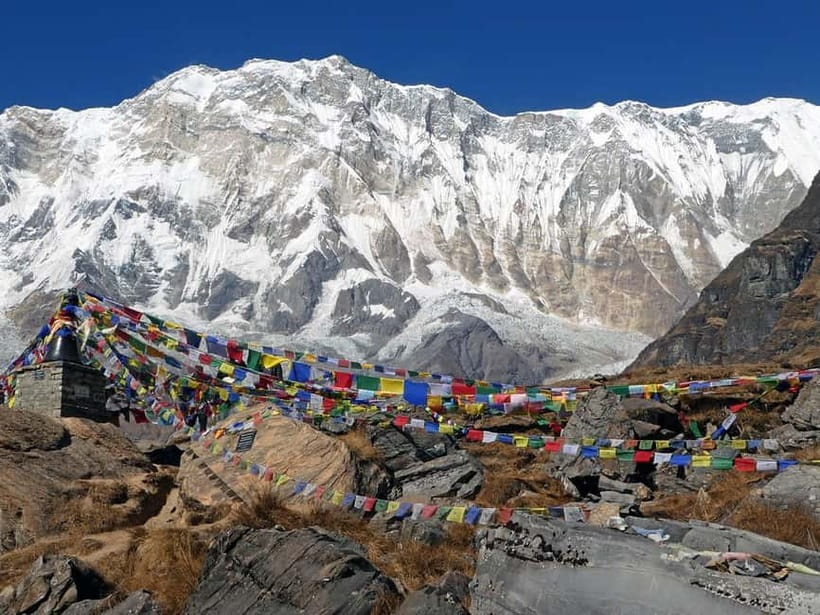
After sunrise at Annapurna Base Camp, you retrace the route through Deurali, Himalaya, and Dobhan before reaching Bamboo or Sinuwa. Walking time is around six to seven hours.
The return is not simply an easy stroll downhill. Descending for most of the day can be hard on knees and thighs, especially after the summit-area night. Trekking poles are included, and I would use them. They help with balance on uneven sections and reduce some strain during the descent.
The advantage of this day is the changing view. You see the same route from a different direction and move from the open high country back into forest. The drawback is that the schedule leaves little room for a slow morning at base camp. You get sunrise, breakfast, and then need to make good progress.
Your overnight stop is listed as Bamboo or Sinuwa. The exact choice may depend on the group’s pace and conditions. That flexibility is sensible because it gives the guide room to manage the day rather than forcing every group to stop at exactly the same place.
Day 5: Jhinu Danda hot springs and the drive to Pokhara
The final day combines another section of walking with the return road transfer. From Bamboo or Sinuwa, you trek toward Jhinu Danda and then continue to Simrung, with about three to four hours of walking listed for the route.
Jhinu Danda is the trip’s best recovery stop. The hot springs provide a chance to rest tired legs before the final road journey. Bring a swimsuit if you plan to use them, although the provided information only specifically lists general clothing and personal items. The spring stop is not a small extra. It gives the final day a pleasant reward after the long return from ABC.
From Simrung, the shared jeep takes about two to three hours to Pokhara. Hotel drop-off is expected at roughly 17:00. That timing makes the trek practical for anyone planning to continue a Pokhara stay, though you should avoid booking a tight onward connection on the same day.
The listed minimum altitude for this day is 830 meters, which shows how much the route drops from the base camp area. You finish among warmer, lower terrain after spending the previous night in the high mountains.
Tea houses, equipment, and daily comfort
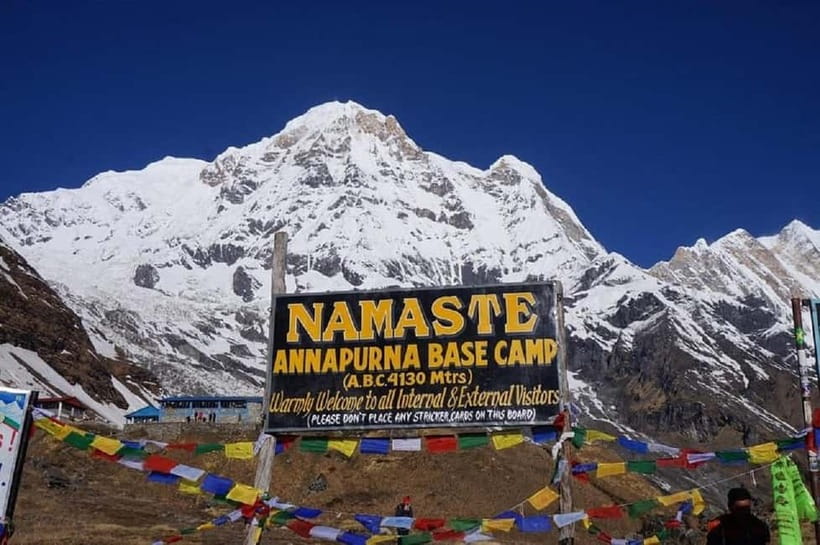
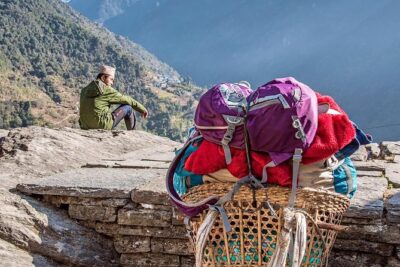
The four nights are in mountain guesthouses or tea houses. This is the right kind of accommodation for a short ABC trek because you sleep along the walking route and avoid carrying camping equipment. It also gives you a closer look at daily life in the mountain villages.
Comfort levels are basic. The information does not promise private rooms, heating, or particular bathroom arrangements, so pack with a simple mountain stay in mind. A sleeping bag is included, along with a duffle bag and trekking poles. A basic first aid kit is carried by the guide.
The all-inclusive option includes meals and porter service. The budget or Kathmandu option does not include those items unless you add them. Drinks are not included, including hot, cold, and alcoholic drinks, so keep some spending money available for the route.
The packing list is short but useful:
- Comfortable walking shoes
- Warm clothing and a hat
- Sunscreen
- Water
- Snacks
- Camera
Water and snacks matter most on the longer walking days. You should also prepare for large temperature changes. Lower sections may feel mild, while Deurali and ABC can be very cold.
What the $215 price really covers
At $215 per person, the trek can offer strong value for five days in the Annapurna region. The price includes a professional English-speaking guide, required trekking permits, four nights of mountain accommodation, equipment such as sleeping bags and poles, and the shared jeep between Pokhara and Simrung.
If you select the Kathmandu departure option, a one-way flight to Pokhara is included. That is useful because it avoids arranging the first flight yourself. The return flight from Pokhara to Kathmandu is not included, but it is available as an add-on.
The important point is to compare the exact package before paying. Meals and porter service are included only with the all-inclusive option. If you choose the budget version, add the likely cost of food and decide if you want help carrying your main bag.
A porter can make a major difference on a route with long climbs and a high camp night. If you pack light and are comfortable carrying your own equipment, the budget option may suit you. If you want to focus on walking and save energy for the climb to ABC, the all-inclusive option may be the better value even if its total price is higher.
Who should book this ABC trek
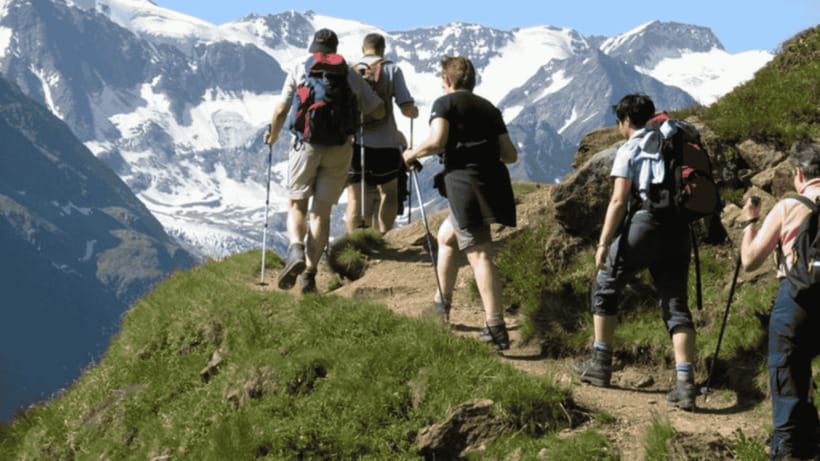
I would recommend this trip to you if you have five days available, want a guided Himalayan trek, and prefer guesthouses to camping. It suits people who want a clear route and practical support rather than a fully independent walk.
It is also a good fit if you want more than mountain photographs. The route includes traditional villages, forests, waterfalls, rivers, and hot springs, so the journey has plenty to see before you reach the main viewpoint.
I would hesitate if you are not used to several hours of walking, if you dislike cold mountain nights, or if you need a relaxed schedule. The five-day plan is efficient but not leisurely. You must also be comfortable with a shared jeep transfer and basic tea house accommodation.
The private group format is appealing for those who want a more personal pace and direct contact with the guide. Still, the available information does not give a maximum group size or promise a private vehicle, so clarify those points before booking if they matter to you.
Practical booking advice before departure
Submit a copy of your passport at least one day before the trek. The permits must be arranged with the Government of Nepal, and this is not a detail to leave until the morning of departure.
Check which departure point you are selecting. A Kathmandu start involves the flight to Pokhara if that option is chosen, while a Pokhara start removes that flight from the plan. Also check how you will return to Kathmandu, since that flight is not included.
Free cancellation is available up to 24 hours before the experience, and you can reserve now and pay later. Those terms are useful if your Nepal plans are still shifting, but they do not replace travel insurance. Insurance is strongly recommended and described as mandatory for safety.
Finally, prepare for altitude rather than relying only on enthusiasm. Bring warm layers, use the provided poles, drink water, and tell your guide if you feel unwell. Rescue services are available if needed, but prevention is always better than a rushed evacuation.
Should you book the five-day Annapurna Base Camp trek?
Book it if you want the main ABC experience in a short window and value having a guide, permits, tea house nights, equipment, and road transfers arranged. The route gives you an unusually broad sample of Nepal, from village paths and waterfalls to a 4,130-meter mountain sanctuary, with hot springs at the end.
Think twice if you want slow acclimatization, private road transport, or hotel-level comfort. The strongest value comes when you choose the right package and arrive ready for long walking days. For a fit visitor with only five days, this is a focused and scenic way to reach Annapurna Base Camp without organizing every detail alone.
FAQ
How long is the Annapurna Base Camp trek?
The trek lasts five days. Walking times range from about three to seven hours per day, depending on the section.
What is the highest point of the trek?
Annapurna Base Camp is the highest point, at 4,130 meters. Machhapuchhre Base Camp is visited on the way.
Does the trek start in Kathmandu or Pokhara?
You can choose a Kathmandu or Pokhara departure. A selected Kathmandu departure includes a one-way flight to Pokhara before the road transfer to the trailhead.
Is food included in the price?
Meals are included with the all-inclusive option. They are not included with the budget or Kathmandu option unless you add them.
Is porter service included?
Porter service is included with the all-inclusive option. It is not included with the budget or Kathmandu option unless added separately.
Where do you sleep during the trek?
You spend four nights in mountain guesthouses or tea houses, including a night at Annapurna Base Camp.
Is a guide included?
Yes. The trek includes a professional English-speaking guide. Guiding is also available in Hindi and Nepali.
Do you visit hot springs?
Yes. The fifth day includes a stop at the hot springs at Jhinu Danda before continuing to Simrung and driving back to Pokhara.
New treks around Kathmandu
- Pokhara: 2 Day Ghorepani & Poon Hill Private Trekking★ 4.9 · 8 reviews
- From Kathmandu: 6-Day Langtang Valley Guided Trek★ 5.0 · 2 reviews
- Pokhara: 5-Day Annapurna Base Camp (ABC) Trek★ 5.0 · 9 reviews
- Kathmandu: Langtang Valley 6-Day all inclusive Guided Trek★ 5.0 · 2 reviews
- Kathmandu: 6 Days Langtang Valley Trek with Kyanjin Ri★ 5.0 · 7 reviews
- Kathmandu: 9- Day Annapurna Circuit Trek★ 5.0 · 2 reviews
- Kathmandu: 6-Day Limitless Langtang Trek★ 5.0 · 21 reviews
- Sundarijal-Chisapani-Nagarkot Trek with Changunarayan★ 4.8 · 3 reviews
Annapurna Base Camp Treks, side by side.
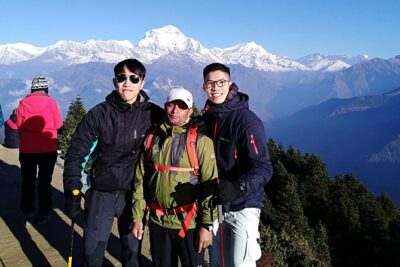
Trekking in Annapurna/Langtang/Everest/Upper Mustang regions
Read our review →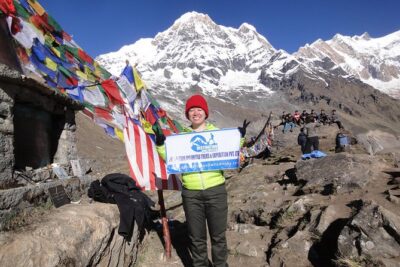
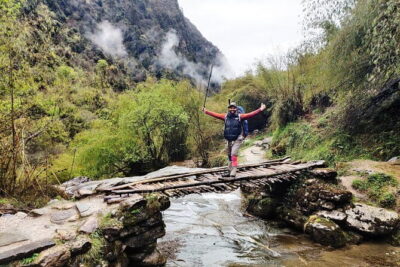
Kathmandu to Annapurna Base Camp (ABC) 5-Day Trek
Read our review →
Lists this trek appears in