
Review · KATHMANDU
Kathmandu: Langtang Valley 6-Day all inclusive Guided Trek
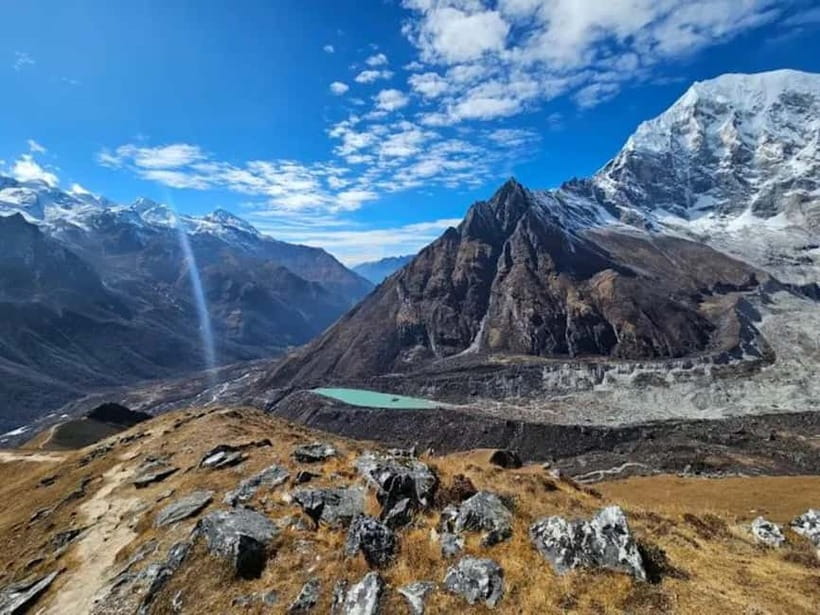
Langtang’s best feature is its quick change of scenery. In six days, you move from Kathmandu by road into river valleys, thick forest, Tamang villages, and high mountain country around Kyanjin Gompa. I like the local scale of the trek and the chance to see daily mountain life rather than simply chase viewpoints.
I also like the personal side: the guide shows local sights, explains Tamang and Tibetan customs, and keeps the route moving at a sensible pace. The main catch is the road journey and basic teahouse comfort. Six days is enough for a rewarding taste of Langtang, but not enough for a slow, fully acclimatized exploration of every side trail.
Key things to know before you go
- Kyanjin Gompa is the trip’s high point: This mountain village combines monasteries, broad peak views, and a traditional yak cheese factory.
- The route changes quickly: You walk from subtropical forest and waterfalls to alpine meadows and high Himalayan scenery.
- Kyanjin Ri is optional: The 4,770-meter climb adds a serious workout and sweeping views, but you can skip it.
- The trek is moderate, not effortless: Good fitness helps, especially on the uphill days and at altitude.
- Local culture is part of the route: Tamang villages, Tibetan influences, monasteries, and village life give the walk more meaning than scenery alone.
- The price needs a close look: The $179 rate covers key services, but full-board meals and porter service depend on the option you choose.
Why six days works in Langtang Valley
Langtang is a smart choice if you want a Himalayan trek without committing to a long expedition. The valley is close enough to Kathmandu for a six-day schedule, yet the route reaches 3,870 meters at Kyanjin Gompa and offers views of Langtang Lirung, Dorje Lakpa, and other peaks.
I like the balance here. You get a real multi-day trek, not a quick mountain walk, but you do not spend weeks on the trail. The route also has a clear cultural thread. Tamang villages and Tibetan-influenced customs are not side notes. They are part of the places you pass through and the people your guide helps you understand.
The pace is best for someone with decent fitness who is comfortable walking several hours a day. Families with older children, couples, and solo trekkers can all fit the trip, provided everyone accepts basic lodging and a steady physical effort.
More Langtang treks around Kathmandu:
- Langtang Valley Trek
★ 5.0 · 140 reviews - Langtang Valley Trek
★ 5.0 · 61 reviews - Langtang Valley Trek
★ 5.0 · 50 reviews
Kathmandu to Pahiro: a long road and a short first walk
Day one begins with a roughly six-hour drive from Kathmandu to Syabrubesi. The transport is a local bus, which keeps the cost down and gives you a more ordinary view of movement in Nepal. It also means you should prepare for a long day on the road rather than expect a polished private transfer.
Syabrubesi is the gateway to Langtang. From here, you walk for about two hours through forest and beside the Langtang River before reaching Pahiro at 1,550 meters. This first section is useful because it gets your legs working without throwing you straight into a hard climb.
Pahiro is a simple overnight stop. You should think of it as a place to eat, sleep, and prepare for the next day, not as a destination with a long list of sights. The river, trees, and first sense of being away from the city are the real reward.
Private airport transfers are included, which is helpful if you are arriving in Kathmandu and want a straightforward handoff. Lunch and dinner in Kathmandu are not included, and personal costs such as Wi-Fi, hot showers, and bar bills are extra.
Pahiro to Ghoda Tabela through forest and waterfalls
Day two takes you farther into the valley. The path passes through green forest, small settlements, and waterfalls before reaching Ghoda Tabela at 2,900 meters. This is one of the prettiest parts of the route for anyone who prefers walking through changing vegetation rather than staring at peaks all day.
The gradual climb matters. You gain more than 1,300 meters from Pahiro to Ghoda Tabela, so this is a day when your guide’s pacing and your own restraint are important. Keep your steps steady, drink regularly, and do not treat the first hours as a race.
The forest gives the route a quiet feel. You may find that the sound of water and the shade of the trees matter as much as the mountain views. Small villages also help you see how the valley functions as a lived-in place, rather than a trail built only for visitors.
Ghoda Tabela is high enough that you should pay attention to how your body feels. The itinerary allows a gradual ascent, but altitude affects people differently. Tell your guide about headaches, unusual tiredness, nausea, or any other discomfort instead of trying to push through silently.
Ghoda Tabela to Kyanjin Gompa, the main reward
Day three is the key uphill day and the moment the route begins to feel distinctly alpine. You continue toward Kyanjin Gompa at 3,870 meters, with bigger mountain views and a more open setting along the way.
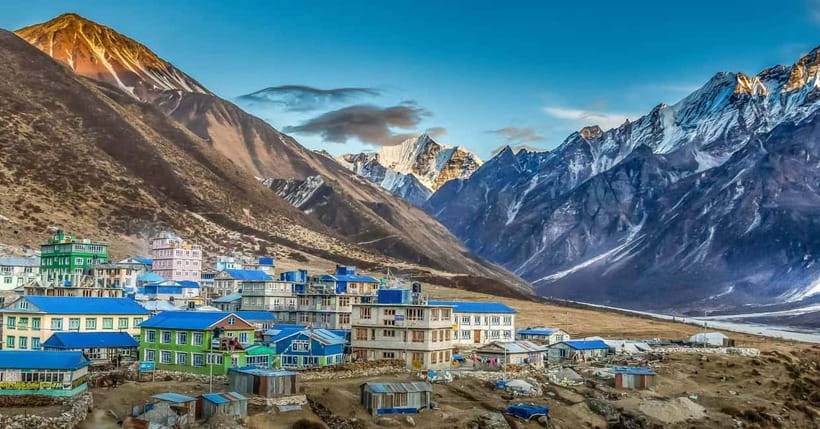
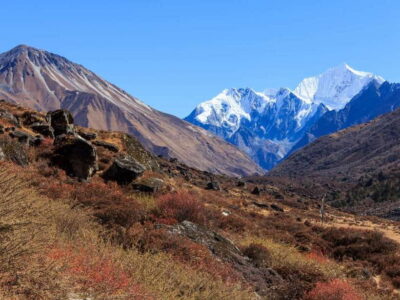
Kyanjin Gompa is more than a sleeping stop. It is a mountain village with monasteries, local culture, and access to some of the valley’s finest views. Langtang Lirung and Dorje Lakpa are among the peaks you may see from this area, although weather always has the final say in mountain country.
The traditional yak cheese factory adds a welcome human detail. It gives you a look at a local product tied to high-altitude life, and it breaks up the usual routine of walk, meal, sleep. You also have a chance to learn about Tamang and Tibetan traditions through the village and monastery visits.
This is where I would slow down mentally, even if the schedule is fixed. Look beyond the photo stop. Notice the design of the village, the role of the monastery, and how the valley’s food and work connect to its climate. A local English-speaking guide can add much more here than a guidebook paragraph.
The altitude is the main concern. Kyanjin Gompa is high, and the day includes a substantial climb from Ghoda Tabela. Stay hydrated, eat properly, and tell your guide if you feel unwell. The route is described as moderate, but high altitude can make a moderate trail feel much harder.
More six-day treks around Kathmandu
- Kathmandu: 6-Day Limitless Langtang Trek
★ 5.0 · 21 reviews - Kathmandu: 6 Days Langtang Valley Trek with Kyanjin Ri
★ 5.0 · 7 reviews - From Kathmandu: 6-Day Langtang Valley Guided Trek
★ 5.0 · 2 reviews - Singalila Ridge Trek from Darjeeling – 6 Days
★ 5.0 · 56 reviews
Kyanjin Ri, optional effort with a big payoff
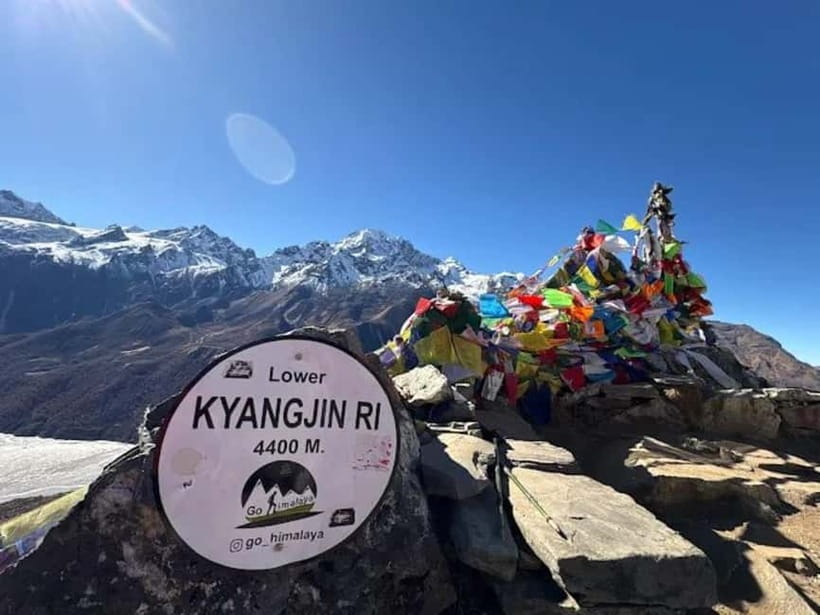
On day four, you can hike to Kyanjin Ri at 4,770 meters. This is the trip’s most demanding option and should not be treated as a compulsory add-on. You climb up, return to Kyanjin Gompa, then continue down to Thangsyap at 3,200 meters.
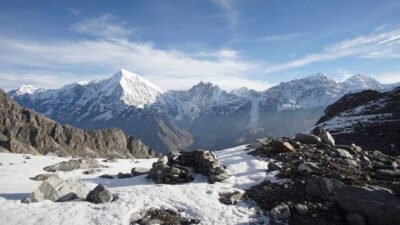
The reward is panoramic mountain scenery. Kyanjin Ri gives you a higher viewing point over the Langtang peaks, and clear weather can make this the most memorable outlook of the trek.
The drawback is simple: the elevation and uphill effort are serious. If you are tired, feeling the altitude, or prefer a gentler day, skipping Kyanjin Ri is sensible. You still experience the village and the surrounding peaks without forcing a difficult climb.
After returning from the high point, the route continues downhill to Thangsyap. That descent can be hard on knees and feet, especially after an early climb. Good footwear and trekking poles, if you use them, would be useful, though the supplied information does not specify equipment rental or availability.
Thangsyap at 3,200 meters brings you back toward lower country. The overnight stop also breaks up the return journey, so you are not asked to rush all the way to Syabrubesi in one day.
Thangsyap to Syabrubesi, a quieter final walking day
Day five follows the Langtang River back to Syabrubesi. The route retraces some of the valley, but that does not make it pointless. Downhill walking gives you a different view of the same forests, villages, and river corridors.
I often find return routes more enjoyable when the scenery has had time to settle in. You know the rhythm now. You can spend less energy wondering what comes next and more time noticing the forest, the water, and the changing height of the valley.
This is also your final full trekking day, so it is a good chance to appreciate the simple comforts of the route. Teahouses provide basic accommodation and local meals. Wi-Fi and charging facilities are limited, so a power bank is a practical item to carry.
Back in Syabrubesi, you are at 1,550 meters. That lower elevation should feel easier after the nights higher in the valley. The overnight stay gives you a useful buffer before the road trip back to Kathmandu.
The return to Kathmandu and what the price covers
Day six is another road day from Syabrubesi to Kathmandu. You get one last look at the mountain scenery, but the main value is that the transport is arranged as part of the package instead of left for you to organize after a demanding trek.
The advertised price is $179 per person, which is low for a six-day guided Himalayan trek. The value comes from the combination of local transport, permits, teahouse accommodation, an English-speaking licensed guide, first aid support, government taxes, and service charges.
Read the meal and porter details carefully. Full-board breakfast, lunch, and dinner during the trek are included if you select that option. A porter for every two trekkers is available if you add that service. Without those choices, you may need to carry more of your own luggage and pay for trekking meals separately.
The package does not cover international flights, Nepal visa fees, travel insurance, lunch and dinner in Kathmandu, or personal costs. Travel insurance is mandatory, so do not treat the low headline price as the total cost of your Nepal trip.
Guides, comfort, and the human side of the trek
The guide is central to the experience. The trip uses an English-speaking licensed guide, and the strongest praise connected to this trek focuses on personal attention and the guide’s effort to point out local sights. That matters in Langtang, where a village, monastery, or cheese factory can be easy to pass without context.
No guide name is provided, so you should confirm who will lead your departure if that matters to you. The available feedback includes two five-star bookings from Spain and the Czech Republic, with particular warmth for the guide and for the local details shown along the way.
Accommodation is in teahouses with basic amenities. You should expect function rather than comfort: a bed, meals, and a place to recover for the next day. Hot showers, Wi-Fi, charging, and other extras may cost more or may not be available at every stop.
That simplicity is part of the appeal, but it is not for everyone. If you need private rooms, dependable internet, or hotel-style bathrooms, this trek may feel rough around the edges. If you want a direct connection to mountain villages and can pack patiently, the basic setup fits the route.
Best seasons, fitness, and what to pack mentally
Spring, from March through May, and autumn, from September through November, are the recommended seasons. These months generally offer clearer skies and pleasant temperatures, which improves both mountain views and walking conditions.
The trek is rated moderate and suits people with good physical fitness. You do not need to be an expert mountaineer, but you should be ready for long walking days, repeated uphill and downhill sections, and a high point of 4,770 meters if you choose Kyanjin Ri.
Altitude deserves respect. The route rises gradually, which helps, but gradual does not mean risk-free. Drink water, tell the guide about symptoms, and be willing to skip Kyanjin Ri if your body says no.
Bring a power bank because charging can be limited. Also plan for personal expenses, hot showers, Wi-Fi, and bar bills if you want them. The best attitude is practical: enjoy the scenery, accept basic facilities, and keep your daily schedule flexible enough to respond to weather and altitude.
Should you book this Langtang trek?
Book it if you want a short, guided Himalayan trek with strong scenery, local culture, and a clear route to Kyanjin Gompa. It is especially suitable if you have six days, want permits and transport arranged, and do not mind teahouse basics.
Think twice if you want luxury, guaranteed internet, private transport, or a relaxed schedule with many spare days. Also check the booking option carefully so you know if full-board meals and porter service are included.
For the price, the trek offers a lot: a local guide, national park permit, TIMS card, accommodation, transport, and access to one of Nepal’s most rewarding mountain valleys. The best reason to choose it is not simply the peaks. It is the combination of forest paths, Tamang villages, monasteries, yak cheese, and a guide who helps you notice the valley as a home, not just a backdrop.
FAQ
How long is the Langtang Valley trek?
The experience lasts six days, including the road journeys between Kathmandu and Syabrubesi.
What is the highest point on the itinerary?
Kyanjin Ri is the highest optional point at 4,770 meters. Kyanjin Gompa, where you spend the night, is at 3,870 meters.
Is Kyanjin Ri required?
No. The Kyanjin Ri hike is optional. You return to Kyanjin Gompa afterward and continue to Thangsyap.
What level of fitness do I need?
The trek is rated moderate and is suitable for people with good physical fitness. You should be ready for several hours of walking, uphill sections, downhill sections, and altitude.
What kind of accommodation is provided?
You stay in teahouses offering basic amenities and local meals.
Are meals included?
Breakfast, lunch, and dinner during the trek are included if you select the full-board option. Lunch and dinner in Kathmandu are not included.
Is a porter included?
A porter for one person among every two trekkers is available if you add that service.
What permits are included?
The Langtang National Park Permit and TIMS card are included.
When is the best time to go?
The recommended seasons are spring, from March through May, and autumn, from September through November, when skies are generally clearer and temperatures are pleasant.
New treks around Kathmandu
- Kathmandu or Pokhara: 5-Day Annapurna Base Camp (ABC) Trek★ 4.5 · 2 reviews
- Pokhara: 2 Day Ghorepani & Poon Hill Private Trekking★ 4.9 · 8 reviews
- From Kathmandu: 6-Day Langtang Valley Guided Trek★ 5.0 · 2 reviews
- Pokhara: 5-Day Annapurna Base Camp (ABC) Trek★ 5.0 · 9 reviews
- Kathmandu: 6 Days Langtang Valley Trek with Kyanjin Ri★ 5.0 · 7 reviews
- Kathmandu: 9- Day Annapurna Circuit Trek★ 5.0 · 2 reviews
- Kathmandu: 6-Day Limitless Langtang Trek★ 5.0 · 21 reviews
- Sundarijal-Chisapani-Nagarkot Trek with Changunarayan★ 4.8 · 3 reviews
Langtang Valley Treks, side by side.
Trekking in Annapurna/Langtang/Everest/Upper Mustang regions
Read our review →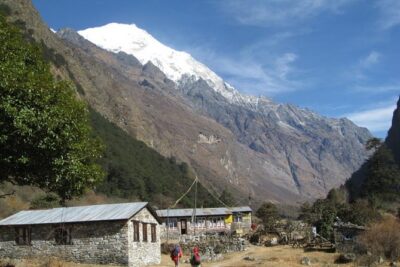
Kathmandu: 6 Days Langtang Valley Trek with Kyanjin Ri
Read our review →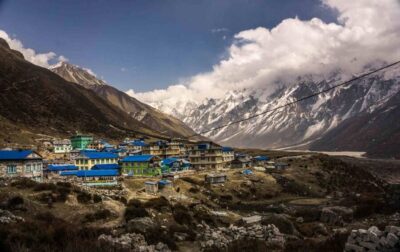
Lists this trek appears in