
Review · KATHMANDU
Langtang Valley Trek
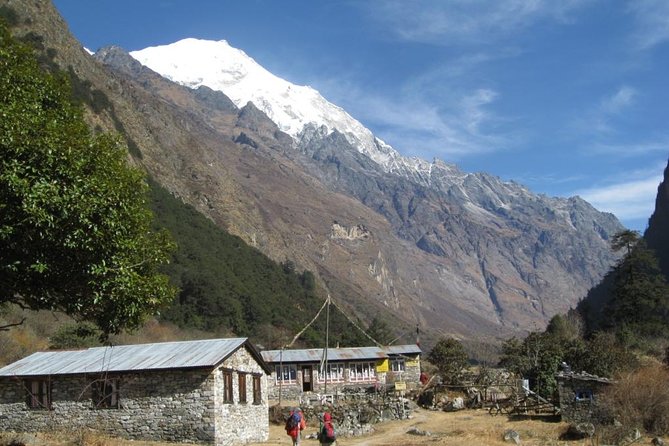
The best thing about the Langtang Valley Trek is how much Nepal it puts within a week. You get snow peaks, river crossings, forest walks, mountain villages, and a close look at Tamang culture without committing to a long expedition. I like the clear seven-day shape and the fact that permits, meals, lodging, and a licensed guide are already arranged. The main caution is that moderate does not mean easy: long walking days, steep sections, and carrying your own gear can make this a serious hike.
I also like the quieter feel of this route compared with Nepal’s most famous trekking corridors, and the chance to reach Kyanjin Gompa as the trip’s high point. Guides such as Buddhi, Laku, Pawan, and Nabin have been singled out for kindness, humor, route planning, and explanations of local traditions. Still, shared jeep transport can be tiring, and a private jeep costs extra.
Key points to know before you book
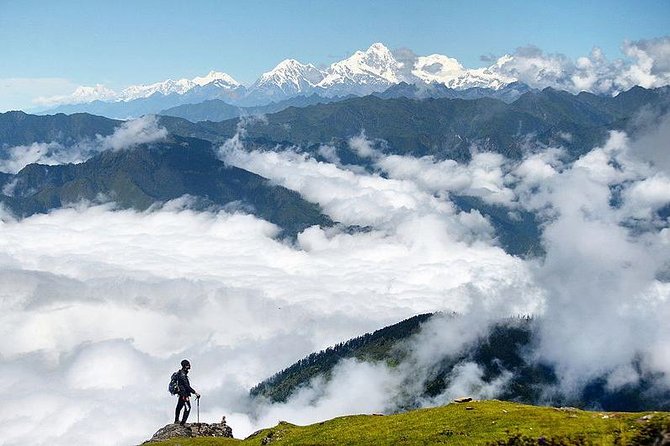
- Seven days gives you a compact Himalayan route: You travel from Kathmandu to Syabrubesi, walk up the valley to Kyanjin Gompa, then return by the same general route.
- The package covers the costly basics: A licensed mountain guide, Langtang National Park permit, TIMS Card, six nights of private accommodation, meals, hot drinks, fruit, medical kit, and shared jeep transport are included.
- You should expect demanding walking days: The route is described as moderate, but the schedule lists long days and includes uphill climbs, forest trails, river crossings, and downhill stretches.
- Kyanjin Gompa is the main reward: The final destination gives you a memorable mountain setting and time to enjoy the upper Langtang Valley before turning back.
- Guide quality matters here: Buddhi, Laku, Pawan, and Nabin are among the guides associated with especially warm, capable service on this route.
- The price is strongest for an all-in package: At $555 per person, the value depends on using the included meals, lodging, permits, guide, and shared transport. Porter service and a private jeep are extra.
Why Langtang works well for a first Nepal trek
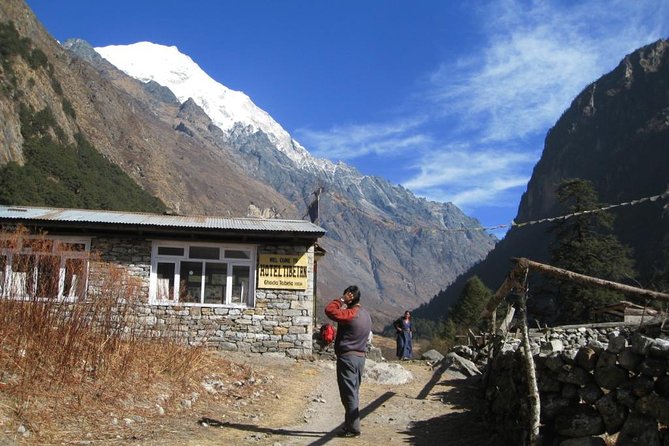
Langtang Valley is a sensible introduction to trekking in Nepal because the route is shorter and reaches lower altitudes than some of the country’s better-known mountain journeys. You still get a proper Himalayan walk, not a paved sightseeing trip: the trail follows the Langtang River, climbs through forest, passes farming areas and mountain villages, and ends in a high valley surrounded by peaks.
The route also gives you a useful mix of scenery. Near Syabrubesi, you walk through warmer areas with farms and thick forest. Farther up, the air turns cooler and the valley opens toward snow-capped mountains. That change happens gradually, which makes the trek easier to understand physically and visually.
I would not call it a soft option. The schedule includes walking days of roughly 12 to 15 hours, although those figures may reflect the full day rather than nonstop walking. Even so, you should arrive with a moderate level of fitness. One experienced hiker described the trek as among the hardest hikes they had done, largely because of nearly a week of carrying gear, climbing, crossing streams, and walking downhill.
That is the honest picture: beginner-friendly in comparison with harder Nepal treks, but not beginner-easy.
More Langtang treks around Kathmandu:
- Langtang Valley Trek
★ 5.0 · 61 reviews - Langtang Valley Trek
★ 5.0 · 50 reviews - Kathmandu: 6-Day Limitless Langtang Trek
★ 5.0 · 21 reviews
Day 1: The long road from Kathmandu to Syabrubesi
Your trip begins with an early departure, listed for 6:45 a.m., and an overland drive toward the Langtang region. The journey to Syabrubesi takes about eight hours according to the itinerary, though the full day is listed at about 12 hours.
This is not dead time. The road carries you toward the northern Himalayas, with views of snow-capped peaks along the way. It also gives you a sense of how quickly Kathmandu’s city life gives way to rural Nepal. The destination, Syabrubesi, is the practical starting point for the trek and your first overnight stop.
The main drawback is the transport. Both-way travel uses a local sharing jeep, so you should expect a less private and possibly less comfortable ride than you would get with a dedicated vehicle. If you want more control over departure time and space, a private jeep is available for an additional $190 per booking.
Day 2: Into Langtang National Park
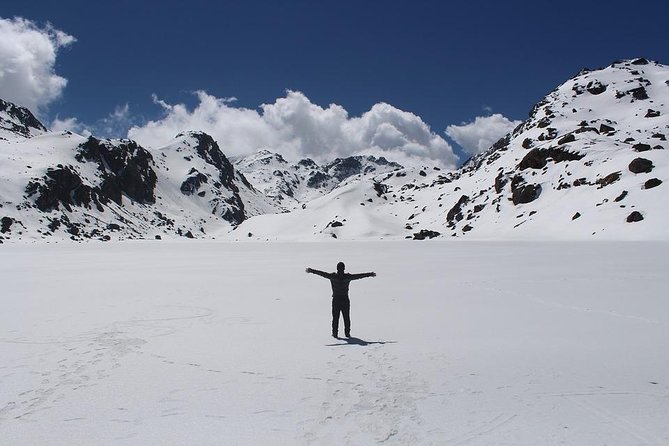
The walking starts from Syabrubesi. You cross a bridge over the Langtang River, then climb through farming areas and into dense green forest. This first trekking day is valuable because it introduces the basic rhythm of the route: river beside you, uphill sections ahead, and a gradual shift from settled valley to mountain trail.
Langtang National Park is the setting for much of the walk. Admission is included through the park permit, and the package also covers the TIMS Card, the trekking registration document used for the route.
The forest is more than a pretty backdrop. It provides shade during the early part of the trek and gives you a strong sense of changing altitude as the route climbs. You will likely find this day more tiring than expected if you are not used to sustained uphill walking. Pace matters. A good guide should help you walk steadily rather than burning energy in the first few hours.
Day 3: Following the river toward Langtang village
From Lama Hotel, the trail follows the river upstream through dense forest and a gorge. This is one of the more atmospheric sections of the route, with the valley narrowing and the terrain feeling more enclosed.
As you pass Ghodetabla, the surroundings become cooler. The trail eventually reaches Langtang village, where you spend the night. The change from forested lower valley to a cooler mountain settlement makes this day feel like a real step into the Himalayas.
This is also a day when the schedule can test you. The listed duration is about 15 hours, the longest of the trip. The exact walking time is not spelled out, so treat the figure as a full-day estimate rather than a guaranteed number of hours on foot. Still, you should be ready for a long day with sustained climbing.
A guide adds real value here. The most praised guides connected with this experience are Buddhi, Laku, Pawan, and Nabin. Buddhi is described as friendly and attentive, with a strong grasp of local history and traditions. Laku is noted for kindness, humor, flexibility, and careful support. You should confirm your guide’s name before departure, since assignments can vary.
More treks around Kathmandu:
- Everest Base Camp Trek – 14 Days
★ 5.0 · 1,499 reviews - Everest Base Camp Trek
★ 5.0 · 842 reviews - Everest Base Camp Trekking
★ 5.0 · 485 reviews - Annapurna Circuit Trek with Tilicho Lake
★ 5.0 · 368 reviews
Day 4: Reaching Kyanjin Gompa
Day four is the short walk to Kyanjin Gompa, the main destination of the trek. You leave the forested area with a short steep climb to a ridge, then continue toward the upper Langtang Valley.
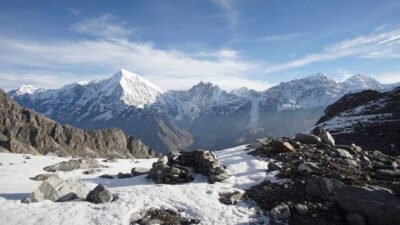
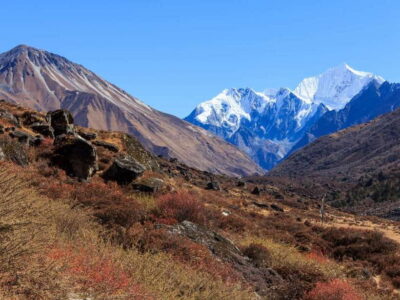
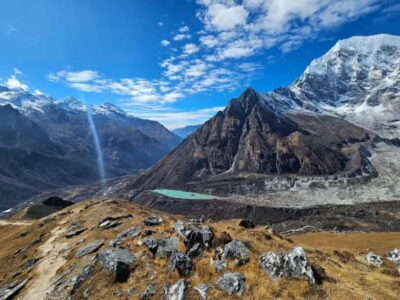
This is the point where the trip’s scenery opens up. The route is no longer mainly about river corridors and forest. You are moving into a higher mountain setting, with broad views and peaks around the valley. The combination of a final destination, dramatic surroundings, and a shorter walking day makes this a satisfying midpoint.
Kyanjin Gompa is not just a place to pass through. It is your base for appreciating the upper valley before the return journey begins. The itinerary gives you time around Kyanjin on this day and then sends you downhill the following day. That is a practical design. You reach the main goal without trying to force the entire route into one exhausting push.
The higher setting can still feel demanding. Take the day at a calm pace, drink regularly, and let your guide set the rhythm. The tour includes three cups of hot beverage each day and seasonal fruit, useful small comforts on a route where simple food and warm drinks matter.
Day 5: Downhill from Kyanjin to Lama Hotel
After time around Kyanjin Gompa, you retrace the route downhill to Lama Hotel. The scenery changes when you walk in the opposite direction. You notice the valley’s shape differently, and familiar sections of trail can feel new when the direction and light change.
Downhill walking is often underestimated. It may seem easier than climbing, but it can be hard on knees and ankles, especially after several days on foot. Trekking poles are not listed as included equipment, so bring your own if you use them.
The package provides six nights of private accommodation during the trek, though the supplied details do not describe room standards or bathroom arrangements. In practical terms, you should think of this as simple mountain lodging rather than city-hotel comfort. The included meals help keep costs predictable, with breakfast, lunch, and dinner provided each day.
Day 6: Returning to Syabrubesi
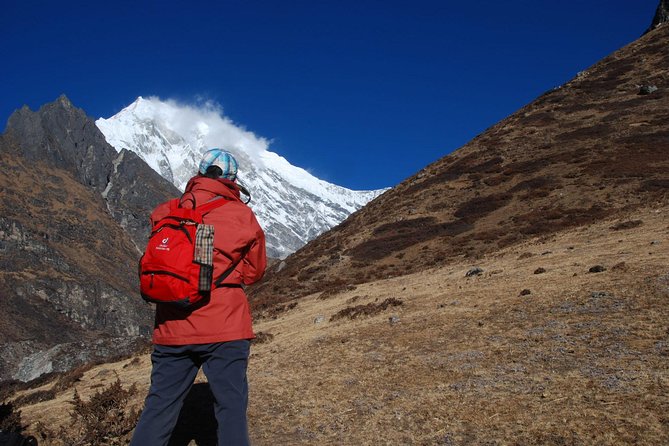
From Lama Hotel, you continue downhill through the forest, cross a bridge, and reach Syabrubesi for the final overnight stay near Langtang Himal. This day closes the walking portion of the experience.
It is a useful extra night rather than an unnecessary delay. Finishing the trek in Syabrubesi means you do not have to combine a long downhill walk with the full drive back to Kathmandu. You can rest before the road journey.
The itinerary again lists a long day, around 12 hours. That may include the walking and general schedule, but you should still expect a full day of movement. By now, the benefit of having a guide becomes especially clear. You are tired, your feet may be sore, and small decisions about pace and breaks become important.
Day 7: The road back to Kathmandu
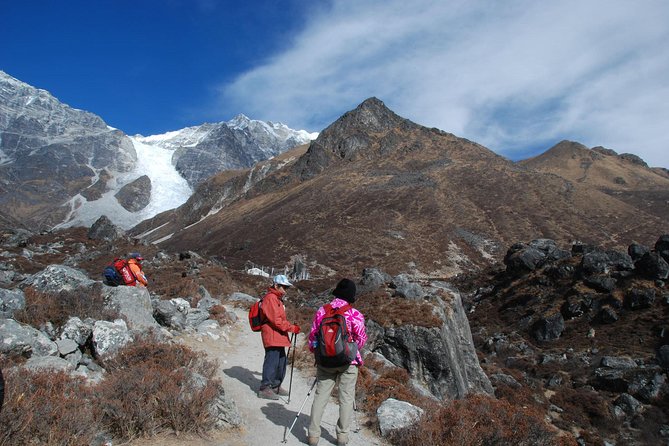
The final morning is spent driving from Syabrubesi to Kathmandu. The overland journey is listed at about 13 hours for the full day, so do not plan an important evening commitment in Kathmandu unless you have plenty of flexibility.
The road trip gives you one last look at the valleys and mountain approaches you crossed at the start. It also marks a sharp return to city life. After several days of walking, meals, and simple lodgings, Kathmandu can feel noisy and crowded.
Pickup is offered for the experience, and the tour uses a mobile ticket. Your hotel in Kathmandu is not included, so you need to arrange city accommodation before and after the trek. Airport services are not listed as part of this seven-day package, even though some past arrangements connected with the company included arrival help. Confirm exactly what pickup means for your booking.
What the $555 price really covers
At $555 per person, the package is fairly easy to assess because the main costs are spelled out. You receive:
- A government-licensed mountain guide for seven days
- Langtang National Park permit and TIMS Card
- Shared local jeep transport in both directions
- Six nights of private trekking accommodation
- Breakfast, lunch, and dinner for seven days
- Three hot drinks per day
- Seasonal fruit
- A medical kit bag
That is a solid bundle. Permits, meals, transport, lodging, and guide fees can quickly become a headache if arranged separately. Here, the price gives you one point of contact and a fairly clear budget.
There are extra costs. Travel insurance is not included, and you must arrange your Kathmandu hotel. Porter service is not included either. If you want one, ask about the separate porter cost. A private jeep costs $190 per booking, not per person, according to the supplied details.
Tips for the trekking crew are also not included. Carry enough local currency for this and for personal purchases, though the exact amount of tipping is not specified.
Food, lodging, and daily comfort
Seven breakfasts, seven lunches, and seven dinners are included, which is one of the strongest practical features of the package. You do not need to negotiate every meal or wonder how much food will add to the daily budget.
The exact menu is not provided, so do not book this expecting a particular cuisine or restaurant standard. Mountain meals are generally about warmth, energy, and convenience. The three daily hot beverages and seasonal fruit are modest inclusions, but they matter during cool mornings and long walking days.
Accommodation is described as six nights of private lodging. The word private is useful, but the details do not specify whether it means a private room, a private property booking, or another arrangement. Ask the operator what room and bathroom setup applies to your group.
The medical kit bag is included, but it does not replace insurance. You should still carry personal medication and obtain travel insurance that covers trekking.
The guide can make or break the experience
This route is straightforward on paper, but a good guide does much more than point toward the next village. You need someone who can set a sensible pace, explain the route, help with practical decisions, and make the cultural side of the trip more than scenery passing by.
Several guides connected with this experience have received particularly warm praise. Buddhi is associated with a friendly manner, a constant smile, and explanations of local history and traditions. Laku is described as kind, adaptable, professional, and humorous. Nabin is paired with a porter named Tenjin in one account, with both praised for careful planning and efficient support. Pawan is also associated with strong organization from start to finish.
These names are useful when you contact the company, but they do not guarantee that one of them will lead your group. Ask who is assigned, whether a porter is included, and how the guide handles a slower pace or a change in plans.
The activity is private, meaning only your group participates. That is a real advantage if you want the walking speed and rest stops adjusted to your needs.
Who should book this trek?
I would recommend it to you if you want a short, organized Himalayan trek with a clear route and substantial support. It suits people who have moderate fitness, enjoy long days outdoors, and want mountain scenery without signing up for a much longer expedition.
It is also a good match if you value local guiding. The route’s Tamang culture, villages, forest paths, and mountain history are easier to appreciate when your guide takes time to explain what you are seeing.
I would hesitate to recommend it if you dislike shared transport, long road journeys, basic mountain accommodation, or repeated uphill and downhill walking. It is not a sightseeing tour with a few short strolls. You need to be ready for effort and accept that the schedule can be tiring.
Should you book the Langtang Valley Trek?
Book it if you want a compact, well-supported introduction to Nepal trekking and like the security of having permits, meals, lodging, guide service, and transport bundled together. The route gives you a satisfying progression from Kathmandu to Syabrubesi, through forest and villages, and up to Kyanjin Gompa.
Think twice if you want a private vehicle, a porter, or hotel-style comfort, since those either cost extra or are not described in detail. Before paying, confirm your guide’s name, accommodation setup, porter arrangements, and the meaning of the long daily duration estimates.
For the right person, $555 offers good practical value. You get a real mountain trek, not a watered-down excursion, in a manageable seven-day format.
FAQ
How long is the Langtang Valley Trek?
The experience lasts approximately seven days, including travel from Kathmandu to Syabrubesi, the trek to Kyanjin Gompa and back, and the return drive to Kathmandu.
What time does the trek start?
The listed start time is 6:45 a.m. on the first day.
Is transportation included?
Yes. Both-way transportation by local sharing jeep is included. A private jeep is available as an option for $190 per booking.
Are meals included?
Yes. Breakfast, lunch, and dinner are included for seven days. The package also includes three cups of hot beverage per day and seasonal fruit.
Are trekking permits included?
Yes. The Langtang National Park permit and TIMS Card are included.
Is the trek private?
Yes. This is a private activity, so only your group participates.
Can I cancel for a full refund?
You can cancel for a full refund if you cancel at least 24 hours before the experience start time. Cancellations or changes made less than 24 hours before the start time are not accepted for a refund.
New treks around Kathmandu
- Kathmandu or Pokhara: 5-Day Annapurna Base Camp (ABC) Trek★ 4.5 · 2 reviews
- Pokhara: 2 Day Ghorepani & Poon Hill Private Trekking★ 4.9 · 8 reviews
- From Kathmandu: 6-Day Langtang Valley Guided Trek★ 5.0 · 2 reviews
- Pokhara: 5-Day Annapurna Base Camp (ABC) Trek★ 5.0 · 9 reviews
- Kathmandu: Langtang Valley 6-Day all inclusive Guided Trek★ 5.0 · 2 reviews
- Kathmandu: 6 Days Langtang Valley Trek with Kyanjin Ri★ 5.0 · 7 reviews
- Kathmandu: 9- Day Annapurna Circuit Trek★ 5.0 · 2 reviews
- Kathmandu: 6-Day Limitless Langtang Trek★ 5.0 · 21 reviews
Langtang Valley Treks, side by side.
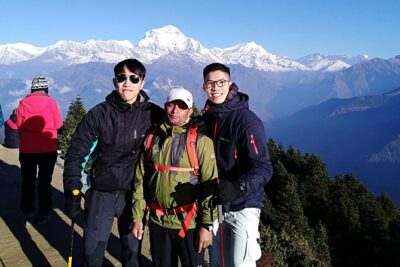
Trekking in Annapurna/Langtang/Everest/Upper Mustang regions
Read our review →
Kathmandu: 6 Days Langtang Valley Trek with Kyanjin Ri
Read our review →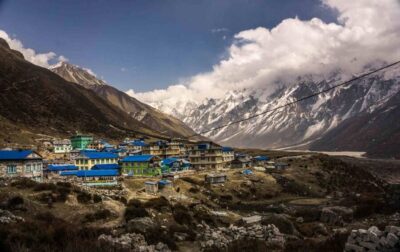
Kathmandu: Langtang Valley 6-Day all inclusive Guided Trek
Read our review →Lists this trek appears in