
Review · KATHMANDU
Langtang Valley Trek
Langtang gives you a proper Himalayan trek without sending you deep into Nepal for weeks. The trailhead is reached by local bus from Kathmandu, and the route brings you through high valleys, yak country, Tamang communities, and fine views of the Langtang range. Six to seven hours of walking each day makes this a real trek, not a scenic stroll.
I like the small-group limit of 15 and the practical support: a licensed English-speaking guide, porters, teahouse lodging, meals, and park fees are covered. I also like that sleeping bags and down jackets can be borrowed, which saves money and luggage space. The catch is simple: teahouses are basic, transport is by local bus, and you need moderate fitness for several long walking days.
Key points to know before you book
- A short route from Kathmandu: You reach Syabrubesi by local bus, making Langtang useful when you have limited time.
- Seven nights in mountain teahouses: Expect simple rooms and basic facilities rather than hotel comfort.
- Six to seven hours on foot daily: You need steady fitness and clothes suited to hiking.
- Tamang culture and Himalayan scenery: The route brings together mountain life, high valleys, yak grazing areas, and local traditions.
- Porter support at a practical ratio: One porter is provided for every two trekkers.
- Borrowed cold-weather gear: A sleeping bag, down jacket, and duffel bag are available on request and must be returned.
Why Langtang works well for a shorter Nepal trip
Many Himalayan treks demand a large block of time, extra internal transport, and careful altitude planning. Langtang keeps things simpler. The trailhead is a relatively short drive from Kathmandu, and the full experience is planned for about eight days.
That shorter format does not mean the trek is effortless. You will walk around six to seven hours on hiking days, often on mountain paths with changes in height and uneven footing. Still, the route does not go as high as some of Nepal’s best-known trekking circuits, which makes it a sensible choice if you want mountain scenery without committing to a much longer expedition.
I would consider this trek a good fit for an active person who has limited holiday time and wants local support from start to finish. You do not need to arrange separate porters, permits, park fees, or mountain lodging. Those practical pieces are handled as part of the package.
The tradeoff is that the experience is not polished or luxurious. The accommodation is in basic teahouses, and the ride from Kathmandu to Syabrubesi uses a local bus. If you want private transport and comfortable lodges, this will feel rugged. If you want a more direct connection to ordinary mountain travel, those same features are part of the appeal.
More Langtang treks around Kathmandu:
- Langtang Valley Trek
★ 5.0 · 140 reviews - Langtang Valley Trek
★ 5.0 · 61 reviews - Kathmandu: 6-Day Limitless Langtang Trek
★ 5.0 · 21 reviews
From Kathmandu to Syabrubesi by local bus
The trip begins with transport between Kathmandu and Syabrubesi. The package includes the local bus in both directions, so you are not left to arrange the trailhead connection yourself.
This is useful for two reasons. First, it keeps the price down. Second, it removes one of the bigger planning chores in a Nepal trek. You know that the road journey and return transport are part of the basic plan rather than an extra cost.
A local bus is also a clear signal about the style of this trip. You should expect a practical public transport experience, not a private vehicle with flexible stops and extra room. Road travel in the mountains can take patience, and the bus may feel less comfortable than the rest of your trip. Still, for a trek priced at $700 per person, including the return journey, it helps keep the overall cost reasonable.
Once you reach Syabrubesi, the walking portion begins. The supplied schedule names Incredible Treks as the operating stop but does not provide a detailed day-by-day list of villages. That means you should confirm the exact overnight places and daily walking distances before departure if you prefer to plan each day closely.
A week of teahouse life in the Langtang Valley
Seven nights of accommodation are included during the trek. You will stay in mountain teahouses, which are basic lodges designed around the needs of people walking the route.
Think of these stays as a warm place to sleep, eat, dry out, and prepare for the next day. Do not book this expecting resort-style rooms, extensive facilities, or the same level of comfort you have in Kathmandu. The accommodation is part of the mountain setting, and simplicity comes with the territory.
Meals during the trekking period are included according to the itinerary. Breakfast, lunch, and dinner are covered, which makes budgeting easier and means you do not need to negotiate every meal along the way. Lunch and dinner in Kathmandu are not included, and accommodation in Kathmandu is also excluded, so you need to add those costs before working out your total budget.
Personal purchases are separate. You pay for alcoholic drinks, bottled drinks, bottled water, laundry, telephone use, and other personal items. Tips for the field staff are also not included. Carrying some spending money is sensible, since small extras can add up across a week.
Six to seven hours of walking each day
The main physical fact is the daily schedule. You will hike for roughly six to seven hours a day while moving through high mountain country and learning about local life.
That is manageable for many active people, but it is not a casual walking holiday. You should be comfortable being outside for most of the day and wearing hiking clothes for repeated long walks. The booking information calls for moderate physical fitness, and that is the right way to read it.
The route is described as relatively easy compared with higher Nepal treks, but easier does not mean flat or effortless. You still need to handle a full week of walking, basic accommodation, and changing mountain conditions. A little preparation before arrival will help: regular walking, some uphill practice, and footwear you already trust.
You also need to pace yourself. A local guide can help you move at a sensible speed, but no guide can replace basic conditioning. If you usually spend holidays in cities and rarely walk for several hours, this trek may feel harder than the altitude description suggests.
More treks around Kathmandu:
- Everest Base Camp Trek – 14 Days
★ 5.0 · 1,499 reviews - Everest Base Camp Trek
★ 5.0 · 842 reviews - Everest Base Camp Trekking
★ 5.0 · 485 reviews - Annapurna Circuit Trek with Tilicho Lake
★ 5.0 · 368 reviews
Tamang culture, yak meadows, and mountain views
Langtang is not only about reaching a viewpoint. The route also gives you contact with Tamang culture and daily life in the high country. You will see mountain settlements, learn about local customs, and pass areas where yaks graze in Himalayan meadows.
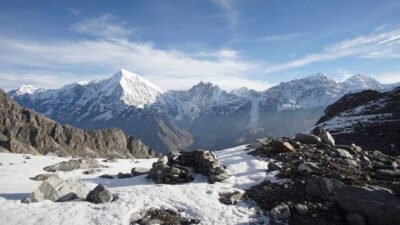
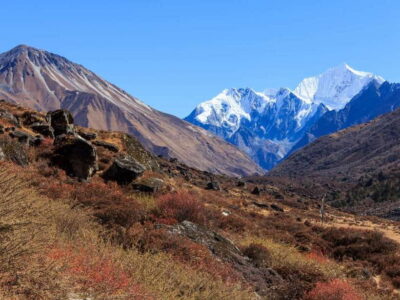
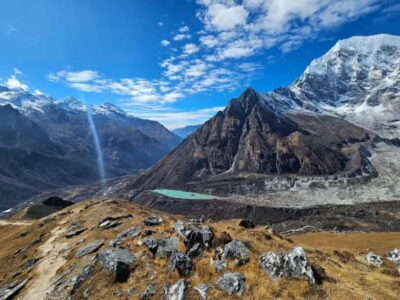
That cultural side is one reason I would choose Langtang over a trek based only on a famous destination. The scenery is a major reward, with broad valleys and snow-covered peaks in the Langtang range, but the route also shows how people live in a demanding environment.
The setting changes as you move farther into the valley. You can expect forested sections, open mountain views, high pastures, and trails shaped by local use. The exact sights depend on the final route and conditions, so ask for a current daily plan before booking if a particular village or viewpoint matters to you.
The trek also gives you time to notice smaller details. Watch how porters and local families use the trail, pay attention to building styles, and ask your guide about the Tamang communities you pass. A good guide turns a walk through a beautiful valley into a clearer understanding of the place.
What your guide and porters add
The package includes a licensed English-speaking trekking guide and porter support at a ratio of one porter for every two trekkers. That is a strong practical feature for an eight-day trek.
Carrying less makes a real difference after several hours on foot. The porter arrangement lets you focus on the trail while keeping the load more manageable. You remain responsible for your daypack and personal essentials, but you do not have to carry all your clothing and equipment yourself.
Your guide is there for more than route finding. The guide coordinates the group, helps with the daily rhythm, explains local culture, and offers support when the trail or the walking schedule becomes tiring. Service feedback connected with the operator includes guide names such as Ram Krishna and Lochan Gurung, but the name of your assigned guide is not guaranteed in advance. Confirm that detail if it matters to you.
The strongest practical praise associated with the operator centers on care and safety. One account describes a guide and porter taking particular care of a younger family member, while another notes feeling warm and safe with the field team. Those details matter on a trek where you spend many hours together and rely on staff for small decisions every day.
Tips are not included, so plan to tip the guide and porters separately if their service meets your expectations. Also remember that porter support does not cover every personal item. Keep important documents, medication, electronics, water, and anything you need during the day in your own pack.
Sleeping bags, down jackets, and what to pack
A sleeping bag, down jacket, and duffel bag can be provided on request. You must return these items after the trek.
This is useful if you do not want to buy specialist equipment for one trip. It also cuts down on the amount of gear you need to transport from home. Make the request before departure rather than assuming the items will be waiting without notice.
The package does not include all personal trekking equipment. You still need clothes suitable for hiking and your own personal items. Because teahouse accommodation is basic and conditions can change, pack for warmth, rain, and repeated use of the same clothes. The available down jacket and sleeping bag help, but they do not replace sensible clothing choices.
There is no promise that every piece of equipment you might want is supplied. Ask the operator what size range and condition to expect, especially if fit matters to you.
Is $700 good value for eight days?
At $700 per person, the price is attractive for what is included. The package covers seven nights of teahouse accommodation, meals during the trek, the bus between Kathmandu and Syabrubesi, national park fees, TIMS fees, a licensed guide, porter support, and listed taxes and handling charges.
The porter ratio is particularly helpful. Hiring separate support and arranging permits on your own would add time and cost. The inclusion of borrowed cold-weather gear improves the value further, especially if you are new to Himalayan trekking.
Still, $700 is not your full Nepal budget. You need to pay for Kathmandu accommodation, lunch and dinner in Kathmandu, personal drinks, bottled water, laundry, phone use, alcoholic drinks, equipment not supplied, tips, and travel insurance. Emergency evacuation is not included, and rescue or medical costs can be substantial without proper insurance.
Personal insurance should cover medical treatment, accidents, and rescue, including helicopter evacuation if needed. This is not a minor extra for a remote mountain trek. The operator specifically excludes those expenses, so arrange cover before you go.
Who will enjoy this trek most?
I would recommend Langtang to an active person who wants a genuine mountain trek but has only about a week available for walking. It suits people who value scenery, local culture, and practical support more than private transport or upscale lodging.
It is also a good choice if you want a small-group setting without paying for a fully private departure. The maximum group size is 15, and the minimum booking is two people. Children must be accompanied by an adult.
You may prefer another trip if you want a relaxed schedule, short walks, or a high level of comfort. Six to seven hours of hiking each day is the central commitment, and basic teahouses are part of the deal. The moderate fitness requirement should be taken seriously.
The route is also a reasonable first Himalayan trek for someone who wants guidance. You have a local guide, porters, organized meals, permits, and transport. You still need to be self-reliant with clothing, personal spending, and insurance, but the main logistics are covered.
Booking details worth checking
Confirmation is provided when you book. Pickup is offered, and the tour has a mobile ticket, which makes the starting arrangements easier.
Free cancellation is available if you cancel at least 24 hours before the local start time. Cancellations made inside that window are not refundable, and late changes are not accepted.
Before paying, confirm the exact pickup point, the named guide, the daily walking plan, the current bus arrangements, and which borrowed equipment you want. The information provided gives you the main framework, but not a detailed list of every overnight stop. Getting those details early will help you judge the pace and prepare properly.
Should you book the Langtang Valley Trek?
Book it if you want an eight-day Himalayan trek with strong logistical value, local staff, Tamang culture, broad mountain scenery, and porter support. The inclusion of meals, permits, teahouses, transport, and optional cold-weather gear makes $700 a fair starting price.
Skip it if you need comfortable lodging, private transfers, a short daily walking schedule, or a fully itemized route before you commit. This is a straightforward mountain trip with basic facilities and long days.
For the right person, Langtang offers a lot: a relatively accessible trailhead, a small group, real mountain life, and enough time in the valley to feel that you have gone somewhere far from Kathmandu.
FAQ
How long is the Langtang Valley Trek?
The trek lasts approximately eight days and includes seven nights of teahouse accommodation during the walking portion.
How many hours do I hike each day?
You should expect to hike around six to seven hours per day.
Is transportation from Kathmandu included?
Yes. The package includes local bus transportation from Kathmandu to Syabrubesi and back to Kathmandu.
What type of accommodation is provided?
You stay in basic teahouses during the trek. Accommodation in Kathmandu is not included.
Are meals included?
Breakfast, lunch, and dinner are included during the trekking period according to the itinerary. Lunch and dinner in Kathmandu are not included.
Are a guide and porters provided?
Yes. A licensed English-speaking trekking guide and porters are included. The stated porter ratio is one porter for every two trekkers.
Can I borrow trekking equipment?
A sleeping bag, down jacket, and duffel bag can be provided on request. These items must be returned after the trek. Personal trekking equipment is not otherwise included.
What happens if I need to cancel?
You can receive a full refund if you cancel at least 24 hours before the experience start time. Cancellations or changes made less than 24 hours before the start time are not accepted for a refund.
New treks around Kathmandu
- Kathmandu or Pokhara: 5-Day Annapurna Base Camp (ABC) Trek★ 4.5 · 2 reviews
- Pokhara: 2 Day Ghorepani & Poon Hill Private Trekking★ 4.9 · 8 reviews
- From Kathmandu: 6-Day Langtang Valley Guided Trek★ 5.0 · 2 reviews
- Pokhara: 5-Day Annapurna Base Camp (ABC) Trek★ 5.0 · 9 reviews
- Kathmandu: Langtang Valley 6-Day all inclusive Guided Trek★ 5.0 · 2 reviews
- Kathmandu: 6 Days Langtang Valley Trek with Kyanjin Ri★ 5.0 · 7 reviews
- Kathmandu: 9- Day Annapurna Circuit Trek★ 5.0 · 2 reviews
- Kathmandu: 6-Day Limitless Langtang Trek★ 5.0 · 21 reviews
Langtang Valley Treks, side by side.
Trekking in Annapurna/Langtang/Everest/Upper Mustang regions
Read our review →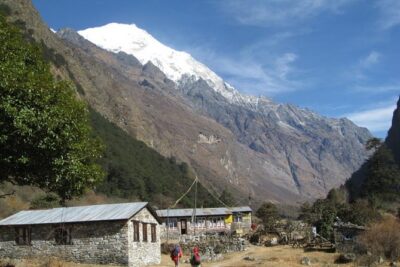
Kathmandu: 6 Days Langtang Valley Trek with Kyanjin Ri
Read our review →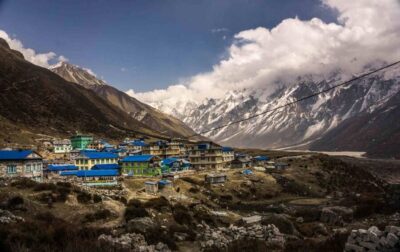
Kathmandu: Langtang Valley 6-Day all inclusive Guided Trek
Read our review →Lists this trek appears in