
Review · POKHARA
Pokhara: 9-Day Annapurna Base Camp Trek with Poon Hill
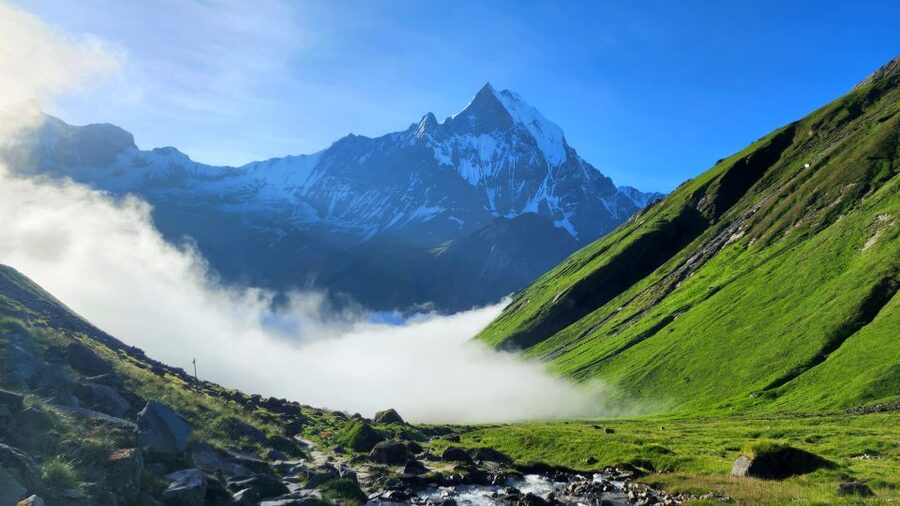
Poon Hill gives you the morning you came to Nepal for: snowy peaks catching the first orange light while you look across forests, ridges, and deep river valleys. From there, the trail continues to Annapurna Base Camp at 4,130 meters, with Annapurna South, Hiunchuli, and Machhapuchhre close at hand.
I like the smart route design, which pairs Poon Hill’s sunrise with the higher base camp trek, and I like the human side of it: tea houses, village life, and guides such as Lalit and Pratiksha who have been praised for keeping the days safe, calm, and fun. The main catch is the physical demand. The 3,000-plus stone steps above Ulleri are only the beginning, and altitude, weather, and long descents can test you.
Key points at a glance
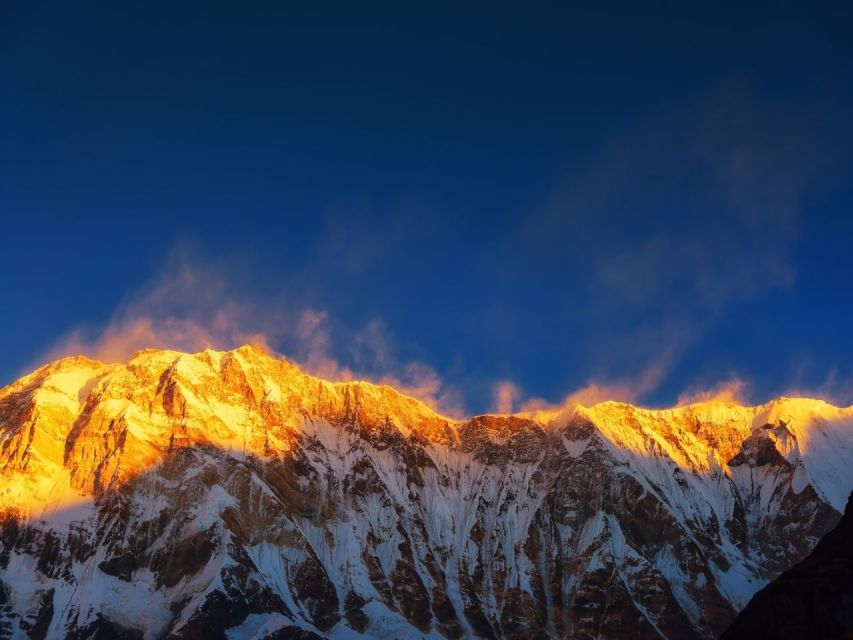
- Poon Hill sunrise at 3,210 meters: An early climb brings broad views of the Annapurna range and fiery morning light on the snow.
- A private nine-day route: You trek with your own group rather than joining a large shared party.
- Annapurna Base Camp at 4,130 meters: The high point places you among snow-covered peaks and glaciers.
- Tea-house nights and village contact: Sleep in simple lodges and pass through communities including Tikhedhunga, Ghorepani, Tadapani, Sinuwa, and Bamboo.
- Jhinu Dada hot spring: A welcome soak follows the long descent from base camp.
- Useful organization for $487: Permits, taxes, accommodation, trek transport, and staff costs are included, but meals depend on the package selected and many personal costs remain yours.
Why the Poon Hill and base camp combination works
Many Nepal treks ask you to choose between a scenic lower route and a high mountain goal. This itinerary gives you both. Poon Hill delivers an accessible sunrise viewpoint early in the trek, while Annapurna Base Camp supplies the bigger commitment and the feeling of reaching a true Himalayan destination.
That combination also varies the scenery. You begin beside the Modi Khola River and in wooded lower valleys, climb through rhododendron country, pass villages and stone steps, then enter a more severe mountain setting near Deurali and base camp. The route is not just a march toward one viewpoint.
You should also understand the scale. This is not a gentle sightseeing walk. Most trekking days last five or six hours, with one early morning for Poon Hill and a long descent after base camp. You need comfortable shoes, weather-ready clothing, sunscreen, and sunglasses. Trekking poles can help, but they are not included.
More Annapurna treks around Pokhara:
- Trekking in Annapurna/Langtang/Everest/Upper Mustang regions
★ 5.0 · 161 reviews - Kathmandu/Pokhara: 5-Day Annapurna Base Camp (ABC) Trek
★ 4.9 · 72 reviews - Pokhara: 5 Day Annapurna Base Camp Trek & Natural Hot Spring
★ 4.9 · 44 reviews
Day 1: Pokhara to Nayapul and Tikhedhunga
The trip begins with a roughly two-hour cab ride from Pokhara to Nayapul. Pickup is included, and you are asked to wait in your hotel lobby about 10 minutes before departure while the driver looks for your surname on a sign.
From Nayapul, you walk for about three hours toward Tikhedhunga. The first day introduces the basic rhythm of the trek: river views, village paths, forest, and a tea-house night. The Modi Khola gives the route a pleasant natural focus, while the lower elevation makes this a useful warm-up.
Tikhedhunga sits at about 1,570 meters. A cozy lodge sounds appealing after the transport and first hike, but do not mistake the short opening day for a soft overall schedule. The next morning brings the route’s most talked-about stair climb.
Day 2: The 3,000 steps to Ghorepani
The climb from Tikhedhunga toward Ulleri is the first serious test. More than 3,000 stone steps take you upward through rhododendron forests, with blooms adding color in the right season.
This is the sort of day where a steady pace matters more than speed. Carrying your own bag is possible, as one couple completed the trek that way, but you should pack carefully and keep the load light. Water, snacks, and trekking poles become practical comforts here, not fancy extras.
After about six hours of hiking, you reach Ghorepani at 2,840 meters. The village is a key overnight stop because it positions you for the early Poon Hill climb. Tea-house accommodation is simple, with food available from a menu. Reports from the trek indicate that meal choices were better than expected, but drinks, bottled or boiled water, hot showers, laundry, and battery charging cost extra.
Day 3: Poon Hill sunrise, Tadapani, and Chuile
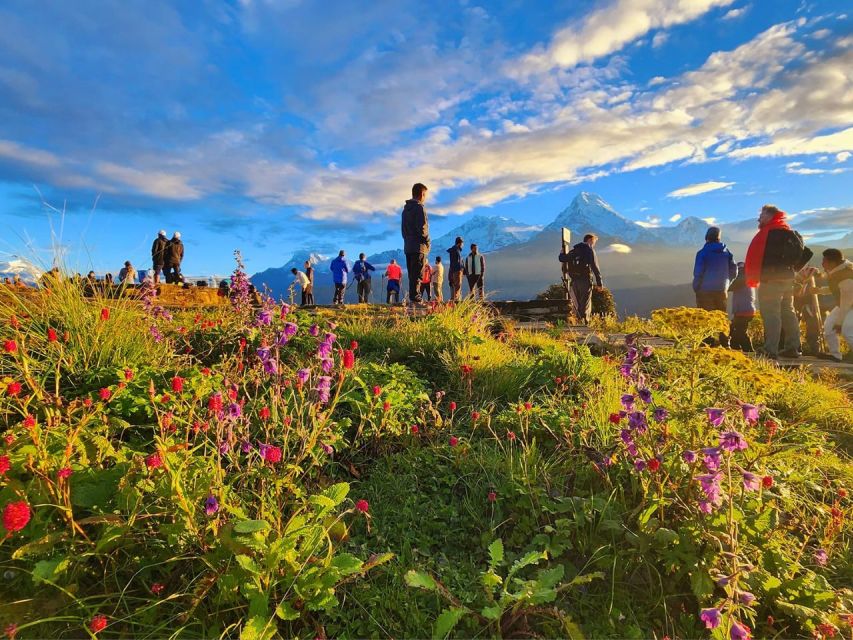
Poon Hill is the emotional center of the first half of the trek. The viewpoint rises to 3,210 meters, and the schedule allows about an hour for the sunrise visit. You will need an early start, warm layers, and a willingness to trade sleep for color.
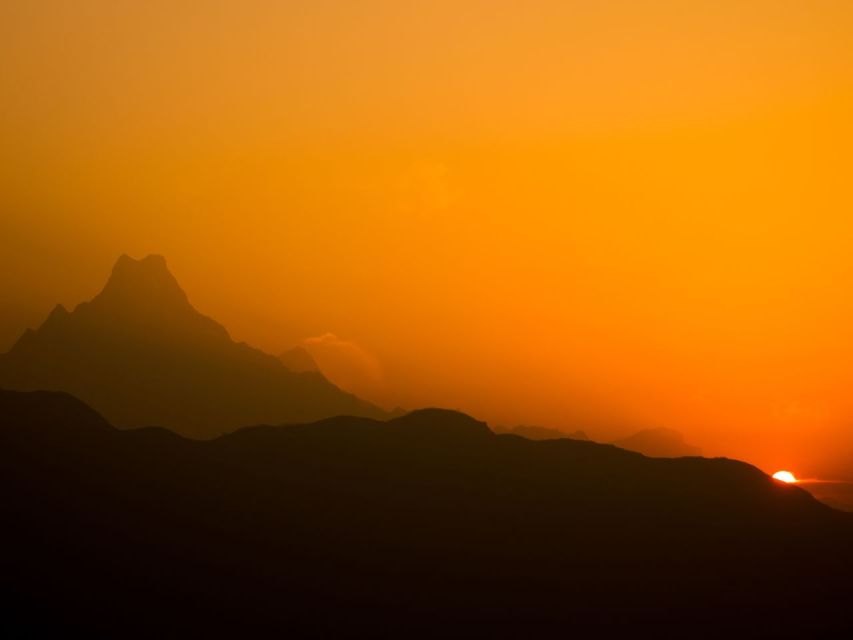
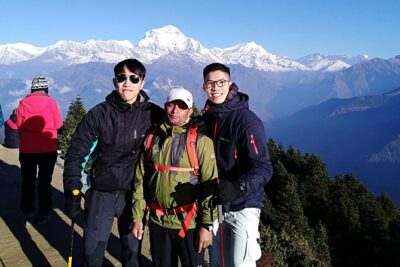
The reward is a wide Himalayan view that includes Annapurna South, Hiunchuli, and Machhapuchhre, also called Fishtail. The snowy ridges can shift from gray to pink, orange, and bright white as the sun rises. Kevin from the United States singled out the orange-red reflection on the snow and the simple pleasure of morning milk tea while looking toward the mountains. That is exactly the appeal here: the moment feels grand, but the setting remains straightforward and human.
After Poon Hill, the trail continues through forest toward Tadapani and then Chuile, depending on the day’s arrangement. The hike takes about six hours in total. Tadapani is associated with Ghandruk, and the route gives you more contact with village life before the trail turns toward the Modi River corridor.
The overnight stop is at about 2,400 meters. This day combines an early start with a full trek, so it may be more tiring than the mileage suggests.
More Poon Hill treks around Pokhara:
- Poon hill Trek 3 days
★ 5.0 · 176 reviews - Pokhara: 4-Day Ghorepani, Poonhill & Ghandruk Mountain Trek
★ 5.0 · 132 reviews - Ghorepani – Poon Hill Trek 3N-4D
★ 5.0 · 125 reviews - From Pokhara: 3-Day Ghorepani Poon Hill Trek with Guide
★ 4.9 · 68 reviews
Day 4: Chuile to Sinuwa and the river country
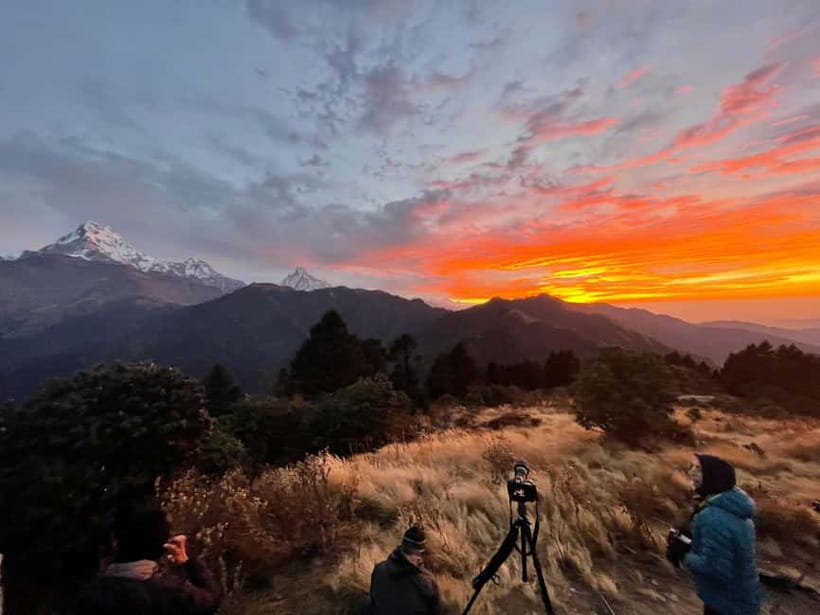
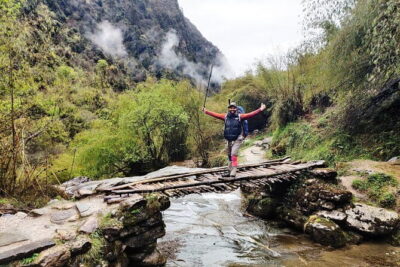
The walk from Chuile to Sinuwa takes around five hours. The route continues through wooded country and crosses the meeting area of the Kumrung and Modi Rivers.
This is a good day for paying attention to the changing surroundings instead of trying to rush ahead. The sound of moving water, forest cover, and scattered settlements make the walk feel different from the stair-heavy climb out of Ulleri. You are also moving deeper into the Annapurna Base Camp approach, so the purpose of each day becomes clearer.
Sinuwa sits at about 2,170 meters. Its lower elevation than the previous night helps break up the climb toward the high camp. Still, the route is not flat, and the repeated ups and downs can wear on your legs.
Day 5: Sinuwa to Deurali at 3,200 meters
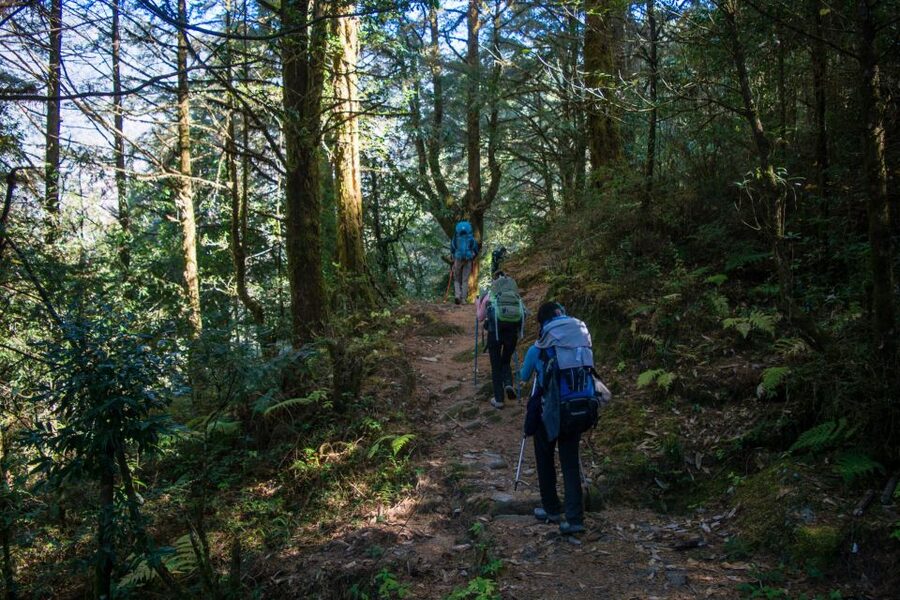
The six-hour walk to Deurali takes you through lush forest with Annapurna and Machhapuchhre appearing as mountain companions. This is one of the more scenic sections, but it is also where the trek begins to feel more serious.
At Deurali, you sleep at roughly 3,200 meters. Altitude becomes a real consideration from here onward. The provided safety information warns that high-altitude sickness is possible around the 4,000-meter range. Take that seriously, even though the warning describes it as rare. Tell your guide if you feel unwell, move slowly, drink enough, and do not treat reaching the schedule as more important than your health.
Your guide is a major part of the experience on this route. Lalit has been praised for being patient, friendly, funny, and attentive at lodges and restaurants. Pratiksha has also been credited with making the trek feel more comfortable and enjoyable. Guide quality matters in the high section, where weather and physical condition can change your plans.
Day 6: Deurali to Annapurna Base Camp
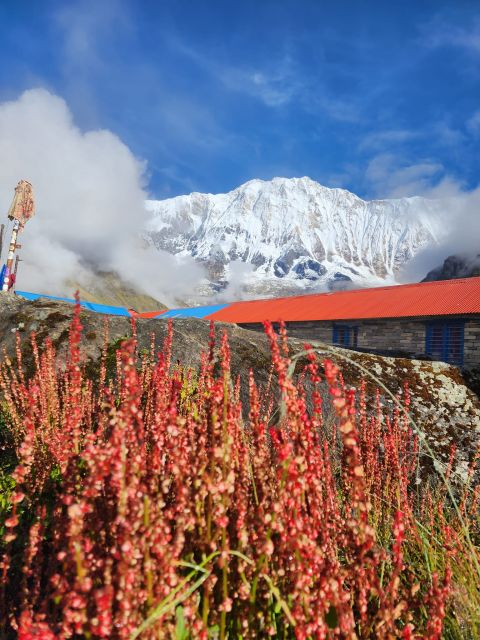
This is the goal day. From Deurali, you climb for about six hours to Annapurna Base Camp at 4,130 meters.
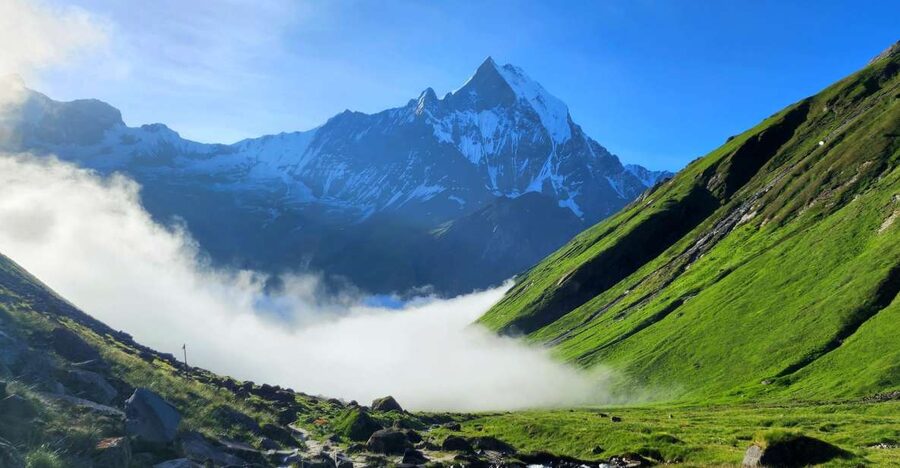
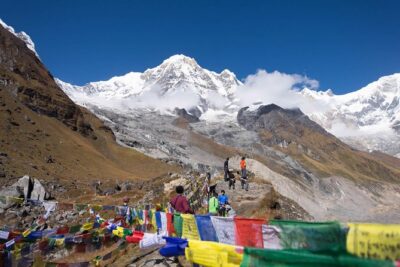
The setting changes as you gain height. Forest gives way to open mountain country, with snow-covered peaks and glaciers surrounding the base camp area. Annapurna South, Hiunchuli, and Machhapuchhre are central to the view, and the sense of enclosure is part of what makes the destination memorable.
The elevation is the challenge. You may be fit enough for the walking but still feel the thinner air. Keep your pace measured and let the guide set a sensible rhythm. This is not the day to prove anything. Reaching base camp in good shape gives you more time to appreciate the peaks and less time worrying about the descent.
Accommodation at base camp is a lodge or tea-house stay rather than a luxury mountain hotel. Expect basic comfort, a warm meal if your package includes meals, and a memorable night in a demanding environment.
Day 7: The long descent to Bamboo
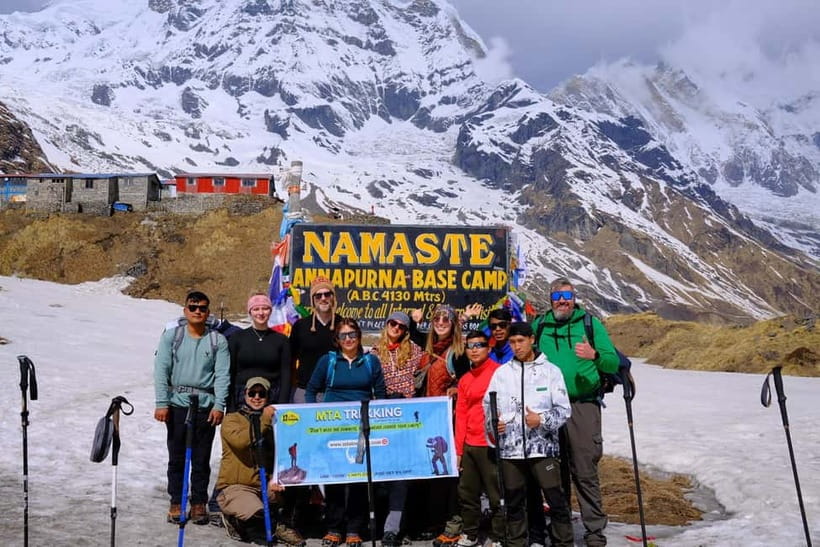
You return from Annapurna Base Camp to Bamboo, around 2,300 meters, in roughly six hours. Descending sounds easier than climbing, but it can be hard on knees and ankles, especially after the high-altitude day.
The mountain views remain rewarding, and losing elevation should help your body recover. Bamboo makes a practical overnight stop because it breaks the return journey into manageable sections. Your appreciation for the forest may increase on the way down, particularly after the exposed setting around base camp.
This is where trekking poles can be especially useful. Since they are not included, bring your own or arrange them before setting off.
Day 8: Bamboo to Jhinu Dada and the hot spring
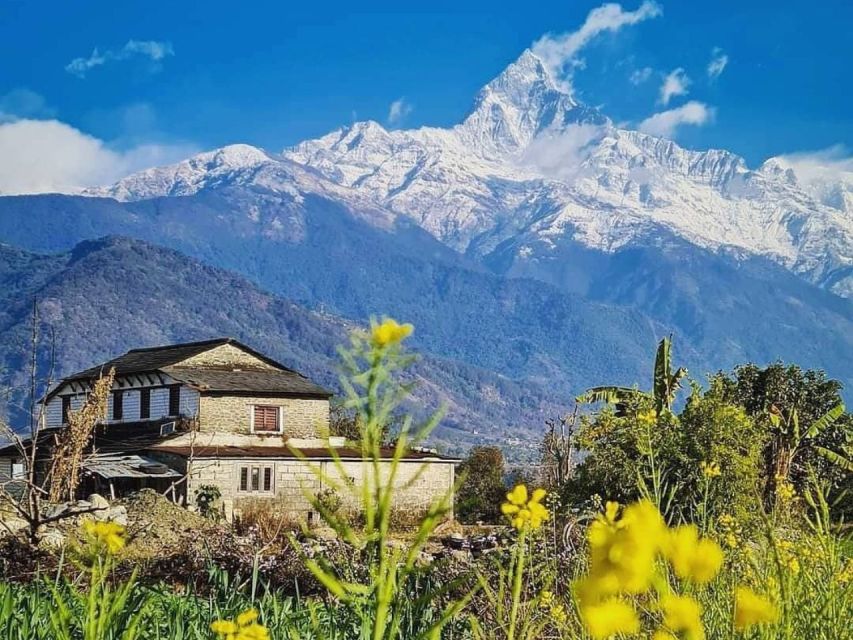
The five-hour walk from Bamboo to Jhinu Dada brings the trek’s best recovery feature: a natural hot spring. At about 1,600 meters, Jhinu Dada feels far lower and warmer than base camp, and the soak is well timed after several days of climbing and descending.
The hot spring is not just a bonus activity. It changes the pace of the trip. You get a chance to relax your legs, talk with your group, and enjoy the village setting without needing to chase another viewpoint.
The descent can still be demanding. Lower trails may be slippery during wet weather, and monsoon conditions can bring leeches. Long pants tucked into gaiters and insect repellent are practical choices from June through August.
Day 9: Jhinu Dada back to Lakeside Pokhara
The final day begins with about two hours of trekking, followed by a comfortable ride back to Lakeside Pokhara. After eight days on foot, the vehicle transfer will feel welcome.
This closing section is less about a final attraction and more about the change in pace. You leave the mountain path, return to Pokhara, and have time to think about the sequence of villages, forests, high peaks, and the hot spring. The combination of trekking and transport also keeps the return from becoming an unnecessarily long final hiking day.
What the $487 price really covers
At $487 per person, the price is attractive for a private nine-day trek if you value having the major logistics arranged. Transportation during the trek, permits and paperwork, government taxes, accommodation, and staff expenses are included.
The important qualification is meals. They are included only with the Full Package, so you need to confirm which package you are buying before comparing prices. Food is available at the tea houses, but your own drinks and extras are not covered.
Budget separately for:
- Soft and alcoholic drinks
- Bottled or boiled water
- Hot showers and laundry
- Phone calls and battery charging
- Bar bills
- Personal purchases
- Travel and rescue insurance
- Porters, if you want one
- Trekking poles, sleeping bags, and crampons
For me, the value is strongest if you want a private group, a live English or Hindi-speaking guide, permit handling, and lodge arrangements without managing each step yourself. It is less of a bargain if you expect an all-inclusive package with gear, insurance, drinks, and every meal included.
Weather, altitude, and who should book
The best experience depends heavily on preparation. Comfortable walking shoes are essential, and weather-appropriate layers matter because conditions can change as you rise from Pokhara to 4,130 meters. Sunscreen and sunglasses are easy to overlook, but the high-altitude sun can be strong.
June through August brings erratic weather and heavy rain. Trails can be wet, and leeches are more likely on lower sections. If you trek during monsoon, listen closely to your guide and carry proper rain protection.
This trek suits a reasonably fit adult who can handle repeated five- and six-hour hiking days, long stair sections, and a high overnight stay. It is not suitable for pregnant women, people with altitude sickness, or people over 70 according to the activity guidance.
The private format is a plus for couples, families with suitable fitness, and friends who want their own pace. It also gives you a better chance to ask questions about local traditions and village life as you walk. English and Hindi guiding are available.
Should you book this Annapurna trek?
Book it if your priority is a classic Nepal route with two major rewards: the sunrise at Poon Hill and the achievement of Annapurna Base Camp. You also get village stays, rhododendron forests, a natural hot spring, and a private setup at a price that can be good value once you understand the extra costs.
Think twice if you want short walks, full hotel comfort, or a package that includes gear, insurance, drinks, and all meals. The Ulleri steps, high altitude, and long descent demand real preparation.
For a prepared hiker, this is a well-shaped introduction to the Annapurna region. Pack light, confirm the meal package, bring insurance, and treat the altitude with respect. Do that, and you can focus on the things that make this route special: a cup of milk tea at sunrise, mountain light on the snow, and the steady rhythm of walking from one welcoming village to the next.
FAQ
How long does the Annapurna Base Camp and Poon Hill trek take?
The activity lasts nine days, beginning in Pokhara and ending back in Lakeside Pokhara.
What is the highest point on the trek?
Annapurna Base Camp is the highest point at 4,130 meters. Poon Hill reaches 3,210 meters.
Is transportation included?
Yes. Pickup from Pokhara, transportation during the trek, and the return ride from Jhinu Dada to Pokhara are included.
Are meals included in the price?
Meals are included only with the Full Package. Drinks, bottled or boiled water, and several personal food and service costs are not included.
What languages does the guide speak?
Live guiding is available in English and Hindi.
What should I bring?
Bring comfortable shoes, weather-appropriate clothing, sunscreen, and sunglasses. Trekking poles, sleeping bags, and crampons are not included, so arrange them separately if you need them.
New treks around Pokhara
- Pokhara: 5-Day Trek to Annapurna Base Camp and Hot Springs★ 5.0 · 4 reviews
- Pokhara: Majestic Mardi Base Camp Guided Trek with HotSpring★ 5.0 · 6 reviews
- Pokhara: 5-Day Ghorepani and Poon Hill Private Trek★ 5.0 · 4 reviews
- Pokhara: 7-Day Annapurna Base Camp Trek & Hot Spring★ 4.0 · 3 reviews
- Pokhara:4-Day Ghorepani Poon Hill Guided Trek via Ghandruk★ 5.0 · 3 reviews
- Pokhara: 4-Day Poon Hill and Ghandruk Guided Trek★ 5.0 · 14 reviews
- Pokhara: 4-Day Private Trek Tour★ 4.9 · 43 reviews
- Pokhara: 4-Day Beautiful Ghorepani Poon Hill & Ghandruk Trek★ 4.8 · 21 reviews
Annapurna Base Camp Treks, side by side.
Trekking in Annapurna/Langtang/Everest/Upper Mustang regions
Read our review →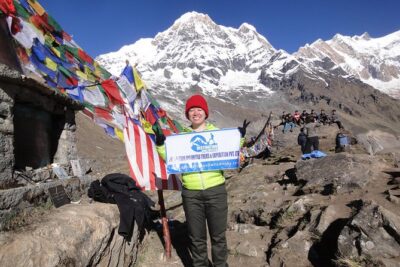
Kathmandu to Annapurna Base Camp (ABC) 5-Day Trek
Read our review →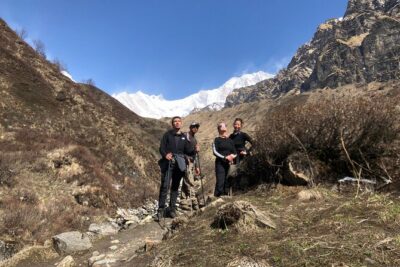
Lists this trek appears in