
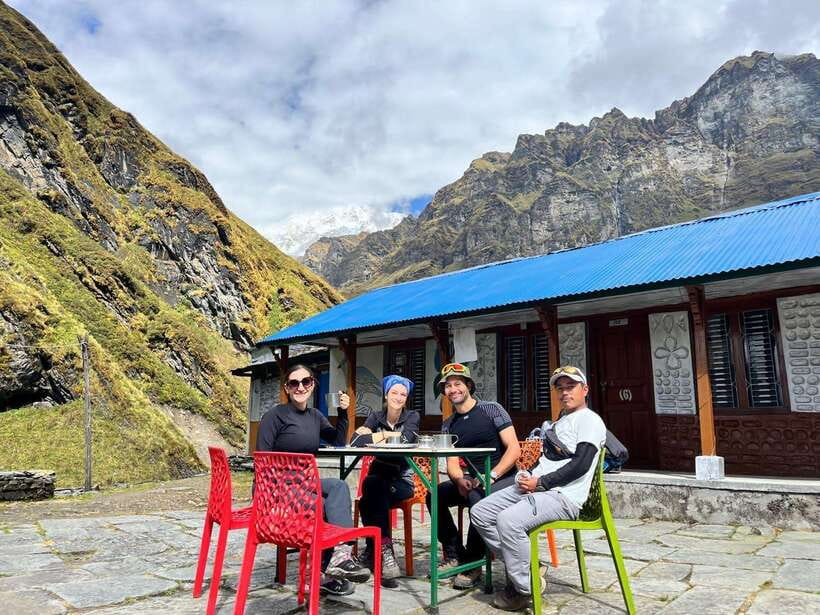
Review · POKHARA
Kathmandu/Pokhara: 5-Day Annapurna Base Camp (ABC) Trek
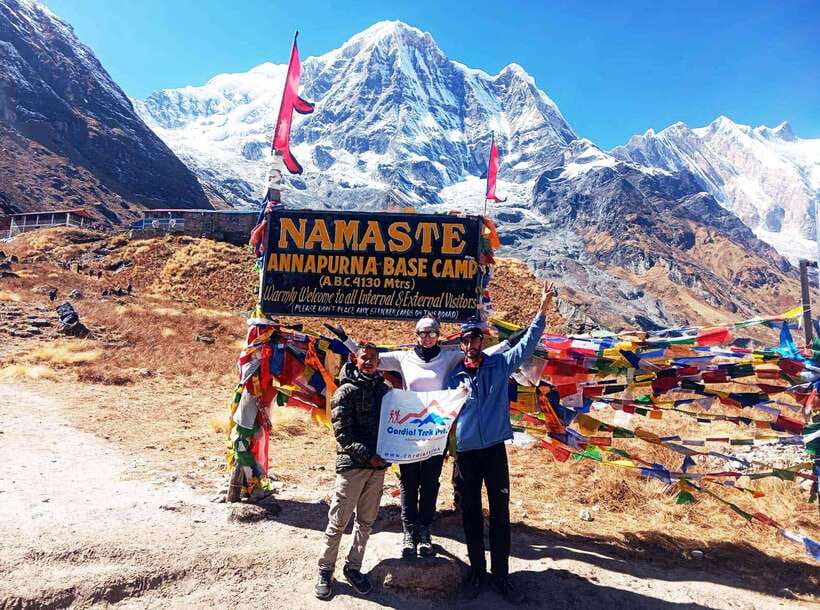
Annapurna Base Camp is the prize here, but the route earns its keep long before you reach 4,130 meters. You move from river valleys and Gurung villages into bamboo forest, icy ridges, and the high bowl of the Annapurna Sanctuary. The sunrise at ABC is the big moment, with massive peaks surrounding the camp.
I like the strong guide support and the way this trip mixes mountain scenery with ordinary village life. Guides such as Raju, Pratip, Om, Anil Sherpa, and Smile are praised for checking pace, arranging rooms, explaining local culture, and helping when weather or illness causes trouble. I also like the hot springs at Jhinu Danda, a welcome soak after several hard days.
The catch is simple: this is a serious hike compressed into five days. You walk about five to eight hours a day, with long climbs and a high overnight at ABC. Tea houses are basic, hot showers and Wi-Fi cost extra, and monsoon conditions can mean wet feet and muddy trails.
Key points before you book
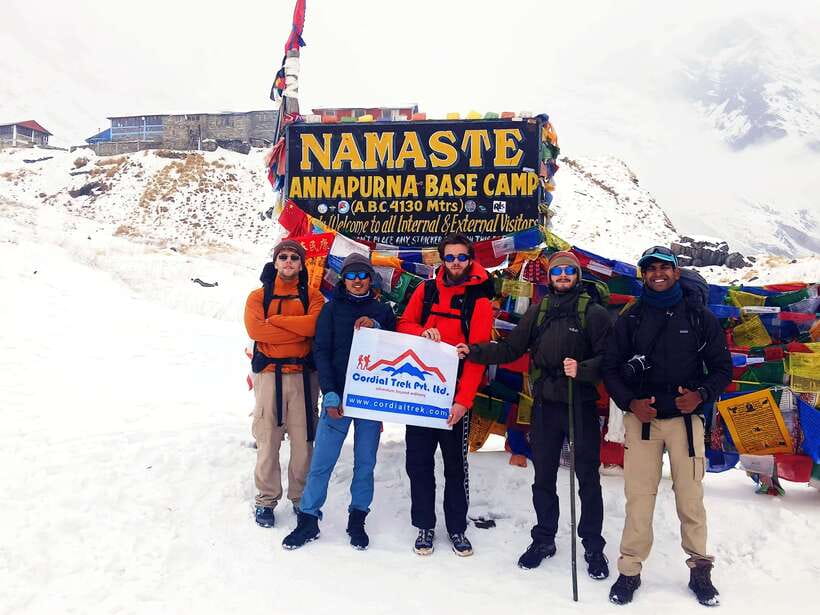
- ABC at 4,130 meters: The third day reaches Annapurna Base Camp through Machhapuchhre Base Camp, followed by a high-altitude overnight.
- Five demanding walking days: The schedule includes up to eight hours on foot, with little spare time for slow walkers.
- A helpful guide makes a real difference: Guides regularly check your pace, meals, water, comfort, and response to altitude.
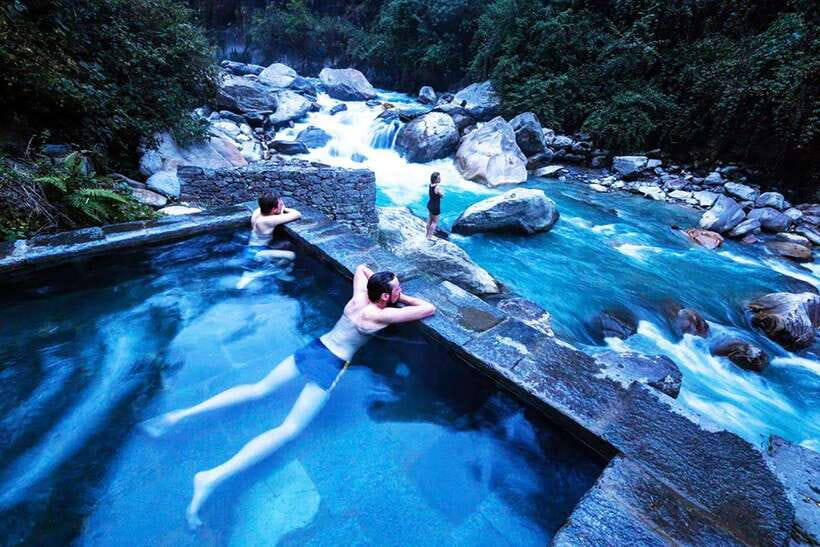
- Jhinu Danda hot springs: The final walking day includes a chance to rest in natural hot springs before returning to Pokhara.
- Simple mountain lodging: Four nights are in guest houses or tea houses, with food, charging, Wi-Fi, and showers handled separately depending on the booking option.
- Good value at $96, with conditions: Transport, permits, guide service, and basic equipment borrowing are included, but meals, porter service, and flights can depend on the option you select.
What this five-day ABC trek is really like
This is a fast version of a famous Himalayan route. You begin at Simrung, near Nayapul, and climb through the Annapurna Sanctuary rather than spending extra days easing into the mountains.
That short schedule is useful if you have limited time in Nepal. It is also the main challenge. You gain altitude quickly, then reach ABC on the third day and return almost as quickly. I would choose this trip only if you are comfortable with long uphill walks and willing to start early.
The route changes character every day. Lower sections bring warm air, streams, farmland, and village life. Higher sections become colder and more exposed, with snow possible in winter and at other times after bad weather. The trail includes forests, waterfalls, rivers, stone paths, bridges, and steep stair sections.
The guide is more than a walking companion. Your guide handles the route, permits, guest-house arrangements, and practical decisions along the way. The strongest part of this experience is the personal care described by past customers: guides stayed with slower walkers, helped with food poisoning, arranged urgent transport, and adjusted plans during bad weather.
More Annapurna treks around Pokhara:
- Trekking in Annapurna/Langtang/Everest/Upper Mustang regions
★ 5.0 · 161 reviews - Pokhara: 5 Day Annapurna Base Camp Trek & Natural Hot Spring
★ 4.9 · 44 reviews - From Pokhara: 5-Day Annapurna Basecamp Trek with Hot Springs
★ 4.9 · 26 reviews
Day 1: Pokhara to Simrung, then Sinuwa
If you start in Kathmandu, the package can include a roughly 30-minute flight to Pokhara, depending on the option you book. From Pokhara, the group takes a shared Jeep for about two to three hours to Simrung via Nayapul.
The road transfer is not the scenic highlight, but it gets you close to the trailhead. Shared transport also keeps the price down, though it gives you less control over departure times and space for luggage.
From Simrung, you walk 10 to 11 kilometers to Sinuwa. Allow five to six hours. This first day introduces the pattern that continues throughout the trip: climbing, descending, crossing streams, and stopping at small settlements for food and rest.
Sinuwa sits at about 2,340 meters. It is high enough to begin noticing cooler air, but the real altitude challenge comes later. Your first night is in a mountain guest house, where you should expect useful shelter rather than hotel comfort.
This is a good day to settle into your boots and walking pace. Do not race the first climb. Your legs still need to work on days two and three.
Day 2: Sinuwa through waterfalls to Deurali
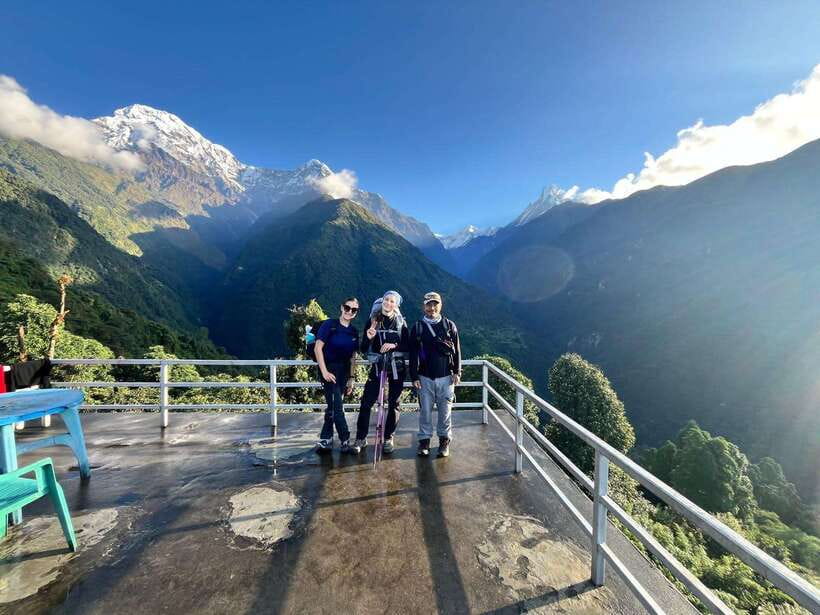
The second day runs from Sinuwa to Deurali, another 10 to 11 kilometers over five to six hours. You pass through thick forest and the small settlement of Himalaya, with tea houses along the way.
This is one of the most attractive sections for people who like changing plant life. Bamboo valleys give way to cooler forest as the trail rises. Waterfalls and rushing streams add sound and drama, especially during the wetter months.
The route can also feel relentless. A forest trail may look gentle from a distance, but repeated steps and stone stairs wear on your knees. During monsoon, mud, rain, and slippery ground can slow you down. One useful lesson from this timing is to carry spare clothing in a waterproof bag. Wet clothes may not dry overnight.
Deurali is at about 3,230 meters. That altitude matters. You may feel tired, sleep poorly, or develop a headache. Tell your guide early if you feel unwell. The guides on this trip are repeatedly praised for watching pace and responding when someone becomes sick, which is especially important on this night.
Day 3: Machhapuchhre Base Camp to Annapurna Base Camp
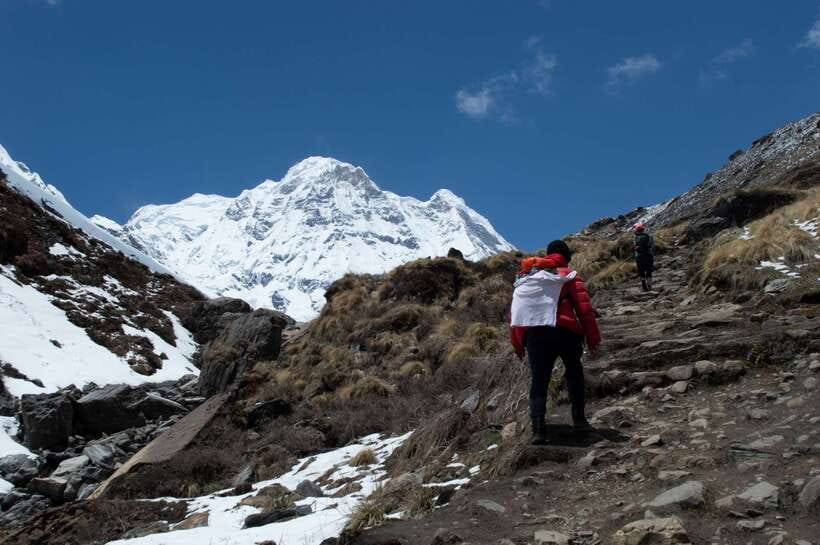
Day three is the central test and the reason to choose this route. You walk from Deurali to Annapurna Base Camp via Machhapuchhre Base Camp, covering another 10 to 11 kilometers in about five to six hours.
The vegetation thins as you rise. The forest opens into the high Annapurna Sanctuary, a mountain bowl ringed by enormous peaks. Machhapuchhre Base Camp, often called MBC, is a major landmark and a useful pause before the final approach.
The last stretch to ABC can feel slow. The altitude is about 4,130 meters, and the air is much thinner than at the start. Even fit people should shorten their stride and take regular breaks. Your guide may adjust the pace, and that is not wasted time. It is how you reach camp safely.
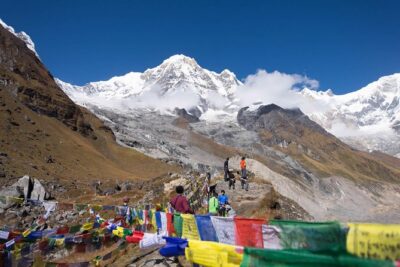
At Annapurna Base Camp, the reward is scale. Annapurna I rises to 8,091 meters and is one of the world’s highest mountains. You are surrounded by high ridges and snow-covered peaks, with the feeling of being inside the mountain range rather than simply looking at it from a distant viewpoint.
You sleep in tea houses at ABC. Rooms are basic, and availability can vary. One solo customer had to share a room and lost sleep because of a snoring roommate, so do not assume a private room unless your booking clearly provides one. Bring earplugs if you sleep lightly.
More five-day treks around Pokhara
- From Pokhara: 5-Day Mardi Himal Base Camp Trek
★ 5.0 · 10 reviews - Pokhara: 5-Day Trek to Annapurna Base Camp and Hot Springs
★ 5.0 · 4 reviews - Pokhara: 5-Day Ghorepani and Poon Hill Private Trek
★ 5.0 · 4 reviews - Annapurna base camp trek 5 Days
★ 5.0 · 252 reviews
Sunrise at ABC and the long return
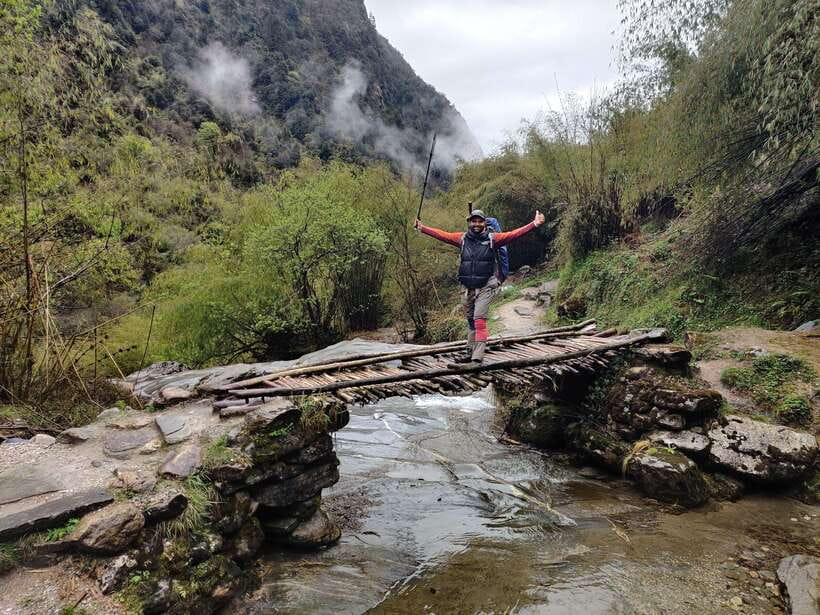
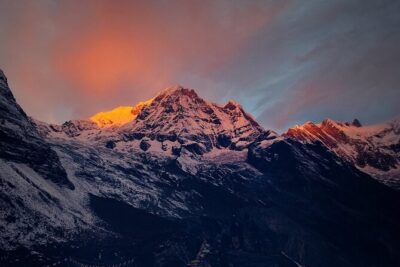
The fourth morning begins with sunrise at Annapurna Base Camp. This is the moment to protect your camera battery, keep warm clothing close, and step outside early. Temperatures can fall to between -10°C and -2°C in winter, and even spring or autumn mornings can feel bitter at altitude.
Clear skies are never guaranteed. In monsoon, clouds and fog may hide the peaks for much of the day, though short clear spells can produce remarkable views. The uncertainty is part of mountain travel, but you should book this trek for the full experience, not only for one photograph.
After sunrise, you descend through Deurali, Himalaya, and Dobhan toward Bamboo or Sinuwa. The day covers 12 to 14 kilometers and takes seven to eight hours. That makes it the longest walking day in the schedule.
Downhill is not automatically easy. Tired knees, wet stone, and steep steps can make the return harder than the climb. Trekking poles are useful here, and the company allows you to borrow them at no extra cost. A down jacket, sleeping bag, and trekking poles are also available to borrow, which is valuable if you do not want to buy bulky mountain gear for one trip.
Day 5: Jhinu Danda and the hot springs
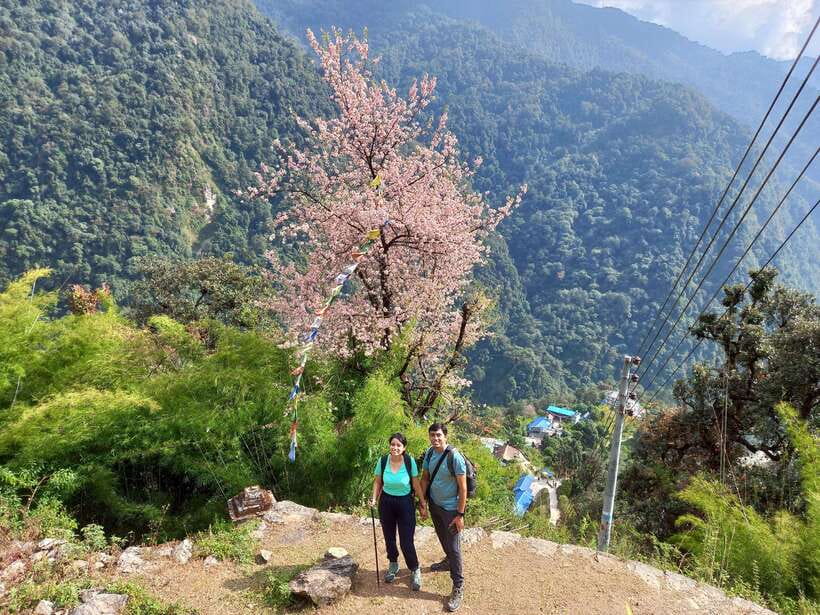
The final walking section goes from Bamboo or Sinuwa to Simrung via Jhinu Danda. It covers about seven to eight kilometers and takes four to five hours before the two to three-hour drive back to Pokhara.
Jhinu Danda is the day’s special stop. Its natural hot springs offer a chance to loosen stiff muscles after the high-altitude section. Bring swimwear and a small towel, though the supplied equipment list only specifically notes a towel for the trip. The hot springs are not a luxury spa, but they are a memorable local experience and a sensible break before the road journey.
You finish at a much lower elevation, about 830 meters, which can feel warm and easy compared with ABC. The stated arrival in Pokhara is no later than 5 p.m. For people with onward flights, the operator says airport drop-off can be arranged. If you are connecting to Kathmandu and then an international flight, leave plenty of buffer for road and flight delays.
The guide and porter service
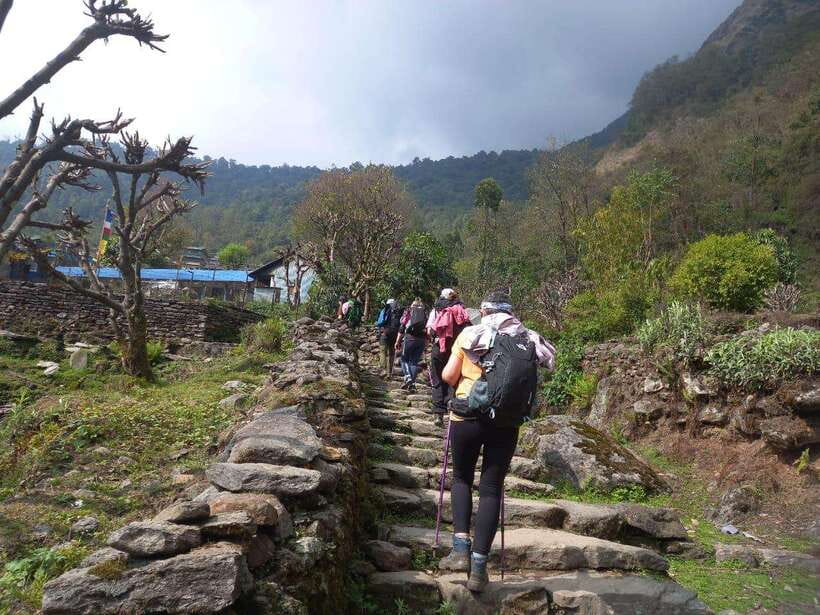
The human side of this trek is one of its strongest features. Guides named in customer feedback include Raju, Pratip, Om, Anil Sherpa, Smile, Laxman, Oham Raj Tamang, and Terence Tamang. Their roles go beyond pointing out the path.
A good guide helps you manage the day. That means checking whether you are eating and drinking, finding a room, choosing sensible rest stops, explaining local plants and culture, and noticing early signs of trouble. Pratip is praised for adjusting the plan to weather and physical condition, while guides such as Om and Raju are remembered for humor, music, stories, and card games during hard stretches.
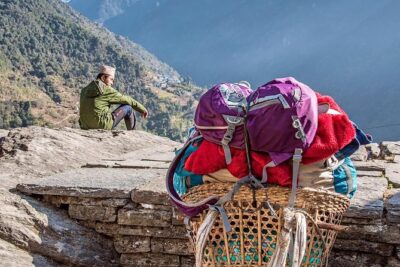
Porters are available with the all-inclusive option or as an add-on in some budget arrangements. A duffel bag can be borrowed for porter service. If you hire a porter, pack only what you need for the trek and keep important items, medicine, documents, and valuables in your daypack.
Tipping is not included in the advertised price. You should budget for it if the guide and porter provide the close support described here.
Food, rooms, and extra costs
The $96 starting price is attractive, but check your selected option carefully. The included items can change between budget, one-way flight, and all-inclusive choices.
The basic package includes hotel pickup and drop-off in Pokhara, shared Jeep transport, four nights of mountain lodging, a licensed guide, permits, first aid, water purification tablets as needed, and use of selected gear. Kathmandu pickup and flights are included only with the relevant Kathmandu options.
Meals are included with the all-inclusive option or when added separately. The stated meal allowance is four breakfasts, five lunches, and four dinners. In budget arrangements, you may need to buy food yourself. Hot and cold drinks, alcohol, snacks, hot showers, Wi-Fi, and battery charging are not included.
Mountain food is practical rather than fancy. Past customers specifically praise the quantity and taste, but prices rise in the higher villages because supplies must be carried in. Bring cash for snacks, drinks, charging, showers, and other personal costs.
Weather, gear, and physical effort
Spring and autumn, from March through May and September through November, offer temperatures ranging from about -3°C to 20°C. These are generally the most comfortable months listed for the trek, though mountain weather can change quickly.
Summer and monsoon bring lows of 0°C to 5°C and highs of 5°C to 22°C. Rain can make the trail slippery and obscure the peaks. The upside is quieter paths and a moody forest atmosphere. If you go then, carry extra socks, waterproof layers, and dry clothes in sealed bags.
Winter is colder, with lows from -10°C to -2°C and highs from -5°C to 15°C. A down jacket, thermal layers, gloves, beanie, warm socks, and good boots are essential. Crampons may be needed in snowy conditions.
You should bring waterproof, high-ankle trekking boots, trekking pants, a daypack, a water bottle or hydration system, sunscreen, sunglasses, toiletries, and a head covering or neck gaiter. Travel insurance is strongly recommended, but it is not included.
This trek is not suited to anyone with a mobility impairment, and it is not recommended for people over 95. More broadly, you need enough fitness for repeated five to eight-hour walking days. You do not need to be an expert mountaineer, but you should prepare for a demanding hike.
Is $96 good value?
At the starting price, the trip offers a lot: a guide, permits, transport from Pokhara, four mountain nights, equipment borrowing, and luggage storage in Kathmandu or Pokhara if needed. That is strong value for someone who wants a planned route without buying every item of gear.
The headline price is not the final cost for everyone. Flights from Kathmandu, meals, porters, and other extras depend on the option selected. Add cash for food if you choose a budget plan, plus drinks, showers, charging, snacks, and a tip.
I would compare the options by total cost rather than by the $96 figure alone. For a solo trekker, a guide and arranged transport can remove a great deal of stress. For a highly independent hiker, some inclusions may be less important, but the altitude and short schedule make professional support useful.
Should you book this ABC trek?
Book it if you want to reach Annapurna Base Camp in five days and value a guide who handles permits, rooms, transport, and daily decisions. It suits people who want big mountain views but also care about forests, waterfalls, Gurung villages, and a hot-spring stop.
Think twice if you dislike basic lodging, shared transport, long walking days, or unpredictable weather. The best preparation is simple: train for hills, bring proper waterproof clothing, confirm what your package includes, and keep a flexible attitude.
For the clearest mountain views, choose spring or autumn. For fewer people and a more uncertain but atmospheric experience, monsoon can work if you accept rain. Either way, this is a demanding route with a memorable payoff, not a relaxed sightseeing tour.
FAQ
How long is the Annapurna Base Camp trek?
The organized trip lasts five days, including transport from Pokhara or Kathmandu and the return journey.
What is the highest point of the trek?
Annapurna Base Camp is the highest point, at approximately 4,130 meters.
Where does the trek start?
The walking section begins at Simrung, reached by shared Jeep from Pokhara via Nayapul.
How many hours do I walk each day?
Walking days range from about four to eight hours. The longest stated day is the return from ABC toward Bamboo or Sinuwa, at seven to eight hours.
Is transport from Kathmandu included?
Kathmandu pickup and flights depend on the option selected. A one-way flight option includes Kathmandu to Pokhara, while the all-inclusive Kathmandu option includes flights in both directions.
Are meals included?
Meals are included with the all-inclusive option or when added separately. They are not included in the budget option unless you select the meal add-on.
Is a porter included?
A porter is included with the all-inclusive option. In budget or one-way flight arrangements, porter service may be available as an add-on.
Can I borrow trekking equipment?
You can borrow a down jacket, sleeping bag, and trekking poles at no additional cost. Crampons are recommended for snowy conditions.
What accommodation is provided?
You spend four nights in mountain guest houses or tea houses. Rooms are basic, and private rooms are not guaranteed unless specified by your booking.
Are the hot springs included?
The route passes through Jhinu Danda on the final walking day, where you can visit the natural hot springs. Personal costs such as drinks and other extras are not included.
New treks around Pokhara
- Pokhara: 9-Day Annapurna Base Camp Trek with Poon Hill★ 5.0 · 6 reviews
- Pokhara: 5-Day Trek to Annapurna Base Camp and Hot Springs★ 5.0 · 4 reviews
- Pokhara: Majestic Mardi Base Camp Guided Trek with HotSpring★ 5.0 · 6 reviews
- Pokhara: 5-Day Ghorepani and Poon Hill Private Trek★ 5.0 · 4 reviews
- Pokhara: 7-Day Annapurna Base Camp Trek & Hot Spring★ 4.0 · 3 reviews
- Pokhara:4-Day Ghorepani Poon Hill Guided Trek via Ghandruk★ 5.0 · 3 reviews
- Pokhara: 4-Day Poon Hill and Ghandruk Guided Trek★ 5.0 · 14 reviews
- Pokhara: 4-Day Private Trek Tour★ 4.9 · 43 reviews
Annapurna Base Camp Treks, side by side.
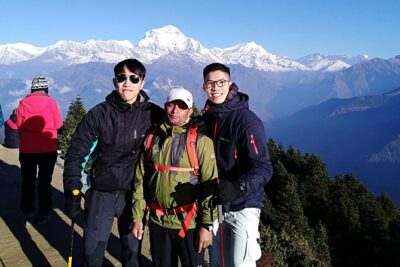
Trekking in Annapurna/Langtang/Everest/Upper Mustang regions
Read our review →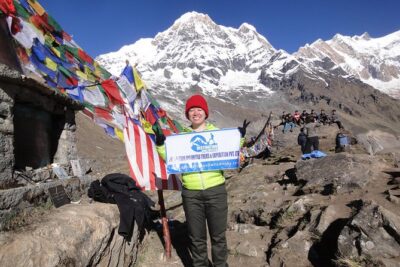
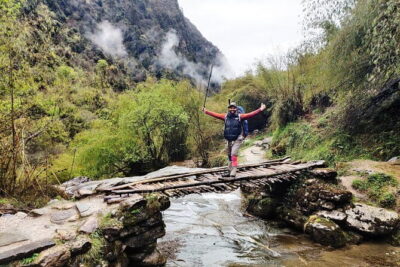
Kathmandu to Annapurna Base Camp (ABC) 5-Day Trek
Read our review →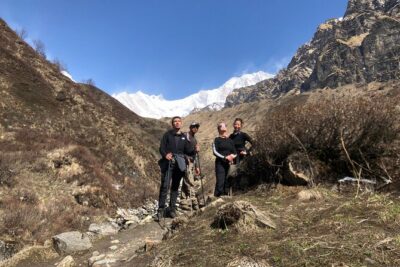
Lists this trek appears in