
Review · POKHARA
Pokhara: Majestic Mardi Base Camp Guided Trek with HotSpring
Mardi Himal gives you a lot of mountain scenery in five days, then sends you downhill to a natural hot spring beside the Modi River. The route moves from Pokhara’s green foothills through rhododendron forest to High Camp, with Machapuchare, Annapurna South, and Hiunchuli in view.
I like the early viewpoint walk at 4,300 meters and the practical support built into the price: permits, guide, transport, sleeping bag, trekking poles, duffle bag, and private lodging are covered. I also like the small scale of a private group, though the steep climbs, basic tea houses, changing weather, and one long descent make this more than a casual walk.
- Sunrise viewpoint: Leave High Camp around 4:00 am for broad views of Machapuchare and the Annapurna range.
- Forest route: Walk through dense woodland where wild birds and animals may appear.
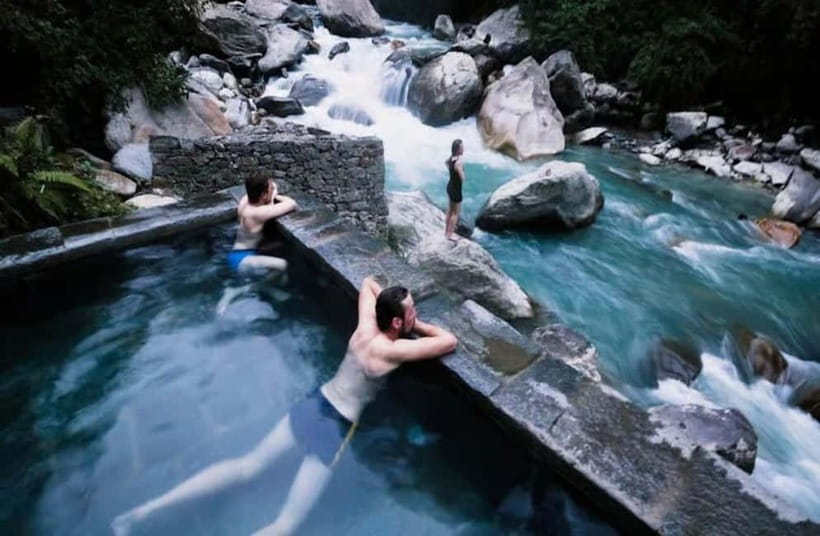
- Hot-spring finish: Rest tired legs in warm water near the roaring Modi Khola.
- Private support: Travel with a licensed English or Hindi-speaking guide and pickup in Pokhara.
- Useful gear included: Trekking poles, sleeping bag, duffle bag, permits, and paperwork are provided.
- Five-day value: Combine high mountain views, village stays, river scenery, and a hot spring without a long expedition.
Why This Five-Day Route Works
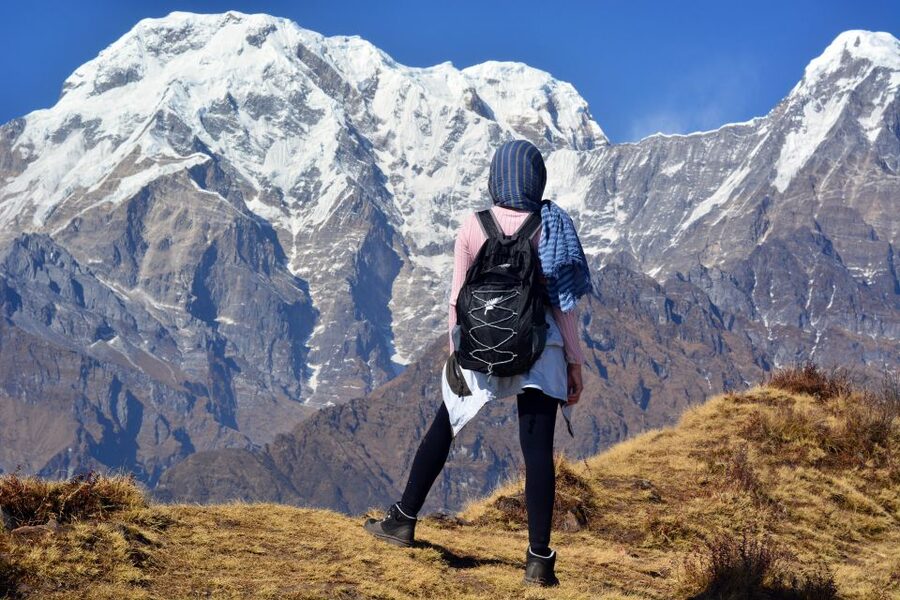
The Mardi Himal Trek is a smart choice if you want a short Himalayan trip with real altitude and a clear sense of progression. You start among fields and forests near Pokhara, climb into alpine country, reach a high viewpoint, then descend toward the Modi River and Jhinu Village.
That shape matters. The trip does not end at the highest point. After the mountain views, you get a warmer, lower walk and a soak in the hot spring. It gives the final day a satisfying change of mood instead of simply retracing the entire route back to Pokhara.
At $183 per person, the price is strong for a private five-day package if you use the included services. Hotel pickup and drop-off, a licensed guide, permits, government taxes, trekking gear, private accommodation, and transport are included. Full-package bookings also include breakfast, lunch, and dinner during the trek.
Read the food wording carefully before paying. Meals are included on the all-inclusive full package, while personal drinks, bottled or boiled water, showers, laundry, phone calls, snacks, and bar bills cost extra. Porters are also available for an additional charge, which is worth considering if you do not want to carry your own pack.
Day One: Pokhara to Forest Camp Through the Trees
The first morning begins around 8:00 am with pickup in Pokhara. The drive to Kande takes about an hour and a half according to the detailed schedule, though the summary lists a shorter drive time. Allow some flexibility, since mountain roads and pickup arrangements can affect the start.
The ride gives you a gradual change from the city to rural Nepal. You pass green fields, forests, the Seti River, and mountain views before reaching the trailhead. Lunch comes along the way at a tea house, giving you a useful break before the climb.
From Kande, you walk for about five hours toward Forest Camp at roughly 2,500 meters. The trail runs through thick forest, which makes this stage cooler and more shaded than the exposed ridges higher up. Rhododendrons are a key feature of the route, and the forest setting gives you a chance to notice birds and smaller wildlife.
This is still a proper first trekking day. You should arrive fit for several hours on foot, with inclines under your belt before you set out. Forest Camp is not a luxury stop. Tea houses provide basic comforts, and the appeal is the quiet village setting rather than polished rooms.
More Mardi Himal treks around Pokhara:
- Pokhara: 4-Day Mardi Himal Trek
★ 4.9 · 59 reviews - Private Mardi Himal Trek
★ 5.0 · 42 reviews - From Pokhara: 4-Day Mardi Himal Base Camp Trek
★ 4.9 · 31 reviews
Day Two: Forest Camp to Mardi Himal High Camp
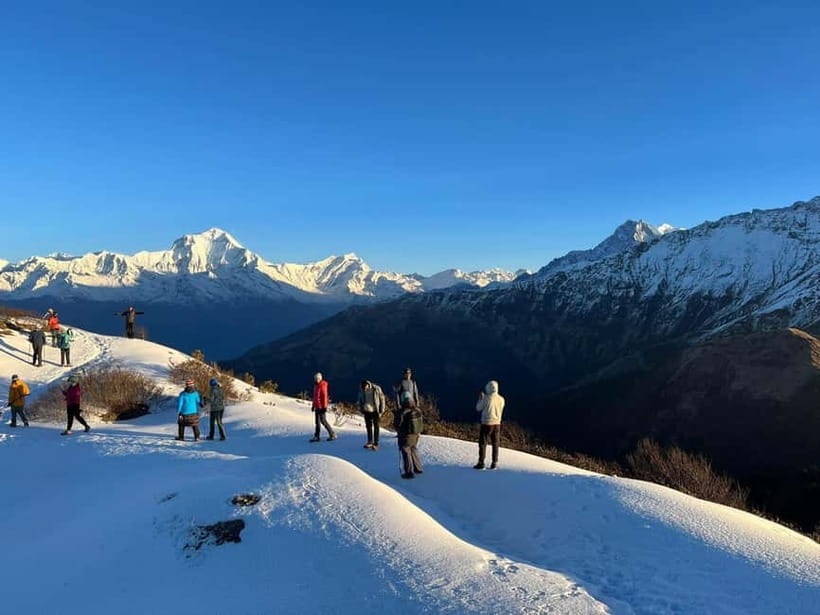
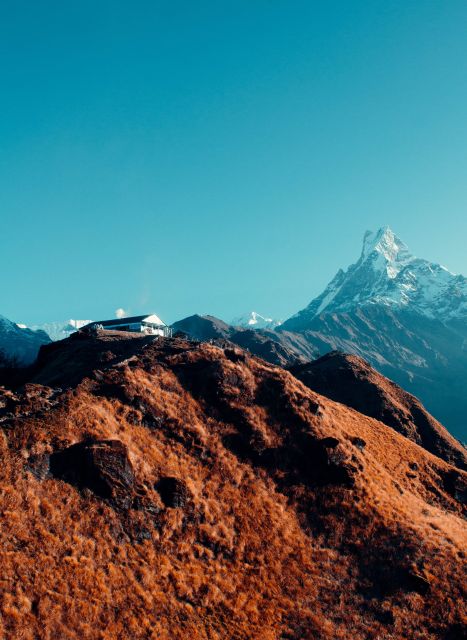
Day two takes about five hours and climbs to High Camp at around 4,000 meters. The trail continues through dense jungle before opening into higher country, where mountain views become the main event.
The change in scenery is one of the best parts of this trek. Lower down, the forest frames the path. Higher up, the trees thin and the mountains begin to dominate. You may see wild birds and animals in the wooded sections, though wildlife sightings are never guaranteed.
High Camp is the key overnight stop. Sleeping here makes the sunrise walk possible without a long transfer in the dark. It also means you need to respect the altitude. At 4,000 meters, a five-hour uphill walk can feel demanding, especially if you are not used to mountain conditions.
Pack layers, even if Pokhara is warm. The weather can shift from clear sun to rain or snow, and the high camps can be cold. A jacket, long pants, hat, sunglasses, sunscreen, comfortable boots, and a headlamp belong in your day pack. A sleeping bag is provided, but bringing your own familiar bag may be preferable if you have one that suits cold nights.
Day Three: The 4,300-Meter Viewpoint and a Long Descent
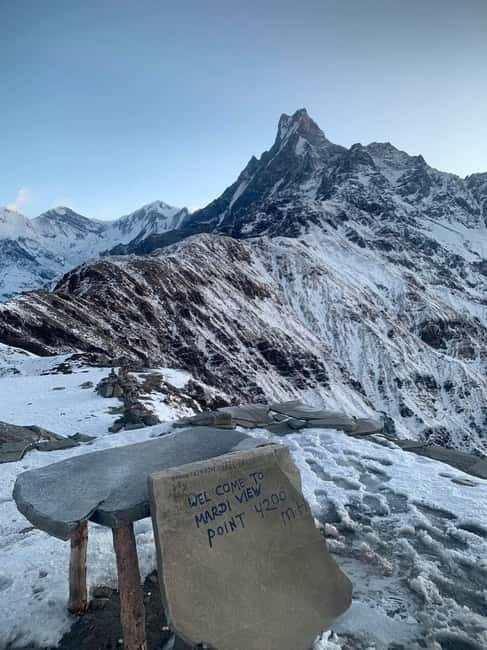
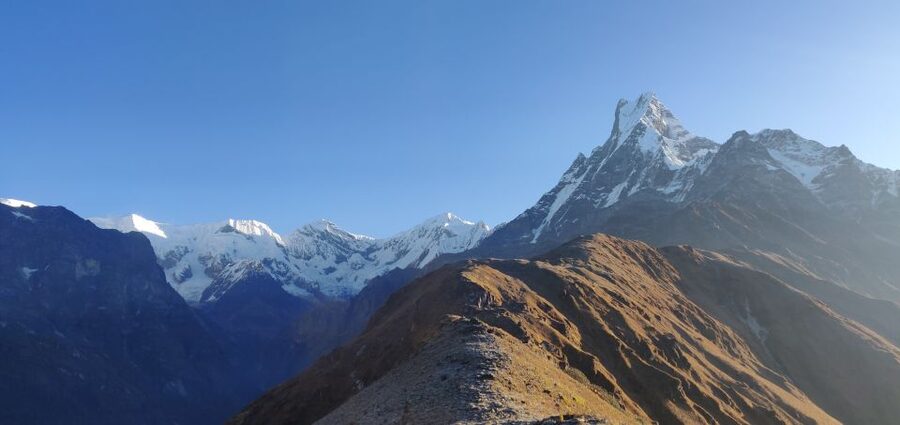
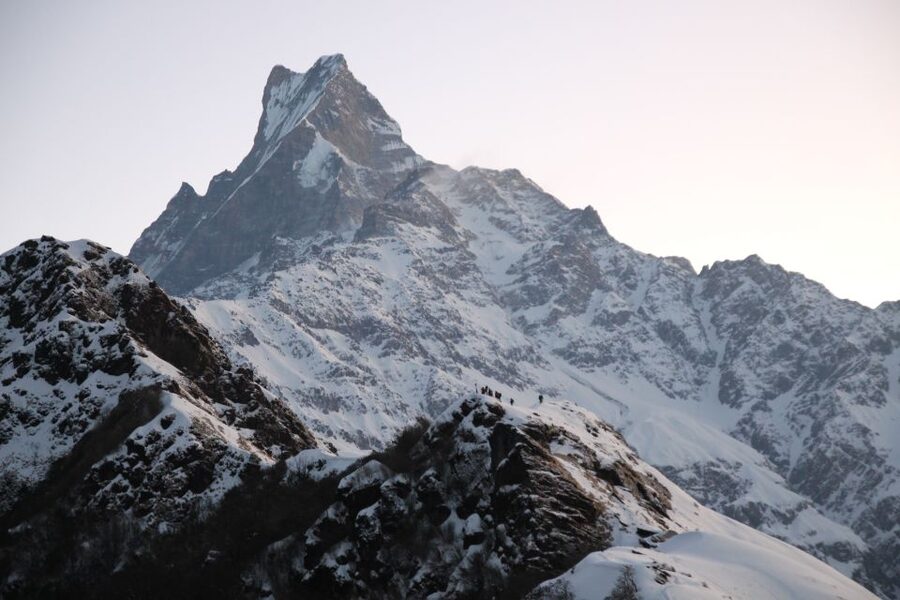
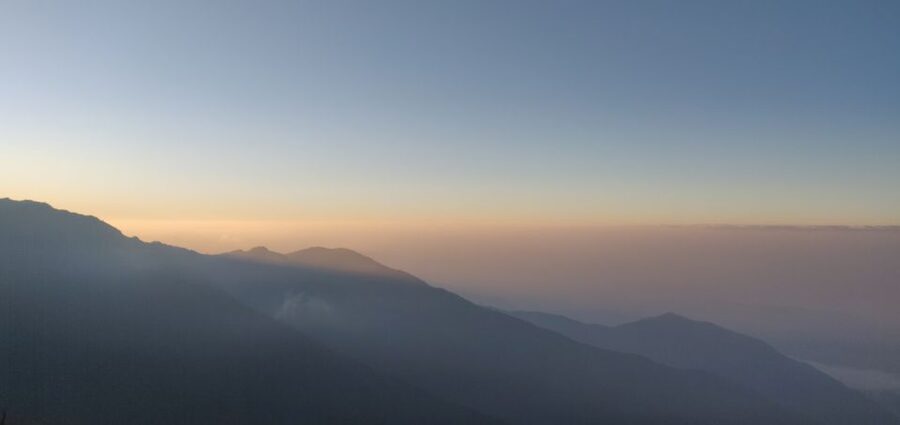
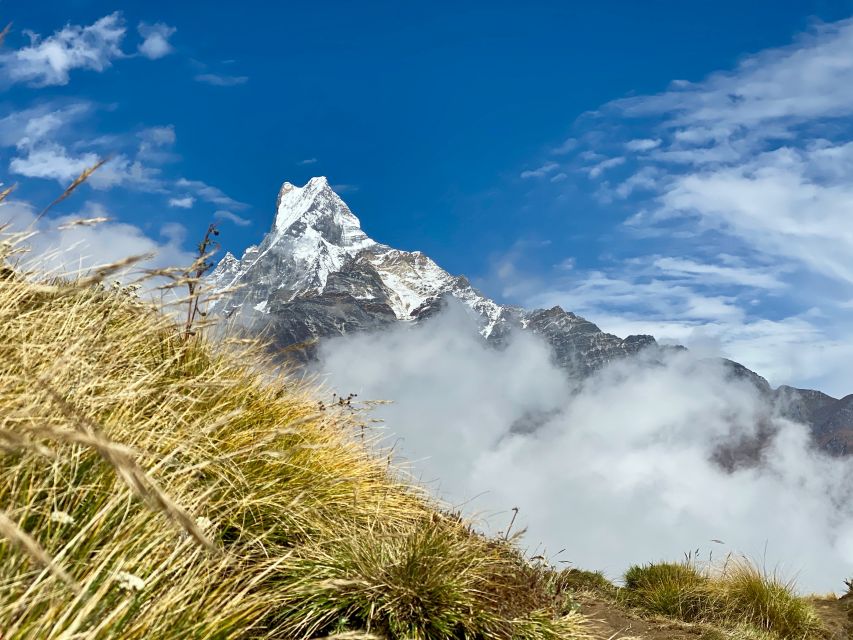
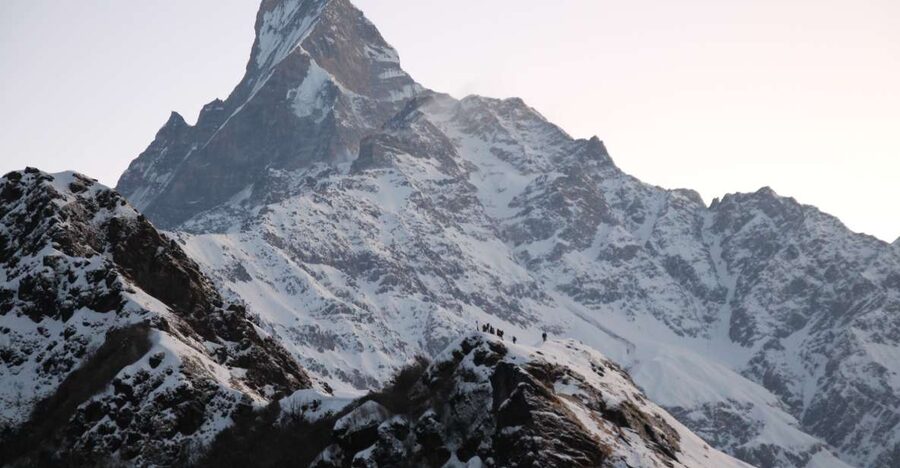
The third day begins early, around 4:00 am. You hike for up to two hours from High Camp to a viewpoint at about 4,300 meters. The purpose is simple: reach the ridge in time for the best morning light on Machapuchare and the Annapurna range.
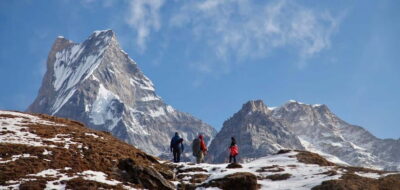
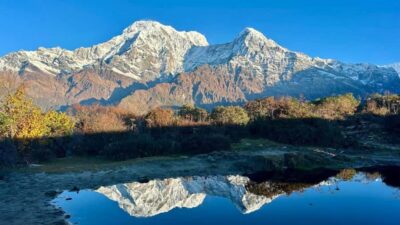
This is the visual high point of the trip. Mount Fishtail, Annapurna South, Hiunchuli, and other major summits form the panorama. Clear weather makes a huge difference, so the view cannot be promised. Still, the early start gives you the best available chance before clouds build later in the day.
After the viewpoint, you return to High Camp for breakfast. Then comes a long descent toward Rest Camp at about 2,700 meters, with roughly seven hours of walking for the day. The downhill distance is easier on your breathing but can be hard on knees and thighs.
Use trekking poles here. They are included, and they are not decorative equipment. Poles help with loose ground, wet sections, and the steady pounding of a long descent. Keep water and a warm layer close, since the temperature can change as you lose altitude.
Day Four: Forest Trails, Modi River, and Jhinu Hot Spring
Day four is shorter, with about four hours of downhill walking from Rest Camp to Jhinu Village. You return to thick green forest, then move toward the Modi River, which flows from the Annapurna area.
A suspension bridge marks the river crossing. This is a simple but memorable shift in the trip. The high mountain route gives way to river country, village life, and warmer air. You stay overnight in Jhinu beside the river, with a chance to experience local hospitality at a slower pace.
The natural hot spring is the reward. Warm water under the open sky can feel excellent after several days of climbing and descending. Bring a towel and practical swim clothing. The hot spring is a natural outdoor stop, not a private spa, so keep your expectations grounded and respect local customs.
This day also gives you the best chance to notice the human side of the trek. The route passes through local settlements, and the tea-house stays bring you closer to everyday mountain life than a resort-based tour would. Basic accommodation and local food are part of the experience. Dal bhat, the familiar lentil and rice meal, is a reliable way to refuel, with other food options available.
More guided trips around Pokhara
- From Pokhara: 3-Day Ghorepani Poon Hill Trek with Guide
★ 4.9 · 68 reviews - Pokhara: 4-Day Poon Hill and Ghandruk Guided Trek
★ 5.0 · 14 reviews - Pokhara:4-Day Ghorepani Poon Hill Guided Trek via Ghandruk
★ 5.0 · 3 reviews - Kathmandu: 11-Day Annapurna Circuit Guided Trek via Tilicho
★ 5.0 · 2 reviews
Day Five: A Short Walk to Samrung and Back to Pokhara
After breakfast, you walk for about 30 minutes from Jhinu Village to Samrung. A vehicle then takes you back to Pokhara, with the drive listed at about two and a half hours.
This final morning is easy compared with the earlier stages. It gives you time to dry out gear, organize your bags, and think back over the route before returning to city comforts. The exact road conditions can affect the drive, so keep the rest of your Pokhara day flexible.
Pickup and drop-off are available throughout Lakeside, at Pokhara Airport, and across the Pokhara Valley. Kathmandu pickup can be arranged for an extra cost, but this trek is best understood as a Pokhara-based trip.
Guides, Porters, and the Level of Support
The company assigns an authorized licensed guide who speaks English or Hindi. Recent departures have included guides named Santosh, Prakash, and Jeet. Santosh and Prakash were praised for personal care, practical problem-solving, and strong local connections, while Jeet was noted for handling the trip professionally.
That kind of support matters on a mountain route. One recent group requested a porter and an additional licensed guide only 30 minutes before departure, and the request was arranged. Staff also helped obtain needed items from lower camps during an emergency. You should not assume every last-minute request can be handled, but this shows why a local guide can be more useful than simply following a route map.
Porters are not included in the listed price. Ask for one before departure if you want to carry only a day pack. Staff expenses for the included team, such as meals, lodging, salary, equipment, insurance, and transport, are covered.
What $183 Really Covers
The price offers good value for a private five-day trek, especially if you want the administrative work handled for you. Included items are:
- Hotel pickup and drop-off in the Pokhara area
- Licensed English or Hindi-speaking guide
- Trekking permits and required paperwork
- Trekkers’ Information Management System fees
- Government taxes
- Private accommodation during the trek
- Transport listed in the schedule
- Luggage storage
- Trekking poles, sleeping bag, and duffle bag
- Staff costs for the included team
Meals require a closer look. Breakfast, lunch, and dinner are included on the all-inclusive full package. Drinks are not included, and you pay separately for bottled or boiled water, showers, battery charging, laundry, phone calls, snacks, and bar bills.
Travel insurance is also your responsibility. Choose a policy with high-altitude trekking and rescue coverage. International flights and Nepal visa fees are outside the package, and extra luggage charges apply to domestic flights if relevant to your wider Nepal plans.
Free cancellation is available up to 24 hours before departure, and you can reserve now and pay later. Those terms are useful if your Pokhara schedule depends on weather or earlier travel connections.
Who Should Choose This Trek
This trip suits you if you want mountain views without committing to a two-week Himalayan route. It is also a good fit for a private group that values a guide, organized transport, and included equipment.
You should be comfortable with five-hour walking days, steep climbs, uneven trails, and a seven-hour day that combines an early viewpoint hike with a long descent. The itinerary is not suitable for pregnant women, and the high point reaches about 4,300 meters.
Fitness matters more than speed. You do not need to race, but you should prepare your legs for inclines and downhill walking. Bring a first aid kit, reusable water bottle, headlamp, boots, warm clothing, sunscreen, sunglasses, towel, and rain-ready layers.
Small Drawbacks to Plan Around
The accommodation is in tea houses with basic comforts. That is part of the local character, but you should not expect hotel-style rooms or a full range of facilities at High Camp and Rest Camp.
The mountain weather is unpredictable. Clear, sunny conditions can turn rainy or snowy, and clouds may block the Annapurna panorama even after you have climbed to the viewpoint. The trip remains worthwhile for its forests and villages, but you should not book it only for a guaranteed photo.
The route also includes a very early start and a demanding descent. If your knees dislike downhill walking, request trekking poles and consider a porter. Finally, confirm the exact package level, meal coverage, and pickup time before departure, since the general description and detailed driving times do not match perfectly.
Should You Book the Mardi Himal and Hot Spring Trek?
I would book this trip if you want a compact, private introduction to the Annapurna region and like the idea of ending in warm water beside a river. The strongest reasons are the 4,300-meter viewpoint, the forest route, the small-group support, and the practical gear and permit package at a fair price.
I would pause if you want soft beds, guaranteed mountain views, or an easy walking holiday. Ask about porter arrangements, meals, weather flexibility, and the exact vehicle schedule before paying. For a fit walker who accepts basic tea houses and changing conditions, this five-day route packs mountain scenery, local life, and a memorable hot-spring finish into a manageable stay from Pokhara.
FAQ
How long is the Mardi Himal and hot spring trek?
The experience lasts five days. The route includes trekking from Kande to Forest Camp, Forest Camp to High Camp, a viewpoint walk, descent to Rest Camp, Jhinu Village, and transport back to Pokhara.
How high does the trek go?
High Camp sits at about 4,000 meters, and the early morning viewpoint reaches approximately 4,300 meters.
Is a guide included?
Yes. A licensed English or Hindi-speaking guide is included. The trip is arranged as a private group.
Are meals included?
Breakfast, lunch, and dinner are included on the all-inclusive full package. Soft drinks, alcoholic drinks, bottled or boiled water, snacks, and other personal purchases are not included.
Is a porter included?
No. Porters can be arranged for an additional cost. Trekking poles, a sleeping bag, and a duffle bag are included.
Where can pickup take place?
Pickup is available from hotels in Lakeside, Pokhara Airport, and the wider Pokhara Valley. Kathmandu pickup can be arranged for an additional cost.
What should I bring?
Bring identification, sunglasses, a hat, towel, sunscreen, reusable water bottle, first aid kit, hiking shoes, long pants, jacket, T-shirts, shorts, and trekking gear. A headlamp and warm layers are also important.
Is travel insurance included?
No. You need to arrange your own travel and rescue insurance. High-altitude coverage is recommended for this trek.
New treks around Pokhara
- Pokhara: 9-Day Annapurna Base Camp Trek with Poon Hill★ 5.0 · 6 reviews
- Pokhara: 5-Day Trek to Annapurna Base Camp and Hot Springs★ 5.0 · 4 reviews
- Pokhara: 5-Day Ghorepani and Poon Hill Private Trek★ 5.0 · 4 reviews
- Pokhara: 7-Day Annapurna Base Camp Trek & Hot Spring★ 4.0 · 3 reviews
- Pokhara:4-Day Ghorepani Poon Hill Guided Trek via Ghandruk★ 5.0 · 3 reviews
- Pokhara: 4-Day Poon Hill and Ghandruk Guided Trek★ 5.0 · 14 reviews
- Pokhara: 4-Day Private Trek Tour★ 4.9 · 43 reviews
- Pokhara: 4-Day Beautiful Ghorepani Poon Hill & Ghandruk Trek★ 4.8 · 21 reviews
Mardi Himal Treks, side by side.
Pokhara: 4-Day Mesmerizing Mardi Himal Guided Trek
Read our review →
Pkr. Backpacker Group Dep.: 4 Day Mardi Himal Base Camp Trek
Read our review →Lists this trek appears in