
Review · POKHARA
Pokhara: 4-Day Mardi Himal Trek
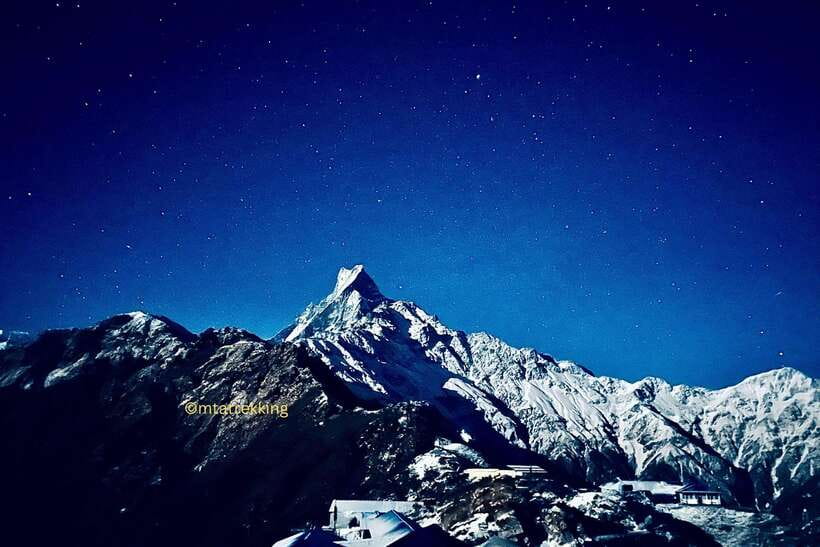
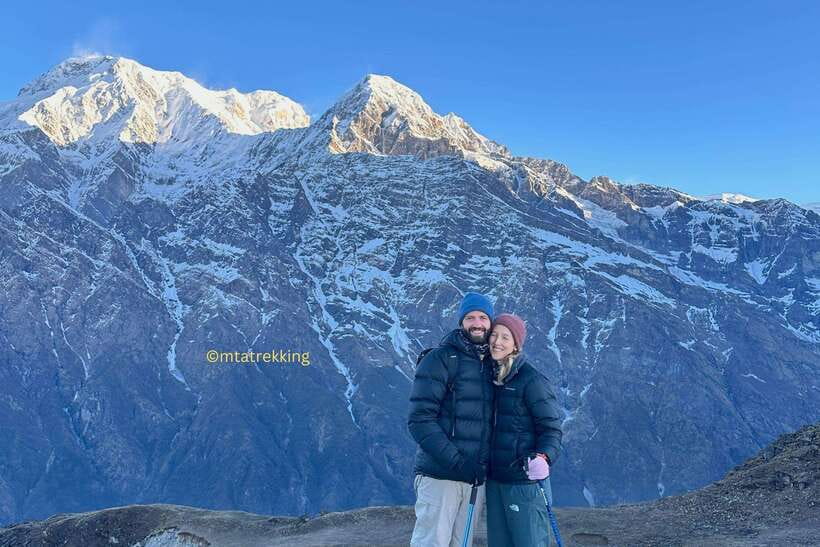
The best part of this four-day Mardi Himal trek is the quick change from Pokhara’s easygoing lakeside streets to quiet forest paths and a high sunrise viewpoint above the clouds. You’ll see Machhapuchhre, better known as Fishtail, with Annapurna South and Mardi Himal filling the horizon.
I like the mix of rhododendron forest, hillside villages, and alpine meadows, and I like that a private guide can adjust the pace. Guides such as Kaji, Ramit, Prabit, and Lalit have been especially praised for checking altitude symptoms, arranging tea houses, and keeping the walk friendly. The tradeoff is simple: four days makes this a hard-working schedule, with many stairs and long uphill sections.
Key points to know before you book
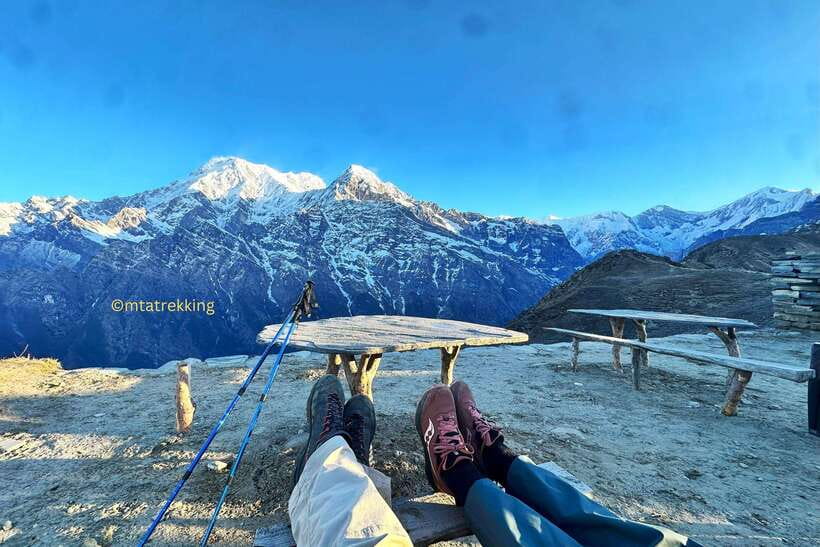
- Sunrise at about 4,200 meters: The early hike above High Camp rewards you with views of Fishtail, Annapurna South, Mardi Himal, and surrounding peaks.
- A short route with serious climbing: Four days is efficient, but you need good fitness for repeated stairs and rapid altitude gain.
- Forest Camp and High Camp nights: Tea houses offer a warm place to sleep, though facilities become basic at higher elevations.
- Private guiding matters: Your guide handles permits, transport, meals if included in your package, and daily pacing.
- Base Camp depends on conditions: The optional section near 4,500 meters may be closed or discouraged in snow, rain, or poor visibility.
- $139 can be good value: The price covers transport, permits, guide services, accommodation, gear, and staff costs, but meals depend on the package.
Why Mardi Himal works so well from Pokhara
Mardi Himal is a good choice if you want a genuine Himalayan trek without committing to a long circuit. Pokhara is the natural starting point, and the first drive takes you away from the city and toward Kande, where the walking begins.
The route is not technical mountaineering. You do not need ropes or climbing experience. You do need to be ready for sustained uphill walking, uneven paths, stone steps, and a large jump in altitude over only a few days.
The payoff comes from variety. You pass terraced fields, traditional Gurung and Magar villages, thick forest, open ridges, and high mountain country. Birds and butterflies are common sights, and you might spot Himalayan thar in the upper areas.
I also like the human side of this route. Your guide can explain local customs, introduce you to tea house hosts, and help you understand how people live in the hills. Ramit, Kaji, Prabit, Lalit, and other guides working with the company have been noted for their humor, care, and attention to food, water, and pace.
More Mardi Himal treks around Pokhara:
- Private Mardi Himal Trek
★ 5.0 · 42 reviews - From Pokhara: 4-Day Mardi Himal Base Camp Trek
★ 4.9 · 31 reviews - From Pokhara: 5-Day Mardi Himal Base Camp Trek
★ 5.0 · 10 reviews
Day 1: Pokhara to Kande, then five hours to Forest Camp
Pickup is scheduled around 8:00 am from places including Baidam, Lakeside, Pame, and Lakeside Road. If your hotel is outside those points, you need to give the operator your exact location in advance.
The drive to Kande takes about an hour and a half. Along the way, you’ll see green fields, forest, the Seti River, and mountain views. This is not dead time. It gives you a useful look at the lower hills before the walking begins.
From Kande, expect roughly five hours on foot to Forest Camp. The trail moves through forest and hillside scenery, with a tea house stop around midday. The first day is a proper trekking day, not a gentle warm-up. You will want comfortable footwear, water within reach, and a small daypack that does not strain your shoulders.
Forest Camp sits at about 2,600 meters. The evening is usually about settling in, eating, and resting rather than sightseeing. Tea house accommodation is part of the standard arrangements, but the exact comfort level varies. A sleeping bag is a smart idea, and one can be provided as trekking gear.
Day 2: Forest Camp to High Camp through thick forest
The second day takes you higher, with about five hours of walking toward High Camp. The trail continues through dense forest before opening into higher ground and wider mountain views.
This section is one of the route’s most appealing parts. You are still surrounded by trees, but Fishtail and the Annapurna range begin to appear more clearly as you gain height. Fog may roll through the forest, especially outside the clearest seasons, giving the trail a quiet, changing character.
The route includes plenty of stairs. That detail matters. Some descriptions make Mardi Himal sound like an easy short hike, but the combination of steps, uphill grades, and altitude can leave even fit hikers tired. Your guide should set a pace that allows regular rests. Kaji and Lalit, for example, have been praised for planning rest stops and checking how people were coping.
High Camp is listed at roughly 3,550 to 4,000 meters in the supplied information. The figures vary, so ask your operator to confirm the exact overnight point. Either way, this is a cold, high night. Tea house facilities can be basic, and hot showers, reliable phone service, and other comforts may not be available.
At this height, eat a proper meal and drink regularly. Guides have advised avoiding frozen or low-quality food at high elevations and choosing fresh cooked meals, rice, vegetables, and dal bhat when available. Ginger, lemon, honey tea, and chai are useful warm drinks during the climb.
Day 3: Sunrise at the viewpoint and the optional Base Camp
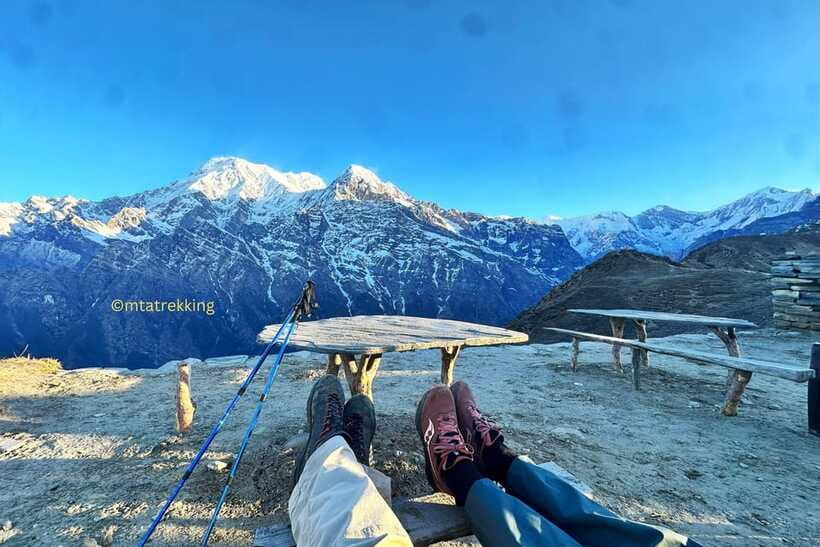
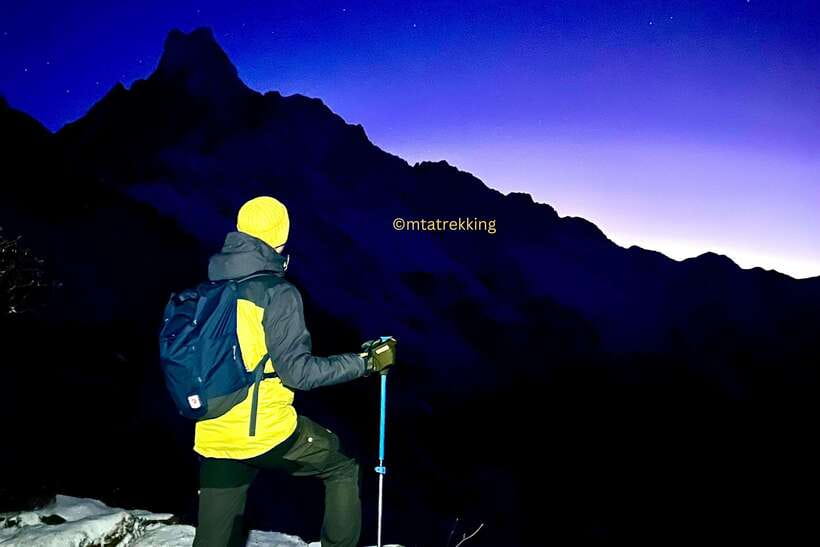
The morning begins around 4:00 am. You’ll walk for about one and a half to two hours toward the sunrise viewpoint, reaching roughly 4,200 to 4,300 meters depending on the exact point used.
This is the moment that defines the trek. In clear weather, the sun lights up Fishtail, Annapurna South, Mardi Himal, and the surrounding ridges. Fishtail is especially striking, with its sharp double summit and strong presence above the trail.
Bring a flashlight or headlamp. The trail is dark at the start, and warm clothing is essential. Sunglasses, sunscreen, and a sun hat become useful once daylight reaches the exposed upper paths.
The plan may allow an optional continuation toward Mardi Himal Base Camp at about 4,500 meters. This should never be treated as guaranteed. Snow, wind, cloud, or slippery ground can make the upper route unsafe, particularly in January and February. Crampons and caution may be needed in winter.
The guide may advise stopping at the viewpoint instead. That is a sensible decision, not a failure to complete the trek. One group was allowed to continue only when conditions permitted, while another was advised against Base Camp because of poor weather. The mountain decides the schedule here.
After the viewpoint, the route descends toward Forest Camp, with the mountain views continuing to accompany you. Some versions of the plan describe Low Camp on this night, while the day-by-day schedule names Forest Camp. Confirm the actual overnight stop before departure, since this affects walking time and accommodation.
The descent can be surprisingly tiring. Your knees and feet have already worked hard, and the long morning makes the day feel bigger than the distance suggests. Take your time, eat lunch, and use trekking poles if you have them.
More four-day treks around Pokhara
- Pokhara: 4-Day Ghorepani, Poonhill & Ghandruk Mountain Trek
★ 5.0 · 132 reviews - Pokhara: 4-Day Private Trek Tour
★ 4.9 · 43 reviews - Pokhara: 4-Day Beautiful Ghorepani Poon Hill & Ghandruk Trek
★ 4.8 · 21 reviews - Pokhara: 4-Day Poon Hill and Ghandruk Guided Trek
★ 5.0 · 14 reviews
Day 4: Forest Camp, Kalimati, and the ride back to Pokhara
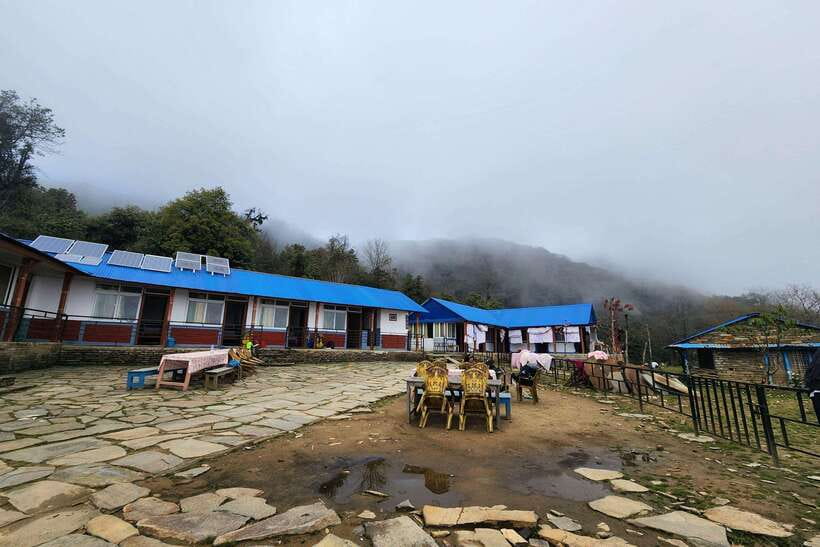
The final day heads downhill through forest toward Kalimati, with the route passing small waterfalls, bridges, and bird-filled paths. The descent is calmer than the upper trail, but it still requires care on wet stones and steps.
Kalimati sits around 1,650 to 1,800 meters in the supplied route details. From there, a jeep or SUV takes you back to Pokhara in about one and a half to two hours.
Fishtail may remain visible during the descent, giving the final walking hours a strong sense of place. You are not simply retracing a road or rushing toward a vehicle. The forest, village paths, and mountain views continue almost to the end.
Drop-off is available in Pokhara, Baidam, and Lakeside. If you have a flight or another fixed appointment, allow extra time. Mountain roads and the return drive do not always fit neatly into a city schedule.
What the $139 price really covers

At $139 per person, this trek can offer strong value, especially for a private group. The cost includes hotel pickup and drop-off in Pokhara, a licensed English-speaking guide, permits, TIMS fees, government taxes, trekking transport, accommodation, and staff costs.
Trekking gear such as poles and a sleeping bag is also provided. Luggage storage in Pokhara is available if you do not want to carry everything into the hills.
The main detail to watch is the difference between the Standard and Full packages. Breakfast, lunch, and dinner are included only with the Full Package. The Standard Package does not include meals, so you need to budget separately for food and drinks.
You also pay for soft drinks, hard drinks, boiled water, laundry, phone calls, toiletries, and other personal costs. Porter service is listed separately at $20 per day. Solo visitors may need to share a room during busy periods because tea houses have limited space.
Bring cash. Several useful expenses in the mountains are personal, and card payments may not be available. A small reserve gives you flexibility for tea, snacks, charging, and extra food.
Tea houses, food, and comfort at altitude
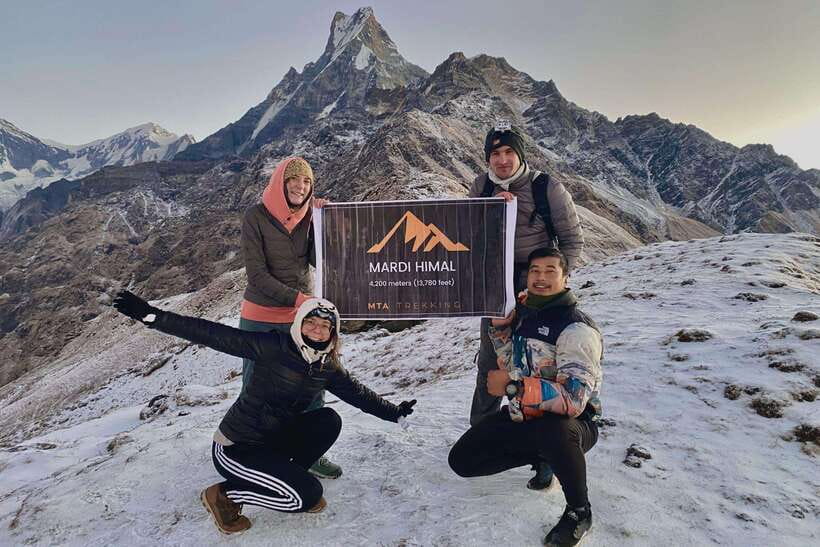
Tea houses are part of what makes Mardi Himal accessible. You sleep in local mountain accommodation rather than camping, and meals can be simple but satisfying.
You should keep your expectations practical. At High Camp, showers may be unavailable, phone signal can be weak, and toilet paper is not always supplied. Rooms are adequate rather than luxurious. A sleeping bag improves warmth and cleanliness.
The lower tea houses may feel more welcoming and comfortable, while the upper stops are about location and shelter. Namaste Hotel at High Camp and Hotel Low Camp were singled out as comfortable choices, but conditions can still be basic.
Food is an important part of the trek. Dal bhat, rice, vegetables, noodles, eggs, and hot tea are common choices, though the exact menu depends on the tea house. Follow your guide’s advice about avoiding meat and food that may have been frozen or stored too long at high elevations.
The guide can make or break the four days
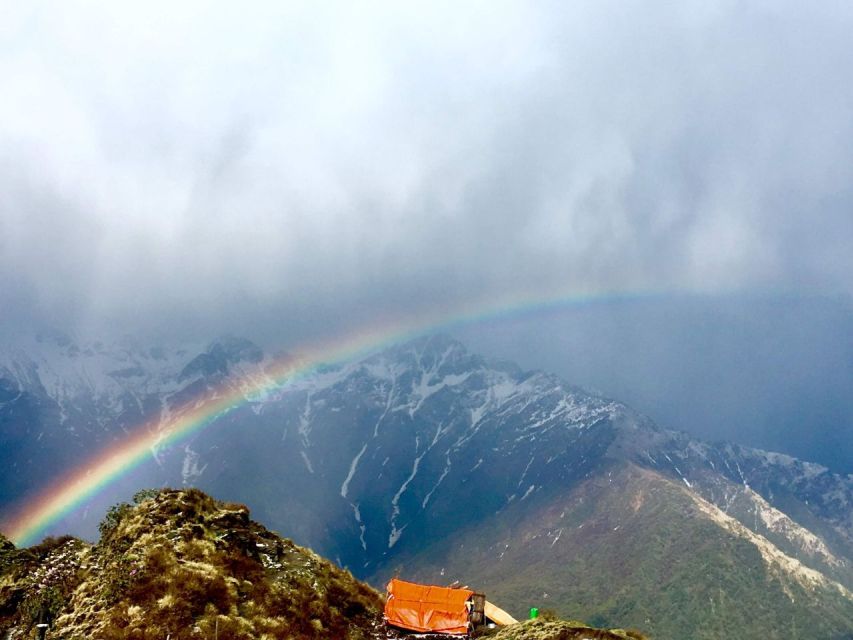
A private group gives you more control than a large fixed group. Your guide can slow the pace, add rest stops, and decide whether the upper trail is safe.
That support is especially useful because the route gains altitude quickly. Teodora’s guide, Lalit, helped when her partner developed altitude symptoms. Other guides, including Santosh and Prabit, have also been praised for regular health checks and calm decisions.
You should still take responsibility for your own condition. Tell your guide about headaches, nausea, unusual tiredness, dizziness, or breathing problems. Do not treat the Viewpoint or Base Camp as a test of willpower.
The strongest guiding style on this route is practical rather than theatrical. Ramit has been noted for taking photographs, explaining Nepali culture, and adjusting the pace. Kaji has been praised for arranging meals and tea houses while keeping the mood light. Prabit has been valued for handling transport, accommodation, and daily details. Those small actions matter when you are tired and cold.
The activity offers English and Hindi-speaking guides. Transport receives a very high satisfaction score, and the vehicle is arranged for the trek rather than left for you to organize independently.
Best seasons, weather, and safety
The best periods are spring, from March to May, and autumn, from September to November. These seasons usually bring more stable weather and clearer mountain views.
The monsoon can bring cloud, rain, leeches, mosquitoes, and slippery trails in the forest. One August departure still produced an enjoyable hike, but the weather reduced visibility. September conditions can also be cloudy.
Winter brings a different problem: snow and ice above the Viewpoint. The Base Camp section may become steep and difficult, with no strong safety infrastructure. Crampons may be needed in January and February.
Pack warm clothing, sunglasses, a sun hat, sunscreen, and a flashlight. Add rain protection, basic first-aid supplies, and enough personal medication for the full trek. Altitude tablets are a personal medical decision, so speak with a doctor before the trip rather than relying on a guide or another hiker.
The trek is not suitable for pregnant women, people with altitude sickness, or people over 70 years old. Those limits are stated plainly, and you should take them seriously.
Who should book this trek?
I would recommend Mardi Himal to you if you want big mountain views within a short holiday and you are comfortable walking uphill for several hours a day. It suits first-time Himalayan hikers who are reasonably fit and want a guide, tea house nights, and arranged transport.
It is also a good fit if you prefer a private group. You can walk at your own speed and have more direct contact with the guide.
I would hesitate if you dislike stairs, cold rooms, basic bathrooms, or early morning starts. The four-day schedule is efficient but demanding. Some hikers felt the route would have been more comfortable over five or six days, especially because late arrivals at tea houses can happen.
Free cancellation is available up to 24 hours before departure, and you can reserve now and pay later. Those policies are useful if your Pokhara plans are still changing, but they do not remove the need to check weather and fitness before setting off.
Should you book the Mardi Himal Trek?
Book it if you want a short, well-supported route with an excellent sunrise goal. The combination of forest, villages, tea houses, and Fishtail views gives you a real taste of Nepal without requiring a two-week expedition.
The $139 price is attractive when you choose the package that matches your needs, but check whether meals are included and budget for porter service and personal costs. Confirm the overnight points too, since the schedule uses both Forest Camp and Low Camp descriptions.
My practical advice is to choose spring or autumn, bring warm layers and cash, and give your guide permission to shorten the upper route if conditions turn poor. If you can handle the stairs and altitude, this is one of the most rewarding four-day outings from Pokhara.
FAQ
How long is the Mardi Himal Trek?
The trek lasts four days, beginning and ending in Pokhara. Walking days range from about three to five hours, with the sunrise hike taking about one and a half to two hours before any optional Base Camp continuation.
What altitude does the trek reach?
The Mardi Himal Viewpoint is listed at about 4,200 to 4,300 meters. Mardi Himal Base Camp is about 4,500 meters. High Camp is listed at roughly 3,550 to 4,000 meters.
Is Mardi Himal suitable for beginners?
It can suit beginners who have good fitness and are prepared for many stairs, long uphill sections, and rapid altitude gain. It is not suitable for people with altitude sickness, pregnant women, or people over 70 years old.
Is Mardi Himal Base Camp always included?
Base Camp is an optional extension and depends on snow, weather, and trail safety. In winter or poor conditions, the guide may recommend stopping at the Viewpoint.
Are meals included in the $139 price?
Meals are included with the Full Package only. The Standard Package does not include breakfast, lunch, or dinner, so check which package you are booking.
What should I bring?
Bring warm clothing, sunglasses, a sun hat, sunscreen, and a flashlight. A sleeping bag and trekking poles are provided, and you should also carry personal toiletries, basic first-aid supplies, and cash for personal expenses.
Can I cancel or pay later?
You can cancel up to 24 hours before departure for a full refund. You can also reserve the trek and pay later, subject to the booking conditions.
New treks around Pokhara
- Pokhara: 9-Day Annapurna Base Camp Trek with Poon Hill★ 5.0 · 6 reviews
- Pokhara: 5-Day Trek to Annapurna Base Camp and Hot Springs★ 5.0 · 4 reviews
- Pokhara: Majestic Mardi Base Camp Guided Trek with HotSpring★ 5.0 · 6 reviews
- Pokhara: 5-Day Ghorepani and Poon Hill Private Trek★ 5.0 · 4 reviews
- Pokhara: 7-Day Annapurna Base Camp Trek & Hot Spring★ 4.0 · 3 reviews
- Pokhara:4-Day Ghorepani Poon Hill Guided Trek via Ghandruk★ 5.0 · 3 reviews
- Pokhara: 4-Day Poon Hill and Ghandruk Guided Trek★ 5.0 · 14 reviews
- Pokhara: 4-Day Private Trek Tour★ 4.9 · 43 reviews
Mardi Himal Treks, side by side.
Pokhara: 4-Day Mesmerizing Mardi Himal Guided Trek
Read our review →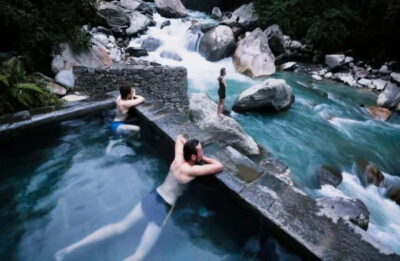
Pokhara: Majestic Mardi Base Camp Guided Trek with HotSpring
Read our review →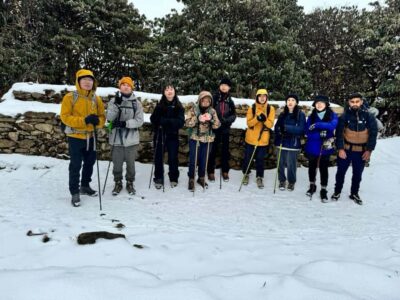
Pkr. Backpacker Group Dep.: 4 Day Mardi Himal Base Camp Trek
Read our review →Lists this trek appears in