
Review · NEPAL
Pokhara: 5-Day Annapurna Base Camp Trek with Hot Spring
Annapurna Base Camp is the star here, but the five-day schedule is the real test. You leave Pokhara by road, walk through forests and villages, sleep at 4,130 meters, then descend to Jhinu Dada for a hot-spring soak. It is a compact route with big scenery and very little spare time.
I like the private format and the fact that a licensed guide handles permits, paperwork, and the mountain logistics. I also like the hot spring finish, which gives your tired legs something to look forward to. The drawback is simple: five days is intense, especially on the long descent, and February conditions can include snow, ice, or avalanche crossings.
Key points
- Annapurna Base Camp at 4,130 meters: Reach the famous mountain bowl after a steep approach from Deurali.
- A private guide-led trek: English, Hindi, and Nepali guidance is available, with guides such as Kaji and Jeet praised for care and good pacing.
- A demanding five-day plan: The route includes up to seven or eight hours of walking in a day.
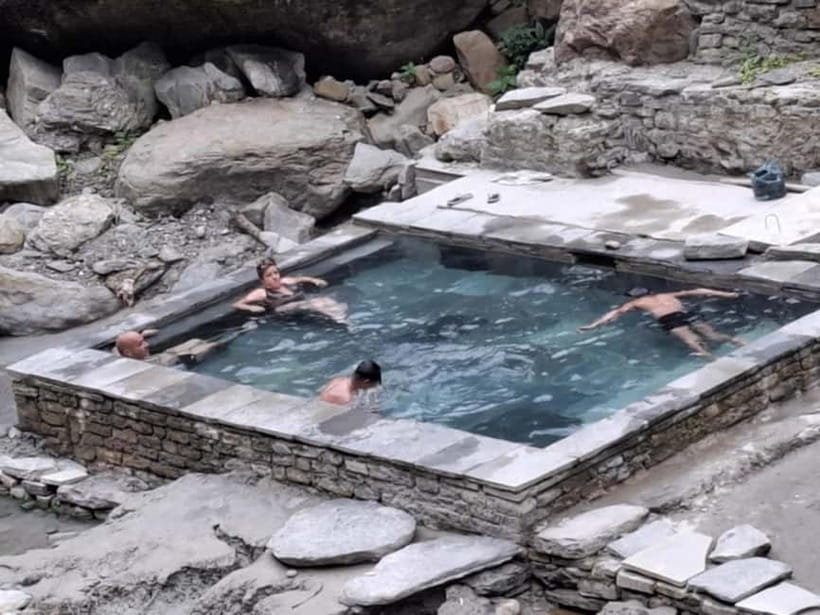
- Jhinu Dada hot springs: End the trek with a natural hot-water soak before returning to Pokhara.
- Transport from Lakeside Pokhara: The plan combines a Jeep ride on the first and final days with mountain walking.
- Choice of meal package: You can buy meals as you go or choose the full package with breakfast, lunch, and dinner.
What this five-day Annapurna route is really like
This is not a gentle introduction to mountain trekking. It is a fast, direct trip to Annapurna Base Camp, followed by a hard descent. You gain height quickly, sleep at high altitude, and cover the return route in a short window.
That tight schedule is useful if you have limited time in Nepal. It also means you need to arrive ready for long walking days. You will not have much room to slow down, add a rest day, or wait for poor weather.
The experience begins and ends in Lakeside Pokhara, one of Nepal’s most popular bases for mountain trips. Hotel pickup is included, and the trek is arranged as a private group. That matters because your guide can focus on your pace and condition rather than keeping up with a large mixed group.
The listed price is $150 per person. That is attractive for a guided Himalayan trek, especially since permits, government taxes, transport described in the plan, private accommodation, guide costs, and trekking gear are included. Check the exact package before booking, though. The standard option lets you purchase meals on the trail, while the full package includes breakfast, lunch, and dinner. Porters, drinks, bottled or boiled water, showers, laundry, and personal costs are extra.
More Hot Spring Treks in Nepal
- Pokhara: 5 Day Annapurna Base Camp Trek & Natural Hot Spring
★ 4.9 · 44 reviews - From Pokhara: 5-Day Annapurna Basecamp Trek with Hot Springs
★ 4.9 · 26 reviews - Pokhara: 7-Day Annapurna Base Camp Trek & Natural Hot Spring
★ 5.0 · 11 reviews
Day one: Lakeside Pokhara to Sinuwa
Your first morning starts early in Lakeside. The road journey takes you toward Samrung, with about three hours in a Jeep before roughly four hours of walking to Sinuwa at 2,200 meters.
The drive is part of the experience, not just a transfer. You pass views of the Seti River, mountain ridges, and green paddy fields. The route also gives you an early look at rural life in western Nepal, with villages and local hospitality along the way.
From Samrung, the trail leads upward through mountain scenery and greenery. Sinuwa is your first overnight stop, and it provides a useful transition from Pokhara’s lower elevation to the colder, higher country ahead.
The day is longer than the simple distance might suggest because it combines road travel and trekking. You will want a daypack with water, sunscreen, a jacket, snacks, and any medication you need during the transfer. Your main luggage can be stored in Pokhara, which keeps the walking load more manageable.
Day two: Rhododendron forests to Deurali
The second day is a serious walking day. You trek from Sinuwa to Deurali at 3,200 meters, with about seven hours on the trail.
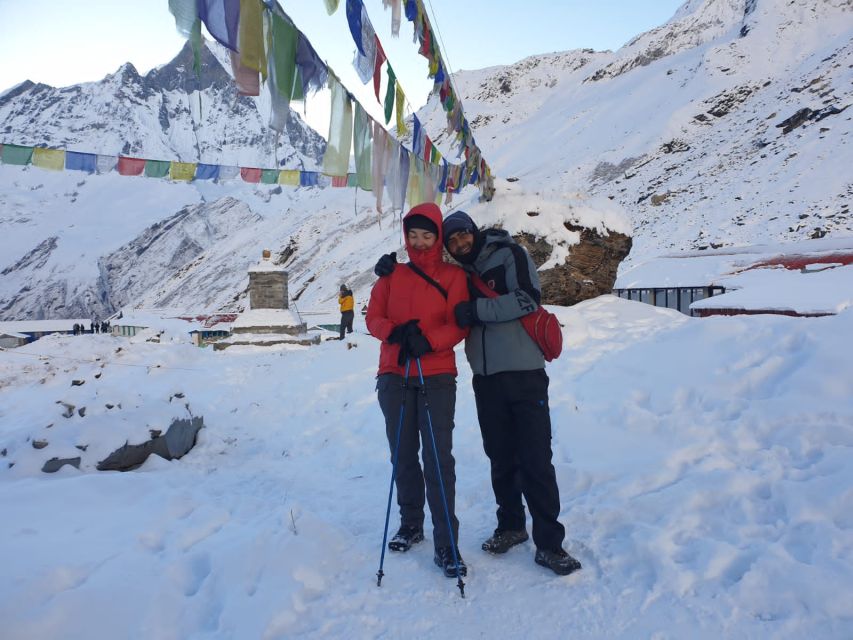
The route passes through forests and rhododendron blooms. These trees are one of the signature sights of the Annapurna region, and the forest offers shade and a change from open mountain views. As you gain height, the air becomes cooler and the route feels more remote.
This is where a good guide becomes especially useful. The itinerary keeps climbing, and you need to manage your pace rather than race the first part of the day. Guides such as Kaji and Jeet have been praised for taking care with rest, explaining the surroundings, and checking that people are doing well. You should still speak up if you feel unwell, cold, or unusually tired.
Deurali is an important overnight stop because the next morning takes you higher, to Annapurna Base Camp. The accommodation is private according to the package details, but mountain lodging should be approached with practical expectations. Personal expenses such as showers, charging batteries, drinks, and water are not included.
Day three: The climb to Annapurna Base Camp
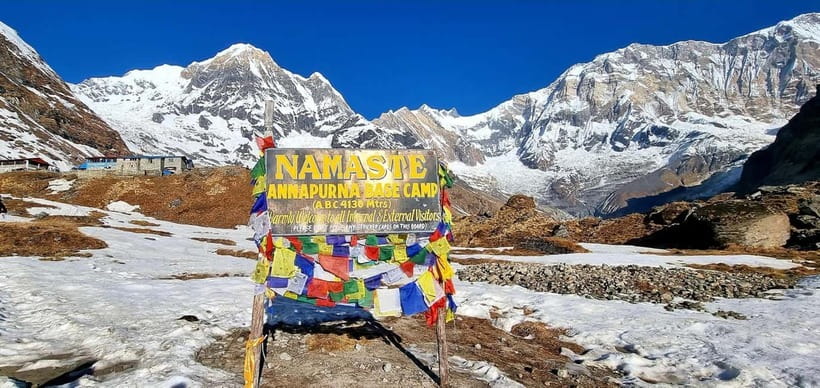
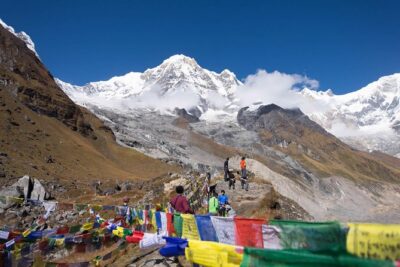
The third day is the main event. From Deurali, you walk for about five hours to Annapurna Base Camp, reaching 4,130 meters.
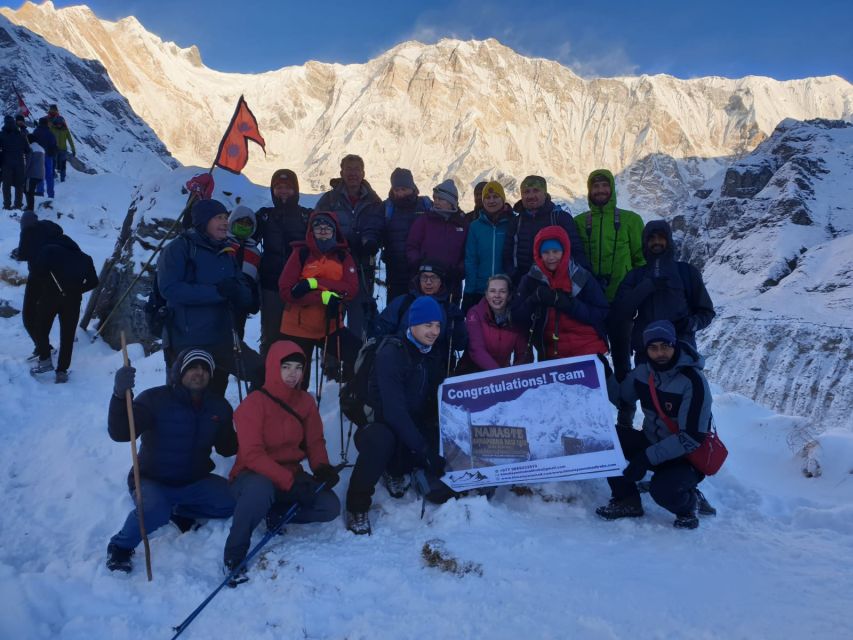
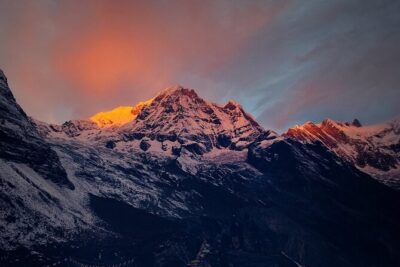
The climb brings you into the high mountain bowl around the base camp. The reward is not a single viewpoint but the feeling of being surrounded by huge peaks and glaciers. The route ends in a natural amphitheater, where the mountains rise around you in every direction.
At this height, weather can change quickly, and the cold may be sharp. You need warm layers, a hat, gloves if you have them, sunglasses, and sunscreen. The sun can feel strong even when the air is cold.
The schedule has you spend the night at Annapurna Base Camp. This is valuable because you do not simply arrive, take a few photographs, and leave. You get time to look around, settle into the setting, and prepare for an early view of the peaks the next morning.
The high point also brings the greatest physical risk of the trip. You are sleeping at 4,130 meters after gaining height over two days. Travel and rescue insurance is strongly recommended, and it should cover trekking at the altitude you plan to reach.
More Annapurna treks around Nepal:
- Annapurna Circuit Trek with Tilicho Lake
★ 5.0 · 368 reviews - Annapurna base camp trek 5 Days
★ 5.0 · 252 reviews - 14-Day Private Annapurna Base Camp Trek
★ 5.0 · 180 reviews - Trekking in Annapurna/Langtang/Everest/Upper Mustang regions
★ 5.0 · 161 reviews
Day four: Sunrise and the long descent to Lower Sinuwa
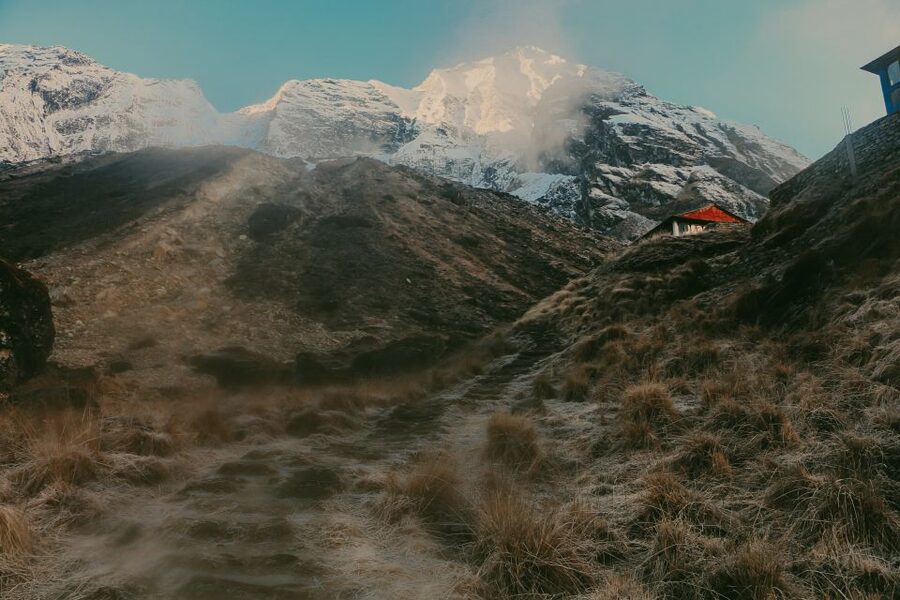
After sunrise at base camp, you begin the return to Lower Sinuwa at 2,200 meters. The planned walking time is about eight hours.
The descent is not automatically easy. It is long, and tired legs can make downhill steps hard on your knees and feet. You retrace much of the route through forests and mountain scenery, but the physical rhythm changes. Take care with footing and keep your pace steady.
This is the day that makes the five-day format feel compressed. A longer version would give you more time to enjoy the route and reduce the pressure of the return. One person who completed the trip in February wished for seven days because five felt intense. That is useful advice if you prefer slow mornings, long photo stops, or extra time in the mountains.
Winter and early-season conditions also deserve attention. A February departure led to difficult weather and snow and ice on the descent, including several avalanche crossings. That is not a minor detail. If the trail is snowy or icy, your guide’s judgment matters, and you should be honest about your comfort level before choosing this short itinerary.
Day five: Jhinu Dada hot springs and return to Pokhara
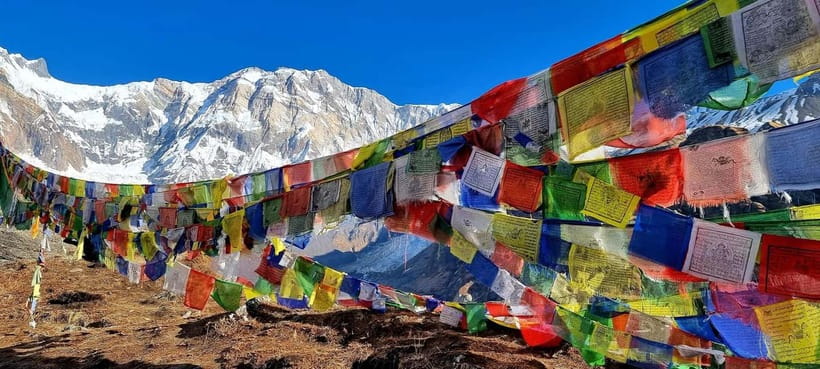
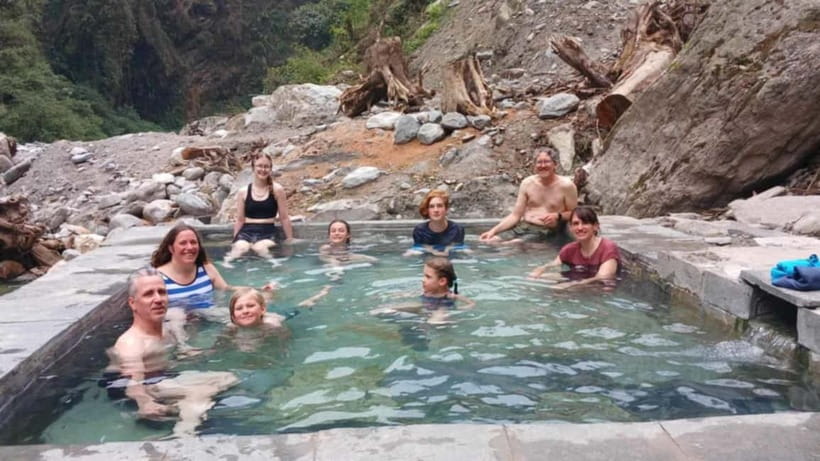
The final day combines about four hours of trekking with roughly three hours by Jeep. You descend from Lower Sinuwa toward Jhinu Dada, where the natural hot springs provide the trip’s most welcome recovery stop.
The hot springs are more than a sightseeing add-on. After several long days, soaking in warm water gives you a chance to rest before the final road journey. Bring suitable clothing and keep your personal items secure. The tour information lists the spring stop, but it does not specify changing facilities or towel arrangements, so ask your operator what you should carry.
After Jhinu Dada, you continue by road to Lakeside Pokhara. The return gives you time to think back over the route, from green fields and river views to rhododendron forests, glaciers, and the high mountain bowl at base camp.
The plan says you return to Lakeside on day five, but do not schedule an important flight immediately afterward. Mountain conditions, road delays, or an early return can change your timing. You may also need an extra Pokhara night if your arrival, departure, or return from the mountain falls outside the planned schedule.
Guides, group size, and support
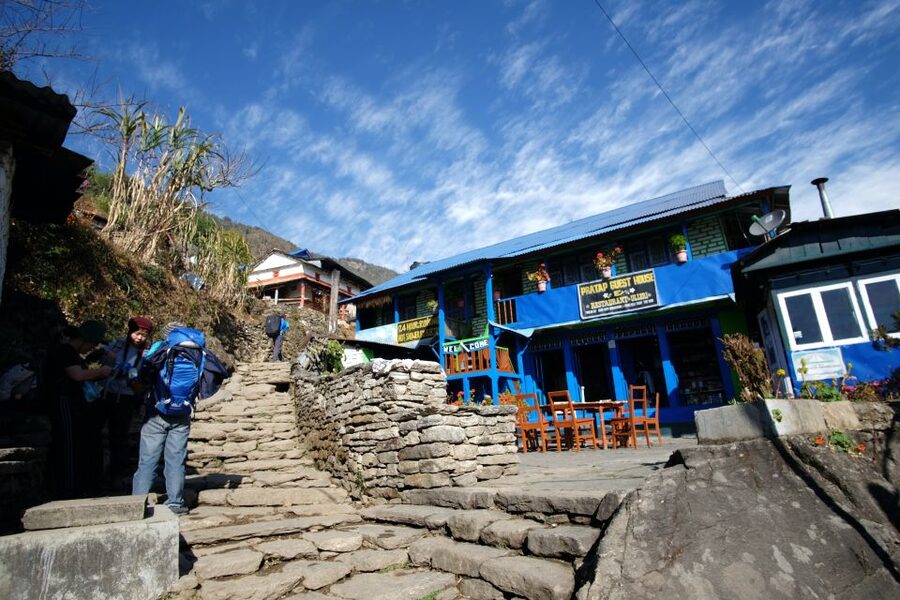
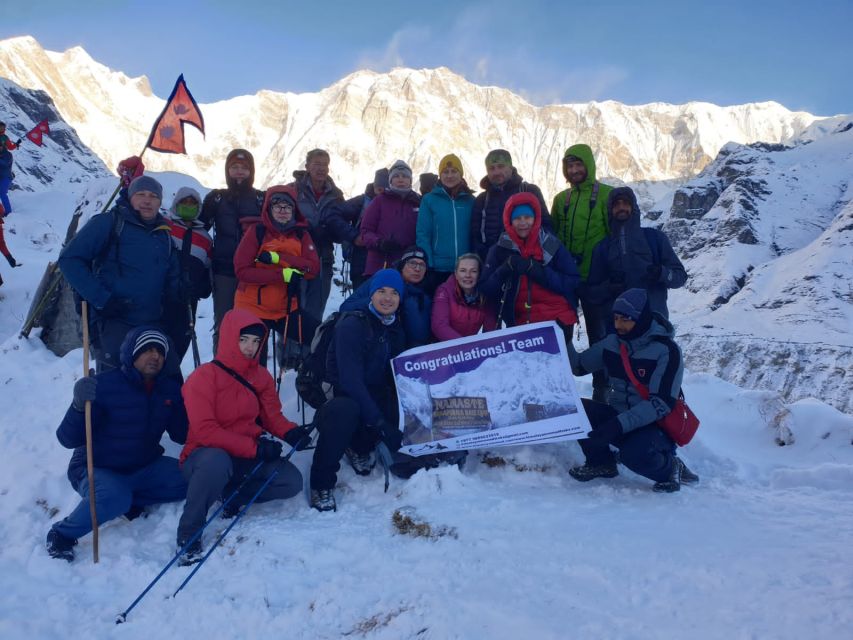
This is a private group experience with a licensed English-speaking guide. Hindi and Nepali are also available. A private arrangement is a strong choice for a demanding short trek because you can discuss pace, rest, weather, and trail conditions directly with your guide.
Two guide names connected with particularly strong praise are Kaji and Jeet. Kaji helped during difficult snow and avalanche conditions, while Jeet was praised for humor, respect, explanations, and careful attention to rest. You may not be assigned either guide, so treat those names as examples of the company’s guide support rather than a promise.
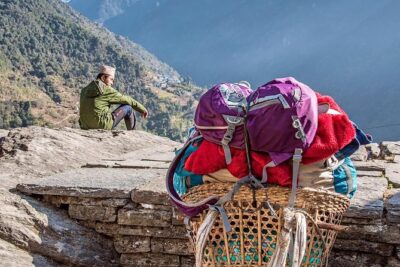
The package covers staff meals, accommodation, salary, equipment, insurance, and transportation. That helps explain why the $150 price can represent good value. A porter is not included, however. You can arrange one for an additional cost, which may be worth considering if you do not want to carry your own main bag.
The included trekking gear is useful: trekking poles, a sleeping bag, and a duffle bag. You should still bring hiking shoes, a daypack, warm clothing, rain protection if available, socks, sunscreen, sunglasses, and a change of clothes. The supplied packing list also recommends cash, a camera, comfortable clothing, shorts, and a hat.
Meals, water, and extra costs
The food arrangement needs careful attention before you pay. The standard option allows you to buy meals along the route. The full package includes breakfast, lunch, and dinner during the trek.
Drinks are not included, and neither are bottled or boiled water, phone calls, laundry, bar bills, battery charging, showers, or extra porters. Mountain costs can add up, so carry enough cash for personal expenses.
The full meal package offers easier budgeting and less daily decision-making. The standard option may suit you if you want to choose meals as you go, but you should not assume that food is included simply because the trek is guided.
Who should choose this trek?
I would recommend this route to a fit hiker who has five days available and wants to reach Annapurna Base Camp without arranging each permit, transfer, and overnight stop alone.
It also suits you if you value a private guide and want a clear support system in the mountains. The included permits, paperwork, storage, transport, sleeping gear, and guide services reduce the amount of planning you must handle yourself.
I would be cautious about choosing it if you dislike long walking days, struggle with steep descents, or want plenty of time for photography and rest. The schedule is particularly demanding on days two and four. If you can add time, a seven-day plan would likely feel more comfortable.
Season matters, too. February conditions can bring snow, ice, and avalanche hazards. If you are not comfortable on snowy ground, choose a more favorable time of year or ask whether a longer schedule is available.
Practical booking advice
Hotel pickup is included, and you should wait in your hotel lobby 10 minutes before the scheduled pickup. Keep your passport or ID card with you, along with cash and a small daypack.
The activity allows cancellation up to 24 hours in advance for a full refund, and you can reserve now and pay later. Those policies make planning easier, but they do not replace travel and rescue insurance. Buy coverage that specifically fits a high-altitude trek.
Before departure, ask three direct questions: which meal option is included, what porter support costs, and what happens if weather changes the route. Also confirm the expected guide language and the exact transport arrangements for your group.
Should you book the Annapurna Base Camp trek?
Book it if your priority is reaching Annapurna Base Camp in a short, organized trip from Pokhara, with a private guide and a hot spring finish. The price is appealing because it includes several major costs, and the route packs forests, villages, glaciers, and high mountain views into five days.
Think twice if you want a relaxed Himalayan walk. The eight-hour descent, the high overnight at base camp, and the possibility of snow or ice make this a demanding trip. For a stronger margin of comfort, ask about taking seven days.
For fit hikers with limited time, this is a direct and memorable way to see the Annapurna region. Just treat the schedule seriously, budget for extras, carry proper layers, and let your guide set the pace when the trail turns difficult.
FAQ
How long is the Annapurna Base Camp trek?
The tour lasts five days, including transport from Pokhara and the return to Pokhara.
What is the highest point reached?
Annapurna Base Camp is at 4,130 meters.
Is transportation from Pokhara included?
Yes. Hotel pickup and drop-off are included, with Jeep transport on the first and final days according to the planned route.
Are meals included?
Meals are included only with the All Inclusive Full Package. The standard option allows you to purchase meals along the route.
Is a porter included?
No. A porter can be arranged for an additional cost if needed.
What languages can the guide speak?
Guiding is available in English, Hindi, and Nepali.
Is this a private group trek?
Yes. The activity is arranged as a private group.
What equipment is provided?
The package includes trekking poles, a sleeping bag, and a duffle bag. You should bring your own hiking shoes, clothing, daypack, and other personal trekking items.
Can I cancel the booking?
You can cancel up to 24 hours in advance for a full refund. You can also reserve now and pay later.
More five-day treks around Nepal
- Kathmandu to Annapurna Base Camp (ABC) 5-Day Trek
★ 5.0 · 102 reviews - Kathmandu/Pokhara: 5-Day Annapurna Base Camp (ABC) Trek
★ 4.9 · 72 reviews - From Pokhara: 5-Day Mardi Himal Base Camp Trek
★ 5.0 · 10 reviews - Pokhara: 5-Day Annapurna Base Camp (ABC) Trek
★ 5.0 · 9 reviews
New treks around Nepal
- Pokhara: Poon Hill Trek★ 5.0 · 3 reviews
- Pokhara: 7 Day Annapurna Base Camp Trek★ 4.9 · 38 reviews
- Pokhara: 9-Day Annapurna Base Camp Trek with Poon Hill★ 5.0 · 6 reviews
- Pokhara: 5-Day Trek to Annapurna Base Camp and Hot Springs★ 5.0 · 4 reviews
- Pokhara: Amazing 7-Day ABC Trek with Natural Hot Spring★ 5.0 · 5 reviews
- Pokhara: Majestic Mardi Base Camp Guided Trek with HotSpring★ 5.0 · 6 reviews
- Pokhara: 5-Day Ghorepani and Poon Hill Private Trek★ 5.0 · 4 reviews
- Pokhara: 7-Day Annapurna Base Camp Trek & Hot Spring★ 4.0 · 3 reviews
Annapurna Base Camp Treks, side by side.
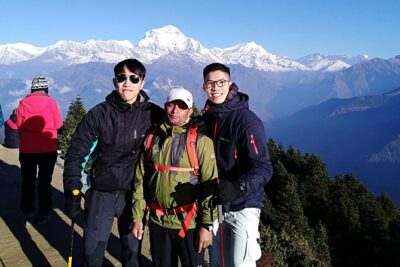
Trekking in Annapurna/Langtang/Everest/Upper Mustang regions
Read our review →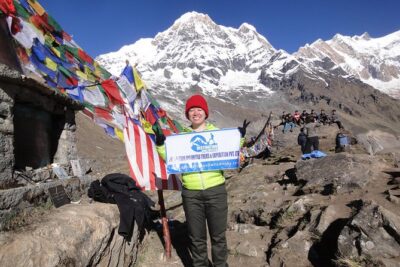
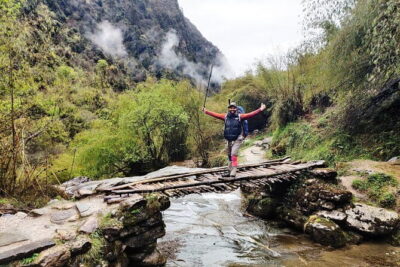
Kathmandu to Annapurna Base Camp (ABC) 5-Day Trek
Read our review →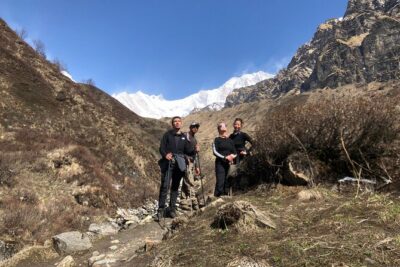
Lists this trek appears in