
Review · NEPAL
Kathmandu: Chisapani Nagarkot 3-Days 2-Nights Trek
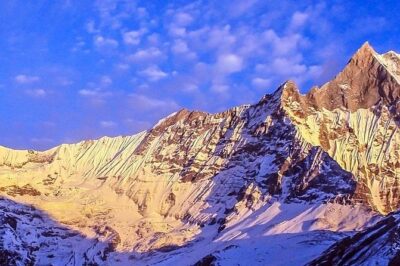
The best thing about this trek is the variety packed into three days. You start with a steep climb through Shivapuri National Park, sleep in mountain villages, cross forests and terraces, watch sunrise from Nagarkot, and finish at the ancient Changu Narayan Temple. On a clear day, the Himalayas provide the grand backdrop, with Langtang Himal often the star.
I like the private hotel transfers and the care provided by guides such as Dipak Karki, Ramesh, and Govinda Pathak. I also like that this is a real village-to-village walk, not simply a viewpoint reached by car. The main caution is the effort: day one has plenty of stairs, day two can stretch to six or seven hours and roughly 25 kilometers, and mountain views depend on weather.
Key points to know before you book
- Himalayan views without extreme altitude: Chisapani reaches 2,165 meters and Nagarkot 2,175 meters, so the trek offers mountain scenery without the risks of a high-altitude expedition.
- A proper three-day walk: The route connects Sundarijal, Chisapani, Nagarkot, and Changu Narayan rather than using one base for short walks.
- The first day is a stair workout: Expect five to six hours of hiking after the drive to Sundarijal, with a long uphill section beside a water pipe.
- Day two is the long one: Forest paths, villages, and terraced fields fill a six to seven-hour day, with some itineraries reaching about 25 kilometers.
- Sunrise is part of the Nagarkot stay: An early start lets you look toward the Himalayas before hiking downhill to Changu Narayan.
- Bring practical gear: Hiking shoes, warm clothing, a windbreaker, rain gear, and toilet paper are sensible additions.
Why this short trek works so well near Kathmandu
This route is a good answer to a common Nepal problem: you want mountain scenery, but you do not have the time, equipment, or interest for a long high-altitude trek. The highest overnight points here are Chisapani at 2,165 meters and Nagarkot at 2,175 meters. That still means cool mornings and some serious uphill walking, but it is a much gentler proposition than a trek into the high Himalayas.
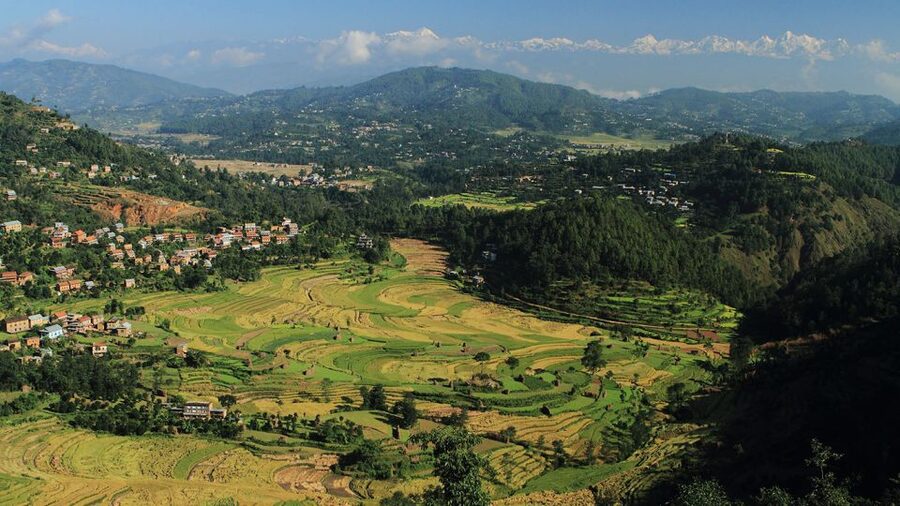
I like the route because it changes character every day. The walk begins in the forested hills above Kathmandu, passes through Tamang villages and farm country, then finishes with temple architecture and broad views over Bhaktapur and Kathmandu. You get nature, local life, and culture in one compact trip.
The price is $190 per person. That includes private transport from your Kathmandu hotel to Sundarijal, a private vehicle from Changu Narayan back to Kathmandu, a licensed English-speaking guide, national park and hiking permits, two nights of accommodation, and breakfast. Lunch and dinner are not included, nor is a porter. For a solo visitor, the price may feel high because this is a private arrangement, but the transfers and guide make the cost easier to justify, especially if you value flexibility and direct help on the trail.
More treks around Nepal:
- Everest Base Camp Trek – 14 Days
★ 5.0 · 1,499 reviews - Everest Base Camp Trek
★ 5.0 · 842 reviews - Everest Base Camp Trekking
★ 5.0 · 485 reviews
Day 1: Sundarijal to Chisapani through Shivapuri National Park
Your day begins with hotel pickup inside Kathmandu Valley’s ring road. The drive to Sundarijal takes about an hour, and the trail starts at roughly 1,460 meters. This short transfer is useful because it gets you beyond the city before the walking begins.
The first section climbs beside a large water pipe running down from the Sundarijal Reservoir. It is not a gentle warm-up. The path rises through steps and forest, and the combination of stairs and uphill walking can make this the most demanding part of the trip for anyone unused to regular hiking.
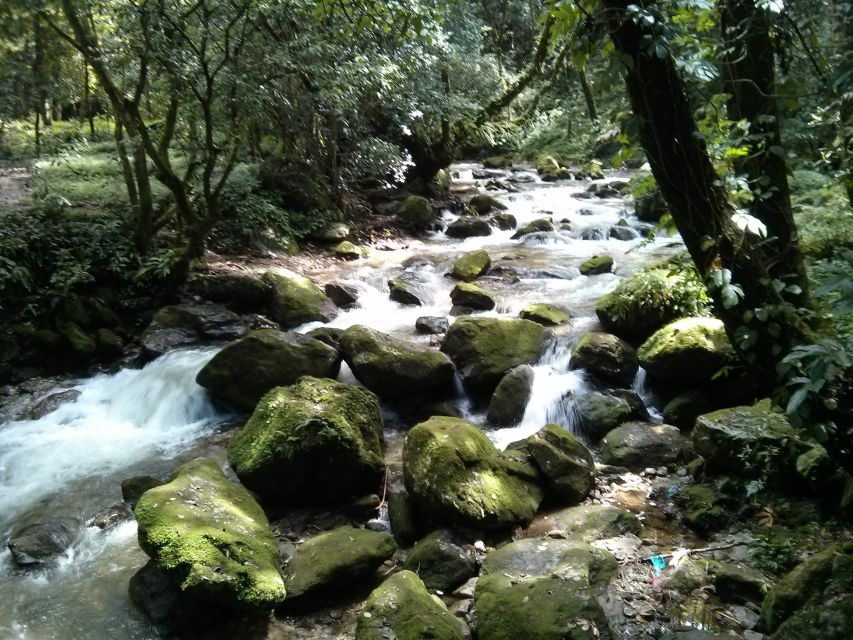
You then enter Shivapuri National Park. The forest gives the walk a cooler, quieter feel than Kathmandu, though the trail is still physical. After the initial climb, the route reaches Mulkharka Village and continues through a Tamang village before heading toward Chisapani.
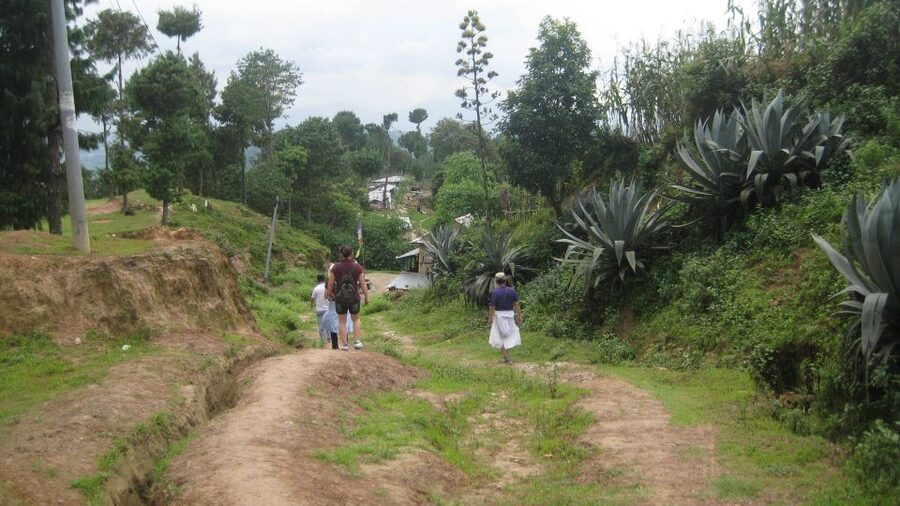
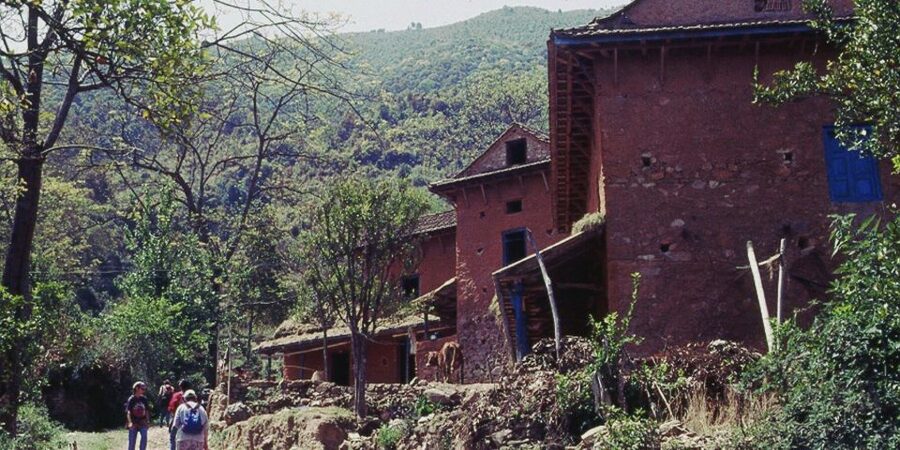
The villages are a major reason to choose this trek instead of a simple Nagarkot car trip. You pass working communities and terraced farmland, with the route offering a look at daily life beyond Kathmandu’s historic center. The experience is not staged for visitors, and that makes the walking feel more grounded.
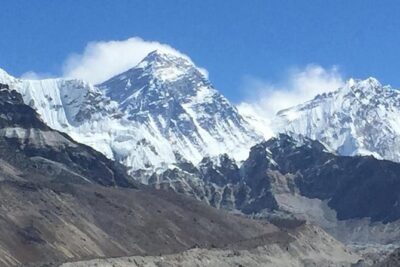
Chisapani sits at 2,165 meters. If the air is clear, you can look toward Langtang Himal and other Himalayan ranges. Sunset is another reason to arrive with daylight left. The view is entirely weather dependent, so you should treat it as a possibility rather than a promise.
The night is spent in the best available lodge or guest house, with breakfast included. Standards can be basic. One useful lesson from the stay is to pack toilet paper and to check that your room is ready when you arrive. The accommodation in Chisapani is part of a mountain trek, not a city hotel experience.
Your guide matters most on this first day. Dipak Karki, also called Mr. Dip by some visitors, is described as warm, funny, attentive, and ready to adjust the pace. Ramesh and Govinda Pathak have also led this route. A good guide helps with more than navigation: you can ask about the villages, plants, mountain ranges, and Nepalese customs while keeping the pace comfortable.
Day 2: Chisapani to Nagarkot across forest and farmland
Day two is the longest and, for many people, the most rewarding. After breakfast, you climb through lush forest before descending toward Jhule and Chauki Bhanjyang. The up-and-down pattern matters. This is not a steady walk downhill to Nagarkot. You gain and lose height several times.
The route then crosses villages and terraced fields before reaching Kattike Bhanjyang. These sections provide some of the best local scenery on the trek. You are walking through cultivated hills rather than staying on a single forest path, so the views and surroundings keep changing.
From Kattike Bhanjyang, the trail climbs again toward Nagarkot. This final ascent can feel long after several hours on foot. Plan on six to seven hours of hiking, and be prepared for a demanding day. One account puts the distance at about 25 kilometers, which is a serious walk even if the elevation remains moderate.
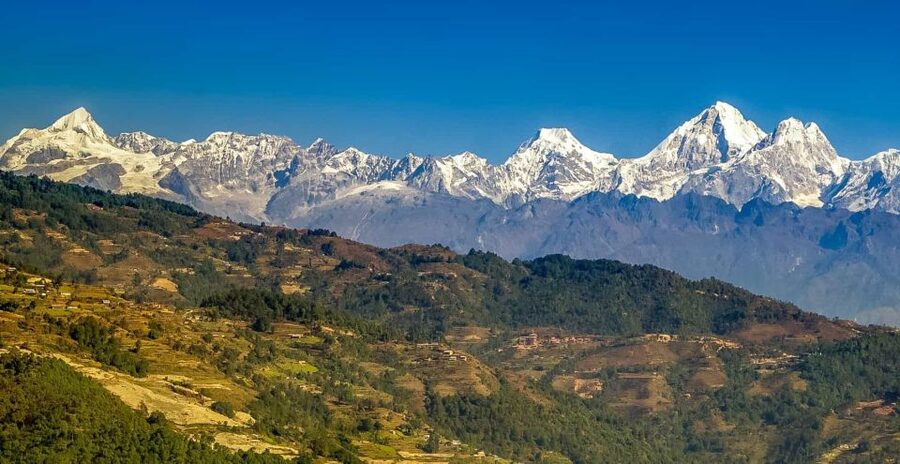
Nagarkot is one of the Kathmandu Valley’s best-known mountain viewpoints. At about 2,175 meters, it can offer views of Langtang Himal and other ranges when the weather cooperates. Clouds, rain, and haze can close the view, particularly during the monsoon season. A June group had clear conditions, while another October trip lost much of the mountain scenery to poor weather. That contrast tells you how much timing matters.
You stay in Nagarkot with breakfast and an attached bathroom. The accommodation here is described as noticeably better than the first night, with helpful staff and good food available. Since lunch and dinner are excluded from the package, you should budget separately for meals and drinks at both overnight stops.
The long day has a useful payoff: you see the greatest range of scenery. Forest, villages, terraces, ridgelines, and distant mountains all appear in one stretch. If you are deciding where the route earns its keep, this is probably it. If you dislike long walking days, it is also the part you should consider most carefully.
Day 3: Nagarkot sunrise, Telkot, and Changu Narayan
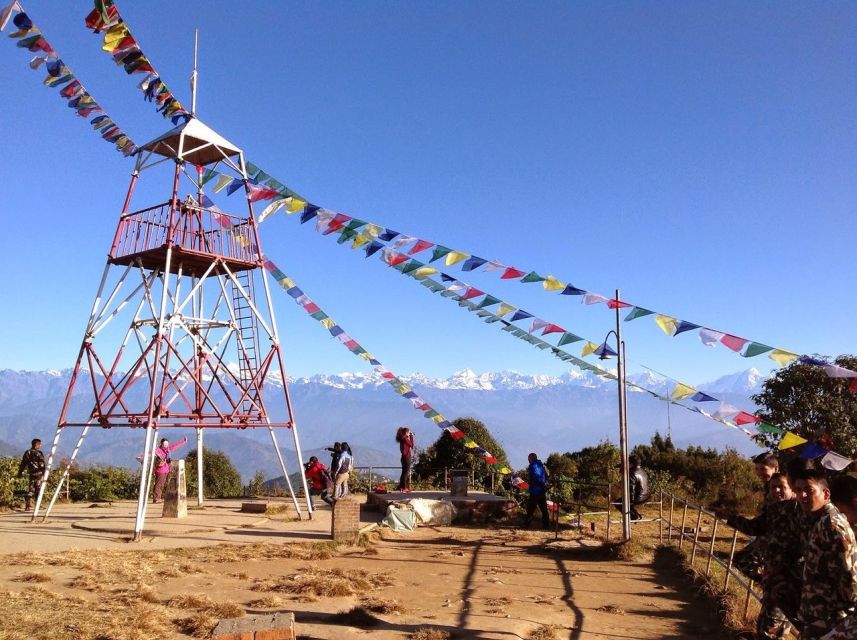
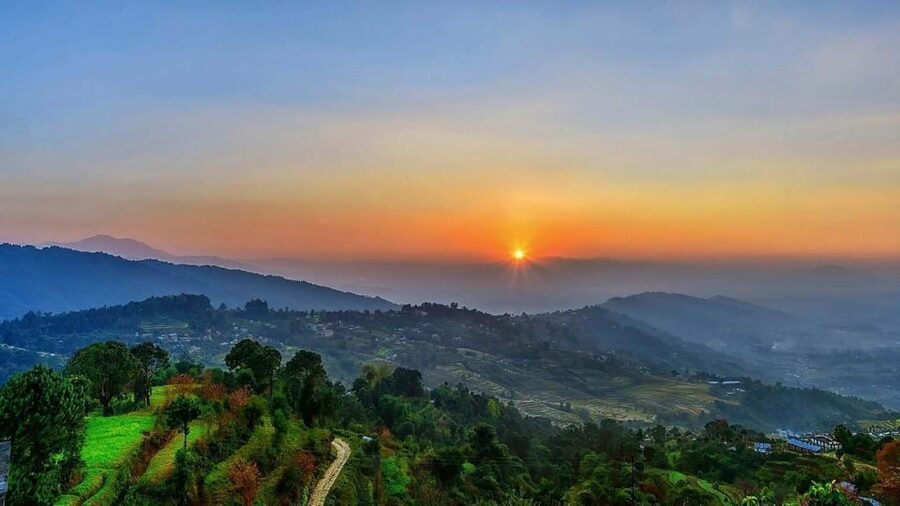
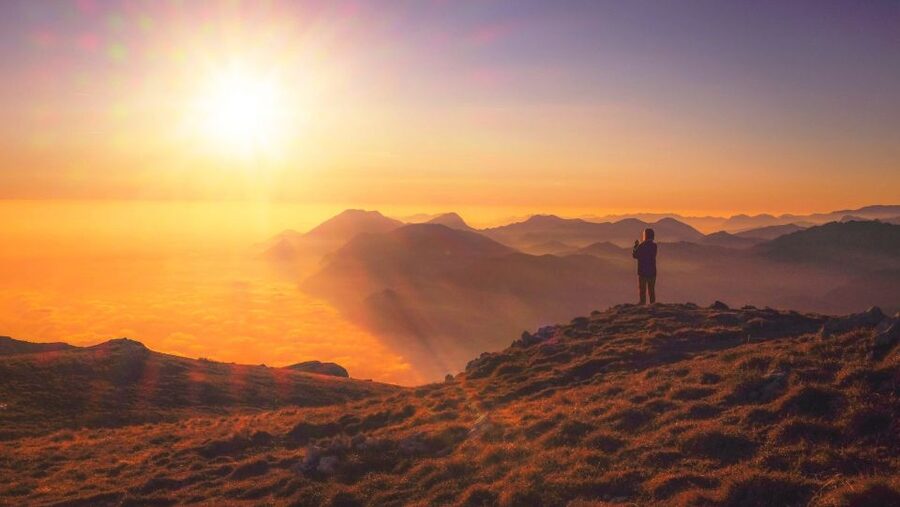
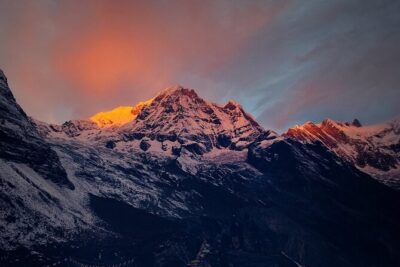
The final day begins early. The purpose is clear: sunrise over the Himalayas. You may see Langtang and nearby ranges if the sky is open, with the first light improving the mountain views before haze builds.
After breakfast, you hike from Nagarkot toward Changu Narayan. The route descends through Telkot and offers a bird’s-eye view of Bhaktapur and Kathmandu. This is less strenuous than the previous day, though downhill paths can still test your knees after two days of walking.
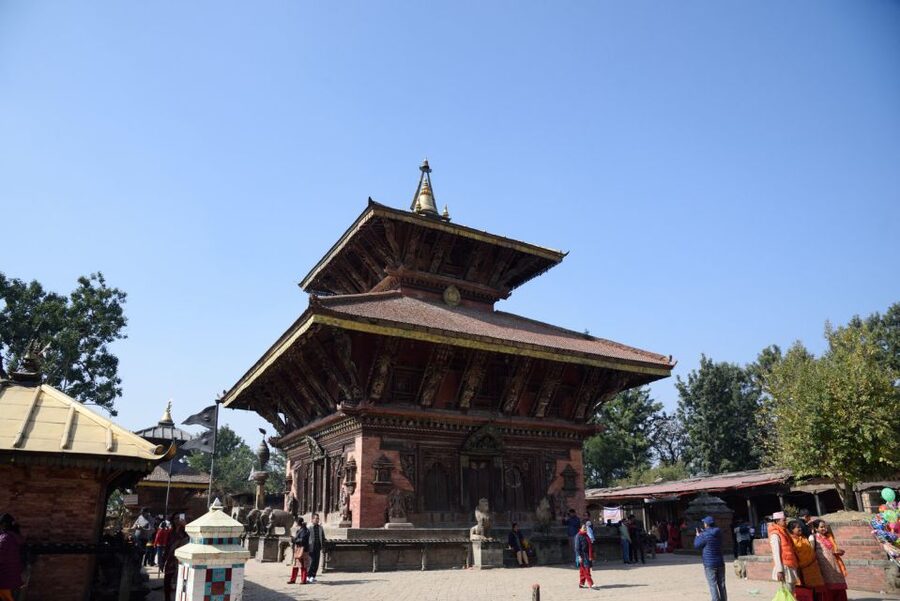
The cultural finish is Changu Narayan Temple, a temple dating to 323 A.D. It gives the trek a stronger sense of arrival than simply ending at a roadside viewpoint. You move from mountain paths and farming villages into one of the Kathmandu Valley’s important historic sites.
At Changu Narayan, your private vehicle meets you for the drive back to Kathmandu. The drive takes about an hour, followed by hotel drop-off. The final hiking section is listed at three to four hours, so you still have part of the day available after returning to the city.
One practical point is worth noting. Heavy rain may force a change of plan. During one wet October outing, the group stopped partway through the last day and the guide arranged a ride back to Kathmandu. That flexibility is valuable, but it also shows why rain gear is not optional.
Same mountains, a different route up:
- Annapurna Circuit Trek with Tilicho Lake
★ 5.0 · 368 reviews - Everest Base Camp Trekking – 13 Day
★ 5.0 · 365 reviews - Everest Base Camp Trek
★ 5.0 · 350 reviews - Everest Base Camp Trek -14 Days
★ 5.0 · 321 reviews
What the guide adds to the experience
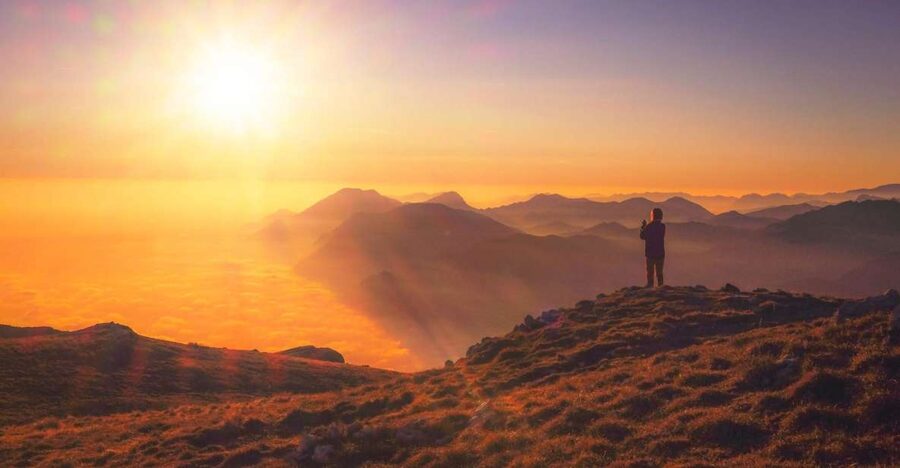
A guide is required for this package, and that is a strength. The trail has many turns, village sections, forest stretches, and changes in elevation. You can enjoy the walk without constantly checking directions.
The strongest guide feedback centers on personal attention. Dipak Karki is praised for explaining the route and Nepalese culture, keeping conversation easy, and checking on comfort. Ramesh is noted for smooth organization and strong English, with solo women specifically finding the arrangement reassuring. Govinda Pathak is described as friendly and good at explaining the mountains and nature.
That does not mean every guide will have the same personality. It does mean the company has several experienced English-speaking guides associated with the route. If you have a preferred guide from a previous booking, ask about availability before confirming.
The private format is particularly useful for pacing. You can stop for rest, take photographs, and adjust the day with your guide instead of matching a large group. The tradeoff is price. At $190, this is not the cheapest way to walk near Kathmandu, especially for one person, but it includes transport, permits, accommodation, and guiding rather than just a route and a bed.
Weather, views, and the best time to go
The Himalayan views are the trip’s biggest reward and its biggest uncertainty. Clear skies can reveal Langtang Himal and other ranges from Chisapani, Nagarkot, and the approach to Changu Narayan. Clouds or rain can hide them completely.
Do not assume monsoon season makes the trek impossible. A June group had clear skies and excellent views, while another trip in heavy rain had to shorten the final walk. September and October can also bring mixed conditions. The sensible approach is to expect beautiful scenery, but not to treat a clear panorama as guaranteed.
Your packing should reflect that uncertainty:
- Hiking shoes with a dependable grip
- Warm clothing for early mornings and evenings
- A windbreaker
- Rain gear
- Toilet paper
- A small personal day pack
You do not need to pack lunch or dinner as part of the included arrangements, but those meals are your responsibility. A porter is also not included. If you do not want to carry your own clothing and supplies, arrange a porter in advance.
Who should book this three-day route?
I would recommend this trek to you if you have three days, want real walking rather than sightseeing by vehicle, and prefer moderate elevation over a high mountain expedition. It also suits solo visitors who want private transfers and a guide without organizing each connection themselves.
It is a good choice for people who care about variety. You get national park forest, Tamang villages, terraced fields, mountain viewpoints, sunrise, and Changu Narayan in one compact plan. It also works well as an introduction to trekking if you are unsure how you will handle several consecutive days on foot.
I would be more cautious if you dislike stairs or long walking days. The first day climbs hard, the second can run to seven hours and about 25 kilometers, and the third begins early. If your main goal is a guaranteed Himalayan panorama, this route cannot promise that because visibility changes quickly.
The accommodation is another reason to set expectations properly. Nagarkot offers the more comfortable night, with an attached bathroom and better reported facilities. Chisapani is more basic, and you should carry your own toilet paper. These are mountain lodges, not luxury resorts.
Should you book the Chisapani and Nagarkot trek?
Book it if you want a well-organized, private three-day walk close to Kathmandu, with enough time for villages and forests as well as mountain views. The guide support, private transfers, permits, breakfast, and return transport give the $190 price solid value, especially for travelers who do not want to arrange the route themselves.
Skip it if you need short walking days, polished accommodation every night, or guaranteed clear views. Go in with good shoes, rain protection, and realistic expectations about the effort. For the right walker, this is one of the most efficient ways to get a taste of Nepal’s hills without committing to a high-altitude trek.
FAQ
How long is the Chisapani and Nagarkot trek?
The experience lasts three days and two nights. Day one includes a one-hour drive and five to six hours of hiking, day two takes about six to seven hours on foot, and day three includes three to four hours of hiking followed by about one hour of driving.
Where does the trek begin?
The trek begins at Sundarijal, about a one-hour private drive from Kathmandu. Sundarijal sits at approximately 1,460 meters.
Where does the trek finish?
The walking route finishes at Changu Narayan, at about 1,541 meters. A private vehicle then drives you back to your hotel in Kathmandu.
Are meals included?
Breakfast is included at both overnight stays. Lunch, dinner, and drinks are not included.
Is accommodation included?
Yes. The package includes the best available lodge or guest house in Chisapani and accommodation in Nagarkot with breakfast and an attached bathroom.
Are permits and transportation included?
Yes. Hiking and national park permits are included, along with private transport from Kathmandu to Sundarijal and from Changu Narayan back to Kathmandu.
What should I bring?
Bring hiking shoes, warm clothing, a windbreaker, and rain gear. Toilet paper is also a sensible item to pack because facilities at the Chisapani accommodation may be basic.
New treks around Nepal
- Pokhara: Poon Hill Trek★ 5.0 · 3 reviews
- Pokhara: 7 Day Annapurna Base Camp Trek★ 4.9 · 38 reviews
- Pokhara: 9-Day Annapurna Base Camp Trek with Poon Hill★ 5.0 · 6 reviews
- Pokhara: 5-Day Trek to Annapurna Base Camp and Hot Springs★ 5.0 · 4 reviews
- Pokhara: Amazing 7-Day ABC Trek with Natural Hot Spring★ 5.0 · 5 reviews
- Pokhara: Majestic Mardi Base Camp Guided Trek with HotSpring★ 5.0 · 6 reviews
- Pokhara: 5-Day Annapurna Base Camp Trek with Hot Spring★ 5.0 · 3 reviews
- Pokhara: 5-Day Ghorepani and Poon Hill Private Trek★ 5.0 · 4 reviews
Nepal Trekking Tours, side by side.
Lists this trek appears in