
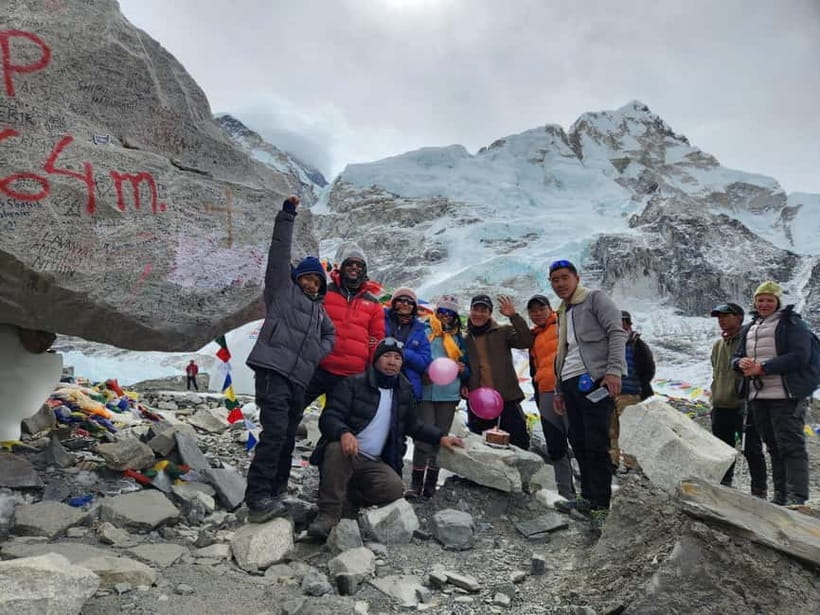
Review · NEPAL
Everest Base Camp Trek from Lukla
Everest Base Camp is not the only prize here. The sunrise from Kala Patthar, at 5,545 meters, often gives you the clearest view of Everest, while the route itself carries you through Sherpa villages, pine and rhododendron forests, high valleys, and suspension bridges over the Dudh Koshi River. The final approach to Base Camp reaches 5,364 meters beside the Khumbu Icefall.
I like the built-in acclimatization days in Namche Bazaar and Dingboche, and I like the practical support of a guide, porter, tea-house lodging, permits, and a first aid kit. The small group limit of 10 should also make it easier to walk at a sensible pace and ask questions. The main drawback is the altitude: you will walk about five to seven hours a day, often on rough trails, and the basic tea houses are a long way from hotel comfort.
- Kala Patthar at sunrise: The highest point of the route offers the most dramatic Everest views.
- Sherpa country: Namche Bazaar, Tengboche, Dingboche, and other villages bring local life into the trek.
- Two acclimatization days: Time in Namche and Dingboche helps you adjust before the highest walking days.
- Tengboche Monastery: A major cultural stop with broad views of Ama Dablam, Everest, and Lhotse.
- Small-group support: An English-speaking guide and porter service are included for groups of up to 10.
- Useful value at $466: Lodging, permits, entrance fees, guide, porter, taxes, and a first aid kit are covered, but flights, insurance, meals, and personal costs are not.
Lukla Begins the Trek With a Sharp Change of Pace
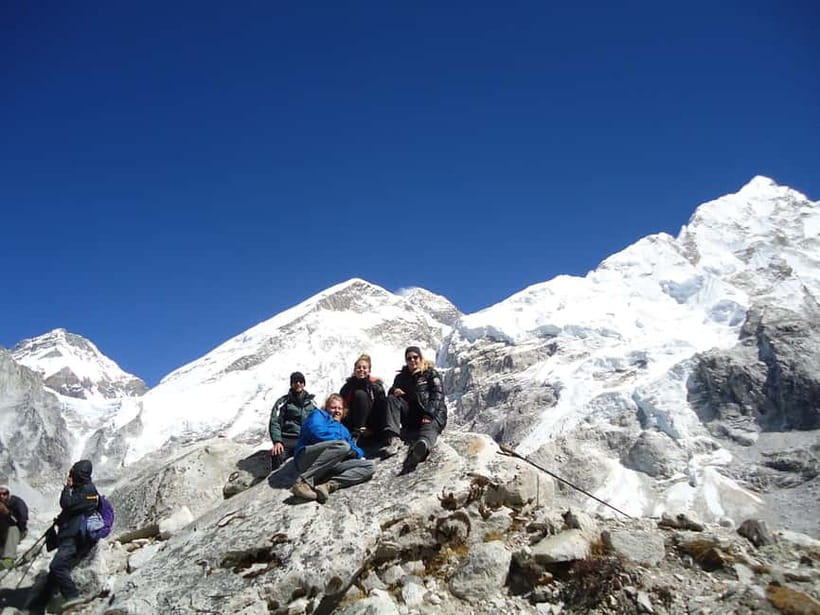
Your guide meets you at Tenzing-Hillary Airport in Lukla after you share your flight details. The airport is the gateway to the Khumbu Valley, and from the first steps you are in mountain country rather than merely on your way to it.
The first walking day leads from Lukla to Phakding. The route takes about five to seven hours, though the published schedule gives some walking days an eight-hour block. You pass through green forest, cross suspension bridges, and follow the Dudh Koshi River toward a small village surrounded by steep hills.
Phakding is a modest overnight stop, not a sightseeing center. That is part of the appeal. You get your first feel for tea-house trekking, where the room is simple and the shared dining space becomes the practical heart of the evening.
Phakding to Namche Bazaar, Your First Big Climb
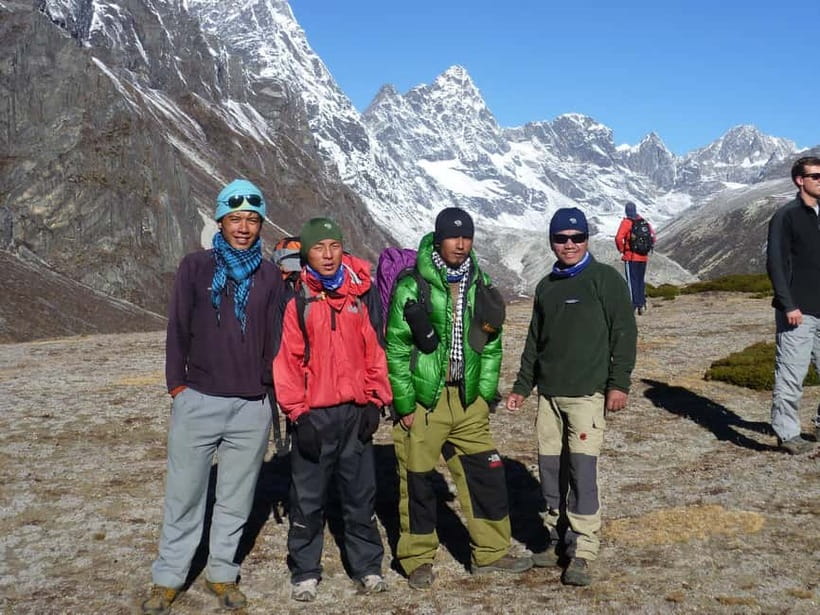
The walk from Phakding to Namche Bazaar is one of the route’s more demanding early sections. You continue along the river and climb through forest before reaching the Sherpa capital of the Khumbu region.
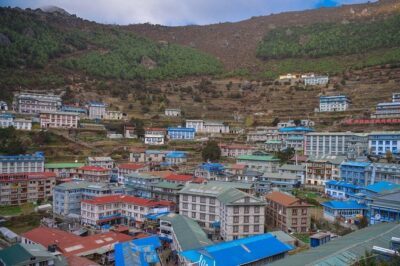
Namche is more than a place to sleep. You can explore local markets, look over the surrounding peaks, and get used to the fact that every ordinary task now takes place at altitude. Views toward Thamserku and Kongde Ri make the effort worthwhile.
I especially like having a full acclimatization day here rather than rushing straight upward. You can walk around the town, visit the markets, and take in the mountain views without carrying your full trekking load. It is also a useful point to check your clothing, water, snacks, and general condition before the trail gets higher and more exposed.
Keep some local currency with you. ATMs become scarce beyond Namche Bazaar, and you will need cash for personal expenses such as drinks, internet access, laundry, or other purchases.
More Everest Base Camp treks around Nepal:
- Everest Base Camp Trek – 14 Days
★ 5.0 · 1,499 reviews - Everest Base Camp Trek
★ 5.0 · 842 reviews - Everest Base Camp Trekking
★ 5.0 · 485 reviews
Tengboche Monastery Adds Meaning to the Route
From Namche, the trail turns toward Tengboche through rhododendron and pine forests. The route is scenic but still physically serious, with steady climbs and long walking hours.
Tengboche Monastery is one of the most memorable stops because it gives the trek a cultural center, not just another mountain view. It is an important spiritual place for local Sherpa communities and monks, and its setting is superb. Ama Dablam, Everest, and Lhotse form the backdrop.
You should allow yourself time to look around rather than treating the monastery as a quick photo stop. The combination of Buddhist culture, forest, prayer space, and high peaks gives this part of the trek a different feel from the surrounding villages.
The accommodation remains basic. Tea houses are chosen for location and practicality, not luxury. You should expect simple rooms and services, and you should bring warm clothing for evenings.
Dingboche Is Where Altitude Becomes the Main Story
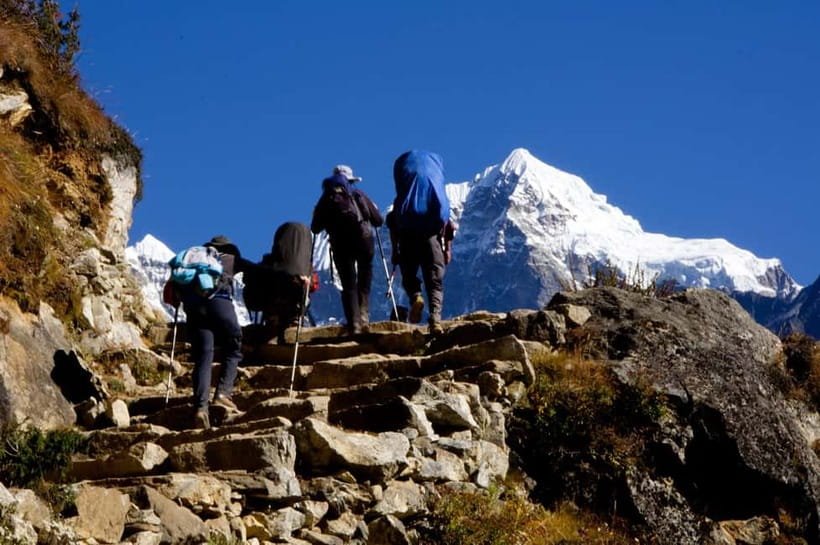
The walk to Dingboche takes you to about 4,410 meters. The forest thins as you gain height, and the air becomes a more serious part of the trek.
Dingboche is an important pause before the highest section. A second acclimatization day is included, and you can take a short hike to help your body adjust. The available information does not promise a specific acclimatization hike, so your guide will determine the best option based on conditions and how the group is feeling.
This is where you need to be honest with yourself. A strong desire to reach Base Camp does not change how altitude affects the body. Move steadily, drink water, use sunscreen, and tell your guide if you feel unwell. The included first aid kit is useful support, but it is not a substitute for travel insurance that covers high-altitude trekking.
Lobuche and Gorakshep Bring Everest Within Reach
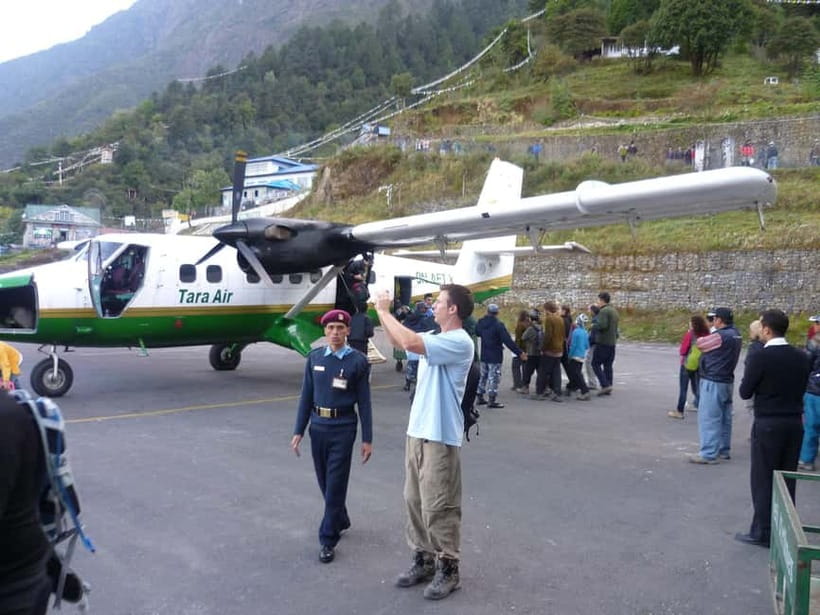
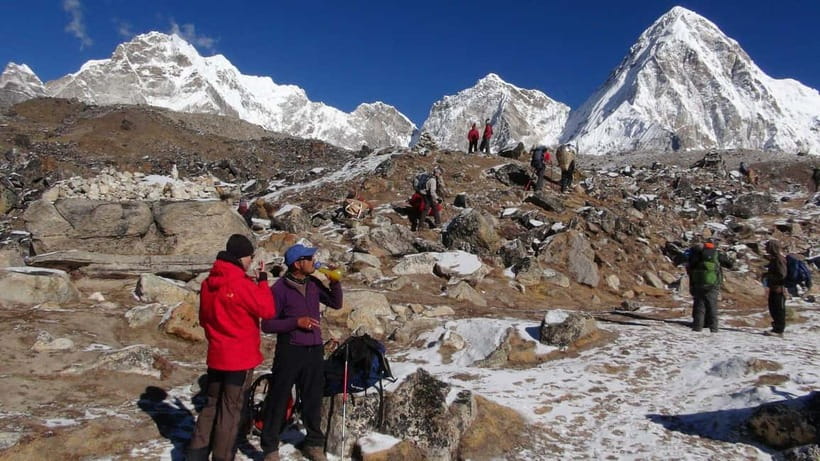
After Dingboche, the route heads toward Lobuche, a remote settlement surrounded by high peaks. The greenery is largely behind you now, and the surroundings become more barren and severe.
Lobuche is a functional overnight stop before the final push. You are not coming here for comfort or entertainment. You are here to rest, eat, and prepare for the next day’s walk to Gorakshep and Everest Base Camp.
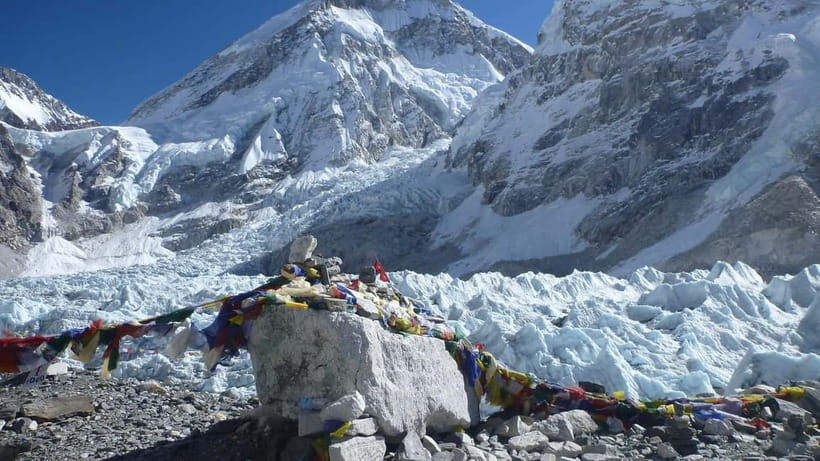
Gorakshep is the last resting point before Base Camp. From there, you continue to Everest Base Camp at 5,364 meters. The sight of the Khumbu Icefall and the surrounding peaks gives the day its emotional force, but this is still a demanding walk at serious altitude.
Base Camp itself is not the summit of Everest, and it is not usually a permanent attraction in the way a museum is. It is a mountaineering base, with conditions and activity that can vary. The value is in reaching the place where major Everest expeditions begin, after walking there from Lukla under your own power.
More treks around Nepal:
- Annapurna Circuit Trek with Tilicho Lake
★ 5.0 · 368 reviews - Everest Base Camp Trekking – 13 Day
★ 5.0 · 365 reviews - Everest Base Camp Trek
★ 5.0 · 350 reviews - Everest Base Camp Trek -14 Days
★ 5.0 · 321 reviews
Kala Patthar Gives You the Best Everest View
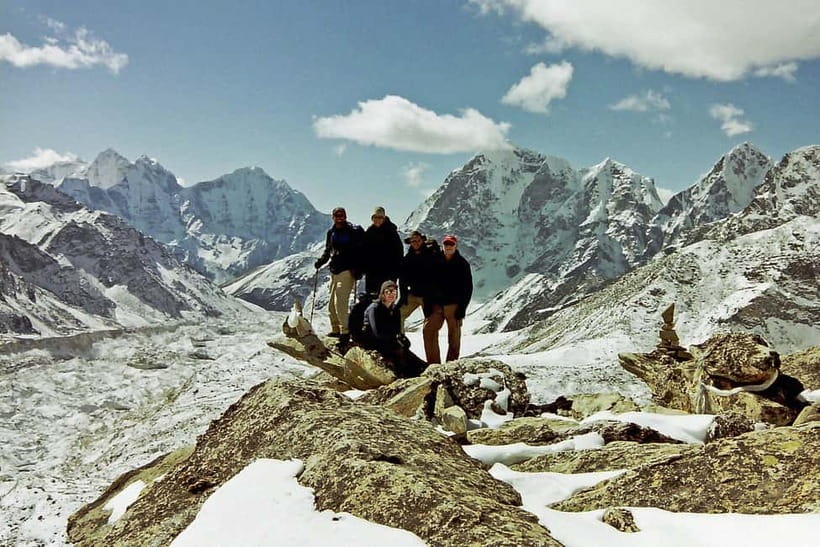
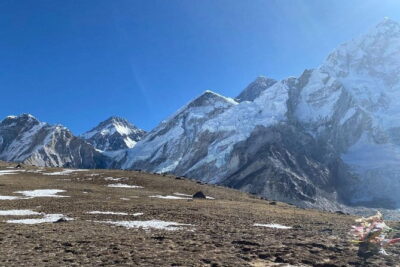
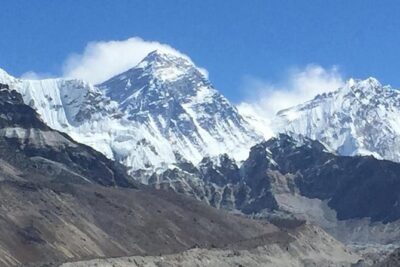
The early morning walk to Kala Patthar is often the high point of the entire trip. At 5,545 meters, it is higher than Everest Base Camp and gives you a broad view of Mount Everest and the surrounding giants.
Sunrise matters here. Golden light reaches the peaks, and Everest becomes part of a much wider mountain panorama. You may find the climb tiring, especially after the Base Camp day, but the view is the clearest reason to keep this summit in your plans.
The route then descends to Pheriche. That change in altitude is welcome. After the cold and effort around Gorakshep and Kala Patthar, Pheriche gives you a lower overnight stop and a chance to recover before retracing the trail.
Some groups have adjusted the order of Kala Patthar and Base Camp, visiting Kala Patthar for sunset and Base Camp the next morning. That is not the standard schedule described here, so any change should be discussed with your guide and may depend on weather, accommodation, and group condition.
The Return Through Namche and Lukla
The return to Namche follows familiar ground, but the descent changes how the valley feels. You will recognize villages and bridges from the outward walk, while the lower altitude usually makes the long hours easier.
Namche is a welcome overnight stop before the final push to Lukla. You can enjoy the town again, make any last purchases, and reflect on the fact that the valley now looks different after the high route.
The final walking day takes you back to Lukla. The listed schedule ends with a return to Tenzing-Hillary Airport, but the exact flight timing can be affected by mountain weather. Flights are not included in the $466 price, so you should check the flight arrangements and allow flexibility around the airport connection.
Recent groups also arranged extra services through the company, including help with Lukla flight tickets, meals, airport transfers, and transport connected with Ramechhap. Those services are not part of the stated base package, so confirm all additions and prices before you travel.
What the $466 Price Really Covers
At $466 per person, this is a low headline price for a 12-day Everest Base Camp trek. The value comes from the items already included:
- An English-speaking professional guide
- Porter service
- Tea-house accommodation
- Trekking permits and entrance fees
- First aid kit
- Applicable taxes
- A small group of up to 10 participants
That package removes several large planning tasks. You do not need to organize permits yourself, find tea-house accommodation along the route, or arrange porter support separately.
Still, the price is not all-inclusive. Flights to and from Lukla are excluded. Travel insurance, visa fees, meals, beverages, laundry, internet, snacks, and other personal expenses are also outside the package.
Meals need special attention. The package information excludes them, while some groups arranged meal plans through Peregrine Treks after booking. One group received a discount on meal prices, and another arranged an extra porter. Ask for the current meal cost in writing before you commit, since food for nearly two weeks can change your final budget significantly.
Guides, Porters, and Group Size
The guide is one of the most important parts of a high-altitude trek. Tirtha guided one recent group and handled the route carefully, while Pradip was involved in helping organize additional services. The company also provides porter support, which means you do not have to carry all your gear through every long climb.
You should still pack with restraint. Porter service is helpful, but it does not mean unlimited luggage. Carry a daypack with water, warm layers, sunscreen, snacks, a camera, and anything you need during the day.
The group limit is 10 people. That is small enough for direct contact with the guide, though walking speed can still vary. The right approach is to let the slowest person set the safe pace rather than turning the trek into a race.
Tea Houses, Food, and Daily Comfort
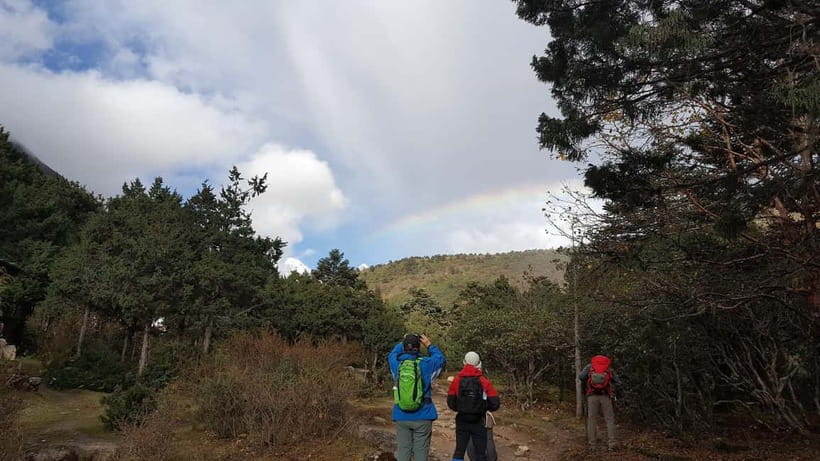
Tea-house accommodation is part of the character of this trek, but you need realistic expectations. Rooms are basic, and the higher you go, the more limited everyday comforts may become.
Food is available through arrangements made for the trek, but meals are not included in the stated base price. Dal bhat has fueled many walkers on this route, and recent groups found the food useful for long days. Still, bring snacks you know you will eat, since appetite can change at altitude and village choices may be limited.
You should also bring warm clothing, comfortable shoes, a hat, sunscreen, water, and a camera. Weather can change quickly in the Himalayas, so pack for sun, cold, and wet conditions rather than trusting a single forecast.
Who Should Book This Trek
I would recommend this trip to you if you want the classic Everest Base Camp route with organized support but do not need luxury. It suits people who can manage five to seven hours of walking each day and are prepared for high altitude, simple lodging, and changing weather.
It is not suitable for pregnant women, people with mobility impairments, or people with heart problems. The supplied information also lists people prone to seasickness, though that warning is unusual for a mountain trek and worth clarifying directly with the operator.
You should have adequate travel insurance for high-altitude trekking. This is not a minor paperwork detail. Flights, evacuation, medical care, and trip interruptions can create major costs, and insurance is not included.
Cancellation is flexible, with a full refund available up to 24 hours before departure. You can also reserve now and pay later, which helps if your flight and leave dates are still being arranged.
Should You Book the Everest Base Camp Trek From Lukla?
Book it if you want the classic Khumbu route, value practical support, and are comfortable managing a few extra costs. The strongest parts are the acclimatization days, the cultural stop at Tengboche, the Sherpa villages, the porter service, and the sunrise climb to Kala Patthar.
Think twice if you want comfortable hotels, included flights, or a fully prepaid food package. At $466, the trek offers strong basic value, but you must budget separately for flights, insurance, meals, and personal spending.
For the best preparation, share your flight details early, ask for the current meal and porter costs, carry local currency beyond Namche, and keep a flexible schedule around Lukla flights. If you are ready for long walking days and high-altitude conditions, this route gives you a direct and well-supported way to reach Everest Base Camp.
FAQ
How long is the Everest Base Camp trek from Lukla?
The trek is advertised as a 12-day experience, beginning at Tenzing-Hillary Airport in Lukla and ending with a return to the airport. The schedule includes walking through Phakding, Namche Bazaar, Tengboche, Dingboche, Lobuche, Gorakshep, Everest Base Camp, Kala Patthar, Pheriche, and back to Lukla.
What is the highest point on the trek?
Kala Patthar is the highest point, at 5,545 meters. Everest Base Camp is at 5,364 meters.
Are acclimatization days included?
Yes. You spend an acclimatization day in Namche Bazaar and another in Dingboche. Short hikes may be arranged in Dingboche to help you adjust to the altitude.
Are flights to Lukla included in the price?
No. Flights are not included in the $466 price. You need to arrange and pay for them separately, and you should share your flight details so the guide can meet you at the airport.
Are meals included?
Meals are not included in the stated package. You can ask Peregrine Treks about arranging meals, as additional meal plans have been organized for groups at an extra cost.
What accommodation is provided?
The package includes accommodation in tea houses. The rooms and facilities are basic, so you should prepare for simple mountain lodging rather than hotel comfort.
What does the tour price include?
The price includes an English-speaking guide, porter service, tea-house accommodation, permits, entrance fees, a first aid kit, and applicable taxes. Travel insurance, visa fees, flights, meals, beverages, laundry, internet, snacks, and other personal expenses are not included.
New treks around Nepal
- Pokhara: Poon Hill Trek★ 5.0 · 3 reviews
- Pokhara: 7 Day Annapurna Base Camp Trek★ 4.9 · 38 reviews
- Pokhara: 9-Day Annapurna Base Camp Trek with Poon Hill★ 5.0 · 6 reviews
- Pokhara: 5-Day Trek to Annapurna Base Camp and Hot Springs★ 5.0 · 4 reviews
- Pokhara: Amazing 7-Day ABC Trek with Natural Hot Spring★ 5.0 · 5 reviews
- Pokhara: Majestic Mardi Base Camp Guided Trek with HotSpring★ 5.0 · 6 reviews
- Pokhara: 5-Day Annapurna Base Camp Trek with Hot Spring★ 5.0 · 3 reviews
- Pokhara: 5-Day Ghorepani and Poon Hill Private Trek★ 5.0 · 4 reviews
Everest Base Camp Treks, side by side.
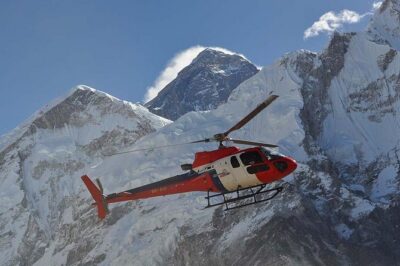
Everest Base Camp Trek with Helicopter Return from Gorakshep to Lukla
Read our review →
Trekking in Annapurna/Langtang/Everest/Upper Mustang regions
Read our review →Lists this trek appears in