
Review · KATHMANDU
From Kathmandu: 19 Day Everest Base Camp & Kalapathar Trek
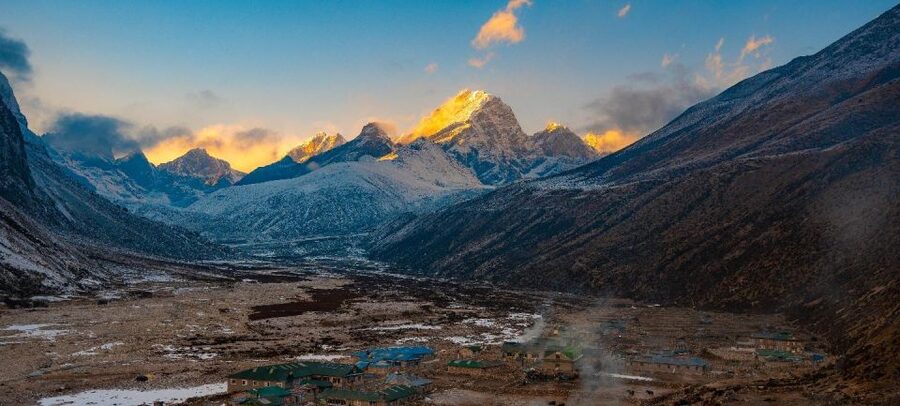
Reaching Everest Base Camp at 5,364 meters is the headline, but the best part of this 19-day trip is the gradual approach. You walk from Salleri through forest, river valleys, Sherpa settlements, and high mountain country instead of treating the trek as a quick in-and-out flight from Lukla. I like the slower rhythm, and I like that two acclimatization days are built into the plan.
The trip also gives you a serious viewpoint day at Kala Patthar, where Everest, Lhotse, Nuptse, and the Khumbu Icefall come into view. The main caution is altitude: one person on an April 2025 trip had to turn back before Base Camp because of altitude sickness. The guide responded quickly, but this remains a demanding high-altitude trek, not a simple walking holiday.
Key points to know before booking
- Salleri replaces the usual Lukla flight start: You make a 12 to 13-hour road journey from Kathmandu before the walking begins.
- Two acclimatization days are included: One is in Namche Bazaar and one in Dingboche, giving your body time to adjust.
- The highest days are at Gorak Shep, Base Camp, and Kala Patthar: Expect cold, thin air, and long walking days.
- Meals are not included: Tea-house lodging, permits, guide costs, and transport are covered, but you pay for food and drinks.
- Guiding is a major part of the package: English, Nepali, and Hindi are offered, with guides such as Milan and Arjun named on recent trips.
- The return route retraces the lower trail: After reaching Lukla, you walk back through Bubsa and Nunthala to Salleri rather than flying out.
Why the Salleri approach changes the trek
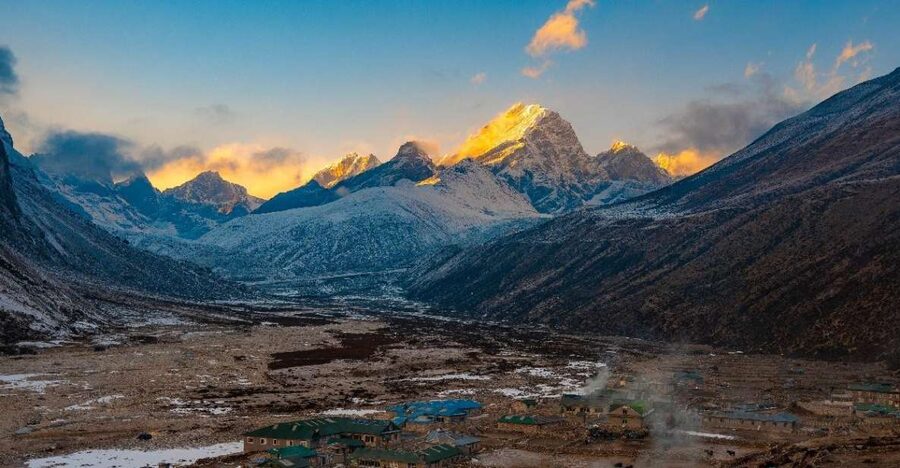
Many Everest Base Camp plans begin with a flight to Lukla. This one starts with a long shared bus or jeep ride from Kathmandu to Salleri, lasting roughly 12 to 13 hours. That is less glamorous than flying, but it avoids making the whole trip depend on a short mountain flight and lets you enter the Khumbu region by road.
The tradeoff is clear: your first day is mostly transport, and road travel in Nepal can be tiring. Once you reach Salleri, though, the walk begins at a lower elevation and builds upward in stages. That gradual rise can make the trip feel more like a full journey than a rapid altitude sprint.
The package calls the group private, while the transfer to and from Salleri is by shared bus or jeep. You should read that as a private trekking arrangement with shared long-distance road transport, not a fully private vehicle from Kathmandu. The guide picks you up in the Kathmandu area, and the return drive ends the trip there after you arrive back in the city.
More Everest Base Camp treks around Kathmandu:
- Everest Base Camp Trek – 14 Days
★ 5.0 · 1,499 reviews - Everest Base Camp Trek
★ 5.0 · 842 reviews - Everest Base Camp Trekking
★ 5.0 · 485 reviews
Days 1 to 5: Salleri, Nunthala, Bubsa, and Phakding
Day 1 is the long drive from Kathmandu to Salleri, at about 2,362 meters. You will want snacks, water, warm layers, and patience. This is a full travel day before the walking starts.
On Day 2, you trek from Salleri to Nunthala in about five to six hours. The altitude is still manageable, and this section gives you time to settle into the steady pace required for the days ahead. You are not yet at the famous Everest viewpoints, but that is part of the appeal. The route lets you adjust to walking several hours each day without immediately placing you in the highest terrain.
Day 3 takes you from Nunthala to Bubsa, again in about five to six hours. Day 4 continues from Bubsa to Surkhe, followed by the six to seven-hour walk from Surkhe to Phakding on Day 5. These stages pass through the lower Khumbu area, where forests, villages, and changing elevation provide a gentler introduction than the stark upper valleys.
The drawback is that these early days can feel like a lot of effort before Everest appears. If your only goal is to see Base Camp as quickly as possible, this route may feel long. I see the value in it, though: you have more time to find your walking rhythm, and you avoid making the first part of the trek a race.
Days 6 to 10: Namche Bazaar and the first altitude test
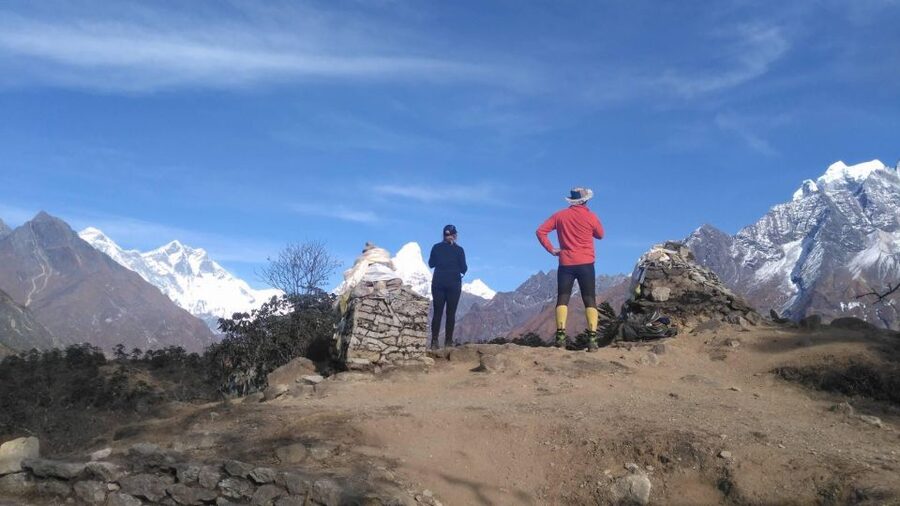
From Phakding, Day 6 leads to Namche Bazaar at about 3,440 meters. This is one of the best-known stops on the route and an important point in the trip. Namche is a high Sherpa market town, a place to rest, eat, check your gear, and begin taking altitude seriously.
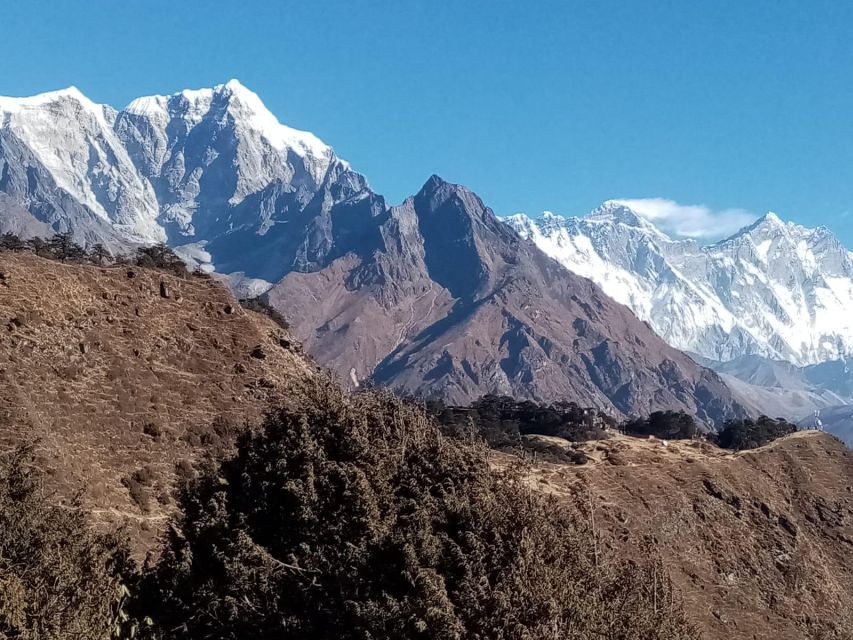
Day 7 is set aside for acclimatization. That does not mean doing nothing. The plan allows a shorter outing around Namche before returning to the same sleeping elevation. A viewpoint near the Tenzing Norgay memorial offers especially fine mountain views when visibility is good.
Visibility can be mixed in the mountains. Clear skies may reveal dramatic snow peaks, while cloud can hide much of the scenery. That uncertainty is normal, and it is one reason the itinerary gives you several scenic days instead of relying on one single viewpoint.
On Day 8, you walk from Namche to Tengboche in about five hours, reaching roughly 3,867 meters. Tengboche is known for its monastery and mountain setting. Even if you are not visiting for religious reasons, the stop adds a cultural layer to the trek. You are walking through a living Sherpa region, not simply crossing empty ground toward a famous sign.
Day 9 takes you to Dingboche at about 4,260 meters. The five-hour walk is not the longest so far, but the increasing altitude changes the effort. You may notice that a normal slope now requires more pauses. Day 10 is another acclimatization day, an essential break before the route climbs into the highest section.
Days 11 to 13: Lobuche, Base Camp, and Kala Patthar
The route from Dingboche to Lobuche on Day 11 reaches about 4,930 meters. This is where the trek begins to feel properly high. The air is thinner, the nights are colder, and your pace should be modest. A guide who pays attention to symptoms matters greatly here.
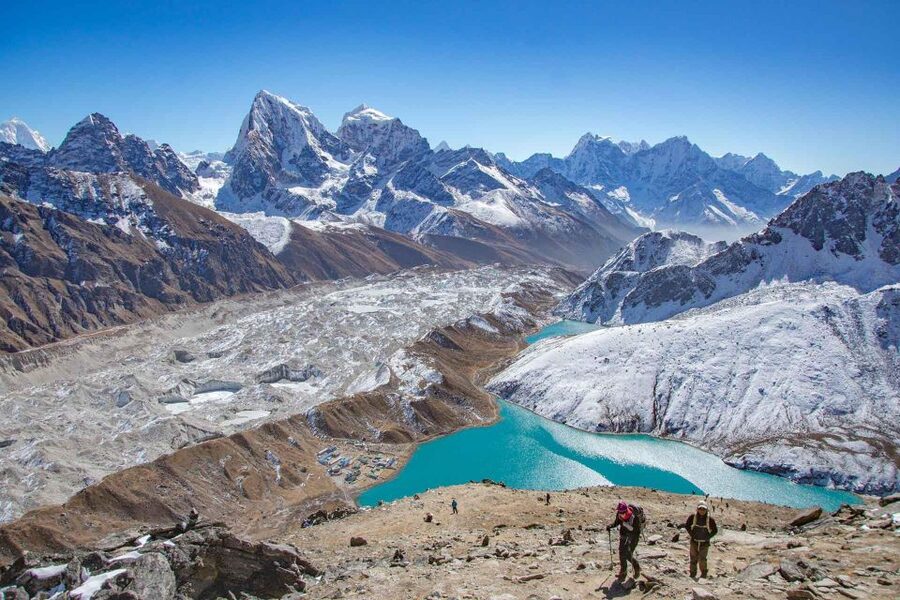
Day 12 is the big Base Camp day. You walk from Lobuche to Gorak Shep at about 5,170 meters, continue to Everest Base Camp at 5,364 meters, then return to Gorak Shep. The total walking time is listed at around six hours, but altitude can make that figure feel much longer.
Everest Base Camp is a powerful destination, though it is worth setting expectations. You reach the foot of the world’s highest mountain area and see the dramatic Khumbu Icefall region, but the exact views and atmosphere depend on conditions. Base Camp itself is not a summit, and Everest may not appear in the simple, unobstructed way you have seen in photographs.
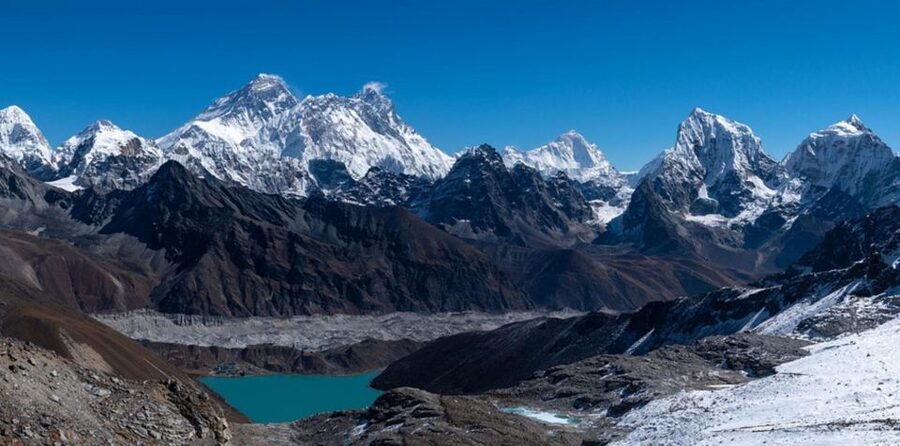
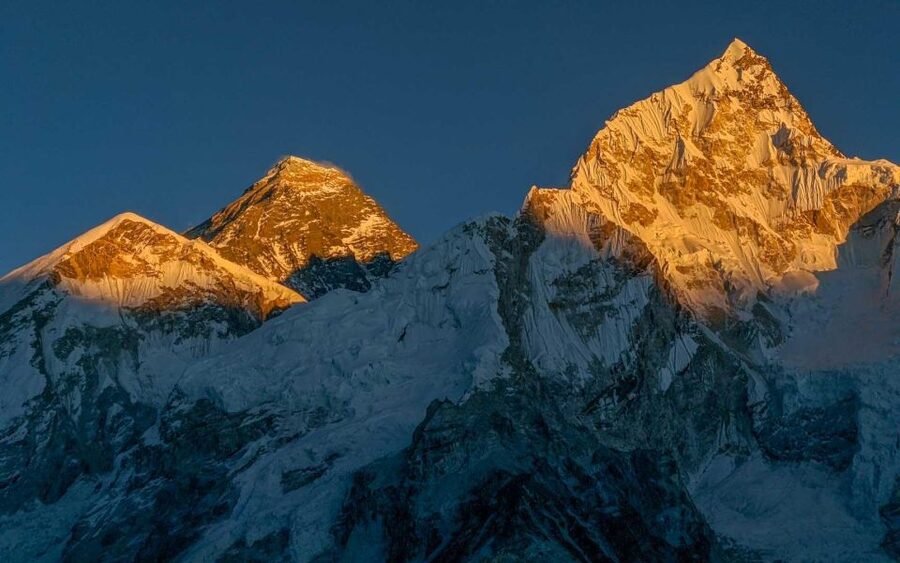
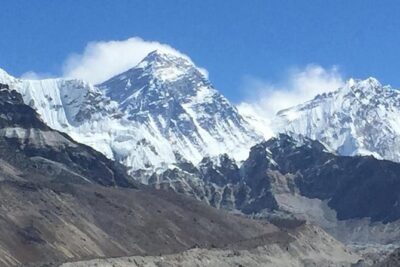
The next morning starts early with the hike to Kala Patthar, at 5,545 meters. This is the highest point on the itinerary and, for many people, the finest viewpoint of the entire trek. From here, the panorama includes Everest, Lhotse, Nuptse, glaciers, and the surrounding high peaks.
The early start is practical because mountain visibility can change through the day. It also means you climb Kala Patthar when it is very cold and your body has just completed a demanding Base Camp day. Bring warm clothing, use the trekking pole supplied with the trip, and do not treat the viewpoint as a test of willpower. If you feel unwell, tell the guide.
After Kala Patthar, you descend to Pheriche at about 4,240 meters. This long day combines the highest ascent with a major drop in elevation. Pheriche is valuable because sleeping lower gives your body some relief after Gorak Shep and Kala Patthar.
More treks around Kathmandu:
- Annapurna Circuit Trek with Tilicho Lake
★ 5.0 · 368 reviews - Everest Base Camp Trekking – 13 Day
★ 5.0 · 365 reviews - Everest Base Camp Trek
★ 5.0 · 350 reviews - Everest Base Camp Trek -14 Days
★ 5.0 · 321 reviews
Days 14 to 19: The long return through Lukla and Salleri
Day 14 takes you from Pheriche back to Namche Bazaar, a six-hour trek with a substantial descent. The route feels different in reverse. You are no longer climbing toward a goal, and the lower air should gradually make walking easier.
On Day 15, you walk from Namche to Lukla in about six hours. Lukla is often the end point for Everest Base Camp itineraries, but this trip does not fly you out. Days 16 through 18 retrace the lower route from Lukla to Bubsa, Bubsa to Nunthala, and Nunthala to Salleri.
This return section may look repetitive on paper, but it has a practical benefit. You are not depending on a Lukla flight, and the final days bring you back to the road gradually. The downside is that after reaching Base Camp and Kala Patthar, another three walking days can feel long.
Day 19 is the 12 to 13-hour drive from Salleri to Kathmandu. You arrive back in the city and finish the tour. This is a demanding final travel day, so do not plan an important onward connection immediately after it unless you have a generous buffer.
Tea houses, guides, and what the price covers
At $723 per person, the package offers good value for a 19-day high-altitude trek if you want the major arrangements handled. The price includes trekking permits and company paperwork, a guide, guide expenses, tea-house accommodation, round-trip road transport, a first-aid kit, and a trekking pole.
It also includes an assistance guide for groups of more than 10 people. That detail matters because a larger private group may need more than one person helping with pace, directions, and practical problems.
Food and drinks are extra. You should budget for meals, tea, bottled drinks if you buy them, and personal expenses. Travel insurance is also your responsibility, and emergency rescue is not included. Make sure your policy covers high-altitude trekking and rescue before you go.
The guiding languages are English, Nepali, and Hindi. Guides named on recent trips include Milan, Arjun, and porter Tikaram. Milan was described as attentive, friendly, and experienced, while Arjun and Tikaram were thanked for responding carefully when altitude sickness became a concern. Individual guide assignment can vary, so treat these names as useful examples rather than a guarantee.
Altitude, weather, and the right preparation
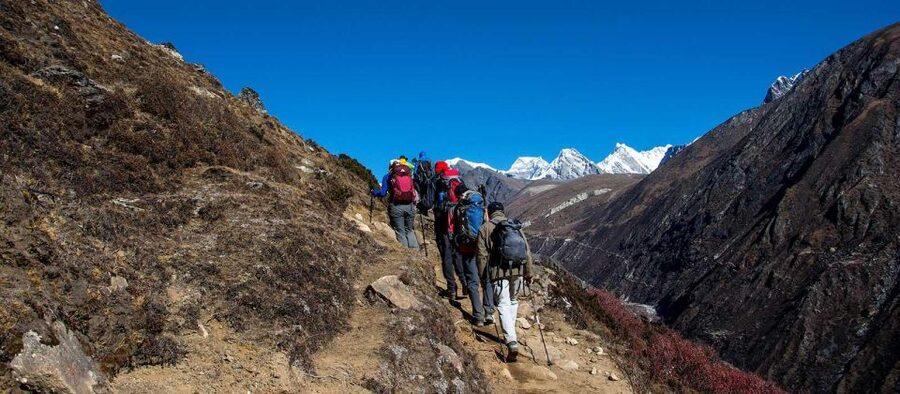
The best periods are March to May and September to November, when weather is generally more stable and mountain views are often clearer. Conditions can still change quickly, so warm clothing is not optional.
Pack warm layers, hiking shoes, hiking pants, cash, a passport or copy, and a passport-sized photo. The supplied trekking pole is useful on long descents and uneven ground. Pets are not allowed, and the trek is not suitable for pregnant women or wheelchair users.
Altitude is the central issue. The schedule includes rest days in Namche and Dingboche, but acclimatization does not guarantee that you will feel well. A participant in April 2025 developed symptoms before reaching Base Camp and had to stop that part of the trek. The guide acted quickly, and the unused time was later used for a Poon Hill trek in the Pokhara region after a new permit was arranged.
That flexibility is reassuring, but you should not count on changing the route. Tell your guide about headaches, nausea, unusual tiredness, dizziness, or breathing problems. The goal is to return safely, not to force a particular photograph.
Who should book this trek?
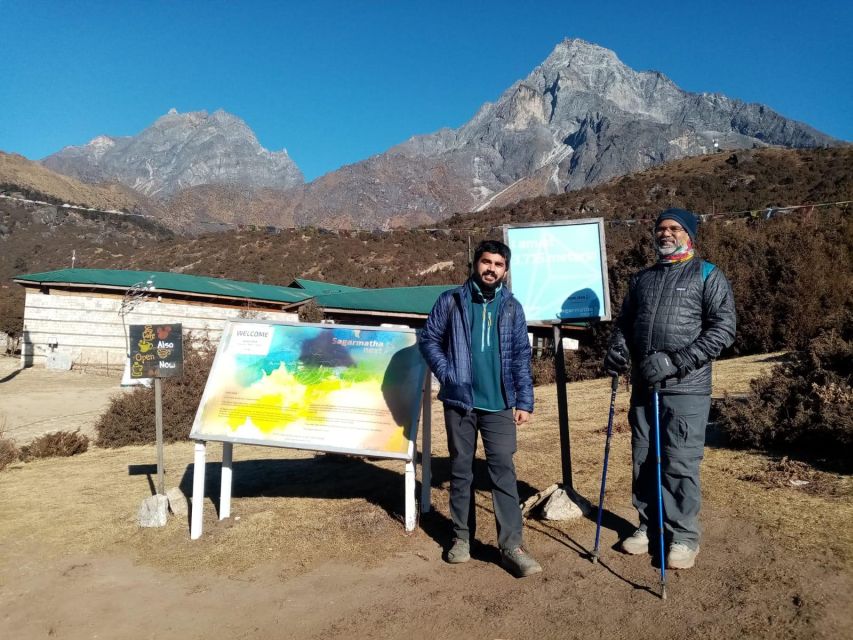
I would choose this trip if you want the full Everest Base Camp route with time for villages, monastery visits, acclimatization, and a lower-altitude approach from Salleri. It suits people who can handle repeated five to seven-hour walking days and who understand that high-altitude conditions may change the plan.
I would think twice if you want a short trek, dislike long road journeys, or expect meals and rescue insurance to be included. The route is also a poor fit if you need wheelchair access or are pregnant.
The free cancellation policy allows cancellation up to 24 hours before departure for a full refund, and you can reserve now and pay later. Those terms give you some planning flexibility, but they do not remove the need to prepare physically or buy suitable insurance.
Should you book the Everest Base Camp and Kala Patthar trek?
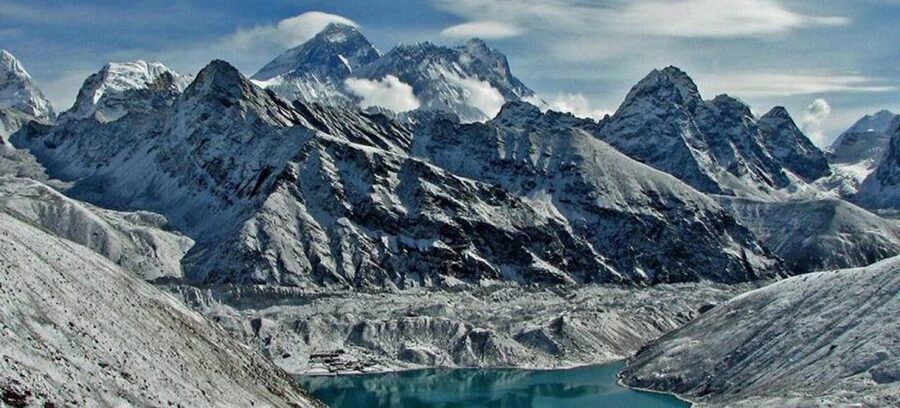
Book it if you value a slower, ground-level approach and want Base Camp plus Kala Patthar in one long trip. The two acclimatization days, tea-house lodging, permits, road transfers, and guide support make the $723 price attractive, especially for a private trekking arrangement.
Skip it if you want the fastest route or a fully private vehicle throughout. The Salleri road journey and long return on foot add time, while meals, personal costs, insurance, and emergency rescue sit outside the price. For a prepared trekker who accepts those tradeoffs, this is a well-paced way to experience the Khumbu, with enough structure to help and enough flexibility to respond when the mountain has other plans.
FAQ
How long is the Everest Base Camp and Kala Patthar trek?
The trek lasts 19 days, including the road journeys from Kathmandu to Salleri and back.
Where does the walking portion begin?
The walking begins in Salleri after the drive from Kathmandu.
Is transport from Kathmandu included?
Yes. Round-trip transfer by shared bus or jeep is included. The drive takes about 12 to 13 hours each way.
What altitude does Everest Base Camp reach?
Everest Base Camp is listed at 5,364 meters, or 17,598 feet.
What is the highest point on the itinerary?
Kala Patthar is the highest point, at about 5,545 meters.
Are meals included?
No. Food and drinks are available for purchase but are not included in the package price.
Is accommodation included?
Yes. Accommodation in guest houses or tea houses is included during the trek.
What languages can the guide speak?
The available guide languages are English, Nepali, and Hindi.
Is travel insurance included?
No. You must arrange your own travel insurance, and emergency rescue costs are to be covered by your insurance.
New treks around Kathmandu
- Kathmandu or Pokhara: 5-Day Annapurna Base Camp (ABC) Trek★ 4.5 · 2 reviews
- Pokhara: 2 Day Ghorepani & Poon Hill Private Trekking★ 4.9 · 8 reviews
- From Kathmandu: 6-Day Langtang Valley Guided Trek★ 5.0 · 2 reviews
- Pokhara: 5-Day Annapurna Base Camp (ABC) Trek★ 5.0 · 9 reviews
- Kathmandu: Langtang Valley 6-Day all inclusive Guided Trek★ 5.0 · 2 reviews
- Kathmandu: 6 Days Langtang Valley Trek with Kyanjin Ri★ 5.0 · 7 reviews
- Kathmandu: 9- Day Annapurna Circuit Trek★ 5.0 · 2 reviews
- Kathmandu: 6-Day Limitless Langtang Trek★ 5.0 · 21 reviews
Everest Base Camp Treks, side by side.
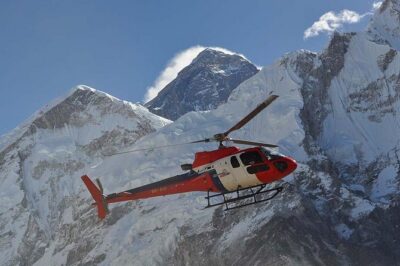
Everest Base Camp Trek with Helicopter Return from Gorakshep to Lukla
Read our review →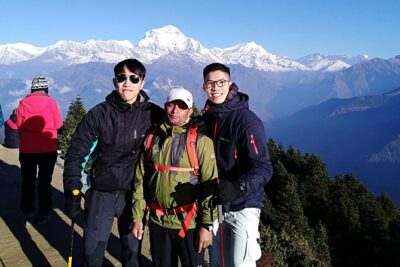
Trekking in Annapurna/Langtang/Everest/Upper Mustang regions
Read our review →Lists this trek appears in