
Review · KATHMANDU
Everest Base Camp Trek
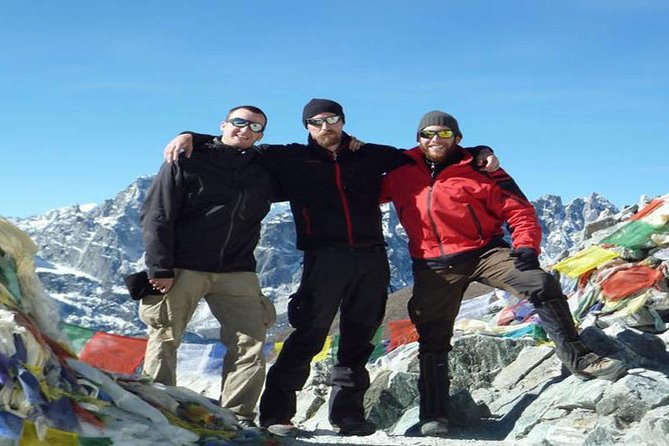
Everest Base Camp is not a quick mountain outing. It is a 15-day high-altitude trek through Sherpa villages, monasteries, and Sagarmatha National Park, ending at the foot of the world’s highest mountain. You fly from Kathmandu to Lukla, then walk for days through the Khumbu region, where Everest, Lhotse, Ama Dablam, and other major peaks fill the horizon.
I like that the price includes the big practical pieces: Kathmandu hotels, Lukla flights, porters, a guide, lodge stays, and three meals a day. I also like the human side of the route. You are not simply chasing a viewpoint. You move through highland communities, sleep in local lodges, and travel with a Nepalese support team that past trekkers have praised by name, including guides such as Bal, Sabin, Raju, and Gelu.
The catch is the mountain itself. Lukla flights can be delayed or canceled for a day or more, even in good trekking seasons. The route also reaches very high altitude, uses basic lodges with shared bathrooms, and requires moderate physical fitness. Keep spare days and patience in your pack.
The key points to know before booking
- Lukla is the dramatic starting point: The flight lands at Tenzing-Hillary Airport at roughly 2,845 to 2,860 meters, placing you high in the Himalaya from the first walking day.
- Everest is only part of the view: The route also brings you near Lhotse, Cho Oyu, Makalu, and the distinctive Ama Dablam.
- The package is built around practical support: An English-speaking local guide, porters, meals, accommodation, permits, flights, and surface transfers are included.
- The lodges are simple: Expect standard local accommodation with shared bathrooms, not a polished mountain resort.
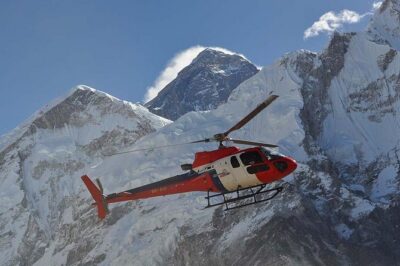
- Weather can change the plan: Lukla flights may be delayed or canceled, and helicopter transport is available only at an added cost.
- The experience is private: Only your own group participates, which allows the guide to give more direct attention.
Why this trek feels like a real Himalayan journey
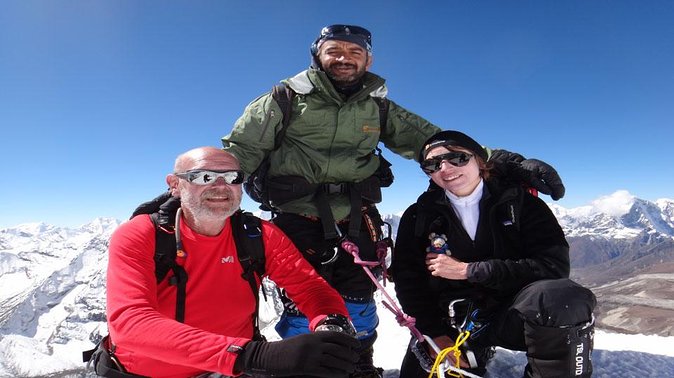
The appeal of Everest Base Camp is not just reaching one famous point. The walk lets you see how the high Khumbu region works: footpaths connect settlements, porters carry supplies, monasteries mark the spiritual character of the area, and the scenery grows more severe as you gain height.
Your trip begins in Kathmandu, Nepal’s capital, with three nights in a three-star hotel on a twin-sharing basis. Those nights give you time to arrive, adjust to the country, and prepare for the mountain section. Breakfast is included, while lunch and dinner in Kathmandu are your responsibility.
From Kathmandu, the flight to Lukla changes the rhythm quickly. Tenzing-Hillary Airport sits at about 2,845 meters, on a mountainside near the start of the Everest route. Airlines operate these flights in the morning because mountain weather is often more reliable early in the day. The flight is part of the adventure, but it is also the first reminder that this trek follows Himalayan conditions, not a fixed city timetable.
More Everest Base Camp treks around Kathmandu:
- Everest Base Camp Trek – 14 Days
★ 5.0 · 1,499 reviews - Everest Base Camp Trek
★ 5.0 · 842 reviews - Everest Base Camp Trekking
★ 5.0 · 485 reviews
From Lukla into Sagarmatha National Park
Lukla is the gateway to the Everest region. Once you leave the airport, the route follows trails through villages and forest before reaching the higher settlements of the Khumbu. The exact walking schedule is not supplied here, so you should ask the operator for the day-by-day plan before booking.
What is clear is the shape of the journey. You start among the floral and animal life of Sagarmatha National Park, then gradually enter a more exposed high-altitude world. The changing vegetation helps you feel the climb. This is not a bus tour where the view changes outside a window. Your pace, breathing, and rest stops become part of the experience.
The route also brings you into Sherpa communities. Highland villages and monasteries are not side attractions. They are central to the trip. The cultural value comes from seeing how daily life continues in a demanding mountain setting, rather than simply stopping for a photograph of Everest.
Namche and the rhythm of slow altitude gain
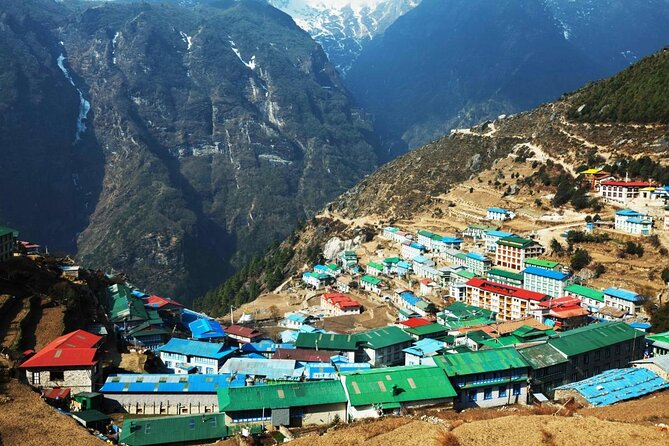
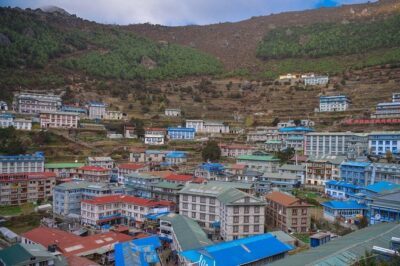
Namche Bazaar is identified in the trip material as one of the iconic stops along the route. It is an important place in the trek because it marks a deeper move into the Everest region and offers a larger settlement before the trail becomes more remote.
The most important advice here is simple: do not treat the trek as a race. The route reaches some of the highest navigable points on Earth, and your body needs time to respond. A good guide will watch your pace and condition. Several past groups praised guides for supporting slower walkers, helping with injuries, and offering calm encouragement when the trail became difficult.
That support matters more than grand promises. Guides named in past trips include Bal Kumar Tamang, Sabin Khadka, Raju, and Gelu. You should not assume one of them will lead your group, but these accounts give you a useful picture of the company’s guiding style: close assistance, local experience, and attention to people who are struggling.
The mountains become the main event
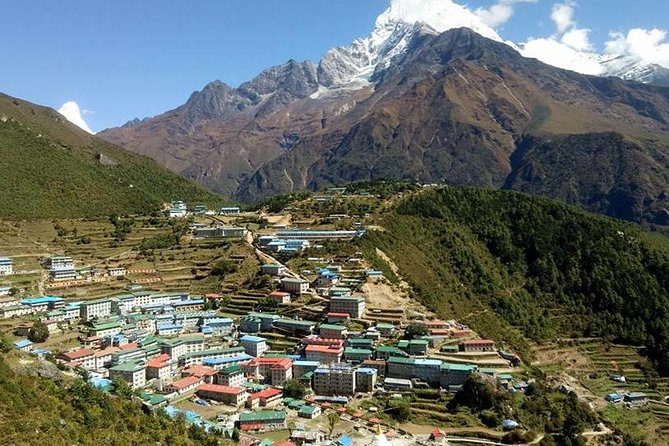
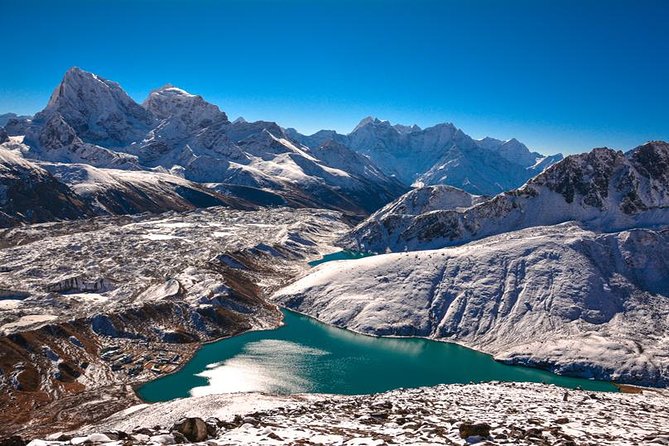
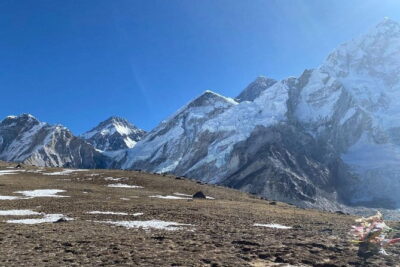
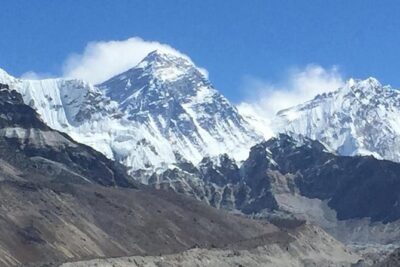
As the route rises, the views open toward some of the world’s great peaks. Everest is the headline, but the scenery includes Lhotse at 8,586 meters, Cho Oyu at 8,188 meters, Makalu, and Ama Dablam at 6,812 meters.
Ama Dablam often becomes a favorite because of its sharp, memorable shape. Everest carries the famous name, yet the surrounding peaks help explain the scale of the Himalaya. You are not looking at one isolated summit. You are moving through a huge mountain setting where several major peaks rise around the route.
The trip description calls the trek the best trekking experience in the Himalaya, but I would treat that as enthusiastic sales language rather than a measurable fact. It is certainly one of Nepal’s most famous routes. Its appeal is strongest if you want a demanding walk with a major goal, rather than a comfortable holiday with mountain views.
More treks around Kathmandu:
- Annapurna Circuit Trek with Tilicho Lake
★ 5.0 · 368 reviews - Everest Base Camp Trekking – 13 Day
★ 5.0 · 365 reviews - Everest Base Camp Trek
★ 5.0 · 350 reviews - Everest Base Camp Trek -14 Days
★ 5.0 · 321 reviews
Reaching Everest Base Camp
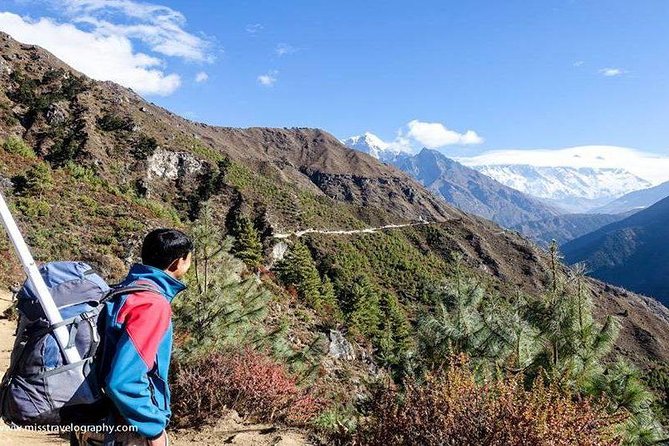
The final approach to Everest Base Camp is the emotional center of the trip. You have spent days gaining height, crossing the region on foot, and adjusting to the thinner air. Reaching the base camp gives the journey a clear finish and puts you close to the staging area used for Everest expeditions.
The base camp experience is seasonal and can look different depending on conditions. This package does not promise a particular expedition activity or a specific camp arrangement. What it does offer is the route to the base of Everest through the Khumbu region, with a guide and porters handling much of the practical load.
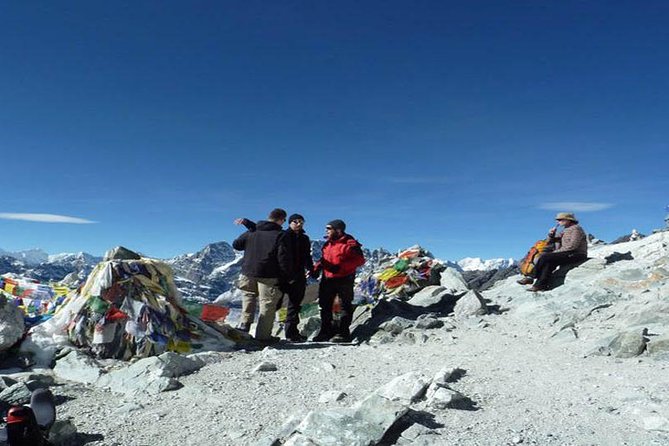
Some groups also completed Kala Patthar, a high viewpoint associated with Everest views, but it is not clearly listed as an included stop in the supplied trip details. Ask about it directly before you pay if that viewpoint is important to you.
What the $2,500 price really covers
At $2,500 per person, this is not an all-inclusive luxury trip. It is a supported trekking package whose value comes from putting many difficult logistics in one arrangement.
The price includes:
- Three nights in a three-star Kathmandu hotel with breakfast
- Kathmandu to Lukla and return airfare
- Local lodge accommodation during the trek
- Breakfast, lunch, dinner, and hot drinks during the trekking section
- An English-speaking local guide
- Porters
- Trekkers’ Information Management System fees
- Surface transfers listed in the itinerary
That is a useful bundle for a first Himalayan trek. Domestic flights, staff, food, accommodation, and transfers can be tiring to arrange separately. The porters are especially important because they let you carry a more manageable day pack instead of hauling all your gear.
The package does not include Nepal’s 30-day multiple-entry visa, listed at $40, or lunch and dinner in Kathmandu. You also pay for snacks, table drinks, medical expenses, travel insurance, and emergency evacuation. A helicopter from or to Lukla is extra if weather disrupts the scheduled flight.
The lodge arrangement deserves a clear warning. You stay in standard local lodges with shared bathrooms. That is part of the route’s character, but it also means limited privacy and fewer comforts than you may expect for $2,500. The value is strongest if you care more about organized access and local support than about high-end accommodation.
Food, porters, and daily comfort
Three meals a day and hot drinks are included during the trek. That removes one regular worry: you do not need to negotiate every meal stop or carry enough food for the whole route. Still, snacks while walking are not included, so bring extra money and plan for your own trail food.
Past groups gave strong praise to the porters and guides. That is worth taking seriously. Porters are the backbone of a trek like this, carrying the group’s larger bags between lodges. You should pack responsibly, follow the operator’s weight guidance, and budget for customary tips if appropriate.
The local lodge stays also create contact with the communities along the trail. You trade hotel polish for a closer look at mountain life. Hot drinks, simple rooms, and shared facilities can feel basic, especially after a long walking day, but they are part of what makes the route possible.
The real risk: Lukla weather
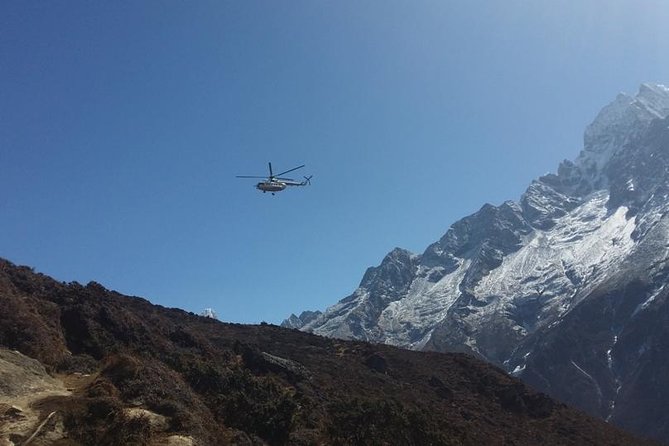
The biggest logistical weakness is outside anyone’s full control. Flights to and from Lukla can be delayed or canceled because of poor weather. This can happen at the start or end of the trek, and the operator does not cover costs caused by those cancellations or refund unused services in the package.
The sensible move is to add buffer days to your wider Nepal itinerary. Do not schedule an international departure immediately after the planned return from Lukla. If a cancellation lasts several days, the operator says it can discuss alternatives such as Annapurna, Langtang, or Upper Mustang, which are more accessible by road. If you want to keep the Everest plan, a helicopter may be arranged when available, but you pay an added supplement.
This is not a reason to reject the trek. It is a reason to understand what you are buying. The mountain route is fixed on paper, but Himalayan weather can rewrite the schedule.
Who should book this Everest trek?
I would recommend it to someone with moderate physical fitness who wants a serious mountain goal and appreciates local guides and porters. It can also suit families or older trekkers who prepare carefully and accept a slower pace. Past groups included two women aged 69 and a 78-year-old grandfather who completed the trek with strong guide support, but those examples should encourage planning, not replace medical advice.
You should be comfortable walking for many days, sleeping in basic lodges, using shared bathrooms, and adjusting plans when flights fail. If you need private facilities, fixed timing, or a soft landing every evening, this is the wrong trip.
The private format is a plus. Only your group participates, so the guide can respond to your pace and needs rather than managing a large mixed party. Ask in advance about guide-to-group size, porter arrangements, the precise walking schedule, and how altitude concerns are handled.
Should you book it?
Book this trek if reaching Everest Base Camp is a major personal goal and you want the main logistics arranged for you. The $2,500 cost is reasonable for the included flights, staff, meals, lodges, Kathmandu hotel, and transfers, though you need a separate budget for insurance, visa, Kathmandu meals, snacks, and possible emergency or helicopter costs.
Do not book it casually. The Lukla flight risk, high altitude, basic accommodation, and long walking days are genuine demands. Add spare days, buy suitable insurance, and confirm the exact itinerary before departure.
For the right person, this is a powerful way to experience the Everest region: on foot, with Sherpa communities nearby, major Himalayan peaks ahead, and a local team helping you manage the hard parts.
FAQ
Where does the Everest Base Camp Trek start?
The activity starts at Tribhuvan Airport in Kathmandu, Nepal. The trekking section begins after the flight to Lukla.
Where does the trek end?
The activity ends back at the original meeting point in Kathmandu.
How long does the trek last?
The advertised duration is approximately 15 days.
Is the Lukla flight included?
Yes. Kathmandu to Lukla and return airfare are included in the package.
What accommodation is provided?
You receive three nights in a three-star Kathmandu hotel on a twin-sharing basis with breakfast. During the trek, accommodation is in local lodges with shared bathrooms.
Are meals included?
Breakfast, lunch, dinner, and hot drinks are included during the trek. Lunch and dinner in Kathmandu are not included.
Is a guide provided?
Yes. The package includes an English-speaking local expert guide and porters.
Are permits or trekking fees included?
Trekkers’ Information Management System fees are included.
What happens if the Lukla flight is canceled?
The operator will try to schedule the next available flight. You can also discuss alternative routes or a helicopter flight, but additional helicopter costs apply. The operator does not refund or cover expenses caused by flight cancellations.
Can I cancel for a full refund?
You can receive a full refund if you cancel at least 24 hours before the experience start time. Cancellations or changes made less than 24 hours before the start are not accepted for a refund.
New treks around Kathmandu
- Kathmandu or Pokhara: 5-Day Annapurna Base Camp (ABC) Trek★ 4.5 · 2 reviews
- Pokhara: 2 Day Ghorepani & Poon Hill Private Trekking★ 4.9 · 8 reviews
- From Kathmandu: 6-Day Langtang Valley Guided Trek★ 5.0 · 2 reviews
- Pokhara: 5-Day Annapurna Base Camp (ABC) Trek★ 5.0 · 9 reviews
- Kathmandu: Langtang Valley 6-Day all inclusive Guided Trek★ 5.0 · 2 reviews
- Kathmandu: 6 Days Langtang Valley Trek with Kyanjin Ri★ 5.0 · 7 reviews
- Kathmandu: 9- Day Annapurna Circuit Trek★ 5.0 · 2 reviews
- Kathmandu: 6-Day Limitless Langtang Trek★ 5.0 · 21 reviews
Everest Base Camp Treks, side by side.
Everest Base Camp Trek with Helicopter Return from Gorakshep to Lukla
Read our review →
Trekking in Annapurna/Langtang/Everest/Upper Mustang regions
Read our review →Lists this trek appears in