
Review · KATHMANDU
Everest Base camp Trek-12 days
Flying into Lukla is the first jolt of this Everest Base Camp trek. From there, you walk through Sherpa villages, rhododendron forests, Buddhist monasteries, and high valleys to Gorak Shep and Base Camp at 5,364 meters. The trip takes about 13 days, despite being marketed in places as a 12-day trek.
I like the sensible acclimatization stops in Namche and Dingboche, and I like that the $1,400 price covers the big-ticket pieces: domestic flights, teahouse rooms, meals, park fees, and basic cold-weather gear. The main drawback is the group size, which can reach 26 people, and the itinerary is physically demanding even though it is aimed at moderately fit hikers.
- Lukla flight included: The 40 to 45-minute mountain flight saves days of road travel and gets you straight into the Khumbu.
- Two acclimatization days: Namche and Dingboche give your body time to adjust before the highest walking days.
- Kala Patthar sunrise: The early climb offers one of the finest views of Everest, the Khumbu Glacier, and the Khumbu Icefall.
- Teahouse trekking: Accommodation and meals are arranged, so you carry less planning work into the mountains.
- Sherpa villages and Buddhist sites: Khunde, Khumjung, Tengboche, and other settlements add human depth to the mountain scenery.
- A practical budget: At $1,400 per person, the package includes flights, food, permits, transfers, and selected gear, but not porter service or personal drinks.
What the $1,400 Everest Base Camp trek actually gives you
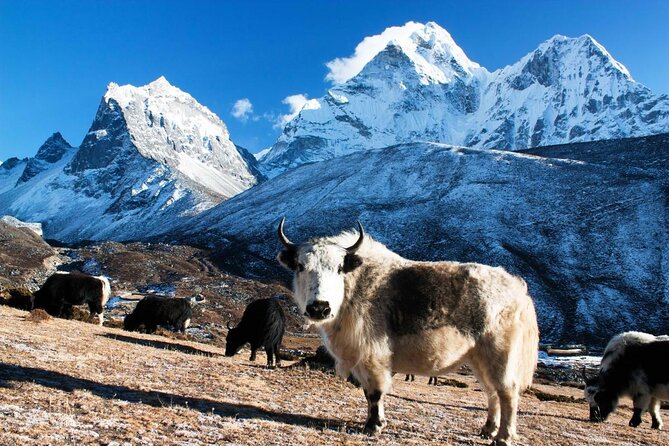
At $1,400 per person, this is an economical group trek rather than a private, polished mountain holiday. The price includes accommodation during the trek, national park fees, flights between Kathmandu and Lukla, airport transfers, breakfast, lunch, dinner, seasonal fruit, a normal medical kit, a sleeping bag, and a down jacket.
That is a useful bundle. Lukla flights alone are a major part of the logistics, and arranging meals and rooms at altitude can be a nuisance if you handle everything yourself. You also avoid buying or renting some bulky cold-weather gear.
The package does not include personal items, alcoholic drinks, cold drinks, laundry, or a porter if you want one. That last point matters. A guide may organize the walk, but you should clarify exactly how much of your own luggage you will carry and what porter support costs before you pay.
The group can contain up to 26 people. A group this size may keep the price down and make the trek social, but it can also mean different walking speeds. Ask how the group is managed if some people reach a teahouse much earlier than others.
Day 1 in Kathmandu, a quiet start before the mountains
The first day is listed in Kathmandu Valley and functions as the arrival and preparation day. The next morning begins early, with a 6:00 am start time and a transfer to Tribhuvan International Airport.
This is not a sightseeing-heavy opening. Think of it as a buffer for meeting the team, checking equipment, and getting ready for the Lukla flight. Since the schedule depends on mountain weather, keeping your Kathmandu plans flexible is sensible.
The operator offers pickup and arrival and departure transfers. That small service is valuable in Kathmandu, where airport traffic can make a simple transfer feel like a full event.
More Everest Base Camp treks around Kathmandu:
- Everest Base Camp Trek – 14 Days
★ 5.0 · 1,499 reviews - Everest Base Camp Trek
★ 5.0 · 842 reviews - Everest Base Camp Trekking
★ 5.0 · 485 reviews
Day 2: Lukla to Phakding and Monjo
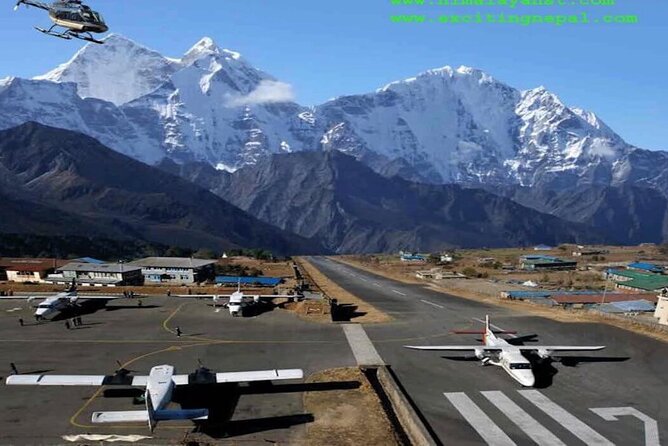
The 40 to 45-minute flight from Kathmandu to Lukla is short but memorable. The runway approach is part of the experience, with mountain terrain and a narrow airstrip creating a more dramatic arrival than an ordinary domestic flight.
After landing, you meet porters and staff before starting the walk. The route initially descends toward the Dudh Kosi River, whose glacial water has a pale, chalky color. You then follow the river through settlements and forest toward Phakding and onward to the Monjo area.
The day covers about 10 kilometers and takes five to six hours, with a maximum altitude of 2,804 meters. It is a useful introduction to the walking rhythm: bridges, stone paths, uphill sections, and teahouse stops.
Do not mistake the lower altitude for an easy stroll. The flight, early start, and first full day on foot can leave you tired. Your reward is a gradual introduction to the Khumbu rather than an immediate high-altitude push.
Day 3: Monjo, Sagarmatha National Park, and the climb to Namche
From Monjo, the path heads through Jorsale and into Sagarmatha National Park, a UNESCO World Heritage Site. The trail passes through rhododendron forest, then begins the serious climb toward Namche Bazaar.
The route rises about 600 meters from the Khumbu River to Namche. Stone steps, suspension bridges, and steep, uneven ground make this one of the first days when your pace really matters. Walk slowly and keep your breathing steady.
Namche sits at about 3,440 to 3,445 meters. The walk is only listed as three to four hours and roughly four kilometers, but the steep ascent makes the effort feel greater than the distance suggests.
Namche is the main service center in the region, with teahouses, shops, and a busy trail atmosphere. It is also where altitude begins to become a real concern. Drink steadily, eat properly, and tell your guide if you feel unwell rather than trying to prove something.
Day 4: Acclimatization above Namche
The Namche acclimatization day is one of the strongest parts of the schedule. You do not simply sleep late. The plan follows the useful high-by-day, lower-by-night approach, with a climb toward the Everest View Hotel before returning to Namche.
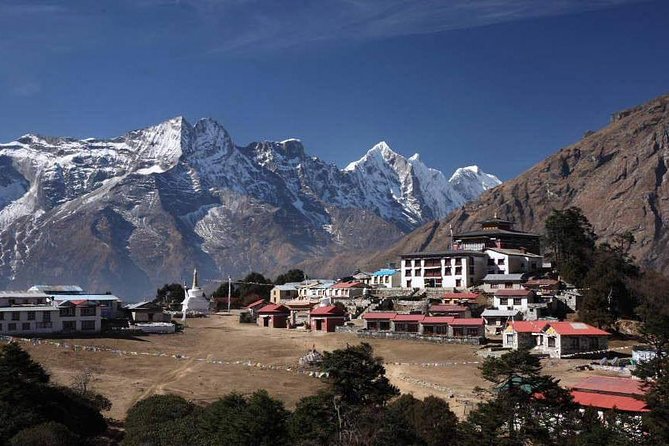
The route passes through Khunde and Khumjung, two important Sherpa villages. Khumjung is known for larger, well-kept homes, and the walk gives you a closer look at village life than simply passing through on the main trail.
The Everest View Hotel provides views toward Everest and Ama Dablam when the weather is clear. Clouds can change the scene quickly, so do not treat the viewpoint as guaranteed. The walk is short, about two to three hours, but the gain of around 800 meters makes it useful for acclimatization.
I like this day because it combines practical altitude preparation with culture and mountain views. It also gives you time to sort socks, batteries, clothing, and your daypack before the route gets higher.
More treks around Kathmandu:
- Annapurna Circuit Trek with Tilicho Lake
★ 5.0 · 368 reviews - Everest Base Camp Trekking – 13 Day
★ 5.0 · 365 reviews - Everest Base Camp Trek
★ 5.0 · 350 reviews - Everest Base Camp Trek -14 Days
★ 5.0 · 321 reviews
Day 5: Namche to Tengboche by way of Mongla Pass
The walk to Tengboche covers about 9.5 kilometers and takes five to six hours. The route follows contours out of Namche, crosses stone steps, reaches the Mongla Pass area at roughly 3,975 meters, then descends to the Dudh Kosi before climbing again to Tengboche.
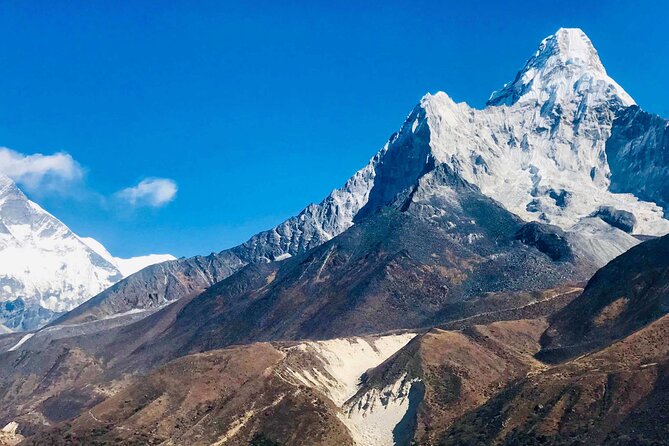
This is a day of repeated ups and downs rather than one simple climb. Ama Dablam is a major visual highlight, and the trail passes Buddhist stupas, small gompas, and other signs of the region’s Tibetan Buddhist culture.
Tengboche is best known for its monastery and its setting among high peaks. The approach through forest feels surprisingly green for a mountain route, with rhododendron, birch, and conifers lining parts of the trail.
At this height, the cold can become sharper at night. Teahouse accommodation is practical, not luxurious. You should expect a basic room and shared facilities, with comfort depending on the particular lodge and the group’s timing.
Day 6: Tengboche to Dingboche through alpine country
The trail descends through rhododendron forest before climbing again toward the Khumbila Khola valley and Dingboche. The day takes five to six hours and covers about 11 kilometers, reaching approximately 4,350 meters.
The scenery opens as you gain height. Views may include Taboche, Nuptse, Cholatse, and Ama Dablam, though cloud and weather always have the final word. Small settlements along the route offer glimpses of local life before the trees thin and the country becomes more exposed.
This is the point where the trek changes character. Lower forest paths give way to broad high valleys, dry slopes, and a more demanding walking rhythm. The distance is manageable, but altitude makes every uphill section slower.
Dingboche is an important overnight stop because it prepares you for the higher stages. Eat well, keep your clothing dry, and resist the temptation to race ahead just because the path looks open.
Day 7: Dingboche acclimatization and Nangkartshang Peak
The second acclimatization day includes a hike toward Nangkartshang Peak above Dingboche. The viewpoint is especially good for Ama Dablam, and clear weather may reveal the mountain from its summit to its lower slopes.
You can spend the afternoon walking around Dingboche or resting. I would choose a mix of both. A short village walk keeps your legs moving, while a quiet afternoon gives your body a chance to recover before the higher trail.
This day is not wasted time. The route to Base Camp is not a contest in daily mileage. The additional acclimatization stop helps make the later stages more manageable, though no itinerary can remove the risks of high altitude.
Day 8: Dingboche to Duglha and the memorial area
The walk from Dingboche covers about 11 kilometers in roughly five hours, reaching a maximum altitude of around 4,950 meters. The valley starts wide, then narrows near Dusa.
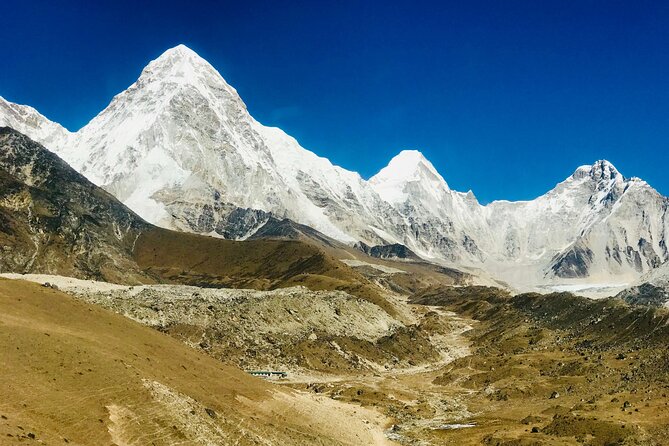
You pass the campsite associated with the first successful Everest expedition and gain views of Pumori. The trail later descends and curves near a stream before climbing to Duglha, a small settlement marked by prayer flags.
The memorial area near Duglha gives this section a more serious tone. It reminds you that Everest is not only a scenic destination or a personal challenge. The mountain has demanded a high price from climbers and local workers.
The altitude is now significant. You may walk a shorter distance than on an ordinary hiking holiday, yet feel more tired. Keep the pace conservative, and let the guide know if you develop a headache, dizziness, unusual fatigue, or other symptoms.
Day 9: Gorak Shep and Everest Base Camp at 5,364 meters
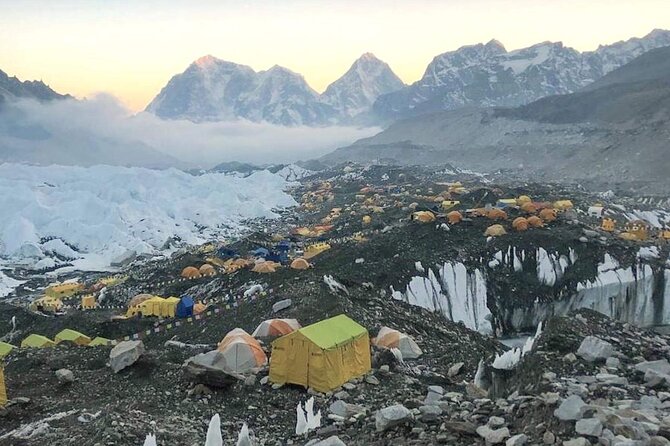
This is the major goal day. The route toward Gorak Shep follows gradual rises and falls at first, then becomes rougher over large rocks and uneven ground. You get your first close views of the Khumbu Glacier and, farther on, the Khumbu Icefall.
The day is listed at seven to eight hours and about 15 kilometers, with the highest point at 5,364 meters. That is a long day at extreme altitude, so the slow approach is not optional. Your guide should set a measured pace and watch the group closely.
After reaching Gorak Shep, you continue to Everest Base Camp. The emotional force comes less from a single grand viewpoint than from the setting: glacier ice, prayer flags, expedition traces, and the knowledge that climbers use this area as the launch point for Everest attempts.
Base Camp conditions and visible activity vary by season. Do not expect to climb Everest or necessarily see a permanent camp setup. The achievement here is reaching the site on foot, not entering the climbing route.
Day 10: Kala Patthar and the best Everest view
The early hike to Kala Patthar takes three to four hours. Starting before dawn is hard, but it is planned for the sunrise over Everest and the surrounding peaks.
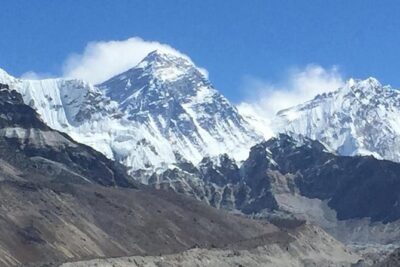
From the viewpoint, you can see Everest, the Khumbu Glacier, and the Khumbu Icefall. Clear weather may provide a broad panorama of the Himalayan range, with the first sunlight turning the snow and rock warm colors.
This is often the visual high point of the trek. Base Camp is the symbolic target, but Kala Patthar gives you the stronger view of Everest itself. Bring warm layers, protect your camera batteries from the cold, and remember that the climb is still strenuous at this altitude.
After the viewpoint, the itinerary begins its return. The descent is easier for many people, but tired knees and rough ground still require care.
Days 11 to 13: Returning through Namche and Lukla
The descent passes through Pangboche and Tengboche before reaching Namche in the afternoon. This familiar route can feel different on the way back, partly because you now understand the distances and partly because the thinner air is behind you.
Day 12 continues toward Lukla through Manjo, Benkar, and Phakding. You cross suspension bridges over the Dudh Kosi and walk beside the river through forest and Sherpa settlements. The distance is about 10 kilometers, with a maximum altitude near 2,840 meters.
Lukla is a lively final stop, with lodges, teahouses, and shops. The last night gives you time to repack, thank the staff, and prepare for the early flight.
On Day 13, you fly from Lukla to Kathmandu. A window seat gives you the best chance of seeing the mountain region from above, though weather can affect flights and views. The trip ends with the flight rather than a long road transfer, which is one reason the included air service adds real value.
Guides, group size, and the human side of the trek
The operator pairs you with a guide and support staff, but the exact guide for your departure is not specified. Names connected with similar departures include Basu, Ram Tamang, Shasi, Suman, and Tika. Past service has been praised for clear planning, quick replies, patient support, and attention to safety.
That is useful information, but you should still ask who will lead your group and how many porters are assigned. The listed package does not include porter service if you need it, so clarify the arrangement before departure.
The group limit of 26 can create a friendly atmosphere, but it may not suit someone who wants a quiet, private trek. If you prefer a faster or slower walking pace, ask about a private option or a smaller group.
Who should book this Everest trek?
This trek fits you if you have moderate fitness, some hiking experience, and the patience to walk slowly at altitude. You do not need technical climbing skills for the route described, but you do need to handle long days, steep steps, cold nights, basic teahouses, and limited personal comforts.
It is a good match if you want the main Everest route without paying for a fully private expedition. The included flights, meals, accommodation, fees, and basic gear remove much of the planning burden.
It is less suitable if you dislike group schedules, need hotel-level comfort, or want a short mountain break. The itinerary is long, and the highest days are demanding even for fit people.
Free cancellation is available up to 24 hours before the start time. Cancellations within 24 hours are not refunded, and poor weather may lead to a new date or a full refund.
Should you book it?
I would consider this a strong value choice for a first Everest Base Camp trek, provided you understand what $1,400 buys: organized essentials, not luxury. The itinerary has the right broad shape, with Namche and Dingboche acclimatization, a Base Camp visit, a Kala Patthar sunrise, and a return through the main Sherpa settlements.
Before booking, confirm the exact duration, since the trip is described as both 12 days and approximately 13 days. Also confirm porter costs, group size for your departure, your guide’s name, and what happens if the Lukla flight is delayed.
Book it if you want a practical, social route with strong logistics and can accept basic mountain accommodation. Choose another format if privacy, flexible walking days, or guaranteed comfort matter more than keeping the price down.
FAQ
How long does the Everest Base Camp trek take?
The experience lasts approximately 13 days, although it is also described as a 12-day Everest Base Camp trek. The itinerary runs from the Kathmandu and Lukla departure through the return flight from Lukla to Kathmandu.
What is the maximum group size?
The group may include up to 26 people.
Is the Lukla flight included?
Yes. The package includes flights to Lukla and back to Kathmandu. The flight from Kathmandu to Lukla takes about 40 to 45 minutes.
What accommodation is included?
Teahouse accommodation during the trek is included.
Are meals included?
Yes. The package includes 12 breakfasts, 11 lunches, and 11 dinners, along with seasonal fruits.
Is hiking gear included?
A sleeping bag and down jacket are included. The package also lists normal medical kits among the included equipment.
What fitness level do I need?
The trek is best suited to people with moderate physical fitness and hiking experience. The route includes long walking days and reaches Everest Base Camp at 5,364 meters.
New treks around Kathmandu
- Kathmandu or Pokhara: 5-Day Annapurna Base Camp (ABC) Trek★ 4.5 · 2 reviews
- Pokhara: 2 Day Ghorepani & Poon Hill Private Trekking★ 4.9 · 8 reviews
- From Kathmandu: 6-Day Langtang Valley Guided Trek★ 5.0 · 2 reviews
- Pokhara: 5-Day Annapurna Base Camp (ABC) Trek★ 5.0 · 9 reviews
- Kathmandu: Langtang Valley 6-Day all inclusive Guided Trek★ 5.0 · 2 reviews
- Kathmandu: 6 Days Langtang Valley Trek with Kyanjin Ri★ 5.0 · 7 reviews
- Kathmandu: 9- Day Annapurna Circuit Trek★ 5.0 · 2 reviews
- Kathmandu: 6-Day Limitless Langtang Trek★ 5.0 · 21 reviews
Everest Base Camp Treks, side by side.
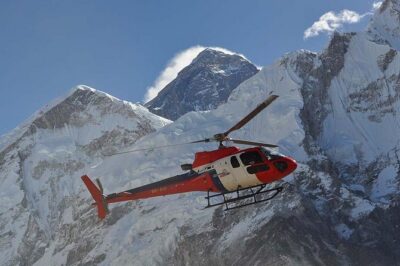
Everest Base Camp Trek with Helicopter Return from Gorakshep to Lukla
Read our review →
Trekking in Annapurna/Langtang/Everest/Upper Mustang regions
Read our review →Lists this trek appears in