
Review · NEPAL
From Kathmandu Budget: 15 Day Everest Base Camp Trek
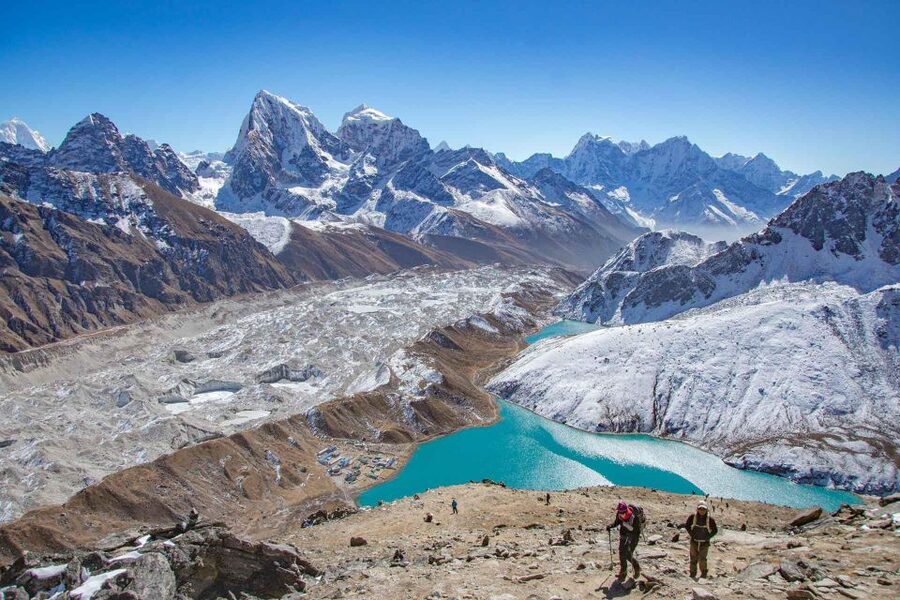
Everest Base Camp is only half the story here. The real prize comes the next morning, when you climb Kala Patthar at 5,545 meters for broad views of Everest, Lhotse, and Nuptse. I like the way this route reaches the Khumbu by road from Kathmandu, avoiding the need for a separate flight to Lukla.
I also like the private format and the guide support. Guides such as Krishna and Milan have adjusted walking times and rest periods to suit individual health needs. You’ll cross suspension bridges, pass Sherpa villages and monasteries, and sleep in simple mountain guesthouses. The main drawback is the long road journey at both ends. The 10-hour drives to and from Salleri save money, but they add fatigue to an already demanding trek.
Key points to know before booking
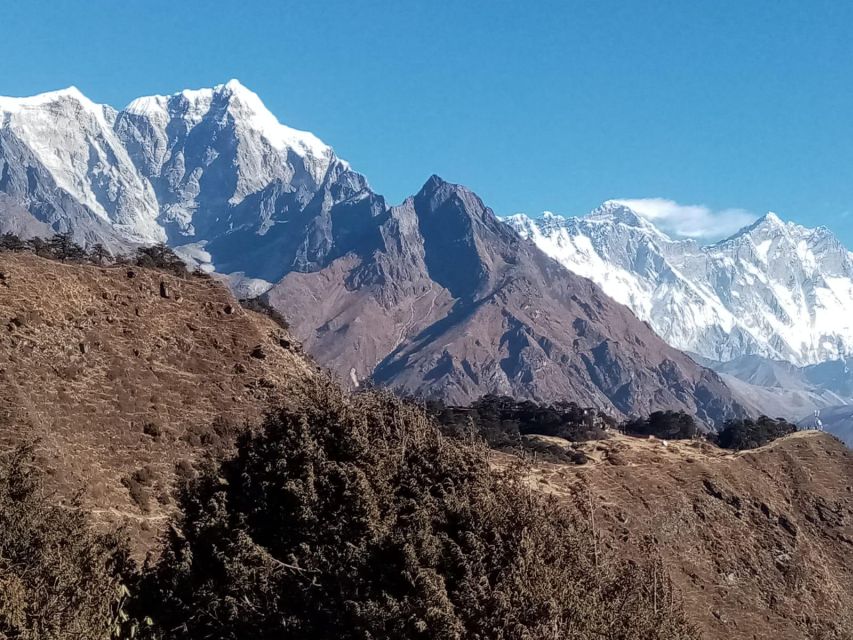
- Kala Patthar is the best viewpoint: The 5,545-meter climb gives you the clearest planned views of Everest, Lhotse, and Nuptse.
- The route begins by road: You travel from Kathmandu to Salleri by shared bus or jeep, then continue toward the trekking route.
- Private guiding matters at altitude: Your English-speaking guide can adjust the pace, add rest time, and help you manage the long walking days.
- Everest Base Camp is at 5,364 meters: Reaching it is a major goal, but the rocky viewpoint above Gorak Shep offers the more open mountain view.
- Food is not included: You pay for meals and drinks as you go, so budget beyond the $796 tour price.
- The best months are March to May and September to November: Conditions are usually more settled, though mountain weather can change quickly.
Why this route works for a budget Everest trek
The advertised price is $796 per person, which gives this trek real appeal for anyone watching costs. It includes Kathmandu pickup and drop-off, the shared road transfers, a private trek, accommodation in guesthouses, trekking permits, official documents, a guide, a first aid kit, and a trekking pole.
That is a useful bundle. A guide’s food, lodging, personal expenses, and insurance are also covered, so you are not expected to pay those costs along the way. You still need money for your own food, drinks, travel insurance, and any emergency rescue.
The savings come with a clear trade-off: this is not the quickest way to reach the Khumbu. Instead of flying between Kathmandu and Lukla, you spend about 10 hours each way on the road to Salleri. On the return, the route uses a shared jeep or bus from Salleri to Kathmandu. If you value a lower price and do not mind a long ride, that arrangement makes sense. If you want to save energy for walking, the road sections may test your patience.
The private group setup is another strong point. You are not tied to a large group’s pace, and you can discuss your condition directly with your guide. That matters during the higher sections, where a slower day can be wiser than trying to stick rigidly to a schedule.
More Everest Base Camp treks around Nepal:
- Everest Base Camp Trek – 14 Days
★ 5.0 · 1,499 reviews - Everest Base Camp Trek
★ 5.0 · 842 reviews - Everest Base Camp Trekking
★ 5.0 · 485 reviews
Days 1 and 2: Kathmandu to Salleri and Surkhe
Day 1 begins early with pickup in the Kathmandu area. The drive to Salleri takes about 10 hours and covers roughly 266.9 kilometers, ending around 2,600 meters. This is a long opening day, so you should think of it as a travel day rather than part of the walking challenge.
On Day 2, you take a jeep from Salleri to Tham Danda, then walk to Surkhe. The full day takes about seven to nine hours. This road and trail combination lets you reach the Khumbu walking route without starting with the usual Lukla flight.
The benefit is cost and a different look at rural Nepal. The drawback is comfort. Shared transport can be basic, and the early start followed by a long ride means you begin the trek already somewhat tired. Bring water, snacks, and warm layers where you can reach them easily.
Days 3 and 4: Surkhe, Phakding, and Namche Bazaar
From Surkhe, Day 3 takes you to Phakding in about six to seven hours. You begin to settle into the walking rhythm, with mountain paths, bridges, and settlements replacing the road journey.
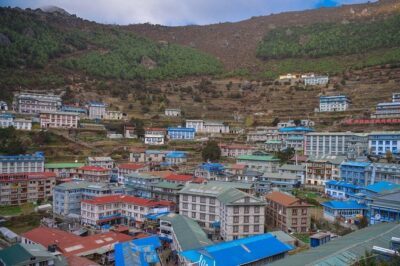
Day 4 is the important push to Namche Bazaar. The route takes six to seven hours and reaches 3,440 meters. Namche is the main hub of the Khumbu, with a more developed feel than the smaller villages along the trail. It is also where altitude begins to demand your attention.
The climb to Namche is not simply a scenic walk. Your body is adjusting to thinner air, and steady pacing matters. Your guide’s role is especially useful here. Walk slowly, drink regularly, and tell your guide early if you feel unwell. You do not gain anything by hiding symptoms.
Day 5: Tengboche Monastery at 3,860 meters
The route continues to Tengboche on Day 5, a walk of about five hours. The major attraction is Tengboche Monastery, one of the most important Buddhist sites in the Khumbu area.
This section brings together culture and scenery. Prayer flags, monasteries, and Sherpa settlements give the trek more meaning than a simple march toward a famous mountain. You are moving through a lived-in region, not an empty wilderness.
At 3,860 meters, the altitude is now serious. The shorter walking time helps, but the uphill and downhill sections can still feel demanding. Take the day at a calm pace and keep your evening simple.
More treks around Nepal:
- Annapurna Circuit Trek with Tilicho Lake
★ 5.0 · 368 reviews - Everest Base Camp Trekking – 13 Day
★ 5.0 · 365 reviews - Everest Base Camp Trek
★ 5.0 · 350 reviews - Everest Base Camp Trek -14 Days
★ 5.0 · 321 reviews
Days 6 and 7: Dingboche and the needed rest day
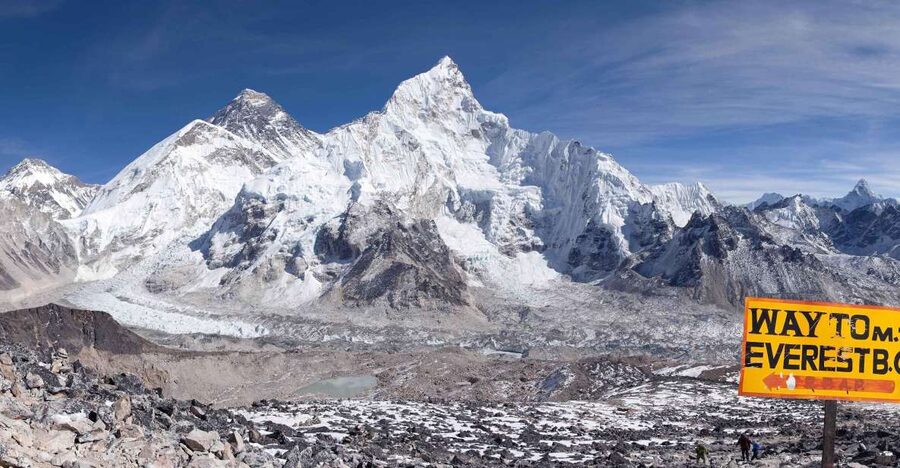
Day 6 leads to Dingboche, at 4,350 meters, in about five to six hours. The settlement is an important stop before the trail rises toward Lobuche and Gorak Shep.
Day 7 is set aside for acclimatization. This is not a spare day to remove from the plan. It gives your body time to adjust before the higher camps. You might use it for a gentle walk around Dingboche, but the supplied plan does not promise a specific side trip.
I like that the schedule includes this pause. The trek has several long days ahead, and a rest day can make the difference between continuing safely and struggling. A private guide can also help decide whether you should keep the planned pace or take things more slowly.
Days 8 and 9: Lobuche and Everest Base Camp
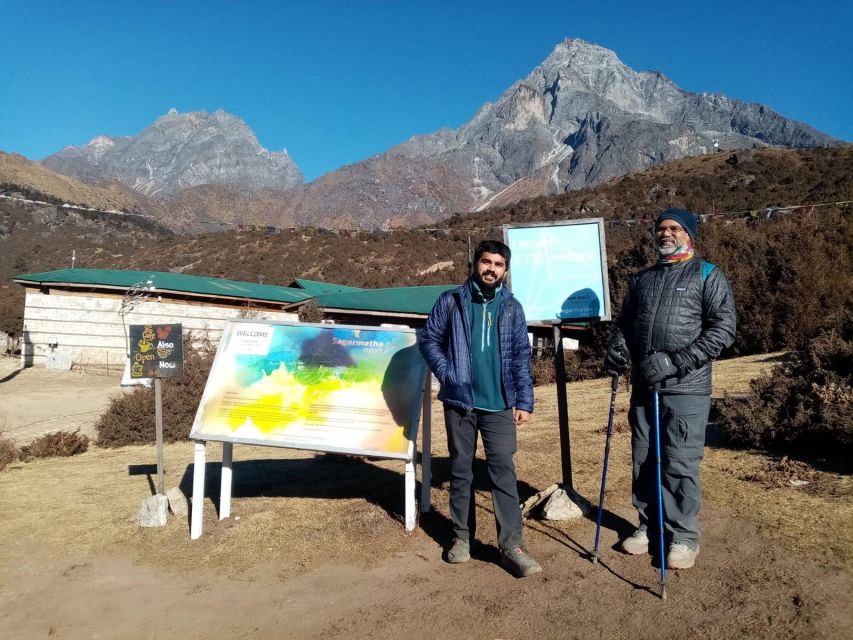
On Day 8, you walk to Lobuche, reaching about 4,910 meters after roughly five hours. The surroundings become harsher as you approach the high glacial region. At this height, even a modest walking day can feel much harder than the distance suggests.
Day 9 is the major goal: the trek to Everest Base Camp. The day takes about eight hours, and the camp sits at approximately 5,364 meters. After reaching Base Camp, you return to Gorak Shep at 5,180 meters for the night.
Base Camp is an iconic place because it is the launch point for Everest expeditions. Still, manage your expectations. You are not promised a wide, open view of Everest from the camp itself. The surrounding peaks and high mountain setting create the drama, while Kala Patthar usually provides the better viewpoint.
This is also one of the hardest days. You are walking at extreme altitude and then returning to Gorak Shep. Keep your pack light, follow your guide’s instructions, and do not treat the eight-hour estimate as a guarantee. Weather, trail conditions, and your own pace can alter the day.
Day 10: Kala Patthar, then down to Pheriche
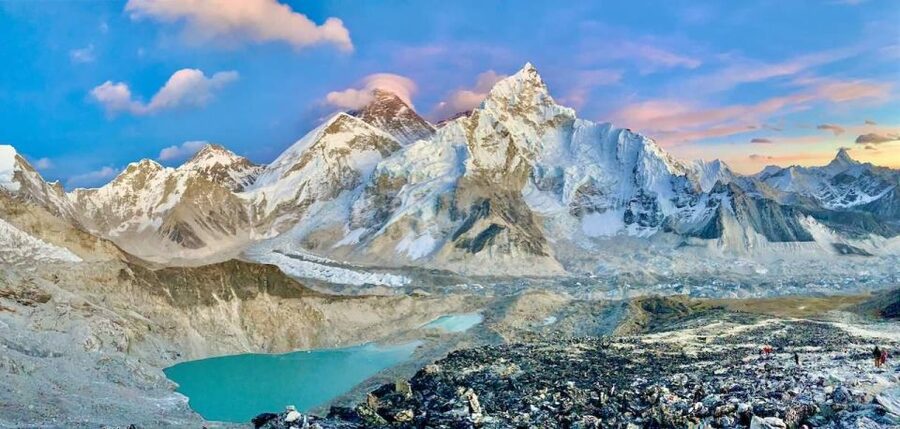
Day 10 begins with the climb to Kala Patthar, at 5,545 meters. The full walking day is listed at about seven hours, followed by the trek to Pheriche at 4,120 meters.
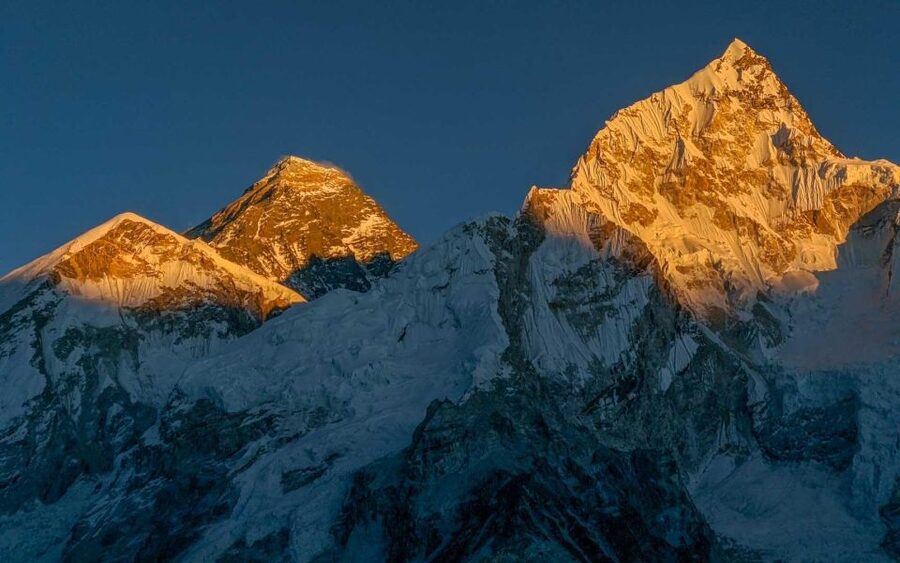
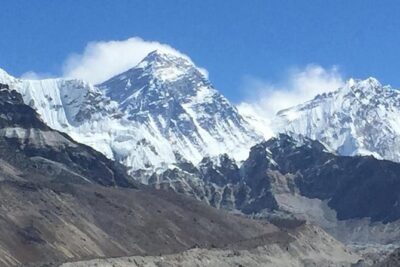
This is the scenic high point of the trip. From the rocky viewpoint, you can see Everest, Lhotse, Nuptse, and other major peaks. Sunrise or sunset can provide the most striking light, although exact conditions depend on weather and the timing of the walk.
The descent to Pheriche is welcome after the summit effort. Lower altitude generally makes breathing easier, but your legs will already have worked hard. This day combines the highest point of the trek with a substantial drop, so do not underestimate it.
Days 11 to 13: Panboche, Namche, and Lukla
Day 11 takes you to Panboche, around 3,985 meters, in five to six hours. The lower altitude and shorter walking time should feel easier than the high route near Base Camp, though tired legs can still slow you down.
On Day 12, you walk to Namche in about seven hours. Returning through familiar villages can make the route feel more relaxed, but it remains a full day on foot.
Day 13 continues from Namche to Lukla in five to six hours, ending around 2,860 meters. This is the last major walking day. You have now completed the long loop through the Khumbu, but the journey home is not finished yet.
The itinerary does not end with a flight from Lukla. Instead, Day 14 uses a shared jeep from Lukla to Salleri, taking about seven to eight hours. Day 15 continues by shared jeep or bus from Salleri to Kathmandu, another 10-hour trip. These final days are practical rather than glamorous, but they are important to the value of the package.
Guides, guesthouses, and what is covered
The experience comes with an English-speaking guide, with Nepali and Hindi also available. Krishna and Milan are names associated with the guiding team, and the useful difference here is not only language. Your guide is expected to help with pacing, safety, local arrangements, and the daily walking plan.
The personal support described for Milan is especially relevant to a high-altitude trek. He adjusted the itinerary around health and rest needs, kept communication clear, and answered questions in detail. That kind of flexibility is more valuable than a rigid schedule when you are tired or struggling with altitude.
Accommodation is in guesthouses during the trek. You should expect practical mountain lodging rather than hotel comfort. The accommodation is part of the local experience, but the package does not include your meals and drinks. You buy those as needed.
The guide’s food, accommodation, personal expenses, and insurance are included. Trekking permits and official documents are included too, along with a first aid kit carried by the guide and a trekking pole. You must arrange your own travel insurance, and emergency rescue is not included in the price. Make sure your policy covers high-altitude trekking and rescue before you leave.
When to go and what to pack
The preferred seasons are March to May and September to November, when weather is generally more stable and mountain views are often clearer. The trek can run throughout the year, but mountain weather is unpredictable, so conditions may change even during the better months.
Pack warm clothing, hiking shoes, hiking pants, and a passport. A passport copy is accepted, and you also need a passport-sized photo. Travel insurance is essential, not optional in practical terms, because rescue costs are excluded.
Keep your luggage sensible. You will be walking for many days, and the route includes high-altitude sections, cold conditions, suspension bridges, and rough ground. Good footwear and warm layers matter more than bringing too much gear.
The trek is not suitable for pregnant women or wheelchair users. Pets are not allowed.
Who should book this Everest trek?
I would recommend this trip to a fit trekker who wants the classic Everest Base Camp route but prefers a private guide and a lower-cost road approach. It suits you especially well if you value flexible pacing and are comfortable with simple guesthouses, purchased-as-you-go meals, and long vehicle transfers.
It is less suitable if you want a polished resort-style trip, a short transfer schedule, or a guaranteed quick return from Lukla. The 15-day plan is demanding, and the combination of long road days and high-altitude walking requires patience.
Free cancellation up to 24 hours before departure and reserve-now, pay-later terms give you some booking flexibility. Still, the bigger decision is physical. You need to be ready for days of five to eight hours, with the highest point above 5,500 meters.
Should you book it?
Book this trek if the Kala Patthar viewpoint, Sherpa villages, Buddhist sites, and private guide support matter more to you than fast transport. The $796 price is attractive because it covers the guide, permits, guesthouses, road transfers, and several practical essentials, though you must add food, drinks, insurance, and any rescue costs.
I would choose it for a budget-minded trekker who wants direct support from guides such as Krishna or Milan and appreciates a plan that can respond to health and energy levels. I would pass if you strongly dislike long shared road journeys or need hotel-level comfort.
The route gives you the famous Base Camp destination, but the most rewarding moment may come at Kala Patthar, looking across Everest, Lhotse, and Nuptse after days of steady effort.
FAQ
How long is the Everest Base Camp and Kala Patthar trek?
The trek lasts 15 days, including road transfers between Kathmandu, Salleri, and the Khumbu walking route.
Is transportation from Kathmandu included?
Yes. Pickup and drop-off in the Kathmandu area are included, along with shared bus or jeep transfers between Kathmandu and Salleri.
What languages can the guide speak?
Guiding is available in English, Nepali, and Hindi.
Are meals and drinks included?
No. You purchase your own food and drinks during the trek.
Is travel insurance included?
No. You must arrange travel insurance yourself. Emergency rescue is also excluded and should be covered by your insurance policy.
What is the highest point reached?
Kala Patthar is the highest point listed, at 5,545 meters. Everest Base Camp is at approximately 5,364 meters.
New treks around Nepal
- Pokhara: Poon Hill Trek★ 5.0 · 3 reviews
- Pokhara: 9-Day Annapurna Base Camp Trek with Poon Hill★ 5.0 · 6 reviews
- Pokhara: 7 Day Annapurna Base Camp Trek★ 4.9 · 38 reviews
- Pokhara: 5-Day Trek to Annapurna Base Camp and Hot Springs★ 5.0 · 4 reviews
- Pokhara: Amazing 7-Day ABC Trek with Natural Hot Spring★ 5.0 · 5 reviews
- Pokhara: Majestic Mardi Base Camp Guided Trek with HotSpring★ 5.0 · 6 reviews
- Pokhara: 5-Day Ghorepani and Poon Hill Private Trek★ 5.0 · 4 reviews
- Pokhara: 7-Day Annapurna Base Camp Trek & Hot Spring★ 4.0 · 3 reviews
Everest Base Camp Treks, side by side.
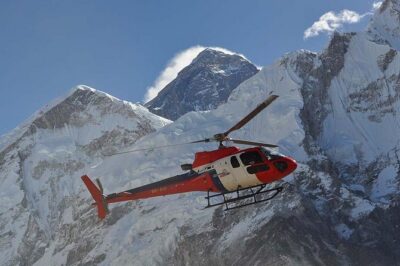
Everest Base Camp Trek with Helicopter Return from Gorakshep to Lukla
Read our review →
Trekking in Annapurna/Langtang/Everest/Upper Mustang regions
Read our review →Lists this trek appears in