
Review · KATHMANDU
Everest: 16 Day Trek to Everest Base Camp
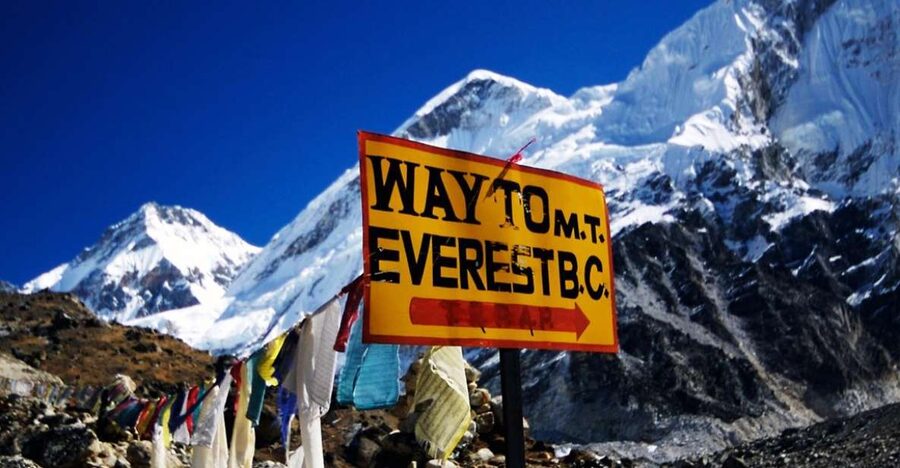
Everest Base Camp is not a quick photo stop. It is a demanding high-altitude trek through Sherpa villages, roaring river valleys, icy glaciers, and some of the world’s biggest peaks. This 16-day route gives you two acclimatization days, a useful feature for first-time trekkers, before the hard push to Base Camp and Kala Patthar.
I like the practical all-in structure: flights to and from Lukla, teahouse lodging, meals, permits, a guide, porter, jacket, sleeping bag, and airport transfers are covered. I also like the human touch, especially the Sherpa village stays and the strong praise for Sujan’s communication and calm help during a serious altitude emergency. The main concern is simple: the trek is physically demanding, and the published altitude figures contain a few inconsistencies, so confirm the exact route and safety plan before paying.
Key points for your Everest decision
- Two acclimatization stops: You spend a full day in both Namche and Dingboche before climbing higher.
- Base Camp and Kala Patthar: The route reaches Everest Base Camp and the Kala Patthar viewpoint, with the published figures listing roughly 5,340 to 5,555 meters.
- Sherpa village life: Namche, Pangboche, Dingboche, and Tengboche give the trek a strong local and cultural side.
- A lot is included: Lukla flights, 12 teahouse nights, meals, permits, guide, porter, gear, and Kathmandu hotels are part of the $1,699 price.
- Sujan’s emergency support: A past group specifically praised Sujan’s kindness and help after a fall at about 5,100 meters.
- A real mountain trek: You need warm clothing, hiking shoes, hiking pants, travel insurance, and enough fitness for long days at altitude.
What the 16-day Everest route feels like
The appeal is clear. You fly from Kathmandu toward Lukla, then walk into the Khumbu region instead of simply touring it by vehicle. The route climbs gradually through villages and valleys, with the highest days saved for the end.
This is not a luxury trip. You sleep in teahouses for 12 nights, eat simple trek meals, and pay separately for mineral water, Wi-Fi, desserts, and personal expenses. Still, at $1,699 per person, the package covers many expensive and useful basics. The domestic flights, national park permit, porter, guide, food, and mountain gear can add up quickly when arranged separately.
The itinerary is designed for a first-time trekker, but that does not make it easy. The route reaches above 5,000 meters, where every uphill step costs more effort. You should see the relaxed schedule as a safety feature, not a promise of gentle walking.
More Everest Base Camp treks around Kathmandu:
- Everest Base Camp Trek – 14 Days
★ 5.0 · 1,499 reviews - Everest Base Camp Trek
★ 5.0 · 842 reviews - Everest Base Camp Trekking
★ 5.0 · 485 reviews
Days 1 and 2: Kathmandu before the mountains
Your first day covers arrival in Kathmandu, airport and hotel transfers, and time to settle in at about 1,400 meters. Three nights of three-star hotel lodging are included, along with breakfast.
Day two is set aside for Kathmandu sightseeing. A guided city tour is not included, so you will need to arrange your own visit if you want one. Lunch and dinner in Kathmandu are also your responsibility, as are drinks outside the trek package.
This pause matters. You can sort your pack, collect the supplied jacket and sleeping bag, and adjust before the early mountain flight. The package also provides a kitbag and T-shirt, plus either a welcome or farewell dinner in Kathmandu.
Day 3: Lukla to Phakding at 2,610 meters
The flight to Lukla is one of the practical highlights of the trip, because it puts you close to the trailhead. The published plan allows for a flight from Ramechhap Airport instead of Kathmandu, so check the departure airport before your trip.
From Lukla, you walk to Phakding. The route drops to about 2,610 meters, making this a sensible first walking day after the flight. You begin seeing mountain villages and river scenery, but the bigger benefit is that your body starts adjusting before the route climbs higher.
The details of flight timing and group size are not specified, so keep your first day flexible. Mountain flights can affect the schedule, and the 16-day plan works best when you avoid booking tight onward travel immediately after returning to Kathmandu.
Days 4 and 5: Namche Bazaar and your first acclimatization
Day four takes you to Namche Bazaar at 3,440 meters. This is a major stop on the route, both for its Sherpa setting and for the change in altitude. The path moves through valleys and along rivers before reaching the town’s higher position.
Namche is more than an overnight stop. You spend day five acclimatizing there, giving your body time to respond before the trail climbs toward 4,000 meters and beyond. I like this built-in rest day because rushing from Lukla to high ground is one of the poor ways to handle a mountain trek.
You should still expect the altitude to affect your pace. A rest day does not remove the need to watch how you feel, drink enough, and tell your guide about problems early. The guide and porter are not just logistical support here. They are part of the safety system that makes the itinerary workable.
More treks around Kathmandu:
- Annapurna Circuit Trek with Tilicho Lake
★ 5.0 · 368 reviews - Everest Base Camp Trekking – 13 Day
★ 5.0 · 365 reviews - Everest Base Camp Trek
★ 5.0 · 350 reviews - Everest Base Camp Trek -14 Days
★ 5.0 · 321 reviews
Days 6 and 7: Pangboche and Dingboche
The trek continues to Pangboche at about 3,985 meters on day six. This part of the route puts you deeper into the Khumbu, with high peaks, open valleys, and the local Sherpa way of life becoming more central to the experience.
Day seven reaches Dingboche at 4,410 meters. This is a big altitude jump from Namche, so the overnight stop is important. Dingboche is also the last of the two planned acclimatization bases.
The village stays are a major reason to choose this trip instead of a faster schedule. You are not simply moving between viewpoints. You sleep and eat in the communities along the route, which gives you a closer look at how mountain settlements support trekking in a difficult environment.
Day 8: A second acclimatization day in Dingboche
You spend day eight in Dingboche rather than gaining more height. That rest is one of the smartest parts of the plan. From here onward, the trek gets harder, and the air is thinner.
The program does not spell out a particular acclimatization walk or activity, so do not assume a named excursion is included. Think of this day as time to rest, prepare, and let your guide assess how you are handling the altitude.
This is also a good point to check your warm clothing, hiking shoes, and sleeping bag. The operator supplies a jacket and sleeping bag for the trek, but you must return both after finishing. Bring your own suitable hiking clothes and do not treat the supplied items as a substitute for a complete cold-weather kit.
Days 9 and 10: Lobuche, Gorak Shep, and Everest Base Camp
Day nine climbs to Lobuche at about 4,940 meters. At this height, even short uphill stretches can feel slow. The reward is a much more dramatic setting, with glaciers and giant peaks surrounding the route.
Day ten is the major test. You trek to Gorak Shep at 5,164 meters, continue to Everest Base Camp, and return to Gorak Shep for the night. The supplied figures list Base Camp at 5,364 meters, while the highlights section gives 5,340 meters. Either way, you are walking at extreme altitude.
Base Camp itself is a powerful destination, but the route is not a comfortable sightseeing stroll. You may find the day tiring because it combines a high starting point, a major destination, and a return to the same high village. Your guide’s pacing matters greatly here.
The package includes breakfast, lunch, dinner, and a cup of tea during the trek. Mineral water is not included, so budget for your drinking supply. Wi-Fi is also extra, and coverage should not be treated as part of the experience.
Day 11: Kala Patthar and the return to Pheriche
The early push to Kala Patthar is the trip’s best chance for broad Everest views. The itinerary lists the viewpoint at 5,555 meters, or 18,225 feet, while the description elsewhere gives 18,193 feet. Confirm the exact planned viewpoint with the operator, but expect a very high climb.
After Kala Patthar, you descend to Pheriche at about 4,371 meters. This makes day eleven both a summit-style morning and a useful loss of altitude later in the day.
I would treat this as the most demanding day of the trek. The climb is high, the air is thin, and you have already spent the previous day at Base Camp. A good guide should help you judge your pace and condition instead of treating the schedule as more important than your health.
One past group specifically praised Sujan for handling an emergency after a fall at about 5,100 meters and helping with the return to Kathmandu. That detail matters more to me than a generic promise of support. Accidents can happen in remote places, so clear communication and a guide who takes problems seriously are worth paying for.
Days 12 to 14: Back through Tengboche, Namche, and Lukla
Day twelve takes you to Tengboche at 3,860 meters. The descent gives your lungs some relief, while the village provides another chance to experience the Sherpa side of the Khumbu route.
Day thirteen returns to Namche Bazaar. You will recognize parts of the route, but walking downhill does not always mean an easy day. Uneven ground and tired legs can make the return trip uncomfortable.
Day fourteen continues to Lukla at 2,860 meters. This is your final trekking day, and it gives you a buffer before the flight back. Since domestic mountain flights can affect plans, having the final night in Lukla before your return flight is more sensible than trying to reach Kathmandu immediately after the trek.
The package includes fuel, road taxes, and parking fees, as well as airport and hotel transfers. These are small details, but they reduce the number of local transport costs you need to manage yourself.
Days 15 and 16: Return to Kathmandu and departure
Day fifteen is the flight back to Kathmandu. The same airport issue applies: the trip may use Ramechhap rather than Kathmandu for the Lukla connection, so confirm the plan and allow patience for changes.
You have the final Kathmandu night within the 16-day schedule, then depart on day sixteen. International airfare and departure taxes are not included. Do not book a same-day international connection unless the operator confirms the timing and you are comfortable with the risk of a delayed domestic flight.
What the $1,699 price really covers
At $1,699, this is a strong package for someone who wants the main logistics arranged. You receive:
- Three nights in a three-star Kathmandu hotel with breakfast
- Twelve nights in teahouses
- An English-speaking trekking guide and porter
- Breakfast, lunch, dinner, and tea during the trek
- Everest national park permit
- Flights between the Kathmandu area and Lukla
- Airport and hotel transfers
- Jacket, sleeping bag, kitbag, and T-shirt
- A Kathmandu welcome or farewell dinner
- Fuel, road taxes, and parking fees
You still need to budget for the Nepal entry visa, international flights, Kathmandu lunches and dinners, mineral water, desserts, Wi-Fi, personal spending, travel insurance, and a Kathmandu guided tour.
The value is best if you want a single booking to handle the mountain essentials. It is less attractive if you already have gear, prefer to arrange flights yourself, or want more time for guided sightseeing in Kathmandu. The included porter and meals are especially useful because carrying less and avoiding daily food decisions can make the trek feel more manageable.
The people and support behind the trek
Communication is one of the strongest points associated with this experience. A booking from Switzerland praised the organization and clear communication, while a booking from France praised Sujan, his guide, and porter for an excellent trip to Base Camp.
Sujan is also specifically connected with help during an emergency after a fall at roughly 5,100 meters. You should still buy travel insurance that covers high-altitude trekking and emergency evacuation, because insurance is not included.
The guide speaks English. The supplied information does not give the guide’s personal name or state the group size, so ask those questions before booking. Also confirm what porter service means for your personal bag and the weight limit.
Who should book this Everest trek?
I would recommend it to a reasonably fit first-time trekker who wants a structured route and does not want to arrange every permit, meal, flight, and mountain night separately. The two acclimatization days make it more sensible than a rushed itinerary.
You should not book it if you have limited mobility or use a wheelchair, as the route is a high-altitude walking trek with steep, uneven sections. You also need to be comfortable with basic teahouse lodging and cold conditions.
Bring your passport, warm clothing, hiking shoes, and hiking pants. The listed packing advice is brief, so you should ask the operator for a full packing list before departure.
Cancellation is free up to 24 hours before the activity for a full refund, and you can reserve now and pay later. Those terms make planning easier, but they do not remove the need to check flight arrangements, insurance coverage, and the exact altitude figures.
Should you book the 16-day Everest Base Camp trek?
Book this trip if you want the classic Everest route with meals, permits, flights, a porter, and mountain lodging bundled together. The schedule gives you two acclimatization days, a proper Kala Patthar attempt, and time in Sherpa villages rather than treating Base Camp as a rushed target.
I would ask three questions before committing: who exactly will guide the group, how many people will be in it, and how emergency evacuation is handled. If the answers are clear, the $1,699 price offers good practical value. If you want private rooms, detailed Kathmandu touring, or luxury comfort, this is not that trip. It is a serious mountain trek with helpful support and a well-paced route, but you still need to respect the altitude.
FAQ
How long is the Everest Base Camp trek?
The activity lasts 16 days, including arrival and departure days in Kathmandu, two Kathmandu nights before the trek, the mountain trek, the return flight, and the final departure.
Is the flight to Lukla included?
Yes. Airfare from Kathmandu to Lukla and the return flight to Kathmandu are included. The plan may use Ramechhap Airport instead, so confirm the departure airport before traveling.
Are meals included during the trek?
Yes. Breakfast, lunch, dinner, and a cup of tea are included during the trek. Lunch and dinner in Kathmandu are not included.
What accommodation is provided?
You receive three nights in a three-star Kathmandu hotel with breakfast and twelve nights in teahouses during the trek.
Is a guide included?
Yes. An English-speaking trekking guide and porter are included. The available information does not provide the guide’s personal name or the group size.
What is not included in the price?
Nepal entry visa fees, international airfare, departure taxes, personal expenses, travel insurance, Kathmandu lunch and dinner, desserts, mineral water, Wi-Fi, and a guided Kathmandu tour are not included.
New treks around Kathmandu
- Kathmandu or Pokhara: 5-Day Annapurna Base Camp (ABC) Trek★ 4.5 · 2 reviews
- Pokhara: 2 Day Ghorepani & Poon Hill Private Trekking★ 4.9 · 8 reviews
- From Kathmandu: 6-Day Langtang Valley Guided Trek★ 5.0 · 2 reviews
- Pokhara: 5-Day Annapurna Base Camp (ABC) Trek★ 5.0 · 9 reviews
- Kathmandu: Langtang Valley 6-Day all inclusive Guided Trek★ 5.0 · 2 reviews
- Kathmandu: 6 Days Langtang Valley Trek with Kyanjin Ri★ 5.0 · 7 reviews
- Kathmandu: 9- Day Annapurna Circuit Trek★ 5.0 · 2 reviews
- Kathmandu: 6-Day Limitless Langtang Trek★ 5.0 · 21 reviews
Everest Base Camp Treks, side by side.
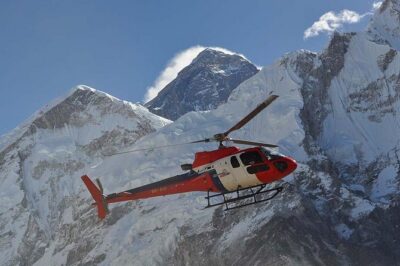
Everest Base Camp Trek with Helicopter Return from Gorakshep to Lukla
Read our review →
Trekking in Annapurna/Langtang/Everest/Upper Mustang regions
Read our review →Lists this trek appears in