
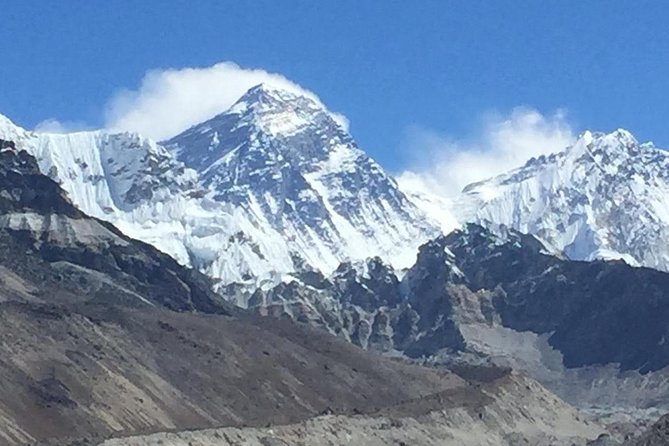
Review · KATHMANDU
Everest Base Camp Trekking – 2025/2026
Everest Base Camp is not a quick mountain photo stop. It is a two-week walking journey through Sherpa villages, Buddhist monasteries, suspension bridges, and high valleys beneath Everest, Lhotse, Nuptse, and other Himalayan giants. This private trek gives you a guide, porter support, lodges, meals, permits, and the vital flights between Kathmandu and Lukla.
I like the private format, since your pace can be adjusted instead of matching a large group. I also like the practical inclusions: Lukla flights, trekking lodges, meals, national park fees, and TIMS registration are covered in the $1,339.20 price.
The main caution is the high altitude and the slightly unclear schedule. The description calls this a 14-day trek, while the day-by-day outline compresses the route into fewer trekking days and does not clearly identify acclimatization days. Ask for the exact dates and altitude plan before paying.
Key points to know before booking
- Lukla flights are included: Domestic flights from Kathmandu or Manthali to Lukla and back are part of the package, though bad weather can affect the schedule.
- This is a private trek: You walk with your own group and an English-speaking, government-licensed local guide.
- The route reaches Everest Base Camp: The trek passes through Phakding, Namche Bazaar, Pangboche, Lobuche, and Gorak Shep before returning by the same general route.
- Mountain lodging is basic: Expect clean, simple trekking lodges, shared bathrooms in some high-altitude villages, and limited hot water and Wi-Fi.
- Meals are included on trek: Breakfast, lunch, and dinner are covered, with options such as dal bhat, soups, noodles, pasta, potatoes, bread, eggs, and pizza.
- You need moderate fitness: The route involves roughly 3 to 5 hours of walking on many days, rugged ground, cold weather, and high altitude.
Why the Everest Base Camp route still earns its fame
The appeal here is not just reaching a famous point. The route lets you watch the Himalayas change as you walk higher. Lower villages have more vegetation and easier access. Higher settlements become smaller, colder, and more dependent on the trekking trade.
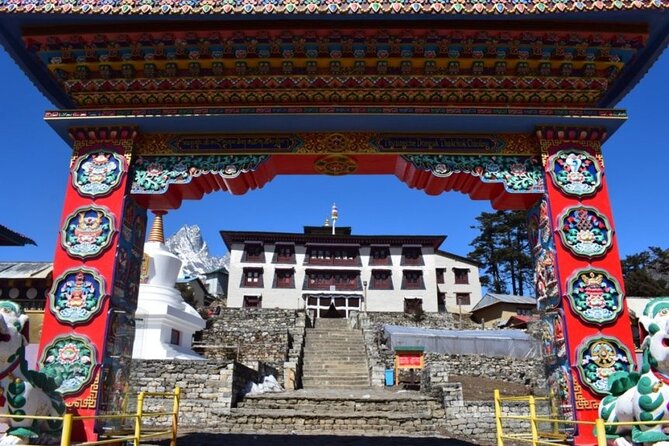
You pass through Sherpa communities where Buddhist prayer flags, mani stones, monasteries, and stone-built houses give the route a clear cultural character. Your guide is there to explain local customs, mountain life, and the natural setting, not simply to point out the direction.
The private format matters on a route like this. Some days you may want to walk slowly for photos or because the altitude is affecting you. Other days you may feel strong and prefer to keep moving. A private guide can work around your pace more easily than a fixed group.
The operator’s team includes guides such as Sujal, Samir, Krishna, Hairy, and Prabin Tamang, with Dil handling company communication. Your own guide will depend on the departure, but the company’s stated service includes a trained, English-speaking, government-licensed guide and porter support.
The drawback is that this is not a gentle scenic walk. High altitude can affect anyone, including fit people, and the route offers no comfortable way to avoid long uphill and downhill sections. The company describes the trek as suitable for people with moderate fitness, but you should still train before arrival.
More Everest Base Camp treks around Kathmandu:
- Everest Base Camp Trek – 14 Days
★ 5.0 · 1,499 reviews - Everest Base Camp Trek
★ 5.0 · 842 reviews - Everest Base Camp Trekking
★ 5.0 · 485 reviews
Kathmandu arrival and the early flight to Lukla
Day one begins with airport pickup in Kathmandu and transfer to your hotel. The airport representative is also expected to introduce you to the trek arrangements, and the meeting time shown for the experience is 7:15 a.m.
The Kathmandu portion is short. Extra hotel nights and meals before or after the trek are not included unless arranged separately, so check your hotel dates carefully if your international flight does not line up neatly with the trek.
The flight to Lukla is one of the route’s practical pressure points. The package includes the domestic flight from Kathmandu or Manthali to Lukla and the return flight. At busy times, flights may operate through Manthali rather than directly from Kathmandu, adding a road transfer and an earlier start.
The flight is weather-dependent. If poor conditions cancel the experience, the stated policy offers a different date or a full refund. That does not remove the need for flexibility, though. Keep extra time in your wider Nepal itinerary if you can, since a flight delay can affect both the start and end of the trek.
From Lukla, you begin walking toward Phakding at about 2,652 meters. The first walk is listed at roughly three hours, with the full day described as about four hours. It is a useful first stage because you are not immediately asked to complete the hardest section of the route.
Phakding to Namche Bazaar, the first serious climb
The route from Phakding to Namche Bazaar covers about 10 to 12 kilometers and is listed at around five hours. This is where the trek starts to feel like a real Himalayan undertaking.
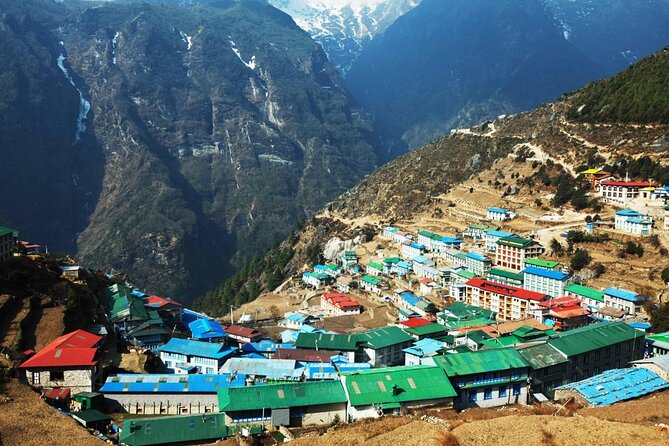
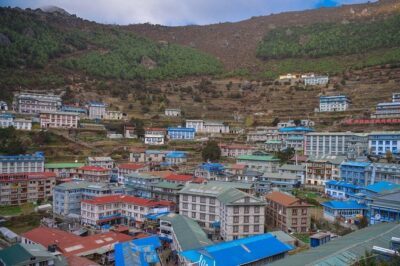
You cross rugged trails and move through the river valley toward Namche, a major Sherpa trading and supply center. Namche is more than an overnight stop. It is the main service town of the route, with trekking lodges, shops, and places to rest before the trail climbs higher.
The itinerary does not clearly show a separate acclimatization day in Namche. That is important. A standard high-altitude plan often uses extra time in the area, but you should not assume it is included here. Ask the operator to confirm the acclimatization schedule, especially if the advertised 14-day duration does not match the shorter day-by-day outline.
I would treat Namche as a place to slow down, drink plenty of water, and follow the guide’s advice. Do not judge your fitness by how you feel at the trailhead. Altitude often becomes more noticeable as the route rises.
Pangboche and the changing character of the trail
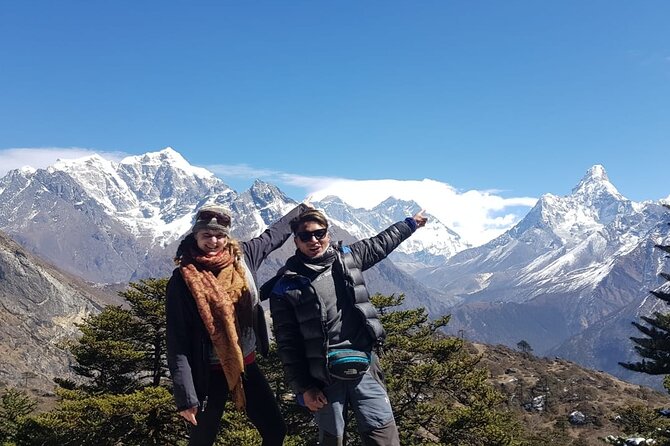
The next listed stop is Pangboche, reached from Namche in about five hours. Pangboche is one of the route’s notable Sherpa settlements and gives you a stronger sense of life in the upper Khumbu.
At this stage, the scenery becomes more open and severe. The trail passes high mountain villages and Buddhist features, with large peaks increasingly dominating the views. The walking remains non-technical, meaning you do not need climbing skills, ropes, or crampons for the standard trek.
That does not mean the trail is easy. The ground is uneven, the air is thinner, and the cold can become sharper after sunset. The company supplies warm down jackets and sleeping bags for rent if you do not have your own, but confirm the rental terms and availability before departure.
You may also be able to arrange an attached bathroom in some lodges with advance notice. At higher elevations, though, shared bathrooms are normal because private facilities are not available in every building. Hot showers, Wi-Fi, snacks, drinks, and other extras cost more.
More treks around Kathmandu:
- Annapurna Circuit Trek with Tilicho Lake
★ 5.0 · 368 reviews - Everest Base Camp Trekking – 13 Day
★ 5.0 · 365 reviews - Everest Base Camp Trek
★ 5.0 · 350 reviews - Everest Base Camp Trek -14 Days
★ 5.0 · 321 reviews
Pangboche to Lobuche and the high-altitude test
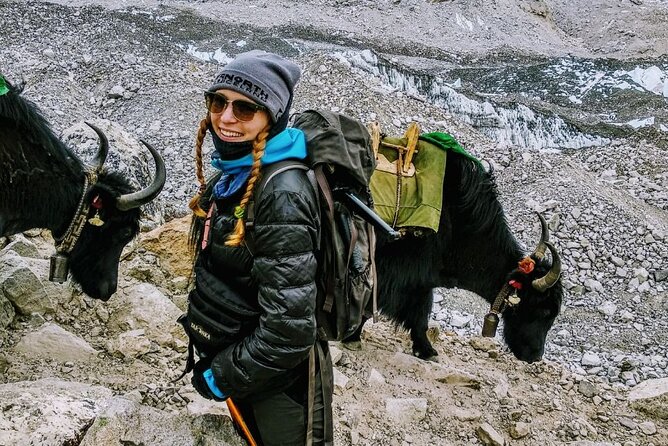
The walk from Pangboche to Lobuche is listed at about five hours. Lobuche sits high enough that the physical rhythm changes. You will likely spend more time managing your breathing, drinking regularly, and keeping a steady pace.
The daily routine is designed around that slower pace. Wake-up tea usually comes at about 6 a.m., breakfast around 7 a.m., then walking begins after a short warm-up. The stated pattern is 45 minutes to an hour of walking followed by a short rest, with two to three hours before lunch and another two to three hours afterward.
This structure is sensible for a high-altitude trek. You are not expected to race from lodge to lodge. Lunch is usually around noon or 1 p.m., with about 40 minutes to eat before the trail continues.
Lobuche is also where basic accommodation becomes more noticeable. Rooms typically have blankets, pillows, and mattresses, but the facilities are not comparable to a city hotel. Take a warm sleeping bag, layers, and a headlamp. Even if a room is clean and comfortable enough, cold nights and limited washing facilities are part of the deal.
Gorak Shep and the walk to Everest Base Camp
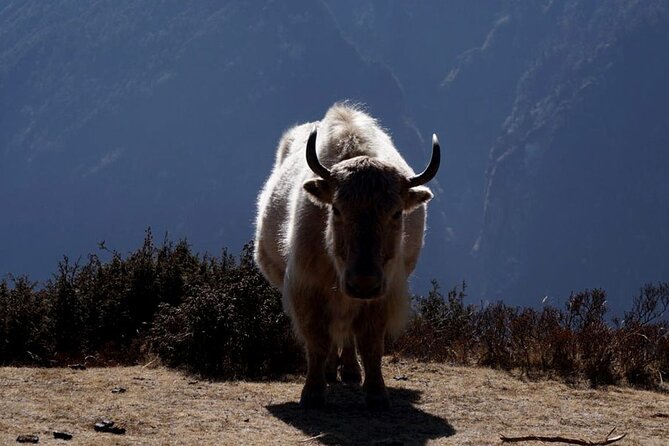
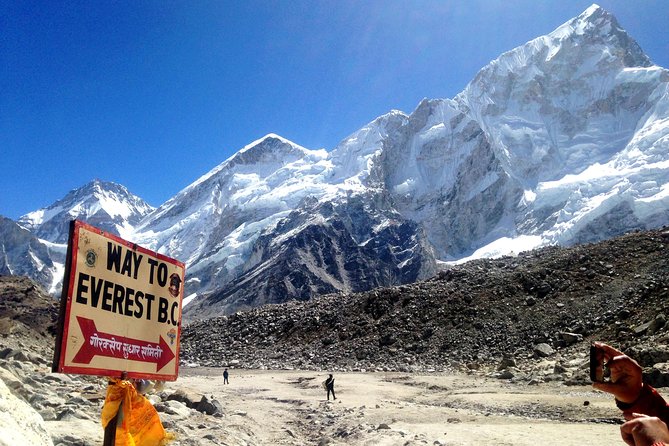
The route then continues from Lobuche to Gorak Shep, with a walk to Everest Base Camp and back to Gorak Shep listed at around five hours. This is the central day of the experience, but it is not a simple stroll to a viewpoint.
Gorak Shep is the high settlement used as the base for the final approach. From there, you walk toward Everest Base Camp over rough, rocky ground. The base camp itself is famous as the staging area for Everest expeditions, though the appearance of the site can vary with the climbing season.
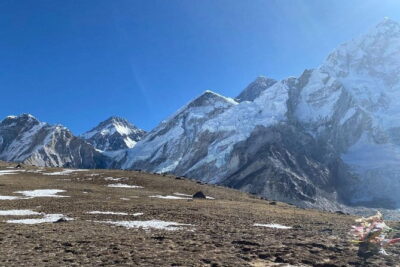
The route gives you close views of the high peaks, including Everest, Lhotse, and Nuptse. It also offers a strong sense of scale. The mountains do not feel like distant scenery here. They surround the trail and make the walk feel physically demanding and visually unforgettable.
The description returns you to Gorak Shep after visiting base camp. It does not list a separate visit to Kala Patthar, so do not assume that the classic sunrise viewpoint is included. If that viewpoint matters to you, ask whether it can be added and how it would affect the schedule.
This is where your guide’s judgment matters most. Tell the guide if you have a headache, nausea, unusual tiredness, or trouble breathing. The trek is non-technical, but altitude is a real safety issue. The company recommends personal travel insurance, and I consider it essential for a route involving domestic flights, high altitude, and possible evacuation needs.
The return through Pangboche, Namche, and Lukla
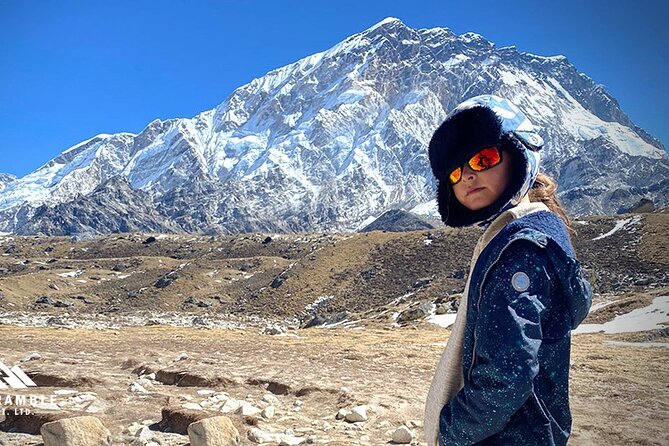
After the base camp section, the route descends toward Pangboche and then Namche Bazaar. The published schedule lists Gorak Shep to Pangboche as part of the return sequence, followed by a walk from Namche to Lukla of about five hours.
Descending often feels easier on the lungs, but it still puts pressure on your knees and ankles. Trekking poles can help, especially on uneven downhill sections. You should not assume that the return is effortless simply because you are going lower.
The walk from Namche to Lukla is a long closing day in the outline. It may feel satisfying to reach Lukla, but you still need to be ready for another early start if the flight to Kathmandu is confirmed for the next morning.
The final flight takes about 35 minutes, followed by hotel transfer in Kathmandu. As with the outward journey, the timing depends on weather and flight operations. If you have an international flight immediately afterward, leave a sensible buffer.
Lodges, meals, water, and daily comfort
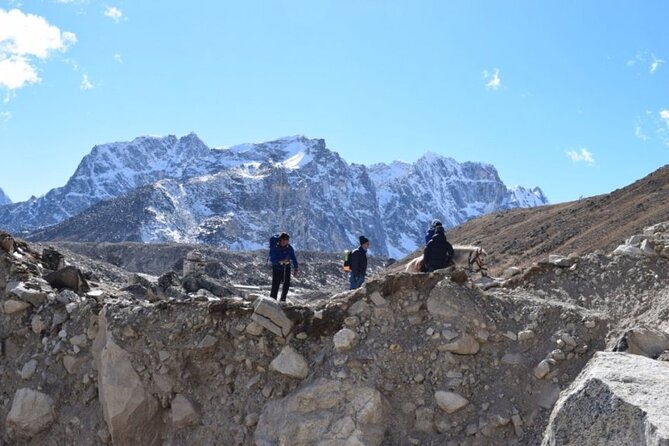
The package uses basic trekking lodges on a twin-sharing basis. Single rooms may be available with a supplement, but you should confirm this before booking. The standard room setup includes a bed or mattress, blankets, and pillows, with shared bathrooms possible at higher elevations.
Food is included on a full-board basis during the trek. Menus can include dal bhat, Sherpa stew, vegetable dishes, noodles, soups, rice, pasta, pizza, potatoes, eggs, bread, and apple pie. Hot drinks such as ginger tea, lemon tea, hot chocolate, coffee, and black tea are also commonly available, though the package excludes many drinks and snacks outside the included meals.
Meat is not recommended by the operator in the Everest region. Vegetarian meals such as dal bhat, vegetables, potatoes, and soups are the safer choices within the food guidance provided.
Water is available along the route, but bottled water can cost about $2 to $3 per liter. Water purification tablets are included, so bring a proper reusable bottle. A thermal bottle is especially useful because cold water can be unpleasant at high altitude.
Expect to pay separately for hot showers, Wi-Fi, snacks, alcohol, extra drinks, laundry, and personal purchases. These small expenses add up, so carry enough Nepalese currency for the mountain section.
What the $1,339.20 price really covers
For a private 14-day experience, the price is attractive because several expensive pieces are bundled together. You receive airport and private ground transport, domestic flights, trekking lodge accommodation, breakfast, lunch, dinner, an English-speaking guide, porter support, Everest National Park fees, and the TIMS card.
The porter arrangement is also clearly described. One porter generally carries luggage for two trekkers, with a suggested weight limit of 18 kilograms. You can request additional porter support if needed. Pack carefully and keep your own day bag light, with water, layers, sunscreen, snacks, medication, and valuables.
The price does not include international flights, Nepal visa fees, travel insurance, extra Kathmandu accommodation and meals, personal shopping, hot or cold drinks outside the meal plan, showers, alcohol, snacks, bottled water, or Wi-Fi.
Once those extras are added, the final cost will be higher than the advertised figure. Still, the inclusion of the Lukla flights and permits gives the base price solid value, since those are not minor expenses.
Training, packing, and who should book
The trek is suitable for someone who can walk about three to five hours a day and handle rugged ground. You do not need technical mountaineering skills, but you do need stamina for repeated uphill and downhill walking over nearly two weeks.
Useful preparation includes daily walking, stairs, jogging, cycling, swimming, or gym work. I would focus on steady endurance rather than trying to become a fast runner. You should also practice walking in the boots you plan to use.
Pack layers rather than one huge coat. The recommended kit includes a sun hat, warm hat, scarf, sunglasses, sunscreen, gloves, fleece, down jacket, rain layer, hiking trousers, proper trekking boots, spare socks, a headlamp, daypack, pack cover, water bottle, sleeping bag, toiletries, and a first-aid kit.
The company can provide down jackets and sleeping bags for rent, but ask what is supplied and whether you need to reserve those items. Bring copies of your passport and extra passport photos. Your passport must have at least six months of validity from your return date.
This trek suits people who want a guided Himalayan challenge without technical climbing. It is less suitable if you need private bathrooms, hotel-level comfort, predictable flight times, or a relaxed walking schedule with little physical effort.
Should you book this Everest Base Camp trek?
I would book this trek if you want a private guide, a clear package of core services, and a lower-cost way to reach Everest Base Camp. The inclusion of flights, lodges, meals, permits, water purification tablets, and porter support makes the price practical.
Before booking, ask Alpine Ramble Treks for one written itinerary showing all 14 days, including rest and acclimatization days, exact overnight stops, the Kathmandu or Manthali flight plan, and the return timing. That is the one area where the schedule needs clarification.
If you can accept basic lodges, cold nights, shared bathrooms, extra mountain expenses, and possible flight delays, this is a strong fit. If you want the most comfortable version of the Everest region, or a schedule with more built-in time for altitude adjustment, compare a longer itinerary before deciding.
FAQ
How long is the Everest Base Camp trek?
The experience is advertised as approximately 14 days, including arrival and return arrangements. The detailed route outline is shorter and does not clearly show every day, so confirm the final schedule with the operator.
Are flights to Lukla included?
Yes. Domestic flights from Kathmandu or Manthali to Lukla and the return flight are included.
What meals are included?
Breakfast, lunch, and dinner are included during the trek on a full-board basis. The menus may include dal bhat, soups, noodles, rice, pasta, potatoes, eggs, bread, vegetables, and other lodge dishes.
Is accommodation included?
Yes. Trekking lodge accommodation is included, normally on a twin-sharing basis. Single accommodation may be available for an additional charge.
Do I need technical climbing experience?
No. The trek is described as non-technical and does not require climbing skills, ropes, crampons, or oxygen cylinders. You do need moderate fitness and the ability to walk for several hours on rugged ground.
Is a guide included?
Yes. The package includes an experienced, government-licensed, English-speaking local guide. Porter support is also included, generally with one porter carrying luggage for two trekkers.
What happens if bad weather cancels the experience?
If poor weather causes cancellation, you are offered a different date or a full refund. The cancellation terms state that cancellations made at least 24 hours before the start time receive a full refund, while cancellations within 24 hours are not refunded.
New treks around Kathmandu
- Kathmandu or Pokhara: 5-Day Annapurna Base Camp (ABC) Trek★ 4.5 · 2 reviews
- Pokhara: 2 Day Ghorepani & Poon Hill Private Trekking★ 4.9 · 8 reviews
- From Kathmandu: 6-Day Langtang Valley Guided Trek★ 5.0 · 2 reviews
- Pokhara: 5-Day Annapurna Base Camp (ABC) Trek★ 5.0 · 9 reviews
- Kathmandu: Langtang Valley 6-Day all inclusive Guided Trek★ 5.0 · 2 reviews
- Kathmandu: 6 Days Langtang Valley Trek with Kyanjin Ri★ 5.0 · 7 reviews
- Kathmandu: 9- Day Annapurna Circuit Trek★ 5.0 · 2 reviews
- Kathmandu: 6-Day Limitless Langtang Trek★ 5.0 · 21 reviews
Everest Base Camp Treks, side by side.
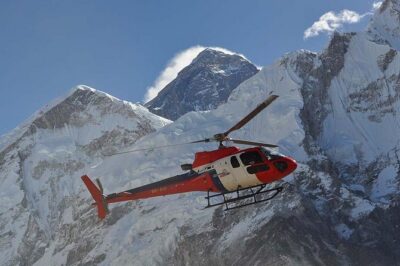
Everest Base Camp Trek with Helicopter Return from Gorakshep to Lukla
Read our review →
Trekking in Annapurna/Langtang/Everest/Upper Mustang regions
Read our review →Lists this trek appears in