
Review · KATHMANDU
Everest Base Camp Trek
Everest Base Camp is not a sightseeing stop you simply check off. It is a demanding mountain trek, with thin air, long walking days, simple tea houses, and a final push to 5,364 meters. This 12-day route gives you a clear plan, acclimatization days, and support from Outfitter Nepal guides.
I like that the practical work is handled for you: permits, domestic flights, transfers, lodging, meals, and a sleeping bag are included. I also like the route’s rhythm, with rest days at Namche Bazaar and Dingboche instead of racing uphill. The main catch is the cost of extras, especially a porter, drinks, hot showers, charging, tips, and the Everest Base Camp entrance fee.
Key points to know before booking
- The route reaches both Everest Base Camp and Kala Patthar: You walk to Base Camp on Day 8, then climb Kala Patthar to 5,545 meters the next morning for a higher mountain viewpoint.
- Two acclimatization days are built in: Rest days at Namche Bazaar and Dingboche give your body time to adjust to altitude.
- The Lukla flights shape the trip: Domestic flights from Kathmandu are included, but the itinerary depends on weather in the mountains.
- The group is limited to 14 people: That is small enough for a guide to keep track of the group, while still giving you a social trek.
- The price covers most major trek costs: At $1,300 per person, it includes meals, tea-house lodging, permits and paperwork, guides, flights, and ground transfers.
- A porter may cost extra: The information lists porter service at $20 per day, or $220 per person, so confirm exactly what your booking includes.
What the $1,300 price really covers
At $1,300 per person, this trek offers solid value if you want the major logistics bundled together. You are not just paying for a guide. The package includes Kathmandu airport and hotel transfers by private vehicle, the Kathmandu to Lukla and Lukla to Kathmandu flights, domestic airport tax, tea-house accommodation, breakfast, lunch, dinner, permits, government taxes, and service charges.
You also receive use of a sleeping bag, down jacket, duffle bag, and trekking map. That matters because cold-weather gear and baggage support can add up quickly if you rent everything separately.
The package includes an experienced guide, along with the guide’s salary, food, drinks, accommodation, transportation, and insurance. Emergency helicopter arrangements are also listed, though your travel insurance company is expected to pay the helicopter cost. You need compulsory travel insurance that covers the trek and emergency evacuation.
Read the inclusions carefully. The main description says guides and porters are included, but the detailed cost section lists a porter as an extra $20 per day, or $220 per person. Ask Outfitter Nepal to confirm this before paying. The same applies to the four Kathmandu nights: accommodation in Kathmandu is described as included in one part of the information, while the exclusions say hotel and food in Kathmandu are not included.
The visa is extra. A one-month visa is listed at $40, issued on arrival at Tribhuvan International Airport, with two passport photos required. You also pay for drinks, water, charging, hot showers, snacks such as chocolate bars, tips, international airfare, airport departure tax, and the $40 Everest Base Camp entrance fee.
That still leaves the core mountain costs covered. For a first Himalayan trek, I see the price as reasonable, provided you budget for the extras and confirm the porter and Kathmandu hotel details.
More Everest Base Camp treks around Kathmandu:
- Everest Base Camp Trek – 14 Days
★ 5.0 · 1,499 reviews - Everest Base Camp Trek
★ 5.0 · 842 reviews - Everest Base Camp Trekking
★ 5.0 · 485 reviews
Day 1: Kathmandu to Lukla, then Phakding
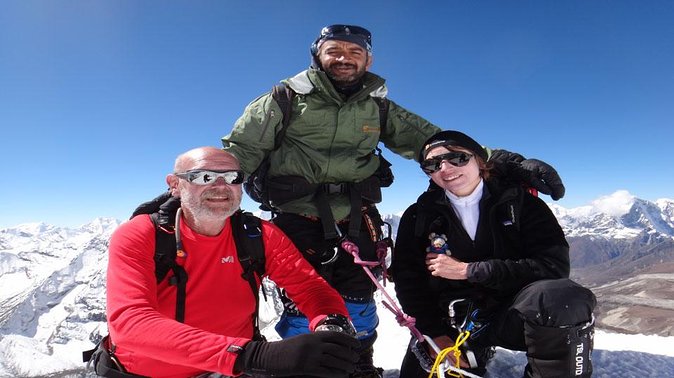
The trek begins early, with a 6:15 a.m. meeting at Tribhuvan Airport in Kathmandu. Your flight takes you to Lukla at 2,886 meters, a small mountain airstrip that marks the real start of the walk.
From Lukla, you trek for about four hours to Phakding at 2,610 meters. The day includes lunch and dinner. This first walking stage is useful because it gets you moving without immediately pushing you to a very high sleeping altitude.
The Lukla flight is one of the trip’s key practical points. The schedule depends on mountain weather, and the cancellation policy says poor weather may lead to a new date or a full refund if the experience itself is canceled. You should still bring patience. A weather delay can affect the rest of the route, so avoid booking tight international connections around the return flight.
Day 2: Phakding to Namche Bazaar
The second day takes about six hours and climbs to Namche Bazaar at 3,440 meters. This is a meaningful jump in altitude, so walk at a steady pace and let the guide set the rhythm.
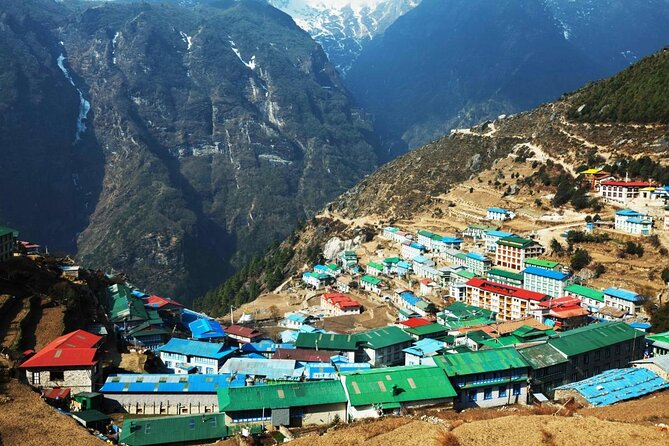
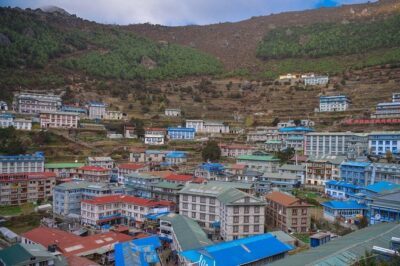
Namche is the main trading town on this route and the first place where the altitude may feel serious. The reward is a planned rest day next. You have time to wash, eat, and recover rather than pushing straight toward the high valleys.
The tea-house style lodging is part of the experience. It keeps the trip affordable and puts you on the same route used by trekkers heading toward Everest. Rooms are basic, and the excluded hot showers, drinks, snacks, and battery charging can make the mountain budget larger than the headline price suggests.
Day 3: Rest and acclimatization at Namche
This is not a wasted day. You remain at about 3,440 meters so your body can adjust before the route climbs higher.
The itinerary calls it an acclimatization day, but it does not specify a fixed activity or side walk. Your guide will manage the day’s pace and explain what is suitable. Treat it as a recovery day, not a chance to spend hours on your feet.
Namche is also a useful place to check your gear. If something is uncomfortable, tell your guide early. Small problems with socks, boots, layers, or a daypack become much harder to fix farther up the valley.
More treks around Kathmandu:
- Annapurna Circuit Trek with Tilicho Lake
★ 5.0 · 368 reviews - Everest Base Camp Trekking – 13 Day
★ 5.0 · 365 reviews - Everest Base Camp Trek
★ 5.0 · 350 reviews - Everest Base Camp Trek -14 Days
★ 5.0 · 321 reviews
Day 4: Namche to Tyangboche
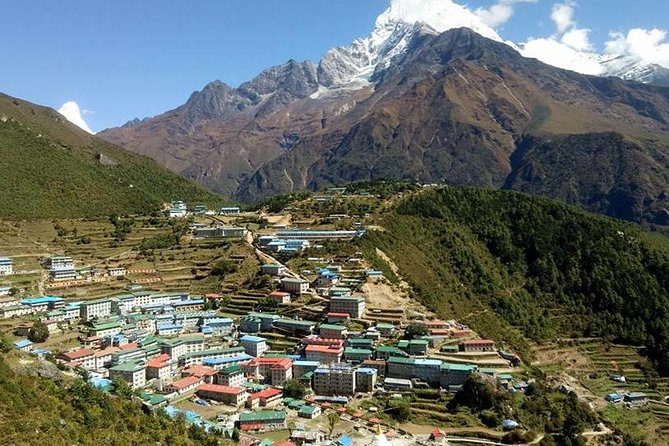
The route continues to Tyangboche at 3,867 meters, with about five hours of walking. The day adds altitude, but the walking time is shorter than the previous stage.
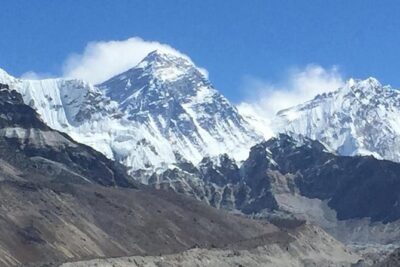
Tyangboche is one of the more memorable stops on the route because of its high mountain setting and monastery area. The itinerary highlights Mount Everest as the main stop, but the whole route earns its appeal from the changing views and the gradual move from lower valleys into high country.
At this point, you will appreciate having meals and lodging arranged. You can focus on steady walking instead of trying to find a room and dinner at the end of a tiring day.
Day 5: Tyangboche to Dingboche
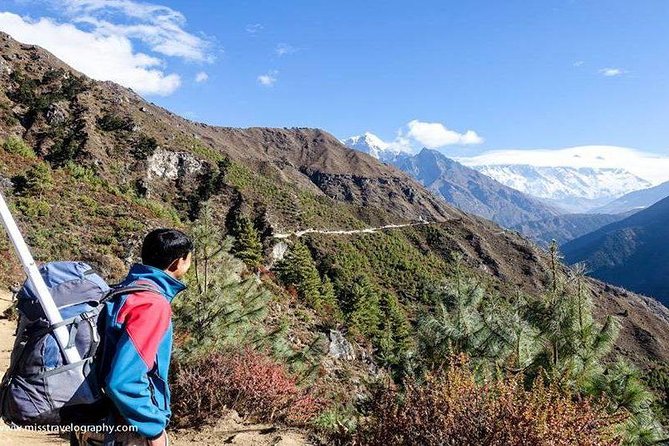
The five-hour trek to Dingboche climbs to 4,260 meters. This is where the thin air becomes a central part of the trip, not a minor inconvenience.
You should expect a slower pace and more effort for the same distance. Drink water, follow the guide’s instructions, and speak up if you feel unwell. The itinerary provides another rest day after this stage, which is one of the strongest features of the schedule.
Dingboche is a high settlement used by trekkers before the final push toward Lobuche and Gorakshep. The accommodation remains in lodges or tea houses, so do not book this expecting hotel comforts. The package supplies a sleeping bag and down jacket, but you still need suitable personal clothing and footwear.
Day 6: Rest at Dingboche
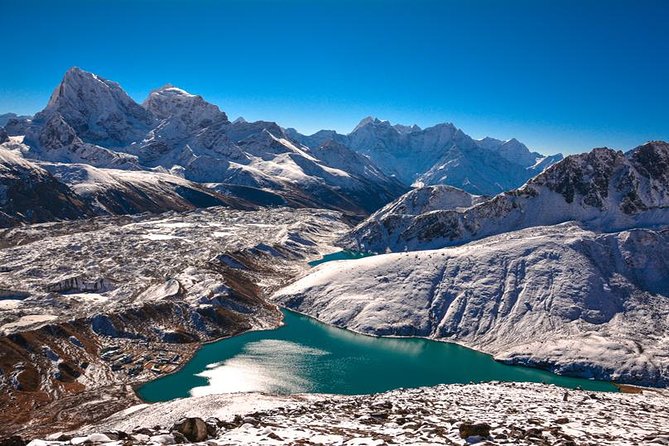
The second acclimatization day comes at 4,260 meters. This pause is especially valuable because the next stages take you close to 5,000 meters and beyond.
Use the day to rest and keep your energy for the summit portion of the trek. You are not climbing Mount Everest, but reaching Base Camp and Kala Patthar still demands a strong effort at high altitude.
The route is listed for people with moderate physical fitness. That does not mean it is easy. Six to seven hours of walking, repeated uphill sections, cold conditions, and high altitude call for preparation. If you are unsure about your fitness, discuss the route with your doctor before booking.
Day 7: Dingboche to Lobuche
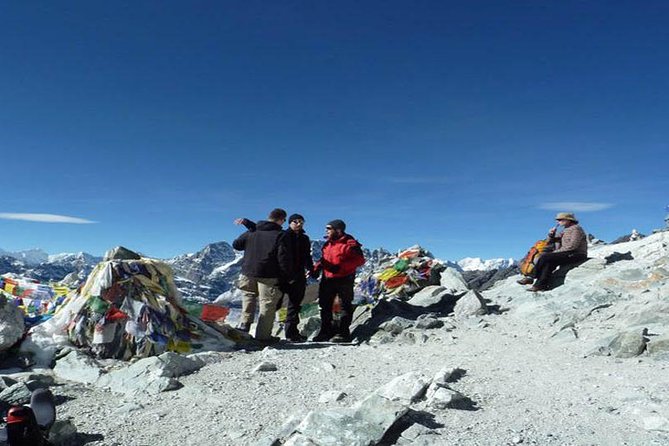
The trek to Lobuche takes about five hours and reaches 4,930 meters. The distance may not sound extreme, but altitude changes the experience. Your breathing is harder, and the same hill can take much longer than it would at home.
Lobuche is a staging point for the Base Camp day. Keep this evening quiet and organize the gear you need for the morning. Your guide will handle the route and daily plan, while you need to conserve energy.
The package includes breakfast, lunch, and dinner each day on the trek. Personal snacks are not included, so bring or budget for items such as chocolate bars. Water and hot drinks are also listed as extra costs.
Day 8: Lobuche to Everest Base Camp via Gorakshep
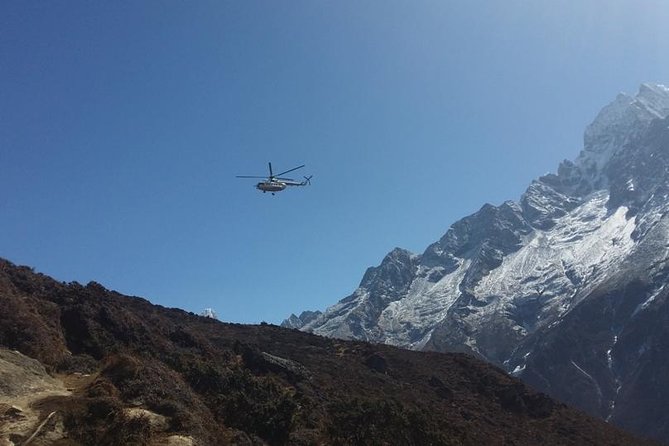
This is the headline day. You trek from Lobuche through Gorakshep to Everest Base Camp, with six to seven hours of walking and a high point around the Base Camp area.
Gorakshep is the practical stopping point before the final walk. The day can feel long because you are already high, and because the excitement of reaching Base Camp does not remove the physical work. Keep your focus on a controlled pace rather than trying to hurry.
The trip lists Everest Base Camp as its main stop, but Base Camp itself is not the highest point on the route. You return toward Gorakshep after reaching it, then face an early and demanding Kala Patthar climb the next day. That two-part design gives you the Base Camp milestone and a higher viewpoint without adding a separate trek day.
Day 9: Kala Patthar and the descent to Pheriche
The day begins with a climb to Kala Patthar at 5,545 meters, followed by a trek to Pheriche at 4,243 meters. The total walking time is about seven hours.
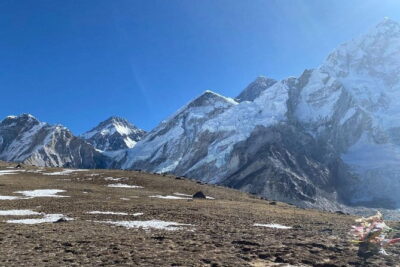
Kala Patthar is the route’s highest point and the place to focus on mountain views. The climb is tough because of altitude, but the descent afterward helps. Moving down to Pheriche gives your body a useful break from the extreme elevation.
This is one of the hardest days of the trip. You should expect an early start and cold conditions, though the exact departure time is not stated. Follow your guide’s pace and carry only what you need for the day. Your duffle bag and porter arrangements matter here, since a lighter daypack makes long uphill sections easier.
Day 10: Pheriche to Namche Bazaar
The return route takes about six hours to Namche Bazaar at 3,441 meters. Descending from Pheriche should feel easier than the climb toward Base Camp, but fatigue will be real after the previous two days.
Namche functions as a welcome lower-altitude rest point before the final walk to Lukla. You will have another night in a familiar town rather than finishing the mountain section in one long push.
This is also where a reliable guide matters. Past bookings name guides including Kiran, Dinish, and Arjun. Arjun was noted for being patient and for bringing fresh fruit at night, while Dinish was praised for helping throughout a 10-day trek. Those details suggest the guide relationship is an important part of the experience, so ask who is assigned to your group and how porter support is handled.
Day 11: Namche to Lukla
The final walking day takes about six hours and returns you to Lukla at 2,886 meters. You retrace the route toward the airstrip, with the satisfaction of having completed the high section behind you.
Do not treat this as a casual stroll. You will be tired, and the trail can still be demanding. Keep your boots and rain protection ready until you reach the lodge.
Your guide and the group size of up to 14 people can help keep the final day organized. A smaller group also makes it easier to share information about the next morning’s flight, luggage, and airport transfer.
Day 12: Fly back to Kathmandu
The final day includes the Lukla to Kathmandu flight and transfer to your hotel, with breakfast provided. This is a short itinerary entry, but weather can affect mountain flights, so keep your schedule flexible after landing.
Airport and hotel transfers by private vehicle are included. Confirm the Kathmandu hotel arrangement before the trip because the supplied terms conflict on whether four Kathmandu nights are included or whether hotel costs in Kathmandu are excluded.
Guides, porters, and the human side of the trek
A guided Everest Base Camp trek is a sensible choice for anyone who does not want to manage permits, flights, tea-house rooms, meals, and route timing alone. The package includes an experienced guide and all guide costs.
Porter service needs special attention. The headline information says guides and porters are included, but the detailed exclusions list a porter at $20 per day, or $220 per person. Get the answer in writing before you book. If you bring a porter, ask how much of your luggage the porter carries and what you keep in your daypack.
The strongest personal detail from the supplied feedback is the praise for individual guides. Kiran was described as handling difficult conditions with care, Dinish as helpful throughout the trek, and Arjun as kind and patient. Those names are useful when you speak with the company, but guide assignment may depend on availability.
The group maximum is 14. That is not a private trek, but it is manageable. You will have company on the trail without being part of a huge procession.
What to pack and what to budget for
The operator supplies a sleeping bag, down jacket, duffle bag, and trekking map for use during the trek. You still need personal walking gear, warm layers, sturdy footwear, rain protection, and any medication you require.
Budget for the items not included:
- Nepal entry visa, listed at $40 for one month
- Travel insurance, which is compulsory
- Drinks and drinking water
- Hot showers
- Battery charging
- Snacks and chocolate bars
- Tips for guides and staff
- The $40 Everest Base Camp entrance fee
- Porter service, listed at $220 per person if required
- International airfare and airport departure tax
- Hotel and food in Kathmandu, unless confirmed as included
This is also a mobile-ticket experience, and pickup is offered. The meeting point is Tribhuvan Airport in Kathmandu at 6:15 a.m. Confirmation is expected within 48 hours, subject to availability.
Who should book this Everest Base Camp trek?
I would choose this trek if you want a structured route, an included guide, and a clear package price instead of arranging every permit and tea house yourself. It suits someone with moderate fitness who accepts basic mountain lodging, long days, early starts, and uncertain flight conditions.
I would not choose it if you need flexible cancellation. The experience is non-refundable and cannot be changed after booking, except that a poor-weather or minimum-group cancellation may bring a new date or full refund. You also need travel insurance, and that insurance should cover high-altitude trekking and emergency helicopter evacuation.
The 5-star rating from 123 ratings and a 100 percent recommendation are encouraging, but the route itself remains physically serious. The company can organize the logistics and provide support, but it cannot make 5,545 meters feel low.
Should you book it?
Book this Everest Base Camp trek if you want the classic route with two built-in acclimatization days, guide support, flights, meals, tea-house lodging, and permits bundled at $1,300. It offers a practical path to Base Camp and Kala Patthar without forcing you to plan every mountain detail.
Before paying, confirm three points: if a porter is included or costs $220 extra, if the four Kathmandu nights are included, and what your insurance covers. If those terms are clear and you are ready for the altitude, this is a strong choice for a first guided trek in the Everest region.
FAQ
How long is the Everest Base Camp trek?
The itinerary lasts approximately 12 days, including flights between Kathmandu and Lukla, the trek to Everest Base Camp, the return walk to Lukla, and the flight back to Kathmandu.
Where does the trek begin?
The meeting point is Tribhuvan Airport in Kathmandu, Nepal. The stated start time is 6:15 a.m.
Is transportation included?
Yes. Kathmandu airport and hotel transfers by private vehicle are included, as are the domestic flights between Kathmandu and Lukla and domestic airport tax.
Are meals included during the trek?
Breakfast, lunch, and dinner are included during the trekking portion. Food in Kathmandu is listed as excluded.
Is accommodation included?
Accommodation in lodges or tea houses during the trek is included. The supplied terms conflict about Kathmandu accommodation, so confirm whether the four Kathmandu nights are included before booking.
Are permits included?
Yes. The operator handles the paperwork and permits, and government taxes, VAT, and service charges are included. The $40 Everest Base Camp entrance fee is listed separately as an extra.
Is a porter included?
The main description refers to guides and porters, but the detailed exclusions list porter service at $20 per day, or $220 per person. Confirm the porter arrangement directly with Outfitter Nepal.
What level of fitness is required?
The activity states that you should have a moderate physical fitness level. The route includes walking days of about four to seven hours and reaches Kala Patthar at 5,545 meters.
What happens if bad weather cancels the trip?
If poor weather causes the experience to be canceled, you are offered a different date or a full refund. If the minimum number of participants is not met, you are offered a different date or experience, or a full refund.
New treks around Kathmandu
- Kathmandu or Pokhara: 5-Day Annapurna Base Camp (ABC) Trek★ 4.5 · 2 reviews
- Pokhara: 2 Day Ghorepani & Poon Hill Private Trekking★ 4.9 · 8 reviews
- From Kathmandu: 6-Day Langtang Valley Guided Trek★ 5.0 · 2 reviews
- Pokhara: 5-Day Annapurna Base Camp (ABC) Trek★ 5.0 · 9 reviews
- Kathmandu: Langtang Valley 6-Day all inclusive Guided Trek★ 5.0 · 2 reviews
- Kathmandu: 6 Days Langtang Valley Trek with Kyanjin Ri★ 5.0 · 7 reviews
- Kathmandu: 9- Day Annapurna Circuit Trek★ 5.0 · 2 reviews
- Kathmandu: 6-Day Limitless Langtang Trek★ 5.0 · 21 reviews
Everest Base Camp Treks, side by side.
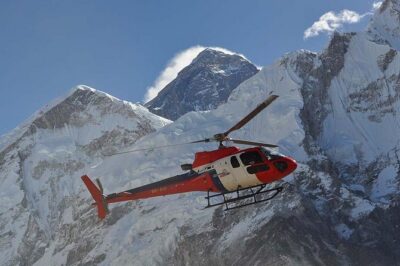
Everest Base Camp Trek with Helicopter Return from Gorakshep to Lukla
Read our review →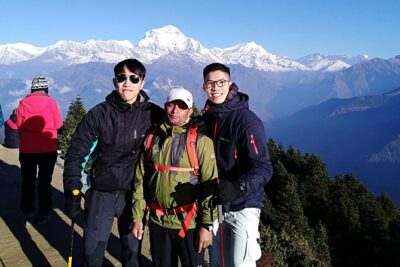
Trekking in Annapurna/Langtang/Everest/Upper Mustang regions
Read our review →Lists this trek appears in