
Review · KATHMANDU
14 Days Private Tour Everest Base Camp Trek
Everest Base Camp is not a sightseeing stop with a bus park and souvenir kiosk. You earn it one slow step at a time, crossing suspension bridges, climbing above the tree line, and sleeping in basic mountain teahouses. This 14-day private trek gives you the classic route with two acclimatization days, a guide, porter support, permits, meals, and flights between Kathmandu and Lukla.
I like the built-in rest days in Namche Bazaar and Dingboche, which give your body a better chance to adjust to the thin air. I also like the human scale of the trip: your guide leads the way, a porter carries shared luggage, and the nights are spent in local teahouses rather than sealed-off hotels.
The main drawback is the altitude and the physical demand. You reach Everest Base Camp, Gorakshep, and Kala Patthar at elevations where headaches, cold, fatigue, and bad weather can affect even fit hikers. The schedule is well planned, but it is not an easy holiday.
Key points to know before booking
- Lukla flights begin the adventure: The short flight from Kathmandu gives you mountain views and brings you directly into the Khumbu trekking region.
- Two acclimatization days matter: You spend a rest day in Namche and climb toward Nangkartsang Peak from Dingboche.
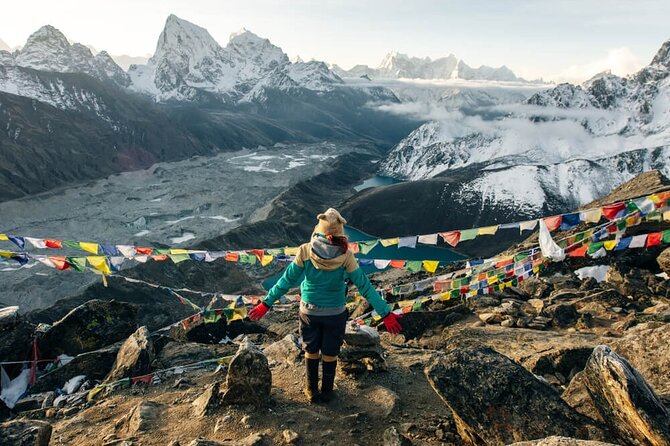
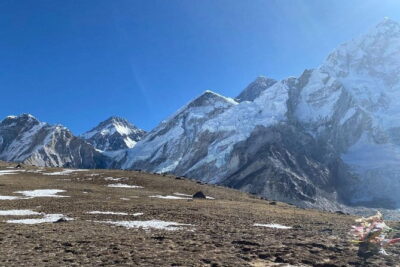
- Kala Patthar is the visual high point: An early morning climb offers some of the clearest views of Everest on the route.
- Private means personal support: Only your group participates, with a licensed guide and one porter for every two people.
- The $1,600 price covers the expensive basics: Flights, permits, teahouses, meals on trek, Kathmandu lodging, transfers, guide, and porter are included.
- Expect extra costs in the mountains: Drinks, hot showers, Wi-Fi, charging, tips, and city meals are not included.
Starting in Kathmandu and flying into Lukla
Your trip begins at Tribhuvan International Airport, where a representative meets you outside the terminal and drives you to your hotel. There is a short preparation meeting, useful for checking the trek plan, asking last-minute questions, and making sure you understand the days ahead.
You receive three nights of Kathmandu accommodation with breakfast during the trip. The package also includes airport transfers, a welcome and farewell cultural dinner, and the domestic flights between Kathmandu and Lukla.
The Lukla flight is more than simple transportation. It takes you from the Kathmandu Valley toward the high Himalayan foothills in a short hop, with mountain views along the way. Flights depend on weather, so keep your schedule flexible. If poor weather cancels the experience, the stated policy offers a different date or a full refund.
More Everest Base Camp treks around Kathmandu:
- Everest Base Camp Trek – 14 Days
★ 5.0 · 1,499 reviews - Everest Base Camp Trek
★ 5.0 · 842 reviews - Everest Base Camp Trekking
★ 5.0 · 485 reviews
Lukla to Namche Bazaar, the first real test
After landing in Lukla, you begin with a relatively gentle walk toward Phakding. The trail drops over rocky ground, reaches Cheplung, and follows the Dudh Koshi River. This first day lets your legs adjust before the route becomes more demanding.
The next stage to Namche Bazaar is one of the most memorable early sections. You cross several suspension bridges, pass through Benkar, and walk beneath views of Thamserku. At the Sagarmatha National Park checkpoint, your guide helps with the required permits.
The trail eventually drops toward the Dudh Koshi and then climbs hard to Namche. This is where the trek changes character. You are no longer taking a warm-up walk near Lukla. You are gaining height, and the views of Everest and Nuptse begin to reward the effort.
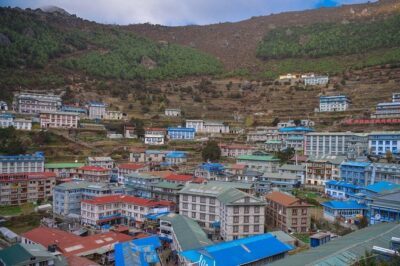
Namche is the main trading center of the Khumbu region. It has shops, teahouses, and a busy feel by mountain standards, but the useful point is not shopping. It is your first chance to stop, wash clothes, charge devices if available, and let your body adjust.
Why the Namche and Dingboche rest days matter
The itinerary includes a full acclimatization day in Namche. You do not simply sleep late and call it rest. The point is to spend time at altitude without gaining much more, helping your body adapt before the route climbs higher.
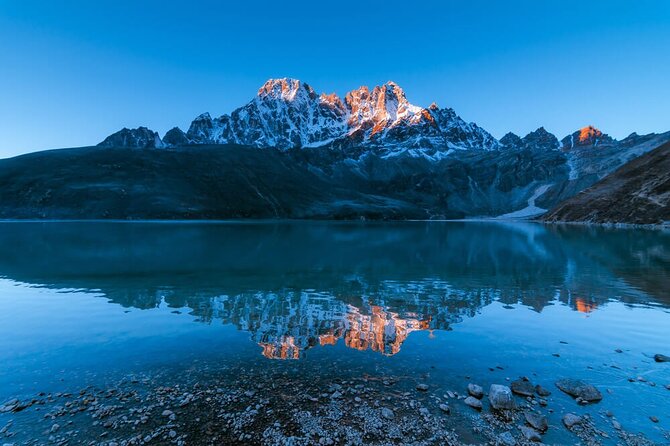
A second acclimatization day comes in Dingboche. From there, you climb toward Nangkartsang Peak, which divides the valley toward Chhukung from the valley leading to Lobuche. The climb is short compared with a full trekking day, but it reaches a useful height and gives you views toward Lhotse, Makalu, Cho Oyu, and Ama Dablam.
This is one of the strongest parts of the schedule. Some cheaper or faster itineraries reduce rest days, but rushing at altitude is a poor bargain. You should still watch for symptoms of altitude sickness and tell your guide if you feel unwell. A guide can help you decide whether to rest, descend, or continue.
Tengboche Monastery and the trail to Dingboche
From Namche, the route first passes through rhododendron forest and descends toward the Phungi Thenga River. Then comes a steady climb to Tengboche. This up-and-down pattern is tiring because you lose height before gaining it again, but it gives the day plenty of visual variety.
The big attraction is Tengboche Monastery, the largest Tibetan Buddhist gompa in the Khumbu region. Take time to visit respectfully and enjoy the quiet setting. The monastery gives the trek a cultural center, not just a succession of mountain views.
From Tengboche, you descend through forest toward Deboche, cross a suspension bridge, and continue through Pangboche and Shomare. Ama Dablam appears especially close along this section. The trail then opens into the higher, drier setting around Dingboche.
The scenery shifts quickly as you climb. Forest gives way to exposed slopes, stone walls, snowy ridges, and views toward glaciers. Teahouse life also becomes more basic, so pack patience along with your warm clothing.
More treks around Kathmandu:
- Annapurna Circuit Trek with Tilicho Lake
★ 5.0 · 368 reviews - Everest Base Camp Trekking – 13 Day
★ 5.0 · 365 reviews - Everest Base Camp Trek
★ 5.0 · 350 reviews - Everest Base Camp Trek -14 Days
★ 5.0 · 321 reviews
Dingboche to Lobuche and the Everest Memorial
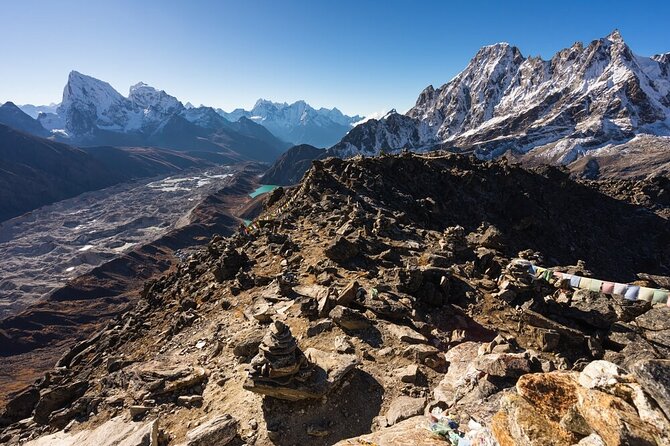
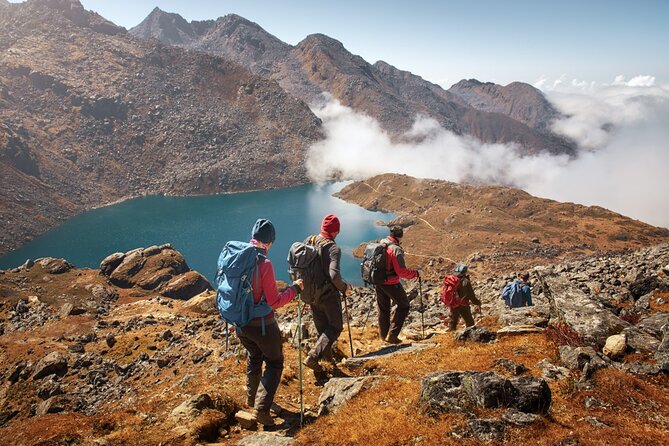
The route from Dingboche to Lobuche climbs toward a moraine and passes near Pheriche. The trail becomes harder as the air thins and the terrain grows more exposed. After Thukla comes a long climb toward the Everest Memorial.
The memorial honors climbers who died attempting Everest. It is a sober place, and it changes the mood of the trek. Everest is often presented as a grand adventure, but this section reminds you that high-altitude mountaineering carries real risk.
You continue beside the Khumbu Glacier before reaching Lobuche. The day can feel slow because every rise takes more effort than it would at low altitude. Use the pace your guide sets, drink regularly, and do not judge your progress by how quickly stronger hikers move.
Reaching Everest Base Camp from Lobuche
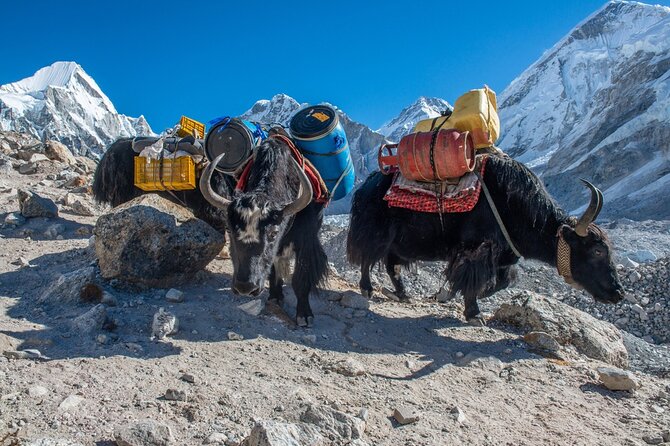
From Lobuche, you follow the Khumbu Glacier toward Gorakshep. Gorakshep is the highest settlement on the route and serves as the staging point for Base Camp. You can stop there before continuing across rough glacial terrain.
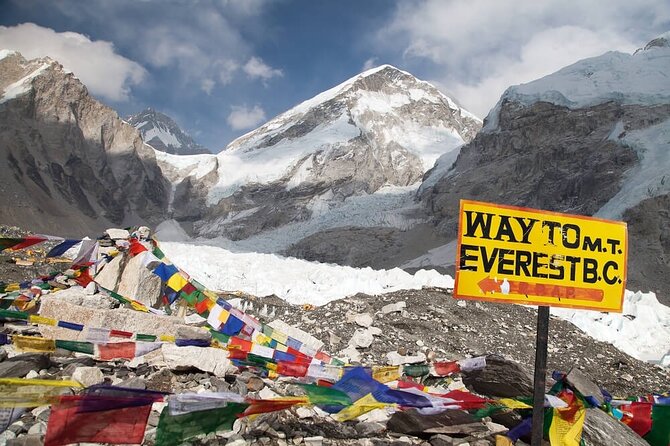
Everest Base Camp itself is a powerful destination, though it may not look exactly like the famous expedition photographs. The camp changes with the climbing season, and the views of Everest are not always best from Base Camp itself. The journey there matters as much as the marker or rocks at the endpoint.
You also get close views of Nuptse and the Khumbu Glacier. The trail can be uneven, and the altitude makes the walk feel longer than its distance suggests. This is not the day to race for a photograph. Save energy and stay with your guide.
The private format helps here. Your group can move at its own pace, and the guide can monitor how everyone is handling the height. The supplied information identifies guides such as Ram, Tek, Dil, Som, and others across the company’s trekking work, but your specific guide should be confirmed when you book.
Kala Patthar sunrise and the descent to Pheriche
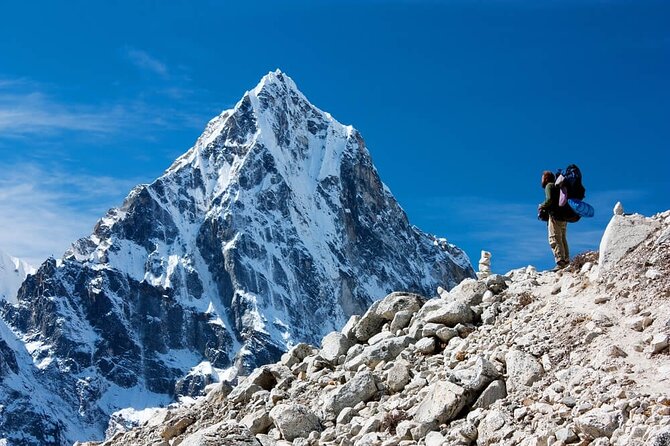
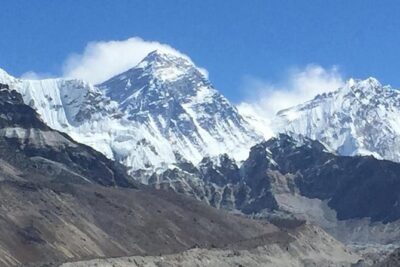
The next morning begins early for Kala Patthar. This climb is often the visual high point because it offers a clearer view of Everest than Base Camp itself. As daylight grows, Everest, Nuptse, and the surrounding peaks become easier to see.
The ascent is difficult, especially after reaching Base Camp the previous day. You return to Gorakshep for breakfast, then continue down to Pheriche. Descending feels easier for your lungs, but tired knees and loose ground still demand care.
The schedule places this major viewpoint before the long return. That is sensible. You get the best chance for a clear morning view and then lose altitude soon after. The return route passes through Pangboche and Tengboche before reaching Namche again, with many familiar sections appearing in reverse.
Returning through Namche and Lukla
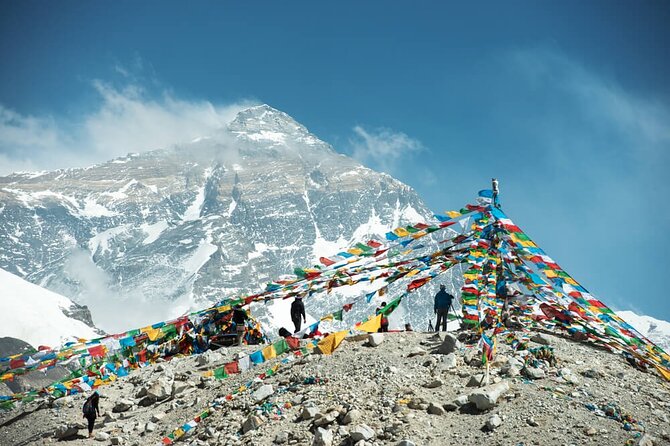
The walk from Pheriche to Namche is long but rewarding because the air gradually thickens and the trail becomes more familiar. You pass through Pangboche and Tengboche, then continue toward Namche.
From Namche, you descend through several settlements to Phakding and then continue toward Lukla. The downhill sections may sound easy, but steep steps and rocky ground can be tough after many days of walking. Your final night in Lukla gives you a buffer before the flight back to Kathmandu.
The return flight takes you back to Kathmandu, where staff meet you at the airport and transfer you to your hotel. You have time to recover before the final airport transfer on Day 14.
What the $1,600 price really covers
At $1,600 per person, this is a strong package if you value having the major arrangements handled. The price includes:
- Kathmandu to Lukla and Lukla to Kathmandu flights
- Three Kathmandu hotel nights with breakfast
- Standard teahouse accommodation during the trek
- Breakfast, lunch, and dinner during the trekking portion
- National park fees and required permits
- Airport pickup, departure transfer, and other listed ground transport
- Licensed guide with meals and accommodation
- One porter for every two people
- First-aid kit with an oximeter and pulse meter
- Seasonal fruit, government taxes, and service charges
That list matters because Everest Base Camp costs can rise quickly when flights, permits, lodging, meals, and staff are booked separately. The value is strongest for a first-time Nepal trekker who wants one company coordinating the moving parts.
You still pay for drinks, hot showers, Wi-Fi, phone and camera charging, tips, and lunch and dinner in Kathmandu. Mineral water, tea, coffee, soft drinks, beer, and spirits are also extra. Carry a sensible reserve for these small costs, since prices usually rise as you gain altitude.
Guide and porter support
The private group format is a real advantage. Only your party takes part, so you are not tied to a large group’s pace. The company supplies a licensed guide and a porter ratio of one porter for two people.
Past company trips have included guides named Ram, Tek, Dil, Som, Keshab, Mingmar, and others. Personal accounts especially emphasize patient pacing, practical help, mountain and cultural explanations, and guides who arranged good teahouses or helped with equipment. That gives you a useful picture of the service style, but do not assume you will receive a particular guide unless the company confirms it.
The porter system also deserves a clear explanation. Your porter carries two group members’ bags, not every item you own. Pack light, keep valuables and essential clothing with you, and ask the operator about the exact luggage limit before departure.
Who should book this trek?
You should consider this trip if you have a moderate level of fitness, can walk for several hours on uneven ground, and are ready for cold, basic accommodation, and high altitude. You do not need to be a technical climber, but you do need steady endurance and a willingness to walk slowly.
This is a good fit for a first Everest Base Camp trekker who wants a private guide, organized logistics, and a classic route. It also suits a small group of friends or family members who prefer their own pace.
It is not a good choice if you want a relaxed vacation, dislike early starts, or have no interest in preparing for altitude. The itinerary is demanding, and bad weather can affect flights and plans.
The cancellation policy allows a full refund if you cancel at least three full days before the start time. Within three days, the payment is not refunded, except that weather cancellation offers a new date or full refund under the stated terms.
Should you book the 14-day Everest Base Camp trek?
Book it if you want the classic Everest route with sensible acclimatization, private support, and most major costs bundled into one price. The best features are the two acclimatization days, Kala Patthar sunrise, Tengboche Monastery, and the guide and porter system.
Before paying, confirm the season, flight arrangements, luggage allowance, exact hotel and teahouse standards, and the name of your guide. If you are physically prepared and accept the altitude risks, this trip offers a practical way to reach Everest Base Camp without handling every permit, bed, flight, and transfer yourself.
FAQ
Where does the Everest Base Camp trek begin?
The experience begins at Tribhuvan International Airport in Kathmandu. A representative meets you outside the terminal and transfers you to your arranged hotel.
How long is the tour?
The planned duration is 14 days, including arrival in Kathmandu, the trek, the return to Kathmandu, and final airport transfer.
Is the tour private?
Yes. Only your group participates in the activity.
Does the price include flights to Lukla?
Yes. The package includes the Kathmandu to Lukla and Lukla to Kathmandu flights.
Are meals included?
Breakfast, lunch, and dinner are included during the trekking portion. Kathmandu breakfasts are included, but lunch and dinner in the city are not.
Is accommodation included?
Yes. The package includes three nights in Kathmandu with breakfast and standard teahouse accommodation during the trek.
Are permits and national park fees included?
Yes. The required permits and national park fees are included.
Is a guide provided?
Yes. The package includes a government licensed guide, along with the guide’s meals and accommodation.
Is a porter provided?
Yes. One porter is provided for every two people, with the porter carrying the group members’ bags.
What is not included in the price?
Personal expenses such as drinks, hot showers, Wi-Fi, phone and camera charging, and tips are not included. Lunch and dinner in Kathmandu are also extra.
New treks around Kathmandu
- Kathmandu or Pokhara: 5-Day Annapurna Base Camp (ABC) Trek★ 4.5 · 2 reviews
- Pokhara: 2 Day Ghorepani & Poon Hill Private Trekking★ 4.9 · 8 reviews
- From Kathmandu: 6-Day Langtang Valley Guided Trek★ 5.0 · 2 reviews
- Pokhara: 5-Day Annapurna Base Camp (ABC) Trek★ 5.0 · 9 reviews
- Kathmandu: Langtang Valley 6-Day all inclusive Guided Trek★ 5.0 · 2 reviews
- Kathmandu: 6 Days Langtang Valley Trek with Kyanjin Ri★ 5.0 · 7 reviews
- Kathmandu: 9- Day Annapurna Circuit Trek★ 5.0 · 2 reviews
- Kathmandu: 6-Day Limitless Langtang Trek★ 5.0 · 21 reviews
Everest Base Camp Treks, side by side.
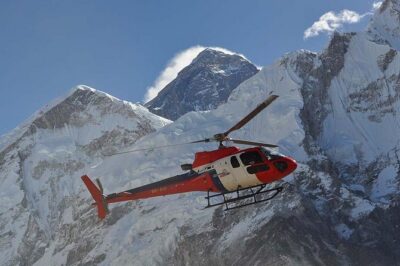
Everest Base Camp Trek with Helicopter Return from Gorakshep to Lukla
Read our review →
Trekking in Annapurna/Langtang/Everest/Upper Mustang regions
Read our review →Lists this trek appears in