
Review · KATHMANDU
Everest Base Camp Trek
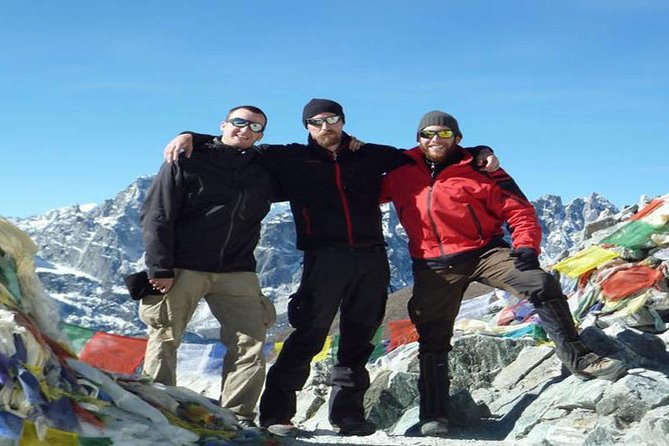
Everest Base Camp is reached on foot, not by sightseeing bus, and that is the point. This 15-day private trek takes you from Kathmandu by air to Lukla, then through Namche Bazaar, Tengboche, Dingboche, Lobuche, Gorak Shep, and finally Base Camp at about 5,400 meters. The mountain views grow larger each day, while the trail grows rougher and the air grows thin.
I like the private format, since your guide can adjust the pace and watch your condition closely. I also like the useful package: full-board meals, teahouse lodging, permits, domestic flights, a sleeping bag, down jacket, airport transfers, and an oxygen monitor are included. The main caution is altitude. This is a serious mountain trek, not a long country walk, and the return flight from Lukla can be affected by poor weather.
What makes this trek worth considering
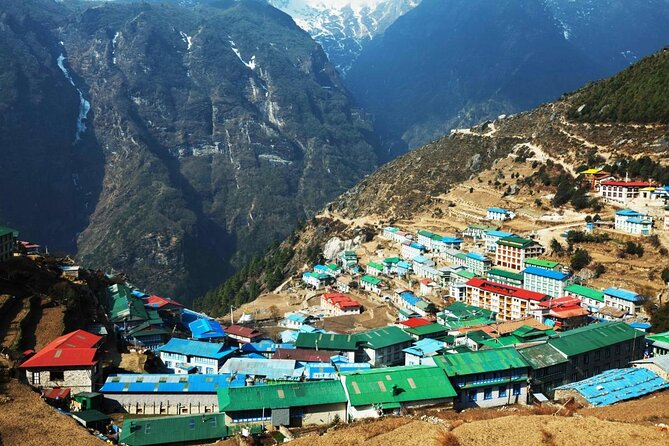
- A classic 15-day route: You follow the standard trail from Lukla to Base Camp, with planned acclimatization days in Namche and Dingboche.
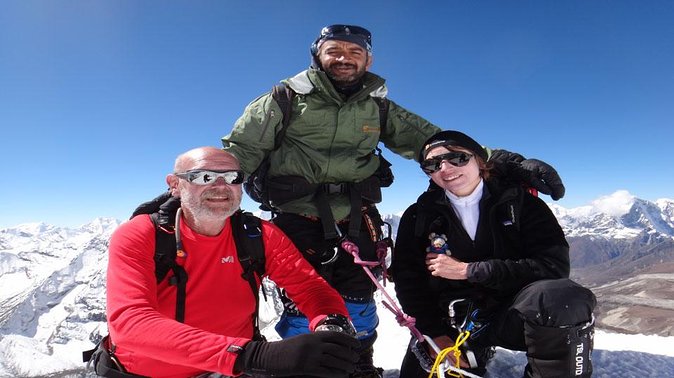
- Private attention: Your group travels with one licensed English-speaking mountain guide rather than joining a large mixed party.
- Strong practical inclusions: Meals, accommodation, permits, domestic flights, airport transfers, a duffel bag, sleeping bag, and down jacket are covered.
- Two major viewpoints: Base Camp gives you the Khumbu Icefall and surrounding peaks, while Kala Patthar offers the clearest broad view of Everest.
- Sherpa culture along the way: Namche, Khumjung, Pangboche, and Tengboche add villages, monasteries, schools, and daily mountain life to the walk.
- Safety preparation: The guide carries a first-aid kit and pulse oximeter, and the operator helps arrange rescue or evacuation if needed. Travel insurance is still your responsibility.
What the $1,690 price really covers
At $1,690 per person, this is not a bare-bones trek. The fee includes airport pickup and drop-off in Kathmandu, hotel accommodation in the capital, guesthouse accommodation during the trek, full-board breakfast, lunch, and dinner, permits, a professional guide, and domestic flights between Kathmandu or Ramechhap and Lukla.
You also receive the company’s sleeping bag, duffel bag, and down jacket. Those items matter. Warm equipment is expensive and bulky to buy for one trip, and the down jacket can be especially useful on cold evenings at higher elevations.
The price does not include an international flight, Nepal visa, personal drinks, laundry, internet, tips, travel insurance, or a porter. You can add a porter when booking, but you should budget for that separately if you do not want to carry your own luggage. Most people will still carry a daypack with water, layers, medicine, valuables, and camera equipment.
The value is strongest if you want a private arrangement with the major trekking costs handled before arrival. It is less attractive if you already have equipment, prefer to arrange food and lodging yourself, or are looking for the lowest possible price. The inclusion of flights and permits removes several large practical expenses, but it does not remove the need for insurance. Helicopter evacuation is not included as a free benefit.
More Everest Base Camp treks around Kathmandu:
- Everest Base Camp Trek – 14 Days
★ 5.0 · 1,499 reviews - Everest Base Camp Trek
★ 5.0 · 842 reviews - Everest Base Camp Trekking
★ 5.0 · 485 reviews
Kathmandu arrival and the flight to Lukla
Day one is simple. A representative meets you at Kathmandu International Airport and takes you to the hotel. The company is also known for direct pre-trip contact, including advice by WhatsApp video call about what to bring. That kind of preparation is useful when you are buying or borrowing cold-weather gear for the first time.
The trek begins with an early transfer to the airport. The listed meeting time is 6:15 am. You fly for about 30 minutes to Lukla, a small mountain airstrip and the usual gateway to the Khumbu region. The flight itself is part of the adventure, but it is also one of the trip’s least predictable pieces because mountain weather can interrupt schedules.
The package allows for flights between Kathmandu or Ramechhap and Lukla, with transfers included. Confirm the exact departure airport before your trip, since flight operations can change. Keep some flexibility in your international schedule and do not plan a tight connection immediately after returning from the mountains.
From Lukla, the first walking day is relatively gentle. The trail follows the Dudh Koshi River through green conifers and past teahouses to Phakding, at about 2,610 meters. The walk takes around four hours, depending on pace and stops. It is a good introduction because you begin among villages and river scenery before the trail becomes more demanding.
Namche Bazaar and the first acclimatization pause
The next day takes you through Monjo and into Sagarmatha National Park. Your guide handles the permit checks, including the national park entry permit and local fee. From there, the path climbs hard toward Namche Bazaar.
The uphill section gains roughly 590 meters and takes about five hours. Halfway up, you may get your first sight of Everest and Lhotse. Thamserku and Kwangde appear near Namche, while Khumbila, a sacred mountain, rises on the western side.
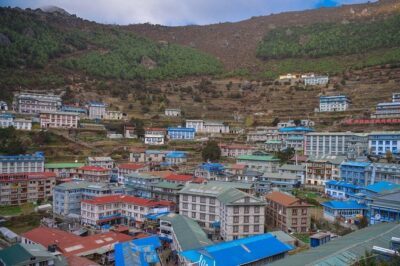
Namche is more than a stop for the night. It is the main settlement of the Khumbu region and the first place where the itinerary slows down for altitude adjustment. The extra day is essential, not wasted time. You can walk toward Khumjung to see the local school and hospital, visit the area around the old airstrip at Syangboche, or hike toward the Everest View Hotel for mountain views.
Thame is another possible outing and has links to famous Sherpa mountaineers, including Tenzing Norgay. The exact acclimatization walk should depend on your energy, the guide’s advice, and weather. You do not need to prove anything on this day. Walking high and sleeping lower is the useful idea.
Tengboche brings monasteries and big mountain views
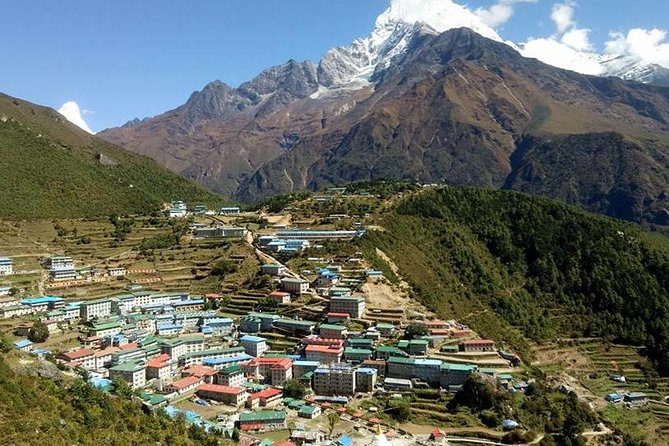
From Namche, the path rises and falls through pine and rhododendron forest. You descend toward the Dudh Koshi at about 3,550 meters, then climb again to Tengboche, also called Tyangboche, at roughly 3,870 meters.
This is one of the most memorable stops. Tengboche is built around the region’s main Tibetan Buddhist monastery. You can enter, sit quietly, and listen to monks chanting mantras when services are taking place. The cultural experience gives the trek more meaning than a simple march toward a famous mountain.
The views are also excellent. Everest, Lhotse, Ama Dablam, and Thamserku fill the horizon, and the valley below makes the height feel real. The six-hour walking day includes a demanding climb, so this is where steady pacing matters. The air will feel noticeably thinner than it did in Namche.
More treks around Kathmandu:
- Annapurna Circuit Trek with Tilicho Lake
★ 5.0 · 368 reviews - Everest Base Camp Trekking – 13 Day
★ 5.0 · 365 reviews - Everest Base Camp Trek
★ 5.0 · 350 reviews - Everest Base Camp Trek -14 Days
★ 5.0 · 321 reviews
Dingboche gives you time to adjust again
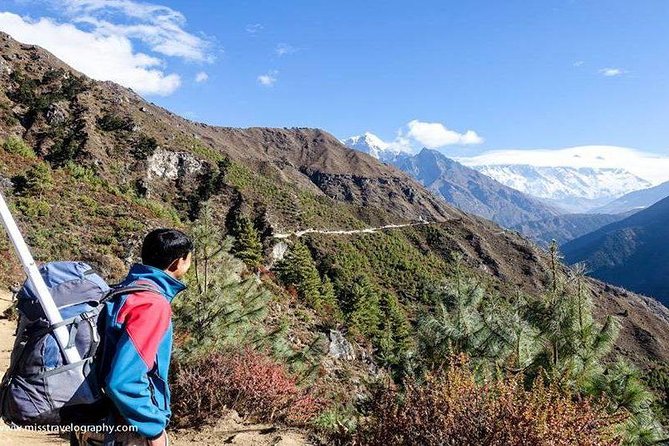
The trail continues through the Imja Khola valley and past Pangboche. The village has an old gompa, described as one of the oldest monasteries in the Khumbu region. From there, you climb to Dingboche at about 4,360 meters.
Dingboche is surrounded by high peaks, with Ama Dablam and Island Peak especially prominent. The village is also a key rest point before the trail turns colder and more exposed. You walk for around six hours to reach it, so expect fatigue by the end of the day.
The following day is another acclimatization day. You can walk toward Chhukung for views of Makalu, Island Peak, and Peak 38, or take a hike toward Nangkartshang Peak. The itinerary offers choices rather than forcing one fixed outing, which is useful because energy levels vary sharply at this altitude.
You should treat this day as part of the trek’s safety plan. Headaches, nausea, unusual tiredness, or poor coordination should be reported to the guide. The included pulse oximeter can help the guide monitor your condition, but it is not a substitute for judgment. If your body is not adjusting, the right decision may be to stop climbing.
Lobuche and the high, exposed trail
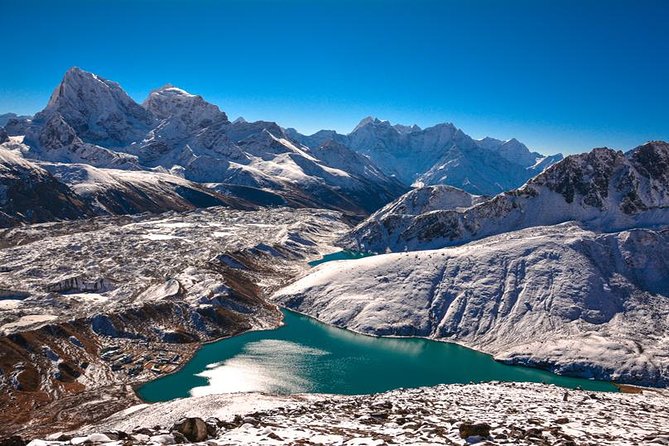
After Dingboche, the vegetation thins and the valley becomes barren. You pass toward Thukla and gain views across the valley to Cholatse. The path becomes rocky, with a steep section before Lobuche.
Lobuche sits at about 4,940 meters, and the cold is usually more noticeable here. Nuptse and Tawache rise dramatically above the settlement, almost two kilometers overhead. The walking day takes about six hours, but the altitude makes that figure feel larger than it would at home.
This is a good point to manage your expectations. You may cover only a modest distance, yet the effort can be high. Keep your pace slow, drink regularly, and use the layers supplied by the operator. The down jacket and sleeping bag are practical inclusions at this stage, not decorative extras.
Everest Base Camp via Gorak Shep
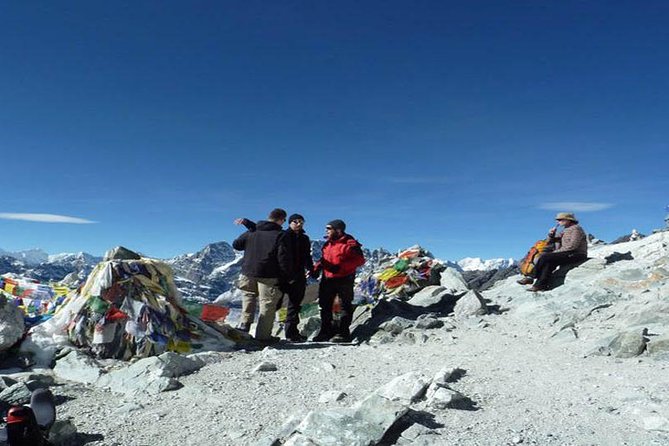
The route to Base Camp follows the Khumbu Glacier. You first reach Gorak Shep, where you can stop for lunch before continuing toward Everest Base Camp at roughly 5,400 meters.
This is the trek’s longest day, listed at around eight hours. The route can be rocky and uneven, and the high altitude makes every climb feel slow. You do not see Everest’s familiar summit view directly from Base Camp. Instead, the main sights include Khubutse, Pumori, Changtse, and the Khumbu Icefall.
That detail surprises many people. The Base Camp area is about reaching a place associated with expeditions and seeing the glacier and icefall up close. The best broad view of Everest comes the next morning from Kala Patthar.
You should also remember that the exact appearance of Base Camp can change by season. It is an active expedition area at some times of year and a quieter glacier setting at others. The emotional reward comes from the route behind you as much as from the marker at the destination.
Kala Patthar is the visual high point
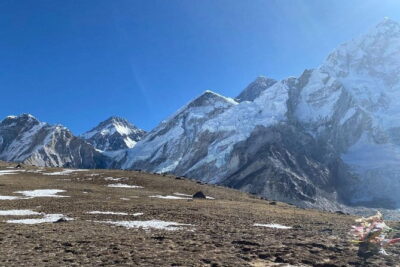
The next morning brings the climb to Kala Patthar, or Black Rock. This is the trip’s key viewpoint, with a 360-degree panorama of Everest, Pumori, Lhotse, Nuptse, Changtse, and many surrounding peaks.
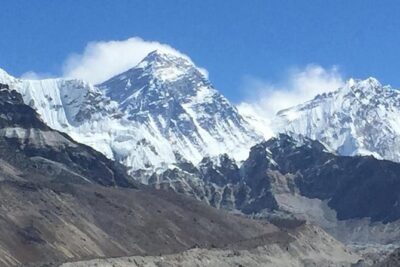
The climb is steep and the air is very thin, but the reward is clear. From the summit, Everest finally appears in the way many people imagine it, surrounded by the high peaks of the Khumbu. Sunrise or early morning light can make this especially memorable, though exact timing depends on the guide and conditions.
After Kala Patthar, you descend toward Pheriche and begin the return. The itinerary summary for this section is compressed, so confirm the overnight stop sequence with your guide. The practical point is that you do not walk from Kala Patthar all the way to Lukla in one day. The return is broken into stages through the same valleys.
The return through Namche and Lukla
The descent passes back through Pangboche and Tengboche, with Ama Dablam and Lhotse again in view. You cross the Imja Khola and walk through forest toward Phungi Tenga, Sansa, and Kyanjuma before reaching Namche Bazaar.
Walking downhill is easier for your lungs but harder on tired knees. Trekking poles can help, though they are not listed among the included items. This is also when the familiar route feels different. You notice the villages, bridges, and forests in reverse, and you can appreciate how much higher you climbed.
From Namche, the trail follows Sherpa villages and crosses the Tenzing and Hillary suspension bridge. The seven-hour day to Lukla is long, but reaching the airstrip brings a real sense of completion.
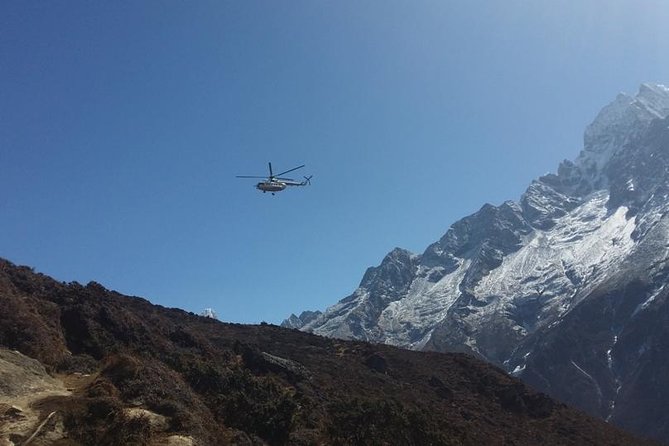
The flight back to Kathmandu or Ramechhap takes about 30 minutes when conditions cooperate. If clouds close the airstrip, the return can be delayed or require another arrangement. The company can help organize rescue and evacuation logistics, and some past trips involved helicopter returns, but the cost of a helicopter should be addressed through your travel insurance and confirmed with the operator.
Support from Unique Adventure International
The company’s strongest feature is personal contact. Owner Khum Subedi is named repeatedly in the feedback, and the service begins with airport reception, a briefing, and help with preparation. Guides associated with the company include Ongchhu, Chandra, Raz or Razz, Raj, Megendra, and Sumba Sherpa, though you should confirm who will lead your particular departure.
The most useful praise centers on organization, quick replies, airport assistance, and care when someone became ill or injured. That matters on a high-altitude trek. A friendly welcome is nice, but the real test is how clearly the team explains options when weather or health changes the plan.
You should still ask practical questions before departure: the name and experience of your guide, the current flight arrangement, porter cost, expected baggage limit, and the process for evacuation. A good operator can help, but your insurance must cover trekking at the planned altitude and helicopter evacuation.
Who should book this trek?
This route suits a fit, adventurous person who wants the classic Everest Base Camp experience without arranging each part independently. The private format is useful for solo participants, couples, families with appropriate fitness, and small groups that want more control over pace.
It is not a casual holiday. You walk for four to eight hours on rugged trails, sleep in simple guesthouses, and spend several nights above 4,000 meters. The itinerary includes acclimatization days, but no schedule can guarantee that your body will adjust well.
Vegetarian food is available if you request it at booking. You need to provide passport details for every participant, including name, number, expiry date, and issuing country. Nepal visa costs remain your responsibility.
The cancellation policy is simple: cancel at least 24 hours before the local start time for a full refund. A cancellation within 24 hours is not refundable. If poor weather cancels the experience, you are offered another date or a full refund.
Should you book it?
I would choose this trek if I wanted the standard Everest Base Camp route with a private guide and most major costs bundled into one price. The full-board setup, acclimatization days, borrowed cold-weather gear, permits, airport transfers, and Lukla flights make the $1,690 fare reasonable for a well-organized package.
I would not book it without travel insurance that covers high-altitude trekking and helicopter evacuation. I would also allow extra time around the Lukla flights and budget for a porter if carrying a full pack sounds unwise.
Book this if reaching Base Camp matters more to you than comfort and flexibility. Skip it if you dislike long mountain walks, basic lodging, uncertain flights, or the physical strain of sleeping at high altitude.
FAQ
Is this Everest Base Camp trek private?
Yes. The activity is described as a private trek, so only your group participates. One licensed English-speaking mountain guide is included.
How long does the trek take?
The full experience lasts approximately 15 days, including Kathmandu, the flight to Lukla, the trek to Base Camp and Kala Patthar, the return to Lukla, and time back in Kathmandu.
Are meals and accommodation included?
Yes. Breakfast, lunch, and dinner are included during the trek. Hotel accommodation is provided in Kathmandu, and guesthouse accommodation is provided along the trekking route.
Are trekking permits included?
Yes. The package includes the Sagarmatha National Park permit and the Khumbu Pasang Lhamu Rural Municipality fee.
Is a porter included?
No. Porters are not included in the listed price, but you can add one when booking. Tips for the guide, porter, and driver are also not included.
What happens if bad weather cancels the trip?
If poor weather causes the experience to be canceled, you are offered a different date or a full refund. The policy also allows a full refund when you cancel at least 24 hours before the local start time.
New treks around Kathmandu
- Kathmandu or Pokhara: 5-Day Annapurna Base Camp (ABC) Trek★ 4.5 · 2 reviews
- Pokhara: 2 Day Ghorepani & Poon Hill Private Trekking★ 4.9 · 8 reviews
- From Kathmandu: 6-Day Langtang Valley Guided Trek★ 5.0 · 2 reviews
- Pokhara: 5-Day Annapurna Base Camp (ABC) Trek★ 5.0 · 9 reviews
- Kathmandu: Langtang Valley 6-Day all inclusive Guided Trek★ 5.0 · 2 reviews
- Kathmandu: 6 Days Langtang Valley Trek with Kyanjin Ri★ 5.0 · 7 reviews
- Kathmandu: 9- Day Annapurna Circuit Trek★ 5.0 · 2 reviews
- Kathmandu: 6-Day Limitless Langtang Trek★ 5.0 · 21 reviews
Everest Base Camp Treks, side by side.
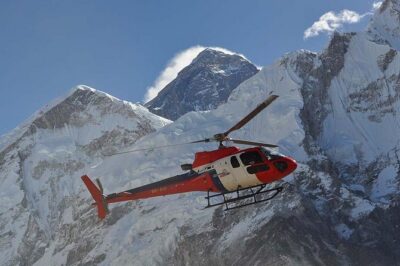
Everest Base Camp Trek with Helicopter Return from Gorakshep to Lukla
Read our review →
Trekking in Annapurna/Langtang/Everest/Upper Mustang regions
Read our review →Lists this trek appears in