
Review · KATHMANDU
Everest Base Camp Trekking – 13 Day
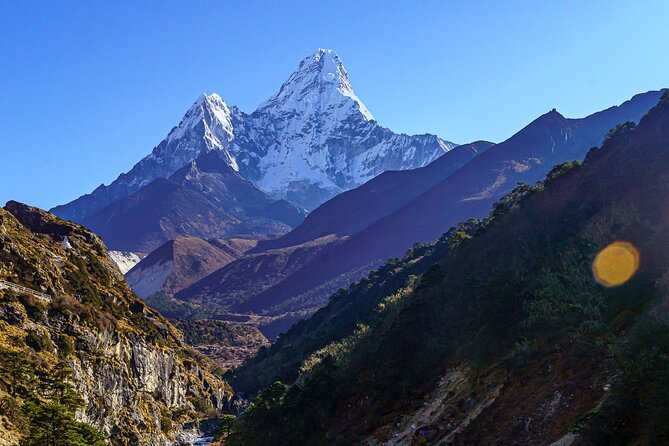
The big draw here is simple: you walk into the Khumbu region instead of spending weeks arranging every flight, lodge, meal, permit, and porter detail yourself. The route reaches Everest Base Camp and Kala Patthar, with time to adjust at Namche Bazaar and Dingboche before the highest sections.
I like the practical setup: Kathmandu to Lukla flights are included, and the nightly trailside lodges and listed meals keep the main costs clear. I also like the guide support. Guides including Milan, Dibash, Achyut Mishra, and Ratna have been praised for clear briefings, careful pacing, and calm problem-solving.
The main caution is the schedule. Thirteen days is efficient, not leisurely. You need moderate fitness, patience with weather, and a realistic understanding that altitude, not just walking distance, is the hard part.
Key points to know before you book
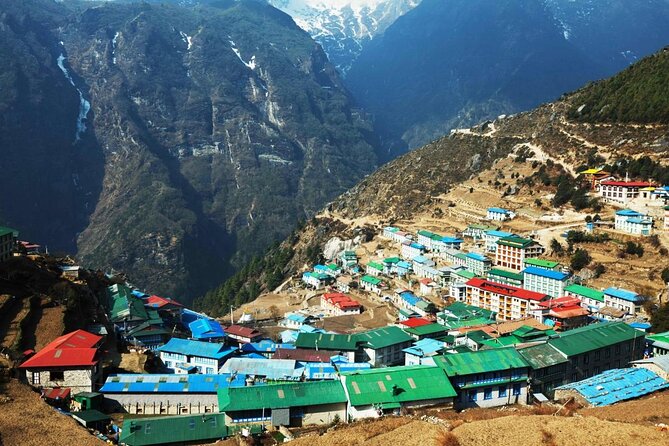
- Two acclimatization days: Namche Bazaar and Dingboche provide planned rest days with short walks to higher ground.
- Everest Base Camp plus Kala Patthar: The route gives you both the base camp destination and a sunrise viewpoint above it.
- Lukla flights included: The package covers the Kathmandu to Lukla and return flights, including airport departure tax.
- Lodges and meals included: You sleep in trailside lodges, with listed breakfasts, lunches, and dinners provided during the trek.
- Private trip format: Your group travels privately, with the possibility of joining an existing group or paying a single supplement for a solo departure.
- Guides matter here: Daily briefings, pace control, and judgment at high altitude can make a major difference.
What the 13-day Everest route is really like
This is not a sightseeing bus tour with a short mountain walk at the end. It is a sustained trek through changing altitude, simple lodge accommodation, suspension bridges, steep paths, and cold mornings.
The $1,399 price covers many of the expensive moving parts: domestic flights, national park entry, the Trekkers’ Information Management System card, local and government taxes, accommodation, and the main meals on the walking route. That gives the price solid value, especially if you would otherwise have to arrange each piece yourself.
You still need to budget for meals in Kathmandu, drinks, snacks, phone use, battery charging, personal items, Nepal visa fees, travel insurance, and possible helicopter evacuation insurance. Personal travel and health insurance are not included, and that is an important gap to address before departure.
The trek operates in all weather. Pack for sun, rain, wind, and cold, not just the season you expect to find.
More Everest Base Camp treks around Kathmandu:
- Everest Base Camp Trek – 14 Days
★ 5.0 · 1,499 reviews - Everest Base Camp Trek
★ 5.0 · 842 reviews - Everest Base Camp Trekking
★ 5.0 · 485 reviews
Day 1: A soft landing in Kathmandu
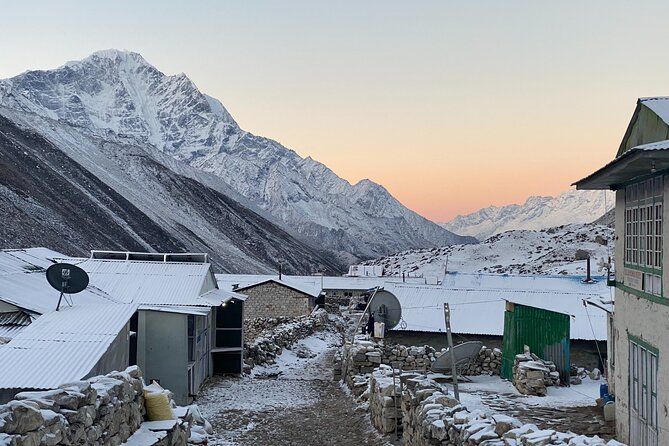
You are met at Tribhuvan International Airport and taken to your hotel after completing customs formalities. This first day is mainly about arriving, checking your documents, and getting ready for the mountains.
Use the time wisely. Confirm your flight arrangements, sort your trekking equipment, and ask the guide any final questions. The next morning starts early, so this is not the time for a late night.
Kathmandu meals are not included, so plan for those separately. The package does include airport reception and hotel arrangements as part of the organized start, but the supplied details do not specify the hotel category.
Day 2: Flying to Lukla and entering the Khumbu
The Kathmandu to Lukla flight is one of the memorable parts of the trip. Lukla is the gateway to the Everest region, and the flight saves you days of road travel.
From Lukla, you begin walking with your guide. The first day gives you a taste of the routine that will shape the trek: carry a day pack, walk at a steady pace, and let the porter or support team handle the heavier luggage if that arrangement applies to your departure.
The company provides one complimentary Trekking Planner duffel bag, which must be returned after the trip. You also need your own day pack, listed at 25 to 40 liters. Keep essentials such as water, warm layers, rain protection, medication, and camera batteries with you.
Day 3: Following the Dudh Koshi to Namche Bazaar
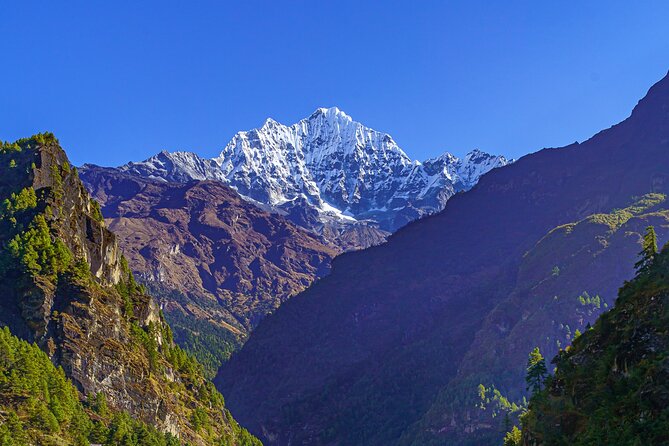
The route follows the Dudh Koshi River toward Namche Bazaar. You cross suspension bridges and get early views of Kongde Ri Peak as the trail enters the high mountain valley.
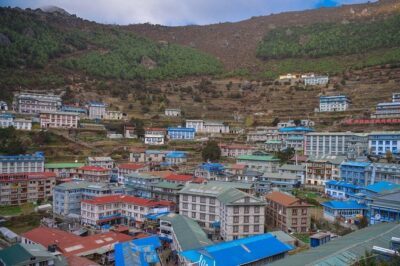
Namche is more than a stop for the night. It is the main trading and supply center for the Everest region, with shops and a Saturday market that give the town a lively local feel. It is also where the altitude begins to demand respect.
This is a long walking day, and the path includes uphill sections. Your guide should help set a pace that leaves energy in reserve. One of the useful habits noted about guide Milan is giving the next day’s plan in advance, including realistic walking times based on your ability. That kind of briefing is worth paying attention to.
More treks around Kathmandu:
- Annapurna Circuit Trek with Tilicho Lake
★ 5.0 · 368 reviews - Everest Base Camp Trek
★ 5.0 · 350 reviews - Everest Base Camp Trek -14 Days
★ 5.0 · 321 reviews - Manaslu Circuit Trek
★ 5.0 · 292 reviews
Day 4: Acclimatizing around Namche Bazaar
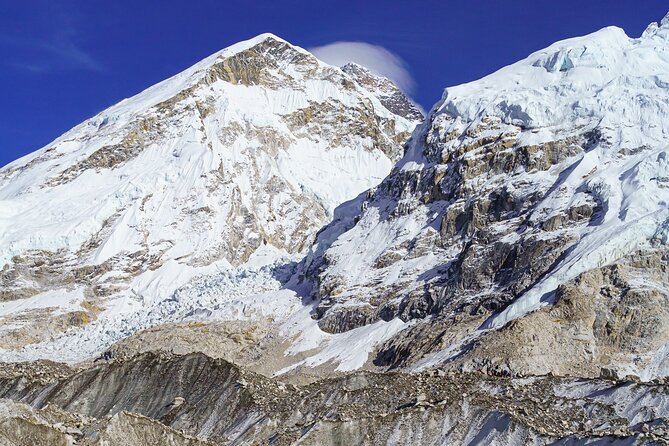
The first planned rest day is not a day of doing nothing. Short hikes to higher ground help your body adjust before you sleep at Namche again.
Namche gives you a chance to browse shops, see the market if your schedule lines up with Saturday, and enjoy the mountain setting without carrying your full trekking load. The rest day also provides some protection against rushing too quickly upward.
Altitude sickness can affect fit people, so do not treat this day as optional. Walk slowly, drink water, and tell your guide about headaches, nausea, unusual tiredness, or other symptoms. A good guide can adjust the plan, but you must report how you feel.
Day 5: Forest trails toward Tengboche
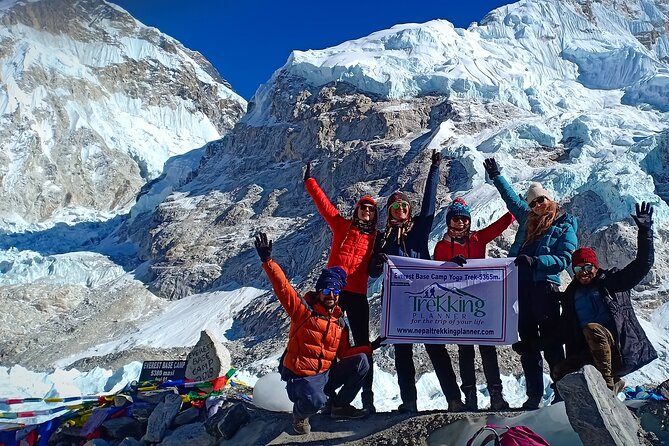
You climb out of Namche on a short, steep section, then continue along a more level trail toward Kenjoma and Sanasa. The path passes through dense forest before continuing toward Tengboche.
This section combines mountain views with a softer, wooded setting. It is a welcome change from the open high-altitude terrain that comes later. The route can still be tiring because the overall elevation keeps increasing.
Tengboche is known for its monastery and its dramatic setting. The schedule gives you the chance to experience both the religious character of the area and the morning and evening mountain views. Bring warm layers within easy reach, since temperatures can drop quickly after sunset.
Day 6: Tengboche, Deboche, and Dingboche
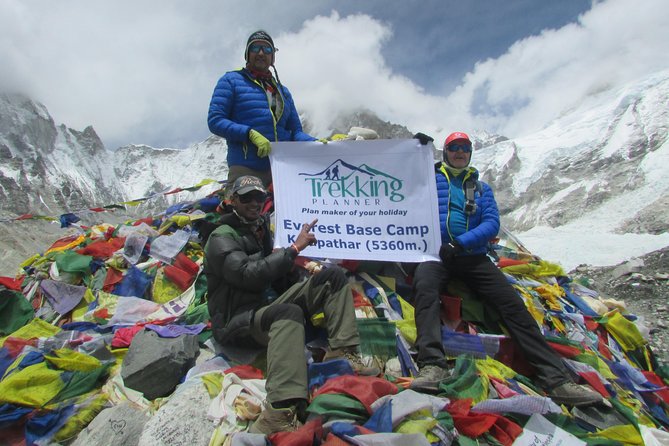
The route descends from Tengboche toward Deboche, where you get attractive views along the valley, then continues upward toward Dingboche. The change in altitude and vegetation becomes clear as the trek moves farther above the tree line.
Dingboche is an important staging point before the final push toward Lobuche and Base Camp. The air is thinner, nights are colder, and the walking becomes more demanding even when the path appears gradual.
The schedule here is efficient. You are covering ground while still allowing the next day for acclimatization. If you normally hike at sea level, do not judge the effort by distance alone. A short climb at this height can feel like a serious workout.
Day 7: The second acclimatization day
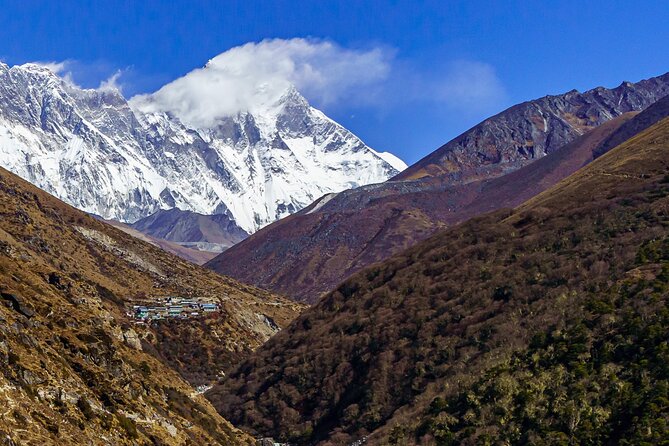
Dingboche provides the second major rest and acclimatization day. The plan calls for short hikes to higher ground, then a return to sleep at Dingboche.
That pattern matters. Going higher during the day and sleeping lower gives you a controlled way to help your body adjust. It also lets you test your clothing, water system, footwear, and general energy before the most demanding days.
This is a good day to ask the guide for a clear outline of the next two walking days. Guides such as Dibash and Achyut have been praised for careful pacing, support, and practical solutions when conditions become difficult. You want that same clear communication from whoever leads your departure.
Day 8: Dingboche to Lobuche
The trail rises gradually from Dingboche through grazing areas, past chortens and Mani walls, with large peaks ahead. The scenery becomes more stark and open as you approach Lobuche.
Chortens and Mani walls are not just decorative points along the path. They reflect the Buddhist character of the Khumbu and remind you that this is a lived-in cultural region, not simply a route to a famous mountain.
Lobuche is one of the higher overnight stops, so the evening can be cold and the lodge facilities simple. Keep your warm clothing, headlamp, toiletries, and water bottle close. The provided packing list calls for two one-liter water bottles, a torch, gloves, a fleece or puffy jacket, and a waterproof outer layer. Those are practical necessities here, not luxury extras.
Day 9: Reaching Everest Base Camp
This is the destination day. You leave Lobuche early and walk toward Everest Base Camp, taking extra care with the effects of altitude.
The trail from Lobuche is not a gentle stroll. The high elevation, rocky ground, and accumulated fatigue make the approach demanding. Your guide’s judgment is particularly important here. Moving too fast to reach a particular point can spoil the day or put your health at risk.
The experience is about more than taking a photograph at Base Camp. You are walking through the high Khumbu on the same broad route used by expedition teams, surrounded by glacial terrain and enormous peaks. The supplied schedule does not specify the overnight settlement in detail for this night, so confirm the exact lodging plan before departure.
Day 10: Kala Patthar and the descent to lower ground
You start before dawn for Kala Patthar, aiming for the early view from one of the best-known high points on the route. The climb is tough, especially after the Base Camp day, but the timing is designed for sunrise.
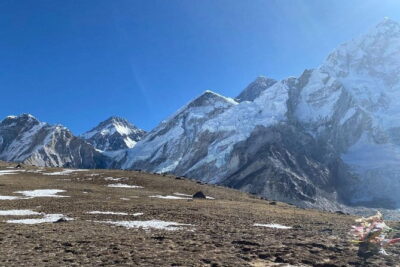
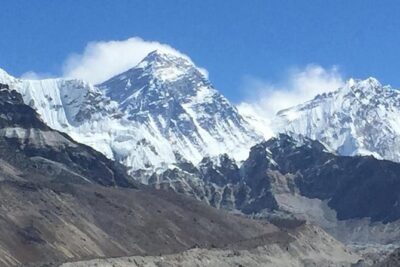
Kala Patthar gives you a different experience from Base Camp. Base Camp is the expedition destination, while Kala Patthar is the viewpoint. From the viewpoint, you get the broad mountain panorama that many people picture when they think of Everest.
Afterward, you return to lower altitude. That descent is welcome. Even if you feel strong, the cold, thin air and early start can drain you quickly. Follow the guide’s pace and take care on the downhill sections, where tired legs can make uneven ground more awkward.
Days 11 and 12: Returning through Periche, Namche, and Lukla
The return begins from Periche and continues toward Namche Bazaar, largely descending alongside the Dudh Koshi. Downhill walking is easier on your breathing, but it can be hard on knees and feet.
Namche feels different on the way back. You now know the effort required to reach it, and the town gives you a welcome break before the final walk. The next section descends steeply from Namche toward the river confluence before continuing back toward Lukla.
The final trekking day is still real work. Do not assume the return is only a formality. Wet weather, tired muscles, and steep trail sections can slow you down. Keep your raincoat and warm layers accessible until you are safely back in Lukla.
Day 13: Returning to Kathmandu
The final day brings the flight from Lukla back to Kathmandu. Because mountain weather can affect flights, the itinerary schedules an early departure.
The flight is included, but weather can still cause disruption. Build some flexibility into your wider Nepal plans if possible, especially if you have an international flight immediately after the trek. The package covers the scheduled domestic transportation, not every possible weather-related alternative.
Once back in Kathmandu, the organized trek is over. Meals in Kathmandu, personal shopping, drinks, and other city expenses remain your responsibility.
Guides, porters, and the value of human support
The strongest part of a high-altitude trek is often not the scenery. It is having someone who notices when you are walking too fast, explains tomorrow’s route, and knows when to change the plan.
Milan has been specifically praised for giving daily briefings, estimating walking times according to ability, and managing timing carefully. Dibash has been recognized for handling logistics and maintaining a professional, caring approach. Achyut Mishra has been valued for attentiveness, advice, and finding workable solutions when the trek became difficult. Ratna has been described as adding useful local knowledge and support.
You may not receive one of these exact guides, but the pattern gives you a useful standard. Ask who will lead your departure, how porter loads are handled, and what the plan is if altitude symptoms or flight delays affect the schedule.
What to pack for comfort and safety
The supplied equipment list is sensible. You need trekking shoes, spare socks, trekking trousers, non-cotton underwear, warm layers, gloves, rain protection, a sun hat, toiletries, toilet paper, and a small towel.
Bring a waterproof Gore-Tex layer or similar rain shell, plus a warm fleece or puffy jacket. The weather can change quickly, and the tour runs in all conditions.
A camera is fine, but protect batteries from the cold. Bring a headlamp or torch, two one-liter water bottles, and a day pack between 25 and 40 liters. Personal insurance should cover trekking and medical care, and you should check whether helicopter evacuation is included. It is not included in this package.
Who should book this trek
I would recommend this trip to someone who wants the classic Everest Base Camp route but does not want to coordinate flights, permits, lodges, meals, and guide support alone.
It suits people with moderate physical fitness who can manage repeated walking days and accept basic trailside accommodation. Families, groups, honeymooners, and other private parties may be able to receive discounts or request adjustments. The private format also gives you more room to personalize the experience, though the exact changes should be confirmed before booking.
I would hesitate if you dislike early starts, simple lodges, cold conditions, steep trails, or uncertainty caused by mountain weather. You also need to be comfortable with a fast schedule. Thirteen days is enough for the classic route, but it leaves little spare time if delays or health problems appear.
Should you book the 13-day Everest Base Camp trek?
Book it if you want a well-organized route with the main logistics handled and you are prepared for a serious high-altitude trek. At $1,399 per person, the included Lukla flights, permits, accommodation, meals, guide support, and taxes make the package a reasonable value.
Before paying, confirm the exact departure format, the guide assigned to your group, the single supplement, meal arrangements, lodge details, and the policy for flight delays. If you can walk steadily, respect the acclimatization days, and pack for rough weather, this trip gives you a direct and practical way to reach Everest Base Camp and Kala Patthar.
FAQ
Is the Kathmandu to Lukla flight included?
Yes. The package includes the Kathmandu to Lukla and Lukla to Kathmandu flights, along with the airport departure tax.
Are accommodation and meals included?
Nightly accommodation in trailside lodges is included. The package lists 11 lunches, 12 dinners, and 12 breakfasts. Meals in Kathmandu are not included.
Is the trek private?
Yes. It is described as a private tour, with only your group participating. Depending on the departure date, you may also be offered the option to join an existing group.
Is there a single supplement?
A single surcharge of USD 150 may apply if you want a solo departure rather than joining an existing group. The stated price is for one person, but the final cost can depend on group size, departure date, and shared accommodation.
What fitness level do I need?
A moderate level of physical fitness is required. The route includes steep sections, repeated walking days, high altitude, and early starts.
Are permits included?
Yes. The national park entrance fee and Trekkers’ Information Management System card are included, along with applicable government and local taxes.
Is travel insurance included?
No. Personal travel and health insurance are not included. Helicopter evacuation insurance is also not included, so check your own policy carefully.
Can I cancel for a full refund?
You can cancel up to 24 hours before the experience starts for a full refund. Cancellations or changes made less than 24 hours before the start time are not accepted for a refund.
New treks around Kathmandu
- Kathmandu or Pokhara: 5-Day Annapurna Base Camp (ABC) Trek★ 4.5 · 2 reviews
- Pokhara: 2 Day Ghorepani & Poon Hill Private Trekking★ 4.9 · 8 reviews
- From Kathmandu: 6-Day Langtang Valley Guided Trek★ 5.0 · 2 reviews
- Pokhara: 5-Day Annapurna Base Camp (ABC) Trek★ 5.0 · 9 reviews
- Kathmandu: Langtang Valley 6-Day all inclusive Guided Trek★ 5.0 · 2 reviews
- Kathmandu: 6 Days Langtang Valley Trek with Kyanjin Ri★ 5.0 · 7 reviews
- Kathmandu: 9- Day Annapurna Circuit Trek★ 5.0 · 2 reviews
- Kathmandu: 6-Day Limitless Langtang Trek★ 5.0 · 21 reviews
Everest Base Camp Treks, side by side.
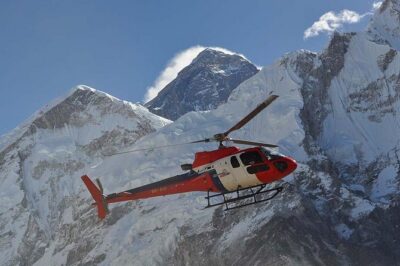
Everest Base Camp Trek with Helicopter Return from Gorakshep to Lukla
Read our review →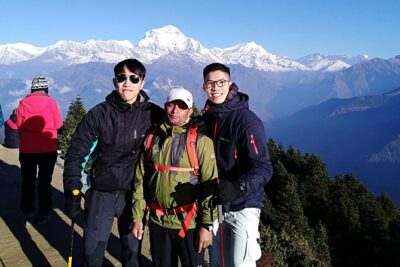
Trekking in Annapurna/Langtang/Everest/Upper Mustang regions
Read our review →Lists this trek appears in