
Review · KATHMANDU
Everest Base Camp Trek
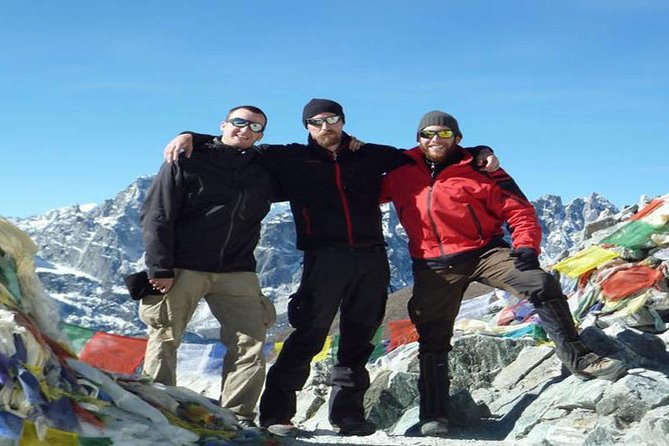
Everest Base Camp is the main event here, but the real reward is the steady change in the trail: forest near Lukla, stone villages around Namche, high mountain valleys near Dingboche, and the cold, stark world around Gorak Shep. The package uses a licensed trekking guide and includes the awkward but essential flight between Kathmandu and Lukla.
I like the practical shape of this trip. Tea house lodging for 11 nights saves you from hauling camping gear, while the two Kathmandu stays give you a bed and a shower before and after the trek. The private format, with no more than eight people, should also make the pace and safety checks easier to manage.
The catch is altitude. Everest Base Camp sits at about 5,364 meters, or 17,598 feet, and fitness alone does not prevent altitude illness. The plan also needs clarification: the description mentions three Kathmandu nights, while the inclusions say two, and the food allowance and gratuities add about $500 per person to the advertised $999 price.
Key details to know before booking
- Lukla flights are included: Round-trip domestic airfare from Kathmandu, including airport tax, removes one major cost and planning task.
- Namche gets an acclimatization day: You do not simply march uphill every day, which is important at these heights.
- Kala Patthar is the sunrise-style viewpoint: The short climb gives you a close look at Everest and the surrounding peaks, though the route remains demanding.
- Tea houses replace tents: Expect basic mountain lodging rather than resort comfort, with 11 nights included along the trekking route.
- Your load should stay under 10 kilograms: You are expected to carry your own luggage, so pack with discipline.
- The trip is private for up to eight people: You can travel with your own group rather than being placed in a large mixed party.
What the $999 price really covers
At first glance, $999 is a strong price for a 14-day Everest Base Camp trek. It includes the Kathmandu to Lukla flights, airport tax, two nights in a three-star Kathmandu hotel with breakfast, 11 nights in tea houses, a government-licensed guide, airport pickup and drop-off, taxes, service charges, a first-aid kit, and a company T-shirt.
That is a useful bundle. The Lukla flights alone are not a minor detail, since arranging them separately can be a headache. The guide matters even more. You are walking through high country where weather can change quickly, trails can be confusing, and medical help is not close at hand. A guide trained in basic first aid and familiar with nearby medical facilities gives you a sensible safety net.
Still, budget for the real cost rather than the headline figure. Food and drinks are listed separately at about $350 per person, and gratuities are estimated at $150. That takes the practical starting price to roughly $1,499 per person, before gear rental, insurance, extra nights caused by delays, or personal purchases.
The package also contains a small paperwork inconsistency. One part describes three nights in Kathmandu, while the included accommodation says two nights, on Day 1 and Day 13. Ask the company to confirm the exact hotel nights and meal plan before paying.
More Everest Base Camp treks around Kathmandu:
- Everest Base Camp Trek – 14 Days
★ 5.0 · 1,499 reviews - Everest Base Camp Trek
★ 5.0 · 842 reviews - Everest Base Camp Trekking
★ 5.0 · 485 reviews
Day 1: Kathmandu, Thamel, and the pre-trek briefing
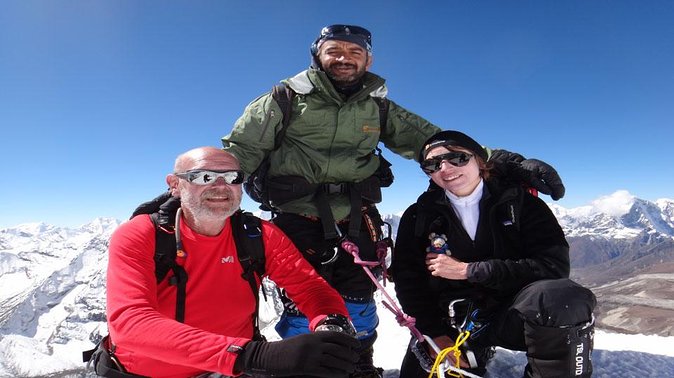
The trip begins at Tribhuvan Airport, where private pickup is included. That is helpful after a long flight, especially if Kathmandu is your first visit and you are staying around Thamel, the city’s main visitor district.
The first day is meant to get you settled. You may have time to walk through Thamel, check equipment, and meet the trekking company. The schedule also lists Kathmandu itself as a stop, but it does not give a detailed city tour. Think of this as an arrival and preparation day, not a sightseeing day.
The company is identified as Himalayan Recreation Treks & Expedition. If you have questions about permits, clothing, luggage, or your guide, ask them here. Your passport copy must be clear and in color, with at least six months of validity. You also need two passport photos, your occupation, and your home address details.
Day 2: Lukla, Phakding, and the first mountain hours
The flight to Lukla takes about an hour. It is the gateway to the trek, and the included airfare is one of the package’s most useful features.
The schedule also places Swayambhunath, Boudhanath Stupa, and the Garden of Dreams on this day before or around the trek. That timing looks crowded, particularly with a flight and the walk to Phakding listed together. Confirm the order with the operator. You may visit the Kathmandu sights before flying, but do not assume the day will allow a relaxed city tour.
From Lukla, the trail leads toward Phakding. The first day is not the highest or longest section, but it introduces you to the walking rhythm. You will be in a remote mountain setting almost at once, with villages and river valleys replacing city streets.
Tea house accommodation begins on the trek. These are basic lodges, not three-star hotels. Your room may be simple, and conditions can become more limited as you climb, so carry a sleeping bag if the operator advises one and expect comfort to decrease with altitude.
Days 3 and 4: Dhudh Koshi River and Namche Bazaar
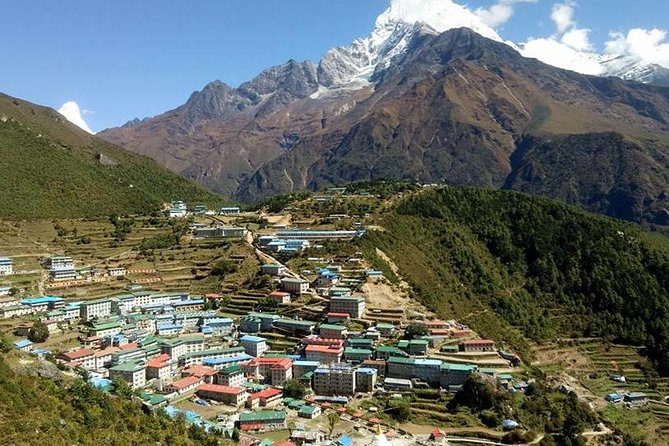
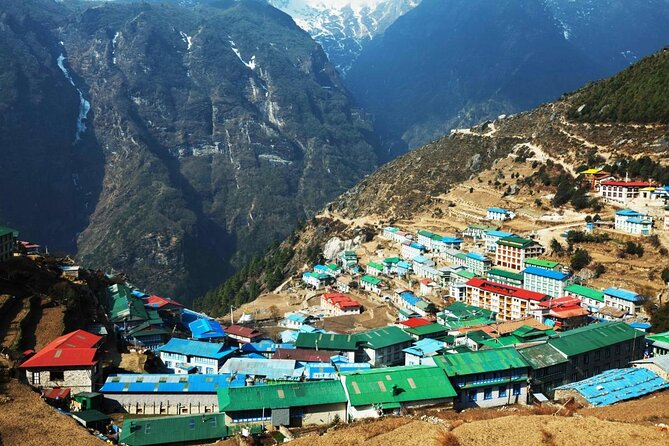
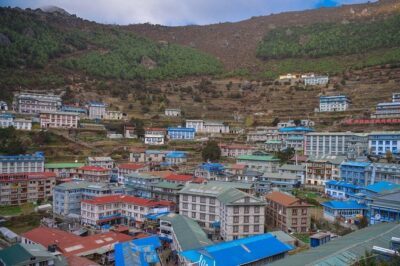
The route to Namche follows the Dhudh Koshi River and climbs toward the most important town in the Khumbu region. Namche Bazaar is more than a scenic stop. It is the key rest and supply point before the trail moves into thinner air.
The schedule assigns a full day to Namche on Day 4, with an excursion to an Everest View Point. That pause is a major strength of the plan. At altitude, a slower schedule gives your body more time to adjust. You can walk high and return lower, which is a common way to build acclimatization without spending a second night at a much greater height.
Namche also offers one of the better chances to rest properly. You can use the extra time to walk, organize your pack, and speak with your guide about headaches, nausea, sleep, or unusual tiredness. Do not hide symptoms to keep the group moving. The guide’s job is to help you finish safely, not simply to keep the published timetable.
More treks around Kathmandu:
- Annapurna Circuit Trek with Tilicho Lake
★ 5.0 · 368 reviews - Everest Base Camp Trekking – 13 Day
★ 5.0 · 365 reviews - Everest Base Camp Trek
★ 5.0 · 350 reviews - Everest Base Camp Trek -14 Days
★ 5.0 · 321 reviews
Day 5: Tengboche and its mountain views
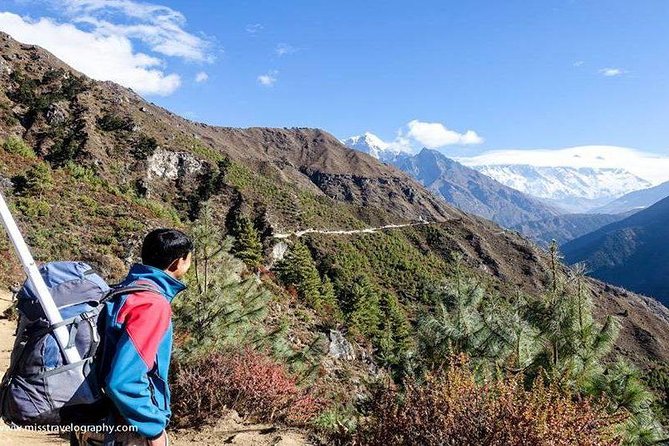
The walk to Tengboche brings a change in scenery and a famous cultural stop, Tengboche Gompa. The monastery is one of the route’s main spiritual landmarks, and the day combines mountain walking with a sense of place that a simple summit-focused trip would miss.
The schedule also calls out Ama Dablam and Taboche. Ama Dablam is especially striking from this section of the trail, with its sharp profile and hanging glaciers. You will have plenty of reasons to stop for photographs, but keep an eye on the clock and your energy. The listed 12-hour duration suggests a long day, although actual walking time can vary.
Tengboche is not a place to rush through. The monastery visit is included, but it is worth treating the area with respect: keep voices low, follow local instructions, and dress appropriately if you enter religious spaces.
Days 6 and 7: Dingboche and the Chukhung side valley
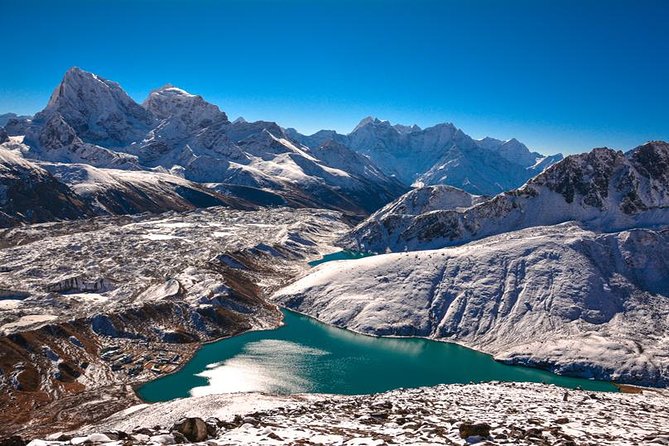
Dingboche is another important altitude stop. The village sits in a more open, exposed valley, and the tree cover becomes much thinner. The schedule gives you a day around Dingboche and mentions Chukhung and Island Peak, though this package is an Everest Base Camp trek, not an Island Peak climbing trip.
That distinction matters. You should not assume a summit attempt, technical climbing, or an Island Peak permit is included. Here, Chukhung appears as part of the walking area and mountain scenery rather than a separate climbing program.
Dingboche is where you will feel the altitude more clearly. Keep your pace slow. Drink regularly, eat even if your appetite drops, and tell your guide about symptoms early. The itinerary does provide acclimatization time, but no schedule can remove the risks of high altitude.
Day 8: Lobuche and the Khumbu Glacier
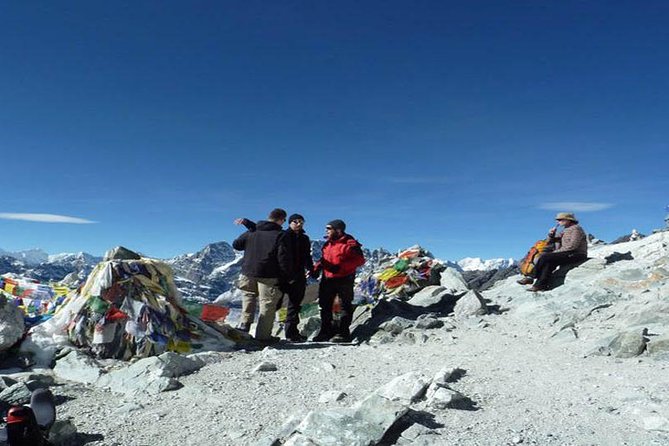
The trail continues to Lobuche, with the Khumbu Glacier listed as a stop. This is a more severe mountain environment, with fewer trees, colder conditions, and a greater sense that you are approaching the main goal.
The glacier is one of the route’s major natural features. It is not simply a photo stop. Ice, rock, and moraine shape the trail here, and the terrain can feel rough underfoot. A good pair of broken-in hiking boots matters more than brand names.
The day is listed as 12 hours, which is a serious commitment at this altitude. Ask the guide how much of that is actual walking and how much includes stops. You should also confirm the planned tea house in Lobuche and what happens if weather or altitude slows the group.
Day 9: Gorak Shep and Everest Base Camp
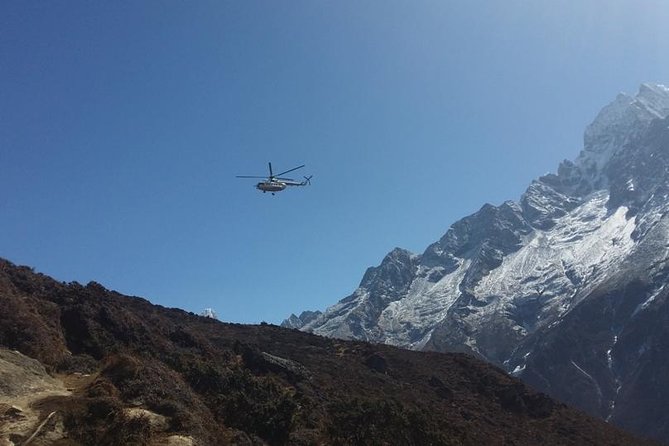
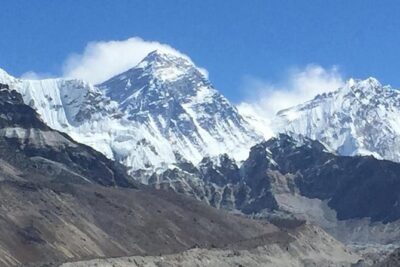
This is the emotional center of the trek. From Lobuche, the route reaches Gorak Shep and continues toward Everest Base Camp, with views connected to Mount Everest and the Khumbu Glacier.
Base Camp itself is not a quiet viewing platform. It is a working mountaineering area during climbing season, and conditions can be rough. The value is in reaching the place, seeing the glacier and surrounding peaks, and understanding the scale of an Everest expedition.
Gorak Shep is high and basic. Sleep may be poor, and the cold can be severe. This is why the earlier rest days matter. You will want to keep the day focused, follow the guide’s pace, and avoid wasting energy on unnecessary detours.
The itinerary lists a 12-hour day, so this is not a casual outing. Carry water, layers, sun protection, snacks, and only the essentials you need for the walk. Your guide should help set the pace and monitor how you are coping.
Day 10: Kala Patthar, Pheriche, and Pangboche
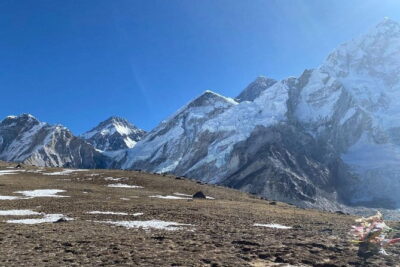
Kala Patthar provides one of the best viewpoints of the trek. The climb is short on paper, listed at one hour, but the altitude makes even a modest ascent feel hard. The reward is a broad view toward Everest and the surrounding high peaks.
After Kala Patthar, the route turns back through the Pheriche and Dughlha area, continuing toward Pangboche. Descending is generally easier on breathing, but it can be tough on knees and ankles after several long days.
This is also a reminder that the trip is not finished when you reach Base Camp. You still need to walk out, catch the Lukla flight, and allow for possible delays. Save some energy and keep your feet in good condition.
Days 11 and 12: Returning to Namche and Lukla
The route returns through Namche Bazaar before continuing to Lukla. Familiar villages may look different on the way down, and the lower altitude usually makes walking and sleeping more comfortable.
The schedule again lists 12-hour days. That is ambitious, so confirm the actual overnight points. A private group gives the guide more room to adjust the pace, but you should not expect every day to feel easy simply because you are descending.
Lukla is your last trekking stop. Keep your documents and flight details organized, and do not plan an immediate international connection after this trip. The operator specifically warns about flight delays and cancellations, so adding one or two spare days is wise.
Days 13 and 14: Kathmandu and departure
Day 13 returns you to Kathmandu by air, followed by the included hotel night listed in the package. This is a useful buffer after the trek and a chance to collect any luggage left at the company office or hotel.
Day 14 is departure. The schedule gives no final sightseeing program, so plan accordingly. If your international flight is on Day 14, confirm that the Lukla to Kathmandu flight timing leaves enough margin. Weather can disrupt the mountain flight, and a same-day connection may be risky.
Guides, group size, and safety
The tour uses a government-licensed trekking guide, and the activity is private for your group. Bookings are capped at eight people. That is a sensible size for narrow trails and high-altitude pacing.
A guide named Basu is associated with the experience, and Bishnu is also identified in the service feedback. If those names matter to you, ask whether either will lead your departure rather than assuming guide assignments are fixed.
The guides have basic first-aid training and know the closest medical facilities. That is useful, but it is not a substitute for proper insurance or medical advice. You must carry travel insurance covering medical treatment and emergency repatriation, and proof is required on the first day.
Speak with your doctor before booking. The package sets a minimum age of eight, but the age rule does not mean the trek suits every child. The key issue is the demanding altitude and the ability to walk long days while reporting symptoms honestly.
What to pack and what to leave behind
The operator recommends keeping your luggage below 22 pounds, or 10 kilograms, because you are expected to carry it yourself. That limit is realistic if you pack for function rather than style.
Bring warm layers, rain protection, sun protection, sturdy footwear, personal medication, and a small day bag. The company says trekking gear can be bought or rented in Kathmandu, with help from the guide.
You can leave extra luggage at the company office or hotel and collect it afterward. This is a major convenience. Pack one small trekking load and keep city clothing, extra shoes, and other nonessential items out of the mountains.
Who should book this trek?
I would choose this package if you want a guided Everest Base Camp route with flights and lodging arranged in one purchase. It suits people who prefer a private group, want support with permits and airport transfers, and do not want to organize tea houses themselves.
I would be more cautious if you have limited hiking experience, are uncomfortable with basic lodging, or need a fixed schedule. Lukla flights can be delayed, the route contains very long days, and altitude affects people unpredictably.
The best fit is a physically prepared person who accepts that the mountain sets the timetable. You need patience, insurance, flexible dates, and the willingness to turn around if your health requires it.
Should you book the Everest Base Camp Trek?
Book it if the included Lukla flights, tea houses, private guide, and Kathmandu transfers match what you need. The price is attractive after you account for what is included, but the true budget is closer to $1,499 before insurance, gear, and delay costs.
Before paying, get written confirmation of the number of Kathmandu nights, the exact food inclusions, the guide assignment, and the plan for flight delays. If those details are clear and you are prepared for high altitude, this is a practical route to Everest Base Camp with strong logistical support and a manageable private group.
The cancellation terms are generous if your plans change early: cancel at least 24 hours before the start time for a full refund. Inside 24 hours, the amount paid is not refunded.
FAQ
How long is the Everest Base Camp Trek?
The experience lasts approximately 14 days, including time in Kathmandu, the trek from Lukla to Everest Base Camp and back, and the return to Kathmandu.
Where does the tour start?
The meeting point is Tribhuvan Airport in Kathmandu, Nepal. Private arrival and departure pickup is included.
Are flights between Kathmandu and Lukla included?
Yes. Round-trip domestic airfare between Kathmandu and Lukla, including airport tax, is included.
How many nights are spent in tea houses?
The inclusions specify 11 nights of tea house accommodation during the trek.
Is Kathmandu accommodation included?
Yes. The inclusions specify two nights in a three-star Kathmandu hotel with breakfast. Another part of the package describes three Kathmandu nights, so confirm the exact number before booking.
Is food included?
Dinner is listed as included, and breakfast is also mentioned in the inclusions. Food and drinks are otherwise listed as an additional cost of about $350 per person. Ask the operator to confirm the daily meal plan.
Do I need travel insurance?
Yes. Insurance covering medical expenses and emergency repatriation is required, and you must show proof to the tour leader on the first day.
Can flights or the trek be delayed by weather?
Yes. The operator warns that Lukla flights can be delayed or canceled and recommends allowing one or two extra days in Nepal.
New treks around Kathmandu
- Kathmandu or Pokhara: 5-Day Annapurna Base Camp (ABC) Trek★ 4.5 · 2 reviews
- Pokhara: 2 Day Ghorepani & Poon Hill Private Trekking★ 4.9 · 8 reviews
- From Kathmandu: 6-Day Langtang Valley Guided Trek★ 5.0 · 2 reviews
- Pokhara: 5-Day Annapurna Base Camp (ABC) Trek★ 5.0 · 9 reviews
- Kathmandu: Langtang Valley 6-Day all inclusive Guided Trek★ 5.0 · 2 reviews
- Kathmandu: 6 Days Langtang Valley Trek with Kyanjin Ri★ 5.0 · 7 reviews
- Kathmandu: 9- Day Annapurna Circuit Trek★ 5.0 · 2 reviews
- Kathmandu: 6-Day Limitless Langtang Trek★ 5.0 · 21 reviews
Everest Base Camp Treks, side by side.
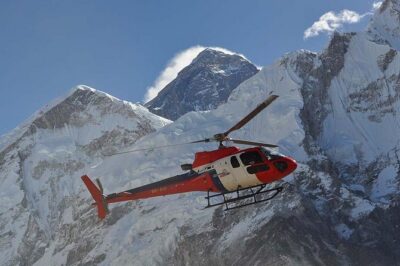
Everest Base Camp Trek with Helicopter Return from Gorakshep to Lukla
Read our review →
Trekking in Annapurna/Langtang/Everest/Upper Mustang regions
Read our review →Lists this trek appears in