
Review · KATHMANDU
12 Days Everest Base Camp Trek
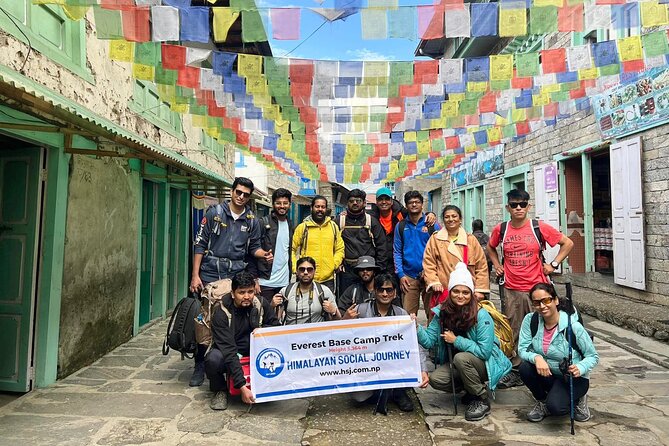
Reaching Everest Base Camp is less about a single heroic push than about steady walking, smart acclimatization, and good support. This 12-day guided trek handles the hard planning, including flights, permits, tea-house lodging, guide services, and a porter shared by two people.
I like the built-in rest days at Namche Bazaar and Dingboche, plus the sunrise climb to Kala Patthar. I also like the practical transport arrangement, with pickup, airport transfers, and the Lukla flights included. The main caution is that this is a demanding high-altitude trek, not a sightseeing holiday, and the trip details contain some conflicting information about duration and meals that you should confirm before paying.
Key points to know before booking
- The trail reaches 5,364 meters at Everest Base Camp, with Kala Patthar offering the classic high mountain viewpoint.
- Two acclimatization days are included, one in Namche Bazaar and another in Dingboche.
- Flights between Kathmandu or Ramechhap and Lukla are included, along with transport before and after the trek.
- A licensed English-speaking guide and porter support the group, with one porter assigned for every two trekkers.
- Tea-house lodging is included, but personal gear, insurance, and most meals are not.
- The advertised price is $1,099 per person, with group discounts available and a maximum group size of 30.
Why this Everest Base Camp route works
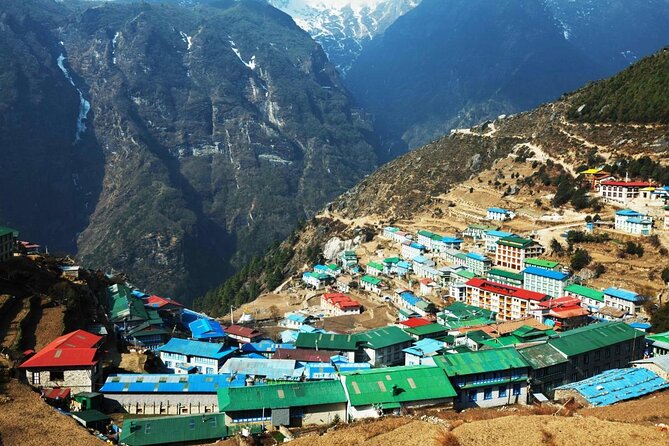
The classic Everest Base Camp route is famous for good reason. You walk through pine forests, Sherpa villages, suspension bridges, monastery country, high valleys, and glacier country before reaching the foot of Mount Everest. The views change as often as the altitude does.
This trip is designed for people who want a guide but do not want to arrange every permit, flight, room, and porter on their own. That is a real benefit in the Khumbu region, where flight schedules, changing weather, and limited accommodation can make independent planning awkward.
The price is also attractive for a guided Everest Base Camp trek. At $1,099, the package includes domestic flights, national park fees, local taxes, guide and porter services, tea-house accommodation, breakfast on a twin-sharing basis, a first-aid kit, and transport. You still need to budget for lunch, dinner, drinks, insurance, personal equipment, and accommodation in Kathmandu.
One important detail needs clearing up. The title and itinerary describe a 12-day trip, while the general overview refers to a 16-day group tour. The day-by-day schedule clearly runs from Day 1 through Day 12, so you should ask Himalayan Social Journey which schedule applies to your departure.
More Everest Base Camp treks around Kathmandu:
- Everest Base Camp Trek – 14 Days
★ 5.0 · 1,499 reviews - Everest Base Camp Trek
★ 5.0 · 842 reviews - Everest Base Camp Trekking
★ 5.0 · 485 reviews
Day 1: Lukla flight and the walk to Phakding
The trip begins with a flight from Kathmandu, or from Ramechhap when operations are arranged there, to Lukla. The flight takes about an hour and brings you to the small mountain airstrip that serves as the usual starting point for Everest treks.
From Lukla, you begin walking through pine forest and Sherpa villages toward Phakding. The trail descends in places, which makes this first walking day less punishing than the following climb to Namche. You should still take it slowly. The first day is the time to settle into the group, check your pace, and see how your body handles the altitude.
Phakding is a pleasant overnight stop with tea-house accommodation. You will have some daylight to look around, but do not treat this as a late-night party. Rest matters from the first evening onward.
Day 2: Suspension bridges and the climb to Namche Bazaar
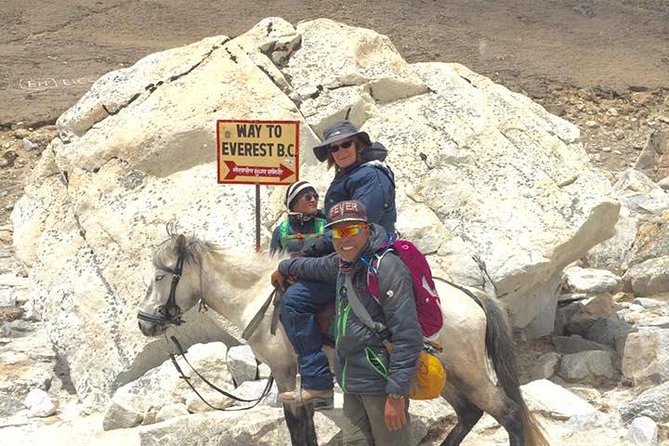
The route follows the Dudh Koshi River through forest and small villages. At Monjo, the group passes the checkpoint for Sagarmatha National Park, then continues through Jorsalle before reaching the Tenzing Hillary Suspension Bridge.
After the bridge, the trail climbs sharply toward Namche Bazaar. This is one of the first genuinely hard sections. You may get views of Thamserku, Everest, and other peaks, but you will need to focus on short, steady steps.
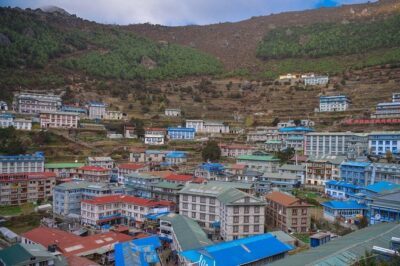
Namche is the commercial center of the Khumbu. It has shops, restaurants, ATMs, government offices, and other useful services. The town is more than a place to sleep. It is where you begin to adjust to the thin air and the rhythm of mountain travel.
Day 3: Namche acclimatization and Syangboche views
The first acclimatization day is well placed. You remain in Namche but take a short hike toward Syangboche and the Hotel Everest View area.
The point is not to exhaust yourself. A controlled walk to a higher elevation, followed by sleep at a lower one, helps your body adjust. You can also use the day to check equipment, buy small supplies, charge devices if available, and rest your legs.
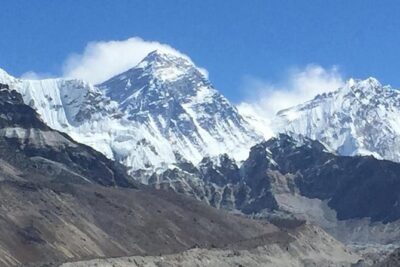
The views from Syangboche are a highlight, with Everest and surrounding peaks visible in good conditions. The day may look easy on paper, but do not waste it by walking too far or staying up late. Acclimatization is one of the most important parts of the trip.
More treks around Kathmandu:
- Annapurna Circuit Trek with Tilicho Lake
★ 5.0 · 368 reviews - Everest Base Camp Trekking – 13 Day
★ 5.0 · 365 reviews - Everest Base Camp Trek
★ 5.0 · 350 reviews - Everest Base Camp Trek -14 Days
★ 5.0 · 321 reviews
Day 4: Tengboche Monastery and Deboche
The trail leaves Namche and heads toward Tengboche, a village known for its monastery. Tengboche Monastery is described as the largest in the Everest region, and it gives the route a strong cultural element beyond the mountain scenery.
This section takes roughly five to six hours to Tengboche, followed by a move toward Deboche. You cross the Imja River and spend the night in a tea house there.
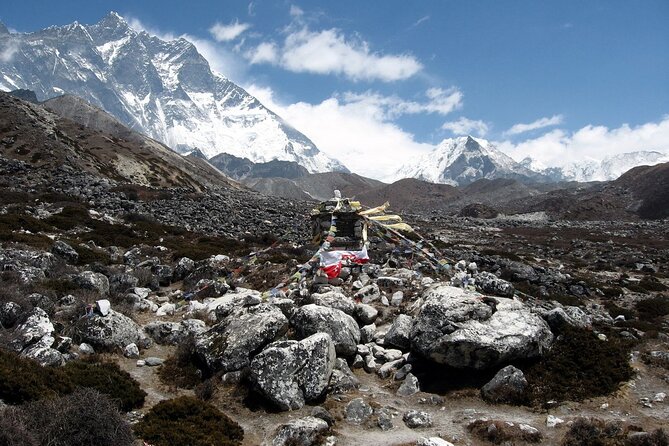
The route passes through birch, conifer, and rhododendron forest. In good weather, Ama Dablam becomes a major visual presence, along with Everest and Lhotse. The trail is not simply a march toward Base Camp. Places such as Tengboche help you understand the religious and local setting of the Khumbu.
Day 5: Into the Imja Valley and Dingboche
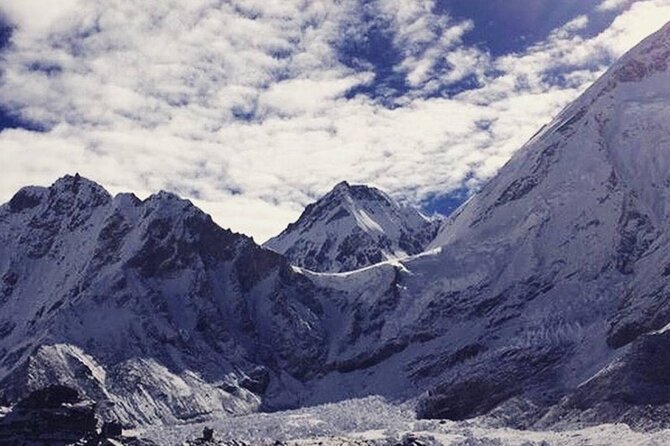
The walk continues through forest before opening into the Imja Valley. You pass the Lobuche River and climb toward Dingboche, usually a five to six hour walking day.
Dingboche is an important stop because the elevation is now serious and the scenery has become more open and rugged. Ama Dablam, Everest, and Lhotse remain key landmarks, while the trees begin to thin out.
Tea-house rooms at this height are functional rather than luxurious. One of the clearest practical points from the supplied information is that comfort becomes more basic as you climb. You should expect shared twin accommodation and simple facilities, not resort standards.
Day 6: Dingboche acclimatization and Nangkartshang Peak
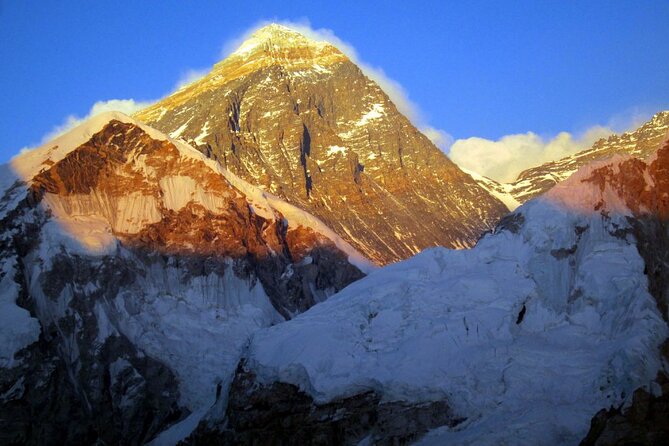
The second acclimatization day gives you a chance to rest while still taking a useful hike. The suggested climb toward Nangkartshang Peak provides views toward Makalu, Lhotse, Cholatse, Tawache, and Ama Dablam.
This is a good place to follow your guide’s advice closely. You may feel strong in the morning and sluggish later in the day. Do not race to the top simply because the route is called an acclimatization hike. The goal is to prepare for the higher stages, not to collect extra exhaustion.
Dingboche is also a natural place to organize your pack. Keep warm layers, water, snacks, gloves, and sun protection close at hand. You will spend much of the remaining trek above the tree line, where wind and cold can become more noticeable.
Day 7: Thukla Pass and Lobuche
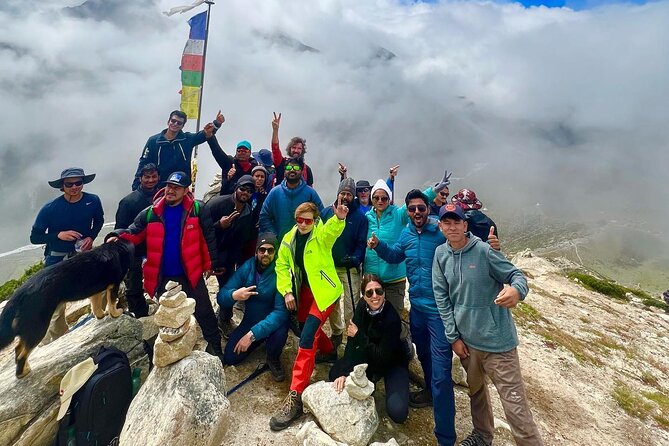
The walk from Dingboche to Lobuche brings you into rougher, higher terrain. The route rises toward Thukla Pass, where you can pause for views of Pumori and Nuptse before continuing to Lobuche.
This is one of the days when altitude can make an ordinary distance feel long. The air is thinner, the trail is more exposed, and the scenery has a stark high mountain quality. Lunch is planned around Thukla before the final stretch to Lobuche.
Lobuche is not a place to linger outdoors late into the evening. Keep your evening simple: eat, drink what you can, prepare your clothes, and sleep. The next day is the main goal of the trek.
Day 8: Gorakshep and Everest Base Camp
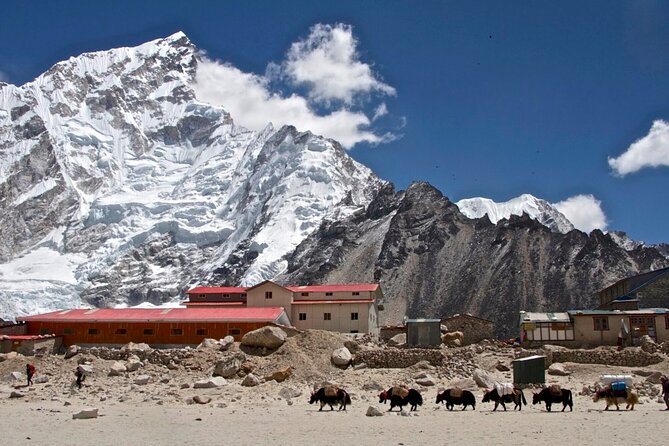
You start from Lobuche and follow rocky terrain toward Gorakshep, the last settlement before Everest Base Camp. After checking into a tea house and having lunch, you continue toward Base Camp through the Khumbu Glacier area.
The trail to Base Camp is not a paved path or a quick photo stop. It is a high-altitude walk over rocky ground, and the route can feel demanding because you have already gained so much elevation. Your guide’s pacing and judgment matter here.
At Everest Base Camp, you have time for photographs and a moment to take in where you are. The exact appearance of the camp can vary with the climbing season, but the wider setting includes the Khumbu Glacier and a huge ring of peaks.
You then return to Gorakshep for the night. This out-and-back arrangement is useful because your room and main overnight kit remain at the tea house, but the return walk still makes for a very long day.
Day 9: Kala Patthar sunrise and the descent to Pheriche
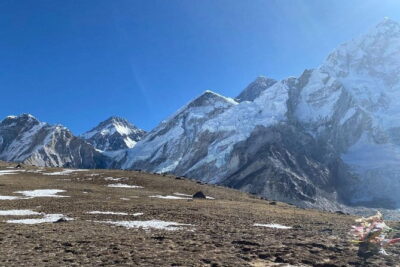
The day begins early with a climb toward Kala Patthar. This is the classic viewpoint for broad Himalayan views and sunrise light on Everest and nearby peaks.
For many people, Kala Patthar is as memorable as Base Camp itself. Base Camp places you near the glacier and the expedition route, while Kala Patthar gives you the wider mountain panorama. You should carry warm clothing and a headlamp if your guide advises it, since the departure is early and conditions can be cold.
After descending to Gorakshep, you eat breakfast and continue downhill toward Pheriche. The route may include a lunch stop around Lobuche or Thukla. Descending feels easier for breathing, though your knees may notice the long day.
Days 10 to 12: Returning through Namche and Lukla
Day 10 takes you back toward Namche Bazaar. The lower altitude usually feels welcome, and familiar villages and bridges give the return walk a reflective quality. The route is not simply a repeat of the outward journey, since the changing light and easier breathing can make the same trail feel different.
On Day 11, you walk from Namche to Lukla. The route passes through Phakding, forests, and suspension bridges before reaching the town where the trek began. This is a long day, so save some energy and do not assume that the descent will be effortless.
Day 12 brings the flight back to Kathmandu, with a transfer to the trip hotel. Flight timing depends on mountain weather, so keep your schedule flexible after the trek. The package includes the domestic flight and transport arrangements, but accommodation in Kathmandu is not included.
Guides, porters, and group size
The package includes a professional, licensed English-speaking guide and porters at a ratio of one porter for every two trekkers. That ratio matters. You can carry a daypack while the porter handles the heavier duffle, but you should still pack carefully and keep essential personal items with you.
Past departures have included guides named Dawa Sherpa, Indra, Mingmar, Santosh, Sonam, and Khilraj. The supplied information does not promise a particular guide for every departure, so ask who is assigned to your group before you go.
The maximum group size is 30. That is large enough to create a social atmosphere and potentially keep the price down, but it can also mean slower movement and less individual attention. If you want a quieter pace or more control over rest stops, ask about a smaller group or private arrangement.
What the $1,099 price really covers
The price offers solid value if you were already planning to hire a guide, porter, arrange flights, obtain permits, and book tea houses. Included costs cover:
- Kathmandu or Ramechhap to Lukla flights and the return flight
- Airfare for the trekking crew
- Sagarmatha National Park fees
- Lukla entrance fees and local taxes
- Airport, hotel, and port pickup and drop-off
- Licensed English-speaking guide
- Porter support
- Tea-house accommodation during the trek
- Breakfast on a twin-sharing basis
- First-aid kit and government office expenses
- Duffle bags if needed
You still pay for personal equipment and clothing, travel insurance, alcoholic drinks, and accommodation in Kathmandu. The meal information needs clarification because one section says breakfast is included, while another says breakfast, lunch, dinner, and drinks are not included. Ask exactly which meals are covered before departure.
Who should book this trek
This route suits an active person with moderate physical fitness and some mountain trekking experience. You do not need to be an expert mountaineer, but you do need to accept long walking days, cold conditions, basic tea houses, and limited comfort at high altitude.
It is a good match if you want support from a guide, prefer a set route, and value having flights and permits arranged. It also works well for a solo person who wants to join a group, since one departure included a solo enrollee joining a team of 17.
I would not choose it for someone who dislikes shared rooms, has no interest in walking for many hours, or expects a luxury trek simply because the schedule uses the word luxury in a few descriptions. The Gokarna Forest Resort night in Kathmandu adds a comfortable touch, but high-altitude lodging remains simple.
The cancellation terms are strict close to departure. Cancel at least six full days ahead for a full refund, two to six days ahead for a 50 percent refund, and less than two days ahead for no refund. Poor weather can cancel the experience, in which case you are offered another date or a full refund.
Should you book it?
Book this trek if you want the famous Everest Base Camp route with the major practical pieces arranged for you, and if you are prepared for real physical effort. The acclimatization days, experienced local staff, porter support, and included Lukla flights make the package appealing.
Before booking, confirm the 12-day versus 16-day wording, the meal plan, your Kathmandu hotel arrangements, the assigned guide, and the flight origin. If those details line up with your needs, $1,099 is a sensible price for a guided Everest Base Camp experience. If you want privacy, flexible pacing, or stronger accommodation, pay more for a smaller private trek instead.
FAQ
How long is the Everest Base Camp trek?
The advertised itinerary runs for 12 days, from the flight to Lukla on Day 1 through the return flight to Kathmandu on Day 12. Another description refers to a 16-day group tour, so you should confirm the exact schedule before booking.
What is included in the tour price?
The price includes domestic flights between Kathmandu or Ramechhap and Lukla, crew airfare, transport and transfers, national park and local fees, a licensed English-speaking guide, porter support, tea-house accommodation, breakfast on a twin-sharing basis, a first-aid kit, and government expenses.
Are meals included?
Breakfast is stated as included with tea-house accommodation on a twin-sharing basis. Another section says breakfast, lunch, dinner, and drinks are not included, so you should confirm the precise meal arrangement with the operator.
Is accommodation in Kathmandu included?
No. Accommodation in Kathmandu is listed as an extra, although one-night accommodation at Gokarna Forest Resort is described as included. Confirm how that Kathmandu night fits into your specific departure schedule.
What fitness level is required?
The trek is intended for people with moderate physical fitness and some mountain trekking experience. It includes long walking days, steep climbs, high altitude, and basic accommodation.
Does the tour include acclimatization days?
Yes. You spend an acclimatization day in Namche Bazaar, including a hike toward Syangboche and the Hotel Everest View area. A second acclimatization day is scheduled in Dingboche, with an optional hike toward Nangkartshang Peak.
Is a guide and porter provided?
Yes. The package includes a licensed English-speaking guide and porter support, with one porter assigned for every two trekkers.
What is the maximum group size?
The maximum group size is 30 people. Group discounts are available.
What happens if bad weather cancels the trip?
Because the experience requires suitable weather, a weather cancellation results in the choice of a different date or a full refund.
New treks around Kathmandu
- Kathmandu or Pokhara: 5-Day Annapurna Base Camp (ABC) Trek★ 4.5 · 2 reviews
- Pokhara: 2 Day Ghorepani & Poon Hill Private Trekking★ 4.9 · 8 reviews
- From Kathmandu: 6-Day Langtang Valley Guided Trek★ 5.0 · 2 reviews
- Pokhara: 5-Day Annapurna Base Camp (ABC) Trek★ 5.0 · 9 reviews
- Kathmandu: Langtang Valley 6-Day all inclusive Guided Trek★ 5.0 · 2 reviews
- Kathmandu: 6 Days Langtang Valley Trek with Kyanjin Ri★ 5.0 · 7 reviews
- Kathmandu: 9- Day Annapurna Circuit Trek★ 5.0 · 2 reviews
- Kathmandu: 6-Day Limitless Langtang Trek★ 5.0 · 21 reviews
Everest Base Camp Treks, side by side.
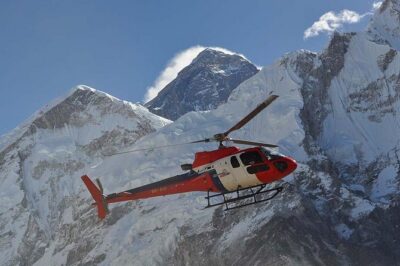
Everest Base Camp Trek with Helicopter Return from Gorakshep to Lukla
Read our review →
Trekking in Annapurna/Langtang/Everest/Upper Mustang regions
Read our review →Lists this trek appears in