
Review · KATHMANDU
Mardi Himal Trek
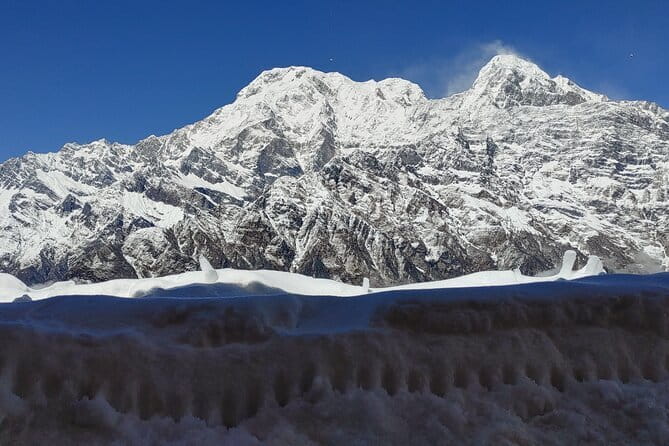
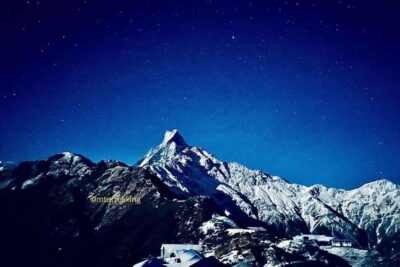
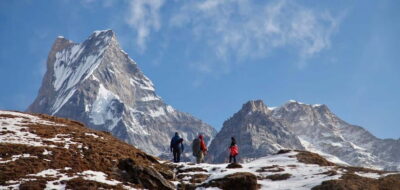
The best reason to choose the Mardi Himal Trek is the payoff at Mardi Base Camp, where the trail opens to broad views of the Annapurna Massif, Mount Machhapuchhre, and Mardi Himal. You start among rhododendron and pine woods, then climb through open high country before reaching about 4,500 meters.
I like two things here: the route is short enough for a first Himalayan trek, and the package takes care of the fiddly parts, including domestic flights, permits, a porter, mountain lodging, and most meals. The main catch is altitude. Beginner-friendly does not mean effortless, and cold nights, long walking days, and tired knees are part of the deal.
Key points to know before booking
- Mardi Base Camp reaches about 4,500 meters: This is the trek’s most demanding and rewarding section.
- The 11-day plan includes cities and villages: You get time in Kathmandu and Pokhara as well as the mountain trail.
- A guide and porter are included: The guide’s meals, lodging, insurance, and salary are covered, as is the porter’s support.
- The route changes character each day: Expect woods, rhododendron, tea gardens, village paths, and exposed mountain views.
- Most major costs are bundled into the $1,058 price: Flights, permits, transfers, hotels, lodges, meals, and equipment are included.
- Cold-weather gear matters: A down jacket and sleeping bag are available on request, but you should still bring enough warm clothing.
Why Mardi Himal works for a first Himalayan trek
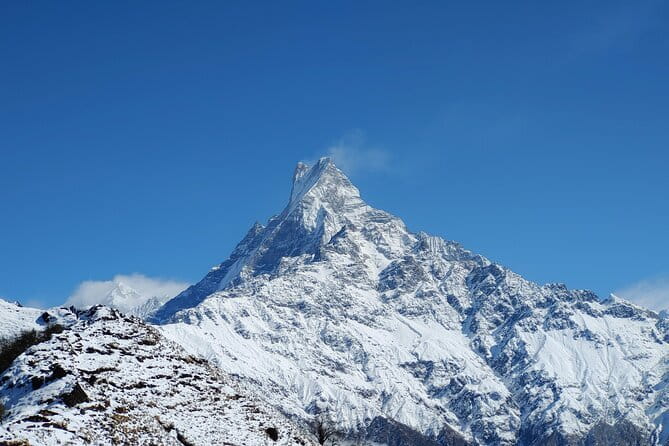
Mardi Himal is a sensible introduction to trekking in Nepal because it gives you a real high-altitude goal without committing you to a much longer expedition. The route passes through Deurali, Forest Camp, Low Camp, High Camp, and Mardi Base Camp, with walking days generally lasting five to seven hours.
That still requires moderate physical fitness. You will walk uphill, descend on tired legs, and sleep above 3,000 meters for several nights. The itinerary shortens some days at higher elevations, which helps, but it cannot remove the effect of altitude.
I especially like the route’s variety. The first part feels wooded and sheltered, with rhododendron and pine. Later, the trees thin out and the views become the main event. In spring, rhododendrons add strong color to the forest. At higher points, you look toward Annapurna, Machhapuchhre, and Mardi Himal rather than simply walking from one lodge to the next.
The route also leaves room for ordinary Nepalese life. Deurali is a village stop, Lwangghale includes old houses and tea gardens, and the return to Pokhara gives you a softer landing after the mountain days. That mix makes the trip feel more complete than a trek that only focuses on reaching a high point.
More Mardi Himal treks around Kathmandu:
- Pokhara: 4-Day Mardi Himal Trek
★ 4.9 · 59 reviews - Private Mardi Himal Trek
★ 5.0 · 42 reviews - From Pokhara: 4-Day Mardi Himal Base Camp Trek
★ 4.9 · 31 reviews
Kathmandu to Pokhara: a quick start with useful city time
Day one begins with an airport pickup after you receive your Nepal entry authorization. You are taken to Thamel, Kathmandu’s main visitor district, and have time to rest after your arrival.
The first day is deliberately light. That is helpful after an international flight, and it gives you a chance to settle in before the walking begins. Kathmandu returns at the end of the trip for a guided city visit, so you do not have to choose between mountain scenery and Nepal’s cultural sights.
On day two, you take an early domestic flight from Kathmandu to Pokhara. The flight is included for both you and the guide, which removes one of the trip’s larger transport expenses. From Pokhara, a vehicle takes you to Kande, where the walking starts.
The first hike lasts about five hours and leads toward Deurali. The trail begins fairly gently and becomes more demanding as it climbs. This is a good first mountain day because you are not immediately asked to tackle the highest parts of the route.
Pokhara is also a practical base. You spend time there again after the trek, with breakfast at a lakeside spot and a guided visit to places such as Davis Waterfall and Gupteswor Mahadev Cave. Meals in Pokhara are mostly your own expense, apart from the listed included breakfast, so allow for that when planning your spending.
Forest Camp and the first real climb
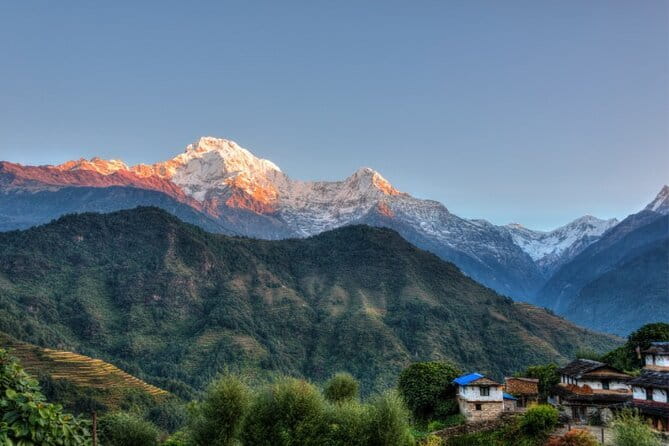
After a mountain meal in Deurali, day three continues toward Forest Camp. The walk takes about six hours. The trail passes through woodland, giving you shade and a close look at the route’s rhododendron and pine setting.
This section is less about big views and more about finding your rhythm. You will want comfortable footwear, a steady pace, and enough water. The support of a porter matters here, since you can walk with a lighter daypack while your larger bag is carried ahead.
Forest Camp marks a clear change in the trip. You are now well into the mountain route and sleeping in a simpler lodge setting. Accommodation is in the best available twin-sharing lodges, not full-service hotels. That means fewer comforts, possible extra charges for hot showers or WiFi, and a greater need to keep your sleeping gear dry and accessible.
Day four continues through mixed woodland toward Low Camp, with about five hours of walking. Since you are already above 3,000 meters, the day is shorter by design. The slower pace is a useful part of the plan, not wasted time.
Low Camp and High Camp: where altitude begins to matter
Day five follows the same sensible pattern. You continue with a shorter walking day, around five hours, to help your body adjust to the height. Staying hydrated is important, and the trip specifically encourages you to drink plenty of water.
This is where the trek may feel harder than its reputation suggests. The path may not be technically difficult, but altitude can make a normal uphill walk feel much longer. You may also notice that sleep and appetite are different at this height. Listen to your guide, keep your pace calm, and do not treat the schedule as a race.
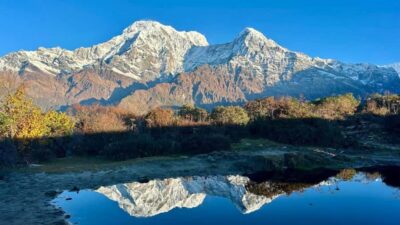
The route toward High Camp brings you closer to the main mountain views. The trees begin to give way to more open ground, and the Annapurna range and Machhapuchhre become stronger visual companions. The reward is immediate, but the conditions are more exposed and colder.
The practical advice is simple: bring warm layers, gloves, a hat, and enough insulation for the night. The operator can provide a down jacket and sleeping bag on request, with both returned after the trek. I would confirm that arrangement before departure rather than assume the items will appear automatically.
More treks around Kathmandu:
- Everest Base Camp Trek – 14 Days
★ 5.0 · 1,499 reviews - Everest Base Camp Trek
★ 5.0 · 842 reviews - Everest Base Camp Trekking
★ 5.0 · 485 reviews - Annapurna Circuit Trek with Tilicho Lake
★ 5.0 · 368 reviews
Mardi Himal Base Camp at about 4,500 meters
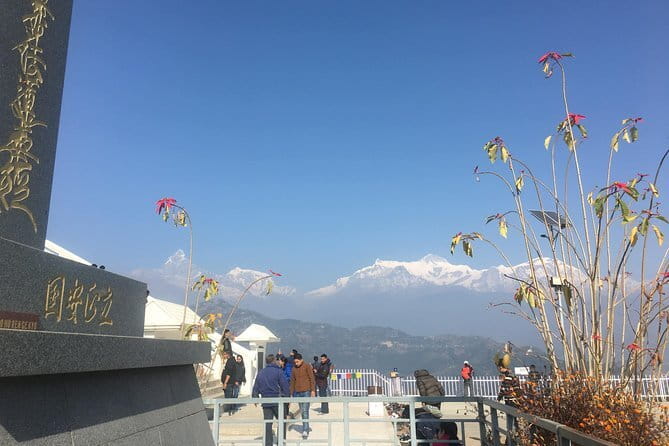
Day six is the high point of the trip, both literally and emotionally. After breakfast, you walk toward Mardi Himal Base Camp, with about seven hours on the schedule. The route includes a major viewpoint with wide views of the Annapurna Massif, Machhapuchhre, and Mardi Himal.
This is the day to pace yourself carefully. Seven hours at high altitude can be a serious effort, especially if the weather changes. The base camp section is described as the most beautiful and exciting part of the trek, but it is also where tiredness, cold, and thin air are most likely to test you.
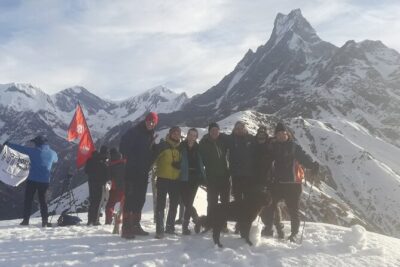
Reaching about 4,500 meters is a real achievement for a first trek. You should not underestimate it simply because the route is marketed as suitable for beginners. The guide’s role is especially valuable here. Birendra is specifically praised for careful arrangements, friendly encouragement, photography, and adapting plans when conditions became difficult. Guide assignments can vary, but the package does include a licensed, ministry-trained guide.
The views are the main prize. You get the Annapurna range from a high ridge rather than a city viewpoint, with Machhapuchhre’s distinctive profile close to the center of the scene. Clear weather is never guaranteed in the mountains, so keep your expectations flexible. The effort remains worthwhile even when clouds limit the full panorama.
The descent to Sidding and Lwangghale
Day seven reverses the direction and brings you down toward Sidding. The walk lasts about six hours and begins among rhododendron and pine trees. Lunch may be taken at Low Camp, depending on the timing and pace of the group.
Descending sounds easier, but it can be tough on knees after the base camp push. One piece of practical advice comes directly from the experience of people who completed the route: bring warm clothes for the high camps, and do not assume the descent will feel effortless. Trekking poles, if you use them, would be useful, though they are not listed among the included items.
Day eight continues toward Lwangghale, also called Lwong in the route description. This is often one of the most pleasant days because the path is mostly level. The village has traditional ancestral houses, giving you a closer look at local life after several nights in mountain lodges.
Lwangghale also has tea gardens. Day nine begins early so you can walk through them at sunrise before returning for breakfast. That morning adds a quieter, more local moment to the trip. It is a welcome contrast to the dramatic but demanding base camp day.
Food is another practical part of the village and lodge experience. The package includes eight lunches, eight dinners, and ten breakfasts, covering the trek and the listed hotel stays. Drinks, snacks, WiFi, hot showers, and personal purchases cost extra. High Camp pizza is specifically singled out as something worth trying, so keep a little spending money handy.
Pokhara after the trail
Day nine ends with the return to Pokhara after the early tea-garden walk. This is the point where a hot shower, a proper bed, and a slower meal will feel well earned. You spend day ten in Pokhara, starting with breakfast at a lakeside place and then visiting local sights.
The city program includes Davis Waterfall and Gupteswor Mahadev Cave, along with other attractions. The schedule lasts about five hours, so it gives you a look at Pokhara without filling every minute. I like this pause because it prevents the trek from ending the moment you leave the mountains.
Pokhara is also where you can review your spending. The trek package covers specified meals, but meals in Kathmandu and Pokhara are generally not included. Personal expenses, drinks, tips, WiFi, and hot showers are also separate. At $1,058 per person, the price is easier to judge once you account for the domestic flights, private ground transfers, permits, hotels, porter support, guide costs, and mountain meals included.
For a private trip, that is a substantial amount of logistical work handled for you. The value is strongest if you want a supported trek and do not want to arrange flights, transport, permits, accommodation, and staff on your own. It is less attractive if you prefer independent travel or plan to keep city time very cheap.
Kathmandu and the final day
Day eleven returns you to Kathmandu and includes about five hours with a town guide. The schedule is designed to show you popular cultural and historic sights before the activity ends back at the meeting point in Thamel.
The city day matters because Kathmandu is more than an airport stop. It gives the trip a proper cultural finish after the mountain portion. You also have the comfort of private transfers for airport, city, and sightseeing movements, rather than having to negotiate each ride yourself.
The meeting point is the Mission Himalaya Treks and Expeditions office on Thamel Marg. Pickup is offered, and the activity operates daily during the stated season. Confirmation is provided when you book, and service animals are allowed.
What the $1,058 price really covers
The cost includes more than the walking itself:
- Private ground transfers for airport movements, sightseeing, and city transfers
- Kathmandu to Pokhara and return flights, including the guide’s ticket
- Three-star hotel accommodation in Kathmandu and Pokhara with breakfast
- ACAP and TIMS permits
- A licensed guide with meals, lodging, salary, and insurance
- A porter with meals, lodging, salary, and insurance
- Twin-sharing lodge accommodation during the trek
- Eight lunches, eight dinners, and ten breakfasts
- Government taxes, GST, and company service charges
- A down jacket, sleeping bag, and duffel bag on request
You still need to budget for international flights, the Nepal visa, travel and rescue insurance, meals in Kathmandu and Pokhara, drinks, snacks, hot showers, WiFi, tips, and personal purchases. Rescue insurance deserves special attention because the route reaches high altitude.
The private format is another important value point. Only your group participates, so the guide can work with your pace more easily than on a large fixed group departure. Group discounts are available, but the exact saving is not stated, so ask before booking.
Who should book the Mardi Himal Trek?
I would choose this trip if you want a first Himalayan trek with a clear route, staff support, and a mix of mountain and city time. It suits people who can manage five to seven hours of walking on several days and who are comfortable with simple lodges and basic mountain conditions.
It is also a good fit if you care about the practical details. Flights, permits, private transfers, staff costs, meals, and equipment support are already arranged. That lets you focus on walking and scenery instead of transport paperwork.
I would think twice if you dislike cold nights, shared lodge rooms, long downhill walks, or changing mountain weather. The route is described as relatively easy, but reaching 4,500 meters is not a casual outing. Anyone with concerns about altitude or health should seek appropriate medical advice before booking, and everyone should carry travel and rescue insurance.
Should you book this trek?
Book it if Mardi Base Camp is your main goal and you want a supported route that still includes villages, forests, tea gardens, Pokhara, and Kathmandu. The package gives first-time trekkers a strong balance of structure and adventure, with a porter and guide included and most major costs covered.
Do not book it just because it sounds easy. You need reasonable fitness, warm clothing, patience with basic lodges, and respect for altitude. If you accept those limits, the route offers a memorable first taste of Nepal’s high mountains at a price that is competitive for an 11-day private program.
Cancellation is free up to 24 hours before the start time. Changes or cancellations inside that window are not accepted for a refund, and money is not returned if you decide to leave the trek early.
FAQ
How long is the Mardi Himal Trek?
The full experience lasts approximately 11 days, including Kathmandu, Pokhara, the mountain trek, and the return to Kathmandu.
What is the highest point on the trek?
Mardi Himal Base Camp is reached at about 4,500 meters.
Is the trek suitable for beginners?
It is presented as a relatively easy Himalayan route for novice hikers, but you still need moderate physical fitness. Walking days last about five to seven hours, and altitude makes the higher sections harder.
Are flights between Kathmandu and Pokhara included?
Yes. The package includes domestic flights from Kathmandu to Pokhara and back, including the guide’s tickets.
Are a guide and porter included?
Yes. A licensed, ministry-trained guide and an experienced porter are included. Their meals, accommodation, salary, and insurance are covered.
What meals are included?
The package includes eight lunches, eight dinners, and ten breakfasts. Meals in Kathmandu and Pokhara are generally not included except for the stated breakfasts.
Is accommodation included?
Yes. Kathmandu and Pokhara accommodation is in three-star category hotels with breakfast. During the trek, you stay in the best available twin-sharing lodges.
What happens if I need to cancel?
You can cancel at least 24 hours before the experience start time for a full refund. Cancellations or changes made less than 24 hours before the start are not accepted for a refund.
New treks around Kathmandu
- Kathmandu or Pokhara: 5-Day Annapurna Base Camp (ABC) Trek★ 4.5 · 2 reviews
- Pokhara: 2 Day Ghorepani & Poon Hill Private Trekking★ 4.9 · 8 reviews
- From Kathmandu: 6-Day Langtang Valley Guided Trek★ 5.0 · 2 reviews
- Pokhara: 5-Day Annapurna Base Camp (ABC) Trek★ 5.0 · 9 reviews
- Kathmandu: Langtang Valley 6-Day all inclusive Guided Trek★ 5.0 · 2 reviews
- Kathmandu: 6 Days Langtang Valley Trek with Kyanjin Ri★ 5.0 · 7 reviews
- Kathmandu: 9- Day Annapurna Circuit Trek★ 5.0 · 2 reviews
- Kathmandu: 6-Day Limitless Langtang Trek★ 5.0 · 21 reviews
Mardi Himal Treks, side by side.
Pokhara: 4-Day Mesmerizing Mardi Himal Guided Trek
Read our review →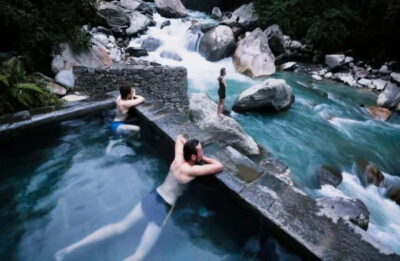
Pokhara: Majestic Mardi Base Camp Guided Trek with HotSpring
Read our review →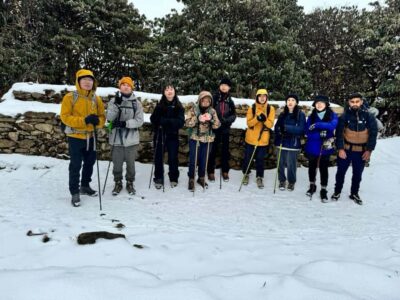
Pkr. Backpacker Group Dep.: 4 Day Mardi Himal Base Camp Trek
Read our review →Lists this trek appears in