
Review · KATHMANDU
Langtang Valley Trek
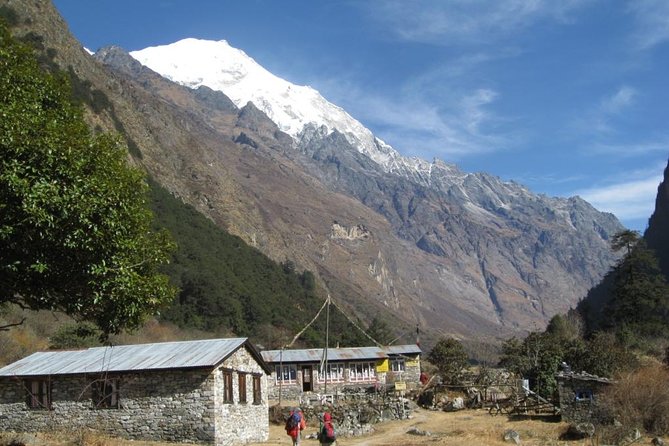
The best thing about the Langtang Valley Trek is how quickly it carries you from Kathmandu’s busy streets into a high Himalayan valley. Within two days, you are walking beside rushing rivers, through Tamang settlements, and beneath the huge walls of Langtang Lirung. The route reaches Kyanjin Ri at 4,773 meters and Chorkari Ri at 5,050 meters, so this is not a gentle stroll, but the approach is gradual and well suited to people with moderate fitness.
I like the short overland access and the way the route combines mountain scenery with village life. I also like the practical package: an English-speaking guide, porter support, meals, permits, trekking lodges, airport transfers, and two nights in a three-star Kathmandu hotel are included. The main caution is altitude. The schedule calls the trail easy in places, but the high climbs are demanding, and you should not treat the 10-day timetable as a casual holiday.
Key points at a glance
- Reach the Himalayas by road: The trek begins with a roughly seven-hour public bus ride from Kathmandu to Syabru Bensi, avoiding a domestic flight.
- Sleep in the heart of the valley: Kyanjin Gompa gives you time to explore the Buddhist monastery and make two high-altitude climbs.
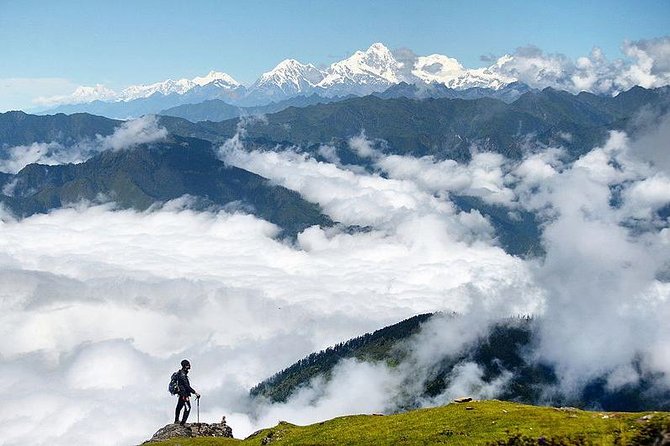
- Climb above 4,700 meters: Kyanjin Ri reaches 4,773 meters, while Chorkari Ri rises to 5,050 meters.
- Meet Tamang communities: The route passes welcoming ethnic Tamang villages and offers a closer look at local mountain life.
- Eat simply but well: Full-board meals include breakfast, lunch, dinner, and tea or coffee, with yak cheese among the local specialties.
- Get a full support package: One guide and one porter are provided for every two trekkers, with a maximum group size of 15.
Why Langtang works so well from Kathmandu
Langtang is one of Nepal’s most convenient major trekking areas. The trailhead at Syabru Bensi is reached by road from Kathmandu, and the package includes the surface transfer in a public bus. That saves you the extra airport time, baggage rules, and cost that come with a domestic flight to a more remote trekking region.
The road ride is long, at about seven hours, and you should expect a basic public transport experience rather than a private, polished transfer. Still, it puts the trek within practical reach of visitors with limited time. You arrive in Syabru Bensi at 1,462 meters, then gain height in stages instead of jumping straight into thin air.
The route lies within Langtang National Park, Nepal’s first Himalayan national park. The protected area is home to mountain flora and fauna, and one solo trekker arranged the trip partly around birdwatching, recording 25 rare birds. That does not turn the walk into a wildlife tour, but it gives you a reason to slow down and look beyond the peaks.
More Langtang treks around Kathmandu:
- Langtang Valley Trek
★ 5.0 · 140 reviews - Langtang Valley Trek
★ 5.0 · 50 reviews - Kathmandu: 6-Day Limitless Langtang Trek
★ 5.0 · 21 reviews
Day 1: Kathmandu arrival and a useful first night
The first day is for arrival at Tribhuvan International Airport. A private vehicle collects you and later returns you to the airport at the end of the trip. Two nights in Kathmandu at a three-star hotel with breakfast are included, one near the beginning and one near the end of the schedule.
That first night matters. You can meet the guide, sort your trekking bag, and handle last-minute questions before leaving the city. The company provides a duffle bag for the trek, but it must be returned, so keep your own packing organized and separate from anything you plan to leave behind.
Kathmandu lunches and dinners are not included. Budget for those meals, along with your Nepal entry visa, travel insurance, personal trekking equipment, internet access, hot showers on the trail, and tips for the guide, porter, and driver.
Day 2: The road to Syabru Bensi
The drive from Kathmandu to Syabru Bensi takes about seven hours. This is one of the less comfortable parts of the trip, but it is also part of the story. The city gives way to rural roads, river valleys, and hill country before you reach the starting point at 1,462 meters.
Because the transfer uses a public bus, timing and comfort may vary. The package does not include a private vehicle, though you can arrange and pay for one separately if you prefer more control over the ride. For many people, the public bus is the better value choice, especially since the $830 price already covers a considerable amount of support.
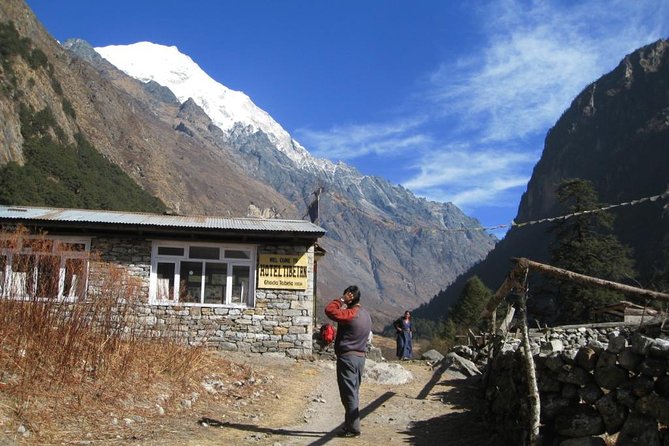
Syabru Bensi is more than a staging point. It is the first place where the trip feels properly rural, with local lodges and a slower pace. Do not expect city facilities here or higher up the valley. The point of the stop is to begin the walk rested, not entertained.
Day 3: Syabru Bensi to Lama Hotel
The first trekking day covers the route from Syabru Bensi to Lama Hotel in about five hours. The elevation rises to 2,500 meters, with the trail following the valley and passing close to fast-moving rivers.
This is a useful introduction to the walking rhythm. The route gains height gradually, and the sound of rushing water helps make the day feel active without being too severe. You will sleep in a trekking lodge, with full-board meals and tea or coffee supplied as part of the package.
The word easy needs a little context here. The walking may be manageable for someone with moderate fitness, but the trail is still mountainous. You should be ready for uneven ground, long uphill stretches, and a basic room rather than hotel comfort.
More treks around Kathmandu:
- Everest Base Camp Trek – 14 Days
★ 5.0 · 1,499 reviews - Everest Base Camp Trek
★ 5.0 · 842 reviews - Everest Base Camp Trekking
★ 5.0 · 485 reviews - Annapurna Circuit Trek with Tilicho Lake
★ 5.0 · 368 reviews
Day 4: Lama Hotel to Langtang Village
The five-hour walk from Lama Hotel to Langtang Village takes you to 3,307 meters. This is where the valley begins to feel more open and more distinctly Himalayan.
The settlements along the route are connected with the Tamang people, whose culture is one of the most appealing parts of this trek. You are not simply moving from one mountain viewpoint to another. You are passing through working communities where lodges, farms, monasteries, and local food remain part of daily life.
The altitude begins to matter more at this point. Drink regularly, keep your pace steady, and tell your guide if you develop a headache, unusual fatigue, or other signs that your body is not adjusting well. The itinerary is fixed, but a good guide can respond to how you are actually feeling.
Day 5: Langtang Village to Kyanjin Ri and Kyanjin Gompa
Day five is the trip’s big test. You climb from Langtang Village to Kyanjin Ri at 4,773 meters, then continue down to Kyanjin Gompa at 3,798 meters. The total walking time is listed as seven to eight hours.
This is a long day because the high point is reached as an out-and-back climb rather than a place where you spend the night. That arrangement gives you a better chance to sleep lower at Kyanjin Gompa, but you still need to take the climb seriously. Kyanjin Ri offers wide views toward Mount Langtang Lirung, which rises to 7,227 meters, along with Ganesh Himal, Dorje Lakpa, and other major Himalayan peaks.
The route passes through the glacial basin of the upper valley. The rock, ice, and open mountain walls give this section a different feel from the forested approach near Lama Hotel. It is the kind of scenery that rewards pauses, even if your legs are working hard.
Kyanjin Gompa is the main base of the trek. Its ancient Buddhist monastery adds cultural meaning to the stop, and the nearby lodges offer a simple place to eat and sleep. Yak cheese is one of the local foods to try if it is available. Do not expect a large menu or restaurant service, but the full-board setup removes much of the daily guesswork.
Day 6: Kyanjin Gompa and the 5,050-meter Chorkari Ri climb
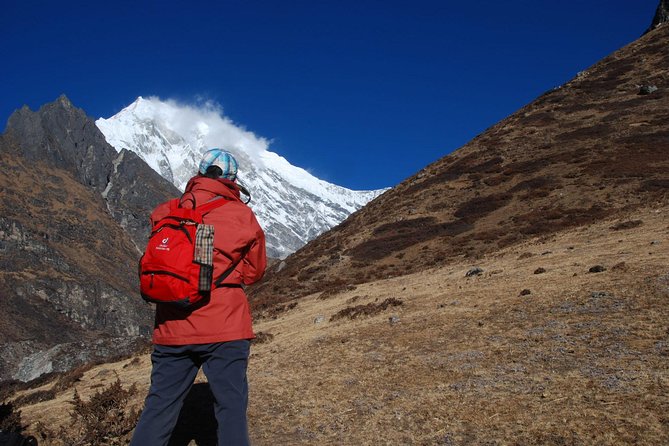
The exploration day around Kyanjin Gompa is the strongest part of the itinerary for people who want serious mountain views. The plan includes time around the monastery and a climb to Chorkari Ri, listed at 5,050 meters, with about seven hours of walking.
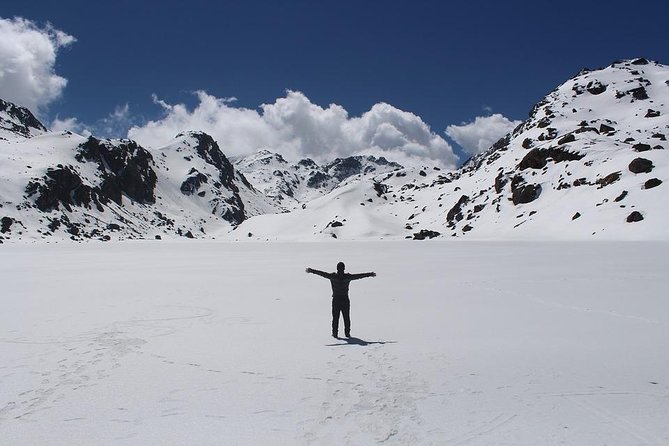
The height is the key issue. This is above 5,000 meters, and the air will feel thin even if the trail itself does not look technical. You need patience here. Walk slowly, follow your guide’s advice, and understand that reaching the summit is less important than returning safely.
The reward is a high viewpoint over the Langtang Valley and its surrounding peaks. The route’s design gives you two chances to go high, first at Kyanjin Ri and then at Chorkari Ri, rather than asking you to carry full luggage over a high pass. Your porter handles the main load, while you carry only a daypack, water, and personal essentials.
The phrase exploration day can sound relaxed, but this one is not. If altitude affects you at Kyanjin Ri, discuss the Chorkari Ri climb with your guide. The package includes a first aid medical kit, but it is still wise to bring personal medication and proper insurance.
Days 7 and 8: Returning through the valley
Day seven retraces the route from Kyanjin Gompa to Lama Hotel, taking about five to six hours. Day eight continues from Lama Hotel to Syabru Bensi, also in roughly five to six hours.
Going downhill is often easier on your breathing, but it can be harder on knees and ankles. Trekking poles are useful, especially on long descents and uneven sections. The return also gives you a different view of familiar places. You may notice village details, river crossings, or mountain angles that were easy to miss while concentrating on the climb.
The lodges remain basic, and hot showers and Wi-Fi are not included. Internet service can be limited, so plan to be offline for much of the walking portion. That is useful to know before you promise regular messages home.
Day 9: Back to Kathmandu by bus
The return drive from Syabru Bensi to Kathmandu is by bus. As on the way out, allow plenty of time and expect a functional rather than luxurious journey.
You spend the final Kathmandu night at the included three-star hotel. This gives you a proper buffer before departure, which is valuable if the road takes longer than planned or if you simply need a shower, laundry time, and a quiet meal.
The package does not cover dinner in Kathmandu, so keep some local currency available. Tips are also separate. A sensible budget should include gratuities for the guide, porter, and driver, since those are customary additions to a supported trek.
What the $830 price really covers
At $830 per person, the price is strong for a 10-day supported Himalayan trip. You are not just paying for a route and a guide. The package includes airport pickup and drop-off, two Kathmandu hotel nights with breakfast, three meals a day during the trek, lodge accommodation, permits, a guide, porter support, staff wages, staff meals and lodging, the public bus, a duffle bag, a first aid kit, taxes, and office charges.
The porter arrangement is one porter for every two trekkers. That is a practical balance between keeping your load light and limiting the number of support staff on the trail. If you travel alone, confirm exactly how porter support is assigned before departure, since the stated ratio is based on two trekkers.
The price does not include insurance, visa costs, Kathmandu lunches and dinners, hot showers, Wi-Fi, personal equipment, private road transport, or tips. Add those costs before comparing this trek with a cheaper-looking package. The included meals and permits make the advertised price more useful than a bare tour fee, but it is not an all-inclusive holiday.
Guides, porters, and the human side of the trip
The company assigns one English-speaking guide and provides porter support. Names associated with recent departures include Prajwal, Bhim, Deepak Dhakal, Kamal, Sabin, Arun, Rajesh, Santosh, Shankar, Nab, Navaraj, Tulsi, Surya, Ganesh, and Asha. Your own guide will depend on availability, so you should not book expecting a particular person unless that is confirmed in writing.
The strongest pattern in the feedback is personal care. Guides helped first-time solo trekkers feel safe, adjusted plans when needed, and kept a close eye on comfort. Ganga, the company manager, is repeatedly described as quick to answer questions and flexible with custom plans.
That matters on a high-altitude trek. A guide who notices when you are slowing down or struggling can make a real difference. Still, no operator can remove the physical demands of 5,050 meters. You remain responsible for honest communication about your health and fitness.
Who should book this trek?
This route suits you if you want major Himalayan scenery but do not have time for a longer 14-day or three-week trek. It also works well for first-time trekkers who want a guide, porter, organized meals, and a clear daily plan.
You should have moderate physical fitness and be comfortable walking for five to eight hours on mountain trails. The high days at Kyanjin Ri and Chorkari Ri require extra stamina. The trip may suit a fit beginner, but it is not ideal for someone unused to long walks or unsure about altitude.
The route also suits solo visitors. Several departures included solo trekkers with private guide and porter support, and the maximum group size is 15. If you prefer quieter days, ask about the expected group size and whether a private arrangement is available.
Season matters. One departure took place in August, which is monsoon season in Nepal. The operator warned about those conditions before booking, and poor weather can lead to a changed date or full refund under the stated policy. Spring and autumn may offer more settled conditions, but the supplied details do not promise specific weather for any month.
Should you book the Langtang Valley Trek?
I would book this trek if you want a relatively short route from Kathmandu, strong mountain views, Tamang village life, and the chance to climb above 5,000 meters with organized support. The inclusion list is generous, and the route gives you a real Himalayan setting without a domestic flight.
I would pause if you dislike long public bus rides, basic lodges, limited internet, or demanding altitude days. Ask for clear advice about your own fitness, confirm the guide and porter arrangement, and budget for insurance, tips, equipment, and Kathmandu meals.
For the right person, the Langtang Valley Trek offers a lot in 10 days: rivers, monasteries, yak cheese, glacial scenery, and some of Nepal’s finest mountain views at a sensible price.
FAQ
How long is the Langtang Valley Trek?
The planned trip lasts approximately 10 days, including arrival and departure in Kathmandu, the road transfers, and the trekking days.
What is the highest point on the trek?
The itinerary includes Chorkari Ri at 5,050 meters, or 16,564 feet. Kyanjin Ri reaches 4,773 meters, or 15,655 feet.
How do I reach the trekking area from Kathmandu?
You travel by public bus from Kathmandu to Syabru Bensi, a journey of about seven hours. The return bus transfer is also included.
Are airport transfers included?
Yes. Airport pickup and drop-off by private vehicle are included.
Is accommodation included in Kathmandu?
Yes. Two nights at a three-star category hotel in Kathmandu, including breakfast, are included.
Are meals included during the trek?
Yes. Breakfast, lunch, dinner, and tea or coffee are included during the trekking portion. Kathmandu lunches and dinners are not included.
Is a guide provided?
Yes. The package includes one English-speaking guide. It also includes one porter for every two trekkers.
Are trekking permits included?
Yes. All required trekking permits and government taxes are included in the package.
Can I cancel for a full refund?
You can cancel at least 24 hours before the experience start time for a full refund. Cancellations or changes made less than 24 hours in advance are not accepted for a refund. Poor weather or failure to meet the minimum number of participants may lead to an alternative date or a full refund.
New treks around Kathmandu
- Kathmandu or Pokhara: 5-Day Annapurna Base Camp (ABC) Trek★ 4.5 · 2 reviews
- Pokhara: 2 Day Ghorepani & Poon Hill Private Trekking★ 4.9 · 8 reviews
- From Kathmandu: 6-Day Langtang Valley Guided Trek★ 5.0 · 2 reviews
- Pokhara: 5-Day Annapurna Base Camp (ABC) Trek★ 5.0 · 9 reviews
- Kathmandu: Langtang Valley 6-Day all inclusive Guided Trek★ 5.0 · 2 reviews
- Kathmandu: 6 Days Langtang Valley Trek with Kyanjin Ri★ 5.0 · 7 reviews
- Kathmandu: 9- Day Annapurna Circuit Trek★ 5.0 · 2 reviews
- Kathmandu: 6-Day Limitless Langtang Trek★ 5.0 · 21 reviews
Langtang Valley Treks, side by side.
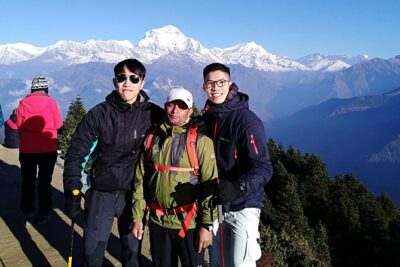
Trekking in Annapurna/Langtang/Everest/Upper Mustang regions
Read our review →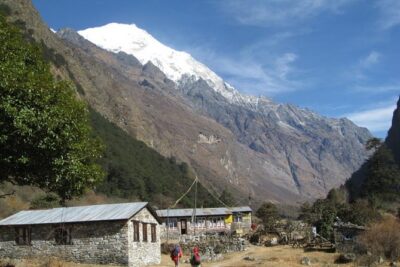
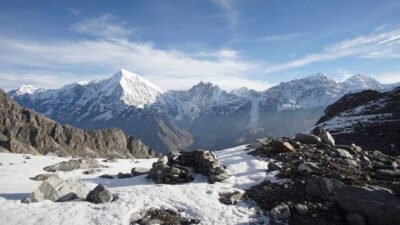
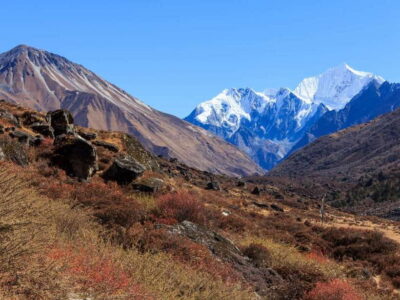
Kathmandu: 6 Days Langtang Valley Trek with Kyanjin Ri
Read our review →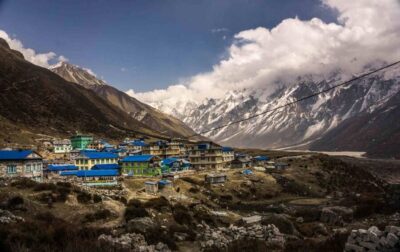
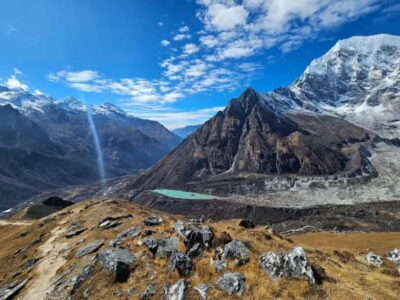
Kathmandu: Langtang Valley 6-Day all inclusive Guided Trek
Read our review →Lists this trek appears in