Review · POKHARA
Pokhara: 7-Day Annapurna Base Camp Trek & Natural Hot Spring
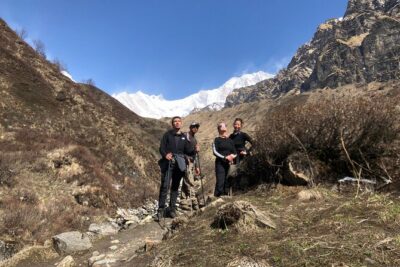
The best part of this trek is the quick change of scenery: you begin among villages and terraced hills, then walk into a giant mountain amphitheater below Annapurna I and Machhapuchhre. I like the tidy seven-day route and the warm tea house rhythm, where a simple room and hot meal give the day a clear purpose.
I also like the Jhinu Danda hot springs, a welcome reward after the descent. Guides such as Chandra, Bishnu Giri, Anil, Laxman, and Jeet Bahadur have been praised for encouragement, local stories, and careful attention to safety. The catch is that this is not a gentle sightseeing walk. Several days run five to seven hours, and the altitude reaches 4,130 meters.
Key points before you book
- Reach 4,130 meters in seven days: The route is short, direct, and physically demanding.
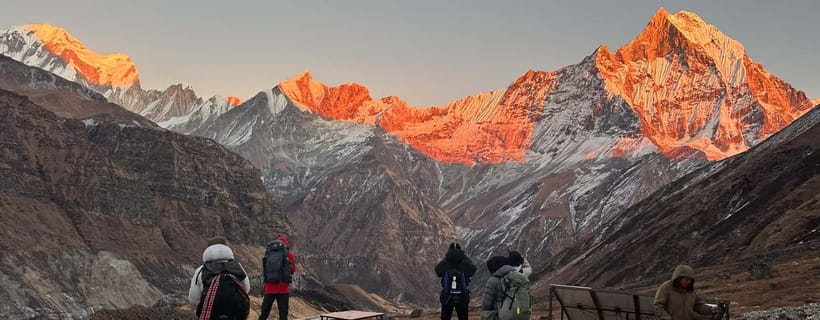
- Sleep inside the Annapurna Sanctuary: Your overnight stay at base camp puts you among towering peaks and glacier valleys.
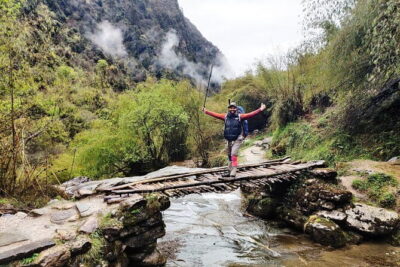
- Walk through changing scenery: Expect Gurung villages, stone steps, terraced fields, rhododendron and bamboo forests, rivers, and alpine terrain.
- Finish with a hot spring soak: Jhinu Danda gives your tired legs a pleasant break at 1,610 meters.
- Private guided format: English, Hindi, and Nepali guiding is available, with permits, tea house stays, and guide costs covered.
- Budget carefully: The $181 price covers many core costs, but meals depend on the selected option, and a porter costs an extra $20 per day.
Why this seven-day Annapurna route works
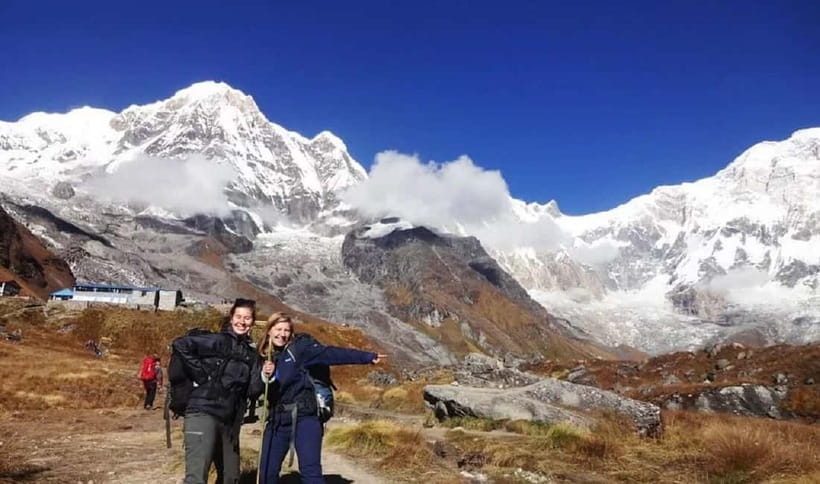
Annapurna Base Camp is a good choice if you want a major Himalayan goal without committing to a two-week trek. You get a real high-altitude journey, but the route remains focused: Pokhara, Ghandruk, Chomrong, the Sanctuary, base camp, Jhinu Danda, and back to Pokhara.
I like the way the route builds gradually. You start at lower elevations, spend time in villages and forests, then move toward the alpine zone. That gives you a chance to settle into the walking before the highest day. Still, the schedule is compact, so you need reasonable fitness and a willingness to walk uphill and downhill for several hours.
The private group format is useful here. Your guide can watch your pace, help with food and lodging, and adjust the day’s progress within the available route. Chandra was praised for flexibility, while Bishnu Giri was noted for long guiding experience and careful advice at higher elevations. Those details matter more than fancy extras when you are tired, cold, or deciding how much farther you can walk.
The overall rating is 5 out of 5 from 11 ratings, with repeated praise for the guides’ kindness, encouragement, safety checks, and local knowledge. That does not make the trek easy, but it does suggest that the human side of the trip is a major strength.
More Hot Spring Treks in Nepal
- Pokhara: 5 Day Annapurna Base Camp Trek & Natural Hot Spring
★ 4.9 · 44 reviews - From Pokhara: 5-Day Annapurna Basecamp Trek with Hot Springs
★ 4.9 · 26 reviews - Pokhara: 5-Day Trek to Annapurna Base Camp and Hot Springs
★ 5.0 · 4 reviews
Day 1: Pokhara to Ghandruk, your first mountain village
The trip begins with transport from your hotel or Pokhara International Airport, depending on your booking. The drive to the trail area takes about an hour, followed by roughly five to six hours of walking toward Ghandruk.
Ghandruk sits at 1,940 meters and is one of the most appealing overnight stops on this route. The day brings village paths, forest, and views along the Modi Khola area. You get your first taste of tea house life here, with a basic room and a place to eat before the next morning’s climb.
The practical point is that the first day includes both road travel and a substantial walk. One person specifically suggested using a car or jeep for road sections on the first and final days instead of walking dusty stretches. Confirm how your selected option handles these parts, especially if you prefer to save your legs for the mountain trail.
Day 2: Stone steps and big views from Ghandruk to Chomrong
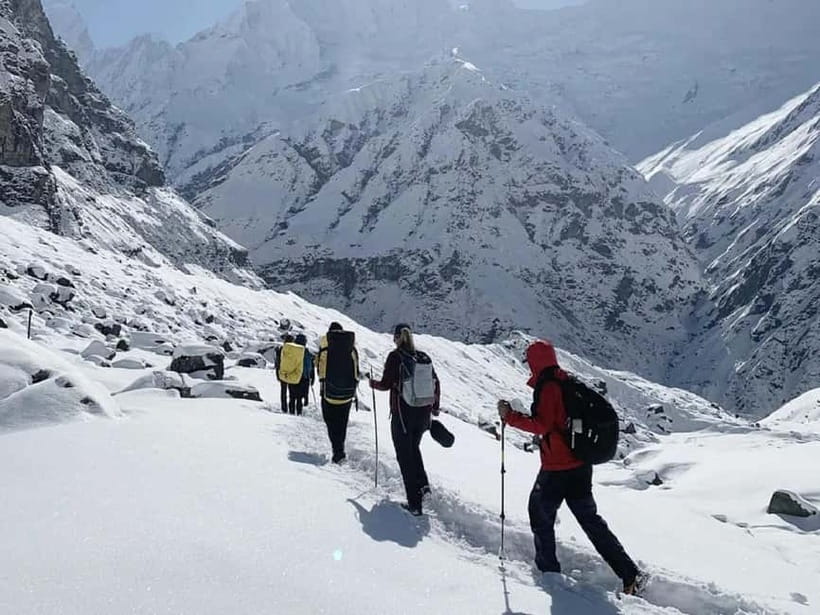
The walk from Ghandruk to Chomrong takes about five to six hours. This is a day of climbs, stone steps, forest paths, and broad views toward the Annapurna range and Machhapuchhre.
Chomrong is at 2,170 meters, so you gain elevation without yet reaching the severe cold and thin air of base camp. It is an important stop because the route begins to feel more serious from here. The stairs can test your legs, especially after the previous day, but the mountain views give you a reason to pause.
I would treat this as a steady walking day rather than a race. Your guide can help set the pace, and the private format may make it easier to stop when you need water or rest. The tea house stays are simple, not resort rooms, but they provide the basic shelter you need along a remote trekking route.
Day 3: Chomrong to Himalaya through bamboo and rhododendron
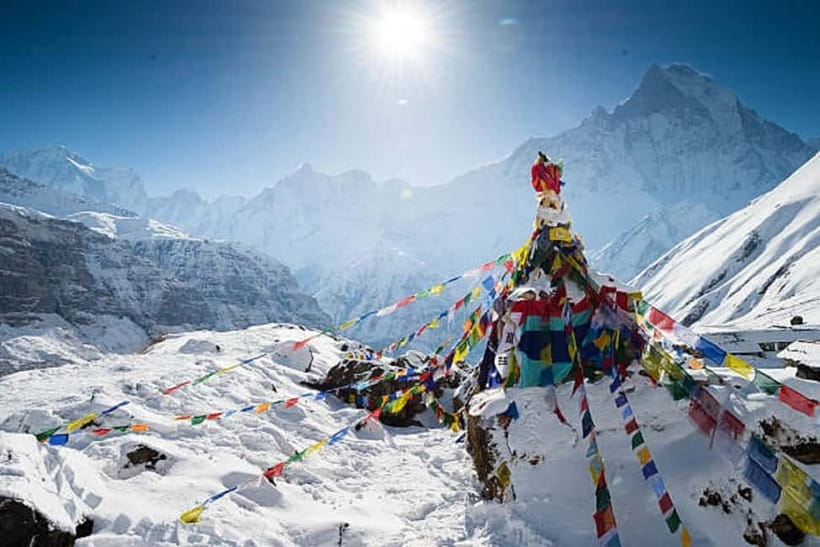
Day three covers around six to seven hours and ends at Himalaya, at 2,920 meters. The route first drops toward the river, then climbs through bamboo and rhododendron forest.
This up-and-down pattern is worth noting. You are not simply walking higher all day. You lose elevation before gaining it again, which can make the day feel longer than the distance suggests. Forest shade helps, but the repeated climbing still demands energy.
Himalaya is a practical overnight stop before the big push to base camp. By now, you are well into the mountain valley, away from the easier village setting of the first two days. Keep your warm layers and rain gear handy, since the conditions can change as you gain height.
Guides have been especially valued on days like this. Anil was praised for helping with walking and meals, while other guides received credit for encouraging tired hikers without ignoring their limits. You should expect support, but you still need to manage your own pace and tell the guide early if you feel unwell.
More Annapurna treks around Pokhara:
- Trekking in Annapurna/Langtang/Everest/Upper Mustang regions
★ 5.0 · 161 reviews - Kathmandu/Pokhara: 5-Day Annapurna Base Camp (ABC) Trek
★ 4.9 · 72 reviews - Kathmandu: 9-Day Annapurna Circuit Trek via Thorong La Pass
★ 5.0 · 17 reviews - Kathmandu: 10-Day Annapurna Circuit Trek via Thorong La Pass
★ 5.0 · 10 reviews
Day 4: The high point, Machhapuchhre Base Camp to Annapurna Base Camp
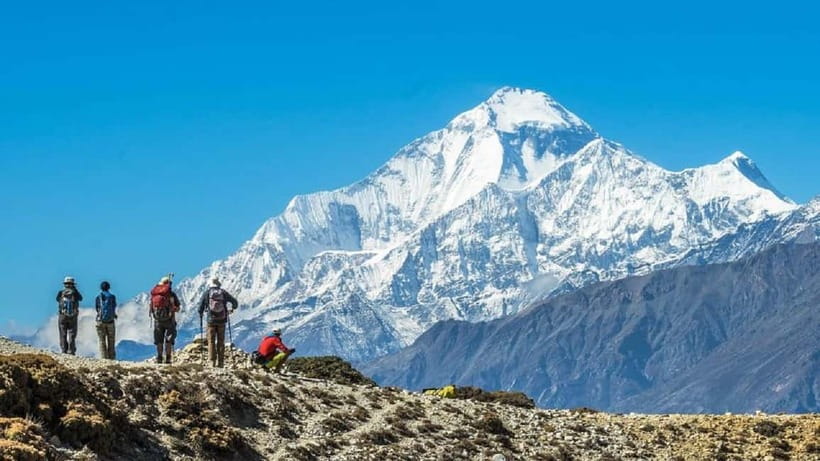
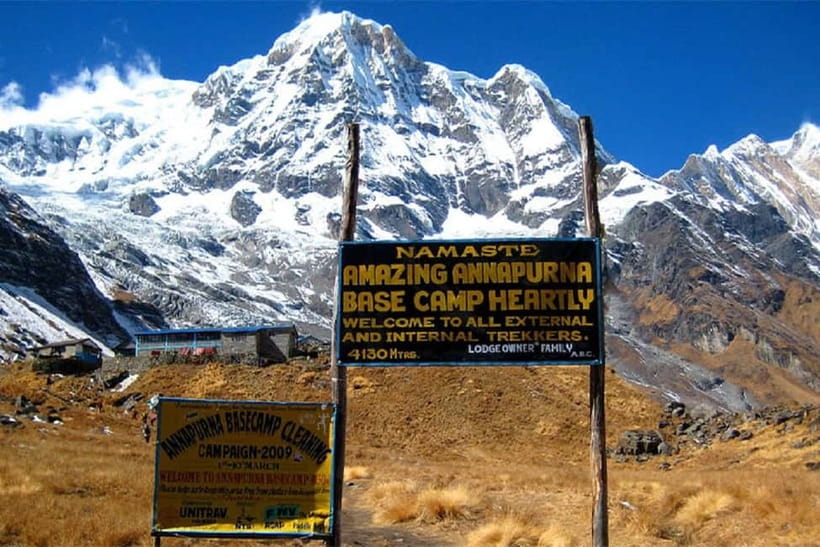
This is the defining day. From Himalaya, you walk for about six to seven hours through the alpine zone, pass Machhapuchhre Base Camp, and reach Annapurna Base Camp at 4,130 meters.
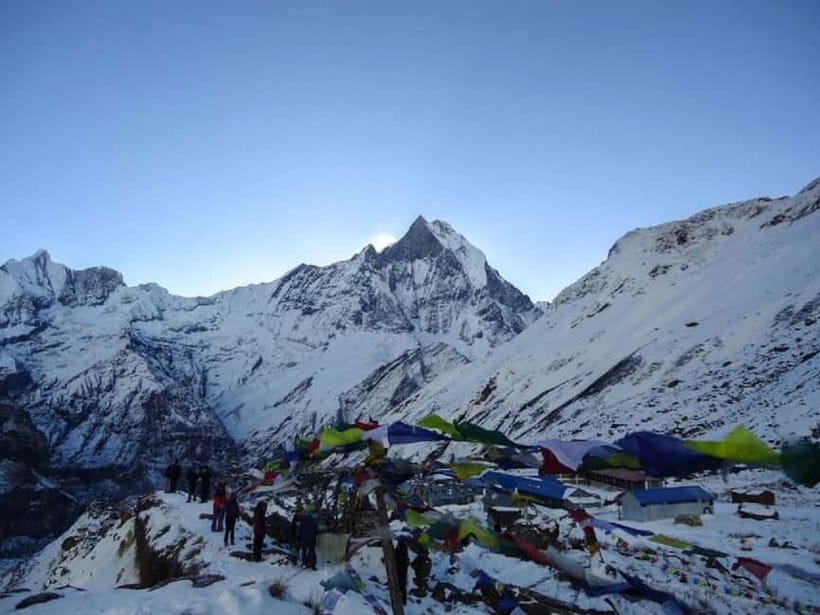
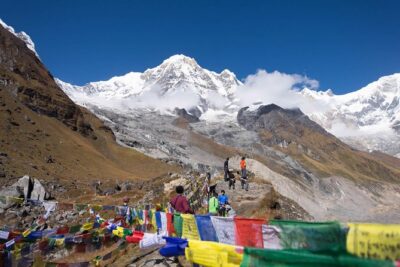
The scenery changes sharply. Forest gives way to open mountain terrain, a glacier valley, and the enclosed space of the Annapurna Sanctuary. You are surrounded by enormous peaks, including Annapurna I and Machhapuchhre. The base camp setting is the payoff for the previous days of stairs, forest, and steady climbing.
This is also the day that requires the most respect. At 4,130 meters, the altitude can affect people differently, and the schedule is demanding even for a fit hiker. The supplied guidance calls for good health and a reasonable fitness level, and travel insurance is mandatory. Your guide should monitor your well-being, but no guide can remove the effects of altitude.
Bring warm clothing, gloves, a jacket, a sleeping bag if needed, and a headlamp or flashlight. A power bank is useful because charging options can be limited or unavailable along the route, though the exact facilities are not specified. Keep cash with you for personal snacks and drinks.
If the weather is clear, this is the place for the big mountain views. One January departure had clear skies, quieter trails, and less crowded tea houses. January can also mean colder conditions, so the peace comes with a greater need for proper warm gear.
Day 5: The long descent from base camp to Bamboo
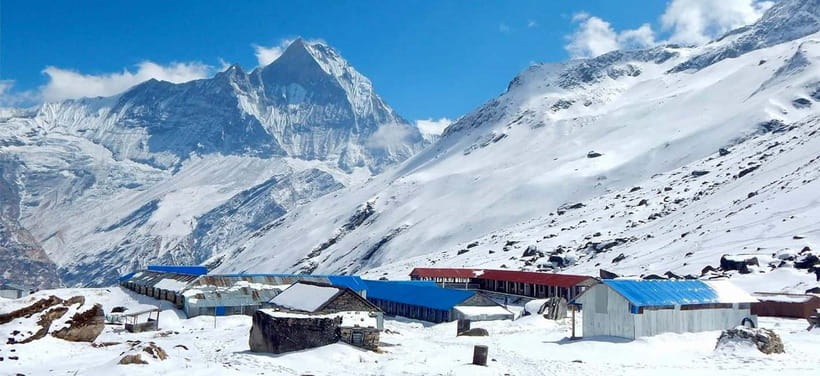
After the high point, you descend from Annapurna Base Camp to Bamboo in about six to seven hours. Bamboo sits at 2,335 meters, so the elevation loss is large.
Many hikers find the descent harder on the knees than the climb is on the lungs. Trekking poles are included as needed, and they can be useful on uneven sections and stone steps. Take your time. The route offers backward views of the Annapurna range, waterfalls, and changing forest scenery, so there is no need to hurry through it.
This is a good example of why the trip is more than a single viewpoint. You see the same valley from a new angle as you descend, and the warmer, thicker air near Bamboo feels noticeably different from base camp. Your tea house stay here breaks up the return journey and keeps the final two days manageable.
Day 6: Bamboo to Jhinu Danda and the hot springs
The walk from Bamboo to Jhinu Danda takes about five to six hours. You descend toward the river and spend the night at Jhinu Danda, at 1,610 meters.
The hot spring is the reward built into the route. After days of walking, a soak can help you relax before the final return to Pokhara. Bring a towel, swimsuit if you use one, and a change of clothes. These items are specifically worth packing because the spring is not just a quick photo stop.
Jhinu Danda also gives you a softer ending to the high-altitude portion of the trek. You are still walking, but you are far below base camp and back in a warmer setting. I like this choice of final overnight stop because it adds a real experience rather than treating the return as a simple exit.
Day 7: Return to Nayapool and Pokhara
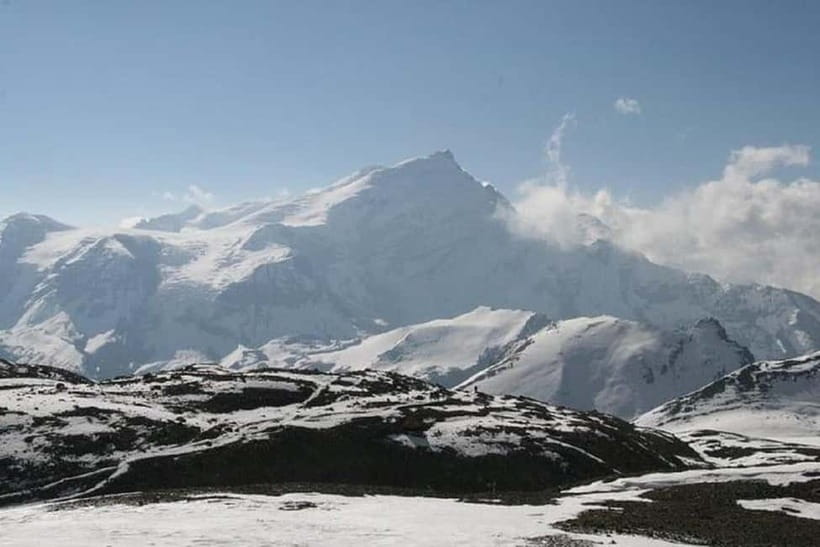
The final day includes about four to five hours of walking to Nayapool, followed by approximately one hour of driving to Pokhara. Drop-off is available at selected hotels, Pokhara International Airport, Lakeside locations, and Sarangkot, depending on the option.
As with the first day, check exactly where the vehicle meets the trail. A note about dusty road walking on days one and seven is worth taking seriously. If you have a flight soon after the trek, allow extra time and confirm the drop-off plan in advance rather than assuming the journey will run like a city transfer.
By the end, you will have walked from village country into the Sanctuary, reached 4,130 meters, and returned through forest and river valleys. That is a substantial Himalayan trip for seven days.
Tea houses, meals, guides, and what the price covers
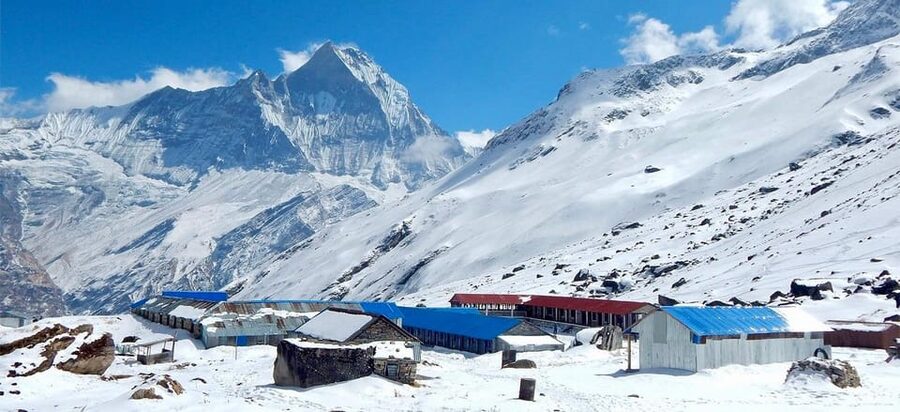
At $181 per person, this is strong value if your selected option includes the meals described in the package. The price includes trekking permits, TIMS fees, required paperwork, simple tea house or lodge accommodation, government taxes, a first aid kit, and transportation connected with the trek.
It also covers your guide’s salary, meals, accommodation, insurance, transport, and equipment. Trekking poles and sleeping bags are available as needed. Luggage storage in Pokhara is included, which is useful because you can leave nonessential items behind instead of carrying everything into the mountains.
Pay close attention to the phrase depending on option selected. Meals are not necessarily included in every version, so check before booking. Personal snacks and beverages are extra, and a porter costs $20 per day if you want someone else to carry your main bag.
The guide is one of the most valuable parts of the arrangement. Chandra received praise for his English, mountain information, and flexibility. Bishnu Giri was recognized for more than 20 years of experience and careful health advice. Anil, Laxman, Sun, and Jeet Bahadur were also singled out for kindness, encouragement, cultural information, and practical help.
You cannot necessarily request a particular guide, but you can ask about guide availability when booking. The main languages offered are English, Hindi, and Nepali.
What to pack for this route
Pack for both warm lower valleys and cold high elevations. Your list should include:
- Comfortable hiking shoes or waterproof hiking shoes
- Warm clothing, jacket, gloves, and rain gear
- Hiking pants and a change of clothes
- Sunglasses, sun hat, and sunscreen
- Towel for the hot spring
- Sleeping bag if required for your option
- Flashlight or headlamp
- Passport or accepted copy
- Cash for snacks and drinks
- Camera and power bank
- Trekking gear and comfortable spare clothing
Send a passport copy at least one day before departure so the permits can be arranged. Travel insurance is required, and emergency rescue services are available if needed, but rescue costs are not included. That distinction is important: insurance should cover the risks that the $181 package does not.
Who should book this trek?
I would recommend it to you if you want a serious but compact Himalayan route, enjoy simple tea house stays, and can walk five to seven hours on several consecutive days. It suits hikers who want culture and scenery together, rather than a trip focused only on reaching a viewpoint.
It is also a good fit if you value personal guiding. The repeated praise for safety, encouragement, and local stories suggests that the guide can shape how comfortable the week feels.
I would hesitate if you dislike steep steps, basic lodging, cold nights, or uncertain mountain conditions. The seven-day schedule leaves less room for an extra rest day, and the 4,130-meter overnight at base camp is not a minor detail. You should also confirm meals, road transfers, porter costs, and airport timing before paying.
Should you book the Annapurna Base Camp trek?
Book it if you want the Annapurna Sanctuary, a genuine high-altitude goal, and a hot spring finish without spending two weeks on the trail. At $181, the package offers good value when your chosen option includes meals, since permits, guiding, lodging, transport, gear support, and luggage storage are already handled.
Choose carefully if you need more time for acclimatization or prefer a slower route. For a fit hiker who accepts simple comforts and plans for cold, rain, altitude, and long walking days, this is a focused and memorable way to reach Annapurna Base Camp from Pokhara.
FAQ
How long is the Annapurna Base Camp trek?
The trek lasts seven days, including transport between Pokhara and the trail area.
What is the highest altitude reached?
The highest point is Annapurna Base Camp at 4,130 meters, or 13,550 feet.
Where do you stay during the trek?
You stay in simple tea houses or lodges at Ghandruk, Chomrong, Himalaya, Annapurna Base Camp, Bamboo, and Jhinu Danda.
Is a guide included?
Yes. The package includes a professional English-speaking guide certified by the Nepal Government. Guiding is also available in Hindi and Nepali.
Are trekking permits and TIMS fees included?
Yes. Required trekking permits, paperwork, and TIMS fees are included.
Is food included in the price?
Meals are included depending on the option selected. Check the exact booking option before you reserve.
Is a porter included?
No. A porter can be arranged if needed for $20 per day.
Do I need travel insurance?
Yes. Travel insurance is mandatory. Emergency rescue services are available if needed, but rescue expenses are not included.
More week-long treks around Pokhara
- Best Kilimanjaro Adventure 7 days Machame route Trekking
★ 5.0 · 42 reviews - Kilimanjaro 7 Day Private Trekking Experience
★ 5.0 · 40 reviews - Pokhara: 7 Day Annapurna Base Camp Trek
★ 4.9 · 38 reviews - 7 Days Kilimanjaro trek via Machame route
★ 5.0 · 13 reviews
More Hot Spring Treks in Pokhara
- Pokhara: 7-Day Annapurna Base Camp Trek & Hot Spring
★ 4.0 · 3 reviews - Private Tour Mount Batur Sunrise Trekking and Natural Hot Spring
★ 5.0 · 431 reviews - Mount Batur Sunrise Trek & Natural Hot Spring Experience
★ 5.0 · 95 reviews - 3D/2N Rinjani trekking summit,lake and hot springs.
★ 5.0 · 85 reviews
New treks around Pokhara
- Pokhara: 9-Day Annapurna Base Camp Trek with Poon Hill★ 5.0 · 6 reviews
- Pokhara: 5-Day Trek to Annapurna Base Camp and Hot Springs★ 5.0 · 4 reviews
- Pokhara: Majestic Mardi Base Camp Guided Trek with HotSpring★ 5.0 · 6 reviews
- Pokhara: 5-Day Ghorepani and Poon Hill Private Trek★ 5.0 · 4 reviews
- Pokhara: 7-Day Annapurna Base Camp Trek & Hot Spring★ 4.0 · 3 reviews
- Pokhara:4-Day Ghorepani Poon Hill Guided Trek via Ghandruk★ 5.0 · 3 reviews
- Pokhara: 4-Day Poon Hill and Ghandruk Guided Trek★ 5.0 · 14 reviews
- Pokhara: 4-Day Private Trek Tour★ 4.9 · 43 reviews
Annapurna Base Camp Treks, side by side.
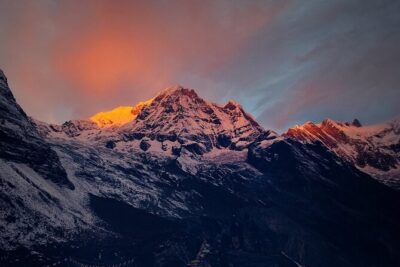
Trekking in Annapurna/Langtang/Everest/Upper Mustang regions
Read our review →
Kathmandu to Annapurna Base Camp (ABC) 5-Day Trek
Read our review →