
Review · ARUSHA
7 Days Kilimanjaro trek via Machame route
The real appeal of this seven-day Machame Route trek is the changing scenery. You move from coffee farms and mossy cloud forest to heather, alpine desert, glaciers, and the stark upper slopes of Kibo. The route climbs from the west, then uses several high and low sections to help your body adjust before summit night.
I like the built-in acclimatization day around Lava Tower and Barranco, and I like that the price includes park fees, rescue fees, meals, purified water, airport transfers, tents, and a dining tent. The main drawback is that Machame is the most popular camping route, so you should expect plenty of other climbing groups on the trail and at camp.
Key points to know before booking
- Six nights on the mountain: You sleep in private waterproof mountain tents, with a separate mess tent, table, and chairs.
- A serious summit day: The final ascent begins around midnight and reaches Uhuru Peak after a steep climb to Stella Point.
- Strong guide presence: Gasto James is praised for calm pacing, summit encouragement, singing, and stories about Tanzanian culture.
- Useful acclimatization profile: Day three climbs high toward Lava Tower before dropping to Barranco Camp.
- Broad price coverage: The $2,800 fee includes park and rescue fees, meals, drinking water, airport transfers, guides, cooks, porters, and camping equipment.
- Private group format: Only your own group participates, though you will still share the busy Machame trail with other climbers.
Why the Machame Route works so well
Machame is often called the Whiskey Route, and it is not a gentle stroll. Still, seven days gives you a sensible amount of time to climb slowly and adjust to altitude. The route begins in thick forest, crosses the Shira Plateau, passes below Kibo’s glaciers, and finishes with a long summit night.
The route’s best feature is its variety. On day one, you are under moss-covered trees. By day two, the forest has thinned and high-altitude plants begin to appear. Later, the terrain turns dry and rocky, with wide views toward Kibo and Mawenzi.
I also like the route’s climb-high, sleep-lower pattern. On day three, you reach about 4,530 meters before descending to Barranco Camp at roughly 110 meters higher than the previous night. That up-and-down rhythm takes effort, but it gives your body useful altitude exposure before the summit attempt.
The tradeoff is popularity. Machame offers easy access to the trailhead and a well-established route, but you will not have the mountain to yourself. If solitude is your top priority, this may feel busy. If you value a proven route with a lively trail atmosphere and plenty of support, the traffic is easier to accept.
More Kilimanjaro climbs around the world:
- 8-Day Small-group Lemosho Kilimanjaro Summit Trekking
★ 5.0 · 186 reviews - Best Kilimanjaro Adventure 7 days Machame route Trekking
★ 5.0 · 42 reviews - Kilimanjaro 7 Day Private Trekking Experience
★ 5.0 · 40 reviews
Day one: coffee farms, cloud forest, and Machame Camp
Your first morning starts with a drive from Arusha to Machame Gate. The trip takes about an hour and a half and passes coffee farms and villages before you reach the park entrance.
At the gate, staff register the climb while guides, cooks, and porters prepare equipment. This waiting period is normal for a major mountain park, so do not expect to start hiking the instant you arrive. It is a good time to check your water, adjust your daypack, and make sure your rain protection is easy to reach.
The trail enters Kilimanjaro’s cloud forest. Moss-covered trees give the opening hours a cool, almost mysterious feel. As you climb, the forest begins to thin and heathers, tall grasses, and wildflowers take over.
The day takes about six hours. If the weather is clear, you may get an early view of Kibo Peak, your final target. Your porters and cooks go ahead to prepare camp, which means your arrival should be followed by a ready tent and meal rather than a second round of camp chores.
This first day is not only about distance. It sets the pace for the entire climb. Walk slowly, drink often, and save your energy. The mountain does not reward a fast start.
Day two: climbing onto the Shira Plateau
Day two includes several uphill stretches and can feel hot under clear skies. You should carry plenty of drinking water during the walk, even though purified water is supplied along the trek.
As the trail gains height, the trees shrink and the vegetation changes. Look for giant senecio and lobelia, two plants closely linked with Kilimanjaro’s high-altitude zone. The views also open up, with plains and forest below and Kibo and Mawenzi above.
After lunch, you climb onto the Shira Plateau. This broad high area was formed when Kibo’s lava flows filled the Shira crater. The setting becomes more open and exposed than the forest of day one.
The walk takes about six hours before you reach Shira Camp. Kibo lies to the west, while Mount Meru appears to the east. The views give you a useful sense of the mountain’s scale, but the open terrain can also make weather changes feel more noticeable.
You should expect a gradual rise in effort here. The route is not yet at its toughest, but altitude begins to matter. Keep your pace measured, and tell your guide early if you develop a headache or feel unusually unwell.
Day three: Lava Tower, altitude practice, and Barranco
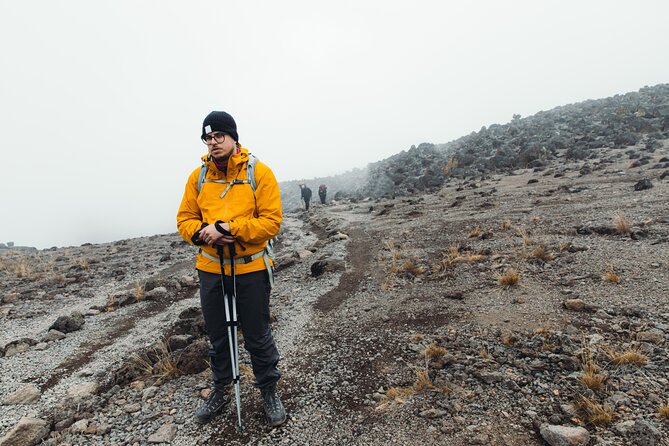
Day three is one of the most important days for acclimatization. On paper, the final gain is only about 110 meters, but the route first climbs approximately 690 meters to a high point around 4,530 meters before dropping to Barranco Camp.
That is the point of the day. You work high, spend time at elevation, then sleep lower. The climb can feel tiring, but rushing through it would defeat its purpose.
After breakfast, you walk east across the Shira Plateau and pass the junction for the Shira and Lemosho routes. The trail then crosses increasingly barren ground before lunch. After the highest point, you descend quickly toward Barranco.
Faster hikers may take a detour via Lava Tower, a roughly 300-foot lava formation on the mountainside. The detour adds a sharper altitude test, so your guide should help decide if it suits your condition and the group’s pace.
Barranco Camp is a favorite part of this route for good reason. It sits below the dramatic Barranco Wall, and the setting feels much more rugged than the earlier camps. You will likely be tired, but the camp gives you a memorable first close look at the upper mountain.
More week-long treks around the world
- Pokhara: 7 Day Annapurna Base Camp Trek
★ 4.9 · 38 reviews - Pokhara: 7-Day Annapurna Base Camp Trek & Natural Hot Spring
★ 5.0 · 11 reviews - Pokhara: Amazing 7-Day ABC Trek with Natural Hot Spring
★ 5.0 · 5 reviews - Pokhara: 7-Day Annapurna Base Camp Trek & Hot Spring
★ 4.0 · 3 reviews
Day four: the Barranco Wall and Karanga Valley
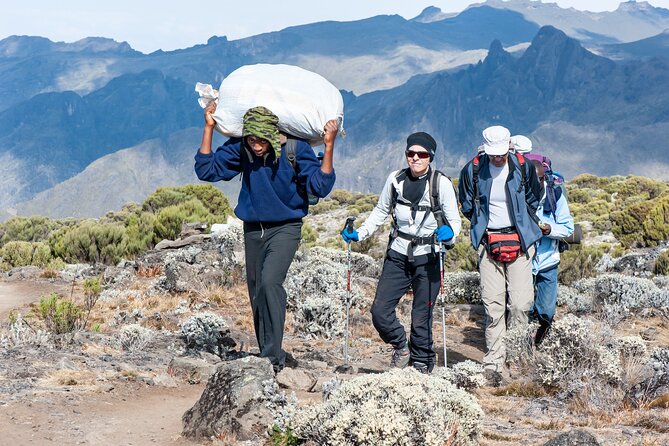
Day four begins with the most hands-on section of the trek. Leaving Barranco Camp after breakfast, you spend about an hour and a half scrambling up the Barranco Wall.
In places, you may use your hands for balance and support. This is not technical rock climbing, but it is more physical than an ordinary hiking trail. Keep your daypack compact, follow your guide’s instructions, and take your time on the steeper steps.
The reward comes at the top, where the route continues across fairly level ground before dropping into the green Karanga River Valley. This contrast is striking: a rough, exposed wall gives way to a valley with more color and plant life.
The day takes about seven hours. The distance is manageable for a fit hiker, but the Barranco Wall can make the morning feel demanding. If heights or scrambling concern you, ask the guide how the group will handle the trickier sections before setting out.
This is also a good point to notice the value of a private group. Your guide can keep the pace suited to your party instead of forcing you into a large fixed schedule. The route itself remains shared, but the day-to-day rhythm is more personal.
Day five: alpine desert and Barafu Camp
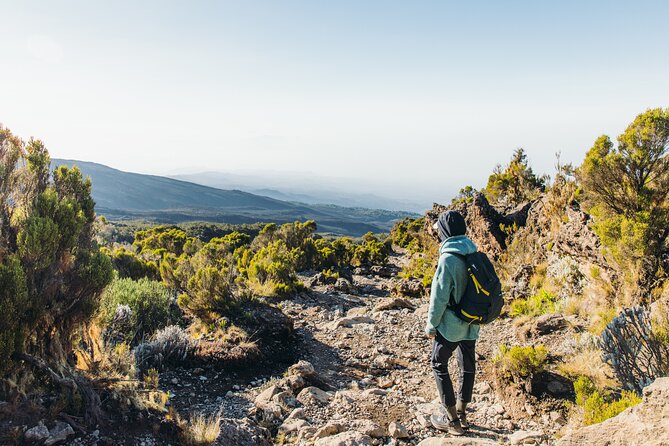
The route from Karanga to Barafu Camp crosses a much drier zone with little vegetation. The surroundings become increasingly stark, and the sense of being high on a volcanic mountain grows with every hour.
Along the way, you can see several of Kibo’s glaciers and pass the junction where the Mweka descent route connects with the Machame trail. You also pass near the Heim, Kersten, and Decken glaciers.
The day takes about seven hours. Barafu Camp offers views of both Kibo and Mawenzi, but it is mainly a preparation point for the summit attempt. You should try to sleep after dinner because the final ascent begins before midnight.
That early bedtime can be difficult. You have spent the day walking, your excitement is high, and the camp may feel busy. Pack your summit clothing and headlamp before dinner so you do not waste precious rest time looking for equipment.
The alpine desert has little shelter, so your clothing system matters. You need layers that handle cold, wind, and changing conditions. Personal climbing gear is not included, so plan carefully and confirm exactly what you must bring or rent.
Day six: the midnight push to Uhuru Peak
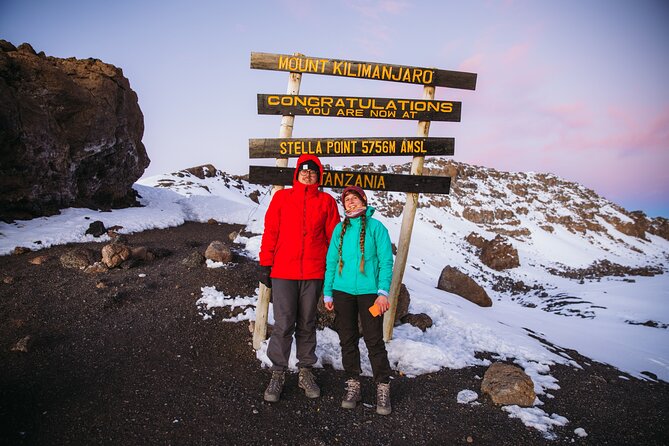
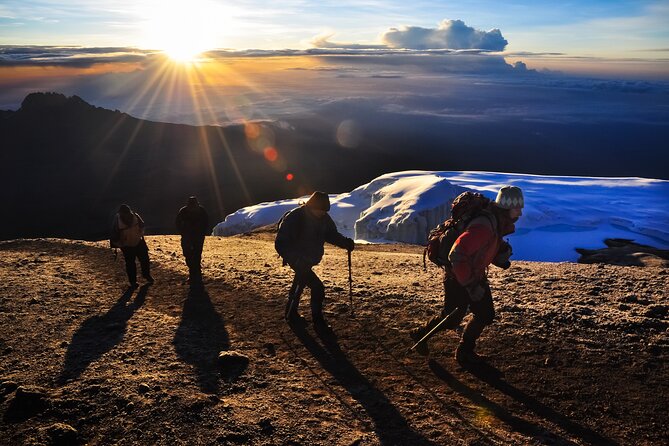
Summit day begins around midnight. You leave Barafu Camp by headlamp and climb for roughly six hours toward the crater rim at Stella Point.
This is the toughest part of the trek. The slope is steep, the air is thin, and the darkness makes the climb feel slow. The guides set a careful pace, often described by the Swahili phrase pole pole, meaning slowly, slowly.
Gasto James and the guiding team are especially praised for their encouragement during these early hours. Singing has been part of the group atmosphere on summit night, and that can help break up the long, quiet climb when every step feels hard.
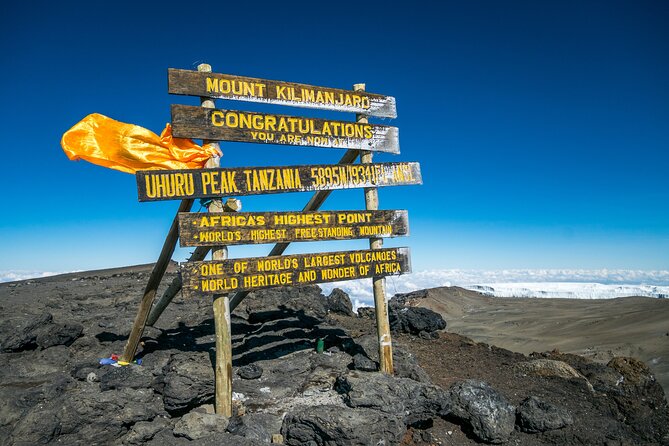
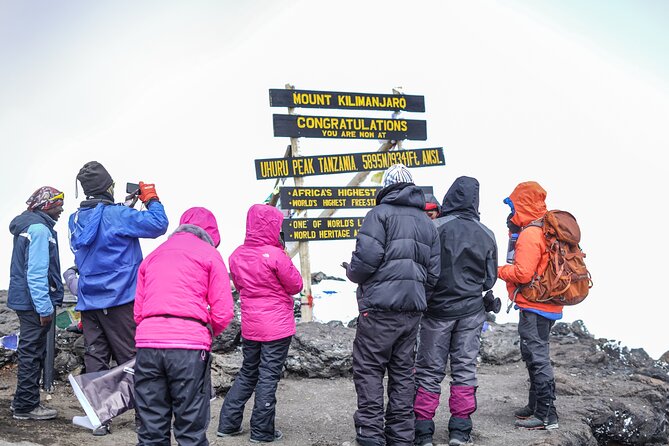
Stella Point marks the crater rim. From there, the route to Uhuru Peak is a more gradual climb, though altitude still makes it tiring. The crater-rim section takes about an hour, and reaching the summit gives you time for photographs with your guide and group.
At Uhuru Peak, you are at the roof of Africa. The summit itself is only one part of the experience. The crater, clouds, mountain slopes, and glaciers help explain why the final hours are worth the work.
After the summit, you descend toward Mweka Camp. The return is faster in distance but still demanding on tired legs. You can enjoy views of the mountain, crater, clouds, and glaciers on the way down, but take care on loose or steep ground.
This is the day when strong guiding matters most. The supplied feedback repeatedly praises Gasto and his team for helping struggling climbers reach the top safely, keeping morale high, and offering steady support from the first day to the summit.
Day seven: forest descent and the return to Arusha
After breakfast at Mweka Camp, you finish the trek with a descent through the forest to Mweka Gate. The trail can be slippery after rain, so trekking poles and careful footing are useful if you bring them.
The final walk takes about six hours. It is not a quick stroll after summit night, but the change back into forest feels welcome after the bare upper mountain.
Vehicles meet you at the lower station of Mweka Gate and take you back to Arusha. The package includes airport transfers, but the supplied details do not state the exact transfer schedule, so confirm how your arrival or departure connects with the trek.
What the $2,800 price covers
At $2,800 per person, this is not a budget climb. The price makes more sense when you count what is included:
- Private waterproof mountain sleeping tents
- Professional mountain guides
- Porters and cooks
- Park fees
- Rescue fees
- All meals on the mountain
- Purified drinking water
- A mess tent with tables and chairs
- Airport transfers
- Breakfast on all seven days
- Lunch on all seven days
- Dinner on six days
That is a substantial package for a seven-day supported climb. You are not simply paying for a guide to walk ahead of you. You are paying for permits, mountain logistics, food, camp equipment, transport, and a team that handles much of the work behind the scenes.
You still need to budget for personal climbing gear, visas, and tips. The listed price does not include those costs. Ask for a clear packing and equipment list before booking, especially for cold-weather clothing, footwear, and headlamp requirements.
The company has almost two decades of experience leading climbs on Kilimanjaro and Mount Meru. That long operating history, combined with the reported guide support and private format, helps explain the premium price.
Food, tents, and the daily camp routine
The camping setup is more comfortable than carrying your own lightweight gear. You sleep in private waterproof tents and eat in a mess tent with a table and chairs.
Meals are included throughout the mountain portion, and purified drinking water is provided. The food receives particularly strong praise in the supplied comments, which matters on a climb where appetite, energy, and hydration affect your ability to keep moving.
The porter and cook system also changes your daily experience. You carry a daypack rather than the full camp load, while the support team moves ahead to establish camp. Even so, remember that this is still a high-altitude trek. A comfortable tent does not remove the cold, steep sections, or need for careful pacing.
Who should book this Kilimanjaro climb?
This trek suits you if you have moderate physical fitness, enjoy long days outdoors, and are ready for a demanding summit night. You do not need to be an elite athlete based on the information provided, but you must be comfortable with six to seven hours of hiking on several consecutive days.
It is a good fit if you want:
- A private trip for your own group
- Strong logistical support
- A route with varied scenery
- A seven-day schedule rather than a rushed climb
- Camping with meals, water, and a mess tent included
- Guides who provide motivation and cultural stories
You may want another option if you dislike popular routes or want a quiet wilderness experience. Machame is busy, especially compared with less-used routes. You should also think twice if you are not prepared to buy or bring personal mountain gear, since that cost is separate.
The meeting information lists a 7:30 pm start time, while the first day description says the drive from Arusha leaves at 9 am. Confirm the correct pickup time before setting out. Booking confirmation is provided at the time of purchase, and free cancellation is available up to 24 hours before the experience begins. Inside 24 hours, the payment is not refunded.
Should you book it?
I would choose this trek if you want a well-supported Machame climb with a private group, strong camp services, and enough days for useful altitude adjustment. The route gives you cloud forest, high plateau, volcanic rock, glaciers, and a dramatic summit finish without cutting the schedule too tightly.
The best reason to book is the combination of route variety and guide support. Gasto James and the Mountain Warriors team are repeatedly praised for pacing, encouragement, singing, cultural stories, and help during difficult summit hours.
The main cautions are the $2,800 cost, busy trail, separate gear and visa expenses, and the serious physical demand of summit day. If you accept those points and prepare properly, this is a strong choice for a first Kilimanjaro climb.
FAQ
How long is the Machame Route trek?
The experience lasts approximately seven days, with six nights spent trekking and camping on Kilimanjaro.
Where does the trek start?
The trip begins with pickup in Arusha and a drive of about one and a half hours to Machame Gate.
Is this a private tour?
Yes. Only your own group participates in the private tour activity, although you will share the Machame trail and campsites with other climbing groups.
What is included in the price?
The price includes private waterproof sleeping tents, professional guides, porters, cooks, park fees, rescue fees, meals on the mountain, purified drinking water, a mess tent with tables and chairs, and airport transfers.
Are personal climbing clothes and equipment included?
No. Personal climbing gear is not included, so you need to arrange those items separately.
When does the summit climb begin?
The final ascent to Uhuru Peak begins around midnight from Barafu Camp.
What happens after reaching Uhuru Peak?
After taking summit photographs, you descend toward Mweka Camp. The following day, you hike through the forest to Mweka Gate, where vehicles take you back to Arusha.
New treks around the world
- Sapa: 2-Day Local Guided Valley Trek with Night Homestay★ 5.0 · 27 reviews
- SAPA: 1-DAY TREKKING TOUR WITH LOCALS, LUNCH & RICE FIELDS★ 4.7 · 18 reviews
- Sapa: 2-Day Local Guided Valley Trek with Night Homestay★ 4.8 · 5 reviews
- Santa Marta: Trekking in Minca Complete Waterfall Circuit★ 4.4 · 28 reviews
- Santiago: Longueira, Pico de Antónia & Monte Tchota Trek★ 4.8 · 10 reviews
- Santiago: Trek from Serra Malagueta to Rabelados Community★ 5.0 · 16 reviews
- Santiago Island: Serra Malagueta & Tarrafal Beach Trek Tour★ 4.8 · 61 reviews
- Santa Marta: Multi-Day Trek to The Lost City★ 4.8 · 40 reviews
Kilimanjaro Climbs, side by side.
8-Day Small-group Lemosho Kilimanjaro Summit Trekking
Read our review →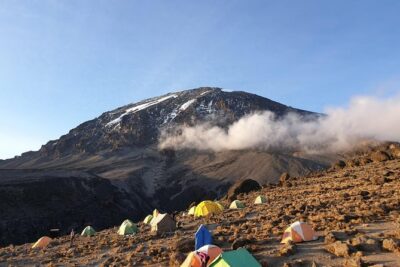
Best Kilimanjaro Adventure 7 days Machame route Trekking
Read our review →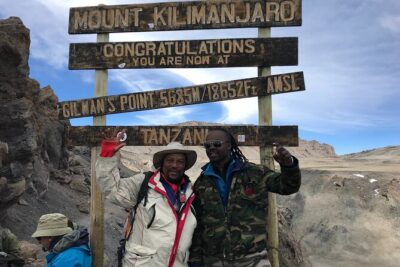
Kilimanjaro 7 Day Private Trekking Experience
Read our review →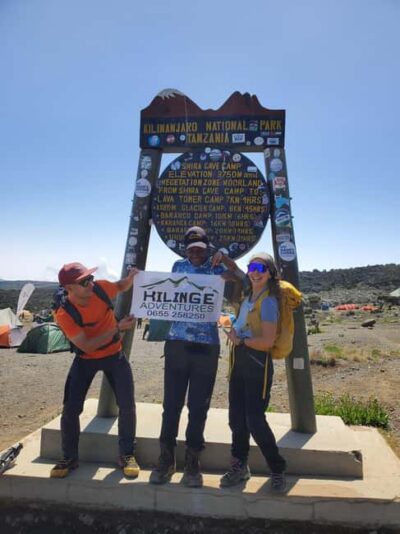
#1. Best 7 days kilimanjaro trek Machame route join group
Read our review →Lists this trek appears in