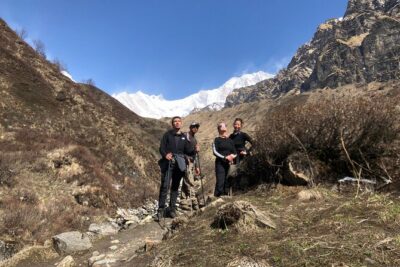
Review · POKHARA
Pokhara: 7-Day Annapurna Base Camp Trek & Hot Spring
Annapurna Base Camp is the star here, but the best part may be the rhythm of the trip: village paths, rhododendron forests, waterfalls, mountain views, and then a hot spring soak at Jhinu Danda. You reach 4,130 meters, high enough for a serious Himalayan experience without committing to a much longer expedition.
I like the clear mix of scenery and culture, especially the overnight stops in Ghandruk and Chomrong. I also like the finish: after several hard walking days, the natural hot springs offer a welcome way to ease tired legs. The main concern is organization. One detailed account praised the route and sunrise but reported unclear lodging plans, extra costs for water and Wi-Fi, and an unsafe return bus after the trek.
Key points to know
- Annapurna Base Camp at 4,130 meters: Spend the night close to the Annapurna and Machapuchare peaks.
- A strong village-to-mountain route: Walk through Ghandruk, Chomrong, rhododendron forests, springs, and waterfalls.
- Sunrise is a major reward: The early light over the Annapurna range is one of the trek’s defining moments.
- Jhinu Danda hot springs: Finish the walking portion with a natural soak at 1,610 meters.
- Private seven-day format: You trek with a guide in a private group rather than joining a large scheduled party.
- Check what your package covers: Meals and private transport can depend on the option selected, and personal spending is not included.
Why the ABC route works in seven days
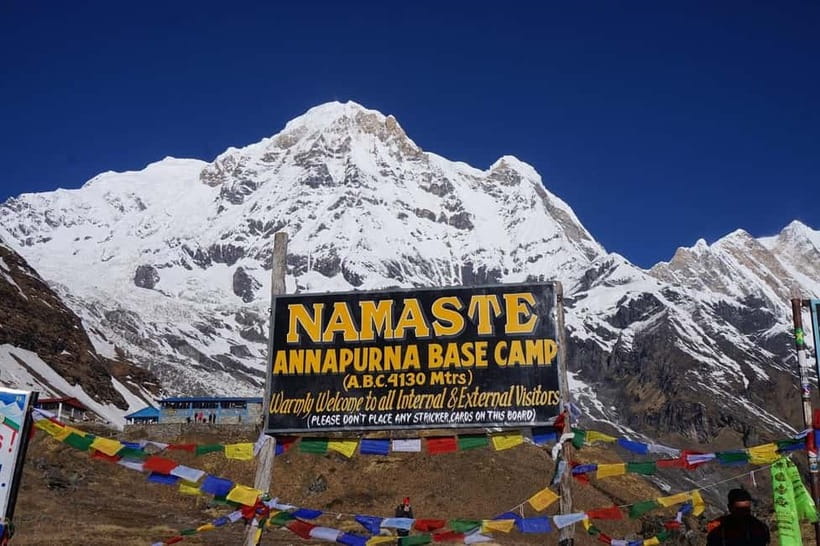
The Annapurna Base Camp route gives you a compact taste of Nepal’s mountain life. You begin near Pokhara, climb through traditional settlements, enter forested valleys, and finish in a high bowl surrounded by famous peaks.
This is not a gentle sightseeing tour. The plan includes several full walking days, a high overnight at Annapurna Base Camp, and repeated climbs and descents. The reward is variety. You are not simply walking toward a viewpoint. You are moving through villages, forest, waterfalls, and changing mountain scenery.
The route reaches 4,130 meters, or about 13,550 feet. That altitude makes the trip a real trek, not just a scenic walk. The schedule does not list a separate acclimatization day, so you should arrive ready for long days on foot and discuss the pace with your guide.
The experience is offered as a private group with guiding in English, Hindi, or Nepali. That matters because your guide can help manage the day’s rhythm, explain the route, and handle the practical parts of moving between villages and tea houses.
More Hot Spring Treks in Nepal
- Pokhara: 5 Day Annapurna Base Camp Trek & Natural Hot Spring
★ 4.9 · 44 reviews - From Pokhara: 5-Day Annapurna Basecamp Trek with Hot Springs
★ 4.9 · 26 reviews - Pokhara: 7-Day Annapurna Base Camp Trek & Natural Hot Spring
★ 5.0 · 11 reviews
Day 1: Pokhara to Ghandruk at 1,940 meters
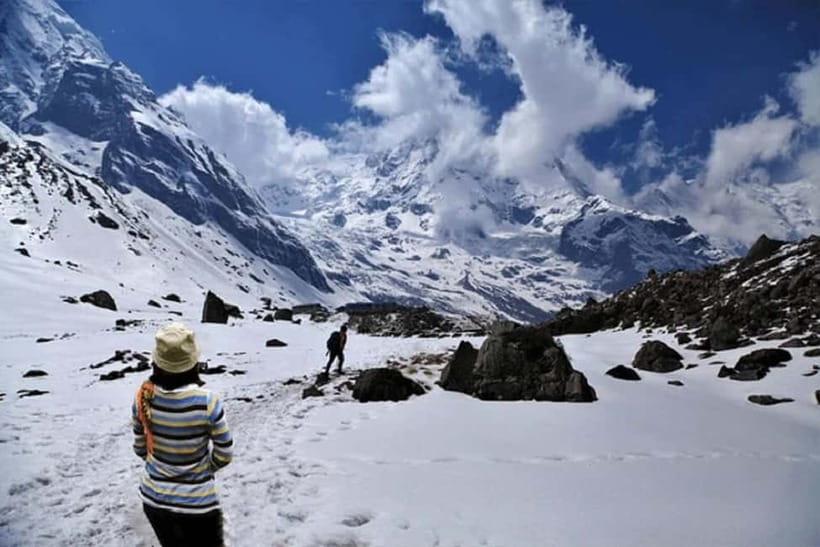
The first morning begins with breakfast at your Pokhara hotel, followed by transport to Nayapool. From there, you start walking toward Ghandruk.
The day takes about five to six hours of hiking. The route follows the Modi Khola and passes through ethnic villages and forest. This is a good opening day because you get an immediate sense of how the trek works: a road transfer at the start, then a steady walk through settled hills rather than an abrupt push into high mountain terrain.
Ghandruk is one of the more appealing overnight stops on the route. The village setting gives you an early look at local life before the path becomes more remote. You also begin to see the Annapurna range from the trail.
The practical point is that your trek starts at Nayapool, not directly from Pokhara. Transport is included in the stated package, although you should confirm the exact vehicle arrangement when booking. The package information lists private vehicle use as dependent on the option selected.
Day 2: Ghandruk to Chomrong at 2,170 meters
The second day leads from Ghandruk to Chomrong, again through hilly settlements and rhododendron forest. The Annapurna range remains part of the view, so the walking is paired with frequent mountain scenery rather than a long stretch of anonymous trail.
Chomrong is an important stop on this route and marks a higher stage of the journey. At 2,170 meters, it is still well below base camp, but you are gaining height and settling into the mountain routine.
I like this part of the schedule because it keeps the cultural element alive. The route does not rush you from roadhead to high camp. You pass through communities where the setting is part of the experience.
You should expect basic accommodation rather than hotel comfort. The package specifies tea houses or lodges, and that usually means simple rooms and shared facilities, though the exact standard can vary. Pack warm clothing and a change of clothes, as requested in the trip instructions.
Day 3: Chomrong to Himalaya at 2,920 meters
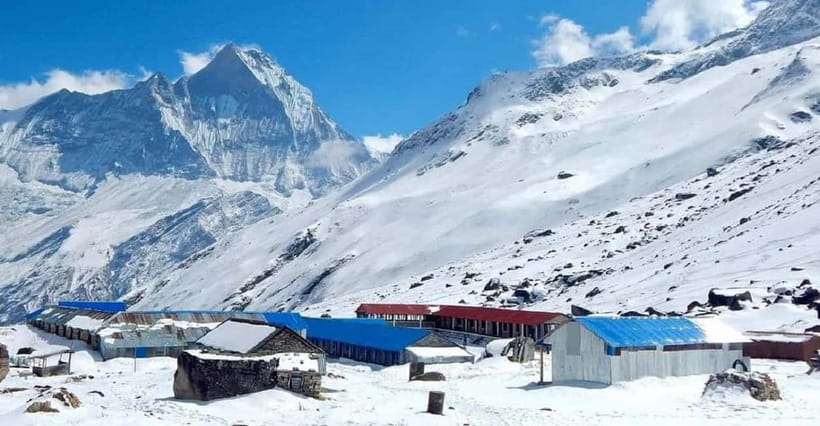
The third day continues toward Himalaya, at 2,920 meters. The route again includes villages, rhododendron forest, and views of the mountains.
This is the point when the trek starts to feel more serious. You are climbing higher and moving closer to the interior of the Annapurna Sanctuary. Forest sections offer shade and a change of pace, while the mountain views remind you that the next day ends at a much greater height.
The overnight at Himalaya is useful as a staging point for Base Camp. There is no claim of luxury here, and you should think of the tea house as a practical place to eat, sleep, and prepare for the next morning.
Meals are included during the trek only with the applicable option. That wording matters. At $190 per person, the value can be good if your selected package includes the advertised meals, transport, permits, guide, porter support, and accommodation. Confirm the exact option before paying, especially if you are comparing the price with other ABC trips.
More Annapurna treks around Pokhara:
- Trekking in Annapurna/Langtang/Everest/Upper Mustang regions
★ 5.0 · 161 reviews - Kathmandu/Pokhara: 5-Day Annapurna Base Camp (ABC) Trek
★ 4.9 · 72 reviews - Kathmandu: 9-Day Annapurna Circuit Trek via Thorong La Pass
★ 5.0 · 17 reviews - Kathmandu: 10-Day Annapurna Circuit Trek via Thorong La Pass
★ 5.0 · 10 reviews
Day 4: Himalaya to Annapurna Base Camp at 4,130 meters
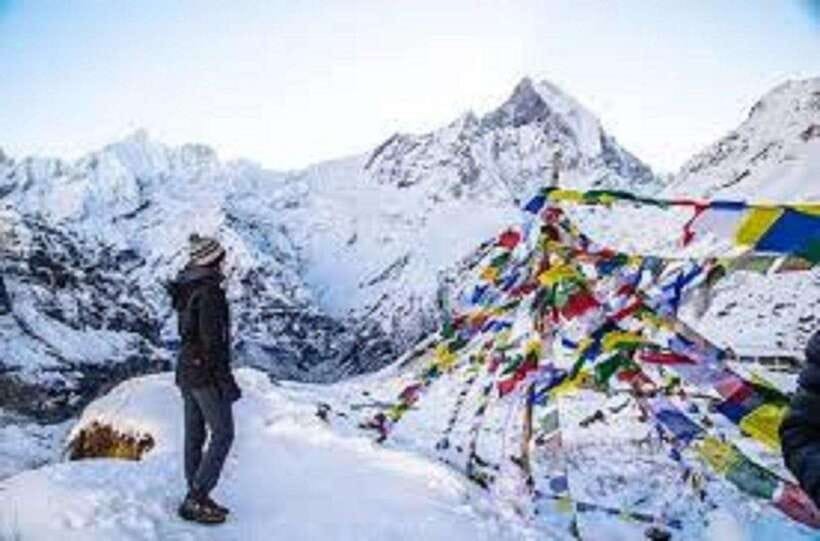
Day four is the high point, both literally and emotionally. You walk from Himalaya to Annapurna Base Camp, reaching 4,130 meters and staying overnight near the Annapurna range.
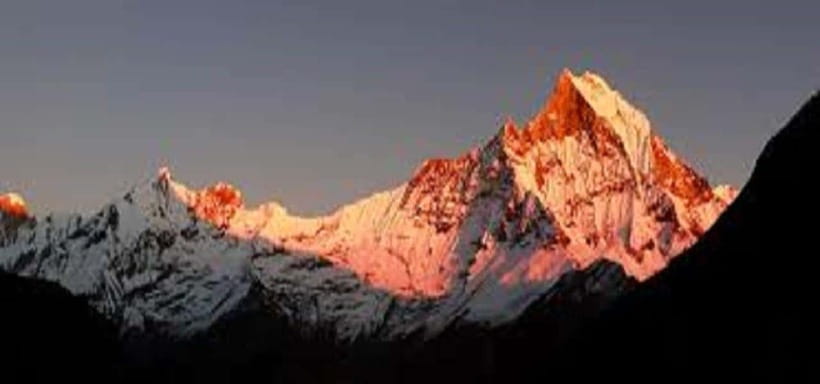
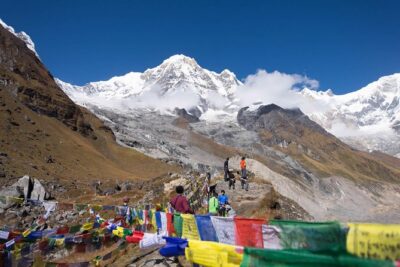
This section is the reason to choose the trip. The setting changes as you leave the lower forest and move into the high mountain zone. The reward is a close view of Annapurna and Machapuchare, with the dramatic sense of being enclosed by major Himalayan peaks.
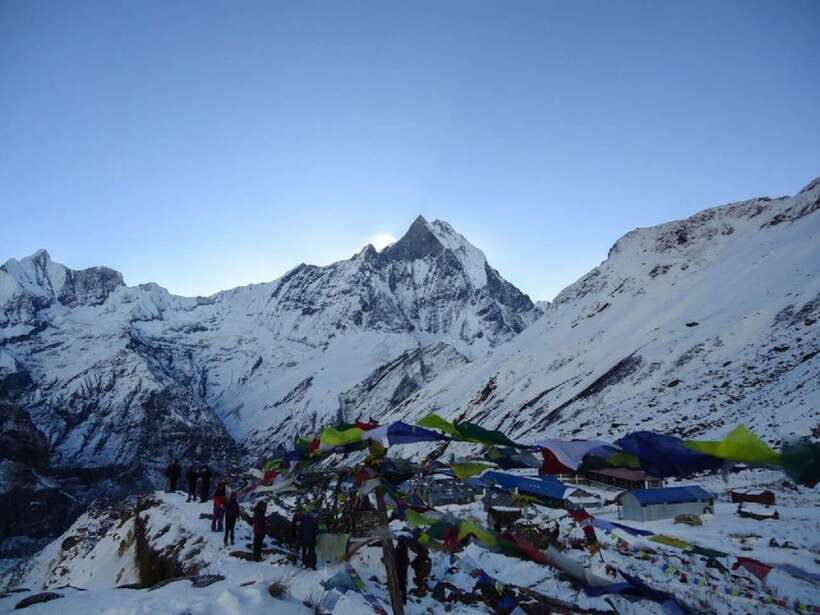
The sunrise is one of the biggest attractions. The program specifically highlights sunrise over the Annapurna range, and the overnight at Base Camp gives you a chance to see the early light from the destination itself rather than rushing in and out.
Keep expectations realistic. The route is demanding, and the day includes a substantial gain in elevation. Your guide is government registered and the package includes a first aid kit, but personal travel insurance is not included. Your policy must cover emergency rescue costs before you take part.
Accommodation at Base Camp is basic tea house or lodge accommodation. The appeal is location, not comfort. You are sleeping near the mountain amphitheater, and the simple setting is part of what makes the night memorable.
Day 5: Base Camp to Bamboo at 2,335 meters
After the high point, the route turns downhill toward Bamboo. You pass through forest, natural springs, waterfalls, and ethnic settlements.
This is often a satisfying day because the scenery changes again. The descent brings you back into greener surroundings, and the lower altitude can make the walking feel easier than the approach to Base Camp. It is still a full trekking day, so tired knees and feet remain part of the bargain.
The inclusion of springs and waterfalls adds detail to the route. You are not simply retracing the same path in reverse. The direction of light and the changing viewpoint can make familiar sections feel different on the way down.
Bamboo is a practical overnight stop before the final walk to Jhinu Danda. The itinerary does not present this as a rest day, so plan to keep your footwear and clothing organized for another walking day.
Day 6: Bamboo to Jhinu Danda at 1,610 meters
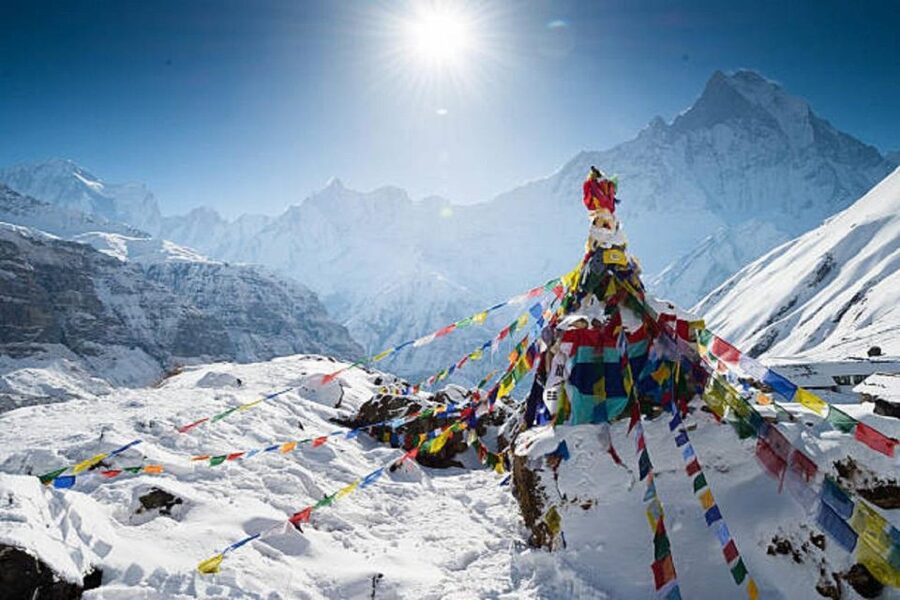
Day six brings you to Jhinu Danda, where the natural hot springs provide the trip’s relaxation break. At 1,610 meters, Jhinu is much lower than Base Camp, and the drop in altitude pairs well with the chance to rest.
The hot springs are more than a decorative extra. After several days of climbing and descending, a warm soak gives the trek a satisfying change of pace. You should bring a change of clothes and keep your belongings secure while using the springs.
This is also where the trip’s structure makes good sense. Many mountain itineraries finish with transport as soon as the high point is reached. This one gives you a full day to walk down and then adds a simple, enjoyable reward before the return to Pokhara.
Jhinu Danda is still basic in character. Do not book this expecting a resort spa. Think natural pools, mountain surroundings, and a chance to loosen up after the trail.
Day 7: Jhinu Danda to Nayapool and back to Pokhara
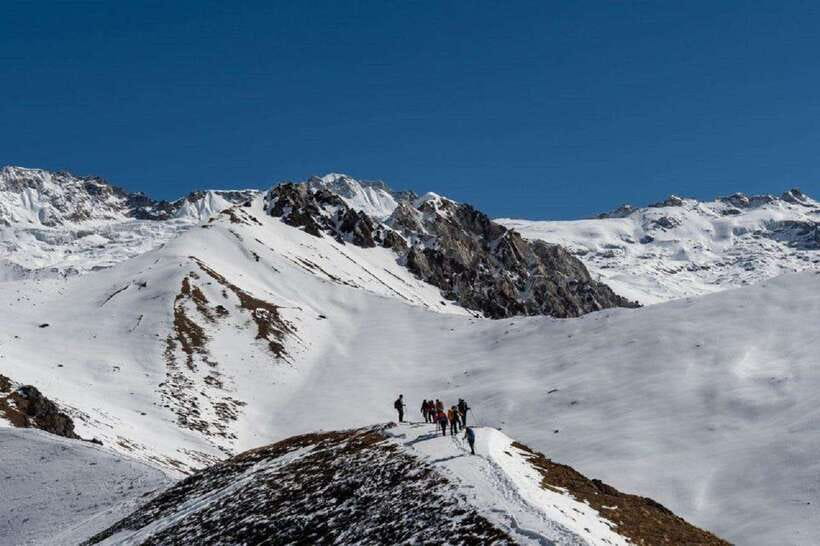
The final day takes you from Jhinu Danda to Nayapool, where transport returns you to Pokhara. The activity ends with a drop-off at a Pokhara hotel of your choice.
This return plan is convenient on paper, but it deserves your attention when you confirm the booking. A detailed account of the trip praised the route but described an earlier-than-expected finish and a return by a dangerous bus because a Jeep had not been reserved. That is a serious logistics issue, particularly after a week of walking on mountain roads.
Ask clearly what transport is planned for the final day, when the vehicle will be confirmed, and what happens if the trek finishes earlier than expected. The package includes round-trip transportation between your hotel, Pokhara International Airport, and the trek starting point, but the exact vehicle can depend on the option selected.
What the $190 price really covers
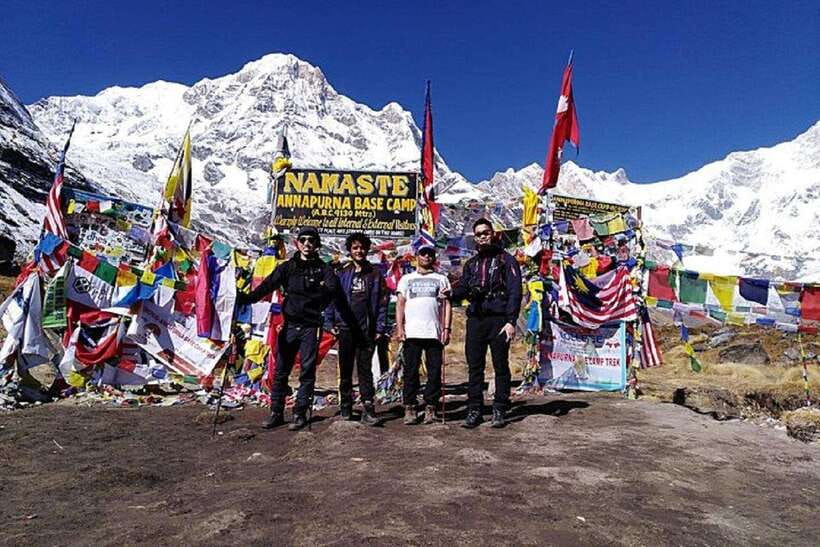
At $190 per person, this can be a strong-value trek if the selected option includes the main services listed. Those include permits and fees, basic tea house accommodation, an experienced government-registered guide, and porter support.
Guide and porter costs are described as covering food, accommodation, insurance, salary, transportation, and equipment. Trekking sticks and sleeping bags may also be available as needed. A first aid kit and government and local taxes are included.
The important qualification is the phrase depending on the option chosen. Meals during the trek and private vehicle use are not equally clear for every package. Read the selected option carefully rather than assuming every advertised inclusion applies automatically.
Personal expenses are not covered. Budget separately for anything you buy along the route. One account specifically reported paying for Wi-Fi and drinking water at tea houses despite the overall price. Those costs may vary, but you should plan for them instead of treating the $190 as an all-in personal budget.
Travel insurance is also excluded. This is not a place to cut corners. The instructions specifically require insurance that covers emergency rescue, with all rescue costs otherwise falling to you.
What to pack for a basic tea house trek
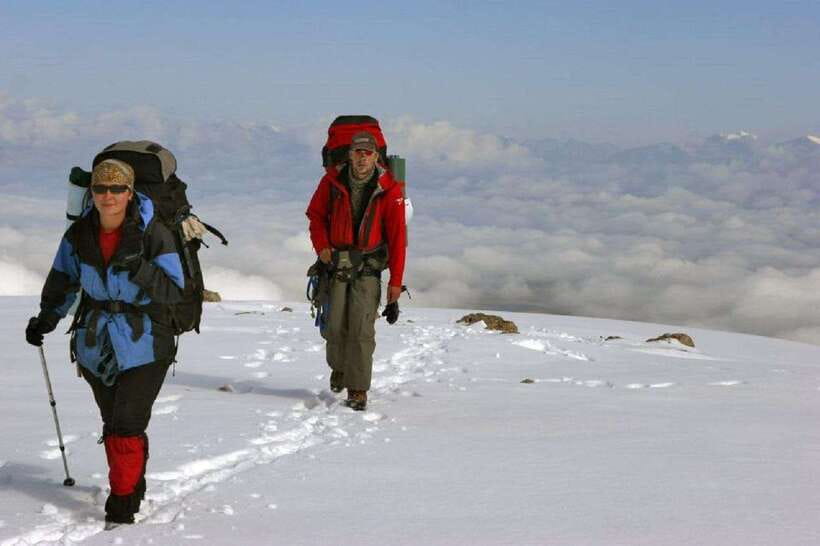
The supplied packing guidance is practical and points to the conditions you should prepare for. Bring comfortable shoes and proper hiking shoes, warm clothing, a jacket, hiking pants, a hat, and spare clothes.
A flashlight is useful for early starts and simple lodge conditions. Carry cash, your passport or ID card, and a copy of the document. Hand sanitizer or tissues, a camera, a hair tie, and trekking gear are also listed.
A trekking stick and sleeping bag may be available, but confirm this before departure. Do not assume that every item is supplied automatically. The best approach is to ask exactly what your chosen option provides.
Alcohol and drugs are not allowed, and pets and baby carriages cannot join the activity. Those restrictions are straightforward, but the bigger practical rule is to pack for changing temperatures between Pokhara, Base Camp, and Jhinu Danda.
Who will get the most from this trek
This trip suits you if you want a compact Annapurna experience with a clear goal, mountain villages, and a relaxing finish. It is especially appealing if you are staying in Pokhara and want the transport, permits, guide, and accommodation arranged as one package.
You should be comfortable walking for several hours on multiple consecutive days. The itinerary includes five to six hours on the first day and reaches 4,130 meters without a listed rest day. If you want a slow schedule with extra time for acclimatization, ask about alternatives before booking.
The private group format is useful for couples, families with suitable fitness, or friends who prefer to keep their own pace. You still need to clarify the group size, since private group is stated but a precise number is not provided.
The trek is less suitable if you want guaranteed hotel-style rooms, fully predictable transport, or no extra spending along the route. The route itself is the strong part. The administrative details need careful checking.
Booking advice before you commit
I would confirm four things in writing: the exact meal package, the transport vehicle on both ends, the planned overnight villages, and what equipment is supplied.
The accommodation plan matters because the route description names the main stops, but one detailed account reported confusion about sleeping in different villages and claimed the itinerary had not made a round trip clear. The route itself does return toward Nayapool, so make sure the day-by-day lodging plan matches your expectations.
I would also ask how the operator handles an itinerary that finishes early. A fast return may sound convenient, but it should not leave you relying on an unsafe vehicle. The listed free cancellation period is up to 24 hours before departure for a full refund, and the reserve-now, pay-later option gives you some flexibility while you check these details.
Should you book the Annapurna Base Camp trek?
Book it if your priority is the route experience: Annapurna Base Camp, a sunrise among the peaks, traditional villages, forest trails, and Jhinu Danda’s hot springs. The seven-day structure packs a lot into one week, and the $190 starting price can offer good value when the selected package includes meals, transport, guide services, and porter support.
Pause before booking if you dislike uncertain logistics. The report of poor communication, extra tea house charges, and an unsafe return bus is not a small complaint. Confirm the details, especially the final transport and included meals.
My call: choose this trek for its scenery and well-shaped itinerary, but treat the booking details as part of the preparation. If the operator confirms the vehicle, lodging plan, meals, and equipment clearly, it offers an appealing way to reach ABC and finish with a hot spring soak.
FAQ
How long is the Annapurna Base Camp trek?
The activity lasts seven days, including transport from Pokhara to the trail and the return to Pokhara.
What is the highest point of the trek?
The highest point is Annapurna Base Camp at 4,130 meters, or about 13,550 feet.
Where does the trek start?
After breakfast at your Pokhara hotel, transportation takes you to Nayapool. The walking portion begins there.
Where does the trek finish?
The walking route finishes at Nayapool after the final section from Jhinu Danda. You then return by vehicle to Pokhara and are dropped at a hotel of your choice.
Which villages or overnight stops are included?
The stated route includes Ghandruk, Chomrong, Himalaya, Annapurna Base Camp, Bamboo, and Jhinu Danda. Accommodation is provided in basic tea houses or lodges.
Are meals included?
All meals during the trek are included with the applicable option. Check the exact package selection because the inclusion depends on the option chosen.
Is a guide provided?
Yes. The activity includes an experienced, government-registered trekking guide. Guiding is available in English, Hindi, and Nepali.
Is travel insurance included?
No. Travel insurance is not included. You must have coverage for emergency rescue, as rescue costs must otherwise be paid by you.
Can I cancel the booking?
You can cancel up to 24 hours in advance for a full refund. The activity also offers a reserve-now, pay-later option.
More week-long treks around Pokhara
- Best Kilimanjaro Adventure 7 days Machame route Trekking
★ 5.0 · 42 reviews - Kilimanjaro 7 Day Private Trekking Experience
★ 5.0 · 40 reviews - Pokhara: 7 Day Annapurna Base Camp Trek
★ 4.9 · 38 reviews - 7 Days Kilimanjaro trek via Machame route
★ 5.0 · 13 reviews
More Hot Spring Treks in Pokhara
- Pokhara: 5-Day Trek to Annapurna Base Camp and Hot Springs
★ 5.0 · 4 reviews - Private Tour Mount Batur Sunrise Trekking and Natural Hot Spring
★ 5.0 · 431 reviews - Mount Batur Sunrise Trek & Natural Hot Spring Experience
★ 5.0 · 95 reviews - 3D/2N Rinjani trekking summit,lake and hot springs.
★ 5.0 · 85 reviews
New treks around Pokhara
- Pokhara: 9-Day Annapurna Base Camp Trek with Poon Hill★ 5.0 · 6 reviews
- Pokhara: 5-Day Trek to Annapurna Base Camp and Hot Springs★ 5.0 · 4 reviews
- Pokhara: Majestic Mardi Base Camp Guided Trek with HotSpring★ 5.0 · 6 reviews
- Pokhara: 5-Day Ghorepani and Poon Hill Private Trek★ 5.0 · 4 reviews
- Pokhara:4-Day Ghorepani Poon Hill Guided Trek via Ghandruk★ 5.0 · 3 reviews
- Pokhara: 4-Day Poon Hill and Ghandruk Guided Trek★ 5.0 · 14 reviews
- Pokhara: 4-Day Private Trek Tour★ 4.9 · 43 reviews
- Pokhara: 4-Day Beautiful Ghorepani Poon Hill & Ghandruk Trek★ 4.8 · 21 reviews
Annapurna Base Camp Treks, side by side.
Trekking in Annapurna/Langtang/Everest/Upper Mustang regions
Read our review →
Kathmandu to Annapurna Base Camp (ABC) 5-Day Trek
Read our review →