
Review · POKHARA
From Pokhara: Australian Camp & Dhampus 1, or 2-Day Trek
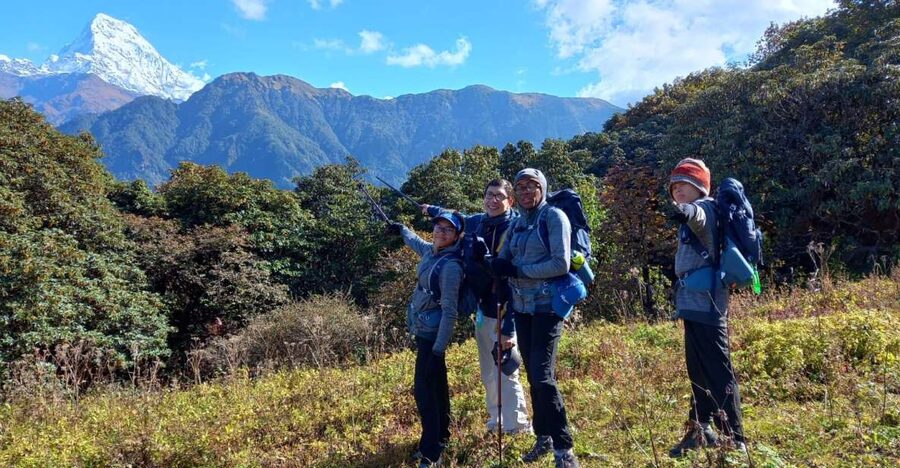
Australian Camp gives you a surprisingly big Himalayan reward for a short walk from Pokhara. From its grassy ridge at 2,060 meters, you can look across to Annapurna South, Hiunchuli, and the sharp peak of Machhapuchhre, also called Fishtail. I especially like the short approach and the chance to add real village life in Dhampus, rather than simply driving to a viewpoint.
I also like the choice between a fast one-day circuit and a sunset-and-sunrise overnight. The main caution is that the lodge is basic. One guest found no toilet paper or towels in the room, and mountain weather can hide the sunrise, so this is best booked for the walking and setting as much as for a guaranteed photograph.
Key points to know before you go
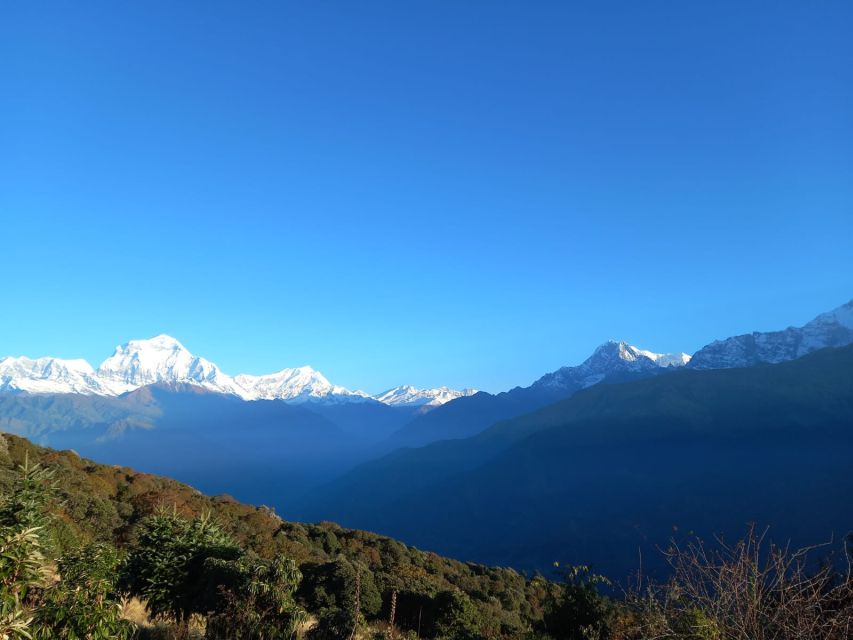
- Australian Camp reaches 2,060 meters: You get wide Annapurna views without committing to a long high-altitude trek.
- The two routes work differently: The one-day option starts at Kande, while the overnight route starts at Phedi and reaches the camp through Dhampus.
- Dhampus adds real local character: Expect Gurung village paths, slate-roofed homes, terraced fields, and stories connected with British Gurkha soldiers.
- The one-day walk is moderate but stair-heavy: Recent experience puts the uphill section at roughly one to two hours, with a two-hour descent on the easier side.
- The overnight lodge is comfortable but simple: A private bathroom is included, along with dinner and breakfast, but towels and toilet paper may not be supplied.
- Guiding gets personal attention: Guides including Raju, Prakash, and Pratip have helped with pacing, photographs, local explanations, and family groups.
Why Australian Camp works so well from Pokhara
Pokhara is an easy place to linger, with lakeside cafes and a relaxed pace. Australian Camp gives you a quick change of scene without requiring a full trekking holiday. In a few hours, you trade city roads for forest paths, stone steps, terraced hillsides, and a high ridge facing the Annapurna range.
The appeal is the effort-to-view ratio. You do not need weeks on the trail to reach this viewpoint, and you do not need a technical background. The climb is moderate, though you should still expect plenty of steps and uneven ground. A good level of everyday fitness will make the walk far more pleasant.
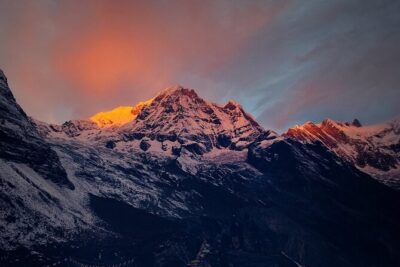
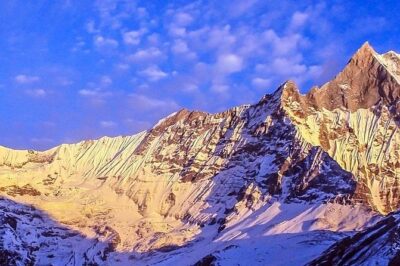
The view is broad rather than intimate. From the camp, the panorama includes Annapurna South, Hiunchuli, and Machhapuchhre. The grassy setting gives you room to sit, eat, and watch the light shift across the peaks. That makes this a fine choice for photographers, first-time hikers, and anyone who wants mountain scenery without a major physical commitment.
More two-day treks around Pokhara
- Pokhara: 2-Day Ghorephani and Poon Hill Private Trek
★ 4.6 · 50 reviews - From Pokhara: 2 Day 1 Night Ulleri,Ghorepani Poon Hill Trek
★ 4.9 · 33 reviews - Pokhara: 2-Day Ullerai, Ghorepani & Poon Hill – Sunrise Trek
★ 5.0 · 21 reviews
The one-day route from Kande to Phedi
The express version begins with hotel pickup in Pokhara at about 8:00 in the morning. A private vehicle takes you to Kande, where the walk begins at roughly 9:00. The drive is short enough to preserve most of the day, and the private setup means you avoid waiting for a large group.
From Kande, you climb through forest toward Australian Camp. The stated walking time is about two hours, though one recent account described the ascent as closer to an hour. I would plan for one to two hours, since your pace, rest stops, and trail conditions will affect the timing.
This is not a flat stroll. The path rises through wooded sections and includes steps, so hiking shoes are a sensible choice. Your guide can help set a steady pace, and the private group format should make it easier to stop for photographs or catch your breath.
You reach Australian Camp around late morning. The schedule allows lunch with the Himalayan view, a worthwhile pause rather than a rushed photo stop. The camp’s open grassy ridge is the main prize here. Sit down, look up, and give the mountains time to appear through changing cloud.
After lunch, the route descends toward Dhampus Village. This changes the feel of the day. Australian Camp is about the view, while Dhampus offers a closer look at mountain life, with slate-roofed houses, terraced fields, and narrow paths through a traditional Gurung settlement.
You also pass through Pothana, where the planned stop is for Himalayan tea. It is a small detail, but it helps break up the descent and gives you a chance to enjoy the village setting instead of treating the trek as a race between two viewpoints.
The final descent leads to Phedi, followed by a private drive back to Pokhara. The full day runs for about seven hours, with hotel return in the late afternoon. This option is efficient, but it leaves less time for lingering at the camp and gives you no sunrise experience.
The two-day route and its better rhythm
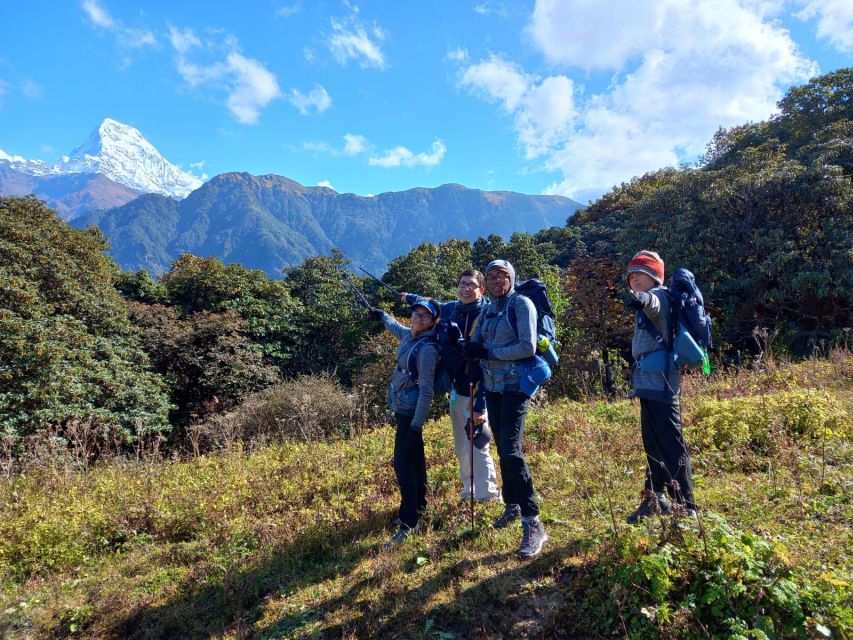
The overnight version starts at Phedi rather than Kande. After pickup at about 8:00, you drive to Phedi and begin walking around 9:00. The route rises through Dhampus and continues to Australian Camp at 2,060 meters.
This direction makes sense if you want the village experience to come before the main viewpoint. You can take more time with the forest trail and village life, rather than fitting every stop into a single long day. The walking is still moderate, but the overnight schedule removes the pressure to return to Pokhara that afternoon.
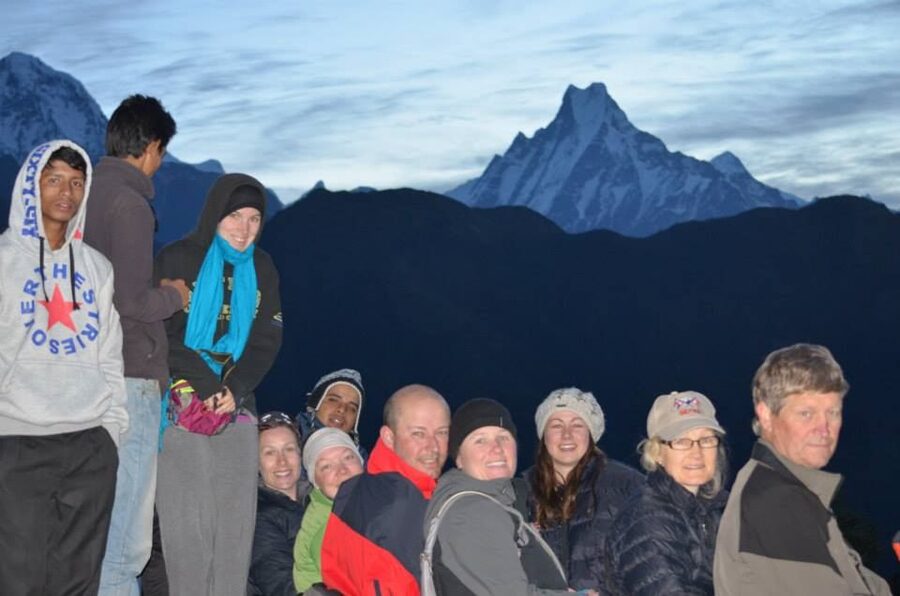
The major reward comes in the evening. Australian Camp faces the Annapurna range, so sunset can bring warm color to Annapurna South, Hiunchuli, and Machhapuchhre. It is not guaranteed, of course. Clouds and weather can block the peaks, but staying overnight gives you a far better chance than the one-day option.
The lodge provides a private bathroom, which is useful after a day on the trail, but you should keep expectations realistic. The room is simple, and one guest found that toilet paper and towels were not provided. Pack your own small supply, along with basic toiletries and warm layers.
Dinner is included, as is breakfast the next morning. Food at the lodge has been praised as better than expected for a mountain stay, but this is not a resort break. You are paying in walking time and mountain access, not in polished hotel facilities.
The next morning begins early for sunrise. You can watch the peaks brighten from the camp, then descend to Kande at about 10:00. The drive back to Pokhara follows, with hotel drop-off planned around 1:00.
This version is the stronger choice if sunrise matters to you. Still, do not treat it as a promise. One family had a very enjoyable trip but could not see the sunrise. The walk, setting, and village experience remain worthwhile, but mountain weather gets the final say.
Dhampus and the Gurung village experience
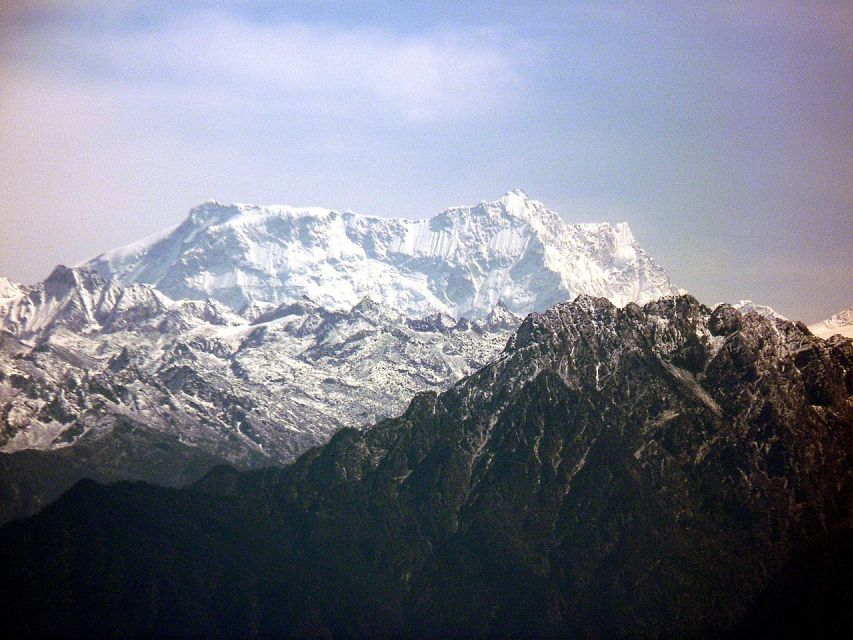
Dhampus is not just a stop placed between two trail points. It gives the walk a human scale. You pass homes, cultivated terraces, and a working hillside settlement rather than staying on a purpose-built scenic path.
The tour also connects the area with Gurung culture and the history of British Gurkha soldiers. Your English-speaking guide can explain what you are seeing and answer questions along the way. The quality of this part depends heavily on the guide, and the named guides associated with recent trips, including Raju, Prakash, and Pratip, have been praised for local explanations and personal care.
Prakash, in particular, helped with photographs and answered questions while keeping a close eye on one solo hiker. Raju was praised for encouraging someone who did not feel naturally motivated to trek. Those details matter because a guide on a short walk is not only there to lead the way. Good pacing and simple encouragement can change the whole day.
The village sections are also a useful reason to choose this trip over a drive to a lookout. You get scenery, but you also see how people farm and live on steep ground. Keep your camera ready, but remember that these are lived-in communities, not stage sets.
More treks around Pokhara:
- Poon hill Trek 3 days
★ 5.0 · 176 reviews - Trekking in Annapurna/Langtang/Everest/Upper Mustang regions
★ 5.0 · 161 reviews - Pokhara: 4-Day Ghorepani, Poonhill & Ghandruk Mountain Trek
★ 5.0 · 132 reviews - Ghorepani – Poon Hill Trek 3N-4D
★ 5.0 · 125 reviews
How difficult is the trek?
The walk is rated moderate. That label is fair, but it can hide the practical detail: the main challenge is repeated uphill steps, followed by a descent that can work your knees. The altitude is not extreme at 2,060 meters, yet you will still notice the climb if you are not used to hiking.
Recent experience suggests that the ascent can take about one to two hours, while the descent may take around two hours. Your guide can adjust the pace in a private group, which is a real advantage over a fixed large-group schedule.
Wear proper hiking shoes, bring a camera if photography matters to you, and carry a small day bag. Oversize luggage is not allowed on the activity, so leave large bags at your hotel in Pokhara. Trekking poles, a down jacket, and a sleeping bag can be borrowed if needed, and water purification tablets are available as required.
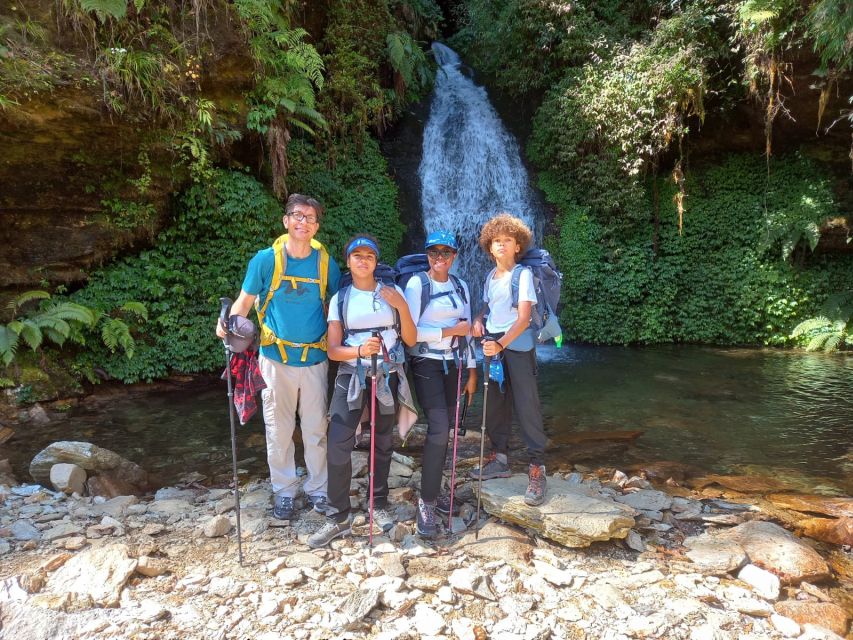
Children can manage the route in the right conditions. A family with children aged eight and twelve completed the trip and enjoyed the guiding and food. That does not mean every child will find the steps easy, so parents should judge based on stamina and comfort with a moderate hike.
Meals, equipment, and what is included
The one-day option includes lunch. The two-day option includes lunch on the first day, dinner, breakfast, and another lunch according to the stated package details. Hot, cold, and alcoholic drinks, along with extra snacks, are not included.
Bring some personal snacks if you tend to get hungry while walking. You should also carry money for drinks and personal expenses, since those are outside the package.
Hotel pickup and drop-off, private vehicle transfers, an English-speaking trekking guide, required paperwork, permits, government taxes, and service charges are included. For the overnight version, accommodation and full-board meals are part of the package.
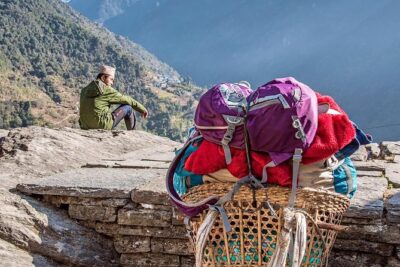
A porter is available as an add-on, and a duffel bag is provided when the porter option is used. If you are carrying only a normal day bag, you may not need one for this short trek. The best choice depends on how much you bring and how comfortable you are carrying it yourself.
The equipment loan can save you from buying gear for a single short outing. A down jacket is useful for the cooler morning and evening, while trekking poles can help on the steps and descent. Ask about borrowed gear when you book so you know what is available for your group.
Private guiding and family appeal
The private group format is one of the strongest practical features. You can stop for photographs, slow down on the uphill sections, or spend longer at Australian Camp without being tied to an unfamiliar group’s pace.
Guides have also made this trip work well for first-time hikers. Raju helped keep one reluctant trekker motivated, while Pratip was praised for friendliness, local information, and attention to the overall experience. These are useful qualities on a short trek, where a rushed or indifferent guide would be easy to notice.
Families should look closely at the two-day schedule. It gives children more time to enjoy the setting, but the overnight lodge is basic. The one-day version avoids sleeping in simple accommodation, though it creates a longer day with more pressure on the walking schedule.
The activity is conducted in English. That is important if you want detailed explanations about the villages, mountains, and local culture. Ask for the guide’s name at pickup, and use the early part of the walk to explain your preferred pace and interests.
Best season, timing, and weather expectations
The supplied information does not identify a single best season, so you should check conditions and visibility before setting your expectations. Clear mountain views are never guaranteed, and the missed sunrise on one trip is a useful reminder.
The one-day plan starts early and returns in the late afternoon. It suits a free day in Pokhara and gives you a strong mountain outing without changing hotels. The two-day plan is calmer and adds sunset and sunrise, but you need to accept the simple lodge and an early start the next morning.
For the best chance of seeing the peaks, keep your schedule flexible enough to tolerate cloud. The value of the trip is not only the perfect mountain photograph. It is also the forest walk, the Gurung villages, the tea stop, and the change from Pokhara’s easygoing streets to a quieter hillside setting.
Cancellation is free up to 24 hours before the activity, and you can reserve now and pay later. Pickup is from your hotel lobby or the entrance of your residential apartment, and you should be ready five minutes before the agreed time.
Is this trek good value?
No price is provided here, so I cannot judge the cost against competing tours. I can judge what you receive: private transport, a guide, permits, hotel transfers, lunch, and, for the overnight version, accommodation, dinner, breakfast, equipment loans, and a second day of mountain time.
The one-day option offers strong value if your priority is scenery with minimal time away from Pokhara. The two-day option offers more memorable timing, since sunset and sunrise are possible only when you stay at the camp.
The main tradeoff is comfort. The mountain lodge is basic, and drinks and snacks cost extra. If you want polished accommodation, this is the wrong product. If you want a short walk, a wide Himalayan view, and a genuine village route without a long expedition, the package makes good sense.
Should you book Australian Camp and Dhampus?
Book the one-day version if you have one free day, want a moderate hike, and prefer to sleep back in your Pokhara hotel. It is especially suitable for first-time hikers, photographers, and families who want to avoid an overnight stay.
Choose two days if sunset and sunrise matter to you, or if you would rather walk at a relaxed pace. Pack toilet paper, a towel, warm clothing, and snacks, and accept that clouds may block the peaks.
I would choose the overnight route for the fuller experience, provided you are comfortable with a simple lodge. Choose the express route if convenience matters most. Either way, you get one of Nepal’s better short mountain outings: a manageable climb, a broad Annapurna view, and a village walk that gives the scenery some real context.
FAQ
How long does the Australian Camp and Dhampus experience take?
You can choose a one-day express trip of about seven hours or a two-day trek with one night at Australian Camp.
Where does the one-day trek start?
The one-day option begins with a drive from Pokhara to Kande. You hike to Australian Camp, descend through Dhampus and Pothana, then continue to Phedi for the drive back.
Where does the two-day trek start?
The two-day route starts at Phedi. You walk through Dhampus to Australian Camp on the first day, then descend to Kande on the second day before returning to Pokhara.
What mountain views can I expect?
From Australian Camp at 2,060 meters, you can see wide views toward Annapurna South, Hiunchuli, and Machhapuchhre, also known as Fishtail.
Is accommodation included on the two-day option?
Yes. The two-day option includes one night in a mountain guesthouse with a private bathroom. The room is basic, and you should bring toilet paper and a towel because they may not be provided.
What should I bring?
Bring your passport, hiking shoes, and a camera. You should also consider carrying personal snacks, warm clothing, and basic toiletries. Oversize luggage, alcohol, and drugs are not allowed.
New treks around Pokhara
- Pokhara: 9-Day Annapurna Base Camp Trek with Poon Hill★ 5.0 · 6 reviews
- Pokhara: 5-Day Trek to Annapurna Base Camp and Hot Springs★ 5.0 · 4 reviews
- Pokhara: Majestic Mardi Base Camp Guided Trek with HotSpring★ 5.0 · 6 reviews
- Pokhara: 5-Day Ghorepani and Poon Hill Private Trek★ 5.0 · 4 reviews
- Pokhara: 7-Day Annapurna Base Camp Trek & Hot Spring★ 4.0 · 3 reviews
- Pokhara:4-Day Ghorepani Poon Hill Guided Trek via Ghandruk★ 5.0 · 3 reviews
- Pokhara: 4-Day Private Trek Tour★ 4.9 · 43 reviews
- Pokhara: 4-Day Poon Hill and Ghandruk Guided Trek★ 5.0 · 14 reviews
Nepal Trekking Tours, side by side.
Lists this trek appears in