
Review · KATHMANDU
Annapurna Base Camp Trek
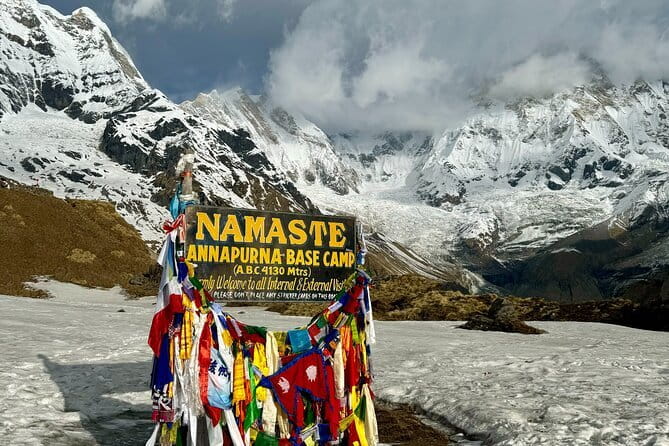
Annapurna Base Camp sits inside a natural mountain amphitheater, with Annapurna I, Machapuchare, and Hiunchuli rising around you. The route gives you a fine mix of mountain views, forest trails, terraced fields, Gurung villages, and a hot-spring stop at Jhinu Danda.
I like the sensible progression from Ghandruk into the sanctuary, and I like that the price includes permits, meals, teahouse lodging, a guide, and one porter for every two trekkers. Shishir is singled out for personal help, and that kind of support matters on a long trek.
The main caution is the physical demand. You climb for several days, reach high altitude, and then descend on rough trails. The advertised price of $50 per person also deserves a careful check, since the 11-day package includes a great deal of transport and support.
Key points at a glance
- Annapurna Sanctuary views: Reach Annapurna Base Camp beneath some of Nepal’s most famous peaks.
- Ghandruk’s Gurung culture: Begin the walking route in a traditional hill village with stone-paved paths and mountain views.
- Forest and field scenery: Walk through rhododendron, oak, and bamboo forests, with terraced hillsides lower down.
- Jhinu Danda hot springs: Rest tired legs in natural hot springs near the end of the trek.
- Full trekking support: Your package includes permits, a guide, meals, teahouse stays, a porter arrangement, and a first aid kit.
- Private group format: You receive guide support without joining a large shared group.
What the Annapurna Base Camp route is really like
This is an 11-day trip from Kathmandu and back, with the actual walking days concentrated between Nayapul and the Annapurna Sanctuary. It is not a quick mountain outing. You spend several days gaining height, one major day reaching base camp, and two days coming back down.
I like this route because the scenery changes often. You start among fields and settled villages, move into thick forest, then reach a colder, rockier high-altitude setting. That variety keeps the walk interesting, even on days when your legs are doing most of the talking.
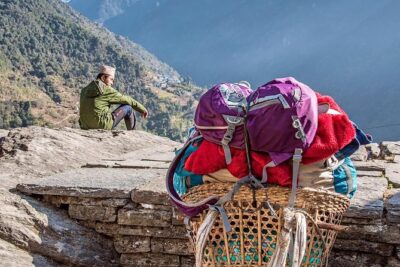
The trip is offered as a private group, with a live guide in English or Spanish. A guide can help with permits, route decisions, safety, and communication at the lodges. You also receive one porter for every two trekkers, so pack thoughtfully and keep your day bag light.
The listing gives a price of $50 per person. That is a strikingly low figure for an 11-day package that includes accommodation, meals during the trek, permits, transport, guide services, porter support, and airport transfers. Before paying, I would confirm exactly which package that price covers, as the description also refers to a Guide + Permit Only option. The inclusions may differ between options.
More Annapurna treks around Kathmandu:
- Annapurna Circuit Trek with Tilicho Lake
★ 5.0 · 368 reviews - Annapurna base camp trek 5 Days
★ 5.0 · 252 reviews - 14-Day Private Annapurna Base Camp Trek
★ 5.0 · 180 reviews
Days 1 and 2: Kathmandu briefing, then the long road to Pokhara
Your first day begins at Tribhuvan International Airport, where a representative meets you and takes you to your Kathmandu hotel. You have a pre-trek briefing in the evening with your team leader.
That briefing is more useful than it may sound. You can ask about the walking schedule, equipment, altitude, meals, porter bags, and the general rhythm of the trek. Use it to settle practical questions before you leave the city.
Day 2 is a scenic drive to Pokhara, usually taking seven to eight hours by tourist bus. Pokhara is Nepal’s lake city and a pleasant base before the trail begins, but this is still a long road day. If you are sensitive to winding roads, bring water, snacks, and anything you normally use for motion sickness.
The package includes a three-star hotel with breakfast in Kathmandu and Pokhara. Lunch and dinner in those cities are not included, so budget separately for city meals.
Day 3: Nayapul to Ghandruk and the first real walking
The trek starts with a short drive from Pokhara to Nayapul. From there, you walk uphill on stone-paved trails toward Ghandruk.
Ghandruk is one of the most appealing stops on the route. It is a Gurung village with traditional houses and broad mountain views, giving you an early sense of local life rather than sending you straight into a remote high-altitude corridor.
This first walking day sets the tone. You gain height on foot, and the stone paths can feel demanding if you have just arrived from a low-altitude city. Comfortable shoes are essential, and proper hiking shoes are even better.
Ghandruk also gives your guide a chance to explain the route ahead. Take advantage of the stop to adjust your pack, check your water supply, and make sure your warm clothing is easy to reach.
Day 4: Ghandruk to Sinuwa through rhododendron and oak forest
From Ghandruk, the trail drops to the Kimrong Khola before climbing again through rhododendron and oak forest. The repeated descent and ascent are a useful warning about this trek: a day that looks short on a map can still work your legs.
Sinuwa is a small settlement surrounded by dense forest. The forest provides shade and a welcome change from exposed trails, but the route can be uneven and steep in sections. Trekking poles may be useful, although they are not listed among the included items.
The day also shows why pacing matters. You do not need to rush to prove anything. Keep a steady rhythm, drink often, and tell your guide if you feel unwell. Altitude problems are easier to manage when you speak up early.
More treks around Kathmandu:
- Everest Base Camp Trek – 14 Days
★ 5.0 · 1,499 reviews - Everest Base Camp Trek
★ 5.0 · 842 reviews - Everest Base Camp Trekking
★ 5.0 · 485 reviews - Everest Base Camp Trekking – 13 Day
★ 5.0 · 365 reviews
Day 5: Sinuwa to Deurali, with bamboo forest and glacial streams
The trail continues through bamboo forest toward Dobhan and Himalaya, two small settlements along the route. The walk gradually becomes more rugged as you approach Deurali.
The scenery changes as the trees thin out and glacial streams become more noticeable. This is one of the route’s strongest features: you can feel the transition from settled mountain country to a more severe alpine setting.
The climb is steady, and the higher you go, the more important it becomes to watch for altitude symptoms. The practical advice is simple: keep drinking water, avoid alcohol, protect yourself from strong sun, and follow your guide’s instructions.
You stay in teahouses during the trek. These are useful, basic places to eat and sleep, not luxury hotels. Full board meals include breakfast, lunch, and dinner during the walking section, which keeps the daily planning simple.
Day 6: Deurali to Machapuchare Base Camp and Annapurna Base Camp
This is the main day of the trek. From Deurali, you continue toward Machapuchare Base Camp, then climb gradually to Annapurna Base Camp.
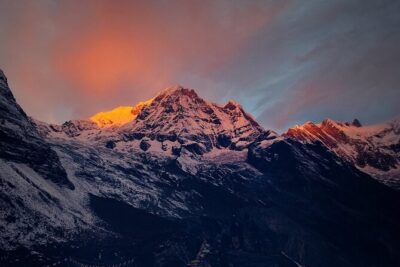
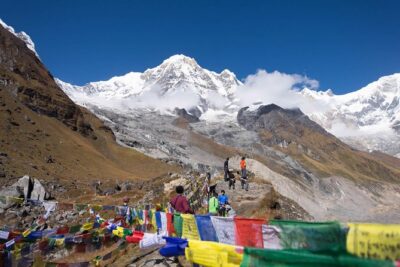
The final approach is special because the mountains close in around the route. Annapurna Base Camp lies within the Annapurna Sanctuary, a natural amphitheater ringed by high peaks. Annapurna I, Machapuchare, and Hiunchuli are the major names highlighted on this route.
Machapuchare is often known as Fishtail because of its distinctive shape. The mountain is a major visual marker on the approach, while Annapurna I gives the base camp its powerful sense of scale.
This day can be demanding. You are walking at higher altitude, and even a gradual climb may feel slow. The reward is not only the view at the destination. It is the change in the air, the rock, the snow, and the silence as you move farther into the sanctuary.
Give yourself time at base camp for photos and rest, but do not treat the high point as a place to linger carelessly if you feel sick. Warm clothing, sunscreen, water, and snacks belong in your day pack.
Day 7: Returning from base camp to Bamboo
After time at Annapurna Base Camp, you retrace the route toward Bamboo. The descent is generally easier on the lungs because you are losing altitude, though it can be harder on knees and ankles.
The trail returns through the same broad corridor, so the scenery is familiar. You may notice details you missed while climbing, especially forest textures, streams, and changing views behind you.
Bamboo is a small settlement in forest. It makes a practical overnight stop because it breaks up the return journey rather than forcing you to descend too far in one day.
A porter carries shared luggage, but you remain responsible for your day pack. Keep water, sun protection, warm layers, snacks, and any personal medicine with you.
Day 8: Bamboo to Jhinu Danda and the hot springs
The walk from Bamboo to Jhinu Danda brings you back through lush forest, with occasional views of the Annapurna range. After the higher section, the return to greener surroundings feels like a proper change of chapter.
Jhinu Danda is the trip’s best recovery stop. The village is known for hot springs, giving you a chance to soak after several days of climbing and descending.
Do not assume the hot springs will erase every sore muscle, but they add a pleasant local experience that many mountain routes lack. Bring suitable swimwear if you plan to bathe, and keep your other belongings secure.
This is also a good place to slow down. The trek is not only about reaching base camp. Stops such as Ghandruk and Jhinu Danda give the route a stronger connection to village life and everyday Nepal.
Day 9: Jhinu Danda to Siwa or Ghandruk Phedi, then Pokhara
The final walking section is described as short and relatively easy. You descend to Siwa or Ghandruk Phedi, depending on your pace, where a vehicle takes you back to Pokhara.
This arrangement saves you from walking a long extra road section at the end of the trek. It also makes the timing less exact, since the pickup point depends on where you finish.
Back in Pokhara, you return to a three-star hotel with breakfast included. Lunch and dinner are not included in the city, so plan to pay for those yourself.
After several nights in teahouses, a hotel room in Pokhara can feel like a luxury even if it is simply a standard three-star stay. Use the evening to rest, wash clothes if needed, and sort your gear before the road trip back to Kathmandu.
Day 10: The seven to eight hour drive to Kathmandu
The return drive follows rural scenery, rivers, and terraced hillsides. It takes about seven to eight hours, so do not treat this as a short transfer.
The road journey gives you a final look at Nepal beyond the trail. You see how villages, farms, rivers, and mountain roads connect the two main cities in the program.
A tourist bus is included, but road conditions and traffic can affect the pace. Keep essential items in a small bag rather than in luggage stored away. Water, snacks, a warm layer, and personal medication are sensible choices.
Day 11: Airport transfer and departure
Your final day is kept fairly open. Depending on your flight time, you can rest before a transfer to the airport.
Airport transfers in Kathmandu are included. You need to provide your flight number and landing time so the operator can arrange the arrival and departure movements.
A farewell dinner is also included at the end of the trek. Confirm when it is scheduled, especially if your departure time is early or you are leaving Kathmandu soon after returning.
What is included, and what still costs extra
The package includes a professional English-speaking guide, with Spanish-language guide support also stated as available. It includes trekking permits, Kathmandu and Pokhara hotel stays with breakfast, teahouse accommodation, and full board meals during the trek.
You also receive transportation to and from the trail, the Kathmandu to Pokhara tourist bus, a first aid kit, airport transfers, a duffel bag, and a sleeping bag. The duffel bag and sleeping bag must be returned after the trek.
One porter is provided for every two trekkers. That is helpful, but it does not mean you can bring unlimited luggage. Pack only what you need and keep valuables with you.
International flights, visa fees, personal trekking equipment, city lunches and dinners, laundry, telephone charges, and bar bills are not included. The information also says to carry adequate personal insurance for trekking, even though comprehensive travel insurance is listed among the inclusions. I would ask the operator to explain exactly what coverage is supplied and what you must arrange yourself.
Is this trek right for you?
This route suits you if you want a serious Himalayan walk with organized support rather than a basic permit-only arrangement. The private group format is useful if you prefer a more personal pace and direct access to your guide.
You need to be comfortable walking uphill and downhill for several days. The program is not suitable for children under 12, pregnant women, people with back or heart problems, people prone to seasickness, or people over 70.
The supplied advice is sensible: bring warm clothing, comfortable walking shoes, hiking shoes, a hat, sunscreen, water, snacks, and trekking gear. You should also be ready for sudden weather changes and carry cash because ATMs may not be available in remote areas.
The strongest human detail attached to the experience is the personal support associated with Shishir, who helped one trekker throughout the journey. That does not guarantee the same guide on every departure, so ask who will lead your group and what language they speak.
Should you book the Annapurna Base Camp trek?
I would book this trek if you want the classic Annapurna Sanctuary experience with meals, permits, lodging, porter support, and transport arranged in advance. Ghandruk, Machapuchare Base Camp, Annapurna Base Camp, and Jhinu Danda give the trip a good mix of culture, mountain scenery, physical challenge, and recovery time.
I would not book it without first confirming the exact $50 package, the insurance terms, the guide assignment, and the starting date. The itinerary is clear, but the listed price and the separate Guide + Permit Only option suggest that package details need careful checking.
For a fit trekker who values support but still wants real walking days, this is a strong choice. Go prepared, pace yourself, and treat the mountain section with respect.
FAQ
How long is the Annapurna Base Camp trek?
The full program lasts 11 days, including arrival in Kathmandu, drives to and from Pokhara, the trek, and departure.
Where does the trekking begin?
The walking route begins at Nayapul after a short drive from Pokhara.
What peaks can I see on the trek?
The route highlights Annapurna I, Machapuchare, and Hiunchuli, with views within the Annapurna Sanctuary.
Are meals included?
Breakfast is included at the Kathmandu and Pokhara hotels. Breakfast, lunch, and dinner are included during the trek. Lunch and dinner in Kathmandu and Pokhara are not included.
Is accommodation included?
Yes. The package includes three-star hotel accommodation in Kathmandu and Pokhara, plus lodge or teahouse accommodation during the trek.
Is a guide provided?
Yes. A professional English-speaking guide is included, and Spanish-language guide support is also listed. The experience is arranged for a private group.
What should I bring?
Bring comfortable shoes, hiking shoes, warm clothing, a hat, sunscreen, water, snacks, and suitable trekking gear. You should also carry cash because ATMs may not be available in remote areas.
New treks around Kathmandu
- Kathmandu or Pokhara: 5-Day Annapurna Base Camp (ABC) Trek★ 4.5 · 2 reviews
- Pokhara: 2 Day Ghorepani & Poon Hill Private Trekking★ 4.9 · 8 reviews
- From Kathmandu: 6-Day Langtang Valley Guided Trek★ 5.0 · 2 reviews
- Pokhara: 5-Day Annapurna Base Camp (ABC) Trek★ 5.0 · 9 reviews
- Kathmandu: Langtang Valley 6-Day all inclusive Guided Trek★ 5.0 · 2 reviews
- Kathmandu: 6 Days Langtang Valley Trek with Kyanjin Ri★ 5.0 · 7 reviews
- Kathmandu: 9- Day Annapurna Circuit Trek★ 5.0 · 2 reviews
- Kathmandu: 6-Day Limitless Langtang Trek★ 5.0 · 21 reviews
Annapurna Base Camp Treks, side by side.
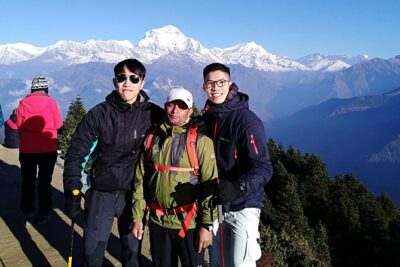
Trekking in Annapurna/Langtang/Everest/Upper Mustang regions
Read our review →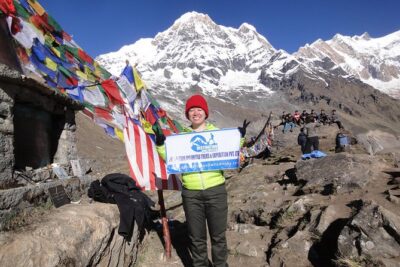
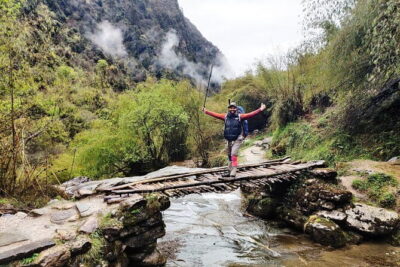
Kathmandu to Annapurna Base Camp (ABC) 5-Day Trek
Read our review →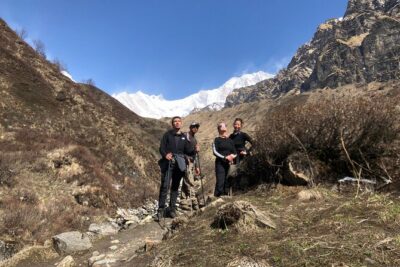
Lists this trek appears in