Review · SAPA
From Sapa: Muong Hoa Valley View & Village Trek 1-Day
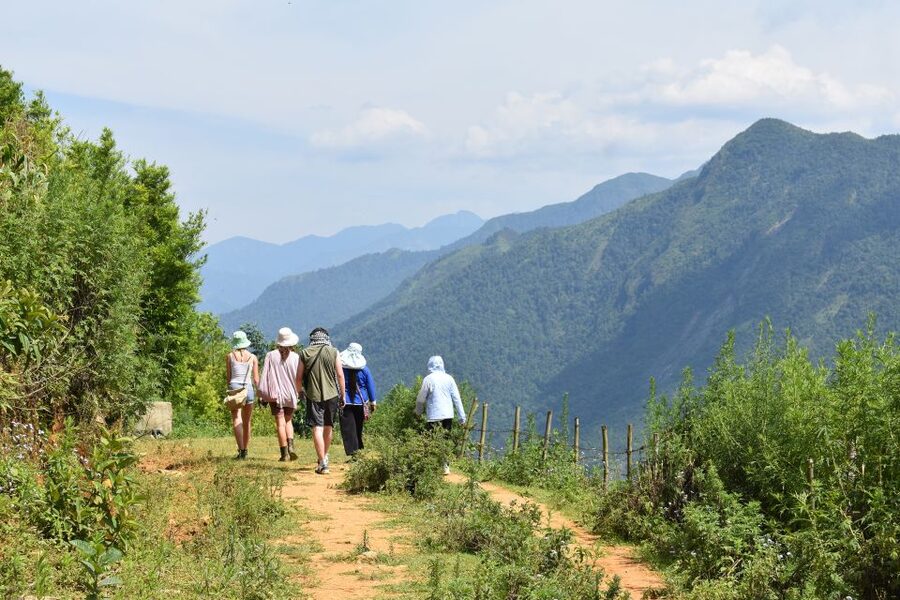
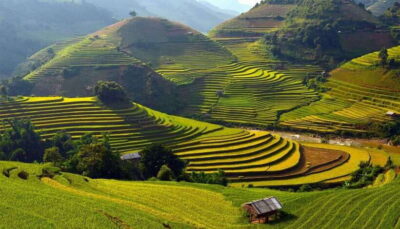
Muong Hoa Valley opens below you as this trek climbs well beyond the usual roadside viewpoints. You walk through Black H’mong villages, follow steep mountain paths, and reach Tao Sha, described as one of Sapa’s highest villages. The reward is a wide view of terraced fields, forests, Sapa town, and the Hoang Lien Son range.
I like the private-group format, since the guide can match the pace to your small party. I also like the chance to meet local people, see their homes, try local food, and hear about ethnic culture from guides such as Nhu and Nay, who are praised for clear English and thoughtful explanations. The drawback is simple: this is a real mountain trek, with rough sections, steep climbs, and steep descents. You should have at least a moderate level of fitness.
Key points before you book
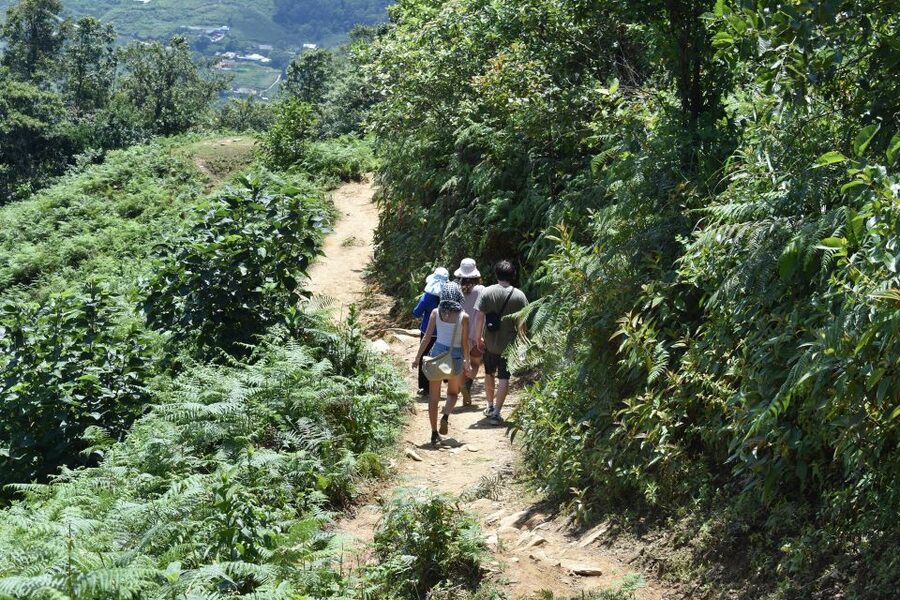
- Reach Tao Sha, one of Sapa’s highest villages, with views over Muong Hoa Valley and the Hoang Lien Son range.
- Expect six to seven hours of walking, including steep and rough sections at the start and on the descent.
- Enjoy a private tour with an English-speaking guide, hotel pickup and return transport included.
- Stop for local lunch in Hang Da Village, a good point for valley views and cloud watching.
- See about 200 ancient stone blocks in unusual shapes near the end of the route.
- Bring patience for mountain weather, since cloud, mist, and open views are all part of the Sapa experience.
Why this Sapa trek is different
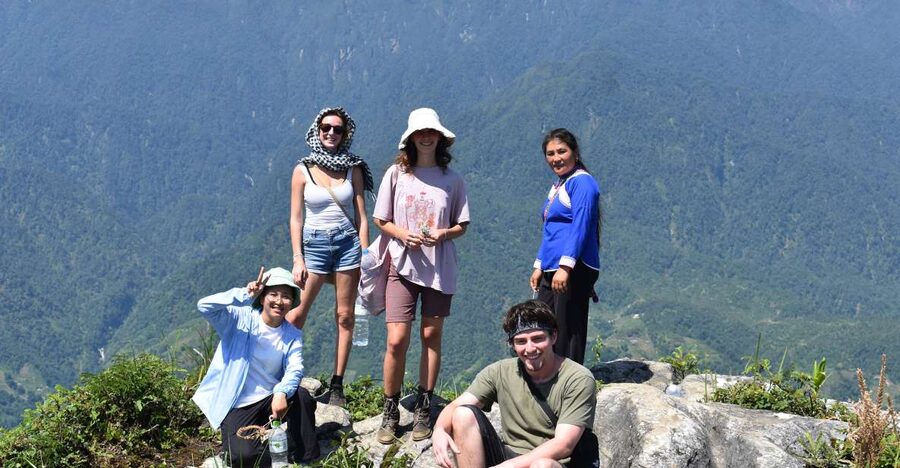
Many Sapa outings focus on a gentle walk through one nearby valley. This one aims higher and covers more ground. You begin near Sapa, climb toward Sa Seng Village, cross the top of Ham Rong Mountain, reach Hang Da for lunch, and continue toward Tao Sha and Hau Thao before walking down to the ancient stone area.
That route gives you changing views rather than one scenic stop. At first, the focus is on the climb and the small Black H’mong settlements. Higher up, Sapa town and the Hoang Lien Son range come into view. Later, the rice terraces spread along the mountainsides, with bamboo forest and clouds adding to the scenery when conditions are right.
The experience is also more personal than a large group walk. Your booking is for a private group, and an English-speaking guide accompanies you throughout. That matters on a route with several village names, uneven paths, and cultural details that are easy to miss if you are simply following a trail.
The tour costs $36 per person. For a full day, that is a fair package if you value a guide, lunch, water, village entrance fees, and transport back to Sapa. It is not the cheapest way to see a viewpoint, but it gives you a long mountain walk and several stops rather than a quick photo visit.
More Homestay and Village Treks in Sapa
- Number one top rated ethical cultural trekking and homestay by ETHOS
★ 5.0 · 456 reviews - Sa Pa: 2-Day Trekking Trip with Ethnic Minority Homestay
★ 4.7 · 145 reviews - Sapa : 2-Day Trek & Heartwarming Homestay with an Ethnic Family
★ 5.0 · 143 reviews
The 8:30 climb to Sa Seng Village
Pickup begins at your hotel at about 8:30 in the morning. The operator asks you to be at the front desk 30 minutes before departure, which gives the driver and guide time to find you and confirm the meeting.
The trek starts toward Sa Seng Village along rough mountain roads and paths. This first section is the part to take seriously. The route rises steeply, and the ground can feel demanding before you have fully warmed up. One person described the opening climb as rough, while another called the whole route exhausting but worth the effort.
You should wear shoes with a firm grip and bring a light rain layer. The information provided does not promise a particular trail surface, so plan for uneven ground rather than a paved village walk. The guide can help you manage the pace, but you still need to be comfortable walking uphill for a sustained period.
Sa Seng is a Black H’mong village, and this early section gives you a first look at the mountain communities around Sapa. You may also meet animals along the way. That small detail helps set the tone: this is a walk through lived-in rural areas, not a sightseeing circuit built only for visitors.
Ham Rong Mountain and the first big view
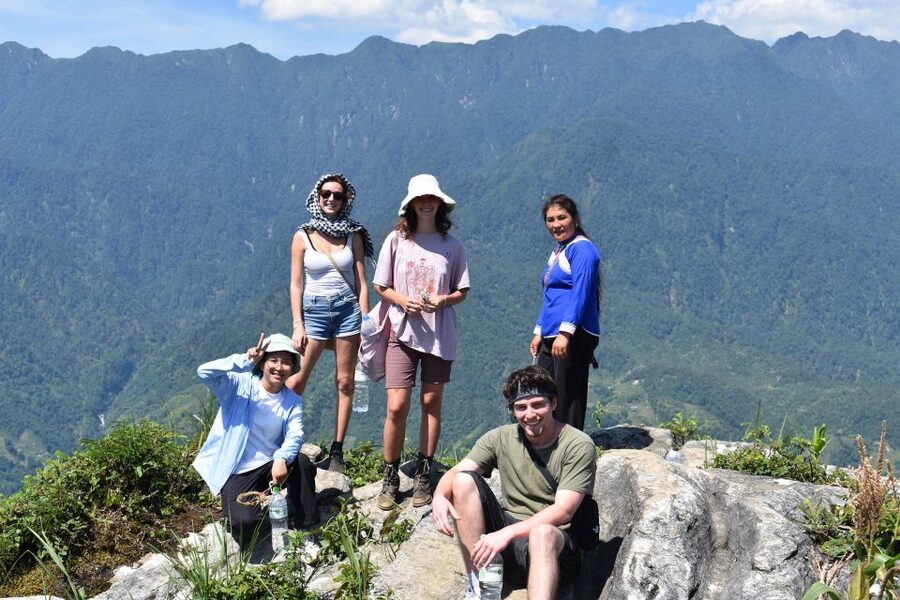
From Sa Seng, the route continues toward the top of Ham Rong Mountain. The high point gives you a panoramic view of Sapa town and the Hoang Lien Son range.
This is where the climb begins to pay back. From below, Sapa can feel enclosed by mountains and mist. From above, the town, ridges, forests, and valley open into a much wider scene. On a clear day, the view should be the first major reward of the morning. In cloudier weather, you may see only pieces of the mountains, but Sapa’s famous cloud cover can also create a striking setting.
A route account describes hiking to roughly 2,500 meters. Exact elevation and conditions can vary, so do not treat that figure as a promise of a fixed summit. Still, the outing is clearly designed for height and broad views, not a flat stroll.
Take your time here. The best part of a mountain trek is not always the next stop. A short pause lets you catch your breath, take in the Hoang Lien Son range, and decide how much water you need before the next section.
Hang Da Village and lunch beside the valley
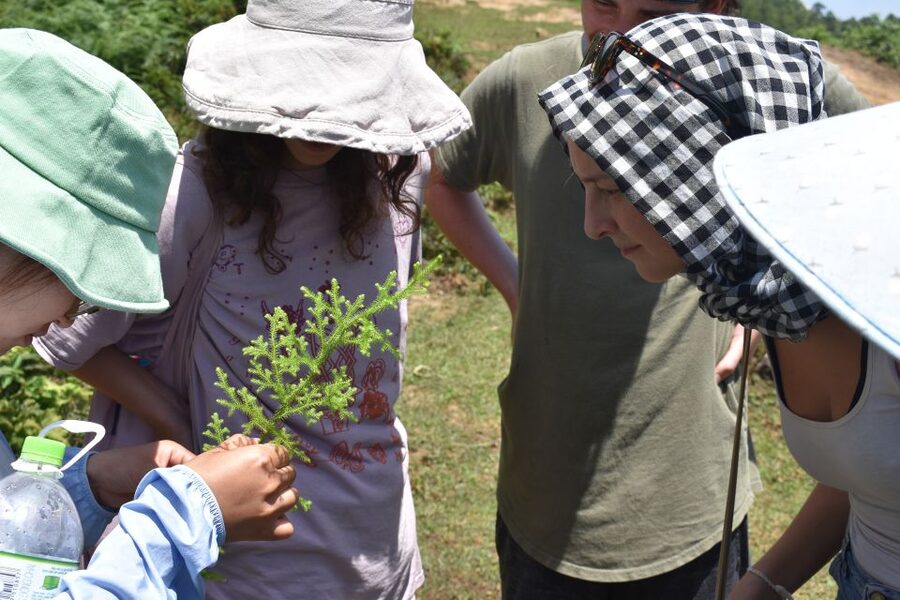
By about 11:30, you reach Hang Da Village for lunch at a local restaurant. The timing is useful because the morning climb should have worked up an appetite, and the stop breaks the trek into manageable sections.
Hang Da is set beside a dramatic stretch of the Muong Hoa Valley. One side of the route drops toward the valley, while the other side rises into forest and mountain slopes. The rice terraces curve across the hills, and the village is known as a good place to look for clouds and open sky.
Lunch is included, but the exact menu is not specified. You can expect local food rather than a carefully selected restaurant menu, and the guide can help explain what is being served. This is one of the better parts of the package because you do not need to carry a full day’s food. You receive one and a half liters of water as well, though you may want to bring extra if you drink heavily during uphill walking.
The path around Hang Da deserves care. A narrow route beside a drop may feel more exposed than the early mountain road. If heights make you uneasy, ask your guide about the footing and pace. The tour is not presented as suitable for pregnant women, and the steep terrain is a clear reason to take that warning seriously.
More Homestay and Village Treks in Vietnam
- Sapa Valley Trek and Homestay – 3D2N
★ 5.0 · 105 reviews - Private Hoang Lien National Park & Tribal Village Trek
★ 4.7 · 30 reviews - Sapa: 2-Day Local Guided Valley Trek with Night Homestay
★ 5.0 · 27 reviews - Discover Sapa: 2D1N Trekking Adventure & Cozy LaLa Homestay
★ 4.9 · 17 reviews
Tao Sha and the Black H’mong highlands
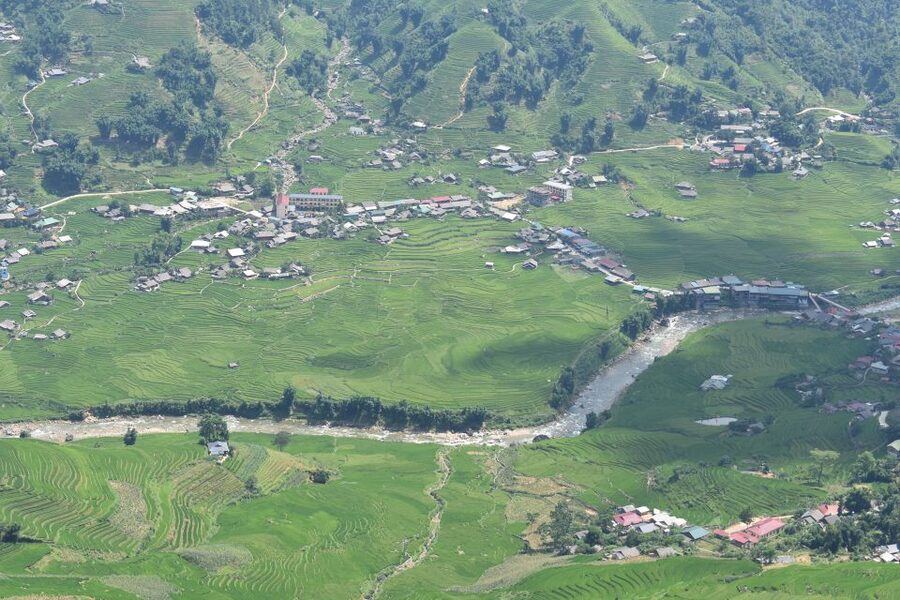
After lunch, the route continues toward Tao Sha, described as the highest village in Sapa. This is one of the main reasons to choose this outing instead of a shorter valley walk.
Tao Sha is a Black H’mong village, and the guide helps place the village within the wider culture of the area. You may stop to rest, visit local homes, and look out across Muong Hoa Valley. The value here is not just the altitude. You get time around a community rather than viewing the valley only from a roadside platform.
Guides named Nhu and Nay have been praised for strong English, easy communication, and explanations about plants, food, and tribal culture. The specific guide for your date is not guaranteed, but the tour does provide an English-speaking guide. If cultural context matters to you, use the walk to ask questions instead of treating the guide as someone who only points out the trail.
You may also meet local women offering products during the route. This can happen on walks through Sapa villages. A polite, clear refusal should be enough, and one account of this route described the interaction as non-pushy after saying no. Still, carry only what you need and remember that a village walk is also a visit to people’s homes and communities.
Hau Thao’s terraces and bamboo forest
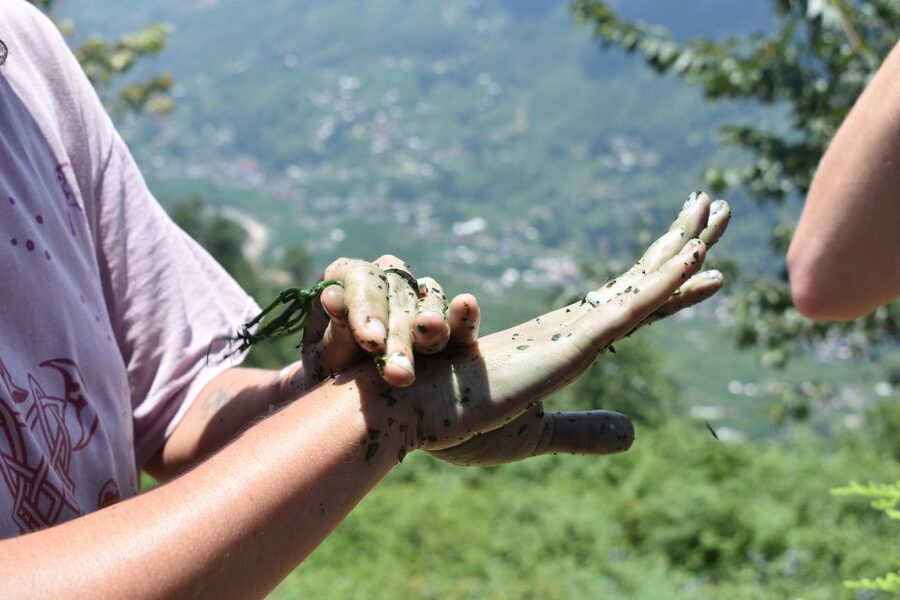
The trek then moves toward Hau Thao. Here, rice fields run along the mountainside beside bamboo forest. The scene changes again, with terraces, trees, distant peaks, and open sections where clouds may gather.
This part can be especially good for photography, but you need to keep your camera away when the path turns rough. The route is not described as a short walk between viewpoints. You are still crossing mountain terrain, and the accumulated distance can make the later sections feel harder than they looked on the map.
The changing scenery is the main strength of the day. You are not simply climbing to one lookout and returning by the same route. Sa Seng offers village life, Ham Rong offers the town and range, Hang Da gives you valley views and lunch, Tao Sha adds the high-village experience, and Hau Thao brings the terraces and bamboo.
Cloud is part of the bargain. You might get clear views across the rice fields, or you might find the mountains softened by white cloud. The tour description treats cloud watching as a highlight, so do not judge the day only by whether every distant peak is visible.
The 3:00 descent to ancient stone
Around 3:00, you start down toward the ancient stone area of Sapa. The site contains about 200 stone blocks in different shapes and sizes, described as evidence of people living in the area in ancient times.
This is a useful final stop because it adds something beyond scenery and village life. The stones give the walk an archaeological angle, although the information provided does not identify a formal museum, detailed interpretation, or exact age for the stones. Think of it as a historic outdoor site rather than a fully explained indoor attraction.
The descent may be harder than expected. Going downhill puts pressure on your knees, especially after several hours of climbing and walking. Use the guide’s pace, watch your footing, and avoid rushing because the finish is close. The overall trek takes roughly six to seven hours for many participants, with the route ending at about 4:00.
An awaiting car takes you back to Sapa. That return transfer is important. After a long descent, you do not need to find your own transport from a remote village or walk back into town.
What the $36 price really covers
At $36 per person, the tour offers good value for an active full day. The price includes:
- English-speaking guide
- Hotel pickup and drop-off
- Local restaurant lunch
- One and a half liters of water
- Village entrance fees
A private group is another useful part of the deal. You are not joining a large mixed party, so the day can feel less rushed and the guide can respond to your pace and questions. The strongest value comes if you want both cultural contact and a substantial walk.
The price does not list optional herbal baths, foot baths, or massages as included. These are offered at the end as an extra way to relax, but you should confirm the cost before accepting. Treat them as an optional add-on, not part of the $36 package.
Free cancellation is available up to 24 hours before the tour for a full refund, and you can reserve now and pay later. Those terms help if your Sapa plans depend on weather or a changing train schedule. The tour is valid for one day, with the exact start time checked during booking.
Who should choose this walk
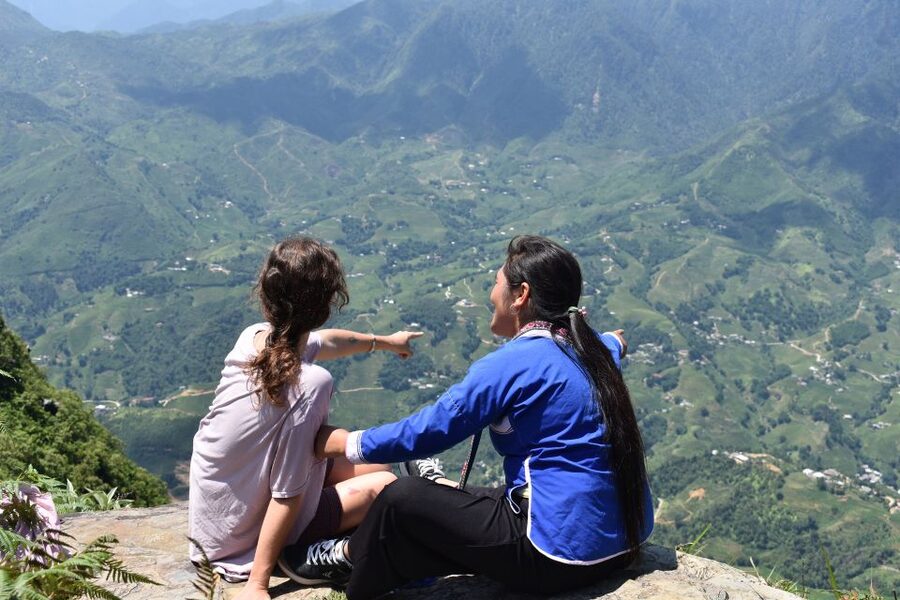
I would choose this outing if you want a demanding day in the mountains rather than a quick photo stop. It suits you if you enjoy uphill walking, village visits, local food, broad valley views, and a guide who can explain what you are seeing.
A moderate fitness level is the minimum sensible expectation. You do not need to be an athlete, but you should be ready for steep climbs, rough paths, a long day on your feet, and a tiring descent. The tour is not suitable for pregnant women.
It is also a good match for visitors who prefer a quieter route. The path can still include contact with local sellers, but the private setup and high-village route offer a more personal day than a large organized group.
I would not pick it if you want a relaxed morning, guaranteed clear skies, or a gentle walk with little elevation. Sapa’s weather can change quickly, and the best views depend on conditions. The tour still has value in mist, but you need to enjoy the walking itself rather than rely only on distant views.
Should you book the Muong Hoa Valley trek?
Book it if your priority is a serious, scenic day with high villages, terraced fields, and local culture. The combination of Tao Sha, Hang Da, Hau Thao, and the ancient stones gives the tour more variety than a single-village outing, while lunch, water, a private guide, and transport keep the practical side easy.
Skip it if steep terrain worries you or if you are looking for a low-effort introduction to Sapa. For fit walkers, the $36 price is strong value. For everyone else, the route may feel like too much work for one day. Ask for a slower pace, wear secure shoes, and save enough energy for the long descent.
FAQ
How long does the trek take?
The scheduled day runs from about 8:30 in the morning until 4:00 in the afternoon. The walking itself can take roughly six to seven hours.
What villages does the route visit?
The route includes Sa Seng, Hang Da, Tao Sha, Hau Thao, and the Sapa Sa area near local homes. Tao Sha is described as one of the highest villages in Sapa.
Is lunch included?
Yes. Lunch at a local restaurant in Hang Da Village is included in the price.
Is drinking water included?
Yes. Each person receives 1.5 liters of water.
Does the tour include hotel pickup and return transport?
Yes. Hotel pickup and drop-off are included. You should be at your hotel front desk 30 minutes before departure.
Is the tour private?
Yes. The group type is private, with an English-speaking guide.
Can pregnant women join this trek?
No. The activity is listed as unsuitable for pregnant women. The route also includes steep and rough sections, so you should have at least a moderate level of fitness.
More Homestay and Village Treks in Sa Pa
- 2 Night Lao Chai-Ta Van Homestay- Trekking & Fansipan Visit
★ 4.0 · 8 reviews - Sapa: 2-Day Local Guided Valley Trek with Night Homestay
★ 4.8 · 5 reviews - Ha Noi-Sapa Authentic Trek & Homestay wih hmong women (2D1N)
★ 4.8 · 5 reviews - Sapa: Private Muong Hoa Valley and Homestay Trekking 2-Day
★ 4.8 · 4 reviews
More Rice Terrace Treks in Sa Pa
- Sa Pa: Muong Hoa Valley Trek and Local Ethnic Villages
★ 4.6 · 864 reviews - Explore Sapa by TrekkingAdventures, Mountain,Rice fields
★ 4.9 · 229 reviews - Sa Pa: 6-Hours Muong Hoa Valley Trek with Local Ethnic guide
★ 4.5 · 178 reviews - Sapa Muong Hoa Valley & Ta Van Eco Village Scenic Tour (No Trek)
★ 5.0 · 144 reviews
New treks around Sa Pa
- Sapa: 2-Day Local Guided Valley Trek with Night Homestay★ 5.0 · 27 reviews
- SAPA: 1-DAY TREKKING TOUR WITH LOCALS, LUNCH & RICE FIELDS★ 4.7 · 18 reviews
- Sapa: 2-Day Local Guided Valley Trek with Night Homestay★ 4.8 · 5 reviews
- Sa Pa: Fansipan Peak One Day Trek with Local Guide★ 5.0 · 7 reviews
- Red Dao Village Trek and Herbal Bath★ 4.7 · 3 reviews
- Private Hoang Lien National Park & Tribal Village Trek★ 4.7 · 30 reviews
- Sapa: Private Muong Hoa Valley and Homestay Trekking 2-Day★ 4.8 · 4 reviews
- Mountain Views And Villages Trek★ 4.3 · 3 reviews
Rice Terrace Treks, side by side.
Sa Pa: Muong Hoa Valley Trek and Local Ethnic Villages
Read our review →
Explore Sapa by TrekkingAdventures, Mountain,Rice fields
Read our review →
Selogriyo Temple and Trekking Java Rice Terraces, hidden waterfall -Nature Java
Read our review →
Sa Pa: 6-Hours Muong Hoa Valley Trek with Local Ethnic guide
Read our review →
Yogyakarta: Selogriyo Temple Tour & Java Rice Terrace Trek
Read our review →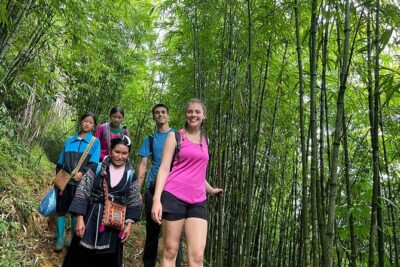
Daily Tour: Sapa Trekking in Muong Hoa valley, Bamboo forest
Read our review →
Ubud: Rice Terrace, Holy Water Temple & Waterfalls Trek Tour
Read our review →