Review · SAPA
Sa Pa: 2-Day Trekking Trip with Ethnic Minority Homestay
Muong Hoa Valley is the real star here. Over two days, you walk past rice terraces, wooden village homes, bamboo forest, and mountain views instead of simply stopping for photographs. The night at a Dzay homestay gives the trek a human touch, with a shared dinner and a look at local customs.
I like the clear route: 11 kilometers from Y Linh Ho through Lao Chai to Ta Van on day one, then 8 kilometers through bamboo forest and Giang Ta Chai on day two. I also like the small-group limit of 14, since guides such as Lan, Khu, and Nhu can adjust the pace and explain what you are seeing.
The main catch is mud. Rain can make the first descent slippery, and local women may walk alongside you to help before hoping you will buy something from them. The homestay is comfortable for a village stay, but one report noted bedbugs in some beds, so pack with sensible expectations rather than expecting hotel standards.
Key points at a glance
- 11-kilometer first day: Walk from Sa Pa through Y Linh Ho and Lao Chai before sleeping in Ta Van.
- A real Dzay homestay: Spend the night in a local home, with dinner and breakfast included.
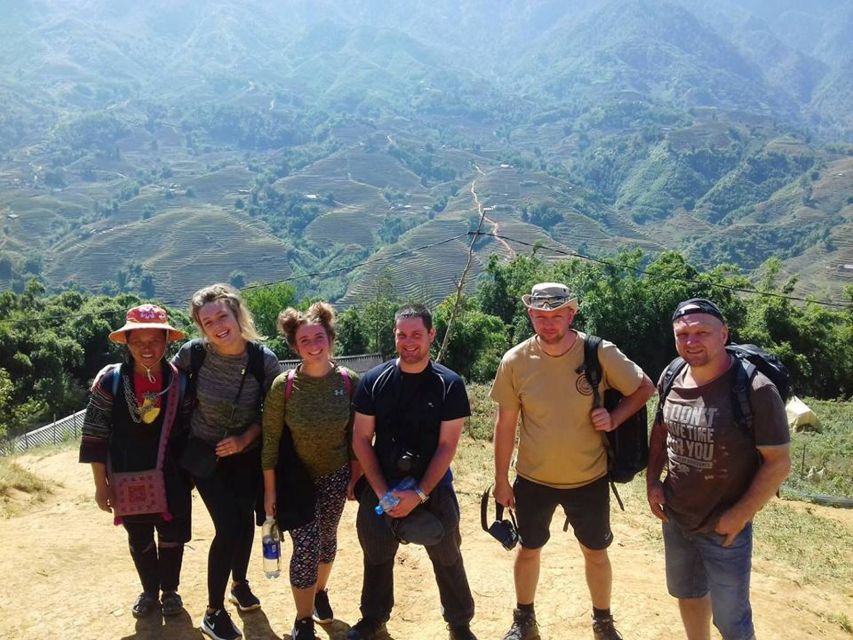
- Strong cultural focus: Meet Black H’mong and Dzay communities and learn about customs, homes, and village life.
- Bamboo forest and river stop: The second day includes a waterfall break and a chance to swim in the Muong Hoa River.
- Small groups matter: The tour accepts no more than 14 people, and guides can adapt the walking pace.
- Good value at $55: Meals, entrance fees, guide, homestay, water, and return transport are included.
Why Muong Hoa Valley makes this trek worthwhile
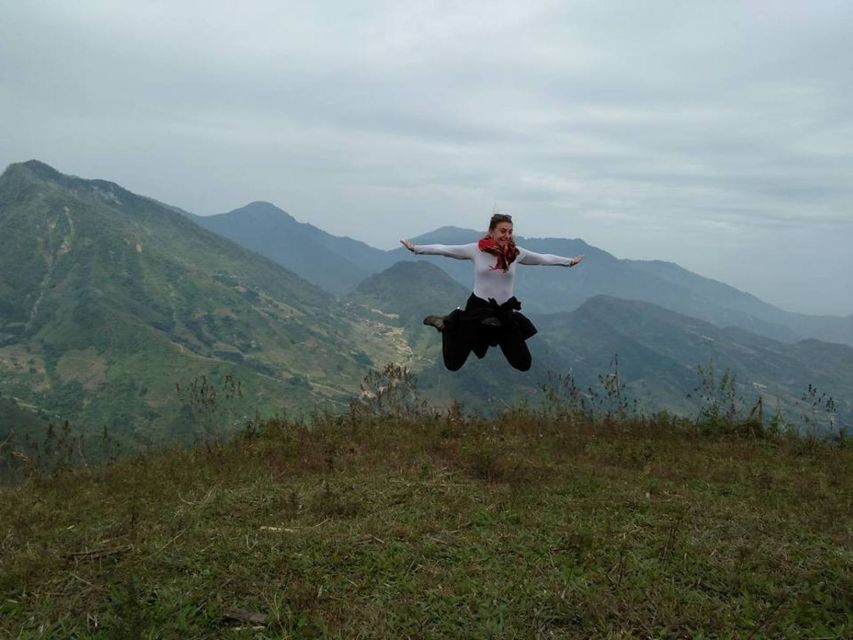
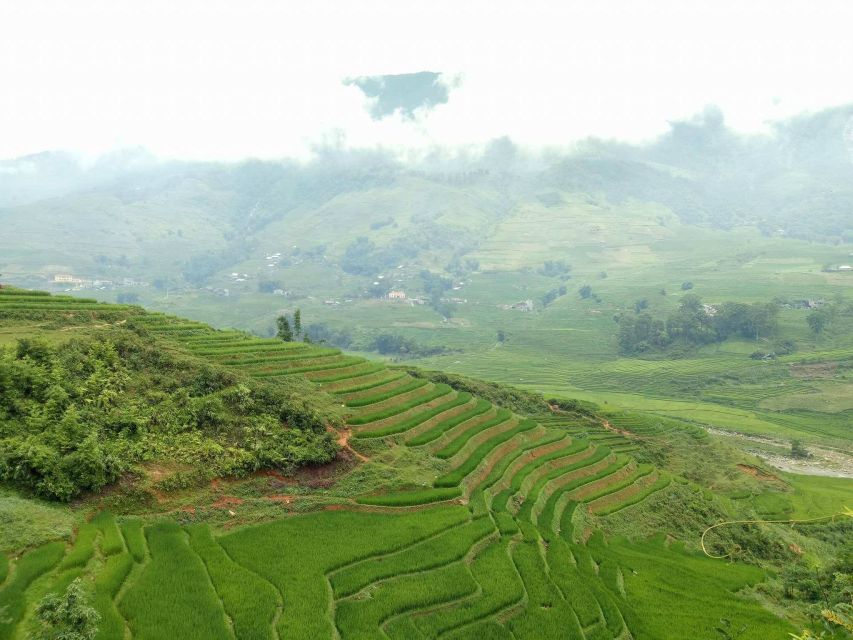
Sa Pa is surrounded by dramatic mountain scenery, but the best views are not all reached by road. This trek takes you down into Muong Hoa Valley, where rice terraces spread across steep hillsides and village paths connect communities that feel far removed from Sa Pa’s central streets.
You will see Fansipan mountain from the trail when the weather is clear. The views change as you walk: broad rice paddies near the valley, narrow dirt paths between homes, and wooded stretches later in the route. Cloud and rain can hide the mountains, but wet weather also gives the trail a more rugged feel. Bring proper shoes and accept that your feet may get muddy.
The experience is not a sightseeing bus with a few short walks. You spend much of the first day on foot, covering about 11 kilometers, followed by another 8 kilometers on day two. The distances are manageable for a healthy person used to walking, but steep or slippery sections make the trek feel harder than the numbers suggest.
More Homestay and Village Treks in Sapa
- Number one top rated ethical cultural trekking and homestay by ETHOS
★ 5.0 · 456 reviews - Sapa : 2-Day Trek & Heartwarming Homestay with an Ethnic Family
★ 5.0 · 143 reviews - Sapa Valley Trek and Homestay – 3D2N
★ 5.0 · 105 reviews
Day one: Y Linh Ho, Lao Chai, and Ta Van
Pickup is available from hotels in central Sa Pa. From there, the route heads toward Y Linh Ho, where you meet Black H’mong people and begin the walk through the valley.
Y Linh Ho is a good early stop because it introduces the cultural side of the trip before the scenery takes over. You can look inside a typical wooden house and see how local homes differ from the hotels and guesthouses in Sa Pa. Your guide explains customs and daily life, so the visit has more meaning than simply passing through a village.
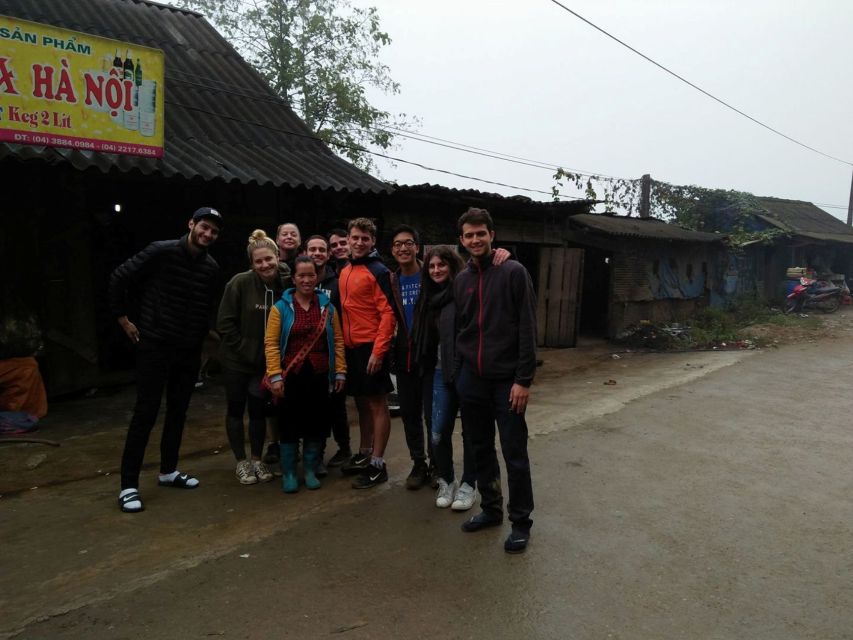
The path then continues toward Lao Chai. This is where you should pay attention to your footing, especially after rain. The route can become muddy and slippery on the descent, and some local women may offer a steadying hand. Their help can be useful, but you should know that they may later hope you will purchase handicrafts or other goods.
I suggest deciding your approach before you start. You can thank people politely, accept help if needed, and make your own choice about buying. A purchase should not feel like an obligation, but a calm and respectful attitude keeps the encounter pleasant for everyone.
Along the way, you pass rice terraces and settlements connected by footpaths. The valley views are strongest in clear weather, though even cloudy conditions can make the mountains feel atmospheric. Several people have found that the route became more enjoyable after rain once they accepted the mud as part of the experience.
Lunch is included at a local restaurant. That matters on a walking day, since you do not need to carry a full day’s food or search for a place to eat. Dinner is served at the village homestay in Ta Van.
Ta Van homestay: Simple, social, and memorable
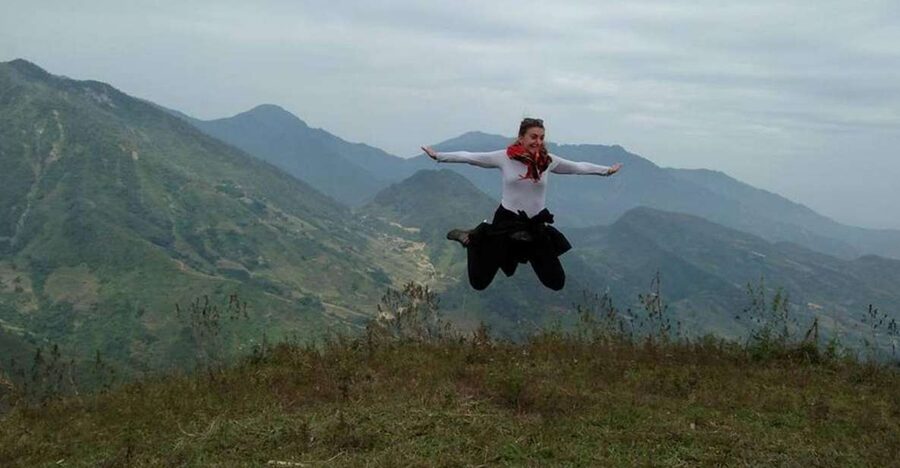
The homestay is the heart of the trip. You spend the night in a Dzay village home rather than returning to Sa Pa, which gives you more time to notice the rhythm of village life.
Do not expect a private hotel room or a polished resort. The accommodation is described as comfortable and clean by many participants, with warm blankets and, in at least one case, internet and electrical outlets. But conditions can vary, and one report raised a bedbug concern in some beds. If you are sensitive about shared accommodation, bring a sleeping liner and keep your luggage closed when possible.
The hosted dinner is one of the strongest parts of the stay. It is a home-cooked meal shared with the group and the host family, followed by the chance to try locally made happy water. The meal gives you a natural setting to talk with other people on the tour and your guide.
Evening entertainment is limited. After walking all day, that may be a benefit. You can eat, talk, and rest rather than search for nightlife. The homestay is best suited to people who want a cultural stay with simple comforts, not people seeking privacy and a long list of facilities.
Your guide can make a major difference here. Guides named Lan, Khu, Khu L, Lang, Coo, and Nhu have been praised for clear English, humor, patience, and help on the trail. The assigned guide will vary, but you can expect an English-speaking guide whose job is to explain local customs and help the group manage the route.
Day two: Bamboo forest, waterfall, and Giang Ta Chai
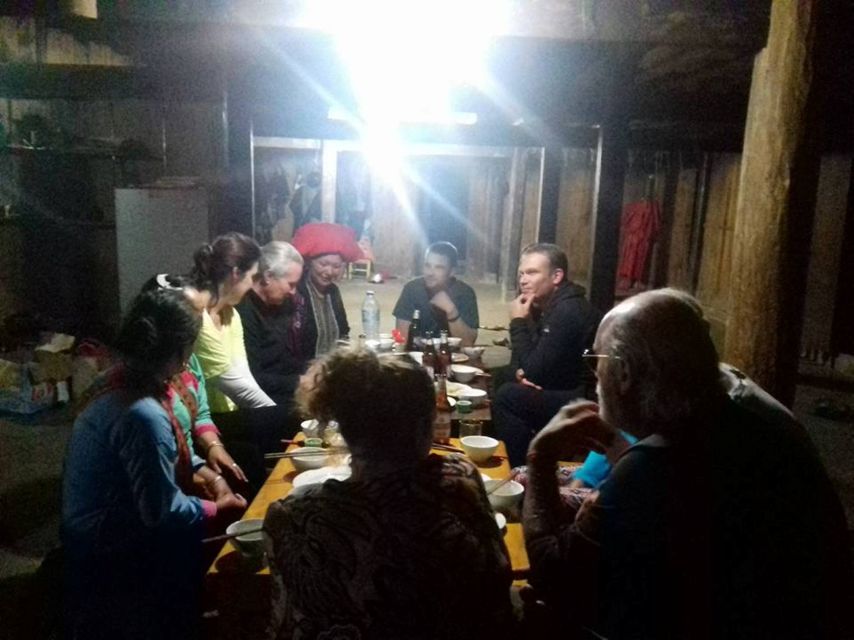
Breakfast at the homestay starts the second day. The walking distance is shorter, about 8 kilometers, but the route still uses dirt trails and uneven ground.
You pass a small H’mong village before reaching a bamboo forest. This section changes the mood of the trek. Instead of open rice terraces, you walk through a more enclosed setting, with the trail and vegetation shaping the view around you.
The route includes a stop at a waterfall, where you can pause and cool off in the Muong Hoa River. The chance to swim makes this more than a photo stop, though you should bring clothing suitable for getting wet if you plan to enter the water. The activity information does not specify changing facilities, so do not count on a private place to change.
Lunch is served at a local restaurant before the return drive to Sa Pa. The transfer is included, but allow some flexibility after the trek. One participant had to wait about 40 minutes in a van for another group and nearly missed a bus to Hanoi. If you have a tight onward connection, do not schedule it too close to the expected return.
More Homestay and Village Treks in Vietnam
- Private Hoang Lien National Park & Tribal Village Trek
★ 4.7 · 30 reviews - Sapa: 2-Day Local Guided Valley Trek with Night Homestay
★ 5.0 · 27 reviews - From Sapa: Muong Hoa Valley View & Village Trek 1-Day
★ 5.0 · 21 reviews - Discover Sapa: 2D1N Trekking Adventure & Cozy LaLa Homestay
★ 4.9 · 17 reviews
What the $55 price really covers
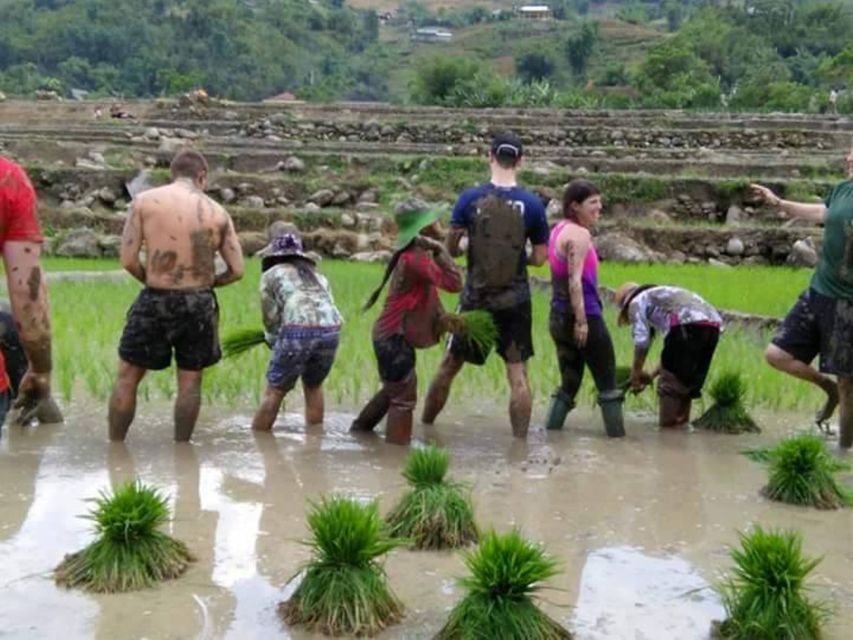
At $55 per person, this is a strong package for two days in Sa Pa. The fee includes an English-speaking guide, all listed entrance fees, two local restaurant lunches, a hosted village dinner, breakfast, one night at a Dzay homestay, mineral water, and return transport.
That list matters because the cost of a trek can rise quickly when meals, entry tickets, and transfers are added separately. Here, the main extras are drinks and any purchases you make in the villages. There is also a $30 per person Lunar New Year surcharge for January 26 through February 2, 2025, payable at the meeting point.
The value is best if you want a walking trip with a cultural element. If your main goal is luxury accommodation, the price will not change the fact that the overnight stay is basic. If your goal is to spend time outdoors, eat local food, and learn about H’mong and Dzay life, the included meals and homestay make the price appealing.
How hard is the 19-kilometer route?
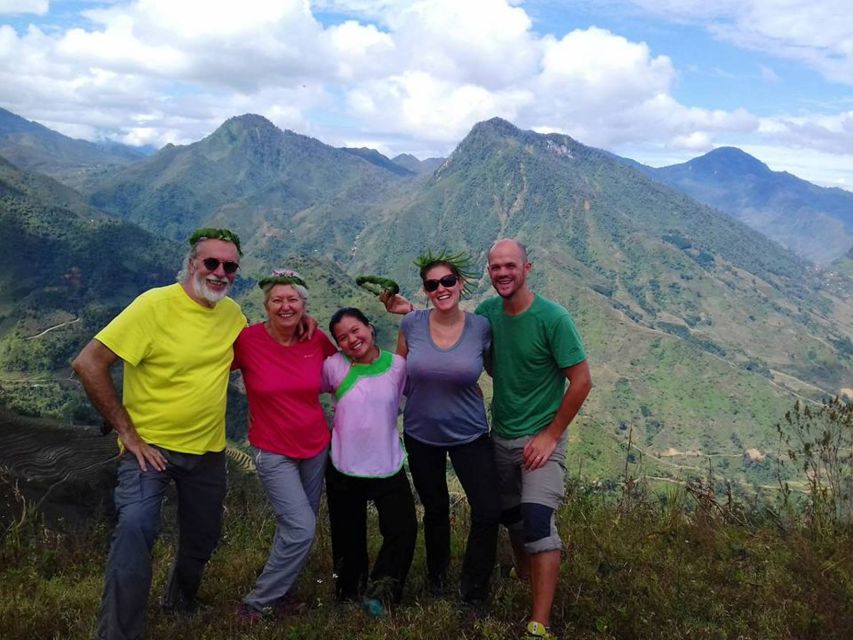
The trek is not presented as an extreme hike, and healthy people with ordinary walking fitness should find it manageable. Still, you should not treat it as a gentle village stroll. The first day covers 11 kilometers, and wet ground can make the route tiring even when the distance looks reasonable.
Comfortable trekking shoes are essential. Sunglasses, sunscreen, insect repellent, and warm clothing are also recommended. From October through March, temperatures can be cool, so pack layers rather than relying on one heavy item.
The tour is not suitable for people with mobility impairments, back problems, or pregnancy. Children under six cannot join, and the activity is not suitable for disabled people. It is also not a good choice if you dislike uneven trails, mud, shared accommodation, or changing weather.
The small group limit of 14 is useful. A guide can check how people are coping and adjust the pace or route length when needed. Some guides ask during the day if the group prefers a longer or shorter route and what time it wants to start or finish. That flexibility can turn a difficult stretch into a manageable one.
The cultural side, without turning villages into a backdrop
The route passes through several ethnic minority settlements, including Black H’mong and Dzay communities. The point is not simply to collect village names. Your guide helps explain the differences in customs and daily life, and the homestay lets you spend more time in one community.
Please dress and behave respectfully. Ask before entering homes or taking close photographs, listen when your guide explains local customs, and remember that the villages are living communities rather than open-air museum sets.
The local women who sometimes assist on the first day are part of the complicated side of tourism in Sa Pa. Their trail help may be genuine and useful, but their expectation that you buy something can feel uncomfortable. You can be polite without buying, and you should avoid treating their presence as an automatic sales transaction.
A good guide can help you read these situations. The strongest guide experiences here involve patient explanations, answers to questions, and practical help on slippery ground. One less positive account described a guide spending too much time on a mobile phone, so guide quality may vary by departure.
Weather, clothing, and practical preparation
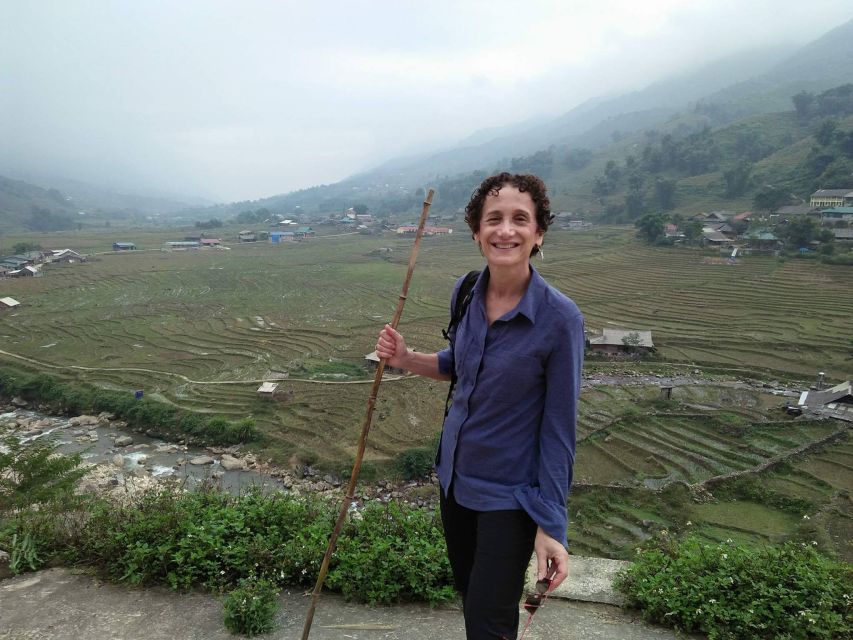
Weather will shape this trip more than almost anything else. On a clear day, you get the best chance of seeing Fansipan and the full sweep of the rice terraces. In rain, the trail becomes slippery, but the scenery can still be rewarding if you are prepared.
Pack:
- Sturdy trekking shoes with good grip
- Warm layers, especially from October through March
- Sunglasses
- Sunscreen
- Insect repellent
- A small bag for wet clothing
- A little extra patience for muddy paths and shared transport
The stated essentials include comfortable shoes, warm clothing, and sunglasses. Sunscreen, insect repellent, and trekking shoes are also specifically recommended. Mineral water is included, so you do not need to plan for all your drinking water, but you may still want a small day bag for personal items.
Free cancellation is available up to 24 hours before departure, and you can reserve without paying immediately. Pickup covers hotels in Sa Pa’s town center, while starting times depend on availability.
Who should book this Sa Pa trek?
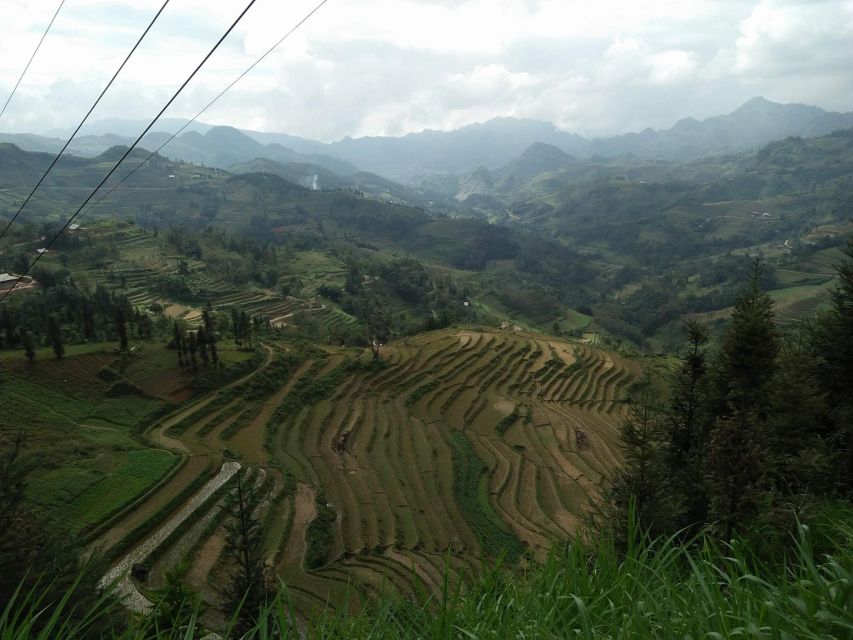
I would choose this trip if you want two active days, strong mountain scenery, and a chance to spend the night in a local home. It suits people who are curious about H’mong and Dzay culture and who do not need a private bathroom or resort-style comfort.
It is also a good fit for solo visitors. A group of up to 14 gives you company without the feel of a large coach tour, and several guides are comfortable helping people get to know one another over shared meals.
I would think twice if you have a tight train or bus connection after the tour, serious back or mobility issues, or a strong dislike of mud. You should also choose another type of Sa Pa outing if you want long rest periods, a luxury homestay, or a route that avoids sales pressure from local vendors.
Should you book it?
Book this trek if the idea of walking through Muong Hoa Valley sounds better than ticking off viewpoints by vehicle. The combination of 19 kilometers of village paths, a Dzay homestay, local meals, and an English-speaking guide offers a lot for $55.
Go prepared for muddy ground, basic accommodation, variable weather, and a few awkward encounters around souvenir sales. If you bring proper shoes and an open but respectful attitude, this is one of the more useful ways to connect Sa Pa’s scenery with the people who live among it.
FAQ
Where does the trek begin?
The trek begins with pickup in Sa Pa, with hotel pickup available in the town center.
How long is the trek?
The route covers about 11 kilometers on day one and 8 kilometers on day two, for about 19 kilometers in total.
Where do I sleep?
You spend the night at a homestay in Ta Van village with a Dzay ethnic minority family.
Which ethnic groups do I meet?
The route includes encounters with Black H’mong and H’mong communities, as well as an overnight stay in a Dzay village.
Is food included?
Yes. The trip includes two lunches at local restaurants, one hosted dinner in the village, and breakfast at the homestay.
Is transportation included?
Yes. Return transfer by bus is included, with pickup available from hotels in Sa Pa’s town center.
Is the tour guided in English?
Yes. The tour includes a live English-speaking guide.
How large is the group?
The group is limited to 14 participants.
What should I bring?
Bring comfortable trekking shoes, warm clothing, sunglasses, sunscreen, and insect repellent. Warm clothes are especially recommended from October through March.
Is the trek suitable for everyone?
No. It is not suitable for children under six, pregnant women, people with back problems, people with mobility impairments, or disabled people.
More two-day treks around Sa Pa
- EXPLORE SAPA: 2D1N TREKKING & HMONG CULTURE WITH DINH
★ 4.9 · 191 reviews - SAPA: 2-DAY 1-NIGHT TREKKING & CULTURE WITH HMONG GUIDE LINH
★ 4.9 · 126 reviews - 2 Days Fansipan Trekking
★ 5.0 · 84 reviews - 2D1N Buffalo trek by Hmong Sister House and Trekking
★ 5.0 · 81 reviews
More Homestay and Village Treks in Sa Pa
- 2 Night Lao Chai-Ta Van Homestay- Trekking & Fansipan Visit
★ 4.0 · 8 reviews - Sapa: 2-Day Local Guided Valley Trek with Night Homestay
★ 4.8 · 5 reviews - Ha Noi-Sapa Authentic Trek & Homestay wih hmong women (2D1N)
★ 4.8 · 5 reviews - Sapa: Private Muong Hoa Valley and Homestay Trekking 2-Day
★ 4.8 · 4 reviews
New treks around Sa Pa
- Sapa: 2-Day Local Guided Valley Trek with Night Homestay★ 5.0 · 27 reviews
- SAPA: 1-DAY TREKKING TOUR WITH LOCALS, LUNCH & RICE FIELDS★ 4.7 · 18 reviews
- Sapa: 2-Day Local Guided Valley Trek with Night Homestay★ 4.8 · 5 reviews
- Sa Pa: Fansipan Peak One Day Trek with Local Guide★ 5.0 · 7 reviews
- Red Dao Village Trek and Herbal Bath★ 4.7 · 3 reviews
- Private Hoang Lien National Park & Tribal Village Trek★ 4.7 · 30 reviews
- Sapa: Private Muong Hoa Valley and Homestay Trekking 2-Day★ 4.8 · 4 reviews
- From Sapa: Muong Hoa Valley View & Village Trek 1-Day★ 5.0 · 21 reviews
Homestay and Village Treks, side by side.
From Hanoi: 2-Day Sapa Trekking Trip with Homestay & Meals
Read our review →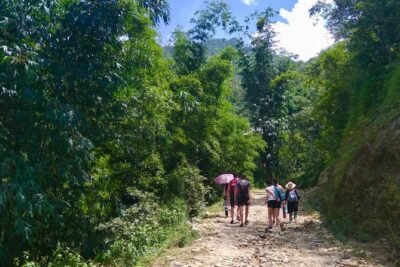
Number one top rated ethical cultural trekking and homestay by ETHOS
Read our review →
2-Day Sa Pa Ethnic Homestay Tour & Trek with Limousine Bus
Read our review →
Hanoi – Sapa 3 Day 2 Night Trekking With Hotel & Homestay
Read our review →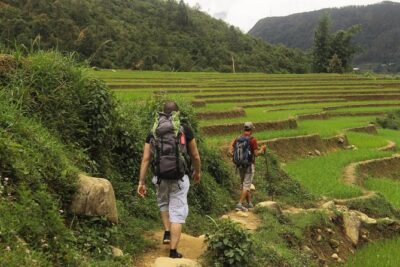
Sapa : 2-Day Trek & Heartwarming Homestay with an Ethnic Family
Read our review →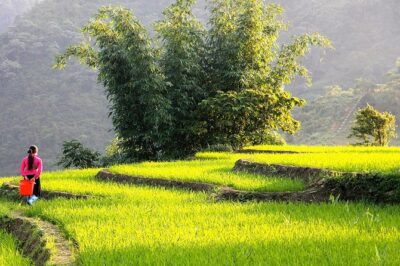
3 Day Trek in the Atlas Mountains and Berber Villages from Marrakech
Read our review →