Review · SAPA
Number one top rated ethical cultural trekking and homestay by ETHOS
The most valuable part of this Sapa trip is not simply the mountain scenery. It is the chance to walk into village life, eat with a host family, and learn about Hmong and Dao traditions from a local guide. I like the private format and the fact that the second day can be adjusted to suit your energy. I also like that ETHOS connects the trek with community livelihoods rather than treating villages as a backdrop.
The main catch is the physical effort. Day one covers about 14 kilometers, including a steep 2-kilometer climb, and the route is not a gentle stroll. You need moderate fitness, good weather, and a willingness to sleep simply in a village home.
Key points to know before booking
- A 14-kilometer first day: Expect undulating ground, rice terraces, traditional villages, and a steep climb before the homestay.
- A real family stay: Dinner, breakfast, and time with a host family are included, giving the trip its strongest cultural value.
- Guides vary by departure: Past trips have been led by local guides including Cha, Ha, Ker, My, and Kae.
- A flexible second morning: You can choose a shorter or more demanding walk before a taxi returns you to Sapa.
- Private for your group: There is no mixed tour group, but at least two people are required to book.
- Strong ethical focus: ETHOS works to support local livelihoods and direct attention toward local knowledge and daily life.
Why this trek feels different from a standard Sapa walk
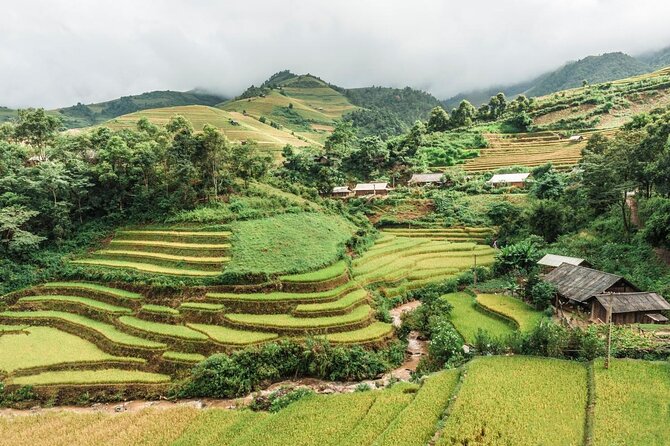
Sapa has no shortage of footpaths through rice terraces. The difference here is what happens after the views. You are not simply led to a photo stop, handed a bottle of water, and returned to town. You spend the night in a village with a host family and share meals as part of the experience.
That arrangement gives the walking a purpose. Your guide can explain local life, plants, family traditions, and the background of the Hmong and Dao communities. Guides named in past trips include Cha, Hoa, Ha, Ker, My, and Kae, though your guide will depend on the date and assignment.
I especially like the smaller social scale. Since this is a private activity, your group can ask questions without holding up a large party. You can also talk with your guide about pace and the second day’s route. That flexibility matters in Sapa, where a path that looks easy on a map can feel quite different after hours of walking.
The tradeoff is that this is not a polished resort outing. Village accommodation is part of the point, so you should expect a local homestay rather than a conventional hotel. If your idea of a cultural trip requires private luxury and a fixed schedule, this may not be your best choice.
More Homestay and Village Treks in Sapa
- Sa Pa: 2-Day Trekking Trip with Ethnic Minority Homestay
★ 4.7 · 145 reviews - Sapa : 2-Day Trek & Heartwarming Homestay with an Ethnic Family
★ 5.0 · 143 reviews - Sapa Valley Trek and Homestay – 3D2N
★ 5.0 · 105 reviews
Meeting at 8:30 in central Sapa
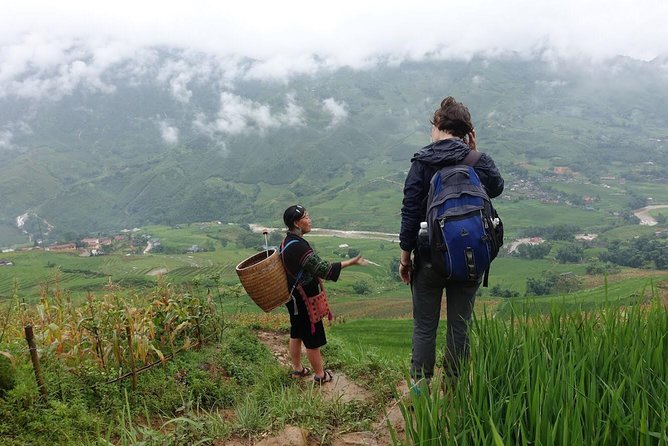
The day begins at 8:30 a.m. at the ETHOS center at 79 Nguyen Chi Thanh Street in Sapa. This gives you a clear starting point and avoids the confusion of trying to meet a guide somewhere along a rural road.
ETHOS provides private transportation as part of the activity. The information supplied does not spell out every transfer detail for the first morning, so you should follow the meeting instructions given after booking. The return to Sapa on the second afternoon is by taxi.
The meeting point is near public transportation, which is useful if you are staying elsewhere in town. A mobile ticket is accepted, and booking confirmation is provided at the time of purchase. The minimum booking is two people, so this is not designed for a solo participant booking alone.
Day one: rice terraces, villages, and a serious climb
The first day is the demanding one. The total distance is about 14 kilometers, or roughly nine miles. The opening six kilometers follow relatively easy but undulating ground, with rice terraces and traditional villages along the way.
That first stretch should give you time to settle into the pace and learn from your guide. The scenery changes with the route, but the important feature is that you are moving through lived-in areas rather than viewing the valley only from a road or formal lookout.
Then comes a steep climb of about 2 kilometers. This is the section to take seriously. It may not sound long, but a sustained uphill walk can be tiring, especially if the ground is wet. The exact route and conditions can affect how hard it feels, so bring shoes with reliable grip and avoid treating the distance as a simple flat nine-mile walk.
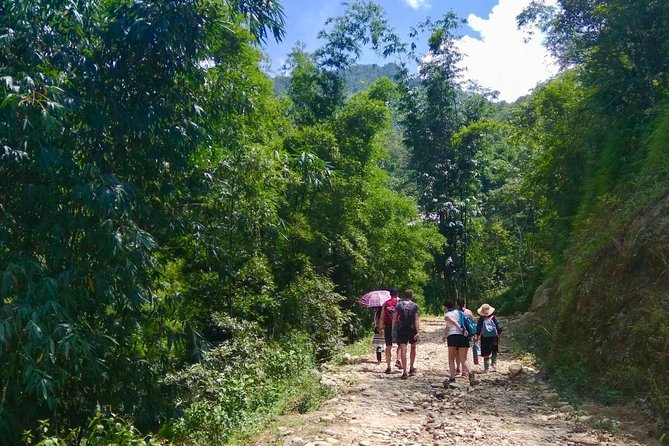
Bamboo forests add another texture to the route. They offer shade and a change from the open terraces, while the narrow paths make the walk feel more connected to the countryside. The supplied details do not give a precise elevation gain or trail surface for every section, so your guide is the best person to follow on footing and pace.
One of the day’s most appealing touches is stopping to cook and share lunch with your host family. Two lunches are included in the price, one associated with each day. That meal is not just a break in the hike. It gives you a chance to meet the people connected to the homestay and to see how the trip’s cultural focus works in practice.
You should allow time for conversation. The strongest part of the day may be the explanation of ordinary village life, not the fastest possible progress from one viewpoint to another. Guides such as My and Ha have been praised for introducing families, explaining local customs, and pointing out plants and daily practices along the way.
The homestay: the heart of the experience
The overnight stay is in a village with a host family surrounded by rice paddies. Dinner and breakfast are included, along with the homestay accommodation itself.
This is where the tour earns its price. A standard day hike can show you scenery, but an overnight stay gives you more time with local people and removes the pressure to hurry back to Sapa. You can sit down for a meal, hear about family life, and understand the valley as a home rather than a sightseeing route.
Several guide accounts point to the warmth of the family welcome and the value of meeting people in their own setting. Ker, Cha, Ha, My, and Kae have all been associated with especially personal guiding on past departures. That does not mean you can request a particular guide with certainty, but it does show the type of interaction ETHOS aims to provide.
Keep your expectations practical. The accommodation is described as a homestay, not a hotel, and the information does not promise private rooms, luxury bedding, or a particular bathroom setup. If you need specific facilities, ask ETHOS before booking rather than guessing.
The same applies to food. Dinner, breakfast, and lunches are included, but the supplied details do not list menus or dietary arrangements. If you have allergies or dietary restrictions, raise them when you book.
More Homestay and Village Treks in Vietnam
- Private Hoang Lien National Park & Tribal Village Trek
★ 4.7 · 30 reviews - Sapa: 2-Day Local Guided Valley Trek with Night Homestay
★ 5.0 · 27 reviews - From Sapa: Muong Hoa Valley View & Village Trek 1-Day
★ 5.0 · 21 reviews - Discover Sapa: 2D1N Trekking Adventure & Cozy LaLa Homestay
★ 4.9 · 17 reviews
Day two: choose your own pace before returning
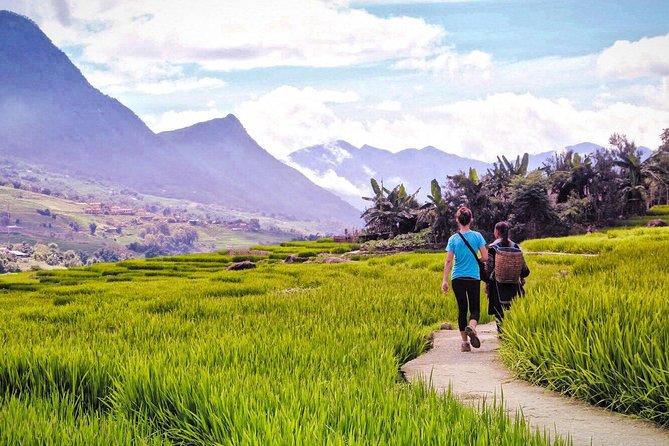
The second morning is deliberately more flexible than the first. You continue walking, but the distance and challenge can be adjusted. That makes this a smart design choice after a long opening day.
You might want a gentle morning to enjoy the village and surrounding rice fields. Or you may prefer to use the extra time for a longer walk through forest and rural paths. The exact destination is your choice, subject to what your guide can arrange for the day and local conditions.
The flexibility also protects the cultural side of the trip. You are less likely to spend the second day watching the clock and more likely to choose a pace that leaves room for conversation. If your legs are tired, say so. This is a private trek, so there is no larger group forcing you to match someone else’s speed.
A taxi collects you in the afternoon and takes you back to Sapa. The activity ends at the original meeting point. Since no exact return time is supplied, avoid booking a tight onward connection on the same afternoon.
What the ethical focus means in practice
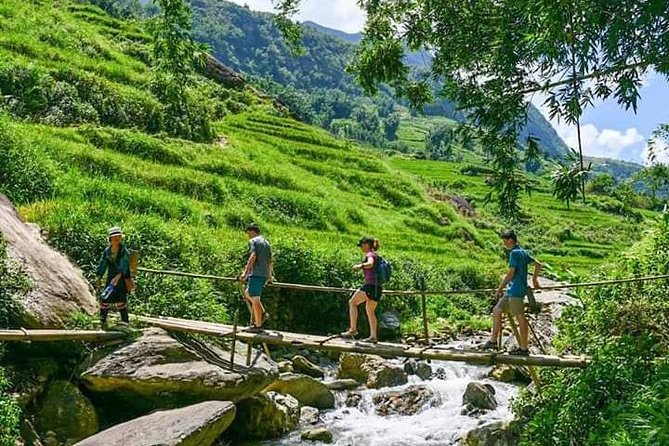
ETHOS places community involvement at the center of the trip. The local guide, village family, meals, and homestay are not add-ons to a sightseeing package. They are the main way the experience operates.
That matters in Sapa, where popular routes can sometimes turn village life into a quick photograph. A private guide who explains family connections, local traditions, and the lives of Hmong and Dao communities gives you more context and encourages a more respectful visit.
The value is also economic. Your payment supports a local guiding network and a host family rather than going only toward transport and a city-based hotel. The supplied information does not provide a detailed breakdown of how the price is divided, so I would not claim that every dollar reaches the village. Still, the structure clearly puts local participation at the center.
You should do your part, too. Ask before photographing people or homes, listen when your guide explains local customs, and remember that the family is hosting you in its living space. A little courtesy makes the exchange better for everyone.
Is $93.34 good value for two days?
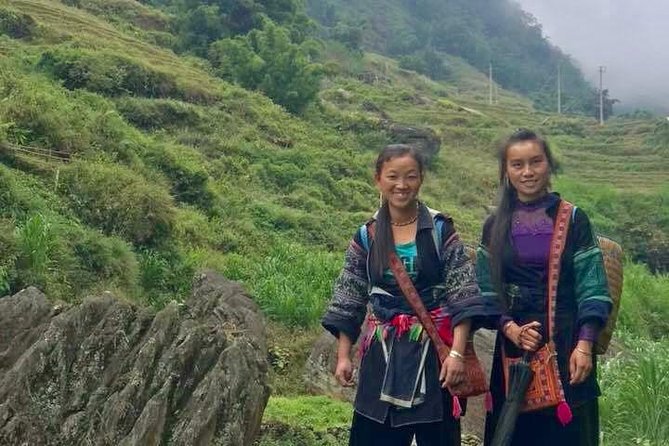
At $93.34 per person, this is a strong value if you want more than a day walk. The price includes a private guide experience, private transportation, water and refreshments, two lunches, dinner, breakfast, and one night of homestay accommodation.
The private format is especially important when judging the cost. You are not paying only for a bed and a route. You are paying for a dedicated guide and the freedom to shape the second day around your group.
The price becomes less attractive if you plan to skip the homestay or dislike walking long distances. In that case, a shorter Sapa excursion may suit you better. You should also remember that travel insurance is not included.
The tour is often booked well in advance, with an average booking lead time of about 59 days. That suggests you should not leave it until the last moment if your Sapa dates are fixed.
Who should book this Sapa homestay trek?
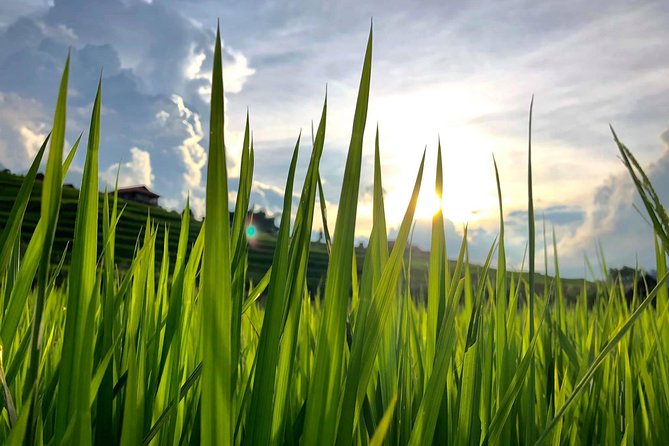
I would choose this for someone who wants direct contact with local life and is comfortable with a basic overnight stay. It suits couples, friends, and small private groups who enjoy walking and want to ask plenty of questions.
It is also a good fit if you prefer a quieter route away from the most obvious stops. Several guide descriptions point to steep paths, forests, rice fields, and rural areas with few other tourists. The route can still be physically demanding, but the setting feels more personal than a quick town-based excursion.
I would hesitate to recommend it to anyone with limited mobility or low fitness. The first day is long, and the 2-kilometer climb can be hard. The activity information asks for moderate physical fitness, so take that guidance seriously.
Weather matters, too. The experience requires good weather. If poor conditions force cancellation, ETHOS offers another date or a full refund.
Practical preparation for the 14-kilometer day
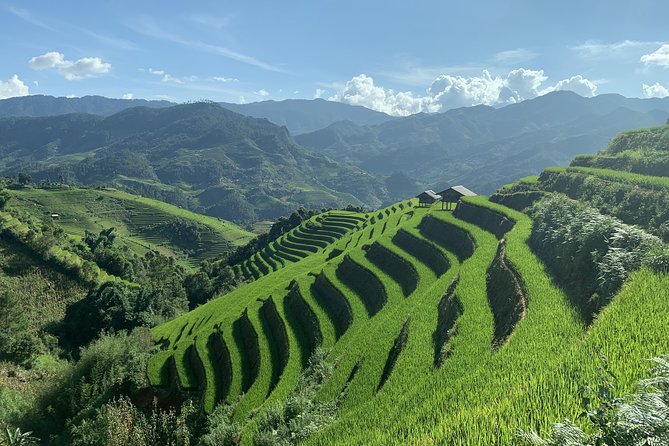
Wear sturdy walking shoes with good traction. The route includes undulating terrain, a steep climb, villages, terraces, and bamboo forest paths, so ordinary city shoes may not be enough.
Bring clothing that can handle changing conditions and a small overnight bag. The supplied details confirm water and refreshments, but they do not specify every personal item you need for the homestay, so ask ETHOS what to pack before departure.
Keep your first morning free of other commitments. You start at 8:30 a.m., and the first day includes a long walk, cooking and lunch with the host family, and the move to the overnight village.
Finally, leave room in your schedule after the second day. A taxi returns you to Sapa in the afternoon, but the exact time is not provided. A relaxed plan works better than a tight train or bus connection.
Should you book it?
Book this trek if you want Sapa to be about people as much as scenery. The best features are the local guides, the host family stay, the private setting, and the adjustable second day. The high rating and 100 percent recommendation record fit the experience’s clear strengths, particularly the warm guiding and strong community focus.
Do not book it simply because you want an easy walk. Day one is long, the climb is real, and the homestay will be more basic than a hotel. If you accept those limits, $93.34 buys a thoughtful two-day introduction to village life, rice terraces, bamboo forests, and the people who call the Sapa Valley home.
FAQ
How long is the ETHOS Sapa trek?
The experience lasts approximately two days. The first day covers about 14 kilometers, while the second day is flexible in both distance and difficulty.
What time and where does the tour start?
It starts at 8:30 a.m. at the ETHOS center, 79 Nguyen Chi Thanh Street, Sapa, Lao Cai, Vietnam.
Is this a private tour?
Yes. Only your group participates, and the booking requires a minimum of two people.
What meals are included?
The package includes one dinner, one breakfast, and two lunches. Water and refreshments are also included.
Is accommodation included?
Yes. One night of homestay accommodation with a village host family is included.
How difficult is the first day?
You need moderate physical fitness. The first six kilometers are relatively easy but undulating, followed by a steep climb of about 2 kilometers. The complete first-day trek is approximately 14 kilometers.
How do I return to Sapa?
A taxi collects you in the afternoon on day two and brings you back to Sapa. The activity ends at the original meeting point.
What happens if bad weather cancels the trek?
The experience requires good weather. If it is canceled because of poor weather, you can choose another date or receive a full refund. You can also cancel for a full refund if you do so at least three full days before the start time.
New treks around Sapa
- Sapa: 2-Day Local Guided Valley Trek with Night Homestay★ 5.0 · 27 reviews
- SAPA: 1-DAY TREKKING TOUR WITH LOCALS, LUNCH & RICE FIELDS★ 4.7 · 18 reviews
- Sapa: 2-Day Local Guided Valley Trek with Night Homestay★ 4.8 · 5 reviews
- Sa Pa: Fansipan Peak One Day Trek with Local Guide★ 5.0 · 7 reviews
- Red Dao Village Trek and Herbal Bath★ 4.7 · 3 reviews
- Private Hoang Lien National Park & Tribal Village Trek★ 4.7 · 30 reviews
- Sapa: Private Muong Hoa Valley and Homestay Trekking 2-Day★ 4.8 · 4 reviews
- From Sapa: Muong Hoa Valley View & Village Trek 1-Day★ 5.0 · 21 reviews
Homestay and Village Treks, side by side.
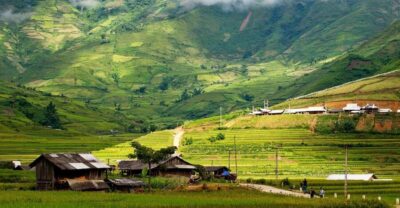
From Hanoi: 2-Day Sapa Trekking Trip with Homestay & Meals
Read our review →
2-Day Sa Pa Ethnic Homestay Tour & Trek with Limousine Bus
Read our review →
Hanoi – Sapa 3 Day 2 Night Trekking With Hotel & Homestay
Read our review →
Sa Pa: 2-Day Trekking Trip with Ethnic Minority Homestay
Read our review →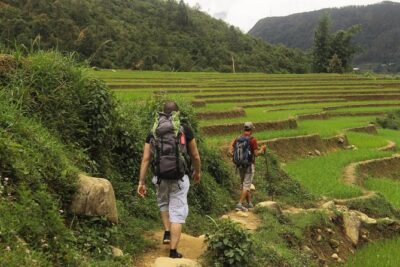
Sapa : 2-Day Trek & Heartwarming Homestay with an Ethnic Family
Read our review →
3 Day Trek in the Atlas Mountains and Berber Villages from Marrakech
Read our review →