
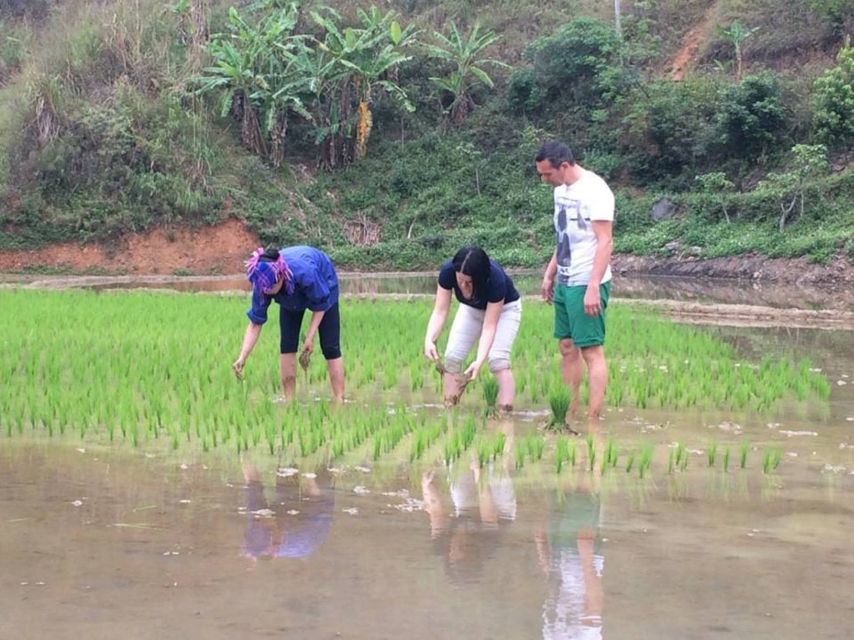
Review · SAPA
Sa Pa: 6-Hours Muong Hoa Valley Trek with Local Ethnic guide
Muong Hoa Valley is best seen on foot, where rice terraces give way to bamboo forest, muddy farm paths, and villages of the Black Hmong and Dzay people. This is not a gentle stroll, but it gives you a close look at rural life beyond Sa Pa’s town center. Guides such as Sang, Sai, Su, and Bao have been praised for clear English, humor, and careful pacing.
I like the beautiful terrace views and the chance to learn about indigo dyeing, batik, hemp weaving, and rice cultivation from people who live in the valley. I also like the practical format: a small group of up to 11, a local guide, one bottle of water, and a bus back to town instead of retracing the route.
The main catch is the terrain. This is a roughly 10-kilometer downhill trek, with steep slopes, slippery mud, uneven roads, and a few difficult crossings. Local women may help you stay upright, then offer handmade goods for sale, so bring patience and decide your shopping budget before you go.
Key points to know before booking
- Y Linh Ho, Lao Chai, and Ta Van form a one-way route: You walk through three villages and return to Sa Pa by bus.
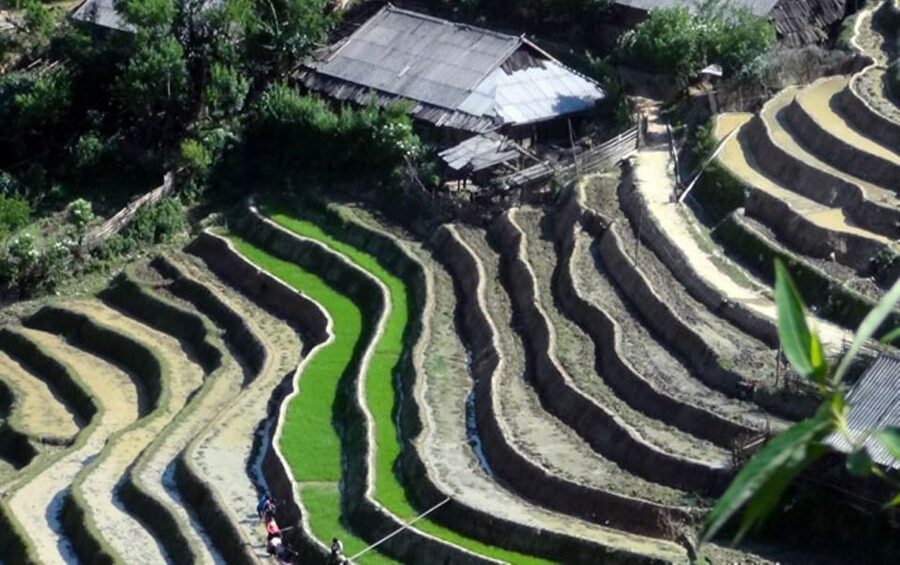
- The scenery changes constantly: Expect rice terraces, bamboo and tropical vegetation, mountain views, village paths, and cultivated fields.
- Local help can be valuable: Women from nearby communities sometimes assist on muddy or steep sections, though some may later sell handicrafts.
- Lunch costs extra: You eat at a local restaurant, with local food available for purchase during the trek.
- Wet weather changes the difficulty: Slopes can become very slippery, and trekking shoes are far more useful than ordinary trainers.
- The $18 price is strong value: It covers the guide, transport, entrance fees, and water, but not food, drinks, insurance, or personal spending.
Why this Muong Hoa trek is worth your time
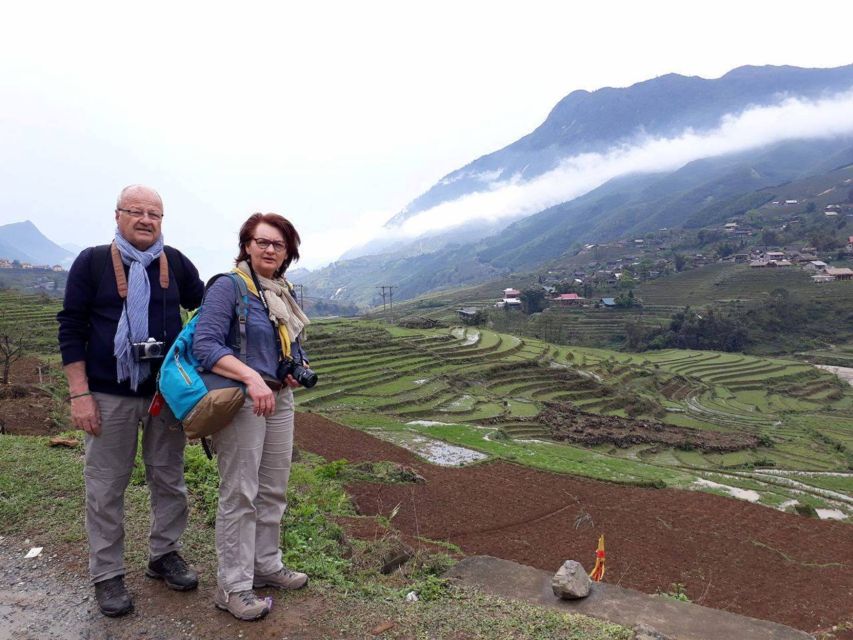
Sa Pa is surrounded by striking mountains, but the best way to understand the Muong Hoa Valley is to slow down and walk through it. A vehicle can take you to viewpoints, yet a trek lets you see narrow footpaths, working fields, village homes, and small details of daily life.
This excursion offers a useful middle ground. At six hours, it gives you a full half-day in the valley without requiring a multi-day hike or an overnight stay. The group is limited to 11 people, which should make it easier to hear the guide and move at a sensible pace.
The tour is also inexpensive for what is included. At $18 per person, you receive transport by bus, an English-speaking guide, entrance tickets, and a 500-milliliter bottle of water. You pay separately for lunch, soft drinks, insurance, VAT, and anything you buy in the villages.
That low price does not make the walk easy. Think of it as an active cultural outing rather than a sightseeing bus trip. If you have a reasonable level of fitness and enjoy walking on natural ground, it offers excellent value. If you prefer flat paths, polished facilities, or a tightly controlled schedule, this may test your patience.
More Rice Terrace Treks in Sa Pa:
- Sa Pa: Muong Hoa Valley Trek and Local Ethnic Villages
★ 4.6 · 864 reviews - Explore Sapa by TrekkingAdventures, Mountain,Rice fields
★ 4.9 · 229 reviews - Sapa Muong Hoa Valley & Ta Van Eco Village Scenic Tour (No Trek)
★ 5.0 · 144 reviews
From Sa Pa to Y Linh Ho
The outing begins in Sa Pa, with hotel pickup available from hotels in town. Some properties may require you to meet at the operator’s office or another meeting point, so send your hotel name and address in advance.
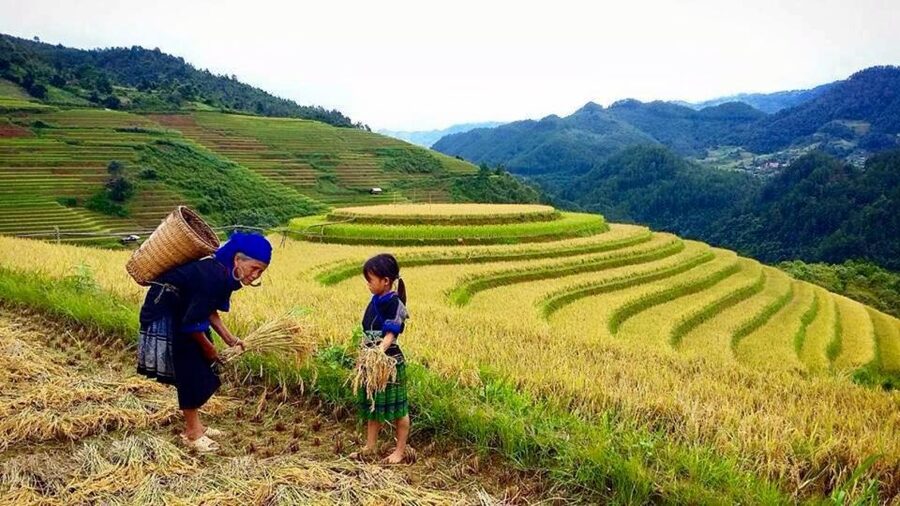
The first section includes a scenic walk of about 20 minutes toward Y Linh Ho village. This is home to the Black Hmong, one of the ethnic communities that shape the valley’s culture and economy.
Y Linh Ho is a good place to begin because the walk is not only about scenery. Your guide can explain how local people live, work, and use the surrounding land. At the village center, you may see everyday activity rather than a formal museum display. That makes the introduction more direct, though it also means the experience depends on the guide’s communication and your willingness to ask respectful questions.
English-speaking guides have received especially strong praise for making the cultural details understandable. Sang, Sai, Su, and Bao are among the names associated with well-received departures, while another guide named Dong was singled out for helping along the route. Guide assignments can change, so you should not book on the assumption that one particular person will lead your group.
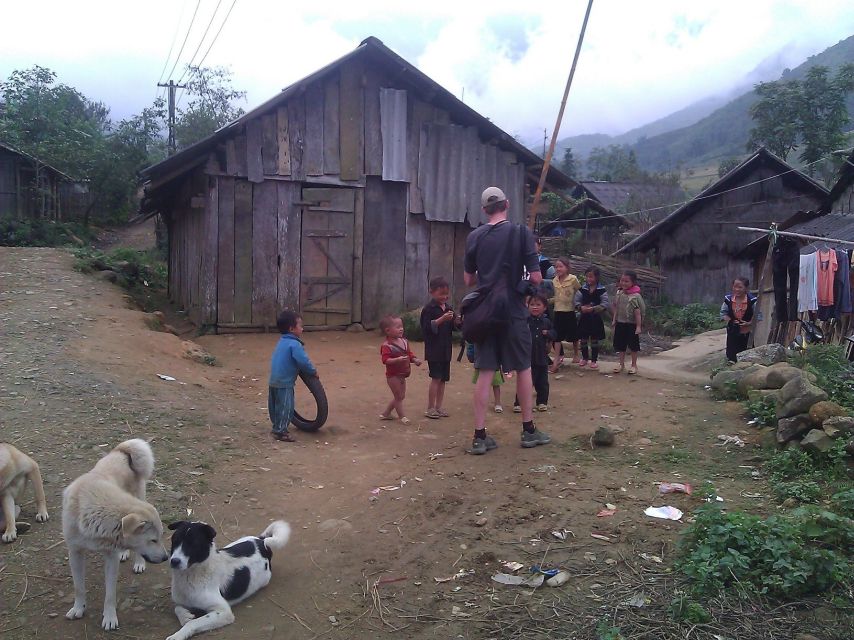
Please remember the local etiquette. Ask a parent before photographing children, and do not touch children’s heads. These are small actions, but they matter when you are walking through someone’s home area rather than visiting a staged attraction.
Lao Chai and the best rice terrace views
From Y Linh Ho, the walk continues toward Lao Chai. This is where the valley opens into some of the most memorable views of the day, with rice terraces cut into the mountain slopes.
The appearance of the terraces changes with the season. In some months, you may see fields filled with crops. At other times, the terraces may look quieter or more muted. Winter can bring thick fog, especially in the morning, so do not expect clear mountain views every day between October and March.
The route is not a loop. You continue forward through the valley and later take a bus back to Sa Pa. That is useful because you see more ground without having to walk the same route twice, but it also means you should not assume you can leave halfway and easily return on foot.
Lao Chai also brings the tour’s clearest connection to Hmong crafts. The planned subjects include indigo dyeing, batik making, and hemp weaving. These crafts help explain more than clothing design. They show how local materials, farming, labor, and family skills connect in village life.
The guide’s explanation is important here. Without context, a colorful textile can become just another souvenir. With a little background, you can understand the work behind it and make a more informed decision if you later buy something.
The walking conditions are the real test
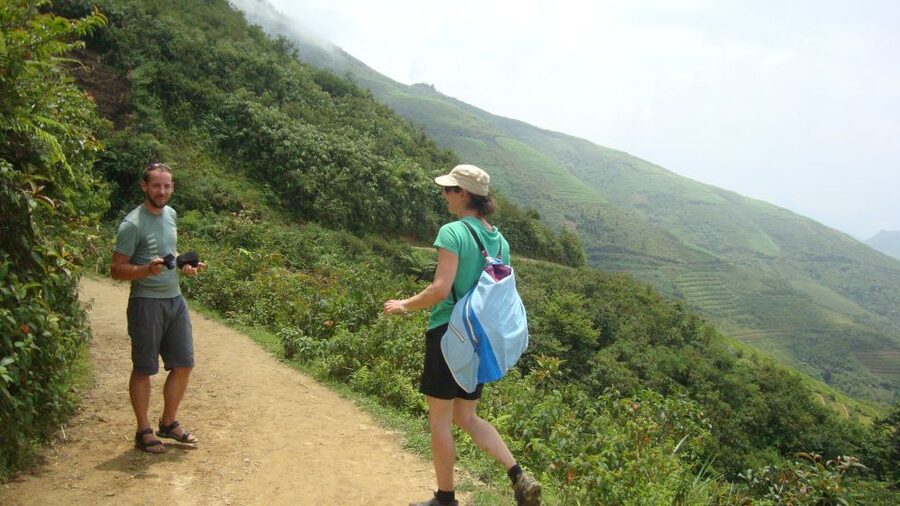
The distance is about 10 kilometers, and much of the route trends downhill. That may sound easier than climbing, but downhill walking can be hard on your knees and requires steady footing.
Expect a mixture of dirt paths, uneven roads, concrete or stone sections, rice-field edges, bamboo forest, and occasional bridges. In dry weather, the walk may feel moderate for a reasonably fit person. In rain, the same route can become a different experience altogether.
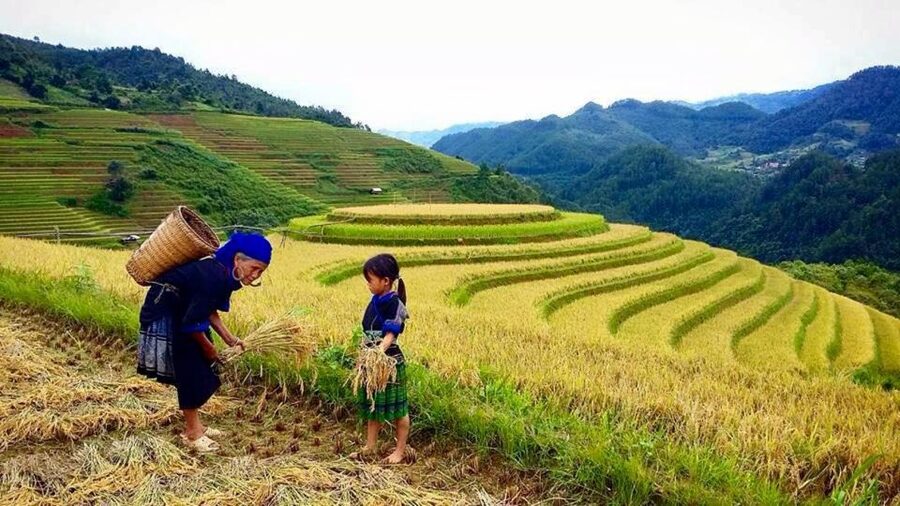
Mud is a recurring concern. Several departures have involved slippery slopes where local women helped people across difficult sections. Their familiarity with the paths can be reassuring, especially when the ground is wet, but you should not treat their assistance as a substitute for proper footwear or fitness.
Wear trekking shoes with good grip. Bring sunglasses, sun cream, and insect repellent. Between October and March, add warm layers, since Sa Pa and the valley can feel cool, particularly in fog.
The tour is not suitable for wheelchair users, people with mobility impairments, pregnant women, or children under six. Senior citizens are specifically advised not to take the 10-kilometer route because it can become dangerous in wet weather. Families with older children may manage it, but the adults should be honest about the child’s stamina and balance.
Heat matters, too. Even when the route is not technically difficult, steep paths in warm weather can leave you tired by the time you reach Ta Van. Bring the supplied water, and consider carrying additional water if you know you drink heavily during exercise.
More guided trips around Sa Pa
- From Sapa: 1-Day Guided Trek to Lao Chai & Ta Van with Lunch
★ 4.9 · 416 reviews - Sapa 1 day trek with local guide to the village by Comlam
★ 5.0 · 148 reviews - SAPA: 2-DAY 1-NIGHT TREKKING & CULTURE WITH HMONG GUIDE LINH
★ 4.9 · 126 reviews - Sapa Trekking Bargains With Local Guide
★ 4.9 · 91 reviews
Ta Van and the Dzay side of the valley
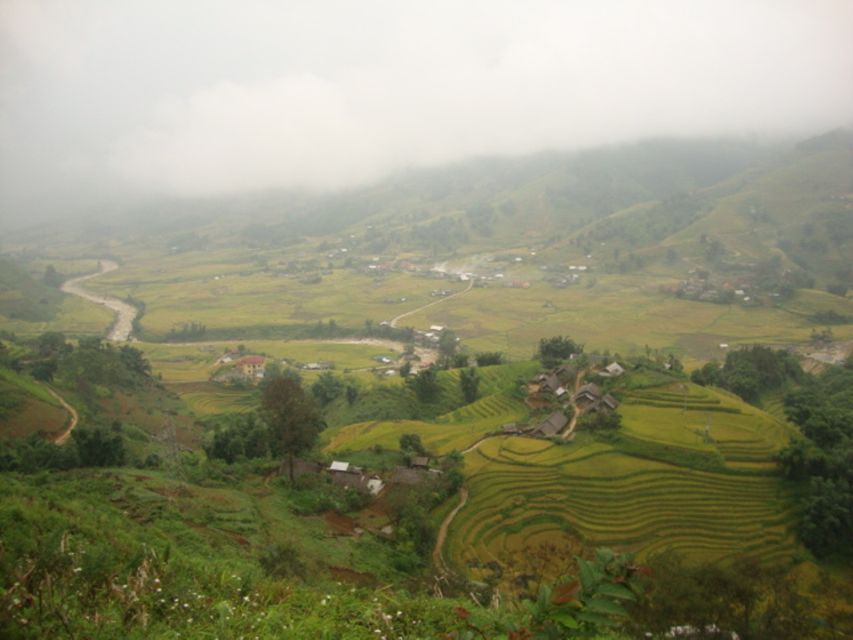
The final village is Ta Van, associated with the Dzay people. Here, the cultural focus shifts from the Black Hmong community to differences in customs, clothing, homes, and village life.
You may visit traditional local homes and hear about weaving and rice cultivation. This is one of the most useful parts of the outing because it connects the valley’s scenery with the work needed to maintain it. Rice terraces are not simply pretty slopes for photographs. They are farmland shaped and tended over time.
The contrast between Hmong and Dzay traditions gives the walk more depth. You are not seeing one single version of rural Sa Pa. You are moving through communities with their own clothing, crafts, and customs.
As with Y Linh Ho and Lao Chai, the quality of this part depends on how well your guide explains what you are seeing. Guides who speak clearly and share details about their own life in Sa Pa can make the visit feel personal rather than scripted. The strongest guide feedback has praised friendly, attentive leaders who kept the pace comfortable and checked that everyone understood.
After Ta Van, a bus returns you to the tour office in central Sa Pa. This final ride is a welcome feature after several hours on your feet.
Lunch, local help, and the shopping question
Lunch is not included in the price. You stop at a local restaurant and pay for your own meal, with local specialties and fresh produce available. Some meals have been described as plentiful and varied, while one departure found the food bland. In other words, keep expectations sensible. This is a convenient local meal during an active day, not a carefully planned food tour.
The restaurant stop can also be the most awkward part of the day. Local women and children may approach you with handmade goods, and some people have felt pressured to buy after receiving help on the trail. Others see purchasing a small item as a fair way to show appreciation for the assistance.
You can handle this politely by deciding in advance what you are comfortable spending. If you want a souvenir, look carefully at the textiles and handmade products, ask the price clearly, and buy because you like the item, not because you feel cornered. If you do not want to buy, a firm but courteous no should be enough.
This is worth considering when comparing the tour with a more formal cultural excursion. The benefit is direct contact with local people and crafts. The tradeoff is that commercial selling can be part of that contact.
Weather and seasonal timing
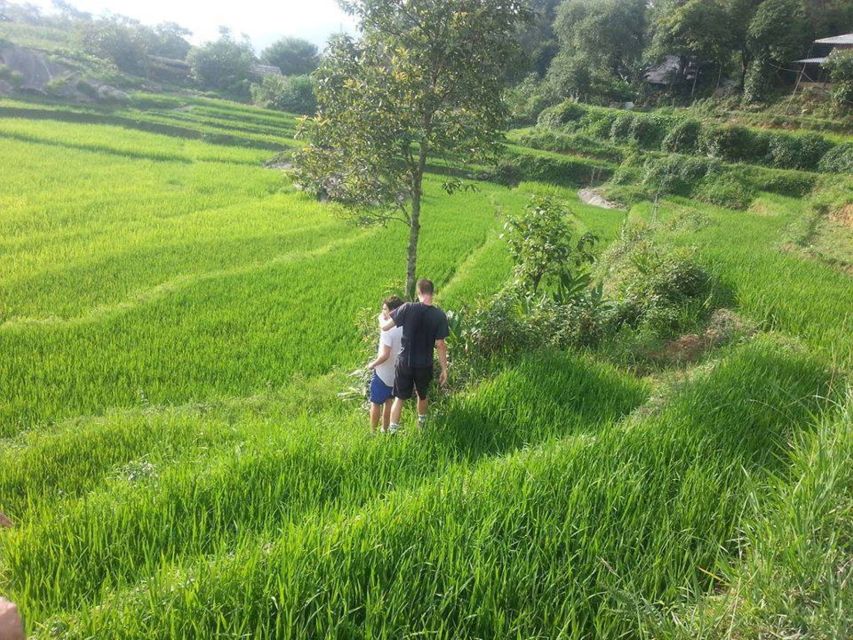
Weather will shape the day more than the calendar suggests. In dry conditions, paths are easier and views are more likely to open up. In rain, the route can become muddy, steep, and tiring, though the valley may also look especially atmospheric.
Winter mornings can bring thick fog. That does not cancel the cultural side of the tour, but it may hide the wide views you hoped to photograph. From October through March, bring warm clothes, even if the forecast in Sa Pa looks manageable.
The supplied information lists different Lunar New Year surcharge dates and amounts, including a $20 charge from February 14 to 21, 2025, and another older note listing $30 for February 9 to 14, 2024. Because these details conflict and change by year, confirm the current holiday surcharge before booking. It is paid directly during the trip or at the meeting point.
A French-speaking guide also carries a listed $20 per-person surcharge, paid directly. The standard language is English.
What the $18 price really covers
The price is unusually modest for a six-hour guided outing. You are paying for the guide’s time, transport, entrance fees, and the basic convenience of an organized route. The small group limit of 11 is another advantage over a large coach excursion.
The extras can raise your actual spending. Budget for lunch, drinks, possible handicrafts, and personal expenses. Travel insurance is not included, and VAT is also listed separately.
The strongest value comes if you have limited time in Sa Pa. You can see several villages and a large stretch of the valley in one day, then return to town without arranging separate transport. It also suits people who want cultural context but do not have time for a longer homestay trek.
The price is less attractive if you are mainly seeking a short viewpoint visit. You will spend much of the day walking, and the most memorable parts require effort.
Who should book this trek
I would choose this tour if you want a physically active look at the countryside, enjoy walking on rough paths, and are curious about Hmong and Dzay life. It is especially useful for a short Sa Pa stay, since the route packs scenery, villages, crafts, and transport into six hours.
It also works well for families with teenagers and for adults in their 50s who are comfortable walking downhill for several hours. One family with three children completed the route in rainy conditions, but the children’s ages and fitness will matter.
I would skip it if you have balance problems, joint pain, limited mobility, or a strong dislike of mud and informal selling. The activity information specifically excludes pregnant women, wheelchair users, people with mobility impairments, and children under six.
Before leaving, wear proper shoes, bring sun and insect protection, pack warm layers in cooler months, and keep your camera ready without forgetting local manners. Most importantly, accept that weather may change the day from a scenic walk into a real mountain trek.
Should you book it?
Book this Muong Hoa Valley trek if you want the best scenery through walking rather than a quick roadside stop, and if you are comfortable with a demanding 10-kilometer route. The $18 cost, small group, local guide, and bus return make it a strong choice for a short visit to Sa Pa.
Choose another activity if you need an easy path, guaranteed clear views, or a lunch and shopping experience with no pressure. For everyone else, this is a lively, practical way to connect Sa Pa’s famous rice terraces with the people who farm, weave, cook, and live among them.
FAQ
How long is the Muong Hoa Valley trek?
The activity lasts six hours and covers about 10 kilometers. The route passes through Y Linh Ho, Lao Chai, and Ta Van before a bus returns you to Sa Pa.
Is lunch included?
No. Lunch is available at a local restaurant, but food and soft drinks are paid for separately.
What is included in the $18 price?
The price includes bus transportation, an English-speaking guide, entrance tickets to the indicated sites, and one 500-milliliter bottle of water per person.
Is the trek difficult?
The trek can be challenging because of steep and uneven paths, downhill sections, dirt roads, rice-field paths, and slippery conditions in wet weather. A reasonable level of fitness is recommended.
Can seniors, children, or wheelchair users join?
The trek is not suitable for wheelchair users, people with mobility impairments, pregnant women, or children under six. Senior citizens are advised not to take the 10-kilometer route because wet weather can make it dangerous.
What should I bring?
Bring trekking shoes, sunglasses, sun cream, and insect repellent. Warm clothes are recommended from October through March. Respect local customs by asking permission before photographing children and by not touching children’s heads.
New treks around Sa Pa
- Sapa: 2-Day Local Guided Valley Trek with Night Homestay★ 5.0 · 27 reviews
- SAPA: 1-DAY TREKKING TOUR WITH LOCALS, LUNCH & RICE FIELDS★ 4.7 · 18 reviews
- Sapa: 2-Day Local Guided Valley Trek with Night Homestay★ 4.8 · 5 reviews
- Sa Pa: Fansipan Peak One Day Trek with Local Guide★ 5.0 · 7 reviews
- Red Dao Village Trek and Herbal Bath★ 4.7 · 3 reviews
- Private Hoang Lien National Park & Tribal Village Trek★ 4.7 · 30 reviews
- Sapa: Private Muong Hoa Valley and Homestay Trekking 2-Day★ 4.8 · 4 reviews
- From Sapa: Muong Hoa Valley View & Village Trek 1-Day★ 5.0 · 21 reviews
Rice Terrace Treks, side by side.
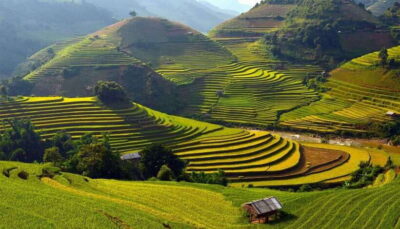
Sa Pa: Muong Hoa Valley Trek and Local Ethnic Villages
Read our review →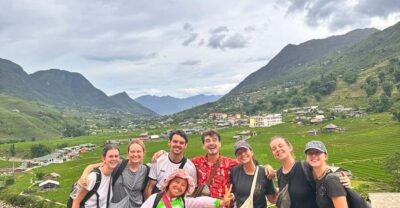
Explore Sapa by TrekkingAdventures, Mountain,Rice fields
Read our review →
Selogriyo Temple and Trekking Java Rice Terraces, hidden waterfall -Nature Java
Read our review →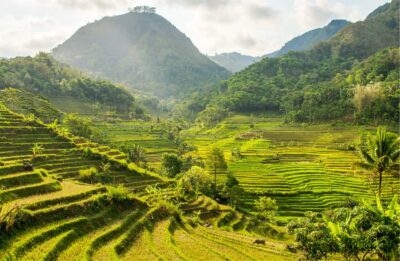
Yogyakarta: Selogriyo Temple Tour & Java Rice Terrace Trek
Read our review →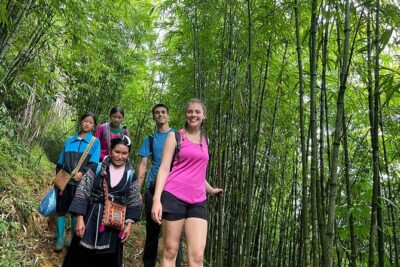
Daily Tour: Sapa Trekking in Muong Hoa valley, Bamboo forest
Read our review →
Ubud: Rice Terrace, Holy Water Temple & Waterfalls Trek Tour
Read our review →
Mount Batur Sunrise Trekking and Rice Terrace Adventure
Read our review →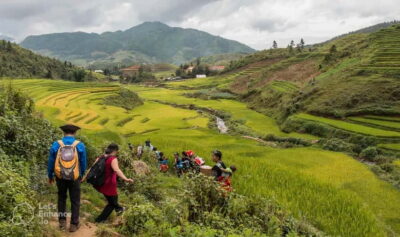
1-Day Sapa Long Trek – Rice Field Terrace, Ethnic Culture
Read our review →Lists this trek appears in