
Review · SAPA
Daily Tour: Sapa Trekking in Muong Hoa valley, Bamboo forest
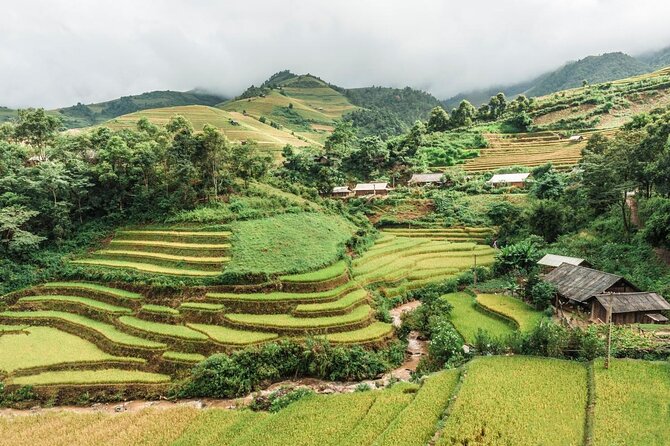
Muong Hoa Valley gives you the kind of Sapa view that must be earned: rice terraces, mountain slopes, village paths, and a trail that can turn properly muddy after rain. I like the small group of up to 14 and the way the route links Lao Chai, Ta Van, and Giang Ta Chai instead of stopping at one viewpoint.
I also like that lunch, water, a guide, and the return bus are included for $29.90. The catch is the trail itself. Wet ground can make parts challenging, so good trekking shoes and moderate fitness are not optional extras.
Key points at a glance
- A five-hour village-to-village trek: Walk from Lao Chai to Ta Van, then continue toward Giang Ta Chai before returning to Sapa.
- The best views come with muddy footing: Rain can make the route slippery and demanding.
- Lunch in Ta Van: You get a one-hour meal stop in the village, with lunch included.
- Guide Lang has earned special praise: He explains plants, village life, and local culture in clear, useful detail.
- Simple, useful transport: Pickup is offered from central Sapa, and a bus brings you back after the trek.
- A low-cost first look at Sapa: At $29.90, the tour covers several practical costs without requiring you to arrange separate transport.
Why this Sapa trek works for first-time visitors
Sapa can feel confusing at first. Mountain villages sit beyond the town, paths branch through fields and forests, and weather can change the condition of a trail quickly. This tour removes much of that planning work while still giving you a proper walk rather than a drive-by photo stop.
You meet at 9:00 am, either at Sapa Church or the Vietnam Nomad Trails office at 13 Tue Tinh Street. Pickup from a hotel in central Sapa is offered, but you should confirm the exact pickup arrangement when booking. Arrive 15 minutes early. That small buffer matters in a mountain town where finding the correct street can take longer than expected.
The route lasts about five hours. It is long enough to show you several sides of the Muong Hoa area, but short enough to fit into a day with other Sapa plans. You will not spend the whole day on a hard trail, though you should expect real walking, uneven ground, and some effort.
The group limit is 14 people. That is not a private hike, but it is far more manageable than a large coach group. A smaller group gives the guide a better chance to answer questions and adjust the pace. One especially useful detail is that a very small booking may let you set the pace more easily.
More Rice Terrace Treks in Sapa:
- Sa Pa: Muong Hoa Valley Trek and Local Ethnic Villages
★ 4.6 · 864 reviews - Explore Sapa by TrekkingAdventures, Mountain,Rice fields
★ 4.9 · 229 reviews - Sa Pa: 6-Hours Muong Hoa Valley Trek with Local Ethnic guide
★ 4.5 · 178 reviews
Lao Chai and the first views across Muong Hoa
The main walk begins toward Lao Chai village. This is where the tour starts to show its value. Instead of simply looking at Muong Hoa Valley from a roadside point, you move through it on foot, with the views changing as the trail rises, bends, and passes through rural areas.
The scenery is the headline attraction. You can expect broad views across the valley, mountain slopes, fields, and village surroundings. The exact appearance depends heavily on the season and weather. Clear conditions should give you the widest views, while mist can make Sapa feel more mysterious but less photogenic.
Do not judge the walk only by distance. The surface is part of the experience. After rain, mud can make the route slippery and tiring. A pair of ordinary trainers may not be enough, especially if their soles are smooth. Bring proper trekking shoes, and accept that they may get dirty.
The trail is not described as suitable for every fitness level. You should have moderate physical fitness and feel comfortable walking for several hours. If you dislike uneven paths or have difficulty on muddy ground, this may not be the right way to see Muong Hoa.
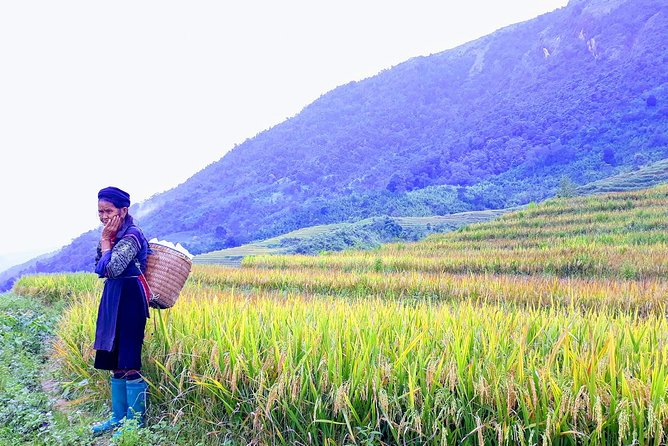
The guide adds more than directions. The tour is designed to explain plants, village life, and local culture as you walk. That makes the valley easier to understand. You are not just collecting photographs. You are learning why the villages and surrounding countryside matter to the people who live there.
Ta Van village and the included lunch
Ta Van is the central pause in the day. You stop here for about an hour and have lunch in the village. The meal is included, which keeps the price honest and makes the schedule easier. You do not need to search for a restaurant while tired and muddy.
The food is served at a homestay, and the meal has received especially warm praise. That setting is more useful than a standard tourist restaurant because it connects lunch with village life. Still, keep your expectations practical. The tour information does not provide a fixed menu, so tell the operator about dietary needs when you book.
The one-hour stop also gives your legs a break. Five hours of trekking can feel longer than it sounds, especially after rain. Use the pause to drink water, check your footwear, and enjoy the setting instead of rushing through the meal.
You may want to bring some small Vietnamese currency notes. One account of the trek describes local helpers offering assistance on difficult muddy sections, with a tip later feeling appropriate. Tipping is not listed as an included cost, so carry a little cash if you want to thank someone who helps you.
Ta Van is also the point where the day shifts from views to local contact. The tour promises opportunities to meet local people and learn about regional culture. That does not mean a staged cultural performance. It means you are walking through working villages and stopping for a meal in one of them, which gives the day a more grounded feel.
From Ta Van toward Giang Ta Chai
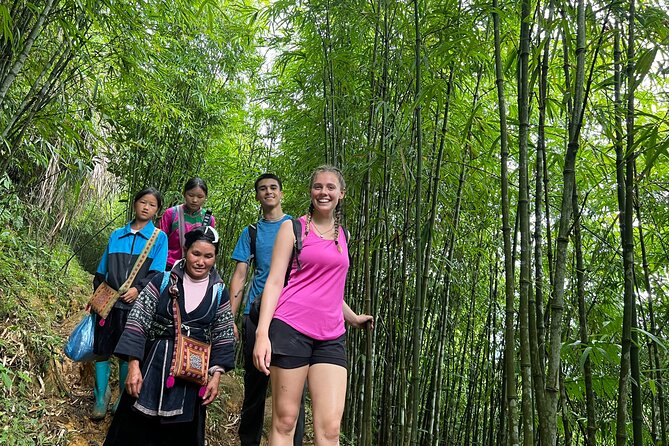
After lunch, the route continues toward Giang Ta Chai, where the pickup back to Sapa takes place. This keeps the day moving instead of sending you back along the same path. You get a fuller look at the area and avoid spending the afternoon retracing your steps.
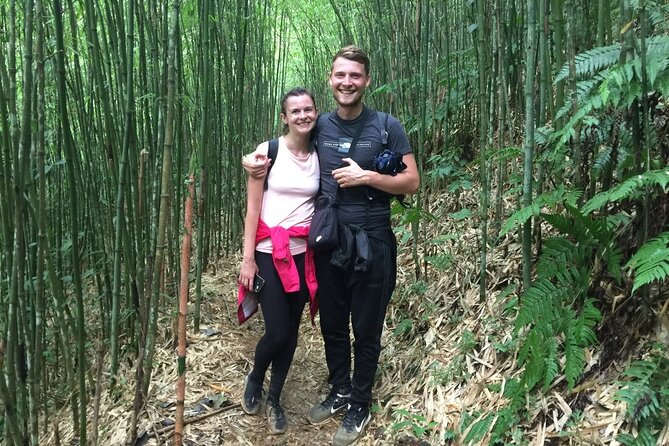
The tour title also highlights a bamboo forest. The supplied route does not give a precise duration inside the forest, so you should treat it as one part of the wider walk rather than a separate attraction with a long scheduled stop. Expect the forest section to add shade and a change of scenery after the open valley views.
This part of the trek may feel more demanding if the ground is wet. The combination of slopes, mud, and tired legs is where sturdy footwear matters most. Move at a steady pace, and do not worry about treating the walk like a race. The best part of a guided trek is having someone who knows where the route goes.
The return transfer is by bus from Giang Ta Chai to Sapa. That is an important inclusion. After several hours on foot, you do not have to arrange a taxi or walk back into town. The activity ends back at the meeting point.
More treks around Sapa:
- Sapa: Eco Adventure Terrace Fields and Local Villages Trek
★ 4.9 · 636 reviews - Number one top rated ethical cultural trekking and homestay by ETHOS
★ 5.0 · 456 reviews - From Sapa: 1-Day Guided Trek to Lao Chai & Ta Van with Lunch
★ 4.9 · 416 reviews - Sa Pa Full Day Trekking Tour
★ 5.0 · 414 reviews
The guides and the human side of the route
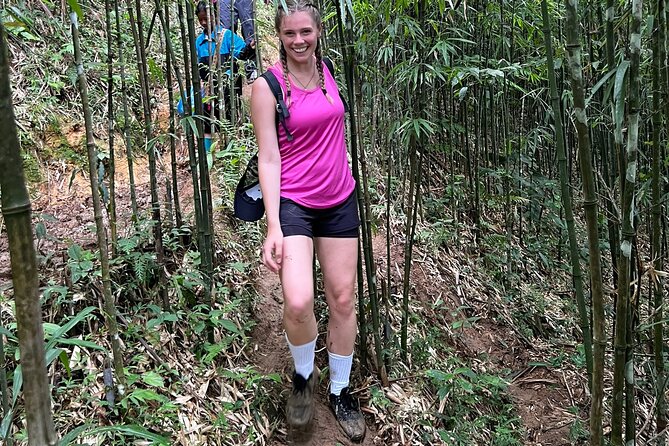
The English-speaking guide is one of the strongest reasons to book this instead of attempting the same route alone. Guide Lang receives particular praise for explaining plants, villages, and culture. Those details can turn a pretty walk into a more meaningful one.
A guide also helps with practical matters. You are less likely to lose the trail, and you have someone to ask about the villages around you. On a muddy day, the guide can help the group manage difficult sections and keep the walk moving.
The service style may feel informal. Local people or additional helpers can sometimes appear along the route, particularly on harder sections. One account found that assistance useful but felt a tip was expected afterward. I would not treat this as a reason to avoid the trek, but I would carry small notes and decide in advance how you want to handle tips.
Respect matters in Sapa. Dress and behave with care in villages, ask before photographing people, and follow the guide’s advice. The tour specifically asks you to respect local culture, and that is good guidance for any walk through inhabited communities.
What $29.90 really covers
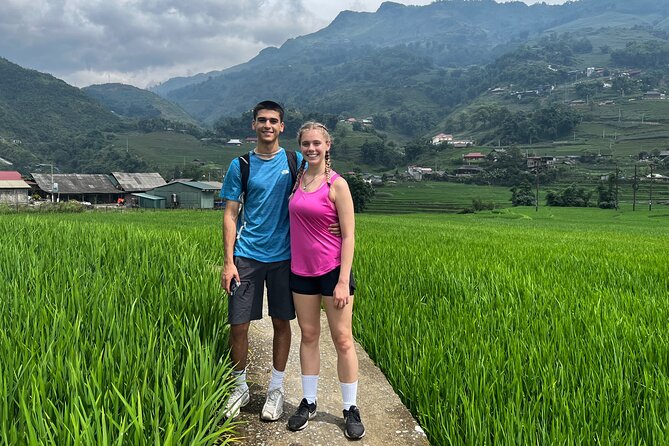
At $29.90 per person, this is a strong value if you want a guided introduction to Muong Hoa without arranging several separate services. The fee includes the English-speaking guide, lunch, mineral water, bottled water, and the bus back to Sapa.
Pickup is offered from central Sapa, which may save you another small transport cost. The group size of up to 14 also gives you more personal attention than a large sightseeing outing. You are paying mainly for route planning, local guidance, food, and transport, not for luxury.
You still need to budget for beverages, personal expenses, travel insurance, and VAT. The tour does not include every drink beyond the supplied water. Bring sun cream, insect repellent, and suitable clothing rather than expecting to buy these along the way.
The price is especially appealing for a first Sapa visit. You can sample the valley, villages, bamboo forest, and local food in half a day. The tradeoff is that the route may be less flexible than a private trek, and the pace can depend on the rest of the group.
Weather, clothing, and trail difficulty
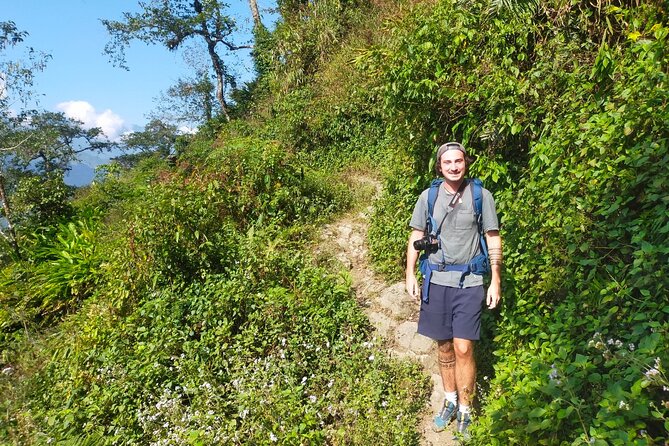
Sapa’s weather affects this experience more than the calendar alone. Rain before the trek can turn sections muddy and difficult. From October through March, warm clothes are recommended. Even if the town feels comfortable at the start, mountain conditions can be cooler.
Pack trekking shoes, sunglasses, sun cream, insect repellent, and water-friendly layers. The tour supplies bottled water, but you may still prefer to carry a small personal bottle. Keep your belongings light. You will appreciate that choice when the trail becomes steep or slippery.
The tour calls for moderate physical fitness. That wording should guide your decision. You do not need to be an athlete, but you should be prepared for five hours of walking over uneven ground. Anyone who wants a gentle sightseeing outing should choose a different activity.
Plastic litter has been noticed along parts of the route. That can take some shine off an otherwise beautiful setting. Bring your own waste back with you, and do not add to the problem. The valley is at its best when visitors treat it as a place where people live, not as a disposable outdoor attraction.
Who should book this Muong Hoa experience?
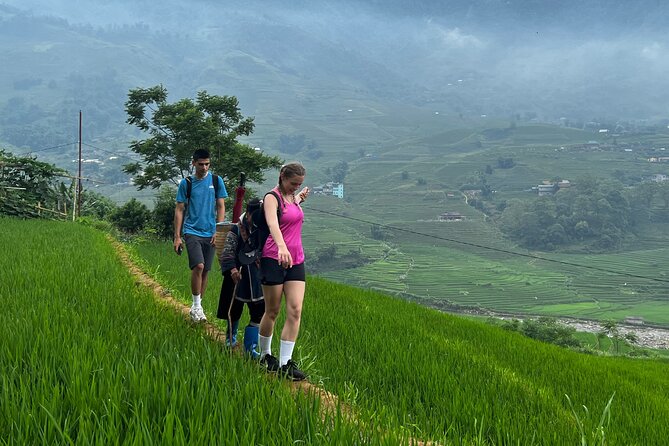
I would choose this tour if you are visiting Sapa for the first time, want the main valley views, and prefer having transport and lunch handled for you. It also suits you if you like learning about plants and village culture while walking rather than simply taking photographs from a viewpoint.
It is a good match for solo visitors and couples who want a social small-group setting without committing to a private guide. The 14-person maximum leaves room for personal questions, and a smaller departure may offer a more flexible pace.
I would be cautious if you have limited mobility, dislike mud, or want a relaxed road-based tour. The route can be challenging after rain, and the physical effort is part of the deal. Families should also consider each person’s ability to manage several hours on uneven ground, since the tour is not presented as an easy walk.
Booking confirmation is provided at the time of purchase. A current valid passport is required on the day of travel, and you should provide dietary requirements when booking. Free cancellation is available up to 24 hours before the start time. Changes or cancellations inside that window are not accepted for a refund.
Should you book the Sapa trek?
Book it if you want a practical, good-value introduction to Muong Hoa Valley with real walking, village stops, and a local guide. The strongest parts are the scenery, the route linking several villages, the included lunch, and the chance to learn about local plants and culture from guides such as Lang.
Skip it if you are looking for an easy stroll or dislike uncertain trail conditions. Rain can make the route muddy, the scenery may be reduced by mist, and litter can appear in places. For the right kind of visitor, though, the challenge is part of the reward: you earn the wide valley views instead of simply pulling over beside them.
FAQ
Where does the Sapa trekking tour start?
The stated meeting point is Sapa Church at P. Hàm Rồng, TT. Sa Pa, Sa Pa, Lào Cai 333100, Vietnam. Pickup is also offered from the Vietnam Nomad Trails office at 13 Tue Tinh Street or a hotel in central Sapa.
What time does the tour start?
The tour starts at 9:00 am. You should arrive at the meeting point 15 minutes before departure.
How long does the trek last?
The experience lasts approximately five hours, including the walking route, the lunch stop, and the return transfer to Sapa.
Which villages are included?
The route goes to Lao Chai village, continues to Ta Van village for lunch, and then moves toward Giang Ta Chai for pickup back to Sapa.
Is lunch included?
Yes. Lunch in Ta Van village is included. You should advise the operator about specific dietary requirements when booking.
Is transportation included?
Yes. Pickup is offered in central Sapa, and a bus back to Sapa is included after the trek from Giang Ta Chai.
How large is the group?
The tour has a maximum of 14 travelers.
What should I bring?
Bring trekking shoes, sunglasses, sun cream, and insect repellent. Warm clothes are recommended from October through March.
Can I cancel for a full refund?
Yes, if you cancel at least 24 hours before the experience start time. Cancellations or changes made less than 24 hours before departure are not accepted for a refund.
New treks around Sapa
- Sapa: 2-Day Local Guided Valley Trek with Night Homestay★ 5.0 · 27 reviews
- Sapa: 2-Day Local Guided Valley Trek with Night Homestay★ 4.8 · 5 reviews
- SAPA: 1-DAY TREKKING TOUR WITH LOCALS, LUNCH & RICE FIELDS★ 4.7 · 18 reviews
- Sa Pa: Fansipan Peak One Day Trek with Local Guide★ 5.0 · 7 reviews
- Red Dao Village Trek and Herbal Bath★ 4.7 · 3 reviews
- Private Hoang Lien National Park & Tribal Village Trek★ 4.7 · 30 reviews
- Sapa: Private Muong Hoa Valley and Homestay Trekking 2-Day★ 4.8 · 4 reviews
- From Sapa: Muong Hoa Valley View & Village Trek 1-Day★ 5.0 · 21 reviews
Rice Terrace Treks, side by side.
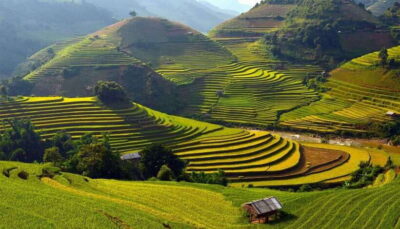
Sa Pa: Muong Hoa Valley Trek and Local Ethnic Villages
Read our review →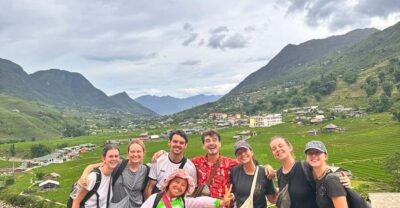
Explore Sapa by TrekkingAdventures, Mountain,Rice fields
Read our review →
Selogriyo Temple and Trekking Java Rice Terraces, hidden waterfall -Nature Java
Read our review →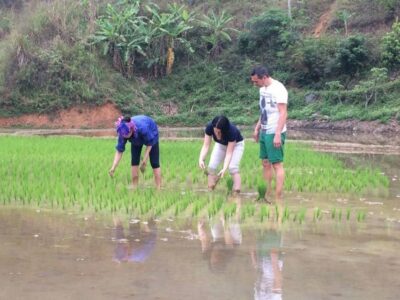
Sa Pa: 6-Hours Muong Hoa Valley Trek with Local Ethnic guide
Read our review →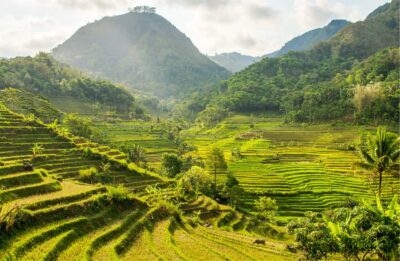
Yogyakarta: Selogriyo Temple Tour & Java Rice Terrace Trek
Read our review →
Ubud: Rice Terrace, Holy Water Temple & Waterfalls Trek Tour
Read our review →
Mount Batur Sunrise Trekking and Rice Terrace Adventure
Read our review →
1-Day Sapa Long Trek – Rice Field Terrace, Ethnic Culture
Read our review →Lists this trek appears in