
Review · SAPA
Sa Pa Full Day Trekking Tour
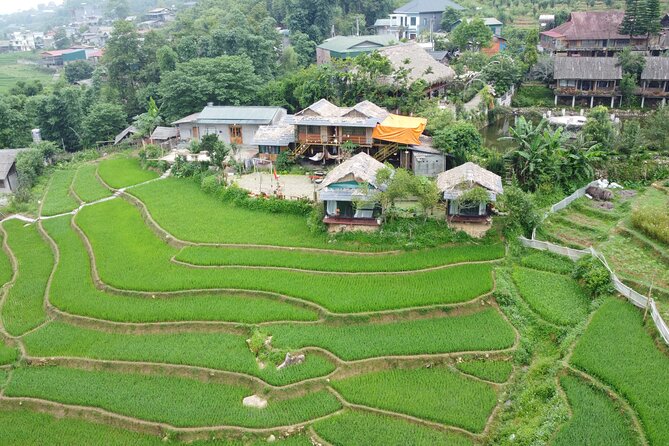
Sapa’s best day hike is not a gentle stroll beside the road. It is a village-to-village walk through rice terraces, muddy paths, and steep hills, ending with a local lunch in Ta Van. The route gives you a close look at daily life among the Black H’mong and Red Dao communities without requiring a multi-day trek.
I like the rice-terrace route and the way the walk links Y Linh Ho, Lao Chai, and Ta Van instead of stopping at one viewpoint. I also like the practical setup: a local guide, lunch, and a bus back to Sapa, so you do not have to retrace your steps.
The catch is simple: this is a real hike. You may walk 8 to 10 kilometers, with at least four hours on foot, and rainy weather can turn narrow paths steep, slick, muddy, or partly flooded. Bring proper shoes and be ready to move at a steady pace.
Key points before you book
- Three villages in one day: Walk through Y Linh Ho, Lao Chai, and Ta Van, with rice terraces and mountain views along the route.
- Lunch at a homestay-style stop: The Ta Van meal features local Vietnamese dishes and gives you time to rest.
- A demanding 8 to 10 kilometer walk: Expect steep descents, uneven ground, mud, and slippery sections in wet weather.
- Local guides add cultural context: Guides such as Zem, Sue, and Mama So have led departures, explaining rice farming and ethnic traditions.
- Return transport is included: After lunch and time in Ta Van, a bus takes you back toward Cau May Street in Sapa.
- Good value at $25: The price includes lunch, entrance fees, guiding, and the return bus, though drinks are extra.
Why this Sapa route works as a one-day hike
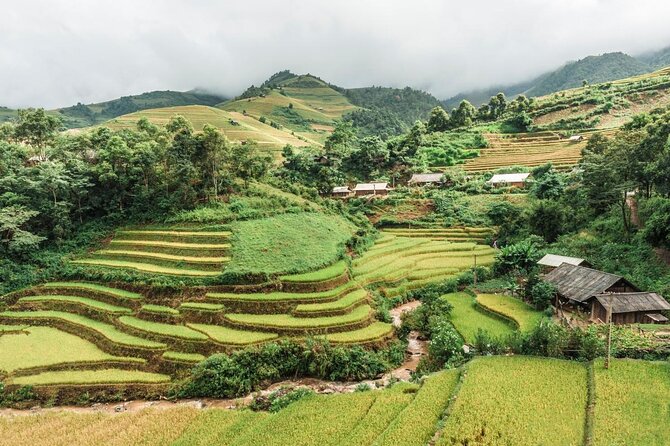
Sapa is famous for its rice terraces, but the best views are not always beside the town. This tour begins near central Sapa and heads down toward the Muong Hoa Valley, where villages sit among steep hillsides and cultivated fields.
I like this format for a first visit because it covers several kinds of scenery in one day. You get the broad views from the upper trails, the close-up details of village life, and a meal in Ta Van before transport brings you back uphill toward town.
The route also makes sense for anyone who cannot spare two or three days for a longer trek. You leave at 8:00 a.m. and finish around 2:30 p.m., though the advertised duration is roughly six to seven hours. That leaves the rest of your day open for Sapa, a bus connection, or a quiet afternoon after the walk.
Do not mistake the modest price or short schedule for an easy outing. The walking is the main event. Some parts are described as lasting at least four hours, and one detailed account puts the distance at around 8 to 10 kilometers. The route is not a straight line, so the effort can feel greater than the distance suggests.
More full-day walks around Sapa
- From Sapa: Guided Full-Day Trekking with Lunch and Drop-Off
★ 4.2 · 86 reviews - From Sa Pa: Full Day Trek of Fansipan Mountain
★ 4.3 · 10 reviews - Full Day Trekking Lao Chai-Ta Van and Cat Cat Village
★ 4.8 · 8 reviews
Starting at Y Linh Ho among the rice terraces
Pickup is scheduled for 8:00 a.m. at Sa Pa Retreat Condotel, at 03 Hoàng Liên, or at the stated Sapa Tower pickup point. From there, the guide leads you toward Y Linh Ho and into the Muong Hoa rice terraces.
Y Linh Ho is a strong opening because you quickly leave the feel of central Sapa behind. The path takes you across hillside scenery, with terraces cut into the slopes and mountain views opening up as you walk. The first section is listed at about one hour, but the overall route soon becomes more demanding.
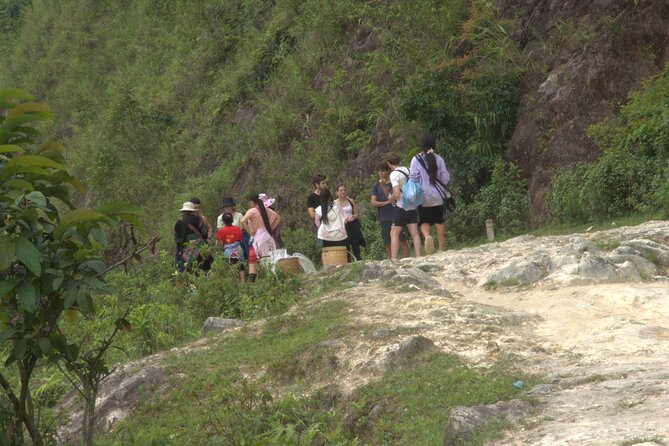
This is where good footwear starts to matter. The path can be uneven, and the route may include steep sections. On a dry day, you can focus on the views and village life. After rain, you may need to place each foot carefully and accept that your clothes and shoes could get dirty.
Your guide is important here. A good guide helps the group keep moving without rushing past every view. Some groups have found the early pace too fast, which can be frustrating when the trail is difficult and the scenery deserves a look. If you need to slow down on a steep or muddy section, say so early.
Lao Chai and the human side of the valley
The group is expected to reach Lao Chai around 10:00 a.m., with about two hours allocated to this part of the route. Lao Chai is associated with Black H’mong and Red Dao communities and is one of the larger villages in the Sapa area.
The value here is not only the setting. The walk gives you a chance to see how homes, fields, paths, and local work fit together in a mountain community. Guides from the area can help explain rice cultivation, ethnic traditions, and the daily pressures of village life. One guide, Zem, has been praised for explaining the bamboo areas, terraces, and cultural details clearly in English. Sue and Mama So have also led groups on this route.
The cultural talk can vary by guide and group. If learning about local life matters to you, ask questions rather than simply following the path. You may get more from the visit by asking how the terraces are farmed, which communities live in each village, or how the seasons affect the fields.
You will also encounter local women who may walk alongside the group and offer handmade goods for sale. They can be helpful on slippery stretches, and some people enjoy the conversation. Others find the sales attention tiring. You are not required to buy anything, so a friendly but clear answer is enough.
Ta Van Village and the lunch stop
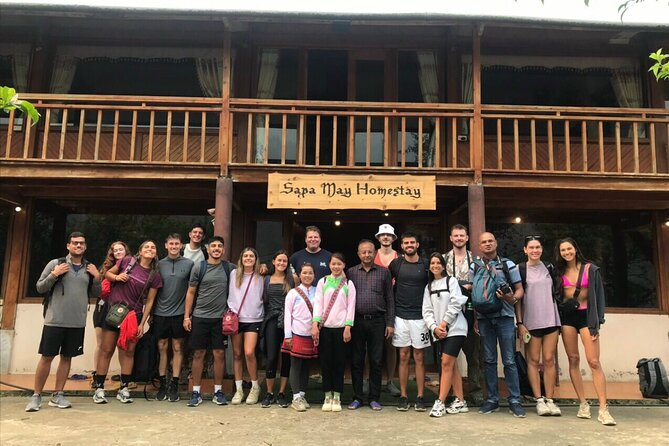
Ta Van is the main rest point and the final village on foot. The schedule places lunch there around 1:00 p.m., followed by time to rest and visit a natural stream about two minutes from the resting point.
This is the part of the day that makes the physical effort feel worthwhile. Lunch is included and features local Vietnamese food, usually served in a homestay-style setting. Past meals have received strong praise, though one Spanish-language assessment found the food less appealing, so it is best to expect simple local fare rather than a restaurant menu with lots of choice.
The stop gives you a proper break after the hardest walking. You can sit down, eat, and take in Ta Van at a slower pace. The nearby stream offers a small extra walk, but do not count on a long sightseeing session here. The schedule allows about three hours for Ta Van, lunch, and rest, though the exact pace depends on the group and trail conditions.
The included lunch adds real value to the $25 price. You do not need to arrange a separate meal during the walk, and the setting connects the food with the village experience. Coffee and tea are not included, and bottled water is not listed, so carry your own water.
More treks around Sapa:
- Sa Pa: Muong Hoa Valley Trek and Local Ethnic Villages
★ 4.6 · 864 reviews - Sapa: Eco Adventure Terrace Fields and Local Villages Trek
★ 4.9 · 636 reviews - Number one top rated ethical cultural trekking and homestay by ETHOS
★ 5.0 · 456 reviews - From Sapa: 1-Day Guided Trek to Lao Chai & Ta Van with Lunch
★ 4.9 · 416 reviews
The bus back to Sapa
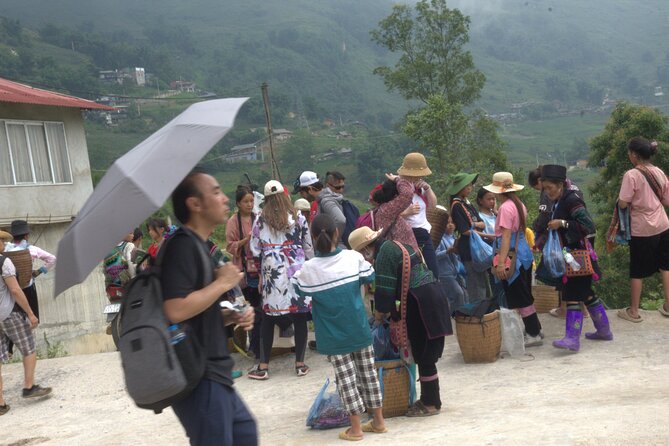
After Ta Van, a bus returns you to Sapa, with the stated drop-off near Cau May Street. The ride is one way, not a shuttle that follows you through each stop. You walk the route between the villages, then use transport after lunch.
That detail matters because the route description can sound as if vehicles are involved throughout the day. They are not. The walking is the core of the tour, and the bus saves you from hiking all the way back to Sapa after several hours on the trail.
The published finish time is about 2:30 p.m. The tour ends back in Sapa, although the meeting details identify the original meeting point as the activity location. Confirm the exact drop-off point when you meet the guide, especially if you have luggage, a hotel appointment, or an onward bus.
How hard is the hike?
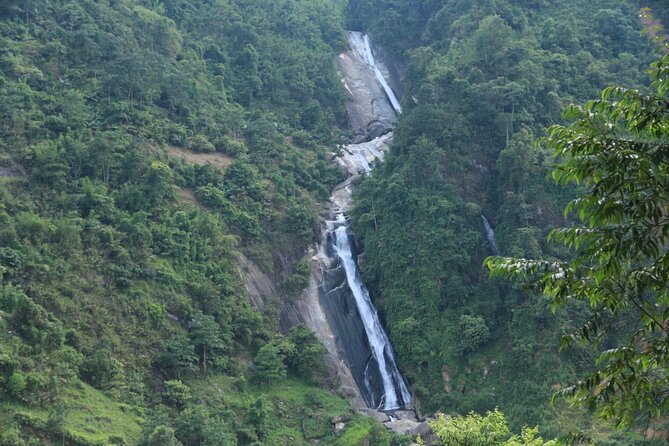
You should have a moderate level of fitness for this outing. That wording is important. You do not need to be an athlete, but you should be comfortable walking for several hours on uneven ground and handling hills.
The hardest parts include steep descents, narrow trails, mud, and slippery surfaces. In rainy conditions, sections can be flooded or difficult to cross. One particularly negative account described the trail as dangerously steep and lacking things to hold onto. Other accounts found the same conditions manageable when walking slowly and carefully.
The difference often comes down to weather, footwear, confidence, and pace. In dry weather, the route may feel like a demanding but pleasant walk. In rain, it can become a test of balance. February can also bring less-green rice fields, although the mountain villages and farming patterns remain interesting.
Wear shoes with good grip. Do not wear sandals, delicate clothing, or anything you want to keep clean. Long trousers can help with mud and scratches, and a light rain layer is sensible if the forecast looks unsettled. Bring water because it is not included, and keep your hands free where possible for balance.
Group size, guiding, and the private option
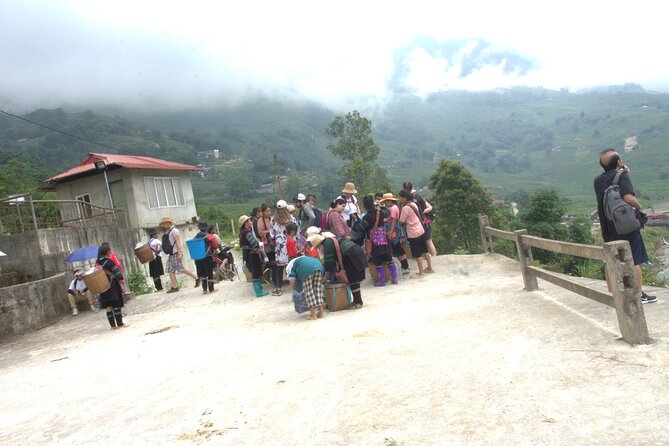
The standard tour allows up to 15 people. That is not a huge group, but it can feel crowded on a narrow path. One account found the group too large, while other groups seemed to split into two smaller walking units after the start.
A larger group can affect the day in two ways. You may wait for slower walkers on steep sections, or the front of the group may move too fast for anyone trying to stop for photographs. The guide’s handling of the group matters as much as the official limit.
The guide is also the bridge between scenery and culture. Strong guides on this route have explained rice fields, bamboo areas, ethnic traditions, and village life in clear English. If you prefer more personal attention, the tour offers an upgrade to a private trek with private transportation.
The private option is worth considering if you want to set your own pace, stop often for photographs, or avoid being tied to a group. The standard tour is the better value if you are comfortable with a shared outing and want to keep the cost low.
What the $25 price really includes
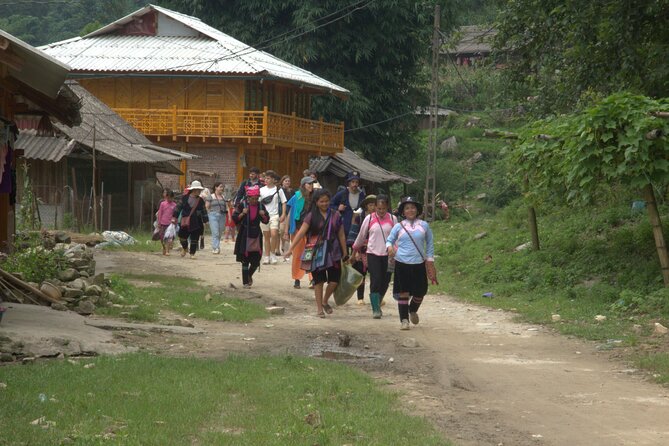
At $25 per person, this is a good-value way to see the Muong Hoa Valley. The price includes the local guide, lunch, entrance tickets, and the one-way return bus from Ta Van to Sapa.
That package covers the key costs of a day out. You are paying for route planning, local interpretation, access to the villages, a meal, and transport back to town. The return bus is especially useful because it removes the need to arrange your own ride after the walk.
The price does not include coffee or tea, and water is not listed as an inclusion. Bring cash for optional purchases from local sellers, though the tour itself does not require you to buy anything.
The tradeoff is comfort. This is not a polished sightseeing coach tour with short walks and frequent stops. The low price reflects a simple, active day with shared transport and a route that can be muddy. If you want an easy scenic outing, you should spend more on a gentler option or choose a private format.
Who should book this Sapa trek?
I would choose this tour if you want to see Sapa’s villages and terraces in one day, especially if your schedule does not allow a multi-day hike. It suits people who enjoy walking, local food, mountain scenery, and direct contact with village life.
It is also a smart choice for first-time visitors who want a guided route. The trails are not always obvious, and an experienced local guide can help you move between villages more efficiently than trying to work out the paths yourself.
I would hesitate if you dislike mud, steep downhill walking, or group pacing. The tour is not a good fit for anyone looking for a flat path, a relaxed photo drive, or a short walk followed by long periods on a bus.
Families and older walkers should judge their own fitness carefully. Service animals are allowed, and the activity is near public transportation, but the trail conditions remain the key issue. The listing does not promise a flat or accessible route.
The tour has a 97 percent recommendation rate and a 4.8 rating from 414 ratings, which fits the general picture: excellent scenery, strong guides, good food, and a rewarding route, balanced against real physical demands and occasional group or weather frustrations.
Should you book the Sa Pa Full Day Trekking Tour?
Book it if you want a proper village trek, not just a viewpoint visit. The route through Y Linh Ho, Lao Chai, and Ta Van gives you a useful sample of Sapa’s scenery and communities, and lunch plus the return bus keep the day simple.
Before booking, check the weather, pack shoes with grip, bring water, and accept that mud is part of the deal. If you want more control over pace and transport, choose the private upgrade. If you can handle several hours of uneven walking, the $25 cost offers a lot: three villages, rice terraces, a local meal, a guide, entrance fees, and a ride back to town.
Free cancellation is available up to 24 hours before the start time. Changes or cancellations made less than 24 hours ahead are not accepted for a refund.
FAQ
Where does the tour start?
The stated meeting point is Sa Pa Retreat Condotel, 03 Hoàng Liên, Sapa. Pickup is scheduled for 8:00 a.m., with pickup also noted at Sapa Tower or Sapa Retreat Condotel.
How long does the tour last?
The experience lasts about 6 to 7 hours. The schedule starts at 8:00 a.m. and lists a return to Sapa around 2:30 p.m.
How much walking is involved?
You should expect at least four hours of walking, with one description putting the route at around 8 to 10 kilometers. The trail includes hills, steep sections, and uneven ground.
Is lunch included?
Yes. Lunch in Ta Van Village is included, along with entrance tickets, a local guide, and the one-way return bus to Sapa. Coffee and tea are not included.
Is the return bus included?
Yes. A bus takes you from Ta Van Village back toward Sapa, with the stated drop-off near Cau May Street.
How large is the group?
The standard activity accepts a maximum of 15 people. A private trekking and transportation upgrade is also available.
Can I cancel for a full refund?
You can cancel at least 24 hours before the experience starts for a full refund. Cancellations or changes made less than 24 hours before the start time are not accepted for a refund.
New treks around Sapa
- Sapa: 2-Day Local Guided Valley Trek with Night Homestay★ 5.0 · 27 reviews
- SAPA: 1-DAY TREKKING TOUR WITH LOCALS, LUNCH & RICE FIELDS★ 4.7 · 18 reviews
- Sapa: 2-Day Local Guided Valley Trek with Night Homestay★ 4.8 · 5 reviews
- Sa Pa: Fansipan Peak One Day Trek with Local Guide★ 5.0 · 7 reviews
- Red Dao Village Trek and Herbal Bath★ 4.7 · 3 reviews
- Private Hoang Lien National Park & Tribal Village Trek★ 4.7 · 30 reviews
- Sapa: Private Muong Hoa Valley and Homestay Trekking 2-Day★ 4.8 · 4 reviews
- From Sapa: Muong Hoa Valley View & Village Trek 1-Day★ 5.0 · 21 reviews
Sapa Trekking Tours, side by side.

Sa Pa: Muong Hoa Valley Trek and Local Ethnic Villages
Read our review →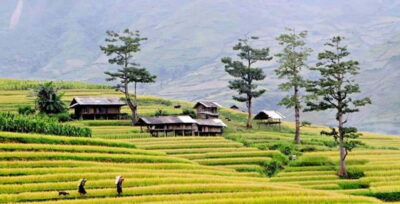
Sapa: Eco Adventure Terrace Fields and Local Villages Trek
Read our review →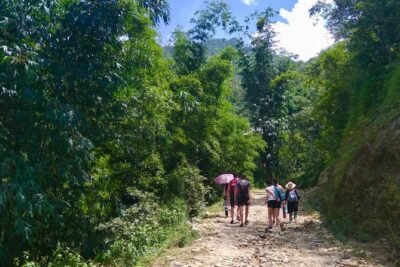
Number one top rated ethical cultural trekking and homestay by ETHOS
Read our review →
From Sapa: 1-Day Guided Trek to Lao Chai & Ta Van with Lunch
Read our review →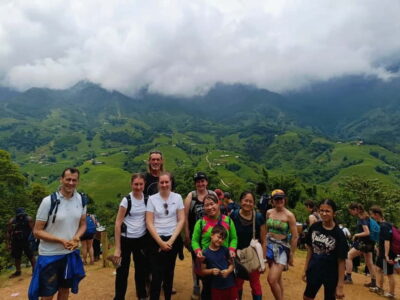
Sapa 1 Day Long Trek: Trek to Hau Thao and Sa Seng Villages
Read our review →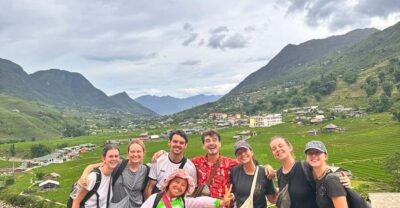
Explore Sapa by TrekkingAdventures, Mountain,Rice fields
Read our review →
EXPLORE SAPA: 2D1N TREKKING & HMONG CULTURE WITH DINH
Read our review →
Lists this trek appears in