
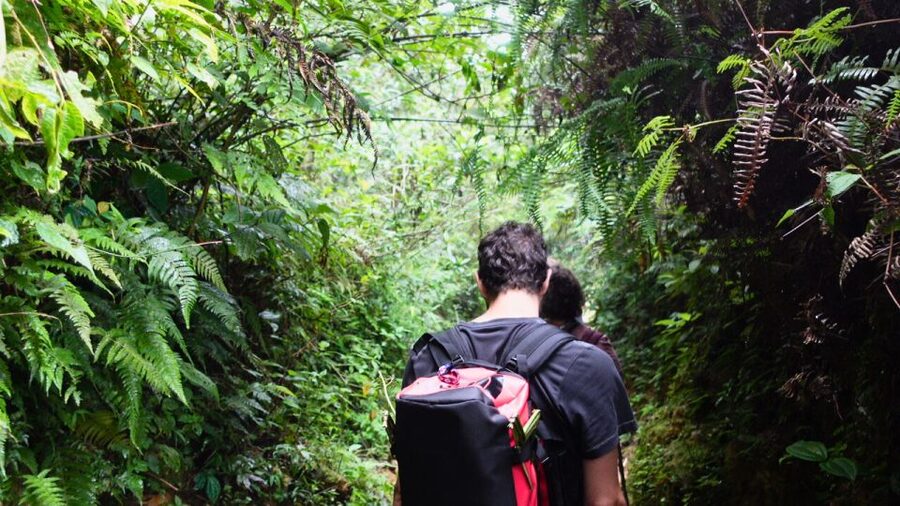
Review · SAPA
Mountain Views And Villages Trek
The best part of this Sapa day hike is the change in view as you climb. From Sa Seng Mountain at about 1,900 meters, you look down across Sapa, the Muong Hoa Valley, its famous rice terraces, and the region’s largest river. I like that the route does not stop at a viewpoint. It continues into Black Hmong villages, where your guide explains marriage customs, rice farming, and house building.
I also like the practical setup: hotel pickup in Sapa, lunch at a local family-run restaurant, village entry fees, and a ride back to town included for $38. The main caution is the trail itself. Parts can be slippery, and some hikers felt uncomfortable when local women helped them on difficult sections and then pressed them to buy handicrafts. Bring proper shoes, and remember that buying is optional.
Key points to know before you book
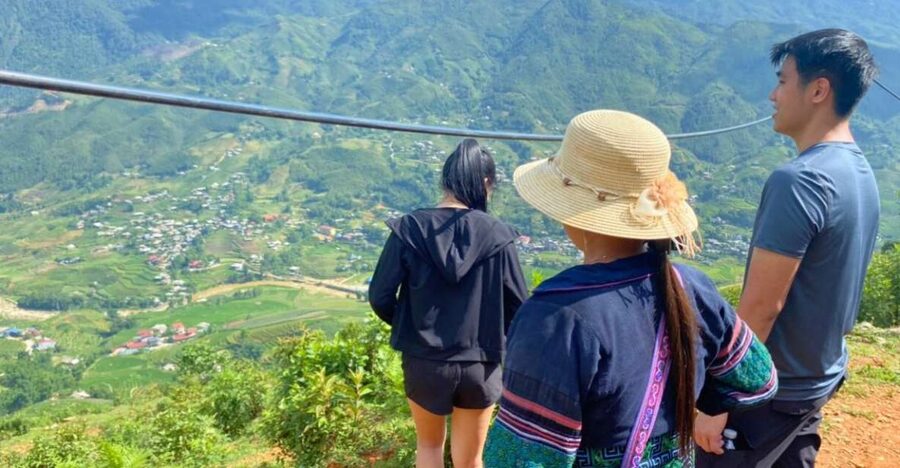
- A 1,900-meter viewpoint: Climb Sa Seng Mountain for broad views of Sapa, Muong Hoa Valley, rice terraces, and the river below.
- Two Black Hmong villages: Walk through Hang Da and Hau Thao to see homes, farming, animals, and ordinary village activity.
- A real uphill start: The first climb covers about 1 kilometer and takes roughly an hour, with the full hiking stop listed at around 80 minutes.
- Local lunch included: Eat at Manh Dien Restaurant, with food arranged by the guide. Extra drinks cost more.
- Transport at the finish: Walk on to Giang Ta Chai, where a vehicle takes you back to Sapa around 15:30.
- Good value with limits: At $38, the tour covers a guide, lunch, water, entry fees, and return transport, but it is not a private trek and shopping pressure may occur.
Starting from Sapa and climbing Sa Seng Mountain
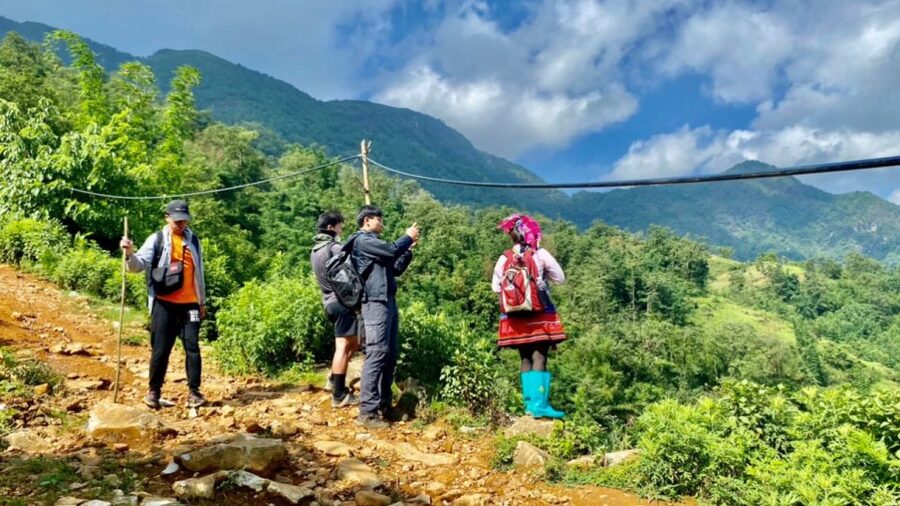
Pickup is available from hotels in Sapa around 9 AM, or you can meet at Sapa church. If you choose hotel pickup, wait in the lobby about five minutes before the scheduled time. The start is simple: meet the guide, get a short introduction, and set off on foot.
The first section is the toughest part for many people. You follow an uphill trail for about 1 kilometer toward Sa Seng Mountain. The climb takes close to an hour, and the route can become slick after rain. Comfortable walking shoes are not enough if they have smooth soles. Warm shoes with a good grip are a far better choice.
This is not a gentle stroll around town. You need to be comfortable walking uphill for a sustained period, then continuing downhill through village roads and mountain paths. The activity is not suitable for people over 70 years, and anyone with uncertain footing should think carefully before booking.
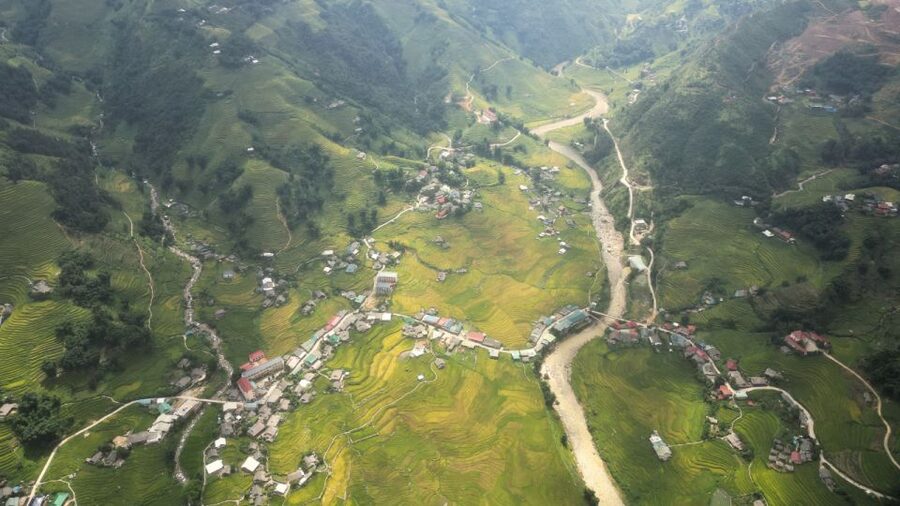
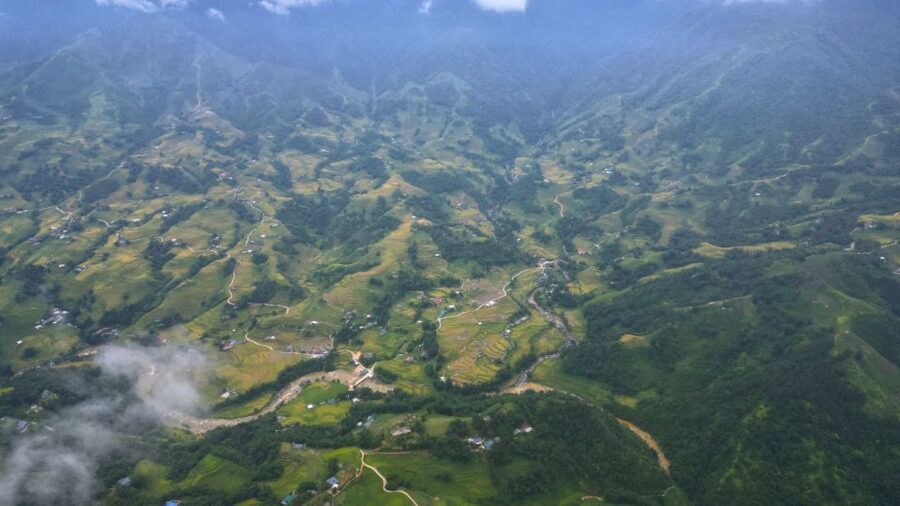
The effort pays off at the high point. From Sa Seng Mountain, you can look across Sapa and down into Muong Hoa Valley. The view includes the stepped rice fields that make this area famous, along with the largest river in the valley. The panorama is the main visual reward of the morning, so have your camera ready before the descent begins.
Cloud and weather will affect what you see. The tour information does not promise clear skies, and Sapa’s mountain weather can change. Rain gear belongs in your day pack even if the morning starts dry.
More treks around Sa Pa:
- Sa Pa: Muong Hoa Valley Trek and Local Ethnic Villages
★ 4.6 · 864 reviews - Sapa: Eco Adventure Terrace Fields and Local Villages Trek
★ 4.9 · 636 reviews - Number one top rated ethical cultural trekking and homestay by ETHOS
★ 5.0 · 456 reviews
What the Muong Hoa Valley view tells you
The rice terraces are more than a scenic backdrop. They show how Black Hmong communities have shaped steep mountain slopes for farming. Your guide explains rice cultivation during the walk, which gives the view some useful context instead of leaving it as a quick photo stop.
The terraces also change with the farming season. You might see planting or harvesting in the villages later in the day, but the exact activity depends on timing. The tour gives you a chance to see how farming fits into daily life rather than presenting only a staged cultural display.
The route also passes animals you might not see on a standard town excursion. Buffalos, pigs, and other local animals may appear around the villages. These encounters are small, but they help show that the route passes through working communities, not just scenic viewing spots.
Descending into Hang Da Village
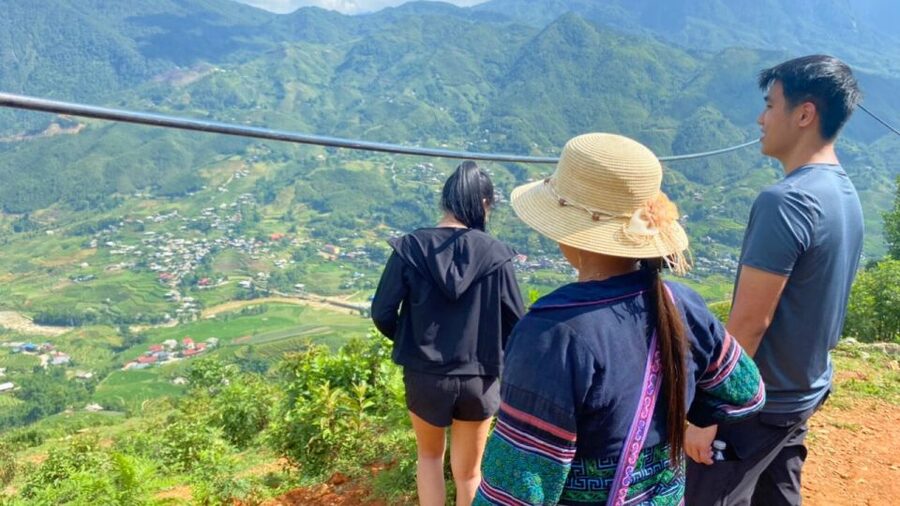
After the mountain viewpoint, the route heads down toward Hang Da, a Black Hmong village. The change from open mountain views to houses, paths, animals, and local activity is what gives this tour its character.
You have time for a break and photographs in the village. The pace allows you to look around instead of rushing through for a single picture, though the exact amount of interaction will depend on the day’s farming work and the guide’s approach.
Your guide explains Black Hmong customs, including marriage traditions. You also learn about rice farming and house construction. These details matter because they connect the physical setting to the people who live there. The steep terrain, terrace fields, and building methods all make more sense when someone explains how the community works with its surroundings.
You should also be prepared for sales activity. Local women may walk alongside the group and offer help on difficult parts of the trail. That assistance can be kind and useful, especially on slippery ground, but you may later feel pressure to buy handmade goods. One small purse was offered at 200,000 Vietnamese dong, which one participant considered poor value.
The fair approach is to thank people for help without assuming that help creates a buying obligation. If you do want a souvenir, agree on the price before handing over money. If you do not want to buy, a polite but firm no thank you is enough.
Lunch at Manh Dien Restaurant
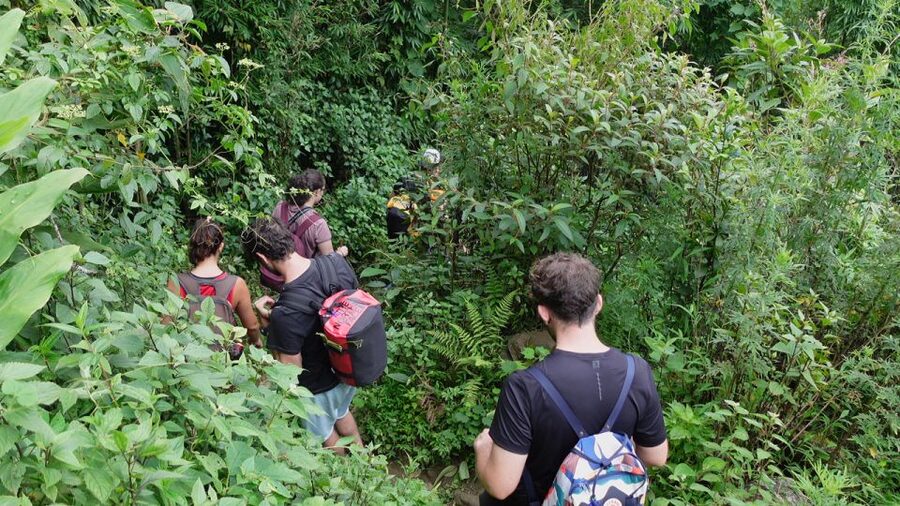
Lunch is included at Manh Dien Restaurant, described as a local family-run place. This is a welcome pause after the morning climb and descent. You get time to sit down, eat, and recover before the afternoon walk.
The meal is arranged by the guide rather than selected from a broad menu. The available choices may include rice or noodles, with tofu and chicken provided for the group. If you dislike tofu or need more protein, tell the guide early and clearly.
The food arrangement can be a weak point for picky eaters. One shared portion of chicken was not enough for two people who did not eat the tofu. That does not mean every meal will be the same, but you should not expect a fully customized lunch or unlimited servings.
Extra drinks, such as bottled water or beer, are not included. One small bottle of water per person is provided, so bring additional water if you drink heavily while hiking. Sunscreen and insect repellent are also sensible additions to your pack.
The lunch stop may include more attempts to sell handicrafts. This can make the break feel less peaceful, particularly if several sellers gather around the restaurant. Keep your expectations realistic: the meal is a useful included service, not a quiet private dining experience.
Same mountains, a different route up:
- From Sapa: 1-Day Guided Trek to Lao Chai & Ta Van with Lunch
★ 4.9 · 416 reviews - Sa Pa Full Day Trekking Tour
★ 5.0 · 414 reviews - Sapa 1 Day Long Trek: Trek to Hau Thao and Sa Seng Villages
★ 4.6 · 344 reviews - Explore Sapa by TrekkingAdventures, Mountain,Rice fields
★ 4.9 · 229 reviews
Walking through Hau Thao after lunch
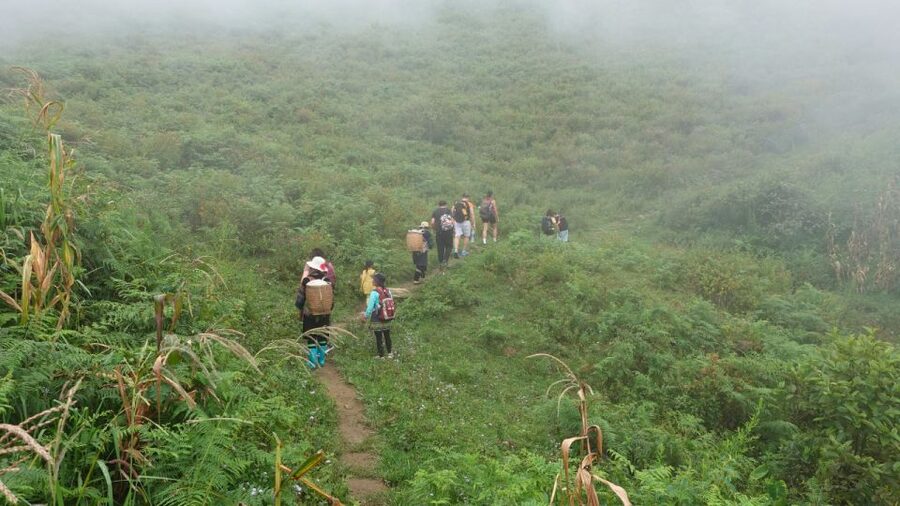
After lunch, the route follows a smaller road toward Hau Thao, another Black Hmong village. This section is less about reaching one dramatic lookout and more about seeing how people live from day to day.
You might see rice planting or harvesting, depending on the season. You can also watch for household activity, animals, and details around the homes. The guide’s explanations about rice cultivation and house construction are especially useful here because you see the setting at close range.
Hau Thao gives the afternoon a slower rhythm. The mountain climb is behind you, but the walk is not finished. You still need to manage downhill and village paths, so save some energy and do not assume that lunch marks the end of the physical work.
The cultural side of the tour works best when you stay observant and respectful. Ask questions about customs when the guide offers context, avoid treating homes as photo props, and ask before photographing people. The tour description promises an introduction to traditions, not a formal performance, and that is a good reason to keep your expectations grounded.
Finishing near Giang Ta Chai and returning to Sapa
The walk continues toward Giang Ta Chai, where transportation waits on the main road. This avoids a long return walk to town and is one of the tour’s useful practical features. You should arrive back in Sapa around 15:30, making it possible to plan an evening meal, rest, or onward travel.
The end point is not described as the original pickup spot, so listen to the guide’s instructions and keep your belongings together. The included ride returns you to Sapa after the village walk.
If you have a hotel in Sapa, leaving your luggage there is the easiest option. If you do not have a Sapa hotel, the operator says luggage can be left at its office at 09 Thac Bac Street, with a shower available after the tour. That is helpful if you are catching a bus or train later in the day.
The operator also offers help arranging bus or train tickets between Hanoi and Sapa, but that is a separate service. Do not assume transport beyond the included ride back to Sapa is part of the $38 price.
Is $38 a fair price for this Sapa trek?
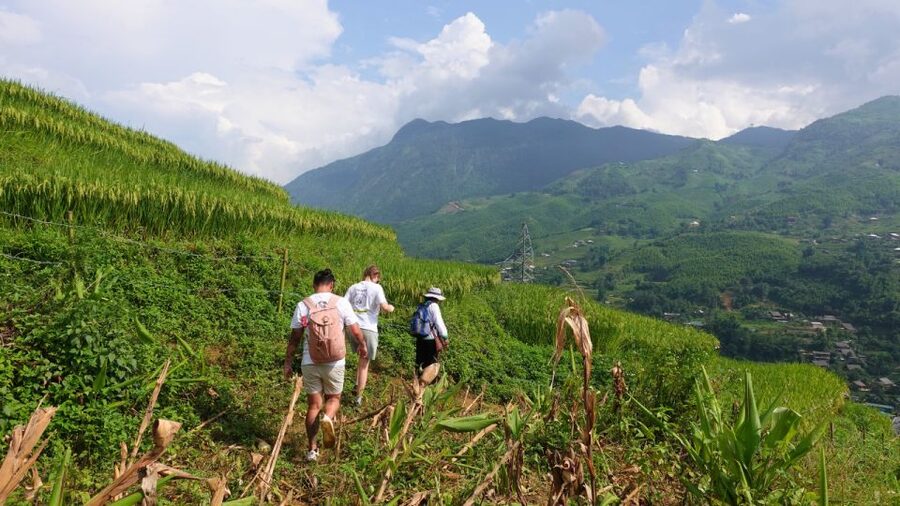
For $38 per person, the package covers quite a lot: an English-speaking guide, one lunch, village entry fees, one small bottle of water, and transport back to Sapa. If you want a full day with both mountain views and village visits, that is a reasonable price.
The value depends on what sort of experience you want. You are paying for a shared walking excursion with a set lunch and a planned route, not a private guide who can change every detail around your interests. The itinerary follows a popular route, and groups may overlap at the restaurant and along the villages.
The cultural access is useful, but it is not free from commercial activity. You may encounter people selling bags or other handmade items, including children near the lunch stop. If shopping pressure bothers you, this tour may feel less comfortable than a more carefully managed private walk.
At the same time, the route gives you more than a quick viewpoint transfer. You climb under your own power, see the rice terraces from above, walk through two Black Hmong villages, and return by vehicle. That combination makes the price attractive for hikers who want scenery and local context in one day.
What to bring for the trail
Pack for both mountain weather and slippery ground. The required list is practical:
- Comfortable shoes with good grip
- Warm shoes or footwear suitable for cool mountain conditions
- Rain gear
- Sunscreen
- Insect repellent
- Comfortable clothes
- A camera
- Extra drinking water
Do not bring a baby stroller. Alcohol and drugs are not allowed. Keep your bag light, since you will carry it uphill and along the village route.
The one small bottle of included water should not be your only supply if you know you need more. Extra drinks are at your own cost, so buy or carry additional water before leaving Sapa.
Who will enjoy this route most?
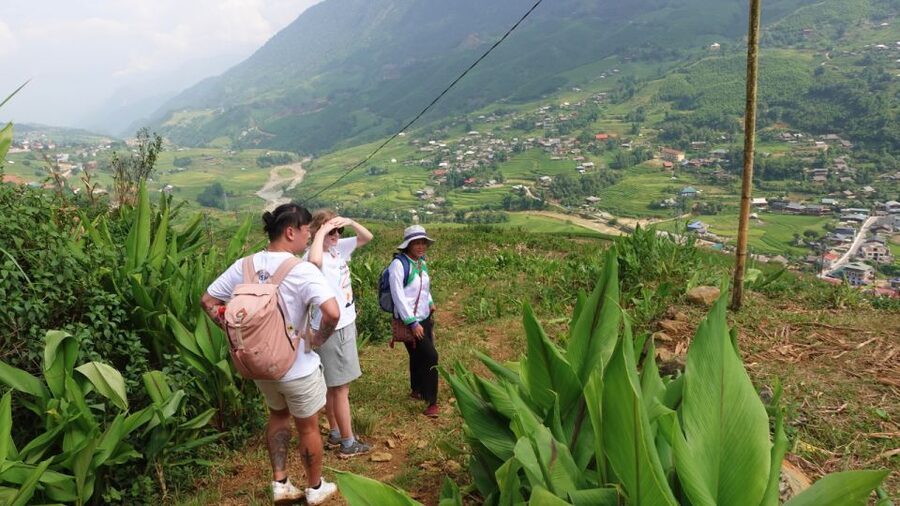
I would choose this tour if you want a physically active day and would like a first look at Black Hmong village life without arranging several separate services. It suits people who can handle an hour-long uphill section, uneven ground, and a longer walk that continues after lunch.
It is also a good fit if you value explanation. The guide covers customs, farming, and house construction, so you are not simply walking from one photo stop to another. English and Vietnamese guiding are available.
You may want a different option if you need a fully private schedule, dislike group dining, have strict dietary needs, or strongly object to souvenir sellers. The route itself is the attraction, but the social and commercial parts are part of the day’s reality.
Free cancellation is available up to 24 hours before the tour for a full refund, and you can reserve now and pay later. Those terms help if Sapa weather looks uncertain, though they do not remove the need to check the forecast and prepare for rain.
Should you book the Mountain Views and Villages Trek?
Book it if you want big Muong Hoa Valley views followed by a real village walk and you are comfortable with a slippery, active route. The price is fair for the guide, lunch, entry fees, water, and return ride.
Skip it if you want a quiet, private cultural visit with no sales pressure or a lunch tailored to your tastes. For most fit visitors who pack sturdy shoes, carry extra water, and treat the shopping stops as optional, this is a useful one-day introduction to Sapa’s mountains and Black Hmong communities.
FAQ
How long does the Mountain Views and Villages Trek take?
The full activity lasts one day. Pickup is around 9 AM, and the group is expected to return to Sapa around 15:30.
Where does the tour start?
You can request pickup from your hotel in Sapa, or meet at Sapa church. Hotel pickup requires you to wait in the lobby about five minutes before the scheduled time.
How high does the trek go?
The route climbs to Sa Seng Mountain at about 1,900 meters.
Is lunch included?
Yes. One lunch at Manh Dien Restaurant is included. Extra drinks, including bottled water or beer, cost extra.
What is included in the price?
The price includes an English-speaking guide, one lunch, village entry fees, one small bottle of water per person, and transport back to Sapa after the village walk.
What should I bring?
Bring a camera, comfortable clothing, insect repellent, rain gear, warm shoes, sunscreen, and comfortable shoes with good grip.
Can I cancel the booking?
You can cancel up to 24 hours in advance for a full refund. You can also reserve the activity and pay later.
New treks around Sa Pa
- Sapa: 2-Day Local Guided Valley Trek with Night Homestay★ 5.0 · 27 reviews
- SAPA: 1-DAY TREKKING TOUR WITH LOCALS, LUNCH & RICE FIELDS★ 4.7 · 18 reviews
- Sapa: 2-Day Local Guided Valley Trek with Night Homestay★ 4.8 · 5 reviews
- Sa Pa: Fansipan Peak One Day Trek with Local Guide★ 5.0 · 7 reviews
- Red Dao Village Trek and Herbal Bath★ 4.7 · 3 reviews
- Private Hoang Lien National Park & Tribal Village Trek★ 4.7 · 30 reviews
- Sapa: Private Muong Hoa Valley and Homestay Trekking 2-Day★ 4.8 · 4 reviews
- From Sapa: Muong Hoa Valley View & Village Trek 1-Day★ 5.0 · 21 reviews
Sapa Trekking Tours, side by side.
Sa Pa: Muong Hoa Valley Trek and Local Ethnic Villages
Read our review →
Sapa: Eco Adventure Terrace Fields and Local Villages Trek
Read our review →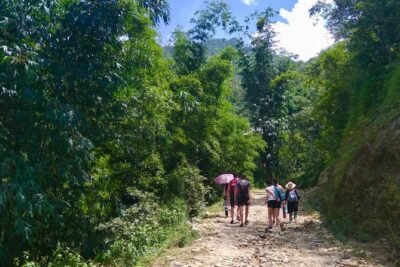
Number one top rated ethical cultural trekking and homestay by ETHOS
Read our review →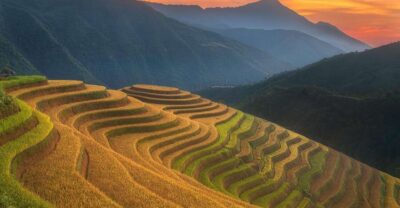
From Sapa: 1-Day Guided Trek to Lao Chai & Ta Van with Lunch
Read our review →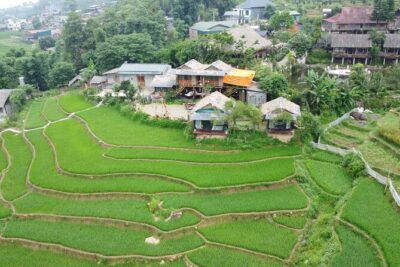
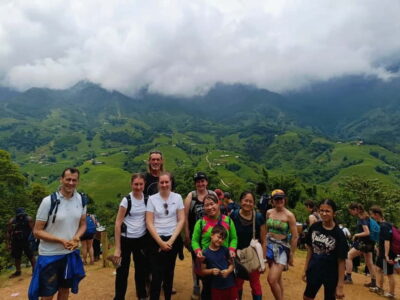
Sapa 1 Day Long Trek: Trek to Hau Thao and Sa Seng Villages
Read our review →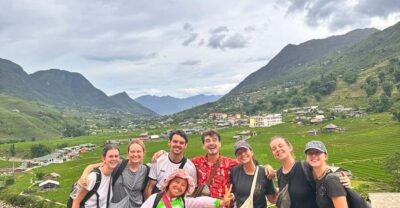
Explore Sapa by TrekkingAdventures, Mountain,Rice fields
Read our review →
EXPLORE SAPA: 2D1N TREKKING & HMONG CULTURE WITH DINH
Read our review →Lists this trek appears in