Review · SAPA
Sapa: Private Muong Hoa Valley and Homestay Trekking 2-Day
Muong Hoa Valley is at its best on foot, where rice terraces lead from one village to the next and a private guide can explain what you are seeing. This two-day route visits six villages linked with Black Hmong, Red Dao, and Giay communities, then spends the night in a Giay family homestay.
I like the small private format, since your guide can focus on your pace and questions. I also like the chance to compare a Black Hmong traditional house with a Giay home, rather than treating the villages as one interchangeable stop. The main consideration is that this is a proper two-day hike, not a drive-and-photo outing, and the valley schedule leaves little room for a slow morning.
Key points to know before booking
- Six villages in two days: The route covers Y Linh Ho, Lao Chai San, Lao Chai, Ta Van, Giang Ta Chai, and Hau Thau.
- Three ethnic communities: You learn about Black Hmong, Red Dao, and Giay culture, clothing, homes, food, and customs.
- One night in Ta Van: The Giay homestay gives you a closer look at family life and local traditions.
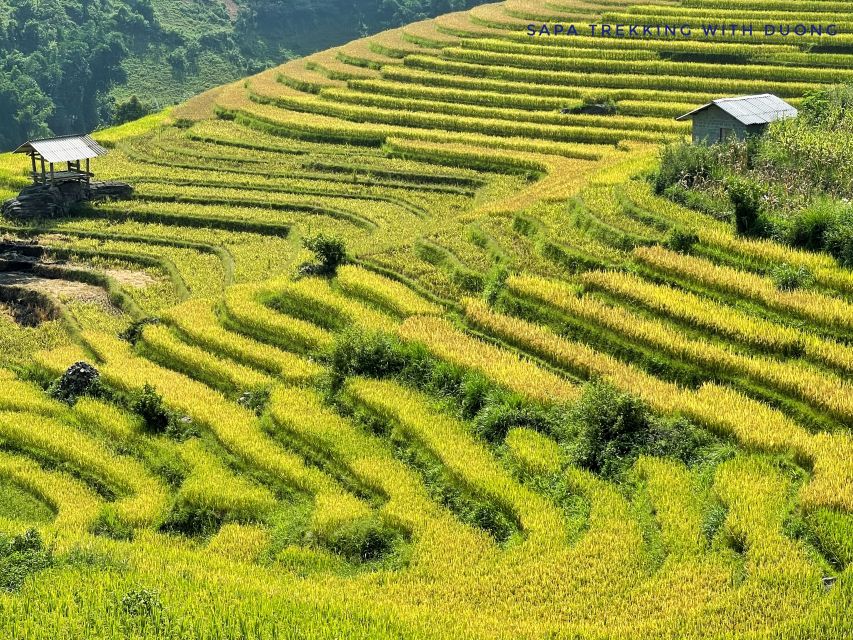
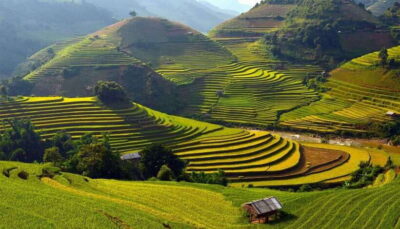
- Terraces are the star: The route passes some of Sapa’s best-known rice fields, with views changing as you move through the valley.
- Waterfall and bamboo forest on day two: Giang Ta Chai adds a wooded section and a break beside the waterfall and lake.
- Good value at $78: The price includes a private guide, meals, water, entry fees, homestay, raincoat, trekking stick, and transport back to Sapa.
Why this Muong Hoa route works well
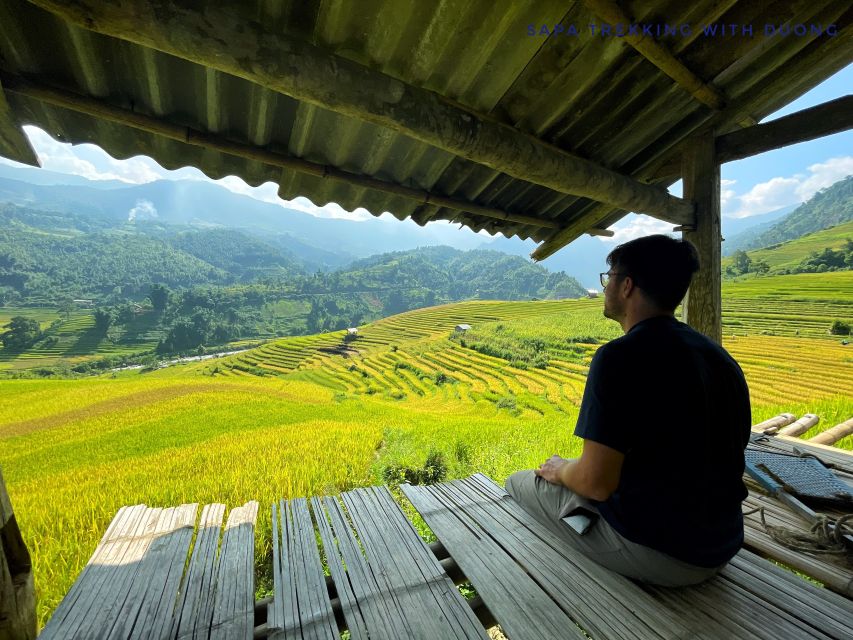
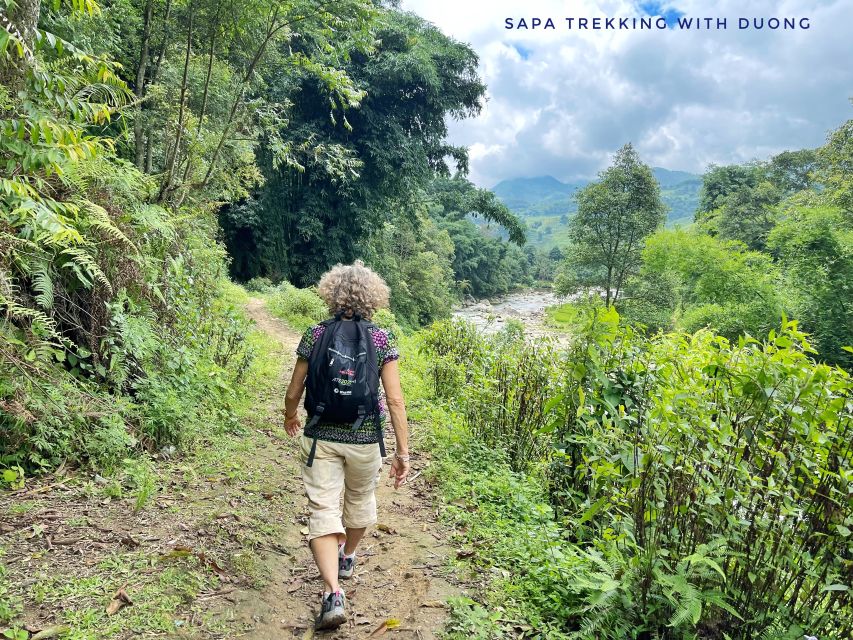
This tour is built around walking from village to village. That matters in Sapa. From a vehicle, you see the broad outline of the valley. On foot, you notice the narrow paths through the rice fields, the wooden houses, the clothing made with indigo, and the daily work that keeps the villages going.
The route also has a useful cultural shape. Day one focuses on Y Linh Ho and Lao Chai, both connected with Black Hmong life, before ending in Ta Van with the Giay. Day two returns to the valley paths, passes Giang Ta Chai, and finishes in Hau Thao. You are not simply collecting village names. You are seeing differences in homes, clothing, food, and customs as the walk continues.
The private format is a real benefit here. You are picked up at your hotel in central Sapa, and the group remains private throughout. That means you can ask for more explanation at a traditional house, take a short rest, or spend longer looking across the terraces without being tied to a large group schedule.
The current price is $78 per person. For two days, that includes a local English-speaking guide, village entry fees, one night at a homestay, one breakfast, two lunches, one dinner, 1.5 liters of water per person per day, a raincoat, a trekking stick, and a private taxi back to Sapa. You still pay for extra drinks and tips, and travel insurance is not included.
More Homestay and Village Treks in Sapa
- Number one top rated ethical cultural trekking and homestay by ETHOS
★ 5.0 · 456 reviews - Sa Pa: 2-Day Trekking Trip with Ethnic Minority Homestay
★ 4.7 · 145 reviews - Sapa : 2-Day Trek & Heartwarming Homestay with an Ethnic Family
★ 5.0 · 143 reviews
Day one: Y Linh Ho and Lao Chai before Ta Van
Your guide collects you at about 9:30 in the morning from a hotel in central Sapa, or from Sapa Church if that is the agreed meeting point. The first major stop is Y Linh Ho, reached at about 10:30. Here, the terraces and Black Hmong farming activity set the tone for the day.
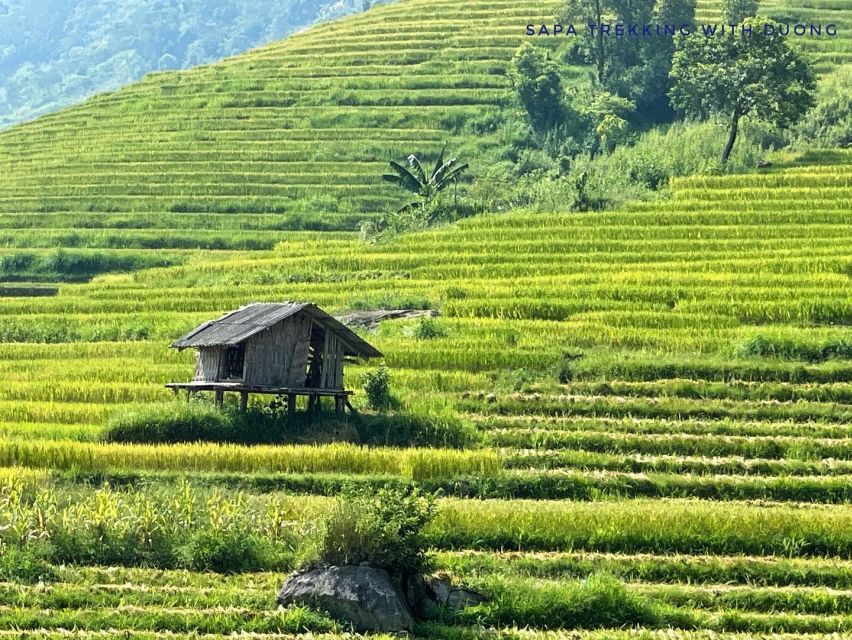
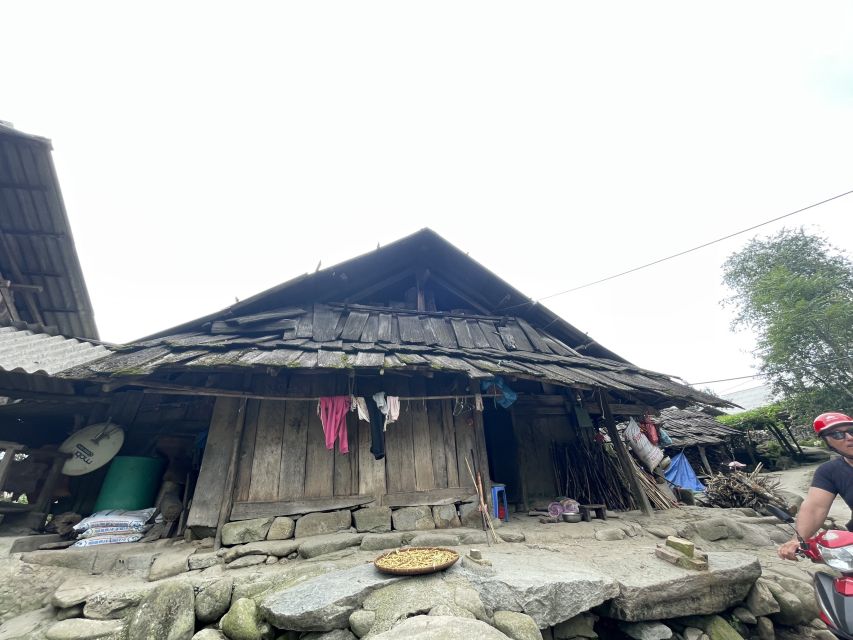
You may see people planting rice, depending on the season. The rice fields are not just pretty scenery. They show how steep valley land is made useful, with each level holding water and crops. Your guide also takes you to a Black Hmong traditional house and explains local customs and the way the home is used.
This is one of the places where a private guide helps. A house can look simple from the outside, but the value comes from knowing what to ask about. You can learn about Black Hmong traditions, daily work, and the meaning behind traditional clothing instead of making a quick stop for photographs.
Lunch is served at a local home at about 11:30. The tour includes two lunches, but it does not list every dish in advance. The useful thing to know is that lunch is part of the village visit, not a meal at a standard restaurant. You have time to eat, rest, and talk with local people before the afternoon walk.
At about 1 PM, you continue toward Lao Chai San. This section reaches one of the forested areas in Muong Hoa Valley and offers some of the best terrace views on the route. You then continue to Lao Chai at about 2 PM, where the focus returns to Black Hmong culture.
Lao Chai gives you another chance to see traditional wooden homes and learn about clothing. That second cultural stop may sound repetitive on paper, but it can be useful because it places the Black Hmong way of life in a wider village setting after you have already seen the farming areas around Y Linh Ho.
The first day ends at a Giay homestay in Ta Van at around 4:30 PM. The overnight stay is more than a convenient bed between two walks. It lets you compare Giay homes, food, and customs with what you saw among the Black Hmong earlier in the day.
This is also the point where the trip becomes less polished and more personal. A homestay is not a hotel substitute, and the tour does not promise hotel-style facilities. What it does offer is a night in a local home and a chance to learn how the Giay live. One guest specifically praised the homestay hosts for making the stay feel welcoming, while another described the food and accommodation as satisfactory.
What to expect from the Giay homestay
The homestay is in Ta Van and includes dinner and breakfast. After arriving, you have time to learn about Giay culture and traditions before the evening meal. The schedule does not give a formal list of activities at night, so think of this as a relaxed cultural stay rather than an organized evening performance.
In the morning, you wake at about 7 AM, wash, and have breakfast with coffee or tea. That early start gives you time to enjoy the valley before the second day’s walk begins at about 9:30 AM.
Your guide for this kind of tour may be Du, also written as Zu, or Pang Chou, both names connected with especially warm and clear guiding in the available feedback. Pang Chou is described as offering direct insight into ethnic minority culture and the scenery, and her husband is also described as welcoming. The operator may assign a different guide, so treat these names as useful background rather than a guarantee.
Day two: Giang Ta Chai, bamboo forest, and Hau Thao
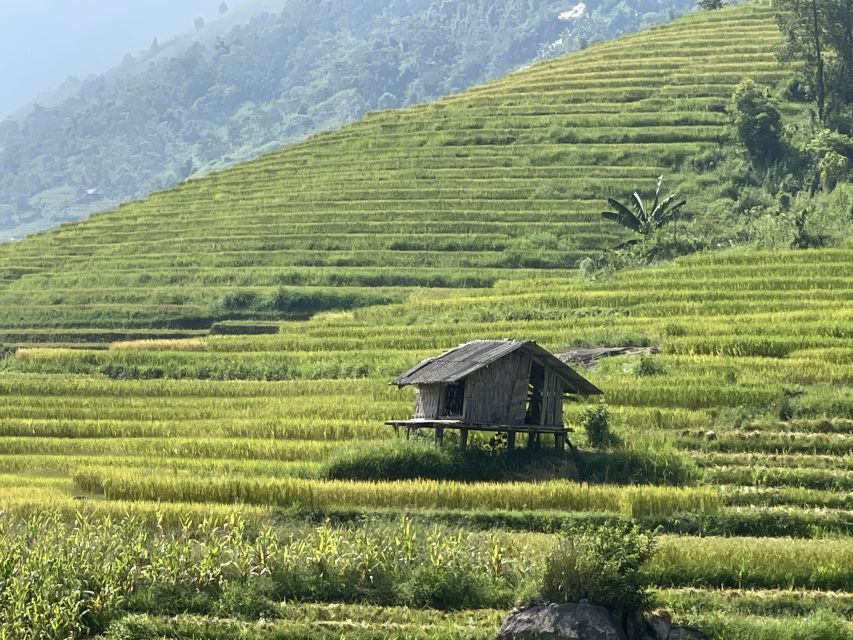
The second day begins with more terraces, bamboo forest, and a waterfall. This changes the feel of the route. Day one is strongly tied to farming areas and village homes, while day two brings more trees, water, and wooded paths.
At about 9:30 AM, you hike toward Giang Ta Chai waterfall and lake. The route includes a rest stop beside the water, where your guide shares stories connected with Black Hmong life. The schedule gives limited detail about the waterfall itself, so do not expect a large developed attraction. Its value is the setting: a natural pause in the walk and a quieter place to listen.
Lunch comes at about 11:30 at a Black Hmong house. The meal is prepared by local people and is described as traditional food made for the village setting. Since the tour includes lunch, you do not need to arrange a separate restaurant stop, but bring patience and an appetite. Meal choices are not specified, and extra drinks cost more.
After lunch, you continue to Hau Thao, the final village of the trek. Along the way, the guide explains how Black Hmong people make distinctive clothing with indigo plants. You also hear about Hmong weddings and local ways of life.
A particularly unusual detail is the chance to hear an older Black Hmong man play the trumpet. The activity does not present this as a guaranteed scheduled concert, so consider it part of the cultural setting rather than a formal show. It is the sort of moment that gives the final walk a human focus after the larger views and village stops.
At about 3 PM, a private taxi takes you back to Sapa. That ride is included, which is useful after two days on foot. The tour finishes in Sapa rather than leaving you to arrange your own return from Hau Thao.
More Homestay and Village Treks in Vietnam
- Sapa Valley Trek and Homestay – 3D2N
★ 5.0 · 105 reviews - Private Hoang Lien National Park & Tribal Village Trek
★ 4.7 · 30 reviews - Sapa: 2-Day Local Guided Valley Trek with Night Homestay
★ 5.0 · 27 reviews - From Sapa: Muong Hoa Valley View & Village Trek 1-Day
★ 5.0 · 21 reviews
The scenery is best during rice-growing seasons
The terraces are the main visual reason to choose this outing. You pass through Y Linh Ho, Lao Chai San, Lao Chai, Ta Van, Giang Ta Chai, and Hau Thao, with views changing as the route moves between open fields, homes, forest, and water.
The exact appearance of the rice fields depends on the season. The schedule specifically describes seeing Black Hmong people planting rice, but it does not promise a particular planting or harvest date. If the terraces are your main goal, ask about current field conditions before booking.
The walk also gives you more than one type of view. Lao Chai San is linked with forest and terrace scenery. Giang Ta Chai adds bamboo and a waterfall. The villages bring closer views of houses, clothing, farming, and family life. That mix keeps the two days from becoming six versions of the same viewpoint.
Food, water, equipment, and practical comfort
The package includes one breakfast, two lunches, and one dinner. Lunch on day one is at a local home, dinner is at the Giay homestay, breakfast is there the next morning, and lunch on day two is at a Black Hmong house.
You receive 1.5 liters of water per person per day. That is a useful allowance, but you may want to ask how easy it is to obtain more, since extra drinks are not included. A raincoat and trekking stick are supplied for each person, which is helpful in Sapa’s changeable mountain weather and on an unpaved walking route.
The itinerary calls this a hike through rice fields, forest, villages, and a waterfall area. It does not provide a distance, elevation gain, or formal difficulty rating. I would therefore plan for a full walking day rather than assume an easy stroll. Wear shoes suited to uneven outdoor paths and pack only what you need for one night.
The pickup and drop-off service covers hotels in Sapa center. If your accommodation is outside the center, confirm the meeting point before paying. Pickup is also available at Sapa Church, with the exact location supplied on the booking map.
Who will get the most from this tour
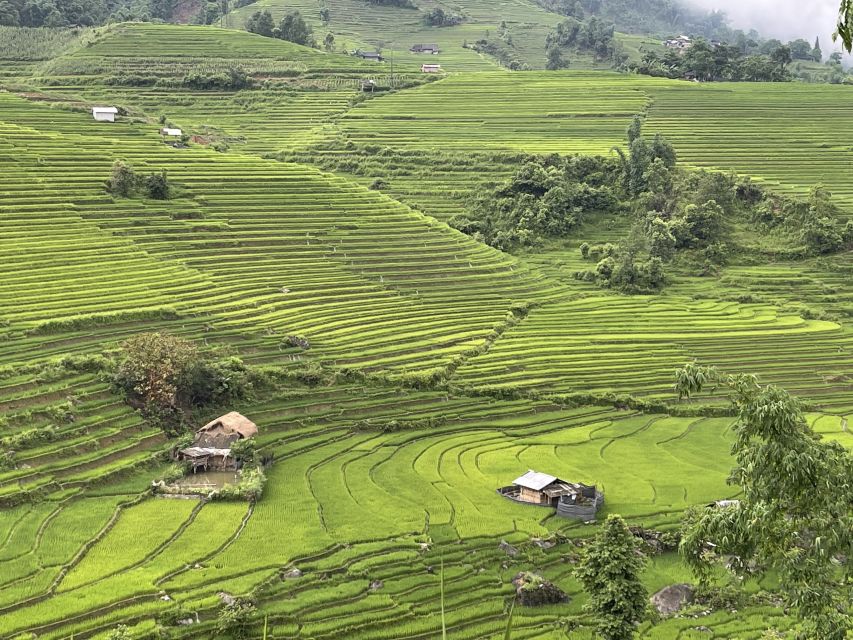
I would choose this trip if you want Sapa’s countryside and village life in the same package. It suits you especially well if you prefer a private guide, want time to ask questions, and like the idea of sleeping in a local home instead of returning to a city hotel each night.
It is also a good fit if you want cultural comparison. The route includes Black Hmong, Red Dao, and Giay communities, though the detailed stops focus most heavily on Black Hmong and Giay life. You see homes, clothing, food, farming, and wedding customs rather than only scenic viewpoints.
The tour may be less suitable if you want a short sightseeing trip, a detailed hiking specification, or guaranteed hotel comforts. The schedule is fairly set, and the two days involve sustained walking. Since the listing does not give trail distances or difficulty, ask the operator for current route conditions if you have concerns about hiking.
The private setup is useful for couples, families, or friends who want their own guide and vehicle back to Sapa. It also gives you more control than a large group tour, though the price is still listed per person, so the final value depends partly on the number in your private party.
Should you book the Muong Hoa Valley homestay trek?
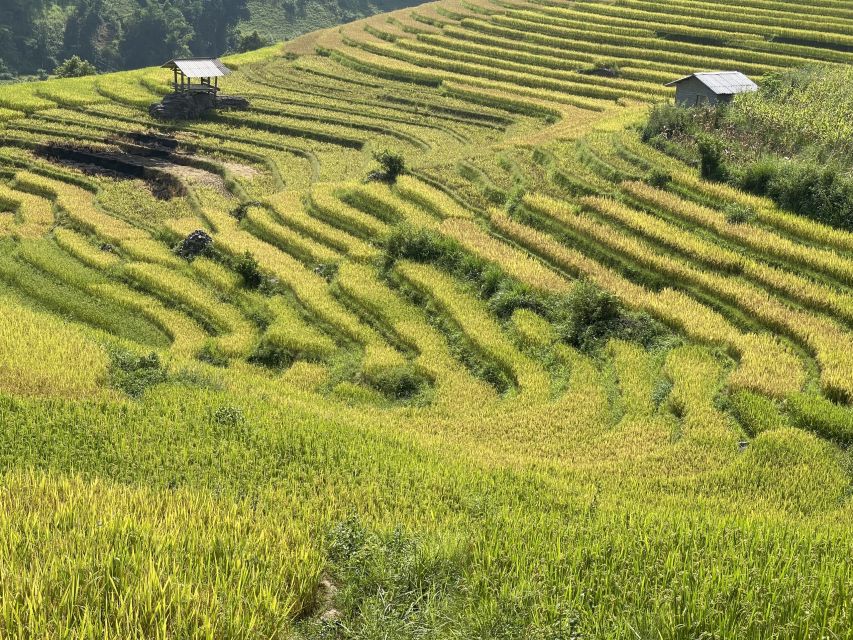
I would book it if your priority is a close look at village life, terrace views, and a genuine overnight stay rather than a quick photo tour. The combination of six villages, three ethnic groups, local meals, and a private guide gives the $78 price solid value.
Before booking, confirm the assigned guide, current trail conditions, and what type of homestay room is available. The positive feedback specifically highlights Du, also called Zu, and Pang Chou, along with friendly homestay hosts and good cultural explanations, but guide assignment is not guaranteed. Choose this route for walking, conversation, and rural scenery, and you should get far more from it than a single day of valley viewpoints.
FAQ
Where does the tour start?
Pickup is included from your hotel in Sapa center or from Sapa Church.
How long does the experience last?
The tour lasts two days and includes one night at a local homestay.
How many villages does the route visit?
The route visits six villages: Y Linh Ho, Lao Chai San, Lao Chai, Ta Van, Giang Ta Chai, and Hau Thao.
Which ethnic groups are included?
The tour introduces you to Black Hmong, Red Dao, and Giay communities.
Where do you sleep on the first night?
You spend the night at a Giay homestay in Ta Van.
What meals are included?
The package includes one breakfast, two lunches, and one dinner.
Is water provided?
Yes. The tour includes 1.5 liters of water per person per day.
Are a raincoat and trekking stick provided?
Yes. One raincoat and one trekking stick are included for each person.
How do you return to Sapa?
A private taxi takes you back to Sapa from Hau Thao at about 3 PM on day two.
Is the tour private?
Yes. It is arranged as a private group with a local English-speaking guide.
More Homestay and Village Treks in Sa Pa
- Discover Sapa: 2D1N Trekking Adventure & Cozy LaLa Homestay
★ 4.9 · 17 reviews - 2 Night Lao Chai-Ta Van Homestay- Trekking & Fansipan Visit
★ 4.0 · 8 reviews - Sapa: 2-Day Local Guided Valley Trek with Night Homestay
★ 4.8 · 5 reviews - Ha Noi-Sapa Authentic Trek & Homestay wih hmong women (2D1N)
★ 4.8 · 5 reviews
More Rice Terrace Treks in Sa Pa
- Sa Pa: Muong Hoa Valley Trek and Local Ethnic Villages
★ 4.6 · 864 reviews - Explore Sapa by TrekkingAdventures, Mountain,Rice fields
★ 4.9 · 229 reviews - Sa Pa: 6-Hours Muong Hoa Valley Trek with Local Ethnic guide
★ 4.5 · 178 reviews - Sapa Muong Hoa Valley & Ta Van Eco Village Scenic Tour (No Trek)
★ 5.0 · 144 reviews
New treks around Sa Pa
- Sapa: 2-Day Local Guided Valley Trek with Night Homestay★ 5.0 · 27 reviews
- SAPA: 1-DAY TREKKING TOUR WITH LOCALS, LUNCH & RICE FIELDS★ 4.7 · 18 reviews
- Sapa: 2-Day Local Guided Valley Trek with Night Homestay★ 4.8 · 5 reviews
- Sa Pa: Fansipan Peak One Day Trek with Local Guide★ 5.0 · 7 reviews
- Red Dao Village Trek and Herbal Bath★ 4.7 · 3 reviews
- Private Hoang Lien National Park & Tribal Village Trek★ 4.7 · 30 reviews
- From Sapa: Muong Hoa Valley View & Village Trek 1-Day★ 5.0 · 21 reviews
- Mountain Views And Villages Trek★ 4.3 · 3 reviews
Rice Terrace Treks, side by side.
Sa Pa: Muong Hoa Valley Trek and Local Ethnic Villages
Read our review →
Explore Sapa by TrekkingAdventures, Mountain,Rice fields
Read our review →
Selogriyo Temple and Trekking Java Rice Terraces, hidden waterfall -Nature Java
Read our review →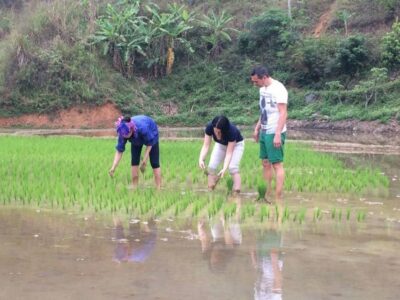
Sa Pa: 6-Hours Muong Hoa Valley Trek with Local Ethnic guide
Read our review →
Yogyakarta: Selogriyo Temple Tour & Java Rice Terrace Trek
Read our review →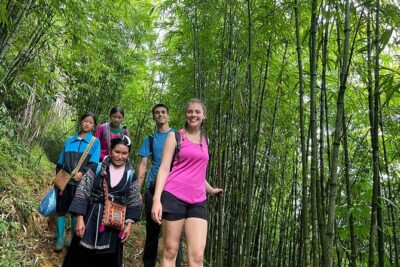
Daily Tour: Sapa Trekking in Muong Hoa valley, Bamboo forest
Read our review →
Ubud: Rice Terrace, Holy Water Temple & Waterfalls Trek Tour
Read our review →