
Review · KATHMANDU
From Kathmandu: 5-Day Gosaikunda Lake Trek
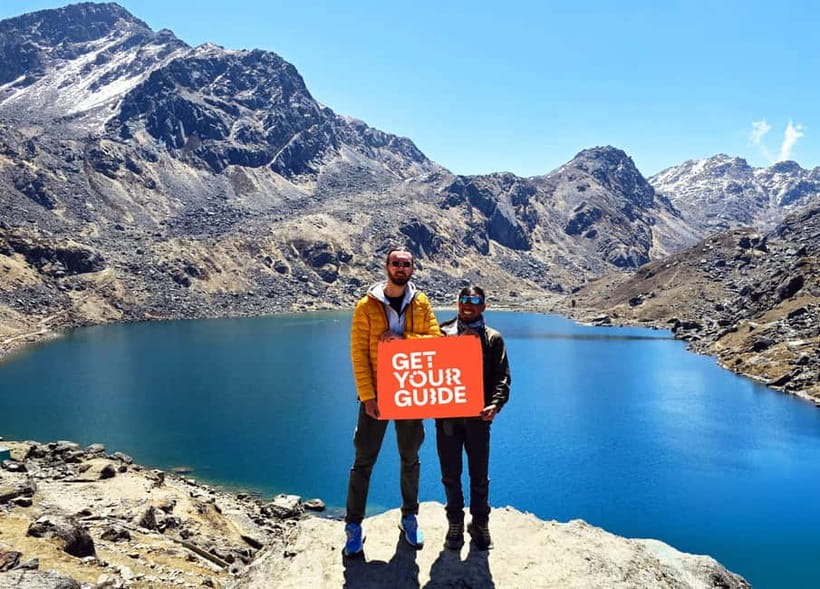
Gosaikunda is the star here: a sacred, high-altitude lake reached on a short but demanding route from Kathmandu. You get Langtang National Park, forest trails, mountain views, and several alpine lakes without committing to a much longer Himalayan trek. I especially like the chance to see Bhairav Kunda, Chandra Kunda, and Saraswati Kunda on the same day.
I also like the practical setup: permits, bus transport, guest-house nights, and basic mountain gear are handled for you. Guides including Ohm, Terence, and Raj have been praised for clear plans, safety checks, local facts, and good humor. The catch is simple: 4,380 meters is serious altitude, and the schedule is brisk. You need solid fitness, patience for a five-to-six-hour bus ride, and comfort with basic mountain lodging.
Key points before you book
- Gosaikunda reaches 4,380 meters: The lake day is the physical and scenic high point, so altitude matters more than the five-day length suggests.
- A short route from Kathmandu: You spend only four trekking nights away, making this useful if you have limited time in Nepal.
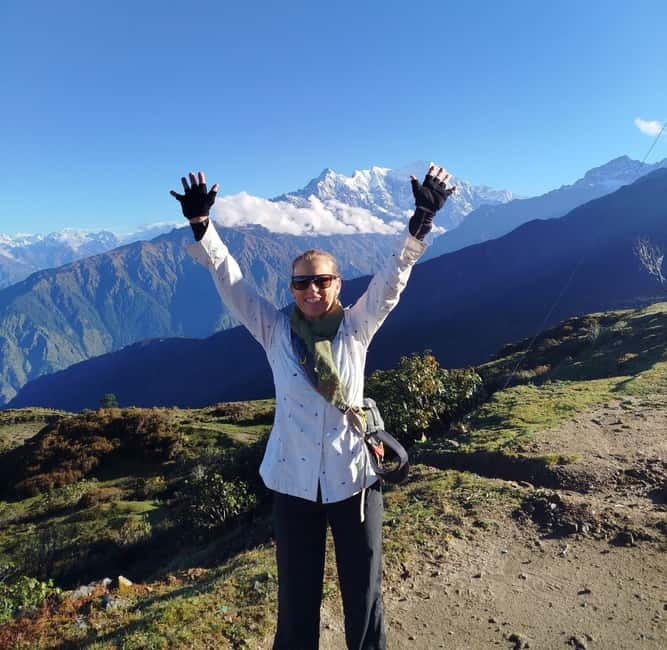
- Langtang National Park scenery: Expect pine, bamboo, and rhododendron forests, high ridges, glacial lakes, and views toward the Langtang range.
- Small groups of up to 14: This gives the guide a better chance to keep track of the group on steep sections.
- Useful equipment is available: A down jacket, sleeping bag, trekking poles, and purification tablets can be borrowed when needed.
- Budget and full-board choices: Full board includes meals, while the budget option leaves meals out, so check the exact rate before paying.
Why this five-day route works
I see this trip as a compact taste of Nepal’s mountain country, not an easy sightseeing excursion. The road gets you to Dhunche, then your legs take over. In just a few days, you move from Kathmandu’s lower elevation to forests, high ridges, and a lake at 4,380 meters.
That compressed schedule has a clear benefit. You do not need to set aside two weeks for a famous Himalayan trek, and hotel pickup, permits, transport, and four nights in mountain guest houses are built into the arrangement. At $179 per person, that can be good value if you choose the included-meal option and need to borrow gear.
The price needs a careful look, though. Personal expenses, travel insurance, and porter service are not included. Meals are also excluded from the budget option, while the full-board version includes four breakfasts, five lunches, and four dinners. Ask which package you are booking so a low headline price does not catch you off guard.
The group limit of 14 is another useful point. It is not a private trek, but it is small enough for a guide to explain the route, watch the pace, and help with practical matters. Guides Ohm, Terence, Raj, and Terens have been singled out for their friendly manner, local information, safety focus, and steady communication.
More five-day treks around Kathmandu
- Annapurna base camp trek 5 Days
★ 5.0 · 252 reviews - Kathmandu to Annapurna Base Camp (ABC) 5-Day Trek
★ 5.0 · 102 reviews - Pokhara: 5-Day Annapurna Base Camp (ABC) Trek
★ 5.0 · 9 reviews
Day 1: Kathmandu to Dhunche, then the two-hour climb to Deurali
Your day begins with pickup at your Kathmandu hotel or apartment entrance. The road trip to Dhunche takes about five to six hours, so do not treat this as a quick transfer. It is a long mountain-road day before the actual walking begins.
The views give the ride purpose. You pass green hills, terraced fields, and distant snowy peaks associated with Manaslu, Ganesh, and Langtang. The changing scenery helps you see how quickly Nepal shifts from city streets to high-country terrain.
Dhunche is the practical starting point. After a short break, you walk for about two hours toward Deurali at 2,790 meters. This first section is a useful test of your legs and footwear without yet taking you to the highest part of the route.
You sleep in a mountain guest house at Deurali. The accommodation is part of the appeal, but keep expectations sensible. This is basic mountain lodging, not a city hotel. The trip includes four guest-house nights, and private rooms may sometimes be available, but you should confirm the room setup rather than assume it.
Day 2: The steep forest route to Laurebina at 3,910 meters
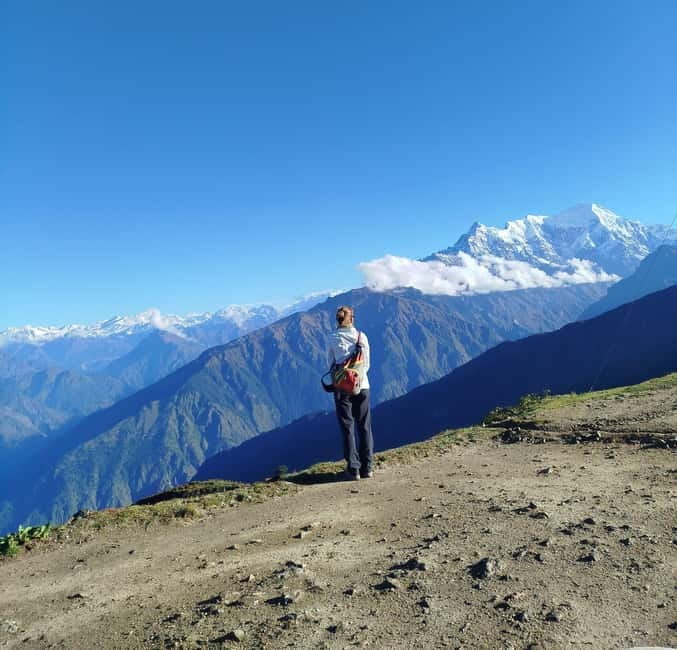
Day two is where the trek becomes more demanding. From Deurali, you walk toward Laurebina by way of Chandanbari, following a steep uphill trail. The gain in height is substantial, rising to 3,910 meters, so a slow and steady pace is more useful than trying to keep up with the fastest person in the group.
This is also the day when altitude begins to affect some people. The trek provider supplies a guide, but you still need to speak up if you feel unwell. A clear briefing each morning helps you understand the day ahead, and the guide’s role is especially valuable on a steep route with changing weather and limited facilities.
The forest is one of the pleasures of this section. Pine, bamboo, and rhododendron appear along the route, giving the climb texture and shade. The setting changes as you gain height, and the trees gradually give way to more open mountain country.
Laurebina is your overnight stop. At 3,910 meters, this is a high sleeping point before the Gosaikunda excursion. A borrowed sleeping bag and down jacket can make a real difference here, especially if you have packed for Kathmandu rather than for a high mountain night.
Day 3: Gosaikunda at 4,380 meters and the nearby lakes
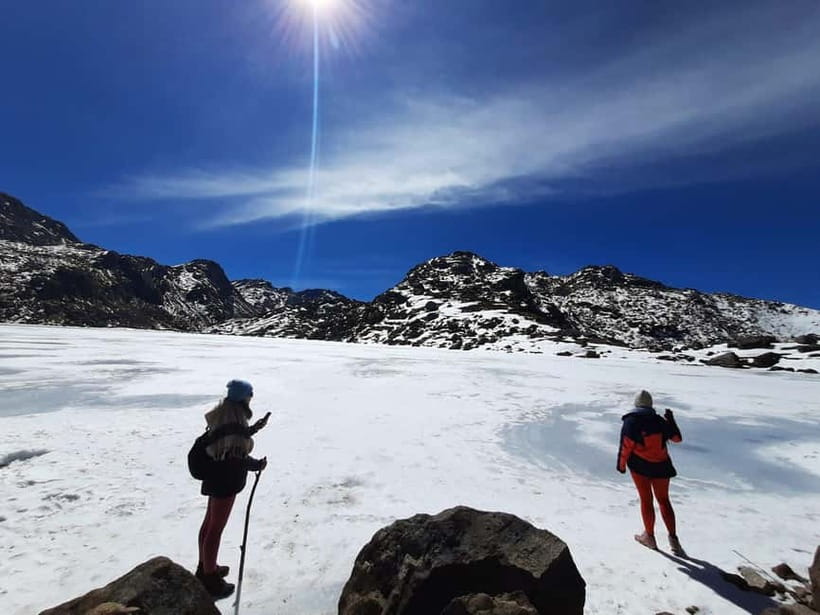
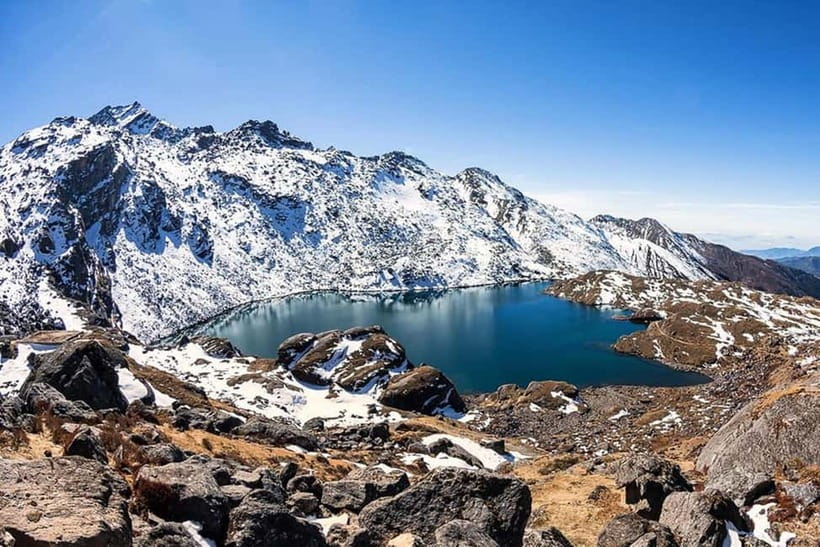
The third day is the reason to choose this trek. From Laurebina, you make the round trip to Gosaikunda, an alpine freshwater lake inside Langtang National Park. At 4,380 meters, it is both a sacred place and a demanding physical goal.
Gosaikunda remains frozen during winter, and its meltwater feeds the Trishuli River. The lake’s religious importance adds meaning to the walk, while the surrounding high country gives you the quiet, spare setting people come to Nepal’s mountains to find.
You also have the chance to see Bhairav Kunda, Chandra Kunda, and Saraswati Kunda. That makes the lake day more than a single viewpoint. Your guide can add local and geographic context, and guides on this trip have been praised for sharing facts in an engaging way rather than simply leading from the front.
The Langtang range provides the big visual reward. Clear conditions matter, so the best experience comes when skies are open and the mountain views are not hidden by cloud. The tour runs throughout the year, but conditions and visibility can change by season. The information provided does not promise a particular weather window, so you should treat the views as a possibility, not a guarantee.
After time around the lakes, you return to Laurebina for the night. This out-and-back design is practical because you do not carry your full overnight load to a new lodge. It is still a demanding day, since you climb high, spend time at altitude, and retrace the route.
More treks around Kathmandu:
- Everest Base Camp Trek – 14 Days
★ 5.0 · 1,499 reviews - Everest Base Camp Trek
★ 5.0 · 842 reviews - Everest Base Camp Trekking
★ 5.0 · 485 reviews - Annapurna Circuit Trek with Tilicho Lake
★ 5.0 · 368 reviews
Day 4: Forest descent from Laurebina to Dhunche
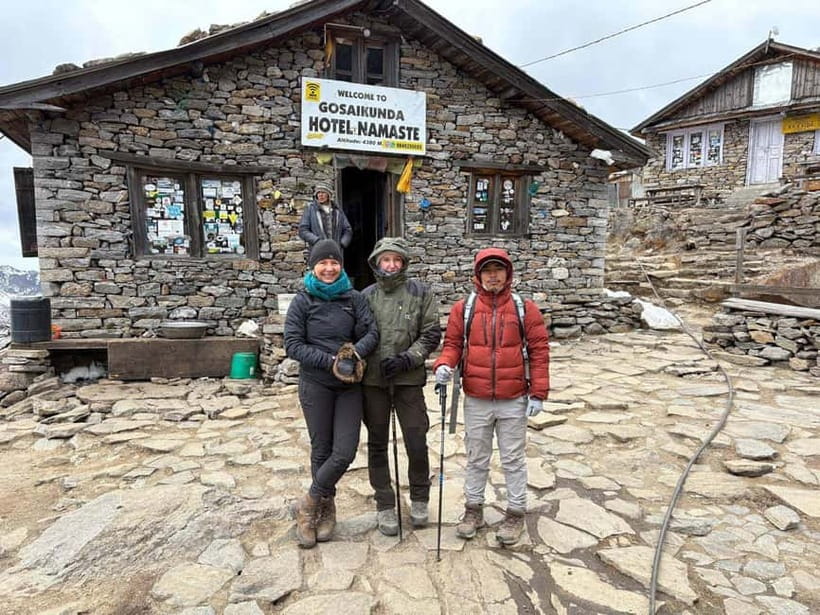
The fourth day changes the rhythm. You leave Laurebina and gradually descend through rhododendron, pine, and bamboo forest toward Deurali. After another wooded stretch and a river crossing, you continue down to Dhunche for the night.
Downhill walking can sound easy, but it can be tough on knees and toes after the high point. Trekking poles are included as borrowed equipment, and this is exactly the sort of day when they earn their place in your pack. Comfortable shoes with reliable grip also matter on a route that includes steep sections and a river crossing.
This descent gives you a second look at the forest. On the way up, you are focused on gaining height. On the way down, you can pay more attention to the vegetation and the changing views. Langtang National Park is a major part of the experience, not just a name on a permit.
Dhunche provides a lower and more comfortable stopping point before the road journey back. The overnight plan also avoids combining the full descent with the long drive to Kathmandu, which would make an already active day much harder.
Day 5: The long road back to Kathmandu
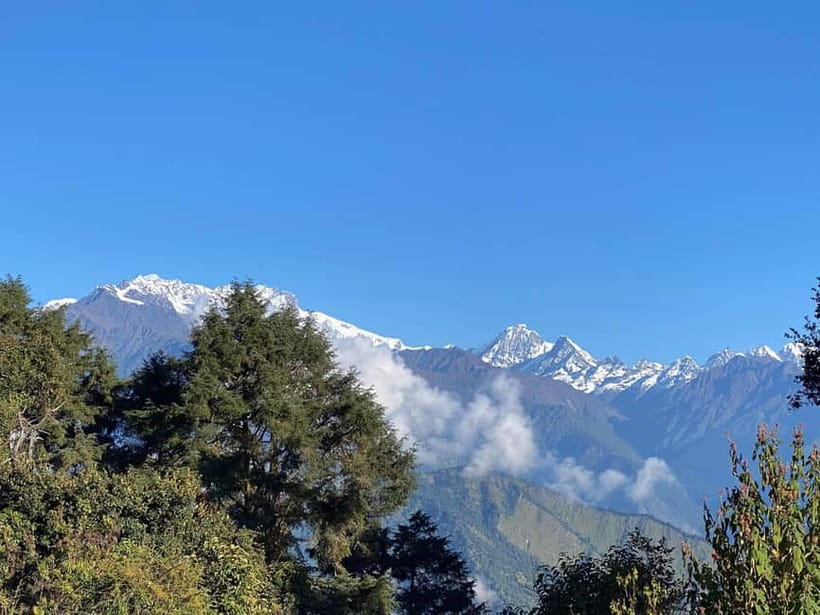
After breakfast, you return to Kathmandu by bus. The same road that brought you to Dhunche now gives you a final look at the hills and terraced fields before the city returns.
The bus is included, which keeps the trip simple and controls the cost. It also means you should allow room for a long travel day. The drive can take about five to six hours, and your arrival point is the bus station in Kathmandu, followed by transfer back to your hotel.
This final day is not a sightseeing stop, but it is part of the value of the route. You get a short Himalayan trek without arranging separate transport at either end. For anyone with limited time, that practical structure can be more important than a polished finish.
What the $179 price includes
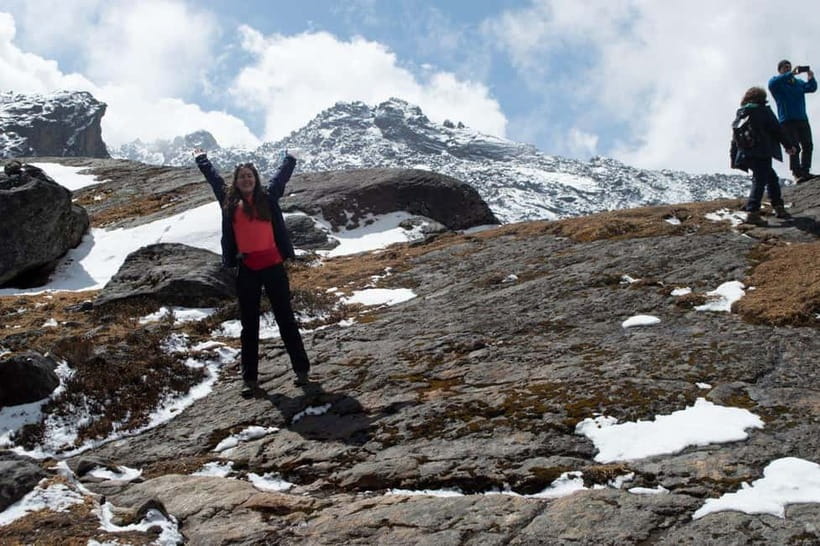
The advertised price of $179 per person covers a useful set of basics:
- Hotel pickup and return transfer
- Licensed trek guide
- Four nights in mountain guest houses
- Bus transport between Kathmandu and Dhunche
- Trekking permits and the TIMS card
- Government tax and service charges
- First aid if needed
- Water purification tablets as required
- A company T-shirt
- Borrowed down jacket, sleeping bag, and trekking poles
- A duffel bag if you add porter service
Full-board guests receive four breakfasts, five lunches, and four dinners. The budget option excludes meals, so compare the final price rather than judging the two packages by the starting figure alone.
A porter is available as an add-on. The supplied details do not give the porter fee, so ask before booking if you do not want to carry your own bag. Personal spending and travel insurance remain your responsibility. Insurance is strongly recommended for a high-altitude trek, though the activity information does not specify a particular policy or coverage level.
Guides, group size, and the human side of the trek
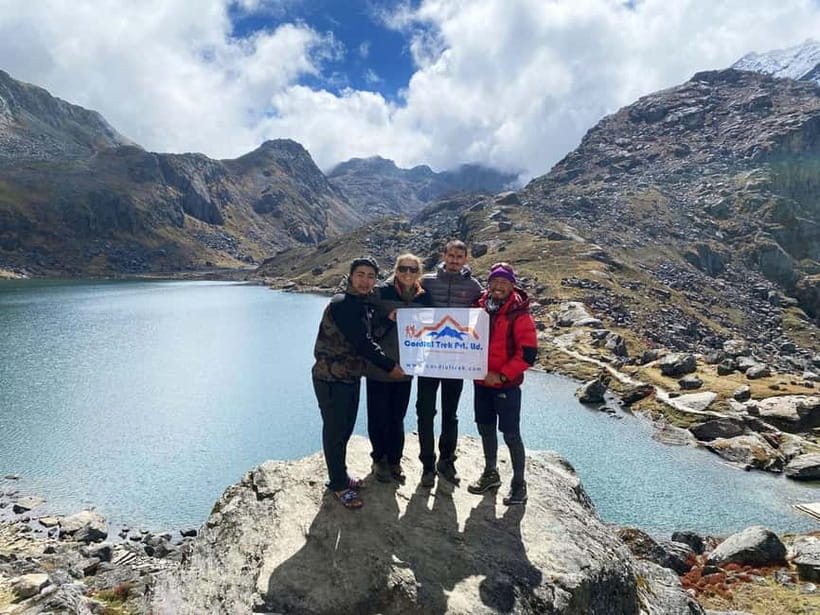
The guide can make or break a short trek, because a five-day schedule leaves little room for confusion. Ohm has been praised for keeping spirits up, sharing facts, and helping with video clips. Terence has been noted for adapting plans, putting safety first, and explaining the region clearly.
Raj has also received strong praise for communicating the daily plan and explaining the places along the route. Terens has been thanked for competent support. These details matter because you are not only paying for route-finding. You are paying for help with permits, pace, conditions, lodging, and the small decisions that keep a mountain trip moving.
The maximum group size is 14 people. That is a reasonable middle ground: more social than a private walk, but not a large coach group spread across a trail. The available guide languages are English, Hindi, and Icelandic, so confirm that your preferred language is available for your departure.
What to pack for this particular route
You need a passport and cash, and you should carry a camera if mountain views are a priority. You must also send a passport copy and a recent passport photo at least one day before departure so trekking permits can be processed.
The equipment loan reduces the amount you need to buy. Still, I would pack warm layers, comfortable trekking clothing, sturdy footwear, personal toiletries, and any medicine you need. A down jacket, sleeping bag, and trekking poles can be borrowed, but personal fit and comfort vary.
Water purification tablets are supplied as required. You should still carry a refillable bottle or other container. Alcohol and drugs are not allowed, and bare feet are not allowed on the activity. Baby carriages are also unsuitable for this route.
Who should book this trek?
This is a good fit if you want a short Himalayan trek from Kathmandu, enjoy active days, and prefer having transport and permits arranged. It suits people who want forests, high lakes, local culture, and mountain views in one compact trip.
It is not suitable for children under 10, people with mobility impairments, or people over 140 kilograms. More broadly, you should think carefully if you have no experience with steep hiking or high altitude. The trip is only five days, but the altitude gain is fast and the day at Gosaikunda is strenuous.
You should also be comfortable with basic guest-house accommodation and a long bus ride in each direction. The reward is access to a high sacred lake without a much longer expedition. The tradeoff is that the schedule gives you less spare time if weather, road delays, or fatigue affect the plan.
Should you book the Gosaikunda trek?
I would choose this trip if I had five days, wanted a serious mountain experience near Kathmandu, and valued a guide-led setup with permits and transport included. The strongest reasons are the high lake, Langtang National Park, the group limit of 14, and the useful gear loan.
I would not choose it as a casual walk or a soft introduction to Nepal. The climb to Laurebina, the 4,380-meter lake, and the basic lodges demand preparation. Check the meal option, ask about porter cost, arrange insurance, and pack for cold conditions.
If you accept those limits, the $179 starting price can be strong value. It gives you a compact route with real altitude, several lakes, forest trails, and a guide who can help turn a demanding few days into a well-managed one.
FAQ
How long is the Gosaikunda Lake trek?
The activity lasts five days, including two bus journeys between Kathmandu and Dhunche.
How high is Gosaikunda Lake?
Gosaikunda Lake is at an elevation of 4,380 meters.
How long is the drive from Kathmandu to Dhunche?
The drive takes approximately five to six hours.
Where do I sleep during the trek?
You spend four nights in mountain guest houses, including stays at Deurali, Laurebina, and Dhunche.
Are meals included?
Meals are included with the full-board option, which provides four breakfasts, five lunches, and four dinners. Meals are not included with the budget option.
Is trekking equipment available to borrow?
Yes. A down jacket, sleeping bag, and trekking poles can be borrowed. Water purification tablets are also supplied as required.
Is a porter included?
No. Porter service is available as an add-on, and a duffel bag is provided with the porter option.
What languages can the guide speak?
Guides are available in English, Hindi, and Icelandic.
Can I cancel the booking?
You can cancel up to 24 hours in advance for a full refund. You can also reserve now and pay later.
New treks around Kathmandu
- Kathmandu or Pokhara: 5-Day Annapurna Base Camp (ABC) Trek★ 4.5 · 2 reviews
- Pokhara: 2 Day Ghorepani & Poon Hill Private Trekking★ 4.9 · 8 reviews
- From Kathmandu: 6-Day Langtang Valley Guided Trek★ 5.0 · 2 reviews
- Pokhara: 5-Day Annapurna Base Camp (ABC) Trek★ 5.0 · 9 reviews
- Kathmandu: Langtang Valley 6-Day all inclusive Guided Trek★ 5.0 · 2 reviews
- Kathmandu: 6 Days Langtang Valley Trek with Kyanjin Ri★ 5.0 · 7 reviews
- Kathmandu: 9- Day Annapurna Circuit Trek★ 5.0 · 2 reviews
- Kathmandu: 6-Day Limitless Langtang Trek★ 5.0 · 21 reviews
Kathmandu Trekking Tours, side by side.
Lists this trek appears in