
Review · SAPA
Explore Sapa by TrekkingAdventures, Mountain,Rice fields
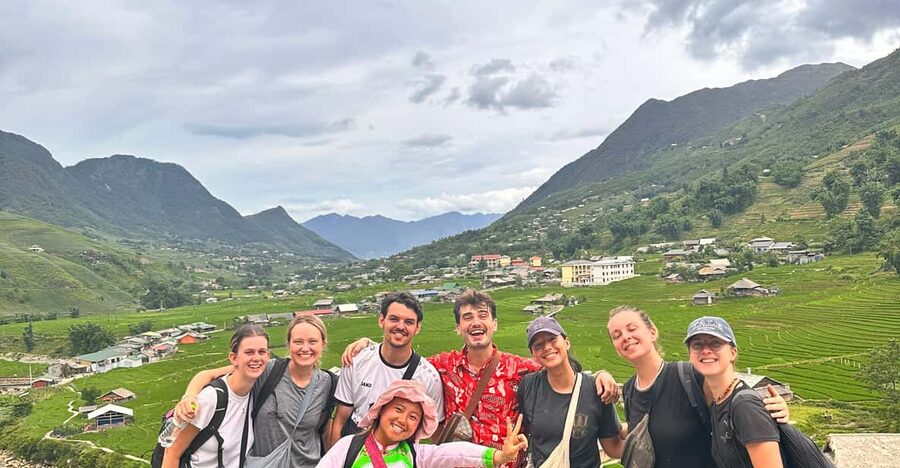
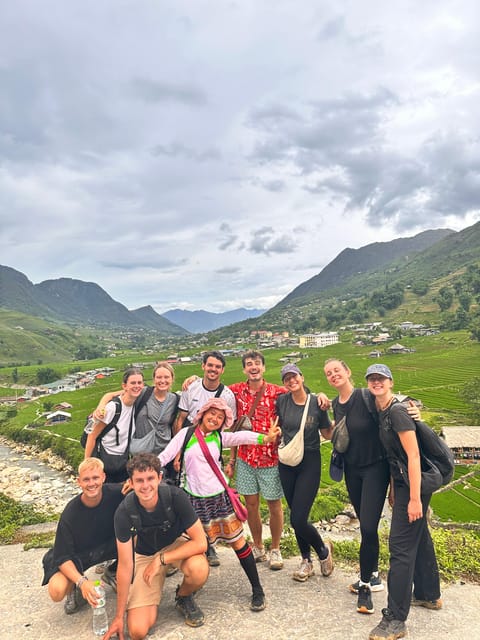
Sapa’s best stories are found below town, on muddy footpaths between rice terraces and villages. This trek puts you with local Hmong women who explain village life from personal experience, not from a memorized script. Sun, Dinh, Khu, and other local guides have earned especially strong praise for their humor, care, and English.
I like two things right away: you can choose a shorter or harder route, and your money goes directly toward work for Hmong women and local children. The included lunch, village fees, water, and ride back to Sapa make the $23 price excellent value. The catch is simple: steep paths, mud, fog, and slippery descents can make this much harder than a casual countryside walk.
Key points to know before you book
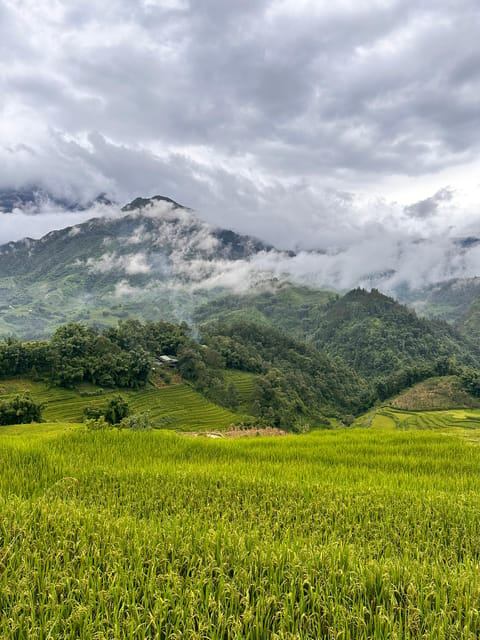
- Three villages in one day: Walk from Sapa through Y Linh Ho and Lao Chai to Ta Van.
- Local Hmong guides: Learn about arranged marriage, indigo dyeing, farming, family life, and village customs from women who grew up in the area.
- Choose your effort level: The route can be 5 to 11 km, with easy, hard, or hard-then-easy options.
- Good wet-weather support: Boots and trekking sticks are available when rain turns the trails slick.
- A generous lunch stop: Eat at a local restaurant in Lao Chai, with vegetarian and vegan choices reported on some tours.
- Bring cash and patience: Local women may accompany part of the route and offer handmade goods for sale.
Why this Sapa trek feels more personal
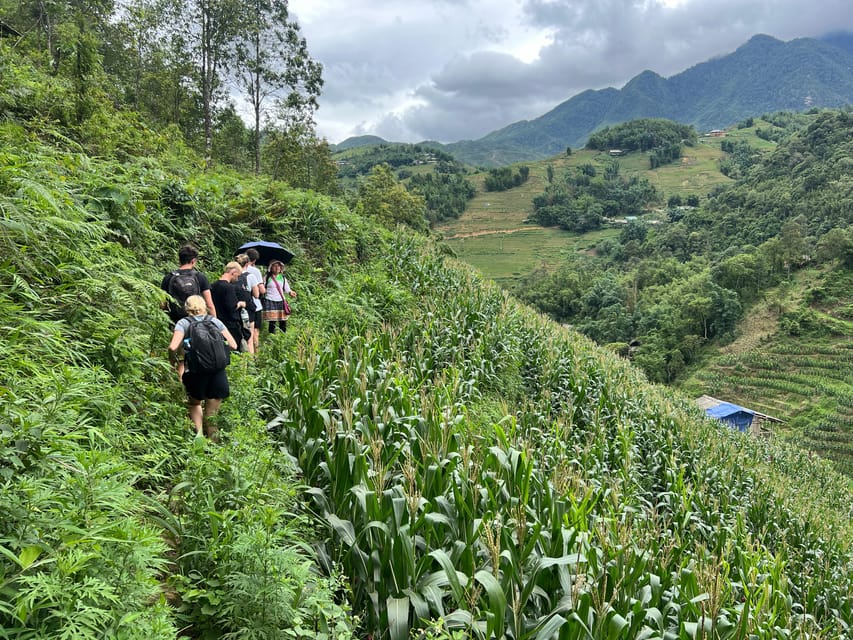
Sapa town is useful as a base, but the real reward comes when the road drops into the valleys. This experience takes you away from cafés and hotels and into the working countryside, where buffalo graze near rice fields and homes sit along narrow mountain paths.
Your guide is usually a Hmong woman from the surrounding area. That matters. You can ask what daily life is like, how farming works, what happens during planting and harvest, or how Black Hmong traditions differ from those of the Dzay people in Ta Van.
The personal side of the experience is central. The sisters behind the tour grew up in a village without electricity and did not have the chance to attend school. They describe early arranged marriage and the limited choices many women still face. Booking with them supports employment for local Hmong women, while part of the wider work helps children attend school.
I would not book this only as a charity gesture. The scenery and walking are the main draw. Still, it is satisfying to know that the guide’s work has a direct local purpose, and the conversations give the route more meaning than a simple photo stop.
More Rice Terrace Treks in Sa Pa:
- Sa Pa: Muong Hoa Valley Trek and Local Ethnic Villages
★ 4.6 · 864 reviews - Sa Pa: 6-Hours Muong Hoa Valley Trek with Local Ethnic guide
★ 4.5 · 178 reviews - Sapa Muong Hoa Valley & Ta Van Eco Village Scenic Tour (No Trek)
★ 5.0 · 144 reviews
Meeting in Sapa and choosing your route
The usual start is 9:00 AM, with pickup from your hotel in Sapa Town or a meeting point near the main church. You can also request another start time. If you are meeting at the church, allow a few minutes to find your guide because the area can feel chaotic in the morning.
The route is flexible. The shorter version may cover about 5 km, while the longer walk can reach 10 or 11 km. Some descriptions and experiences have reached roughly 12 km, so ask your guide what distance your group will take that day.
You can choose:
- Easy walking
- A harder route
- Hard walking first, followed by an easier section
The easy option often uses more road walking. The harder route follows smaller paths through fields and hillside sections, with rock, mud, stream crossings, low fences, and occasional scrambling. You do not need to be an athlete, but you do need steady footing and full mobility in your legs.
The guide normally sets the pace and stops for rest and photos. One useful pattern is a short break about once an hour, though the exact timing depends on weather, the group, and trail conditions.
Down to Y Linh Ho and the first rice terraces
The trek begins by descending from Sapa toward Y Linh Ho, a Black Hmong village surrounded by steep rice terraces. The downhill direction gives you quick access to the valley, but it also puts pressure on your knees and requires care on wet ground.
This is where the views can change quickly. Sapa may be wrapped in cloud at the start, yet the fog often thins as you lose elevation. On clear days, the terraces, bamboo areas, hillsides, and valley paths open up in a series of wide views. In winter, fog can remain heavy and hide much of the scenery, so the walk becomes more about village life and exercise than mountain photography.
You will see ordinary farm animals along the way, including buffalo, pigs, and chickens. These are small details, but they help you understand that the rice terraces are working farmland, not simply a scenic backdrop.
The trail can be muddy after rain. Several people have found the downhill parts more difficult than expected, especially where the ground is slippery or rocky. Take the slower route, use the trekking stick, and let the guide show you where to place your feet.
Lao Chai, lunch, and a closer look at Hmong life
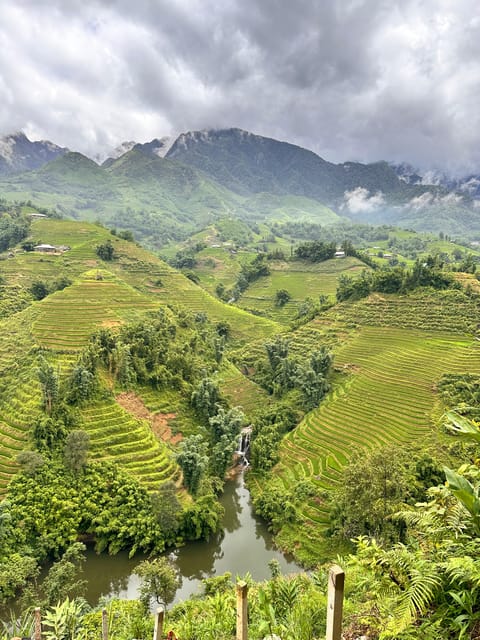
Lao Chai is one of the largest and oldest Hmong communities on the route. It is also the practical center of the outing, since lunch is served at a local restaurant here.
Expect a shared local meal rather than a quick sandwich. The food has been described as plentiful, and vegetarian and vegan meals are available when requested. If you have dietary needs, tell the company in advance instead of waiting until you sit down.
The lunch stop is valuable for more than food. It gives your legs a break after the steep descent and leaves time to talk with your guide. Guides such as Sun have been praised for explaining village traditions clearly and answering questions in strong English. Others, including Dinh, Khu, Chuchu, Mam, Mu, and Mama Mai, have also received warm praise for their friendliness and care.
After lunch, you may visit a traditional Black Hmong house. This is a chance to hear about home life, family roles, farming, and local customs. Depending on your guide and the day, you might also learn about indigo dyeing, a traditional craft associated with Hmong clothing.
Keep your expectations sensible. This is not a museum visit with a formal exhibit. The value is the conversation and the chance to ask direct questions. You are seeing a living community, so listen carefully and avoid treating homes or people as photo props.
Same mountains, a different route up:
- Sapa: Eco Adventure Terrace Fields and Local Villages Trek
★ 4.9 · 636 reviews - Number one top rated ethical cultural trekking and homestay by ETHOS
★ 5.0 · 456 reviews - From Sapa: 1-Day Guided Trek to Lao Chai & Ta Van with Lunch
★ 4.9 · 416 reviews - Sa Pa Full Day Trekking Tour
★ 5.0 · 414 reviews
Walking on to Ta Van and meeting the Dzay people
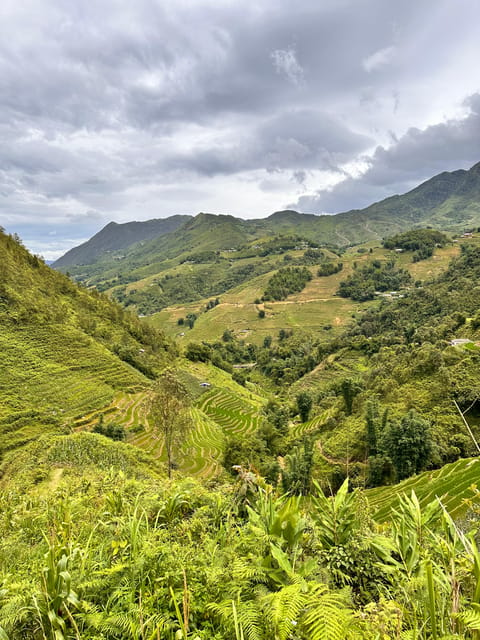
From Lao Chai, the route continues toward Ta Van Village, home to the Dzay people. This section helps show that Sapa is not one single culture. Hmong and Dzay communities have different customs, clothing, languages, and village traditions, and your guide can explain some of those differences.
Rice planting or harvesting may be visible if you arrive at the right time of year. Outside those seasons, you will still see the terraces and farming areas, but the fields may not have the same bright green or golden appearance shown in photographs.
The walk toward Ta Van mixes paths near fields with village roads and smaller trails. It is scenic, but the final stretch can feel repetitive for some people, especially if the group takes long breaks or the weather limits the views. If you want the shortest possible outing, ask for the 5 km option before setting off.
Ta Van is the finishing point, not the place where you return to Sapa on foot. A private car takes you back to town, usually arriving around 3:00 PM. That ride is a welcome finish after a muddy or warm walk.
The guides are the heart of the experience
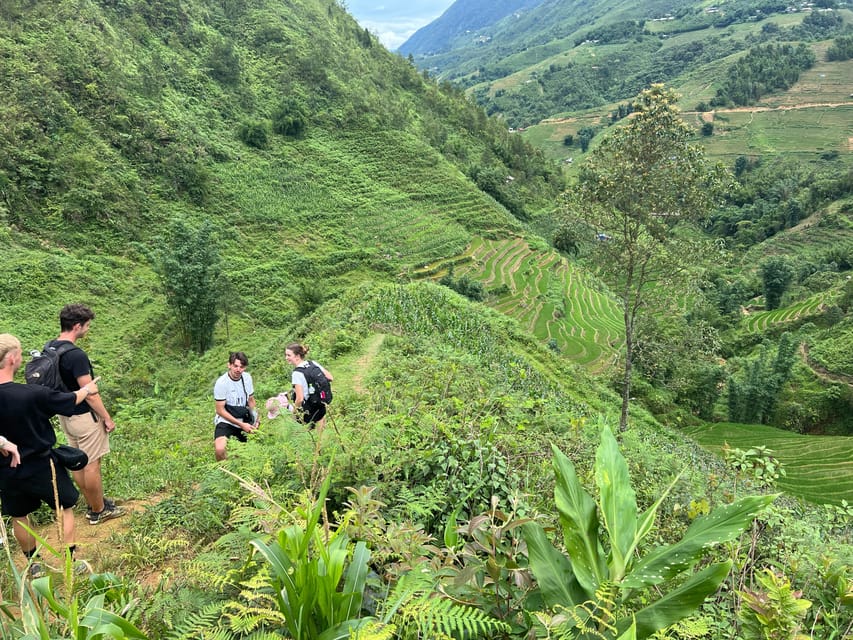
The strongest part of this activity is the guide’s personality. Sun has been repeatedly singled out for her humor, clear English, energy, and ability to keep the group comfortable on difficult sections. She also makes time for stories about her family and village.
Dinh is one of the sisters organizing the experience, and she sometimes guides groups herself. Khu, Ko, Chuchu, Mam, Mu, Ze, Ms Co, and Mama Mai have also led outings. Your guide is assigned according to availability, so you should not assume a particular person unless the company confirms it.
Some groups are accompanied for part of the trek by other local Hmong women. They may help people across slippery sections, particularly on muddy downhill paths. Their help can be welcome, but they may also offer handmade goods for sale.
This is the main social consideration. Several people have found the selling persistent. You are not required to buy anything, and the guide can help set expectations, but it is wise to decide your budget before you go. A polite no should be enough. If you do want a handmade item, carry cash and treat it as a direct purchase from the maker.
Weather, clothing, and how hard the walk really is
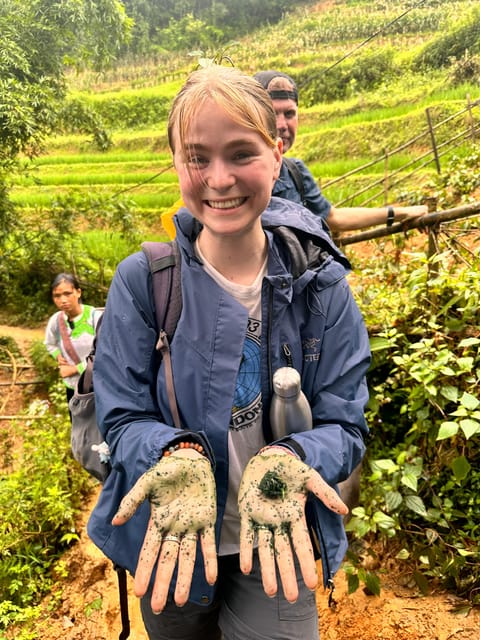
Sapa weather can change the character of this trip. Clear weather brings the big views. Fog can hide the terraces. Rain turns the paths into slippery brown tracks, but it can also make the countryside feel quieter and more rural.
Wear shoes with good grip, not smooth-soled trainers. Choose clothes you can move in and bring layers because Sapa can feel cool, especially in poor weather. A raincoat, sun hat, sunscreen, insect repellent, sunglasses, and a camera all make sense.
Bring extra water and some cash. Water is included, but you may want more during the hike. Extra drinks, including bottled water or beer purchased along the way, are not included.
The company says boots and trekking sticks are available in rain. That helps, but it does not turn the route into an easy stroll. If you have mobility limits, weak balance, or trouble with steep muddy paths, this is not the right activity. The stated age restriction excludes people over 95, though the more useful test is your ability to walk uneven ground.
What the $23 price includes
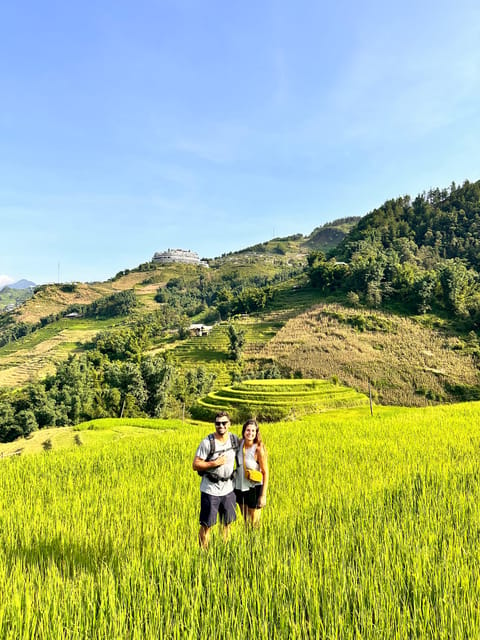
At $23 per person, this is a strong deal for a half-day-to-long-afternoon outing. You receive an English or Vietnamese-speaking local guide, lunch, water, village entry fees, and transport back to Sapa.
The return car is especially useful. A one-way valley trek would leave you facing a long walk or a separate transport charge, while this arrangement lets you finish in Ta Van and return without extra planning.
The price is also good because the route is not just a viewpoint transfer. You get several hours on foot, cultural explanation, a meal, and access to villages that are difficult to understand from Sapa town alone. A private tour costs extra, so the standard booking makes the most sense if you are comfortable meeting other people.
The group format can be sociable, but it may affect the pace. A larger group can take longer at narrow or muddy sections, and your guide must balance different fitness levels. If you want more time for questions or photography, request a private option.
Who should book this Sapa experience?
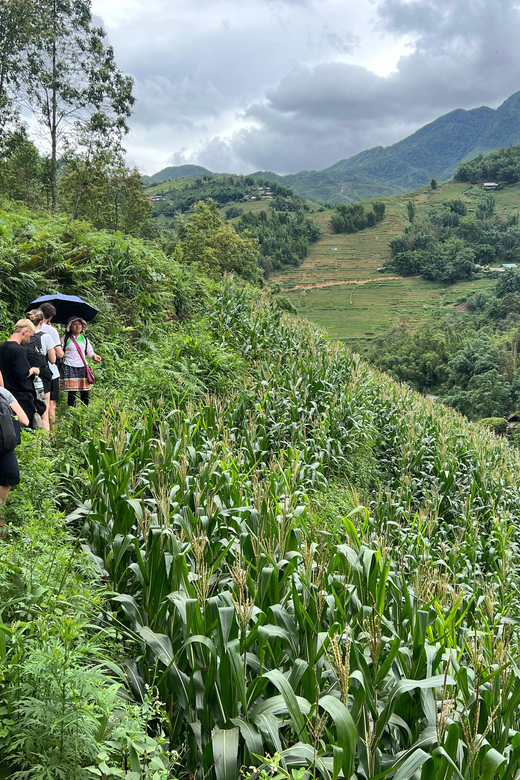
I would choose this trek if you want countryside, conversation, and moderate physical activity in one outing. It suits people who are happy to walk on uneven paths and who want to learn about Hmong and Dzay life from local guides.
It is also a good fit if you have only one free day in Sapa. You see three villages, eat lunch, and return to town in the afternoon, leaving your evening open.
You should think twice if your main goal is guaranteed terrace views. Winter fog can block the scenery, and rain can make the trails tough. You should also avoid it if you want a polished, highly organized sightseeing bus tour. This is a local walking experience, and its rough edges are part of the deal.
The tour has a 4.9 rating from 229 reviews, with the strongest praise focused on the guides, lunch, value, and cultural insight. The less favorable points are consistent too: muddy footing, fog, repetitive final sections, and repeated souvenir offers.
Should you book it?
Yes, if you want a direct and affordable way to see the valleys around Sapa. The guides make the difference, and the combination of local stories, rice terraces, village paths, lunch, and return transport is hard to match at $23.
Book it with realistic expectations. Choose the route carefully, bring proper shoes, carry cash, and check the forecast. For the best chance of clear views, avoid the cloudiest winter days if your schedule allows. If rain arrives, focus on the cultural side and accept that the walk will be slower.
For most physically capable visitors, this is a worthwhile Sapa day out. It gives you a better sense of mountain life than staying in town, while putting your booking behind local women who are creating work for themselves and helping children in their communities.
FAQ
Where does the Sapa trek start?
You can be picked up at your hotel in Sapa Town or meet the guide in front of Sapa’s main church.
What time does the tour start?
The usual start time is 9:00 AM, but you can request another time by contacting the provider.
How long is the trek?
The route can be about 5 to 11 km, depending on the option you choose. Some outings have taken around six hours, while the stated activity duration is five hours.
Which villages does the tour visit?
The route goes from Sapa to Y Linh Ho, then Lao Chai, and finally Ta Van.
Is lunch included?
Yes. Lunch at a local restaurant in Lao Chai is included. Vegetarian and vegan options have been available on some departures, so mention your needs when booking.
Is the tour private?
The standard tour is a group experience with other people. A private tour is available for an additional charge.
What languages does the guide speak?
Guides may speak English or Vietnamese. The activity is led by local Hmong women, and several guides have strong English communication skills.
What should I bring?
Bring comfortable walking shoes, sunglasses, a sun hat, sunscreen, a camera, cash, and a raincoat. Insect repellent and extra water are also useful.
What happens if it rains?
The company provides boots and trekking sticks when needed. Rain can still make the trails muddy and slippery, so you should be ready for a slower and harder walk.
Can children join the trek?
Children under three can join free when the provider is informed in advance. The activity is not suitable for people over 95, and everyone should be comfortable walking uneven mountain paths.
New treks around Sa Pa
- Sapa: 2-Day Local Guided Valley Trek with Night Homestay★ 5.0 · 27 reviews
- SAPA: 1-DAY TREKKING TOUR WITH LOCALS, LUNCH & RICE FIELDS★ 4.7 · 18 reviews
- Sapa: 2-Day Local Guided Valley Trek with Night Homestay★ 4.8 · 5 reviews
- Sa Pa: Fansipan Peak One Day Trek with Local Guide★ 5.0 · 7 reviews
- Red Dao Village Trek and Herbal Bath★ 4.7 · 3 reviews
- Private Hoang Lien National Park & Tribal Village Trek★ 4.7 · 30 reviews
- Sapa: Private Muong Hoa Valley and Homestay Trekking 2-Day★ 4.8 · 4 reviews
- From Sapa: Muong Hoa Valley View & Village Trek 1-Day★ 5.0 · 21 reviews
Rice Terrace Treks, side by side.
Sa Pa: Muong Hoa Valley Trek and Local Ethnic Villages
Read our review →
Selogriyo Temple and Trekking Java Rice Terraces, hidden waterfall -Nature Java
Read our review →
Sa Pa: 6-Hours Muong Hoa Valley Trek with Local Ethnic guide
Read our review →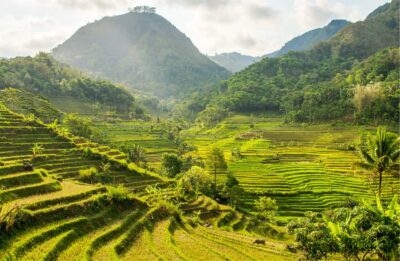
Yogyakarta: Selogriyo Temple Tour & Java Rice Terrace Trek
Read our review →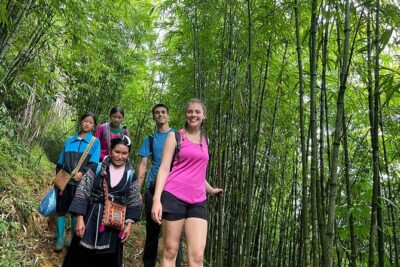
Daily Tour: Sapa Trekking in Muong Hoa valley, Bamboo forest
Read our review →
Ubud: Rice Terrace, Holy Water Temple & Waterfalls Trek Tour
Read our review →
Mount Batur Sunrise Trekking and Rice Terrace Adventure
Read our review →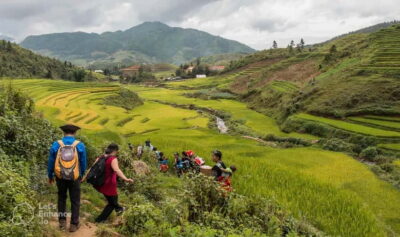
1-Day Sapa Long Trek – Rice Field Terrace, Ethnic Culture
Read our review →Lists this trek appears in