
Review · TANZANIA
Best Kilimanjaro Adventure 7 days Machame route Trekking
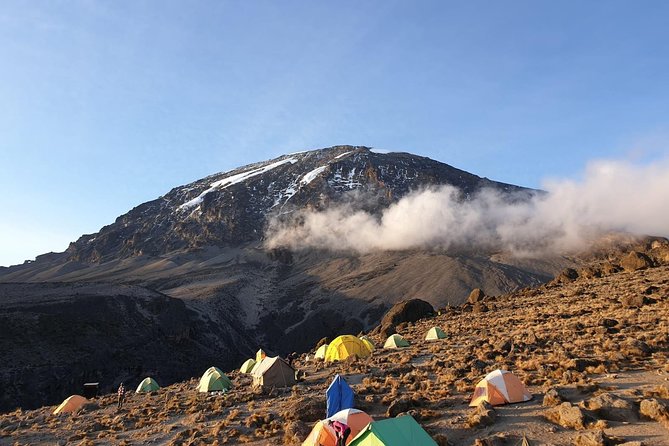
Kilimanjaro’s Machame Route gives you a proper mountain journey, not a quick walk to a viewpoint. In seven days, you move from tropical forest to high volcanic country, sleep in camps, cross the Barranco Wall, and make a midnight push for the summit. I like the route’s gradual climb and the useful acclimatization stop at Lava Tower. I also like that meals, camping equipment, porters, a chef, and a guide are part of the package.
The main concern is cost clarity. The listed price is $1,200 per person, but national park fees and tax are not included, which can change the final bill. The summit day is also a serious test: up to 14 hours on foot, with a steep 1,100-meter ascent before the descent even begins.
Key points to know before booking
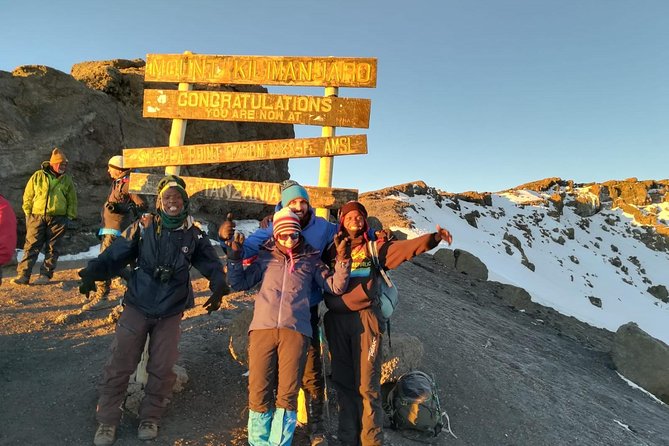
- Seven days on the Machame Route: You pass through rainforest, Shira, Lava Tower, Barranco, Karanga, Barafu, and Mweka camps.
- A demanding summit day: Day six begins just after midnight and can last 10 to 14 or more hours.
- Good acclimatization design: The route climbs to Lava Tower before dropping to Barranco Camp.
- Support on the mountain: A guide, porters, chef, tent, sleeping mattress, and meals are included.
- A personal guide team may be available: Victor and Tyson are named as members of the team working with Thomas.
- Important extra cost: National park fees and tax are excluded, so confirm the full amount before paying.
What the seven-day Machame climb is really like
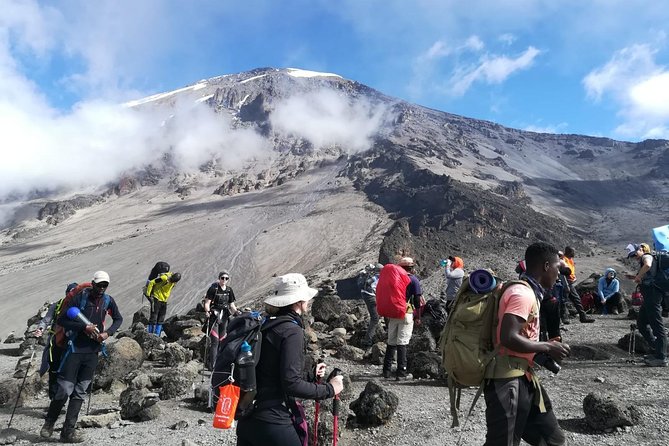
Machame is often chosen for its changing scenery and steady altitude profile. You do not simply walk uphill for a week. The route rises, drops, and rises again, giving your body more time to adjust than a very short climb would.
That does not make it easy. The itinerary includes several long days, rough and steep sections, cold high camps, and a summit push that starts while most people are asleep. You need a moderate level of physical fitness, but the greatest challenge is often the length of the effort and the altitude rather than speed.
The schedule begins at 8:30 a.m. Pickup is offered, which is useful if you are staying in Moshi or nearby. The actual group size is not specified, and the activity allows up to 100 participants. That is a maximum, not a promise that your climbing party will contain 100 people, so ask about the expected group size and guide-to-climber ratio before booking.
More Kilimanjaro climbs around the world:
- 8-Day Small-group Lemosho Kilimanjaro Summit Trekking
★ 5.0 · 186 reviews - Kilimanjaro 7 Day Private Trekking Experience
★ 5.0 · 40 reviews - 7 Days Kilimanjaro trek via Machame route
★ 5.0 · 13 reviews
Day one: Machame Gate and the rainforest
The first day starts with a drive to Machame Gate. Registration comes before the hike, so do not expect to step out of the vehicle and immediately hit the trail. Once the formalities are complete, you begin through tropical rainforest toward Machame Camp.
The walk takes about seven hours. Compared with later days, this is a gentle opening, but it is still a full day on foot. The forest gives you shade and a softer start, with possible sightings of colobus monkeys and wild birds. Those sightings are not guaranteed, but the forest itself makes a strong first impression.
Machame Camp is your first overnight stop. Dinner and camping are provided. Since the package includes a tent and sleeping mattress, you do not need to arrange those basic items separately, though you should confirm exactly what personal sleeping gear you must bring.
I like this first day because it eases you into the climb. You get time to settle into the walking pace, meet the support team, and learn how the camp routine works. The drawback is simple: seven hours is still a long first hike, especially after transport and registration.
Day two: The climb to Shira Camp
From Machame Camp, the trail crosses a stream and follows a steep, rocky ridge. The route criss-crosses the slope before reaching Shira Camp, which sits at the base of a semi-circular rock wall.
This day takes about five hours, making it shorter than day one. Do not mistake shorter for effortless. The rocky ridge and uphill route require careful footing, and the altitude begins to matter more as you leave the forest behind.
Shira brings a different setting from the damp woodland below. You are now in open high mountain country, with wider views and less shelter. The change helps you see how quickly Kilimanjaro’s plant life and weather shift with height.
Dinner and overnight camping are at Shira. You should use this evening to eat well, drink what your guide recommends, and rest. The itinerary does not list a special acclimatization walk here, so the best use of your energy is to prepare for the next day.
Day three: Lava Tower, then down to Barranco
Day three is one of the most useful parts of the route for altitude adjustment. You climb from Shira to Lava Tower at about 15,000 feet, then descend to Barranco Camp.
The walking time is listed as six hours. The important detail is not just the distance. You gain considerable height, spend time at Lava Tower, and then sleep lower at Barranco. This climb-high, sleep-lower pattern is a sensible feature for a high-altitude trek.
After Lava Tower, the route continues down toward Barranco and passes the Great Barranco Wall. Barranco Camp is described as one of the best camps on the mountain, and its position gives the day a strong finish after the high point at Lava Tower.
You may feel the altitude here. Headaches, tiredness, or shortness of breath can affect some people, and you should report symptoms to your guide rather than trying to hide them. The package includes a guide and porters, so use that support. A good guide is not only there to lead the way, but also to help you judge when to slow down or rest.
More week-long treks around the world
- Pokhara: 7 Day Annapurna Base Camp Trek
★ 4.9 · 38 reviews - Pokhara: 7-Day Annapurna Base Camp Trek & Natural Hot Spring
★ 5.0 · 11 reviews - Pokhara: Amazing 7-Day ABC Trek with Natural Hot Spring
★ 5.0 · 5 reviews - Pokhara: 7-Day Annapurna Base Camp Trek & Hot Spring
★ 4.0 · 3 reviews
Day four: Up the Barranco Wall to Karanga
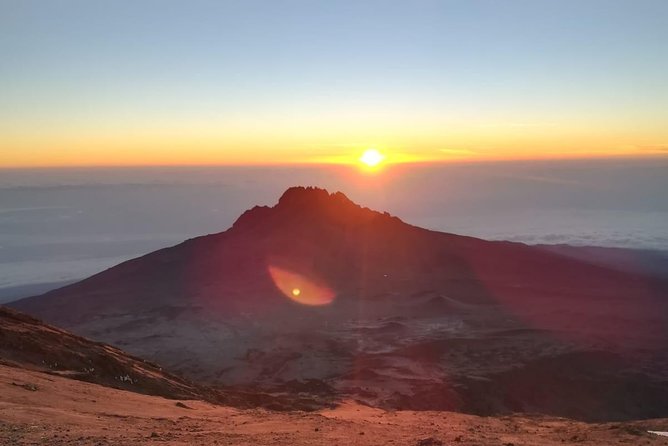
The fourth morning begins with the Barranco Wall. This is a steep, tough section, but it is also one of the most memorable parts of the route. The trail climbs along the edge of the wall before reaching the top, where the views reward the effort.
The day lasts about seven hours and ends at Karanga Camp. After the steep morning, the route continues through high mountain terrain toward camp. You should expect a demanding day, but not the extreme duration of summit day.
The Barranco Wall can sound intimidating when reduced to a name. The practical point is that you need steady feet, patience, and comfort with a steep trail. You do not need to rush. Let the guide set the pace, and keep your hands free for balance by using a small daypack rather than carrying loose items.
Karanga is an important rest point before Barafu. Eat dinner, organize your summit clothing, and make sure your essential items are easy to reach. The next camp is the launch point for the final ascent.
Day five: Karanga to Barafu Camp
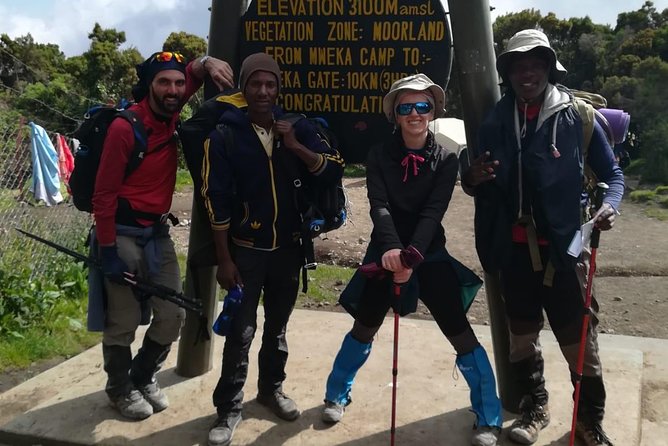
Day five is a shorter five-hour climb to Barafu Camp, the final camp before the summit attempt. The shorter schedule is welcome because you need to preserve energy for the night ahead.
Barafu means you are close to the summit, but it is not a relaxed finish. The camp is high, and the cold, altitude, and anticipation can make rest difficult. The itinerary specifically tells you to get plenty of rest, and that is sound advice. You may have only a short window before leaving after midnight.
Use this afternoon and evening carefully. Eat the included dinner, drink enough, check your layers, and keep your headlamp or other required personal items close by. The provided information does not list a personal equipment checklist, so ask Kilinge Adventures what you must bring for the summit night.
This is also the right time to confirm the morning plan. The summit attempt is listed to start just after midnight, but the exact departure time may depend on the group and conditions. Ask your guide when you will wake, when food will be served, and how your bags will be handled.
Day six: The summit push and descent to Mweka
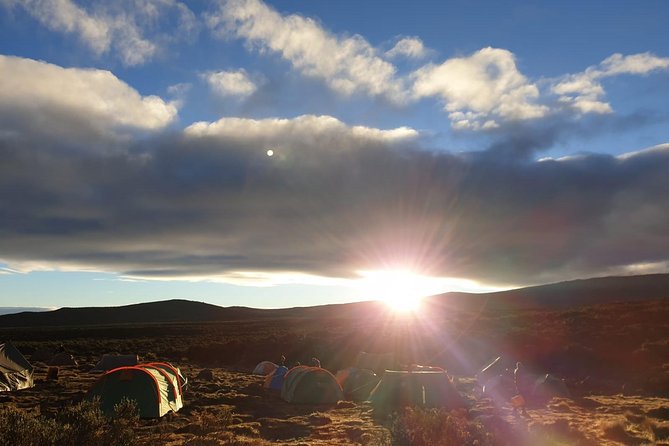
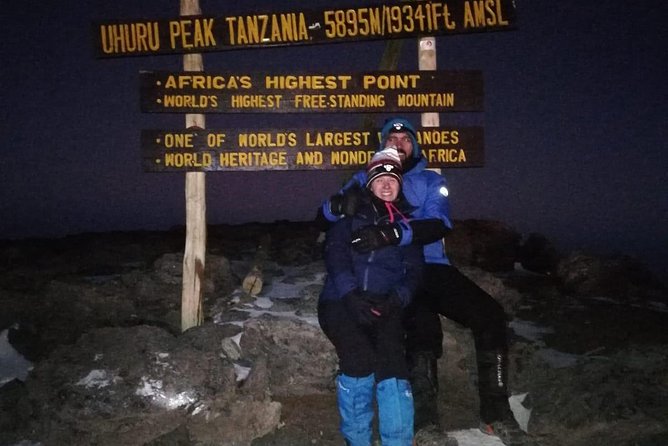
Day six is the hardest part of the trip by a wide margin. You start just after midnight and walk for 10 to 14 or more hours. The ascent to the summit gains about 1,100 meters in a little over three kilometers, or 1.86 miles, and may take six to eight hours.
The goal is to reach the summit in time for sunrise over the Great Rift Valley. That timing gives the climb a clear reward, but it also explains the early start. You will be walking uphill in darkness, at high altitude, after only a short rest at Barafu.
At the summit, you have time for photographs and the sunrise before turning around. The descent is not a minor add-on. After the climb up, you continue down below the tree line and sleep at Mweka Camp.
The total duration makes this day physically and mentally demanding. You should not judge the climb only by the distance. A 10 to 14 hour day combines darkness, cold, steep ascent, altitude, the summit stop, and a long descent. If you are not comfortable with that level of effort, ask if a different schedule or route is more suitable before booking.
Dinner and overnight camping at Mweka give you a proper finish to the mountain section, but do not expect to feel fresh. The value of having porters and a chef is especially clear on this day. Your energy can go toward walking rather than carrying a full camping load or preparing meals.
Day seven: Mweka Gate and the return to Moshi
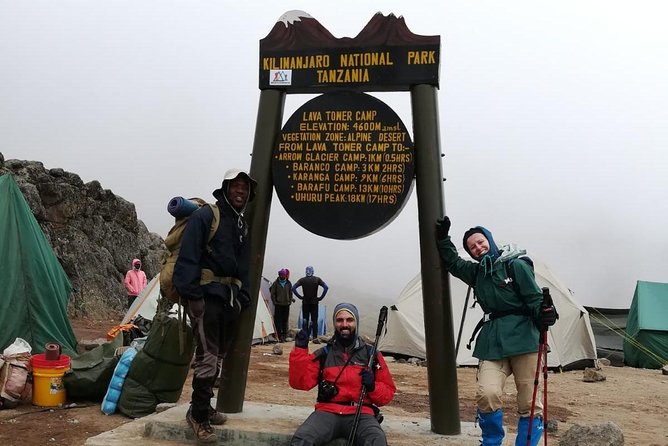
The final day is a short three-hour walk through lush forest. You descend to Mweka Park Gate, where the driver meets you for the return to your hotel in Moshi or Arusha.
The listed duration is four hours, which likely allows time for reaching the gate, meeting the vehicle, and completing the departure process. Since the exact transfer details are not given, confirm where you will be dropped off and whether the return is to Moshi, Arusha, or depends on your booking.
This final walk is useful because it avoids ending the trip with a long vehicle transfer from a high camp. You get one last forest section, then a clear transition from trail life back to town.
Guides, porters, meals, and camp support
The package includes a guide, porters, and a chef. It also includes a tent, sleeping mattress, breakfast on six mornings, lunch on all seven days, and dinner on six nights.
That is a meaningful part of the price. On a Kilimanjaro climb, support is not a small extra. Porters handle camping equipment and group supplies, while the chef prepares meals during a demanding week. You should still ask how much of your personal luggage you may hand to the porters and what daypack weight is expected.
The names Victor, Tyson, and Thomas are associated with the guiding team. If personal support matters to you, ask whether Victor and Tyson will be leading your departure and what role Thomas will have. The strongest praise connected to the experience focuses on their care during a difficult climb, especially for a climber who did not consider herself physically strong.
That detail matters. You should not assume that a successful summit requires athletic speed. A steady pace and strong support can help, but nobody can remove the effects of altitude or the long hours. Be honest about your fitness and any medical concerns before setting out.
Is $1,200 good value?
At $1,200 per person, the trip may offer solid value for a seven-day supported climb, since it includes the mountain crew, camping basics, and all listed meals. You are paying for logistics on a major mountain, not only for a walking route.
The price needs careful checking, however. National park fees and tax are specifically excluded. Those charges can be a large part of a Kilimanjaro budget, so do not compare $1,200 with an all-inclusive price from another operator until you know the final total.
Tipping and gratuity are also excluded. Travel insurance is not included either. The best financial question to ask is not simply What is the advertised price? Ask for a written breakdown covering park fees, tax, tips, insurance requirements, transfers, and any equipment not supplied.
The free cancellation policy allows a full refund if you cancel at least 24 hours before the start time. Changes or cancellations inside that window are not accepted and are not refunded. If poor weather causes the operator to cancel, you are offered another date or a full refund.
Who should choose this Machame itinerary?
I would consider this route if you want a full Kilimanjaro experience with a clear camp-to-camp schedule and a gradual move from forest to high mountain terrain. The Lava Tower section and the overnight stops at Barranco, Karanga, and Barafu give the week a useful rhythm.
It suits you best if you can handle long days, steep trails, basic camping, and a midnight summit attempt. A moderate fitness level is required, and you need the patience to walk slowly at altitude.
I would be cautious if you want a soft adventure, private comfort, or a short summit outing. Day six is not negotiable in spirit, even if the exact timing changes. You need to accept that the summit day can last most of the day and that the final cost is higher than the headline price once excluded charges are added.
Should you book it?
Book this Machame climb if you value a supported seven-day route, like changing mountain scenery, and are willing to prepare for a difficult summit day. The included guide, porters, chef, tent, mattress, and meals make the package practical, while the names Victor, Tyson, and Thomas give you useful people to ask for when confirming your team.
Before paying, get the full price in writing, ask about the expected group size, confirm who will guide your departure, and request a personal equipment list. If the answers are clear and you are comfortable with the 10 to 14 hour summit day, this is a sensible route for a first Kilimanjaro attempt. If you are mainly attracted by the $1,200 figure, pause until the park fees and tax are added.
FAQ
How long is the Machame Route experience?
The experience lasts seven days, including the hike from Machame Gate and the final descent to Mweka Gate.
Where does the trek begin?
The trek begins with a drive to Machame Gate from the Moshi area. The listed meeting start time is 8:30 a.m., and pickup is offered.
Where does the trek finish?
The walking portion ends at Mweka Park Gate. A driver then takes you back to a hotel in Moshi or Arusha.
What is included in the price?
Camping equipment, a tent, sleeping mattress, guide, porters, chef, six breakfasts, seven lunches, and six dinners are included.
Are national park fees included?
No. National park fees and tax are not included in the listed price.
How difficult is the trek?
A moderate level of physical fitness is required. The hardest day begins just after midnight and can last 10 to 14 or more hours.
What happens on summit day?
You climb from Barafu Camp toward the summit, gaining about 1,100 meters in a little over three kilometers. The ascent may take six to eight hours, followed by photographs, a descent, and an overnight stay at Mweka Camp.
Can I cancel for a full refund?
Yes, if you cancel at least 24 hours before the experience start time. Cancellations or changes made less than 24 hours before the start are not refunded, while a weather cancellation by the operator results in another date or a full refund.
New treks around the world
- Sapa: 2-Day Local Guided Valley Trek with Night Homestay★ 5.0 · 27 reviews
- SAPA: 1-DAY TREKKING TOUR WITH LOCALS, LUNCH & RICE FIELDS★ 4.7 · 18 reviews
- Sapa: 2-Day Local Guided Valley Trek with Night Homestay★ 4.8 · 5 reviews
- Santa Marta: Trekking in Minca Complete Waterfall Circuit★ 4.4 · 28 reviews
- Santiago: Longueira, Pico de Antónia & Monte Tchota Trek★ 4.8 · 10 reviews
- Santiago: Trek from Serra Malagueta to Rabelados Community★ 5.0 · 16 reviews
- Santiago Island: Serra Malagueta & Tarrafal Beach Trek Tour★ 4.8 · 61 reviews
- Santa Marta: Multi-Day Trek to The Lost City★ 4.8 · 40 reviews
Kilimanjaro Climbs, side by side.
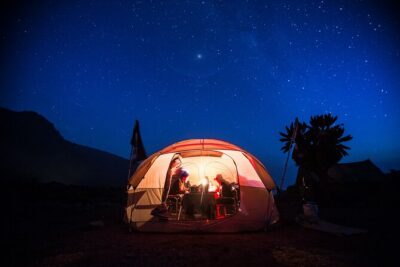
8-Day Small-group Lemosho Kilimanjaro Summit Trekking
Read our review →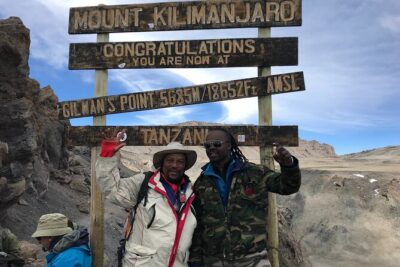
Kilimanjaro 7 Day Private Trekking Experience
Read our review →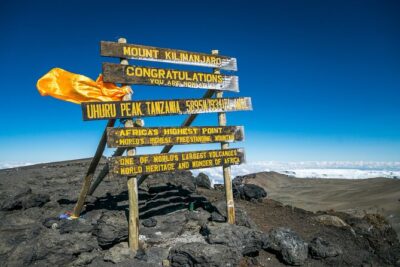
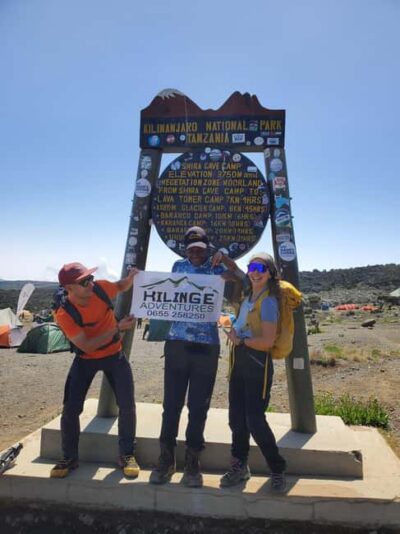
#1. Best 7 days kilimanjaro trek Machame route join group
Read our review →Lists this trek appears in