
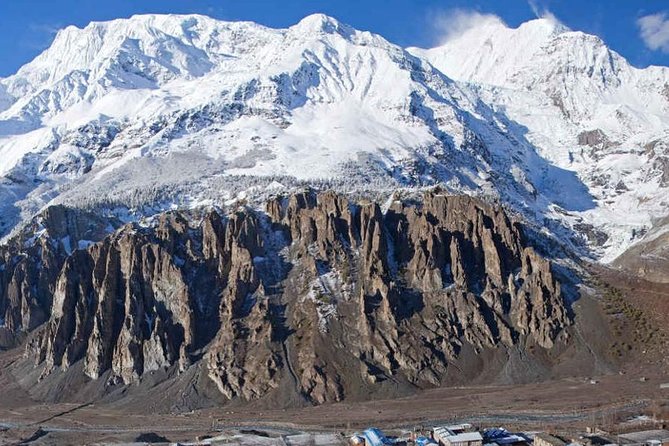
Review · KATHMANDU
Annapurna Base Camp Trek- 11 Days
Annapurna Base Camp is the prize here: a high mountain bowl ringed by Himalayan peaks, reached on foot through villages, forests, stone steps, and simple teahouses. This 11-day plan keeps the route focused, with two nights in Kathmandu, one night in Pokhara, and the main trek between Ghandruk and ABC.
I like the private format, because your group can move at its own pace and speak directly with the guide. I also like the practical package: airport transfers, domestic flights, lodging, meals on the trek, and a porter are included. The main consideration is the altitude and the long walking days, especially the 7 to 8-hour return from base camp.
Key points to know before booking
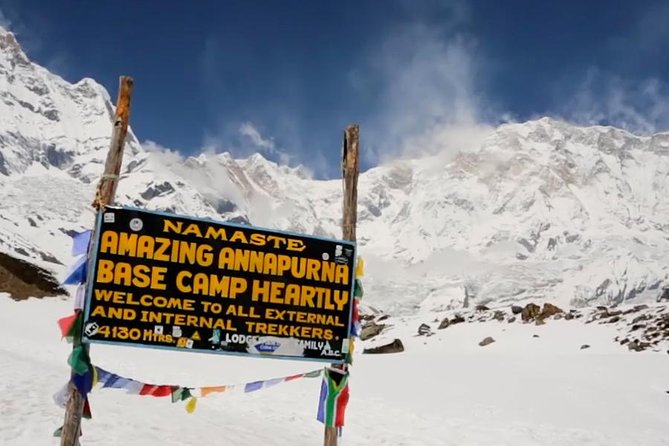
- Annapurna Base Camp reaches 4,130 meters, so this is a serious mountain walk, not a casual day hike.
- The route passes through Gurung, Magar, and Thakali villages, giving the trek a strong cultural side as well as big mountain views.
- Flights connect Kathmandu and Pokhara, saving road time and making this practical for a short Nepal visit.
- Teahouse lodging and all trekking meals are included, but hot showers, bottled water, laundry, desserts, and battery charging cost extra.
- One porter serves two trekkers, while an English-speaking, government-licensed guide leads the group.
- The itinerary is private, so only your own party participates, with group discounts available.
Reaching the Annapurna trail in 11 days
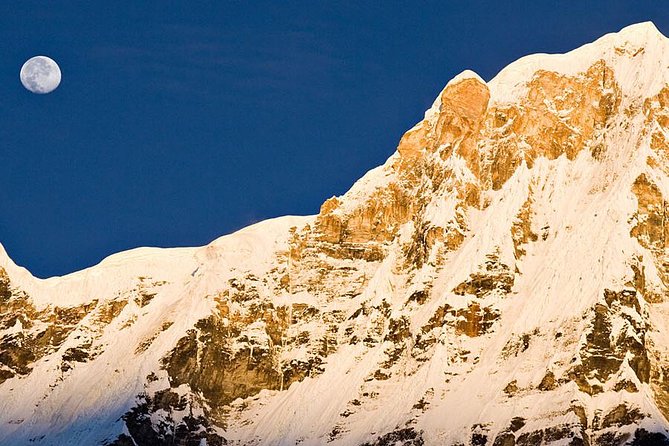
This trip is designed for someone who wants a complete Himalayan experience without spending several weeks on the trail. You fly between Kathmandu and Pokhara, then walk from the hill village of Ghandruk to Annapurna Base Camp and back through the Modi Khola valley.
At $999 per person, the price covers a great deal: airport pickup and drop-off, two Kathmandu nights, one Pokhara night, domestic flights, teahouse rooms, trekking meals, a guide, porter service, staff expenses, local taxes, and tea or coffee. You still need to budget for your Nepal visa, international flights, insurance, personal drinks and services, and tips.
I see the value most clearly in the logistics. Nepal trekking can involve several small arrangements, and here the operator handles the main transfers and accommodation. You are not left to arrange the Kathmandu to Pokhara flight, the Pokhara transport, or the porter system on your own.
The tradeoff is that $999 is not an all-inclusive holiday. Extra nights, rescue insurance, bottled or boiled water, showers, phone calls, laundry, and battery charging are outside the package. Carry some local currency for these costs and for tips.
More Annapurna treks around Kathmandu:
- Annapurna Circuit Trek with Tilicho Lake
★ 5.0 · 368 reviews - Annapurna base camp trek 5 Days
★ 5.0 · 252 reviews - 14-Day Private Annapurna Base Camp Trek
★ 5.0 · 180 reviews
Day 1: Kathmandu arrival and a Nepalese welcome
You arrive in Kathmandu at about 1,300 meters, where an Alpine Club of Himalaya representative meets you at the airport and transfers you by private vehicle. That is a useful start after a long international flight, especially if this is your first visit to Nepal.
Your first night includes a welcome dinner with authentic Nepalese food. It is a small but worthwhile introduction before the walking begins. The plan gives you two Kathmandu nights in total, though the second comes after the trek.
The listed starting point is Alpine Club of Himalaya Pvt. Ltd. on Bagawan Bahal Marg in Kathmandu. The experience ends back at this meeting point before your final airport transfer.
Day 2: A quick flight to Pokhara, then Ghandruk
The 30-minute flight from Kathmandu to Pokhara gets you close to the Annapurna region without using most of a day on the road. Pokhara sits at about 823 meters, much lower than Kathmandu, and serves as the gateway for the walking portion.
From Pokhara, you travel toward the trailhead and trek for roughly 5 to 6 hours to Ghandruk at 1,940 meters. Ghandruk is one of the route’s most appealing village stops, with strong Gurung cultural links and a traditional mountain setting.
This first walking day is not simply a warm-up. You gain elevation and spend several hours on foot, so comfortable boots and a sensible pace matter. Your guide should help set that pace, but you still need to speak up if your legs or breathing are struggling.
You spend the night in a teahouse. Teahouses are basic mountain lodges, usually built around a common dining area with simple sleeping rooms. They are part of the experience, but you should not expect city-hotel facilities.
Day 3: Ghandruk to Chhomrong, 5 to 6 hours
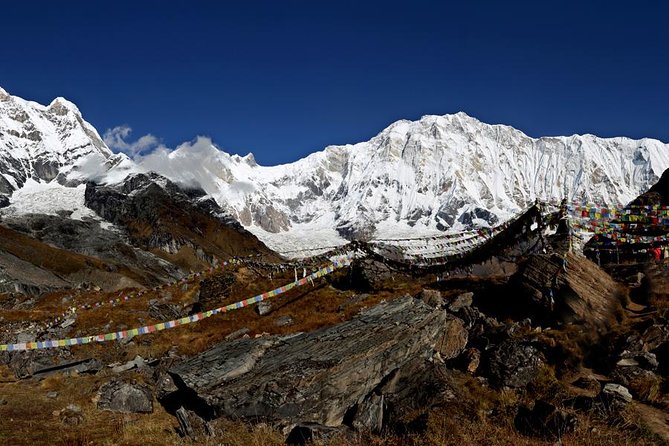
The route continues from Ghandruk to Chhomrong, rising to about 2,170 meters. This is another 5 to 6-hour day, with village paths and mountain scenery replacing roads and city noise.
Chhomrong is an important stop on the route to ABC. It is a good place to settle into the rhythm of early starts, steady climbs, meal breaks, and shared teahouse evenings.
I like this section because the villages are not just overnight labels on a schedule. The route connects communities associated with Gurung, Magar, and Thakali culture, and a local guide can explain more than a signboard ever will.
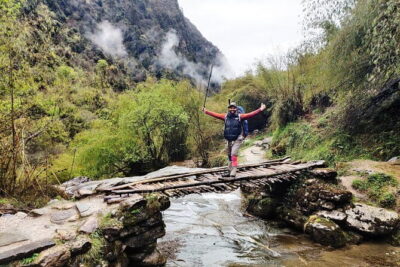
The practical challenge is the repeated up-and-down walking. Nepal trails often include stone steps and uneven sections, and the distance figures do not tell the whole story. Keep your daypack light and use trekking poles if you normally rely on them.
More treks around Kathmandu:
- Everest Base Camp Trek – 14 Days
★ 5.0 · 1,499 reviews - Everest Base Camp Trek
★ 5.0 · 842 reviews - Everest Base Camp Trekking
★ 5.0 · 485 reviews - Everest Base Camp Trekking – 13 Day
★ 5.0 · 365 reviews
Day 4: Chhomrong to Bamboo through the valley
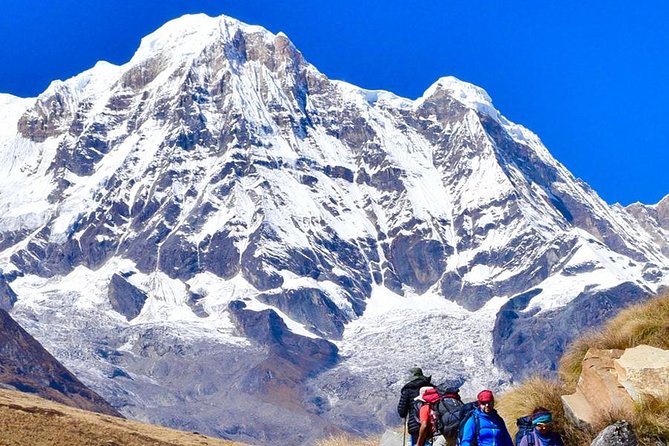
From Chhomrong, you walk 4 to 5 hours to Bamboo at about 2,310 meters. The route begins to feel more enclosed as you move into the valley leading toward the sanctuary.
Bamboo is a simple overnight stop, and the name reflects the type of vegetation found along this part of the route. You are now farther from road access and increasingly dependent on the teahouse system for food, warmth, and sleep.
This is a shorter day on paper, which helps before the route climbs higher. Still, the trail can feel demanding after several walking days. Use the evening to eat well, drink enough, and prepare clothing for colder conditions.
All breakfast, lunch, and dinner during the trek are included, along with a cup of tea or coffee. That is convenient, though you pay separately for bottled or boiled water and other drinks.
Day 5: Bamboo to Deurali at 3,230 meters
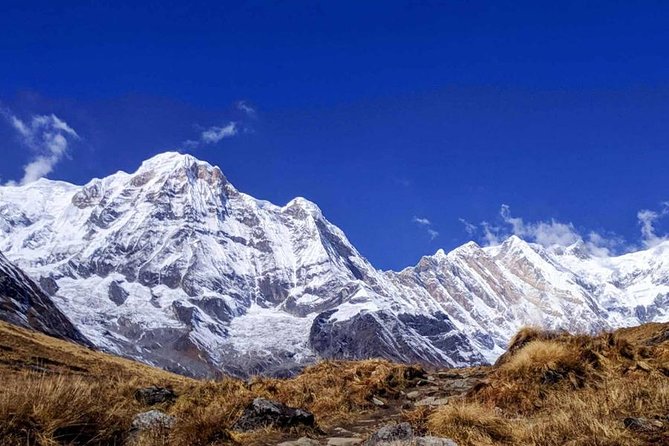
The 3 to 4-hour walk from Bamboo to Deurali brings you to about 3,230 meters. This is where altitude deserves more attention. You are not yet at base camp, but the air is thinner and the nights are colder than in the lower villages.
Deurali is a useful staging point before the final push to Machhapuchhre Base Camp and Annapurna Base Camp. The shorter walking time allows you to arrive with energy for the next day.
Do not treat this shorter schedule as permission to race. A slow pace, regular water breaks, and honest communication with your guide are more useful than trying to arrive first. The package includes staff support and a government-licensed guide, but no itinerary can remove the physical demands of altitude.
Travel insurance with trekking and rescue coverage is not included. I would consider that essential preparation for a high-altitude trek.
Day 6: Machhapuchhre Base Camp and Annapurna Base Camp
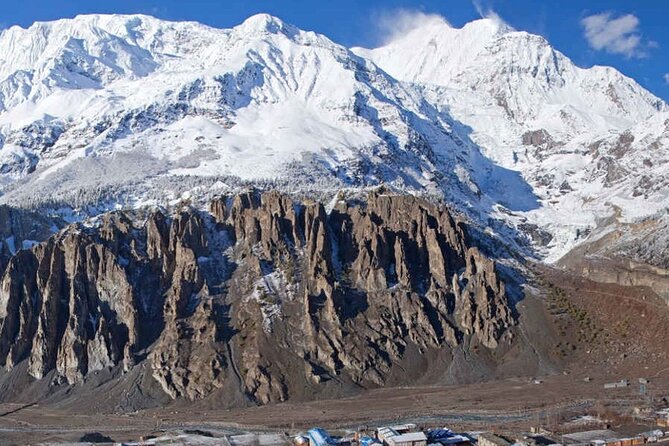
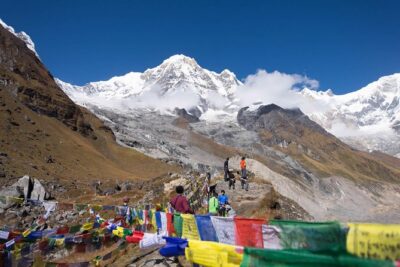
This is the central day of the trip. From Deurali, you walk 5 to 6 hours to Annapurna Base Camp at 4,130 meters, passing Machhapuchhre Base Camp at about 3,700 meters.
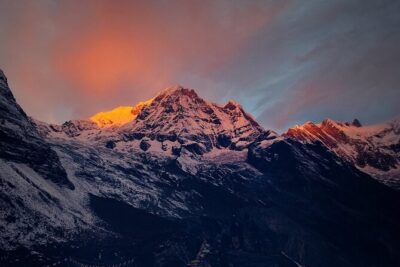
Machhapuchhre is known as Fishtail Mountain, and its base camp is a major viewpoint before the route enters the Annapurna Sanctuary. At ABC, the mountains surround you on a much larger scale, creating the dramatic payoff for the preceding days.
The altitude means you should keep expectations realistic. Some people reach the base camp feeling strong, while others find the final section slow and tiring. The aim is not speed. It is to arrive safely, take in the peaks, and allow the guide to monitor how you are doing.
You spend the night at or near Annapurna Base Camp in a teahouse. Facilities are basic, and temperatures can be cold. Pack warm layers, gloves, a hat, and a sleeping bag suitable for mountain conditions, even though the specific equipment list is not stated in the package details.
Day 7: The long descent to Bamboo
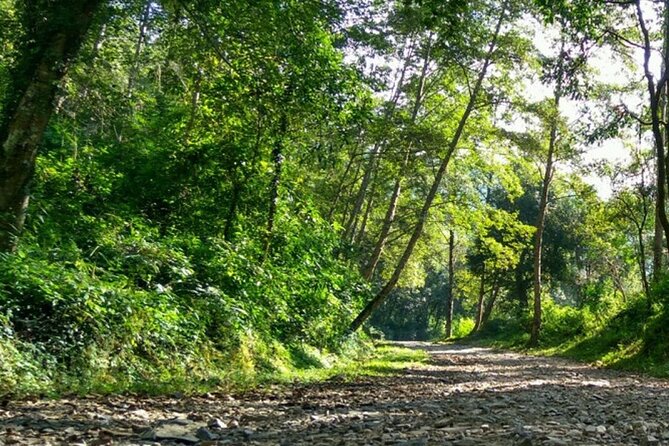
The return from Annapurna Base Camp to Bamboo takes about 7 to 8 hours. This is the longest walking day listed, and it deserves more respect than the distance on the way up.
Descending can be hard on knees and ankles, particularly after a night at high altitude. Trekking poles can help, and you should keep your footing careful on stone steps and uneven trail sections.
The advantage is that you lose elevation, so breathing generally becomes easier as the day goes on. Bamboo gives you a welcome chance to rest in a lower, warmer setting after the base camp night.
This day also shows why the private arrangement can be useful. A private guide can help adjust the pace of your group and deal with small problems as they arise. Past departures have specifically praised guide Tsiring for patience and assistance, though the guide assigned to your trip may be different.
Day 8: Bamboo to Jhinu Danda and its hot springs
The route leaves Bamboo for Jhinu Danda, at about 1,760 meters, in another 5 to 6-hour walking day. The descent brings a noticeable change in temperature and vegetation.
Jhinu Danda is best known as a stop near natural hot springs. The supplied schedule names the village but does not specifically promise a hot-spring visit, so ask the operator if that stop is part of your day’s plan before you book.
This is one of the more relaxing sections because the hardest high-altitude portion is behind you. Still, the descent continues to test your legs, and you may be tired by the time you reach the teahouse.
The cultural side remains important here. Villages are not museum displays. They are working communities, and staying in teahouses lets you see a small part of daily mountain life through local food, lodging, and conversation.
Day 9: Walking to Naya Pul and driving to Pokhara
You trek for about 6 hours to Naya Pul, then drive approximately 1 hour to Pokhara in a private vehicle. This transition from trail to road can feel abrupt, but it is an efficient way to finish the walking route.
Pokhara gives you a softer landing after the mountains. The package includes one night there with breakfast, giving you time to rest before the flight to Kathmandu.
The road conditions and exact timing can vary, and the schedule does not promise a set arrival hour. Build flexibility into your plans, especially if you have an international flight immediately after returning to Kathmandu.
Day 10: Flying back to Kathmandu
You fly from Pokhara to Kathmandu and spend the night in Kathmandu. Breakfast is included with the Kathmandu accommodation, while lunch and dinner in the city are your responsibility.
This spare evening is useful. You can rest, collect your luggage, and leave room for delays in the domestic flight system. It also gives you time to enjoy Kathmandu beyond the trail, perhaps around Thamel or Boudhanath, both mentioned as places enjoyed during past trips, though sightseeing is not formally included in the trek.
Day 11: Airport transfer and departure
On the final day, an Alpine Club of Himalaya representative transfers you to the airport by private vehicle. Breakfast is included, and the scheduled experience ends back at the Kathmandu meeting point before departure.
Do not add a tight international connection without checking the timing carefully. The itinerary includes the flight back to Kathmandu on Day 10, but domestic flights can still be affected by local conditions. An extra night in Kathmandu is not included if you need one because of an early arrival, late departure, or an early return from the mountains.
Teahouses, meals, porters, and guide support
The lodging is practical rather than luxurious. You sleep in teahouses throughout the trek, with two Kathmandu nights and one Pokhara night included in accommodation with breakfast.
The trekking price includes breakfast, lunch, and dinner, plus tea or coffee. Food choices in the mountains may be simpler than in Kathmandu, and personal extras are not covered. Budget for water, showers, snacks, desserts, charging, and laundry.
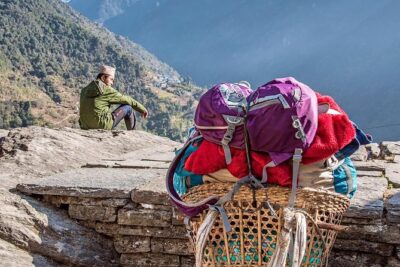
One porter is provided for every two trekkers. That arrangement reduces the load you carry, but you should confirm the expected baggage limit before departure because excess baggage charges are excluded.
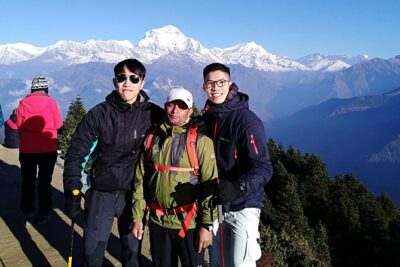
Your guide is English-speaking and government licensed. The strongest service theme connected with this operator is personal attention: friendly guides, helpful porters, quick responses, and careful coordination. Sujan is a name associated with trip coordination, while Tsiring has led some ABC departures. Ask who will lead your specific group and how communication works before you leave.
Who should book this ABC trek?
I would recommend this trek to a person with moderate physical fitness who wants a structured route rather than a self-guided walk. You need to manage 3 to 8 hours of hiking on most trekking days, with the highest point at 4,130 meters.
It suits first-time Himalayan hikers who want a guide and porter, and it also works well for a small private group. The operator has handled customized plans in the past, including a route through Poon Hill, but that variation is not part of this standard 11-day schedule.
I would hesitate to recommend it to anyone seeking a relaxed holiday with hotel comforts. The altitude, basic teahouses, long return day, and uncertain mountain conditions require flexibility.
What the $999 price really buys you
The strongest value comes from combining the trek with the main Nepal logistics. Airport pickups, flights, private ground transport, accommodation, meals on the trail, guide service, porter service, staff expenses, and taxes are all bundled.
You should still create a separate spending plan for:
- Nepal visa and international airfare
- Travel and rescue insurance
- Lunch and dinner in Kathmandu and Pokhara
- Extra nights caused by schedule changes
- Bottled or boiled water
- Showers, laundry, phone calls, and battery charging
- Desserts, extra porters, and tips
Free cancellation is available if you cancel at least 24 hours before the experience begins. Changes or cancellations inside that period are not accepted for a refund.
Should you book the Annapurna Base Camp trek?
Book it if you want a focused private Himalayan trek with the major arrangements already handled. The route gives you mountain villages, teahouse life, a high base camp, and time in both Kathmandu and Pokhara without stretching the trip beyond 11 days.
I would choose it for the included flights, porter support, private format, and strong emphasis on friendly guide service. I would not choose it if you want guaranteed luxury, easy walking, or a fully prepaid holiday with no extra costs.
Before paying, confirm the assigned guide, baggage allowance, teahouse room arrangements, water costs, and the current flight schedule. If you are comfortable with moderate fitness demands and basic mountain lodging, this is a well-priced way to reach Annapurna Base Camp.
FAQ
How long is the Annapurna Base Camp trek?
The full experience lasts approximately 11 days, including arrival and departure days, two nights in Kathmandu, one night in Pokhara, domestic flights, and the trek.
How high does the trek go?
Annapurna Base Camp is at approximately 4,130 meters, or 13,545 feet. Machhapuchhre Base Camp is at about 3,700 meters.
Is this a private trek?
Yes. This is a private tour and only your own group participates.
Are flights between Kathmandu and Pokhara included?
Yes. The package includes flights from Kathmandu to Pokhara and from Pokhara back to Kathmandu.
Are meals included?
Breakfast, lunch, and dinner are included during the trek, along with tea or coffee. Breakfast is included with the Kathmandu and Pokhara accommodation. Lunch and dinner in Kathmandu and Pokhara are not included.
Is a guide and porter included?
Yes. The package includes an English-speaking, government-licensed guide and porter service at a ratio of one porter for every two trekkers.
What level of fitness is needed?
A moderate level of physical fitness is required. Walking days range from about 3 to 8 hours, and the route reaches 4,130 meters.
What happens if I cancel?
You can receive a full refund if you cancel at least 24 hours before the experience start time. Cancellations or changes made less than 24 hours before the start are not refunded or accepted.
New treks around Kathmandu
- Kathmandu or Pokhara: 5-Day Annapurna Base Camp (ABC) Trek★ 4.5 · 2 reviews
- Pokhara: 2 Day Ghorepani & Poon Hill Private Trekking★ 4.9 · 8 reviews
- From Kathmandu: 6-Day Langtang Valley Guided Trek★ 5.0 · 2 reviews
- Pokhara: 5-Day Annapurna Base Camp (ABC) Trek★ 5.0 · 9 reviews
- Kathmandu: Langtang Valley 6-Day all inclusive Guided Trek★ 5.0 · 2 reviews
- Kathmandu: 6 Days Langtang Valley Trek with Kyanjin Ri★ 5.0 · 7 reviews
- Kathmandu: 9- Day Annapurna Circuit Trek★ 5.0 · 2 reviews
- Kathmandu: 6-Day Limitless Langtang Trek★ 5.0 · 21 reviews
Annapurna Base Camp Treks, side by side.
Trekking in Annapurna/Langtang/Everest/Upper Mustang regions
Read our review →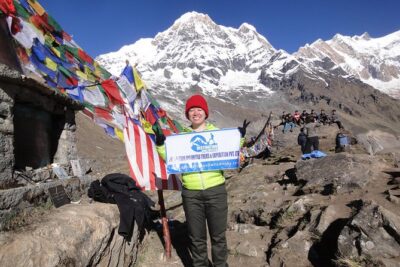
Kathmandu to Annapurna Base Camp (ABC) 5-Day Trek
Read our review →
Lists this trek appears in