
Review · NEPAL
Pokhara: 7 Day Annapurna Base Camp Trek
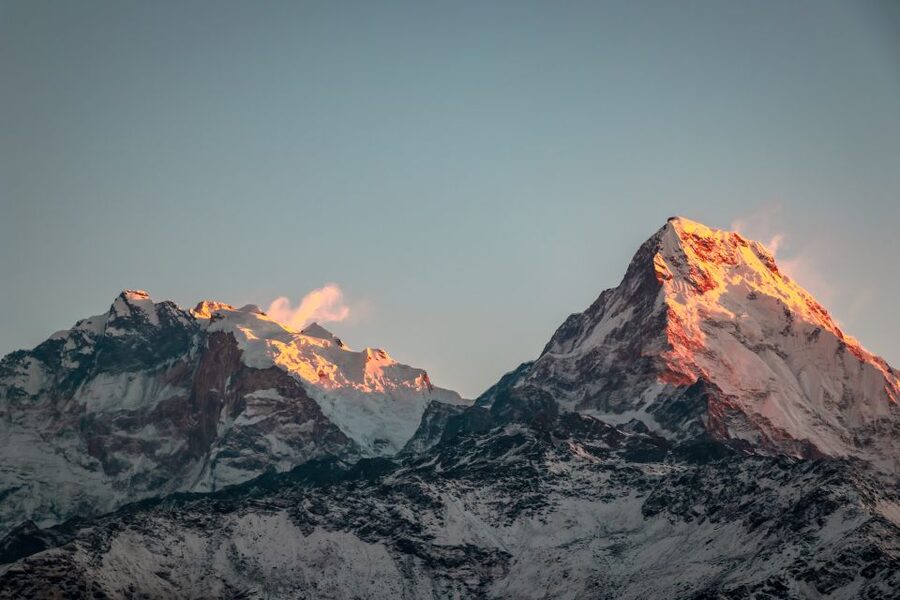
Annapurna Base Camp gives you something many Himalayan treks do not: a close look at a ring of huge peaks without a long expedition. In seven days, you walk from Pokhara through rice terraces, Gurung villages, thick forest, and the high mountain bowl beneath Annapurna I.
I like the private format, since guides such as Pratikshya, Deepak, Hari, Sandesh, and Paras have adjusted the pace for beginners, tired walkers, and people dealing with altitude trouble. I also like the hot springs at Jhinu Danda, a smart reward after several days of steep walking. The main catch is the quick climb to 4,130 meters, especially the Deurali to base camp section.
Key points before you book
- Reach 4,130 meters in four trekking days: The route moves quickly from Ghandruk to Annapurna Base Camp.
- Walk through several distinct settings: Expect terraced fields, Gurung villages, rhododendron and bamboo forests, rocky gorges, alpine meadows, and snow-covered peaks.
- Stay in standard tourist lodges: Private lodge accommodation is included, while meals and drinks are purchased along the way.
- Use a private guide and optional porter: A porter costs $15 per day, and trekking poles and a duffel bag are available if needed.
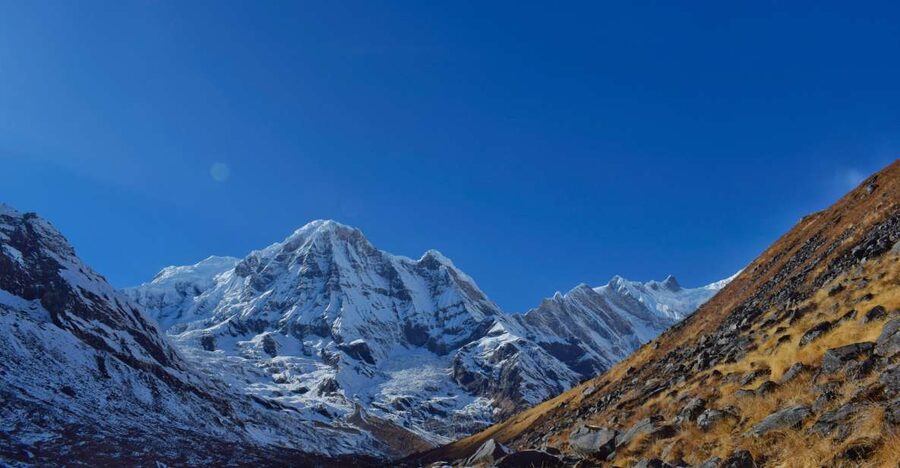
- See Machhapuchhre and Hiunchuli up close: The mountain views become more dramatic as you approach the base camp amphitheater.
- Finish with Jhinu hot springs: Day six offers a chance to soak beside the river before the final walk and drive to Pokhara.
Why this seven-day ABC route works
The Annapurna Base Camp trek is a strong choice if you want a serious Himalayan walk without committing to two weeks on the trail. You start near Pokhara, so the trip has a clear rhythm: a road transfer, several long walking days, one high point at base camp, then a downhill return.
The route is not a gentle stroll. You will climb and descend repeatedly, cross suspension bridges, and deal with a major altitude gain in a short time. Still, the private setup gives you more control than a fixed group departure. Your guide can slow the pace, stop when needed, or adjust the plan if you are unwell.
I particularly value the human side of this trek. The route passes through traditional Gurung settlements, where the villages and farms are part of the experience, not just scenery between mountain viewpoints. Guides such as Krishna, Bidur, Narayan, and Sangam Nepali have helped with pacing, local explanations, transport changes, and altitude concerns.
At $215 per person, the price is attractive for a private seven-day trek. It includes transport from Pokhara, permits, guide service, lodge accommodation, a first aid kit, luggage storage in Pokhara, and useful gear such as trekking poles and a duffel bag if required.
The price does not include meals, drinks, or a porter. Food costs will build over seven days, and you may want a porter if you prefer to carry only a daypack. At $15 per day, that is a fairly clear extra cost to plan for.
More Annapurna treks around Nepal:
- Annapurna Circuit Trek with Tilicho Lake
★ 5.0 · 368 reviews - Annapurna base camp trek 5 Days
★ 5.0 · 252 reviews - 14-Day Private Annapurna Base Camp Trek
★ 5.0 · 180 reviews
Day one: Pokhara to Ghandruk through farm country
Your first day begins with a private drive from your Pokhara lakeside hotel to Nayapool. From there, you start walking through villages and terraced fields before reaching Ghandruk at about 1,939 meters.
Ghandruk is one of the memorable stops on this route because it is a traditional Gurung village with broad views toward Annapurna South and Machhapuchhre, also called Fishtail. The first day gives you a sense of how people farm and live in the foothills before the trail enters thicker forest.
This is also a useful day to settle into your walking rhythm. The route includes uphill sections, but you are still at a relatively modest altitude. Take this day steadily rather than treating it as a race. Your guide can help set a pace that leaves you with energy for the harder middle section.
Day two: Ghandruk to Lower Sinuwa
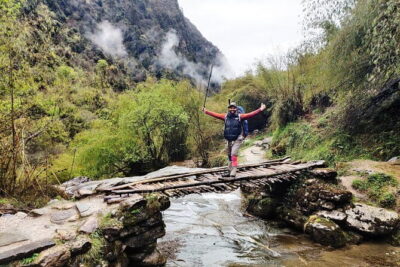
Day two combines uphill and downhill walking through rhododendron forest and small settlements. You also cross suspension bridges over the Modi Khola before reaching Lower Sinuwa at roughly 2,249 meters.
The river and forest keep the route changing. You are no longer simply walking through open farmland, but you have not yet reached the stark high-country setting near base camp. This mix is one reason the ABC route feels varied from day to day.
Lower Sinuwa is a useful overnight point because it puts you deeper into the Modi Khola valley. The walk can be tiring, especially when repeated climbs follow descents. A private guide is helpful here because the best pace is personal. Some people will want longer breaks, while stronger walkers may prefer to keep moving.
Day three: Sinuwa, Dovan, Himalaya, and Deurali
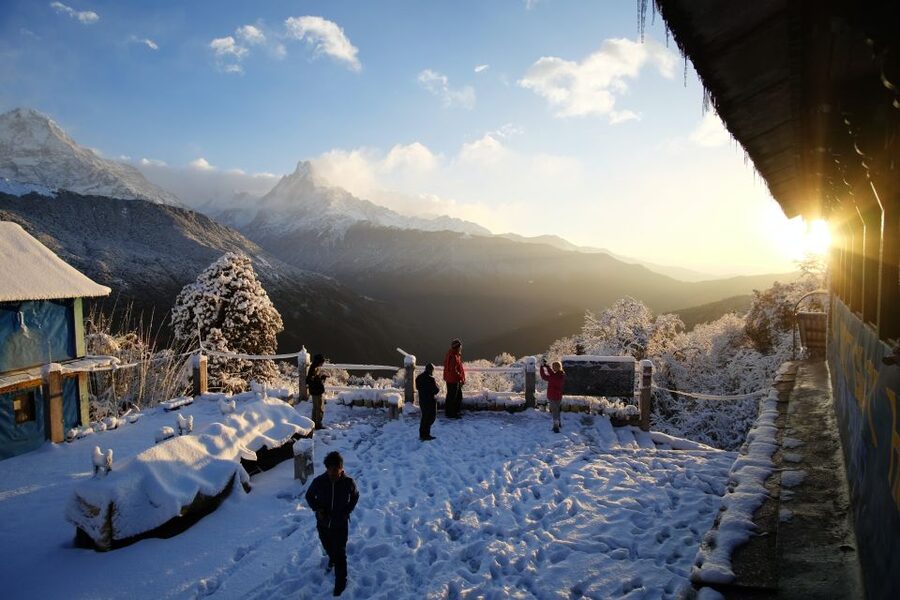
From Sinuwa, the trail follows the Modi Khola gorge through bamboo and oak forest. You pass Dovan and Himalaya before climbing to Deurali at about 3,230 meters.
This is one of the more enclosed days. The forest, cliffs, waterfalls, and river gorge create a dramatic setting, but the trail also feels more demanding as you gain height. The route is not only uphill, and those changes in grade can make the day feel longer than the distance suggests.
Deurali is where you should pay close attention to how you feel. One trekker had to stop here because of altitude sickness, and the guide arranged jeep transport and a revised plan. That is a useful reminder that reaching base camp is not more important than staying safe.
If you feel unwell, tell your guide early. Narayan, one of the guides on this route, helped replace a missed base camp finish with a walk to Poon Hill. The exact backup plan can vary, but the important point is that the private format allows sensible changes.
More week-long treks around Nepal
- Pokhara: 7-Day Annapurna Base Camp Trek & Natural Hot Spring
★ 5.0 · 11 reviews - Pokhara: Amazing 7-Day ABC Trek with Natural Hot Spring
★ 5.0 · 5 reviews - Pokhara: 7-Day Annapurna Base Camp Trek & Hot Spring
★ 4.0 · 3 reviews - Kathmandu: 7 Day Langtang Valley Trek
★ 4.2 · 3 reviews
Day four: Deurali to Annapurna Base Camp
This is the big day. You leave Deurali and climb through alpine meadows toward Machhapuchhre Base Camp, then continue to Annapurna Base Camp at 4,130 meters.
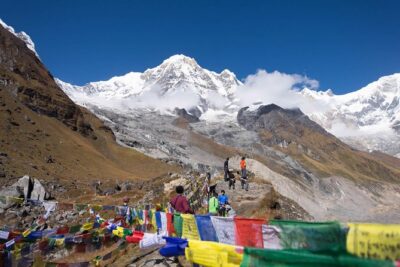
The scenery changes sharply as trees give way to open mountain country. You pass below the distinctive Machhapuchhre and begin to see the Annapurna range from a closer, more imposing angle. Hiunchuli and the surrounding peaks add to the sense that you are walking into a huge natural bowl.
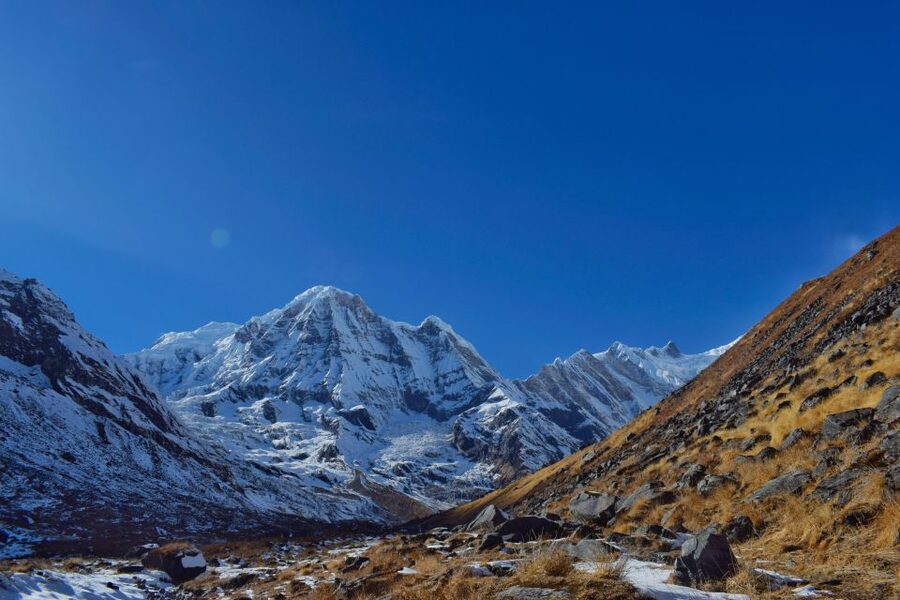
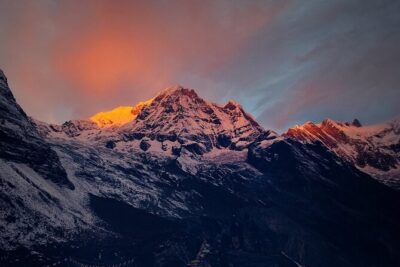
The base camp setting is the payoff. Peaks rise around you, and the scale of the Annapurna massif becomes hard to take in at once. Sunrise here is especially important, so keep your warm clothing close and be ready for an early start the next morning.
The drawback is the pace of the ascent. Going from 3,230 meters at Deurali to 4,130 meters at base camp in one day is a serious effort. Snow is possible near the higher section, depending on conditions and season. One February trek included snow on the approach and departure, which made the walk memorable but also underlines the need for suitable clothing.
Day five: Sunrise at base camp, then back to Sinuwa
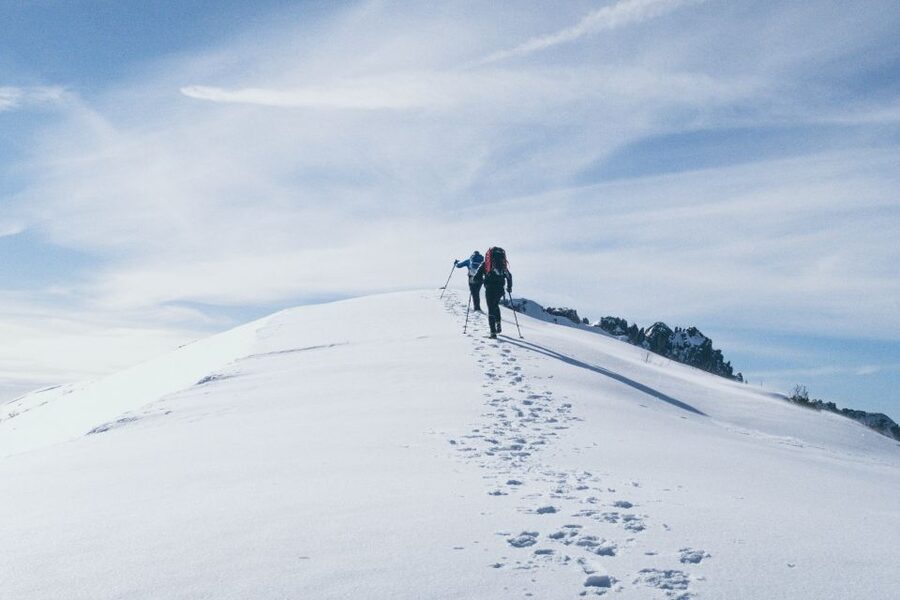
You wake at Annapurna Base Camp for sunrise over Annapurna I before retracing the route toward Sinuwa. The return drops through the alpine section and back into bamboo and rhododendron forest, ending around 2,249 meters.
The morning view is the reason to keep your camera and warm layers ready. After breakfast, the downhill route is easier on your lungs but can be hard on knees and thighs. Trekking poles are useful here, and they are available as part of the included equipment if needed.
Reaching Sinuwa on the same day makes this a long return, but it sets up a more relaxed final stretch. If you are tired after base camp, tell your guide. Guides including Paras and Bidur have adjusted walking speed and stops for people who were sick or less fit than expected.
Day six: Sinuwa to Jhinu Danda and the hot springs
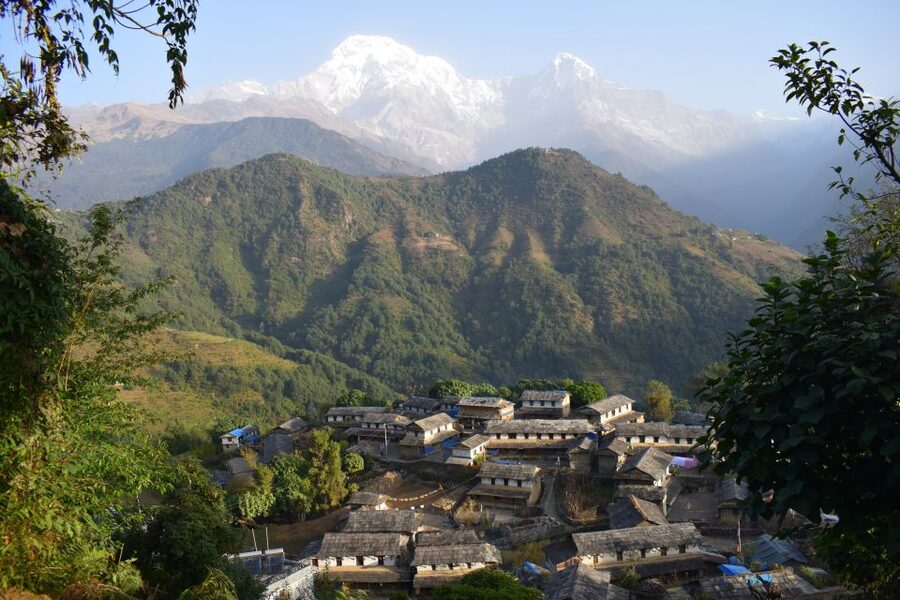
The trail descends to Jhinu Danda at around 1,760 meters. The main attraction is the natural hot springs beside the river, where you can relax aching muscles after the high point of the trek.
This is more than a pleasant extra. After the steep work of the previous days, a slow afternoon at the springs gives the trip a proper change of pace. Bring swimwear if you want to use them. The hot springs were a surprise addition for some walkers, but they are now one of the most useful features of the route.
Jhinu also gives you a final night in the hills before the return to Pokhara. The route after base camp is not all high mountain drama, and that is worth knowing. You get forest, villages, and river scenery, but the main reason to keep going to Jhinu is the hot springs and the quieter finish.
Day seven: Jhinu to Nayapool and back to Pokhara
Your final walking day descends through farms and villages to Nayapool. From there, private transport takes you back to Pokhara, where the trip ends around the lakeside.
The walk after Jhinu includes more road than some people expect. If you mainly want the mountain experience, you may prefer to discuss finishing at Jhinu with your guide. One trekker specifically felt the final section was mostly road, while others valued completing the full route to Nayapool.
That makes day seven a planning question rather than a flaw. Ask about the road and walking conditions before you start, and be clear about whether you want the full descent or an earlier vehicle transfer if available. The stated program ends with Nayapool and a drive to Pokhara.
Guides, pace, and private trekking
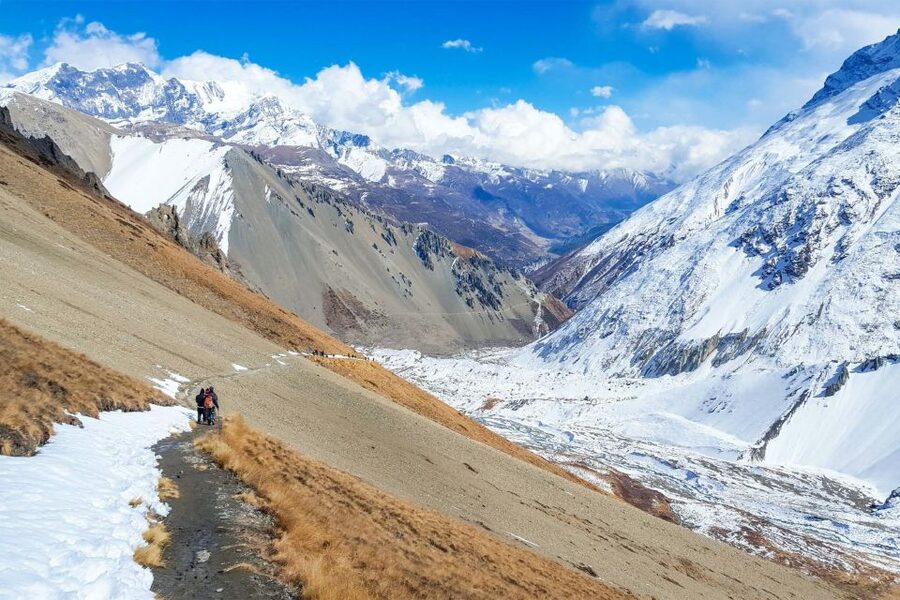
The strongest feature of this trip is the guide service. The available guides speak English, Hindi, and Nepali, and the private group format means you are not tied to the speed of a large party.
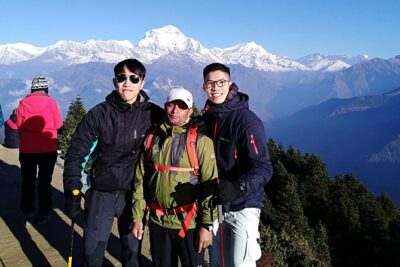
Several guides have received especially warm praise for patience and flexibility. Pratikshya has helped less-fit walkers move at their own pace. Deepak and Hari have been praised for calm support and local mountain knowledge. Sandesh has helped with photos and extra travel arrangements, while Paras has adjusted plans around sickness and walking preferences.
You should still ask who your assigned guide will be before departure. The names connected with this trek include Pratikshya, Deepak, Hari, Krishna, Bidur, Narayan, Deepchandra, Paras, Sandesh, Santosh, and Sangam Nepali. Your actual guide may be someone else from the same team.
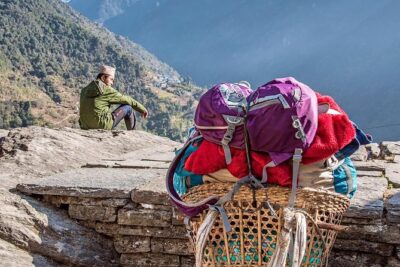
A porter is not included, but you can hire one for $15 per day. That is worth considering if you want to enjoy the route with a lighter load. The operator can also provide a duffel bag and trekking poles if needed, and luggage storage in Pokhara means you do not need to carry your full travel bag into the mountains.
Lodges, meals, permits, and practical value
Accommodation is in standard tourist lodges. This means you get a practical base at the end of each walking day rather than a luxury hotel experience. Private accommodation is included, but you buy your own food and drinks.
The tour price also covers the Annapurna Conservation Area permit and government permits. Private roundtrip transport, hotel pickup and drop-off in the Pokhara lakeside area, a certified guide, and a first aid kit are included.
You need to bring your passport or ID card. Pack for changing conditions, especially if you are walking in colder months. A suggested packing list by season would be useful, so ask for one before you leave. Snow, rain, and warm sunny conditions can all affect this route at different times.
Cancellation is flexible: you can cancel up to 24 hours ahead for a full refund. You can also reserve now and pay later. Starting times depend on availability, so confirm the departure details before booking.
Who should choose this trek?
This trek suits you if you want close mountain views, a private guide, local village scenery, and a seven-day schedule from Pokhara. It is also a good match for first-time Himalayan trekkers who want support and do not want to manage permits, transport, or lodge arrangements alone.
You should be comfortable with sustained uphill and downhill walking. The hardest concern is not the total length alone, but the rapid gain to 4,130 meters. If you have limited fitness, book a porter, use the private pacing to your advantage, and speak up quickly if you feel unwell.
Season matters. Autumn and spring generally offer the clearest conditions in the supplied trip information, while the monsoon can bring rain. Still, August offered one walker a quieter trail and a peaceful feel, though with plenty of wet weather. February brought snow near base camp. The route can be rewarding outside peak periods, but you need to pack for the conditions.
Should you book the seven-day Annapurna Base Camp trek?
I would book this trip if you want a well-supported private trek with a strong mix of mountain scenery and village life at a low starting price. The guide flexibility is a real advantage, especially if you are new to high-altitude walking or traveling with a partner whose pace differs from yours.
I would pause if you want a slow acclimatization schedule, luxury lodging, or a route with no road walking at the end. The seven-day plan is efficient, but it is also demanding. Add a porter, carry proper layers, and treat Deurali and base camp as serious altitude points.
For many walkers, the best combination is the mountain bowl at Annapurna Base Camp, the Gurung villages near the start, and the hot springs at Jhinu. That is a lot of Nepal in one week, provided you accept the effort required to get there.
FAQ
How long is the Annapurna Base Camp trek?
The trek lasts seven days, beginning and ending in Pokhara.
What altitude does Annapurna Base Camp reach?
Annapurna Base Camp is at 4,130 meters, or about 13,550 feet.
Is transportation from Pokhara included?
Yes. Private roundtrip transportation is included, along with pickup and drop-off at hotels in the lakeside area of Pokhara.
Are meals included?
No. Food and drinks are not included, but you can purchase them along the route.
Can I hire a porter?
Yes. A porter is available for $15 per day.
What languages can the guide speak?
Guides are available in English, Hindi, and Nepali.
Is the group private?
Yes. This is a private group experience with a government-certified guide.
New treks around Nepal
- Pokhara: Poon Hill Trek★ 5.0 · 3 reviews
- Pokhara: 9-Day Annapurna Base Camp Trek with Poon Hill★ 5.0 · 6 reviews
- Pokhara: 5-Day Trek to Annapurna Base Camp and Hot Springs★ 5.0 · 4 reviews
- Pokhara: Amazing 7-Day ABC Trek with Natural Hot Spring★ 5.0 · 5 reviews
- Pokhara: Majestic Mardi Base Camp Guided Trek with HotSpring★ 5.0 · 6 reviews
- Pokhara: 5-Day Annapurna Base Camp Trek with Hot Spring★ 5.0 · 3 reviews
- Pokhara: 5-Day Ghorepani and Poon Hill Private Trek★ 5.0 · 4 reviews
- Pokhara: 7-Day Annapurna Base Camp Trek & Hot Spring★ 4.0 · 3 reviews
Annapurna Base Camp Treks, side by side.
Trekking in Annapurna/Langtang/Everest/Upper Mustang regions
Read our review →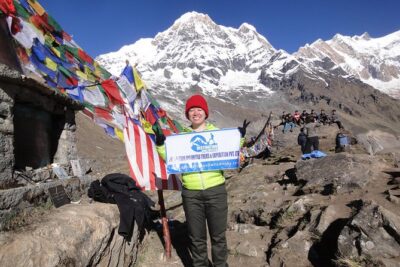
Kathmandu to Annapurna Base Camp (ABC) 5-Day Trek
Read our review →
Lists this trek appears in