
Review · KATHMANDU
From Kathmandu: Guided Everest Base Camp Trek
Everest Base Camp is not just a mountain walk. It is a 12-day journey through Sherpa country, from the short flight into Lukla to the rocky trail below the Khumbu Icefall. I like the way this route combines huge Himalayan views with real village life, especially at Namche Bazaar and Tengboche Monastery. I also like that the plan includes rest days in Namche and Dingboche, both important pauses at high altitude.
The main drawback is simple: this is a hard trek at serious altitude, not a sightseeing stroll. The itinerary reaches 5,545 meters at Kala Patthar, and the long days, cold nights, rocky paths, and thin air can test even fit hikers. You need travel insurance, a Nepal visa, and a sensible attitude toward changing plans.
Key points to know before booking
- Fly to Lukla and walk into the Khumbu: The mountain adventure begins with a domestic flight from Kathmandu, followed by a trek to Phakding on the first day.
- Two acclimatization days are built in: You pause in Namche Bazaar and Dingboche instead of rushing straight uphill.
- The high point is Kala Patthar: The viewpoint reaches 5,545 meters, higher than Everest Base Camp itself.
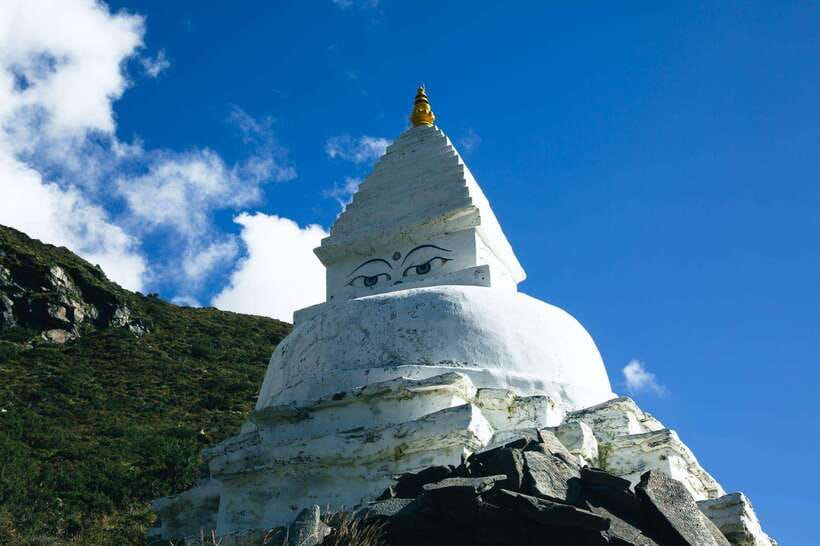
- Tengboche adds a cultural stop: You can visit the Buddhist monastery, see prayer activity, and look across to the Everest range.
- Guide support is a major part of the value: English-speaking guides including Saran and Prayas have helped with pacing, communication, illness, and heavy packs.
- The $408 price needs careful checking: Flights, food, and other inclusions depend on the option you choose, so compare the package details before paying.
Why this Everest trek is worth twelve days
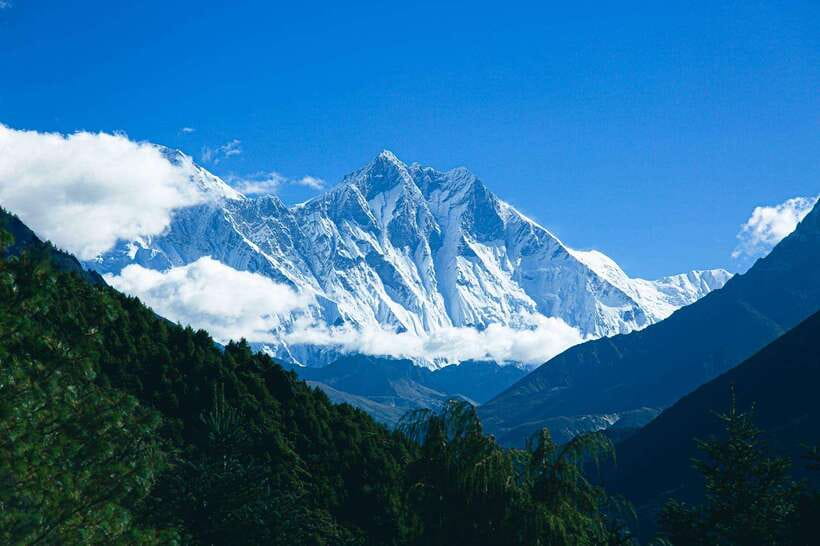
The classic appeal is obvious: Everest, Lhotse, Nuptse, Ama Dablam, glaciers, suspension bridges, and high mountain valleys. But the best part is the gradual change in scenery. You begin among lower valleys and vegetation, then move through Sherpa settlements, rhododendron forests, dry alpine ground, and glacial terrain.
I like this route because it gives the mountains room to reveal themselves. You do not simply arrive at Base Camp by vehicle, take a photo, and leave. You walk for days toward it, adjust to the height, and learn the rhythm of the Khumbu region along the way.
The cultural side matters just as much. Namche Bazaar is a trading town and a useful place to rest, shop, and see how local life supports the trekking economy. Tengboche offers a quieter pause, with a Buddhist monastery at about 3,867 meters and broad views of the surrounding peaks.
The route passes through Sagarmatha National Park, a UNESCO World Heritage site. The park protects a large section of the Everest region and may offer glimpses of Himalayan wildlife such as musk deer, Himalayan tahr, or, with great luck, a snow leopard. Wildlife sightings are never promised, but the protected setting adds meaning to the walk.
More Everest Base Camp treks around Kathmandu:
- Everest Base Camp Trek – 14 Days
★ 5.0 · 1,499 reviews - Everest Base Camp Trek
★ 5.0 · 842 reviews - Everest Base Camp Trekking
★ 5.0 · 485 reviews
Day 1: Lukla to Phakding, the first taste of the trail
The trip starts with a flight from Kathmandu to Lukla, if your selected option includes the round-trip domestic flights. From Lukla, you trek to Phakding, at about 2,610 meters.
This first walking day is useful because it eases you into the route. You are not yet at the most extreme altitude, but you will notice that the experience is physical from the start. The route introduces the bridges, stone paths, villages, and mountain views that define the days ahead.
You should treat the first day as a chance to settle your pace. Do not burn energy trying to prove how fit you are. A steady rhythm will serve you better later, when the trail climbs higher and the air becomes thinner.
Day 2: Phakding to Namche Bazaar
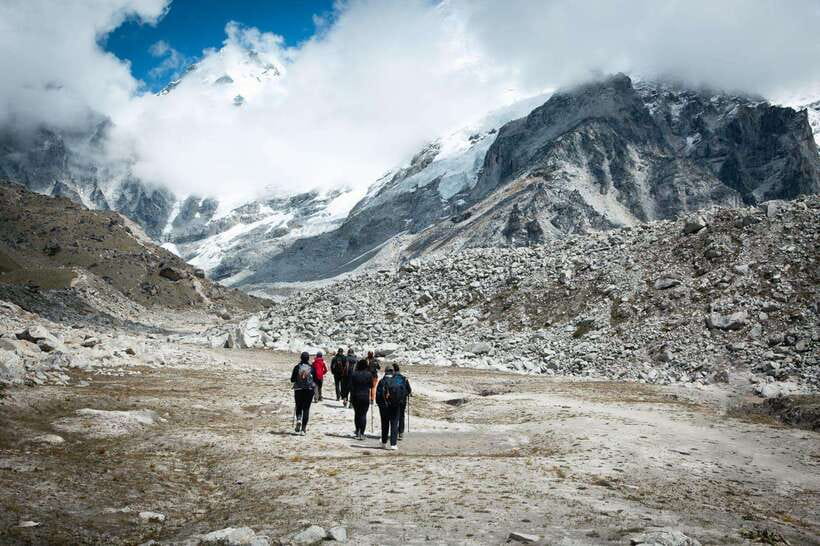
The walk to Namche Bazaar, at about 3,440 meters, is one of the first major tests. The trail follows the river valley and crosses suspension bridges before climbing more firmly toward the gateway town of the Everest region.
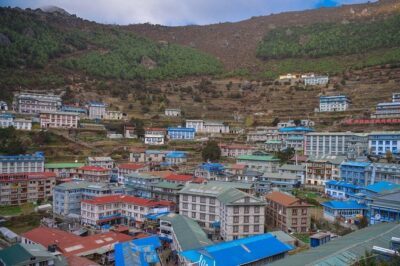
Namche is not just an overnight stop. It is a social and practical center, where you can look for local crafts, see Sherpa life, and prepare for the higher trail. The town’s setting is one of the early visual rewards of the trek, with mountains rising around the settlement.
This is also where altitude starts to matter more. You may feel tired, short of breath, or headachy. Tell your guide early if you feel unwell. A good guide can adjust the pace and help you decide how to handle the day.
Day 3: Acclimatization in Namche
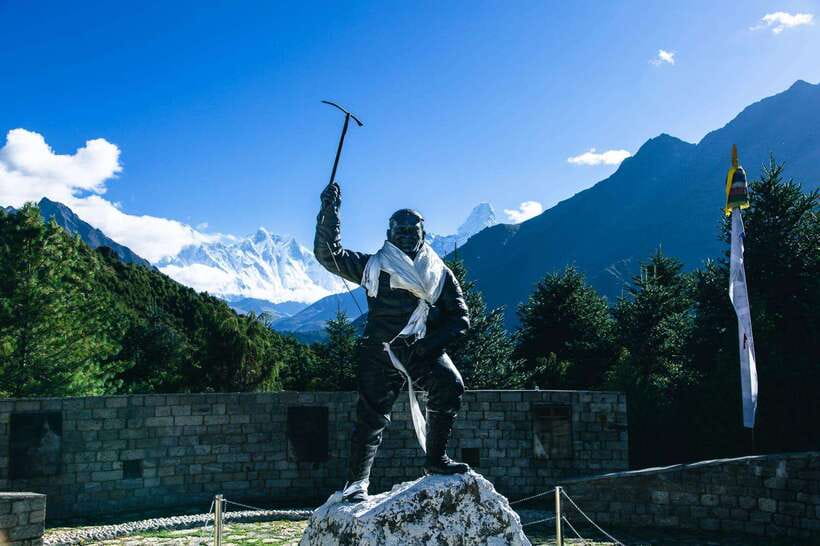
The rest day in Namche is one of the most important parts of the schedule. You are not simply losing a day. You are giving your body time to adjust before the route climbs toward Tengboche, Dingboche, and the higher villages.
The plan calls this an acclimatization day, but it does not have to mean staying indoors. You can use the time to walk locally, take in the views, visit shops, or learn more about the Sherpa community. Keep the effort moderate. The aim is to return feeling ready, not exhausted.
I especially like that this day is included rather than leaving you to rush onward. On a high-altitude trek, sensible pacing is more valuable than squeezing in extra mileage.
More guided trips around Kathmandu
- From Kathmandu: 12-Day Everest Base Camp Guided Trekking
★ 5.0 · 26 reviews - Kathmandu: 15-Day Everest Base Camp Trek with Guide
★ 4.3 · 12 reviews - From Kathmandu: 6-Day Langtang Valley Guided Trek
★ 5.0 · 2 reviews - Kathmandu: Langtang Valley 6-Day all inclusive Guided Trek
★ 5.0 · 2 reviews
Day 4: Namche to Tengboche
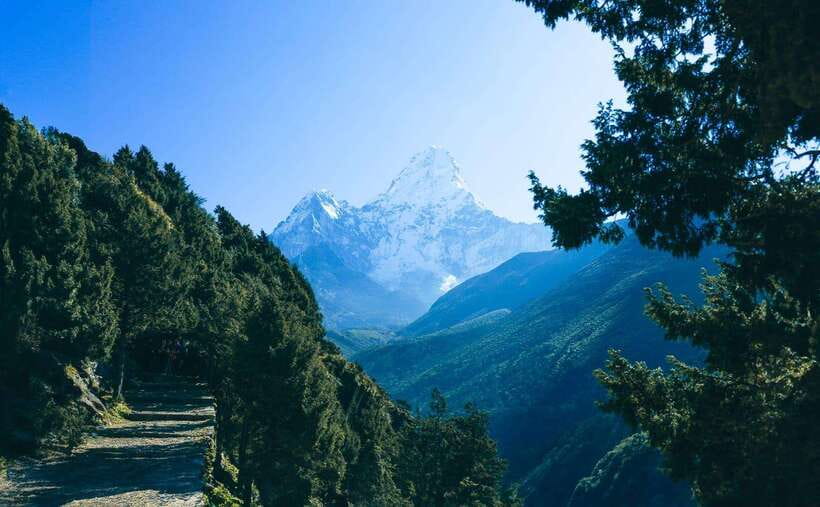
The route continues to Tyangboche, commonly written as Tengboche, at approximately 3,800 meters. The monastery is the main reason this stop matters.
Tengboche gives the trek a spiritual center. You can visit the Buddhist monastery, observe prayer practices, and enjoy mountain views from a peaceful setting. The monastery also helps you understand that this is a lived-in cultural region, not only a route designed for hikers.
The walking is still demanding, with uphill and downhill sections. Do not assume that every day gets steadily harder in a straight line. Descents can be tiring on knees and legs, while climbs place more pressure on your breathing.
Day 5: Tengboche to Dingboche
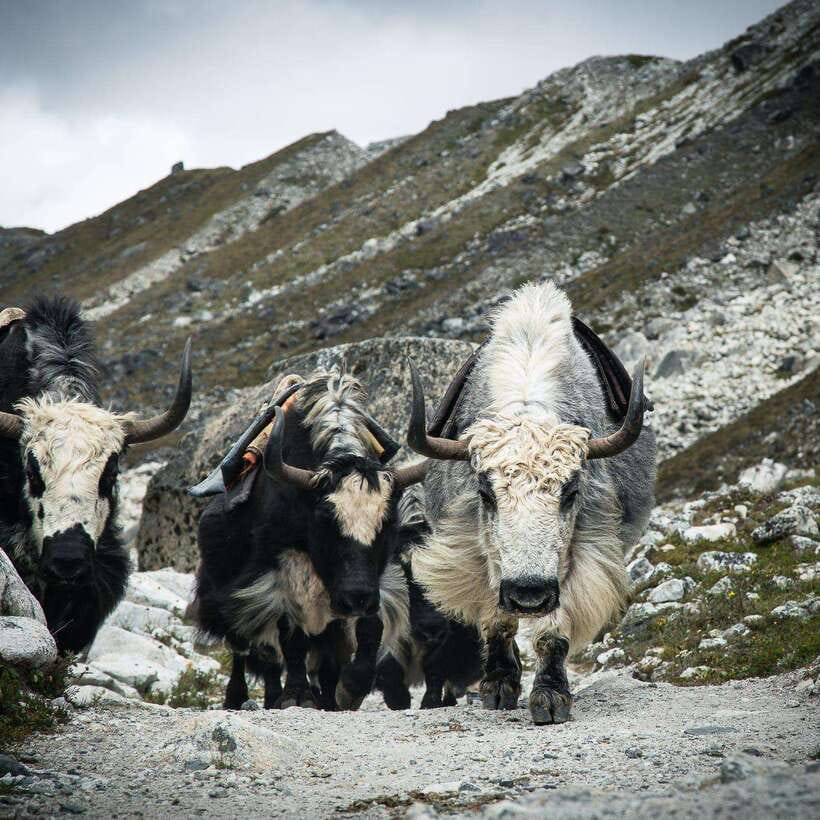
Dingboche sits at about 4,400 meters, and the increase in height is noticeable. The surroundings become more open and severe as you leave behind much of the lower vegetation.
This is the point where you should pay close attention to your body. Eat what is provided, drink regularly, and tell the guide about symptoms instead of trying to hide them. The schedule wisely adds another rest day after this stage.
Dingboche is also a good place to appreciate the changing scenery. Lower valleys give way to rougher ground, bigger peaks, and a more exposed feel. Ama Dablam and other Himalayan summits help make this section one of the most memorable parts of the route.
Day 6: Rest day in Dingboche
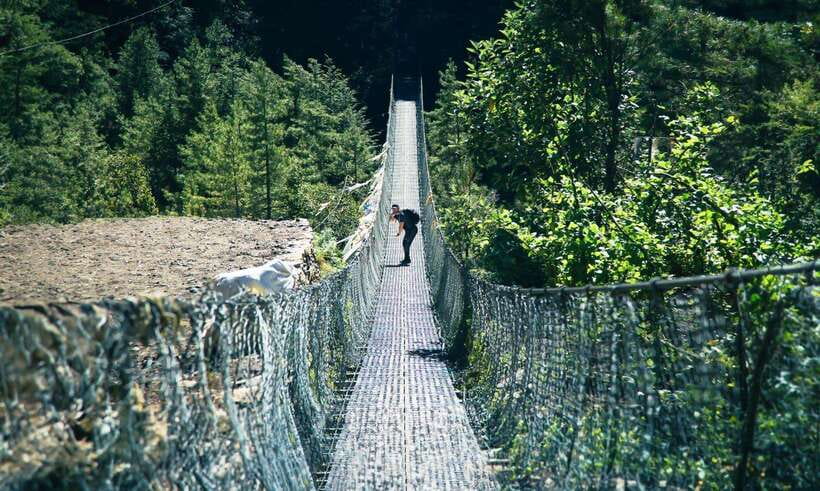
The second acclimatization day is placed before the trek moves toward Lobuche and Gorak Shep. That timing is important because the next few days take you close to the highest points of the trip.
Use this pause to recover, organize your pack, and ask questions about the upcoming route. The guide can help you judge how you are handling the altitude. A rest day does not guarantee that you will avoid altitude sickness, but it gives you a better chance of adapting gradually.
This is also a good place to manage expectations. You may be excited about Base Camp, but the final approach is not a quick victory lap. The trail is high, rocky, and physically demanding.
Day 7: Dingboche to Lobuche
The trail climbs to Lobuche, at around 4,900 meters. At this height, every uphill section can feel longer than it looks on a map.
The scenery becomes dominated by rock, ice, and enormous peaks. You are moving through the kind of high mountain terrain that makes the Everest region famous, but the beauty comes with a cost. The air is thin, the weather can feel harsh, and your legs may already be tired from several days of walking.
This is where guide support becomes especially useful. Saran has been praised for careful attention to health, help with heavy packs when needed, and taking photos and videos along the way. Prayas has also provided strong support and good English communication. You should still carry only what you need, but it is reassuring to know that practical help is part of the guiding role.
Day 8: Lobuche to Gorak Shep and Everest Base Camp
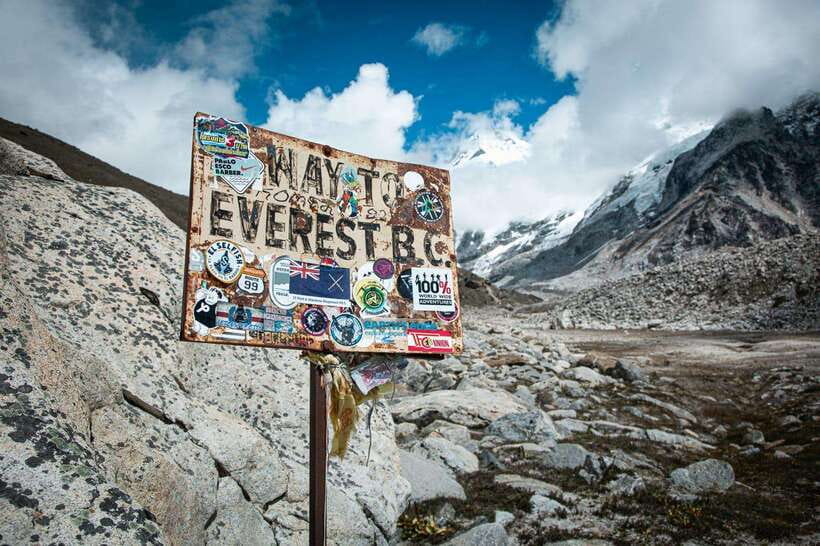
The route reaches Gorak Shep, at roughly 5,150 meters, then continues to Everest Base Camp at about 5,365 meters. Gorak Shep is the last settlement before the Base Camp approach, so this is one of the longest and most demanding days.
Everest Base Camp is not the summit of Everest, and you should know what the destination looks like in context. The reward is the feeling of reaching the foot of the world’s highest mountain, along with views toward the Khumbu Icefall and nearby glaciers. The setting is dramatic, but the exact appearance of Base Camp can vary with season and conditions.
Do not expect a quiet, polished attraction. This is a working high-altitude mountaineering area, and the route to it is rough. The achievement comes from getting there under your own power, with the guide’s help and the support of the group.
Day 9: Kala Patthar and the walk to Pheriche
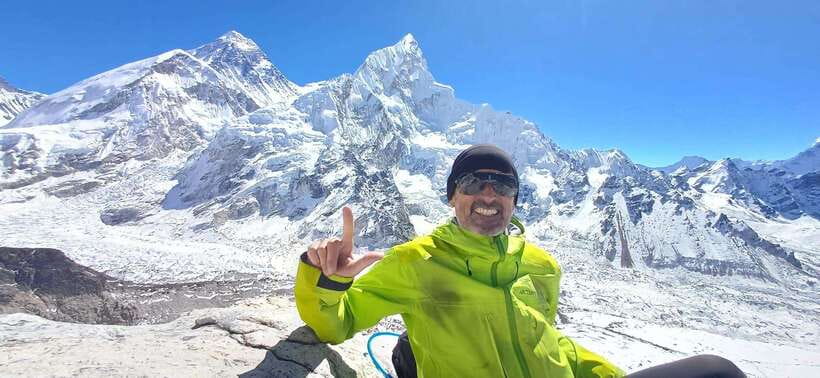
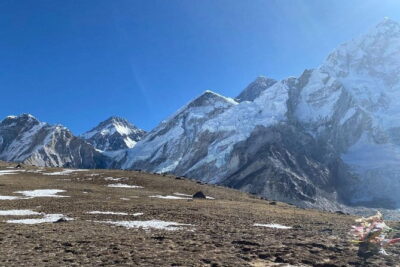
The itinerary begins with Kala Patthar, at about 5,545 meters, before descending to Pheriche at approximately 4,200 meters. Kala Patthar is higher than Everest Base Camp and is often treated as the major viewpoint of the trek.
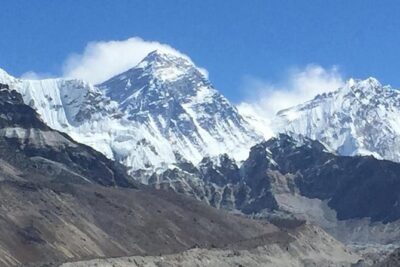
This early climb is demanding, but it offers close views of Everest and the surrounding peaks. The mountain panorama is the payoff for the long approach, and this is one of the moments when the route’s physical effort makes emotional sense.
The descent to Pheriche is welcome, though downhill walking can still be hard on tired knees. You should not mistake lower altitude for an effortless day. The distance and accumulated fatigue still count.
Days 10 and 11: Returning through Namche to Lukla
The return route goes from Pheriche to Namche on Day 10, then from Namche to Lukla on Day 11. Walking back gives you a different view of villages and valleys you may have passed quickly on the way up.
Namche is a useful return stop because it breaks up the descent and gives you a final chance to enjoy the town. You may also find the lower altitude makes breathing easier and restores some energy.
The final walk to Lukla can feel satisfying, but do not plan a major celebration until the flight is confirmed. Domestic mountain flights are an important part of the route, and the package information says flights are included only if you choose that option. Keep your arrangements clear before booking.
Day 12: Fly back to Kathmandu
The trek ends with the flight from Lukla to Kathmandu. If the flight is included in your selected package, the transport brings the walking portion to a clean close.
The tour includes hotel pickup and drop-off, which makes the start and finish simpler. It also includes a trekking map, a first-aid kit, a Sagarmatha National Park permit, guide accommodation and food, and welcome and farewell coffee.
Food and drinks are included only with the full-board option. Check this point carefully, since a lower headline price may not cover every meal or flight. At $408 per person, the experience can offer good value if the selected package includes the key costs you need, but the final value depends heavily on those options.
Guide support and small-group advantages
The experience is offered with an English-speaking live guide, and a small-group option is available. That matters on a trek where daily pace, health, and communication can affect the whole experience.
Saran has supported solo participants, helped carry heavy packs during difficult moments, kept close watch on health, and helped with photographs and video. Prayas has also offered helpful guidance and clear English. These details suggest that the best part of the service is practical support, not a stream of formal speeches.
Solo women may find the organized support useful. One participant described receiving prompt WhatsApp communication from Rajesh before departure, including advice about what to bring. Another needed medical help and a porter near the end of the trek, and the company arranged assistance. You should not treat that as a guarantee of every medical outcome, but it shows why a local agency can be valuable in a remote region.
Who should book this trek
You should consider this trek if you want a structured route to Everest Base Camp rather than arranging every permit, flight, guide, and overnight stay yourself. It suits people who value local support, mountain scenery, Sherpa culture, and a clear 12-day plan.
It is also a reasonable choice for solo participants who prefer not to walk the Khumbu alone. The small-group format can offer company without the feel of a large coach tour.
You should think twice if you dislike basic trekking conditions, long walking days, high altitude, or uncertain flight arrangements. Travel insurance is not included, and the Nepal visa fee is also your responsibility. The route is famous, but fame does not make it easy.
Should you book it?
I would book this trek if the package you select clearly includes the round-trip Lukla flights, full-board meals, accommodation, and the support you need. The strongest reasons are the well-spaced acclimatization days, the cultural stops at Namche and Tengboche, and the practical care associated with guides such as Saran and Prayas.
Before paying, confirm exactly what the $408 covers. If you are fit enough for sustained walking and ready for serious altitude, this is a strong way to reach Everest Base Camp with local guidance. If you want comfort, flexible short days, or guaranteed flight timing, choose a different Nepal experience.
FAQ
How long is the Everest Base Camp trek?
The activity lasts 12 days, including the flight from Kathmandu to Lukla, the trek to Everest Base Camp, the return walk to Lukla, and the flight back to Kathmandu.
Is the flight from Kathmandu to Lukla included?
Round-trip domestic flights are included if you select the option that includes them. Check the exact package before booking.
What language does the guide speak?
The live tour guide operates in English.
Are meals included?
Food and drinks are included if you select the full-board option. Check whether your chosen package includes full board.
Are accommodation and guide costs included?
Accommodation during the trek is included. The guide’s accommodation and food are also included.
Do I need travel insurance?
Yes. Travel insurance is not included in the activity price, so you need to arrange it yourself.
Can I cancel and receive a refund?
You can cancel up to 24 hours in advance for a full refund. The activity also offers reserve now and pay later booking.
New treks around Kathmandu
- Kathmandu or Pokhara: 5-Day Annapurna Base Camp (ABC) Trek★ 4.5 · 2 reviews
- Pokhara: 2 Day Ghorepani & Poon Hill Private Trekking★ 4.9 · 8 reviews
- From Kathmandu: 6-Day Langtang Valley Guided Trek★ 5.0 · 2 reviews
- Pokhara: 5-Day Annapurna Base Camp (ABC) Trek★ 5.0 · 9 reviews
- Kathmandu: Langtang Valley 6-Day all inclusive Guided Trek★ 5.0 · 2 reviews
- Kathmandu: 6 Days Langtang Valley Trek with Kyanjin Ri★ 5.0 · 7 reviews
- Kathmandu: 9- Day Annapurna Circuit Trek★ 5.0 · 2 reviews
- Kathmandu: 6-Day Limitless Langtang Trek★ 5.0 · 21 reviews
Everest Base Camp Treks, side by side.
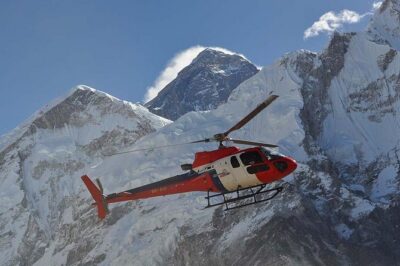
Everest Base Camp Trek with Helicopter Return from Gorakshep to Lukla
Read our review →
Trekking in Annapurna/Langtang/Everest/Upper Mustang regions
Read our review →Lists this trek appears in