
Review · KATHMANDU
Pokhara: 5-Day Annapurna Base Camp (ABC) Trek
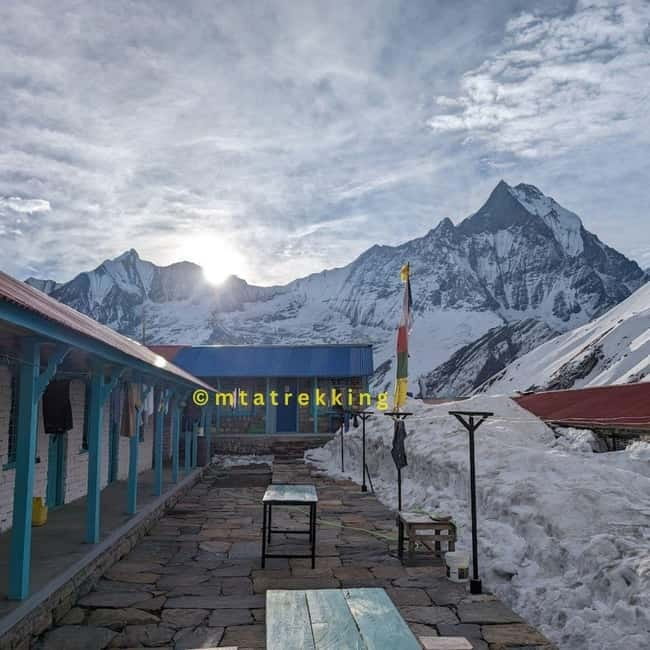
Annapurna Base Camp is the star here, but the real reward is the changing trail that leads to it: rice terraces, forest, stone villages, high mountain valleys, and finally a great bowl of Himalayan peaks at 4,130 meters. You leave Pokhara by road, then trade the car for your boots and spend four nights in tea houses.
I like the private-group format, which gives your guide room to adjust the pace and rest stops. I also like the practical package: transport from Lakeside Pokhara, permits, tea-house lodging, guide, first-aid kit, and luggage storage are covered. The catch is simple: five days is a tight schedule for a high-altitude trek, and the six-hour walking days will test your legs.
Key things to know before booking
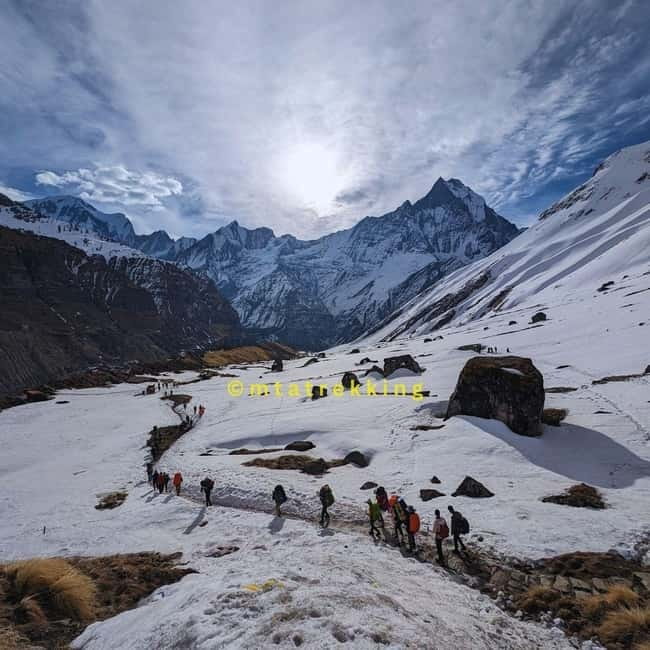
- Annapurna Base Camp reaches 4,130 meters: The summit goal is dramatic, but altitude and cold make this more than a casual mountain walk.
- Jhinu adds a welcome recovery stop: You can visit the natural hot springs on the way back, an excellent treat for tired legs.
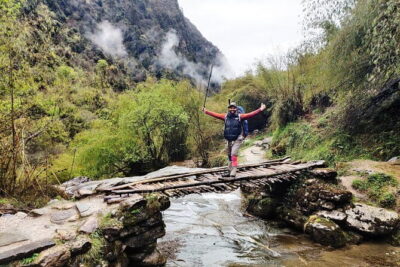
- The route changes quickly: Expect terraced fields, forest, riverside paths, villages, and open mountain views rather than one repeating trail.
- Tea houses keep the trip practical: You sleep in simple mountain lodges, with hot showers, Wi-Fi, drinks, laundry, and bottled water charged separately.
- A guide matters on this schedule: Guides including Santosh, Prabit, and Ramit have been praised for pacing, communication, and help with equipment.
- Porters cost extra: A porter is available for $20 per day, so budget for that if you do not want to carry your main bag.
Why this five-day ABC route works
The Annapurna Base Camp trek is one of Nepal’s best short Himalayan routes because it gives you a real high-mountain finish without requiring a two-week itinerary. You begin near Pokhara, pass through communities connected with Gurung culture, and reach a base camp surrounded by the Annapurna Massif.
The trip is not easy simply because it lasts five days. The schedule includes several long walking days, and the route climbs from the lower hills to 4,130 meters in a short period. You should be comfortable walking for five or six hours on uneven trails and handling repeated uphill and downhill sections.
The private format is important. A fixed group can force everyone into one pace, while a private guide can slow things down when you need a break. One recent departure made adjustments so the walkers did not overexert themselves. That is exactly the sort of support you want when the air gets thin.
The price of $136 per person looks strong for what is included, especially if you value convenience. You get hotel pickup and return within Lakeside Pokhara, private road transport, permits, a registered guide, tea-house accommodation, and luggage storage in Pokhara. Check the booking option carefully, though, because the meal-inclusive version requires you to choose the full-board option. Personal costs remain, and they add up in the mountains.
More Annapurna treks around Kathmandu:
- Annapurna Circuit Trek with Tilicho Lake
★ 5.0 · 368 reviews - Annapurna base camp trek 5 Days
★ 5.0 · 252 reviews - 14-Day Private Annapurna Base Camp Trek
★ 5.0 · 180 reviews
Day 1: Pokhara to Lower Sinuwa through Jhinu
Your morning begins with pickup at a Lakeside hotel or Pokhara International Airport. A private jeep or SUV takes roughly three hours toward Siwai, described as the last road point for this route. The drive saves you a long approach walk and gets you onto the trail sooner.
From there, you hike toward Lower Sinuwa, at about 2,300 meters. The walking time is listed at roughly five to six hours, depending on the exact pace and stops. This is a good first day because the route gives you a gradual introduction to the trail rather than placing you immediately in the highest country.
Jhinu is the main attraction along the way. The village is known for its natural hot springs, although the schedule places the optional hot-spring visit more clearly on the return journey. You can still ask your guide about timing, but do not count on a long soak on the first day if the group needs to reach Lower Sinuwa before dark.
Expect a mixture of village paths, steps, and mountain views. Lower Sinuwa is a working trail stop, not a luxury resort. Your tea-house room should be treated as a simple base for sleep and recovery. Bring cash for extras, since hot showers, Wi-Fi, drinks, bottled water, and laundry are not included.
Day 2: Climbing from Lower Sinuwa to Deurali
Day two takes you to Deurali at around 3,200 meters, with about six hours of walking. This is where the trek begins to feel serious. The trail climbs through changing vegetation, and you will notice the temperature and breathing effort shift as you gain height.
The route passes through dense forest and mountain settlements, with scenic viewpoints appearing between sections of trees. The combination is part of the appeal of the Annapurna region. You are not walking through bare high country from the start. Instead, the trail gradually takes away the lower greenery and opens the view toward the larger peaks.
Deurali is a useful overnight point because it places you close to the base-camp section. It also gives your guide a chance to watch how you are handling altitude. Pay attention to headache, nausea, unusual tiredness, or trouble sleeping. Altitude sickness is considered uncommon in the supplied trip information, but 4,130 meters is high enough to require care.
Do not treat the listed six hours as a race. Your guide may set a steady pace and add rests based on the group. One of the strongest parts of this program is the attention to timing and recovery reported by people who walked with guides Ramit, Prabit, and Santosh. Confirm your assigned guide before departure, then use that person’s advice seriously.
Day 3: Machhapuchhre Base Camp and Annapurna Base Camp
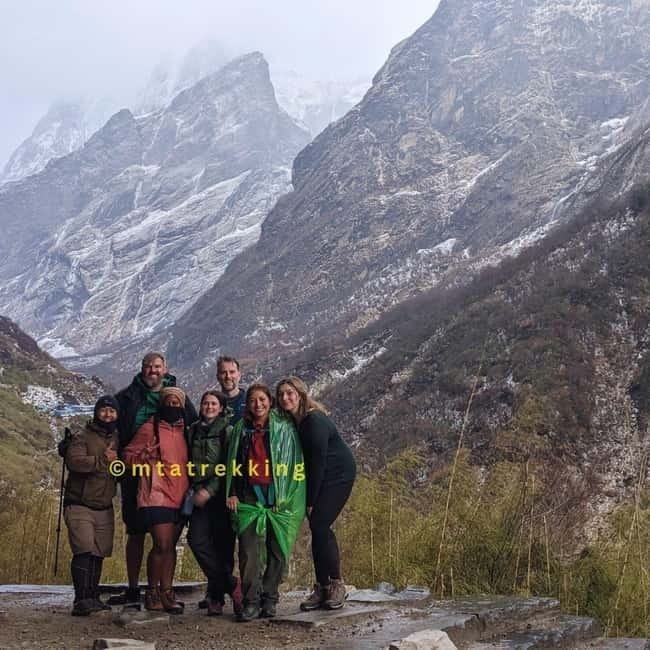
Day three is the emotional high point. You leave Deurali and walk toward Machhapuchhre Base Camp, often called the base camp for Fishtail Peak, before continuing to Annapurna Base Camp. The listed walking time is about four hours, but the altitude and terrain can make this shorter day feel demanding.
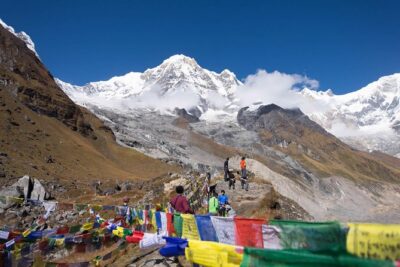
Machhapuchhre is one of the route’s most memorable visual markers. The distinctive Fishtail Peak gives the approach a clear sense of place, and the stop breaks up the final push to ABC. You are no longer simply walking through villages and forest. The mountains now dominate the scene.
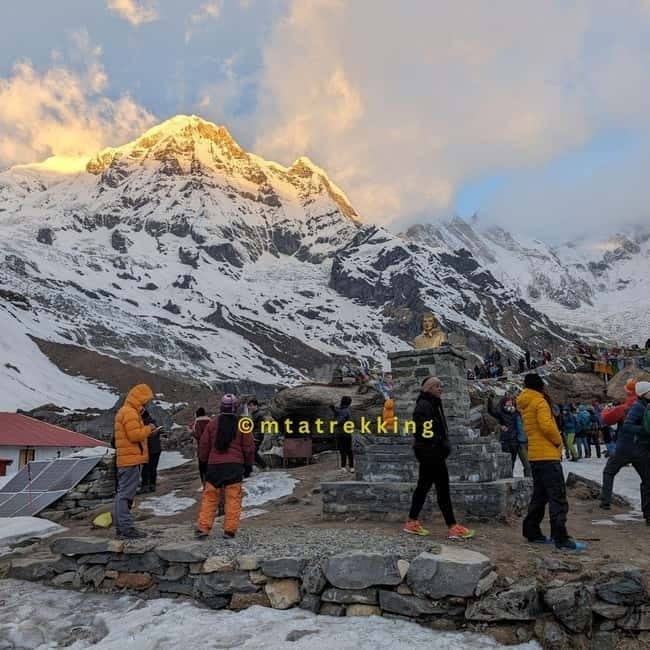
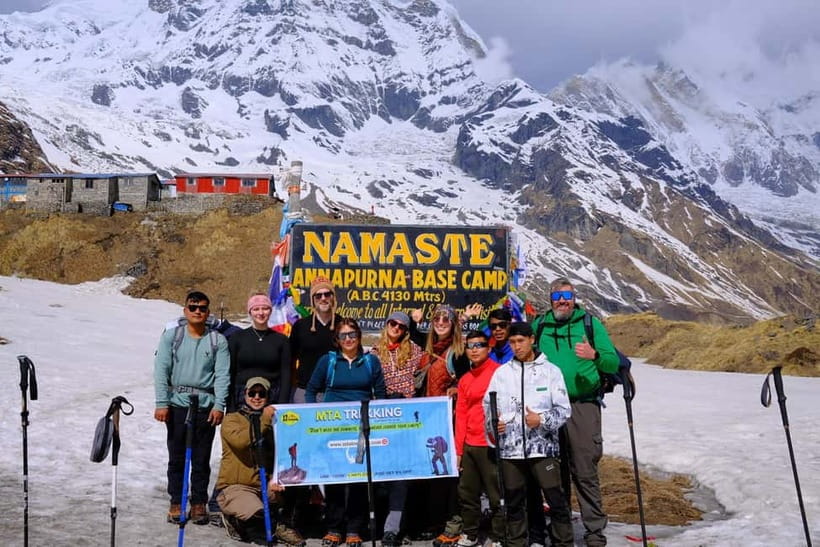
Annapurna Base Camp sits at 4,130 meters, surrounded by the high peaks of the Annapurna Massif. The setting is a broad mountain amphitheater, and the sense of arrival is earned rather than handed to you. Allow time for photographs, but keep warm and follow your guide’s advice about how long to stay outside.
The overnight stay at base camp is a major part of the experience, and also one of the least comfortable. Tea-house accommodation at this height is basic. Temperatures can feel harsh, personal facilities are limited, and the air is thin. Pack layers, gloves, a warm hat, and a headlamp. The supplied equipment list only calls for comfortable clothing and shoes, but a high-altitude trek requires more than the bare minimum.
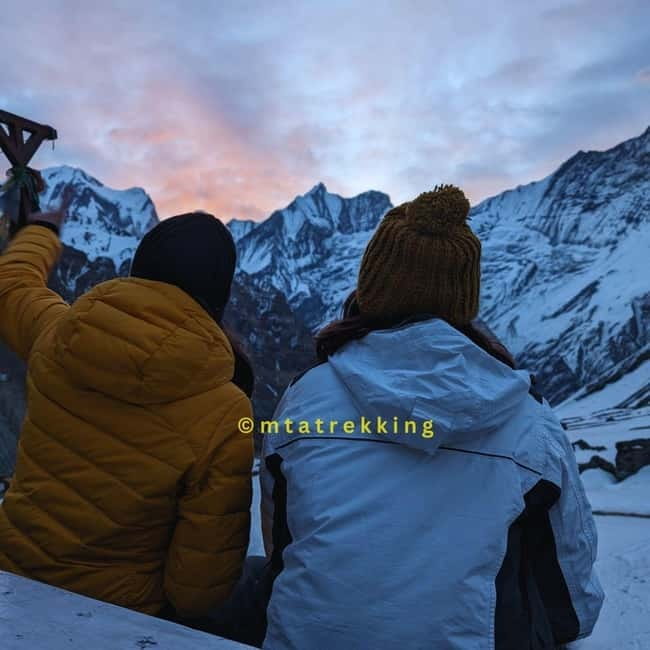
If the weather cooperates, sunrise is especially important. One visitor described the sunrise in front of Annapurna South as unforgettable. You should be ready for an early start and have your warm layers close at hand, because the best mountain light does not wait for breakfast.
More five-day treks around Kathmandu
- Kathmandu to Annapurna Base Camp (ABC) 5-Day Trek
★ 5.0 · 102 reviews - From Kathmandu: 5-Day Gosaikunda Lake Trek
★ 5.0 · 6 reviews - Kathmandu or Pokhara: 5-Day Annapurna Base Camp (ABC) Trek
★ 4.5 · 2 reviews - From Kathmandu: 5-Day Everest View Trek
★ 5.0 · 2 reviews
Day 4: From ABC back to Bamboo
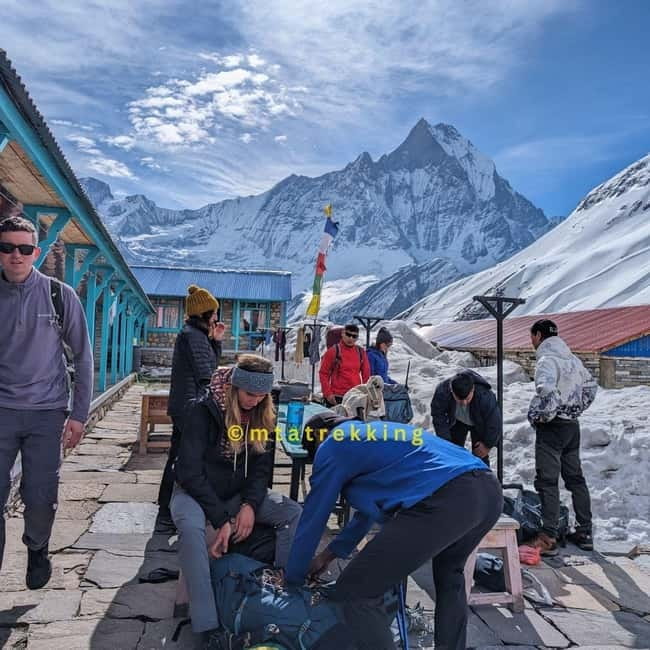
After enjoying Annapurna Base Camp, you descend to Bamboo at about 2,400 meters. The listed walking time is around six hours. Going downhill may sound easy after the climb, but long descents can be hard on knees and ankles, particularly on stone steps and uneven ground.
This is a day when trekking poles can help, though they are not specifically included. If you use them, pack your own or confirm availability before setting out. Keep water and snacks accessible, and do not empty your energy reserves at base camp because Bamboo is still several hours away.
The descent brings a welcome change in air and vegetation. You move away from the high, exposed mountain bowl and back toward forested country. That return through different elevations is one of the route’s strongest features. The same trail feels different when you know the hardest climb is behind you.
Bamboo is another simple tea-house stop. Use the evening for food, dry clothes, and sleep. Extra comforts cost money in the mountains, so keep small cash notes handy. The package includes accommodation, but it does not cover hot showers, Wi-Fi, drinks, mineral water, or laundry.
Day 5: Bamboo, Jhinu Hot Springs, and Pokhara
The final walking section takes you from Bamboo toward Jhinu Danda. The schedule lists about six hours of walking before the return drive. Jhinu’s natural hot springs are optional, but they make sense here. After several days of climbing and descending, soaking your legs can be a pleasant final mountain ritual.
You should confirm the exact timing with your guide. A long bath may not fit comfortably if the trail and road transfer run late. The route description allows for the hot springs, but the final day still includes a jeep ride of about three hours back to Pokhara.
The drive returns you to Lakeside, where the trek ends at your hotel or agreed drop-off point. That transfer is valuable. After five days on foot, arranging your own transport from a remote road point would be an irritating final task.
Tea houses, meals, and what you pay for
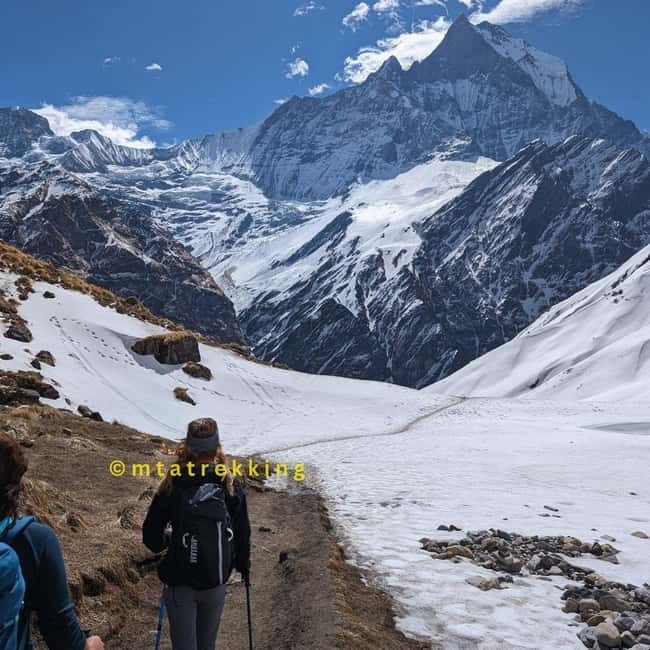
Tea-house accommodation is part of the Annapurna experience. It keeps you close to local communities and avoids the cost and weight of camping equipment. Rooms are basic, and the level of comfort can vary, so go in expecting function rather than polish.
Meals need careful checking at booking. The package information says meals are covered when you select the full-board option. If you choose a different option, food may not be included. Ask exactly what breakfast, lunch, dinner, and drinks cover before paying.
The $136 price is good value if the full package matches your booking choice. Included permits, government fees, TIMS, taxes, guide service, private transport, tea-house stays, pickup, return transfer, first-aid support, and Pokhara luggage storage would otherwise require separate planning and payment.
Budget extra for a porter at $20 per day if you want help with your main bag. Also plan for personal drinks, hot showers, Wi-Fi, bottled water, laundry, and other small purchases. Rescue and insurance are not included, so arrange appropriate trekking insurance before you leave.
Fitness, altitude, and seasonal concerns
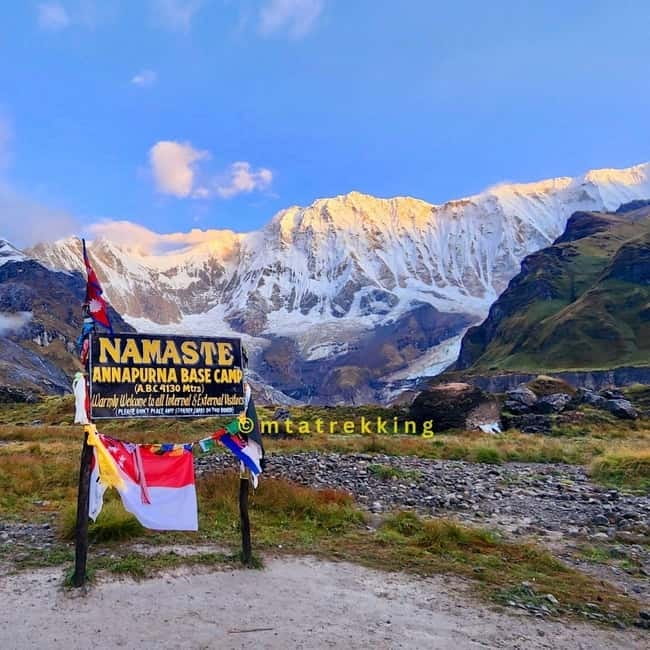
You do not need to be an elite athlete, but you do need a solid walking base. The five-day plan includes several days of roughly six hours, with uphill and downhill sections. One person completed the route but found fitness heavily tested. That is a useful warning, not a reason to avoid the trek.
Start preparing with long walks, stairs, or hills. Comfortable shoes are listed as essential, but make sure they are already broken in. New footwear can turn a good trip into a painful one.
Altitude is the main physical concern. Annapurna Base Camp reaches 4,130 meters, and the ascent happens over only a few days. Walk slowly, drink regularly, eat even when your appetite drops, and tell your guide if you feel unwell. Do not try to hide symptoms to protect the schedule.
Monsoon season, from June through August, brings heavy rain and uncertain weather. Lower trails can become slippery, and leeches may appear. Long trousers tucked into gaiters and insect repellent can help. Rain protection is essential during this period, and you should follow the guide’s advice if conditions turn poor.
The supplied booking information excludes people with altitude sickness, mobility impairments, wheelchair users, visual impairments, pregnant women, and people over 70. These restrictions reflect the trail and altitude, not a lack of scenery or culture. If you are unsure about your fitness, get medical advice before booking.
Guide quality and the private-group advantage
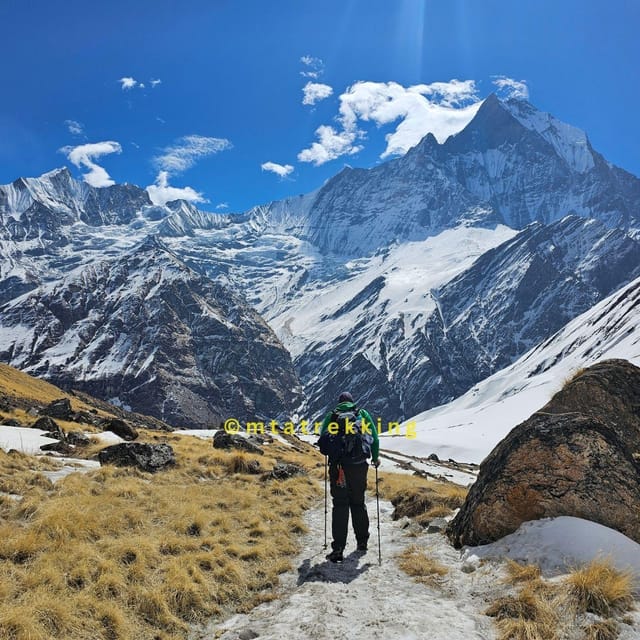
The guide can make or break a short trek. With only five days, you need clear instructions, sensible pacing, and help with practical details. The strongest praise for this trip centers on communication, kindness, timing, and care.
Guides named in recent departures include Santosh, Prabit, and Ramit. Prabit was particularly careful about equipment and preparation, while Ramit was praised for managing walking times and rest periods. Santosh was described as kind, understandable, and a good companion. Your assigned guide may differ, so confirm the name before departure.
A private group gives you more control than a large shared departure. You can ask questions about Gurung culture, village life, plants, mountains, and the route without feeling lost in a crowd. You can also tell the guide early if you need a slower pace.
The tour language is English. If you want the cultural side of the trek to be more than a quick walk through villages, ask questions. The route passes through traditional Gurung communities, and the guide is your best link to local customs and daily life.
What to pack for this particular trek
Keep your pack practical and light. You need comfortable trekking shoes, warm and changeable clothing, rain protection, personal toiletries, a passport or identity copy, and cash.
Add a warm layer for base camp, gloves, a hat, sun protection, and a water container. These last items are sensible for the altitude, even though they are not all listed in the basic requirements.
A porter is optional, not included. If you hire one, keep a small daypack for water, snacks, rain gear, warm layers, medication, and your camera. Your main luggage can remain in Pokhara through the included storage facility.
Should you book the five-day ABC trek?
Book this trek if you want a serious Himalayan goal in a compact itinerary, value private guiding, and can handle long walking days. The route gives you mountain scenery, Gurung villages, tea-house life, Machhapuchhre views, Annapurna Base Camp, and Jhinu’s hot springs without requiring a long camping trip.
Think twice if you dislike basic lodging, want a relaxed walking pace, or are not ready for altitude. Five days leaves little spare time for bad weather, illness, or a slow group. The value is strong, but only if you select the correct meal option and budget for personal costs, a porter, insurance, and rescue cover.
For a fit walker with limited time in Nepal, this is a focused and rewarding route. Prepare properly, pack warm layers, carry cash, and let your guide manage the pace. That is the best way to enjoy the mountain views without turning the trek into a test of stubbornness.
FAQ
How high does the Annapurna Base Camp trek go?
Annapurna Base Camp reaches 4,130 meters, or 13,550 feet. Altitude sickness is possible, so you should follow your guide’s advice and report any symptoms.
Where does pickup take place?
Pickup is available from hotels and locations within Lakeside Pokhara, as well as Pokhara International Airport. The trip returns you to Lakeside Pokhara after the trek.
Are meals included in the $136 price?
Meals are included when you choose the full-board option. Check the selected booking option carefully because personal drinks and other purchases are not included.
Is a porter included?
No. Porter service costs $20 per day. You can also use the included luggage storage facility in Pokhara during the trek.
What personal costs should I expect?
Hot showers, Wi-Fi, drinks, mineral water, laundry, and other personal expenses are not included. Rescue and insurance are also excluded.
Can I cancel the booking?
You can cancel up to 24 hours in advance for a full refund. The activity also offers reserve now and pay later, so you do not need to pay at the time of booking.
New treks around Kathmandu
- Kathmandu or Pokhara: 5-Day Annapurna Base Camp (ABC) Trek★ 4.5 · 2 reviews
- Pokhara: 2 Day Ghorepani & Poon Hill Private Trekking★ 4.9 · 8 reviews
- From Kathmandu: 6-Day Langtang Valley Guided Trek★ 5.0 · 2 reviews
- Kathmandu: Langtang Valley 6-Day all inclusive Guided Trek★ 5.0 · 2 reviews
- Kathmandu: 6 Days Langtang Valley Trek with Kyanjin Ri★ 5.0 · 7 reviews
- Kathmandu: 9- Day Annapurna Circuit Trek★ 5.0 · 2 reviews
- Kathmandu: 6-Day Limitless Langtang Trek★ 5.0 · 21 reviews
- Sundarijal-Chisapani-Nagarkot Trek with Changunarayan★ 4.8 · 3 reviews
Annapurna Base Camp Treks, side by side.
Trekking in Annapurna/Langtang/Everest/Upper Mustang regions
Read our review →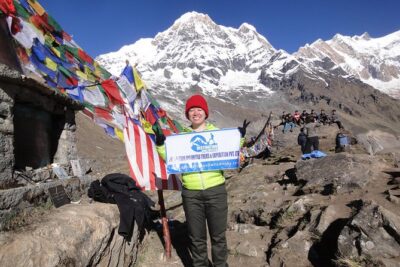
Kathmandu to Annapurna Base Camp (ABC) 5-Day Trek
Read our review →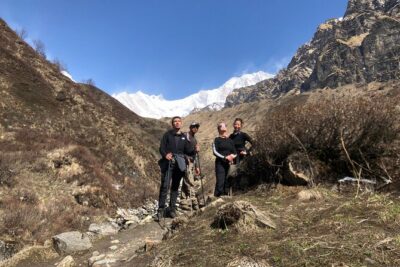
Lists this trek appears in